匠 (Takumi) より:
こんにちわ!日本伝統工芸ウオッチャー&ガイドのtakumiです。ようこそ山中漆器ワールドへ‼山中漆器の魅力は、単なる美しさだけではありません。その裏側にある「職人の分業制」や「合理的な技術」を知ることで、ゲストへの案内はぐっと深みを増します。
この記事では、現場でそのまま使える英語表現から、ゲストの驚きと笑いを誘う裏話まで、私が工房やそこで繰り広げられる職人芸を直接見ている視点でナビゲートいたします。まずは気になるセクションからチェックしてみてください!
\ 気になるトピックへジャンプ /
0. 本ブログの基本構成
- 基本用語のご説明
- 《山中漆器》全体のご説明
- 基本情報(👉押さえておきたいポイント)
- Q&A #インバウンド視点(👉よく聞かれる質問への即答例)
- 笑いが取れるかも?(👉真面目な説明と雑談ネタ)
1. 押さえておきたい基本用語
山中漆器の魅力をより深く理解し、お相手に伝えるためのキーワードを3つのレベルに分けてご紹介します。🪵お急ぎの際は下記クイックボタンから👇
ゲストのレベル別・用語クイックボタン
お相手の興味レベルに合わせて、最適な言葉選びをチェックしましょう。
1.1 日常会話・一般観光客向け (Casual & Descriptive)
漆器の「手触り」や「見た目」など、一般の方にも直感的に伝わる用語です。
- 漆 (Lacquer): 漆の木の樹液。天然のコーティング剤。(The sap of the lacquer tree; a natural resin.)
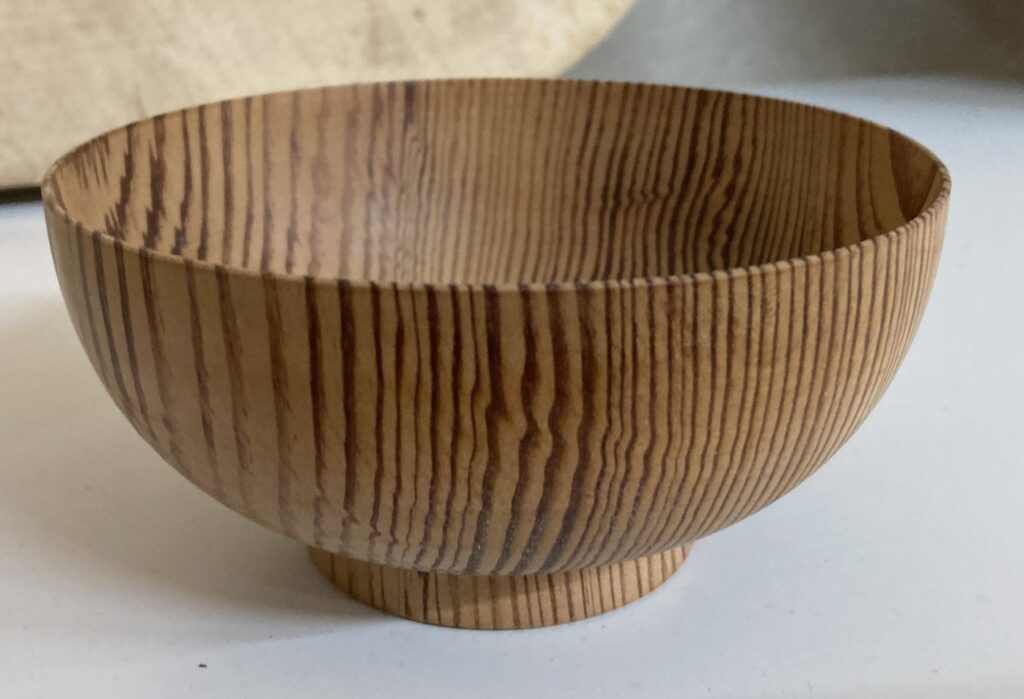
- 木目 (Wood grain): 木が持つ自然な模様。山中漆器の最大の魅力。(The natural patterns of the wood; the highlight of Yamanaka-ware.)
- 軽い (Lightweight): 手に持った時の驚きの軽さ。(Surprisingly light when held in your hand.)
- ぬくもり (Warmth): 木製品特有の、手に伝わる優しい温度。(The gentle, natural warmth unique to woodenware.)
- 丈夫 (Durable): 正しく扱えば一生ものとして使える強さ。(Long-lasting and sturdy enough to last a lifetime with proper care.)
- 朱塗り (Vermilion): 漆器の代表的な色である鮮やかな赤。(The iconic, vibrant red color of Japanese lacquer.)
- お椀 (Soup bowl): 味噌汁などを飲むための最も一般的な器。(The most common bowl used for Miso soup.)
1.2 伝統工芸ファン・こだわり派向け (Knowledgeable & Cultural)
山中漆器が「木地の山中」と呼ばれ、個性的な面を伝える用語です。
- 木地 (Kiji): 漆を塗る前の、削り出された木の土台。(The raw wooden base before any lacquer is applied.)
- 挽物 (Hikimono): 轆轤(ろくろ)を使って木を加工した製品。(Products made by shaping wood using a lathe.)
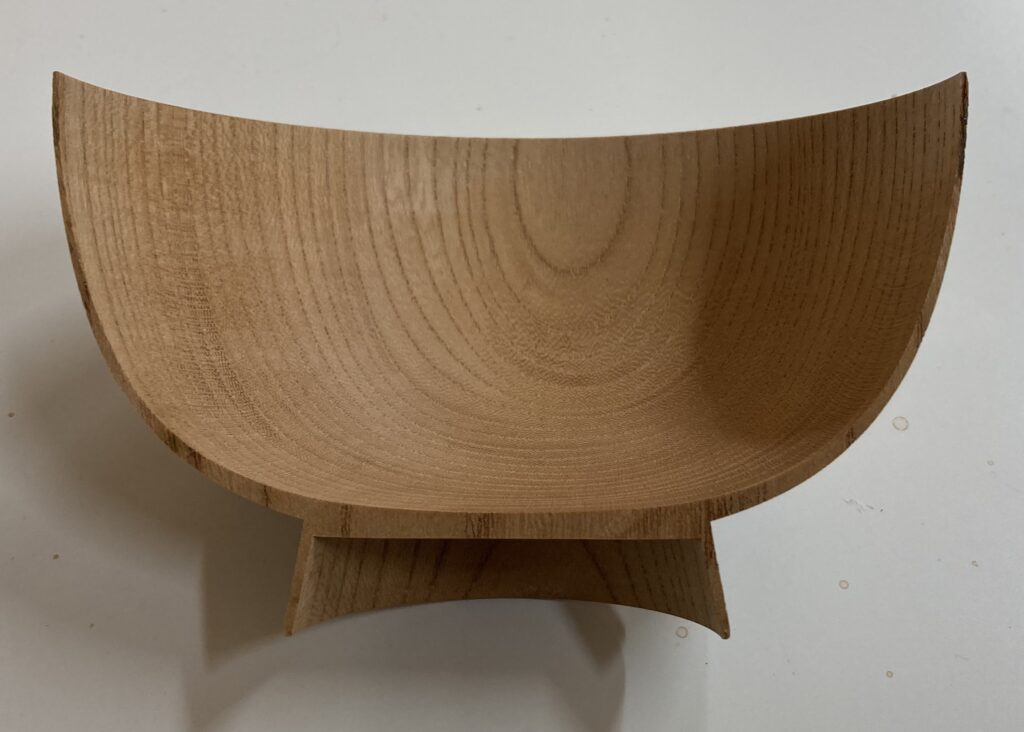
- 縦木取り (Tateki-dori): 木を縦方向に切り出す山中独自の技法。歪みにくいのが特徴。 (A unique vertical wood-cutting method that prevents warping.)
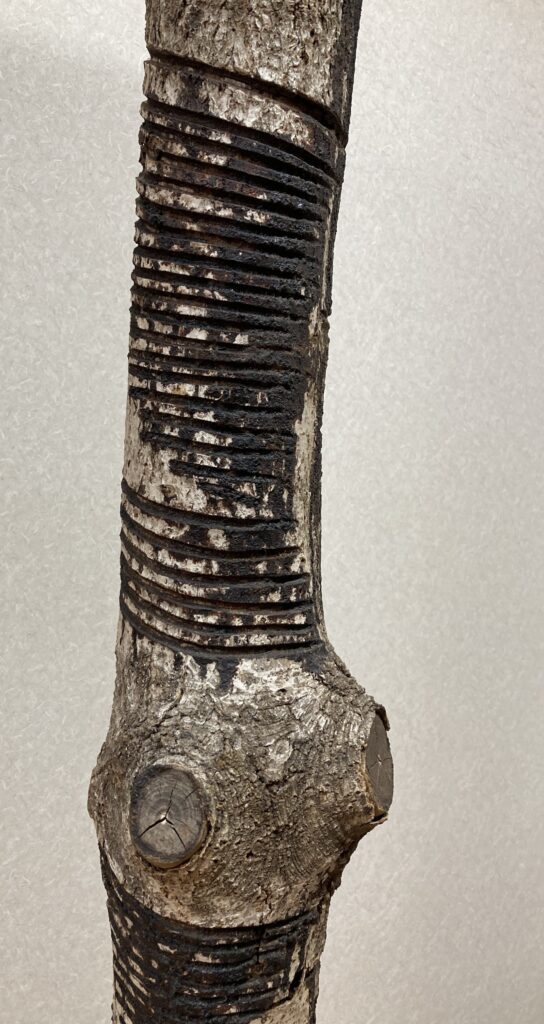
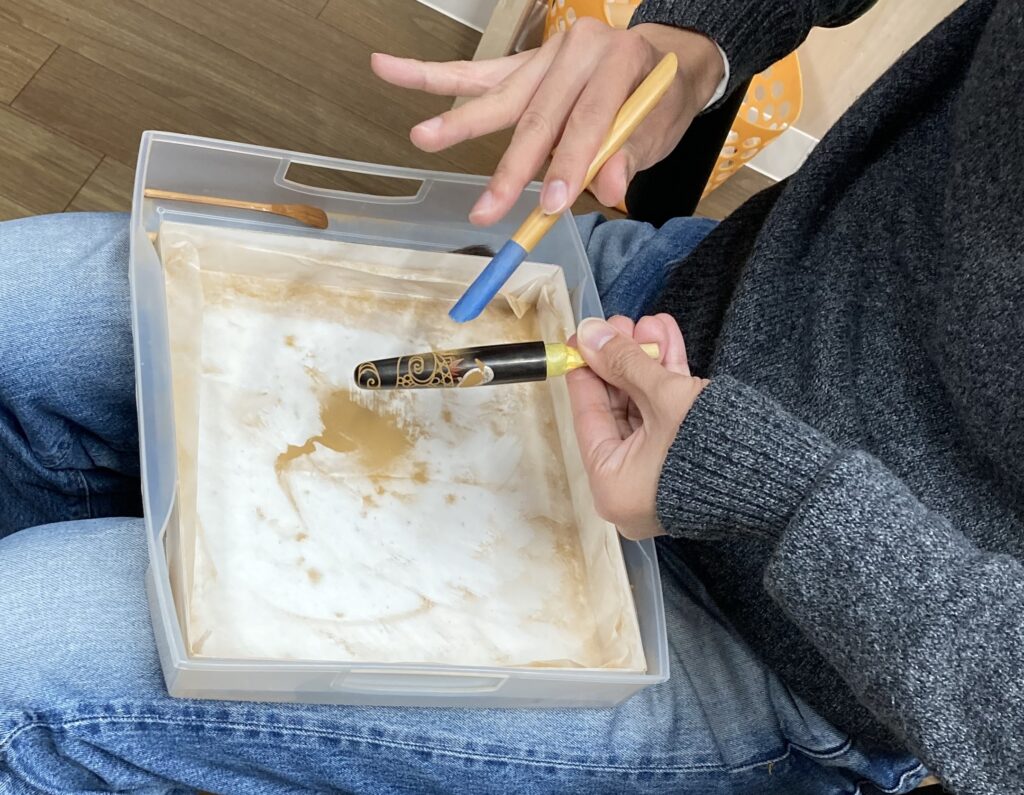
- 加飾挽き (Decorative turning): 木の表面に細かな溝を彫る装飾技法。(A technique of carving intricate decorative patterns onto the wood surface.)
- 天然木 (Natural wood): ケヤキやトチなど、山中で使われる高級素材。(High-quality woods like Japanese Zelkova or Horse Chestnut.)
- ろくろ (Lathe): 木を回転させて削るための機械。(The potter’s wheel-like machine used for turning wood.)
- 蒔絵 (Maki-e): 漆で絵を描き、金粉などを蒔いて仕上げる装飾。(The art of sprinkling gold or silver powder onto wet lacquer designs.)
1.3 専門家・購入検討者向け (Instructional & Technical)
実際に購入を検討している方や、技術に興味がある方に響く専門的な言葉です。
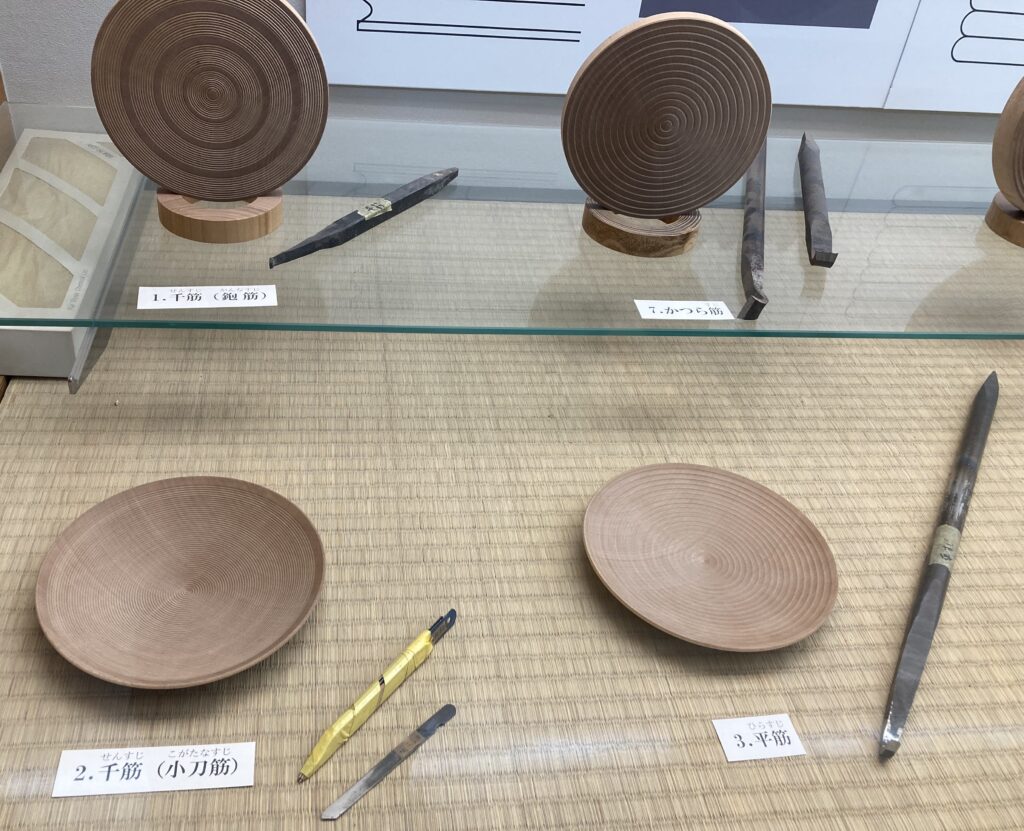
- 千筋 (Sensuji): 「千の筋」を刻む、山中を代表する繊細な模様。(“A thousand lines”—the iconic, finely striped pattern of Yamanaka.)
- 木地呂塗り (Kijiro-nuri) /拭き漆(Fuki-urushi): 木目を美しく透かして見せる塗り。 (A lacquering style designed to showcase the beautiful wood grain underneath.)
- 溜塗り (Tame-nuri): 赤い漆の上に半透明の漆を重ね、奥行きを出す技法。(A technique of layering translucent lacquer over red for a deep, amber finish.)
- 布着せ (Nunokise): 割れやすい部分を補強するために布を貼る工程。(The process of reinforcing fragile edges with linen cloth.)
- 中塗り・上塗り (Middle & Final coating): 漆を何度も塗り重ねる工程。(The meticulous stages of applying multiple layers of lacquer.)
- 経年変化 (Aging gracefully): 使い込むほどに光沢が増す性質。(The way the luster deepens and improves over years of use.)
2.山中漆器(全般)
ここでは、山中漆器の基本的な内容をカバーします。✨お急ぎの方は下記クイックボタンからお好みで👇
匠のナビゲート:
まずは全体像を掴み、後半で現場を沸かせる「ネタ」を仕込みましょう。
\ ゲストの笑いも取れるかも!真面目な説明力と雑談力UPにもなる匠パート /
2.1 基本情報
ここでは山中漆器をご説明する際に押さえておきたい基本ポイントをご紹介します。日本語で言えないことは英語でも言えませんので、日英の順で。また、日本語でイメージをつかんで、英語表現をチェックすることもできます。👥英語音声は前半(1-5:米国男性)と後半(6-10:米国女性)2話者です。
👉👉本パート表現の音声演習ツールはここからも☛演習ツール!
《日本語》
- 山中漆器は16世紀後半から山中温泉で作られてきた。
- もともとは湯治客への土産用の椀や盆として売られていたもので、日本で最も優れた漆器のひとつとされている。
- 漆器は大きく分けて「木地(木の加工)」「漆塗り」「蒔絵(金箔加工)」の3工程の分業で作られる。
- 漆器は全国にあるが、山中漆器は古くから木の加工の生産量が全国一であった。
- 山中漆器の顕著な特徴のひとつは、木目を意図的に見せることにある。
- 自然界に敬意を示すように、職人は木の模様や欠点が見えるようにする。
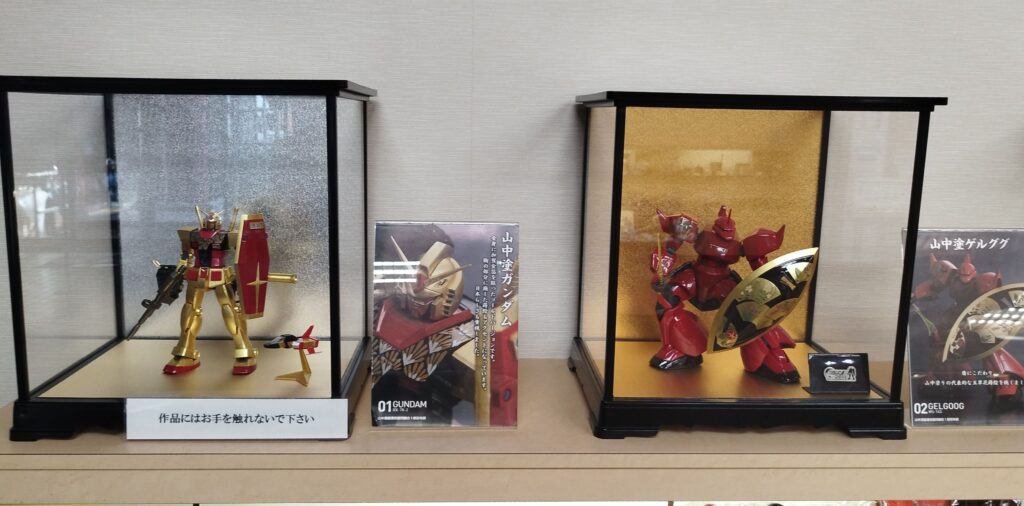
- 出来上がった作品は、底に波状の木目を持つ滑らかな椀や、自然な斑点模様の酒器など、魅惑的な美しさを持っている。
- 山中塗の職人の多くは、400年前と変わらぬ技法を今も受け継いでいる。
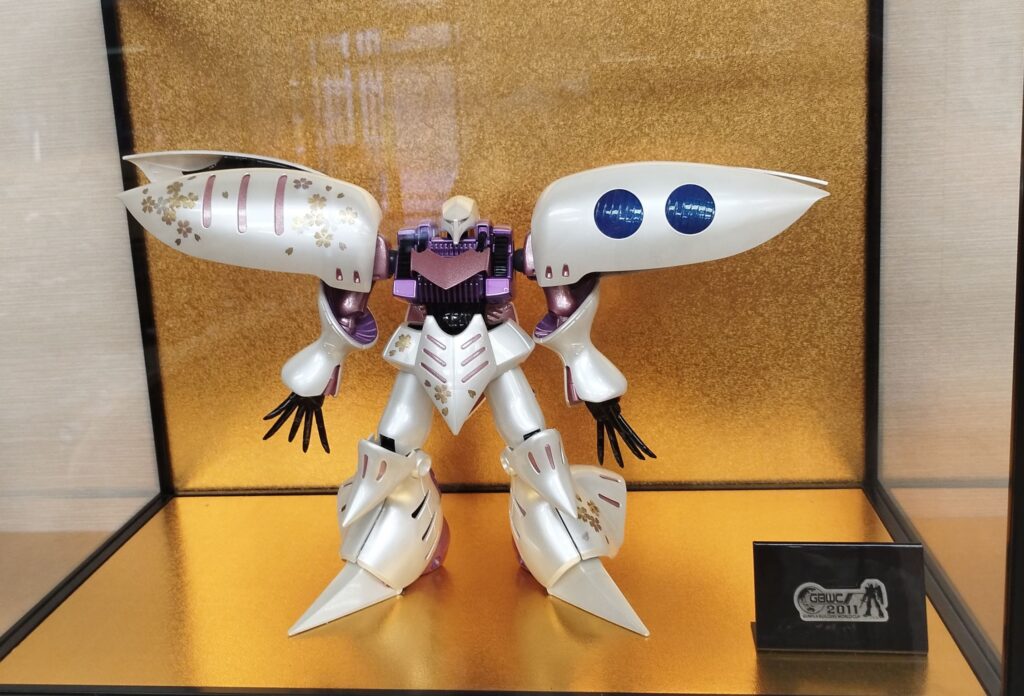
- 木目を生かしたナチュラルなものから、蒔絵の緻密な美しさを強調したものまで、その種類は多岐にわたる。
- 同時に、伝統的な木製漆器から現代のプラスチック製漆器まで、山中塗は日用品として愛用されている。
《英語》
- 1. Yamanaka lacquerware has been crafted in the Yamanaka hot springs area since the late 16th century.
- 2. Originally, it was sold as souvenir bowls and trays to visitors seeking spa treatments, and It is regarded as one of the finest lacquerware in Japan.
- 3. The production of lacquerware involves a three-step process:kiji(wood processing), lacquering, and maki-e (gold-relief lacquering).
- 4. Although lacquerware is produced throughout Japan, Yamanaka Lacquerware has long been the largest producer of woodworking.
- 5. One striking characteristic of Yamanaka lacquerware is the deliberate display of wood grains.
- 👤連続音声1-5
- 6. As if honouring the natural world, artisans choose to keep wood patterns and defects visible.
- 7. The resulting creations are one of a kind and fascinatingly beautiful: smooth bowls with a wavy grain around their base or a naturally speckled sake cup.
- 8. Many Yamanaka-nuri craftspeople employ the same production techniques today as 400 years ago.
- 9. The products range from those natural wood grain featured type to those that emphasize the intricate beauty of maki-e designs.
- 10. At the same time, from those traditional wooden lacquerware to modern plastic variations, Yamanaka lacquerware is used as an everyday item.
- 👤連続音声6-10
Glossary:用語集(山中漆器:基本のキ編)
- visitors seeking spa treatments ☛ 湯治客(温泉での癒やしを求める人々)
- regarded as one of the finest ☛ 日本屈指(最高級の一つ)とみなされている
- three-step process ☛ 3段階の工程(木地・塗り・蒔絵の分業体制)
- gold-relief lacquering (maki-e) ☛ 蒔絵(漆で描き、金粉などを浮き上がらせる技法)
- largest producer of woodworking ☛ 木材加工(木地)の日本最大の産地
- striking characteristic ☛ 際立った(一目でわかる)特徴
- deliberate display of wood grains ☛ 意図的な木目の表現(あえて見せるというこだわり)
- honouring the natural world ☛ 自然界に敬意を表して(自然の造形を尊ぶ姿勢)
- keep defects visible ☛ (木の)欠点さえも隠さず見せる
- one of a kind ☛ この世に二つとない、唯一無二の
- wavy grain around the base ☛ 底の部分に現れる波状の木目
- naturally speckled ☛ 自然な斑点模様がある(天然素材ならではの表情)
- intricate beauty ☛ 緻密で精巧な美しさ
- modern plastic variations ☛ 現代的なプラスチック製(近代漆器)のバリエーション
2.2 インバウンドの視点
実際にインバウンドからよく聞かれる質問元にした想定QAです。日本人の日常生活にとても興味がある彼らが素朴に感じるであろう疑問です。👥英語音声の質問は米国女性話者、回答1-5は英国男性話者、回答6-10は英国女性話者です。
《日本語》
- Q. そもそも漆器とは何か?何でできているのか? A. 漆器は、主に木地に強度と光沢を出すため漆を塗った日本の伝統工芸品である。
- Q. 漆器は陶器、磁器となにが違うのか? A. 主に粘土から作る陶磁器と違い、漆器は軽くて丈夫で光沢や色彩の美しさが特徴である。
- Q. 漆器はどのように作られるのか? A. 漆器は主に木を加工し、漆を塗り重ね、高級品には蒔絵と呼ばれる装飾加工を施す。
- Q. 漆器はいつ頃からどのような用途でどのような人に使われるのか? A. 漆器は古代から食器や収納箱として使われ、近世以降は茶道具として美的価値が評価された。
- Q. 山中漆器は他の漆器と何が違うのか? A. 山中漆器は、特に木の加工技術が高く、木の本来の強さ、美しさの表現に優れている。
- Q. 山中漆器は街中の量販店で売っているのか? A. 山中漆器は、一般量販店でなく、専門の工房やギャラリーで購入するできる。
- Q. 一個、いくらぐらいで買えるのか? A. 価格は種類、大きさ、装飾などによるが、一般的には数千円から数十万円以上まで幅がある。
- Q. 電子レンジで使えるのか?普通に洗っても傷まないのか? A. 漆器は電子レンジ不可、強くこすると傷もつくので、ぬるま湯で優しく洗う必要がある。
- Q. 日本人は漆器を日常的に使っているのか? A. 多くの日本人は日常的に使っているが、プラスチック製容器も使っている。
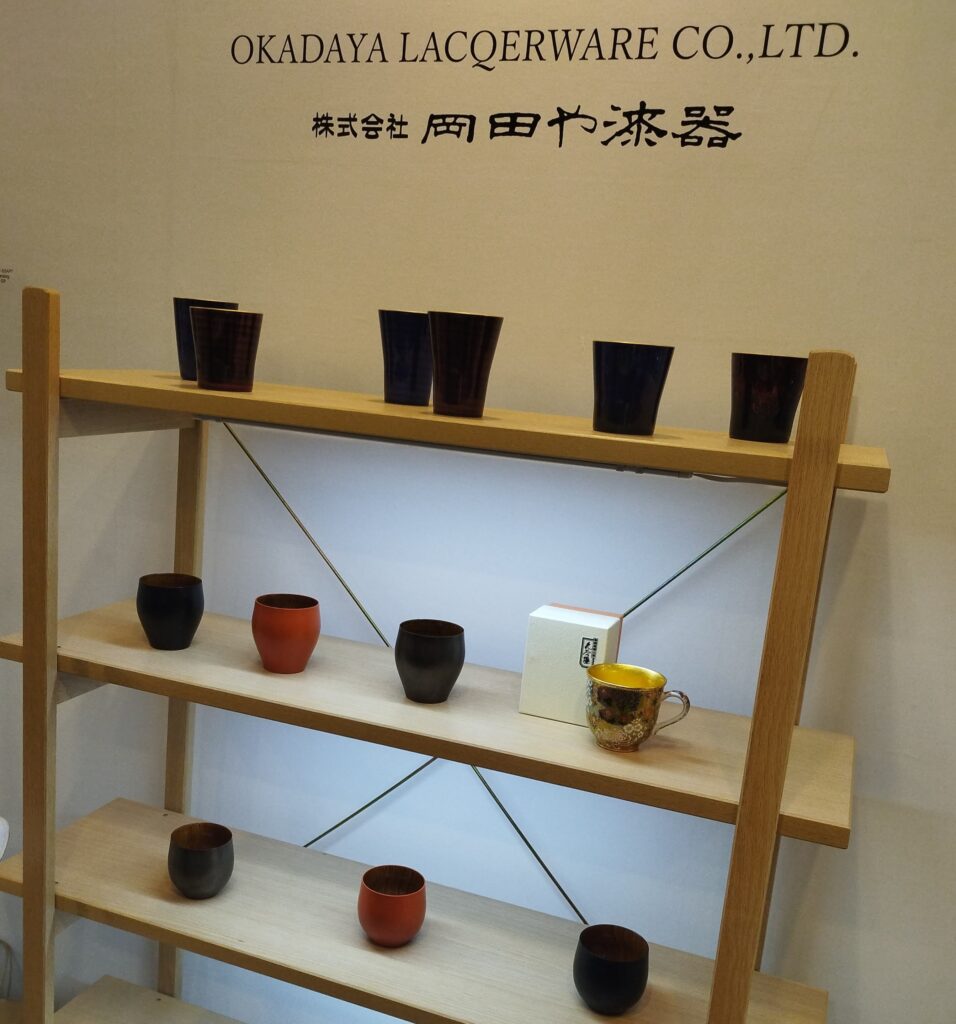
- Q. プラスティック容器にない良さがあるのか? A. プラスチック容器は造花と同じで変化がない。漆器は呼吸をするように空気中の湿度に反応するので感触の変化が楽しめる。
《英語》
- 1. Q. What is lacquerware in the first place? What is lacquerware made of? A. Lacquerware is a traditional Japanese craft primarily composed of wood coated with lacquer, which provides both strength and a lustrous finish.
- 2. Q. What is the difference from pottery and porcelain A. In contrast to ceramics, which are primarily crafted from clay, lacquerware is lightweight, durable, and possesses a captivating sheen and color.
- 3. Q. Where and how is lacquerware made? A. This exquisite craft involves the application of lacquer to wood, followed by intricate decoration through a process called maki-e, often reserved for high-end pieces.
- 4. Q. When and for what purpose is lacquerware used, and by whom? A. Lacquerware has been used as tableware and storage boxes since ancient times, and its aesthetic value has been appreciated as tea ceremony utensils since modern times.
- 5. Q. What is the difference between Yamanaka lacquerware and other lacquerware? A. Yamanaka lacquerware has particularly high woodworking techniques and excels in expressing the original strength and beauty of wood.
- 👥QA連続音声1-5
- 6. Q. Is Yamanaka lacquerware sold in mass merchandisers in town? A. Yamanaka lacquerware is not commonly found in general mass merchandisers; instead, it can be acquired from specialized workshops and galleries.
- 7. Q. How much does one piece cost? A. Prices vary depending on the type, size, and decoration, but generally range from a few thousand yen to several hundred thousand yen or more.
- 8. Q. Can they be used in a microwave oven? Can I wash it normally without damaging it? A. Lacquerware is not microwave-safe and should be gently washed with warm water to prevent scratching.
- 9. Q. Do Japanese people use lacquerware on a daily basis? A. At the same time, many Japanese individuals utilize plastic containers in their daily lives.
- 10. Q. Are there advantages that plastic containers do not have? A. Plastic containers are like artificial flowers and do not change. Lacquerware reacts to humidity in the air as if it were breathing, so you can enjoy the change in texture.
- 👥QA連続音声6-10
Glossary:用語集(インバウンド視点の想定QA編)
- primarily composed of wood ☛ 主に木からできている(素材の基本説明)
- lustrous finish ☛ 光沢のある仕上がり(漆特有の艶)
- captivating sheen and color ☛ 捉えて離さない(魅惑的な)光沢と色彩
- this exquisite craft ☛ この非常に美しい(洗練された)工芸品
- reserved for high-end pieces ☛ 高級品のために取っておかれた(蒔絵などの特別な加工)
- aesthetic value ☛ 美的価値(見た目の美しさだけでなく、芸術としての価値)
- tea ceremony utensils ☛ 茶道具(伝統的な使用シーン)
- excels in expressing ~ ☛ ~を表現することに長けている、優れている
- general mass merchandisers ☛ 一般的な量販店、大型店
- specialized workshops and galleries ☛ 専門の工房やギャラリー
- prices vary depending on ~ ☛ 価格は~によって変動する
- not microwave-safe ☛ 電子レンジ不可(※逆にOKな場合は microwave-safe)
- reacts to humidity in the air ☛ 空気中の湿度に反応する
- as if it were breathing ☛ まるで(漆器が)生きている(呼吸している)かのように
- change in texture ☛ 手触りの変化(経年変化を楽しむキーワード)
2.3 笑いが取れるかも?説明例
👉《笑いがとれるかも?》パートについて:実際の案内現場ではあり得ない、脱線の多い長い説明ですが、日常会話でも使える色々な表現を意図的に織り込んでいます。基本的に前半は説明に使える真面目パート、後半は雑談力UPを意図したおふざけパートの2部で構成されています。
Q 1 山中漆器の魅力は何?
’What is the appeal of Yamanaka lacquerware?’
実際によく聞かれる質問を元に、前半No.1-7を説明パートで、後半8-14をおふざけパートでまとめてみました。👤英語音声は米国男性話者です。
- The appeal of Yamanaka lacquerware lies in its remarkably wide range of products. 山中漆器の魅力は、その圧倒的な商品ラインナップの広さにあります。
- It is said to have begun about four hundred years ago as souvenirs for visitors coming to Yamanaka Onsen for therapeutic hot‑spring baths. そもそも山中漆器は、約四百年前、湯治に訪れる山中温泉の客のための土産物として始まったと言われています。
- Souvenirs shouldn’t be bulky or heavy, and Yamanaka lacquerware has carried that “DNA” of creating items tailored to customers’ needs ever since. 土産物は大きすぎても重すぎてもいけません。山中漆器には、当時から「お客様のニーズに合わせたものを作る」というDNAが受け継がれているのです。
- Because of this, Yamanaka lacquerware has never confined itself to traditional natural‑wood pieces. そのため山中漆器は、天然木の伝統的な漆器だけにとどまらず、時代に合わせた商品を次々と生み出してきました。
- It has continued to create products that match the needs of each era. Its charm lies in this diversity—from classic wooden lacquerware to modern materials like plastic—allowing customers to choose items that fit their lifestyle and budget. 伝統素材からプラスチックのような現代素材まで、多様な選択肢があることこそが山中漆器の魅力であり、予算やライフスタイルに合わせて選べる楽しさがあります。
- And nowadays, you can easily buy Yamanaka lacquerware online without even visiting Yamanaka Onsen. そして今では、山中温泉に行かなくてもオンラインで簡単に購入できます。
- Just by browsing the website and looking at the photos, you can see how wonderful the products are and feel tempted to buy them. サイトの写真を見るだけで、「あ、これ欲しい」と思ってしまうほど魅力的です。
- But strangely, many people end up giving up on the purchase. I’m one of them. ……ところが不思議なことに、実際には購入を諦めてしまう人が多いようです。私もその一人です。
- Maybe this is also part of the “DNA” of the Yamanaka brand, which has been making souvenirs for hot‑spring guests for centuries. もしかすると、これも山中ブランドのDNAなのかもしれません。何百年も「温泉客のための土産物」を作ってきた土地柄だからでしょうか。
- When I look through a Yamanaka lacquerware catalog, I suddenly feel an overwhelming urge to visit a hot spring first and buy something there. 山中漆器のカタログを眺めていると、なぜか“まず温泉に行って、そこで買いたい”という気持ちが湧いてくるのです。
- And then I realize something: そして気づくのです。
- people like me—who are poor—don’t have the money or time to go to hot springs. 貧乏な私のような人間には、温泉に行くお金も時間もないということに。
- And I also realize something else: さらにもう一つ気づきます。
- I’m just making excuses and not taking action… thanks to the DNA passed down from my ancestors for hundreds of years. 「行けない理由」をあれこれ並べて行動しないのは、きっと何百年も前から受け継がれてきた私のDNAのせいだ、と。
Glossary:用語集(土産物のDNAと温泉の誘惑編)
- remarkably wide range ☛ 驚くほど幅広い(圧倒的なラインナップ)
- therapeutic hot-spring baths ☛ 湯治(治療としての温泉入浴)
- bulky or heavy ☛ かさばったり重かったりする(土産物として避けたい性質)
- tailored to customers’ needs ☛ 顧客のニーズに合わせて作られた(注文仕立ての)
- carried that “DNA” ☛ その「DNA」を(現在まで)持ち続けている
- never confined itself to ~ ☛ 決して~の枠に閉じこもらない、とどまらない
- modern materials like plastic ☛ プラスチックのような現代的素材(近代漆器)
- feel tempted to buy ☛ ついつい買いたくなってしまう(誘惑にかられる)
- end up giving up on ~ ☛ 結局~を諦めてしまう
- overwhelming urge to visit ☛ 訪れたいという抗いがたい衝動
- making excuses ☛ 言い訳をする
- thanks to the DNA passed down ☛ (皮肉を込めて)受け継がれたDNAのおかげで
Q 2 山中漆器はどの様に誕生したのですか?
How was Yamanaka Lacquerware born?
インバウンドは日本人の生活に興味がありますので、その視点で山中地区から山中漆器と九谷焼の2大工芸品が誕生したユニークさを織り込んでみました。前半No.1-4は真面目パート、後半5以降はおふざけパート、英語音声は米国女性話者です。👉👉Q2の各表現の演習用ツールはこちらからも入れます。
- It is said that there was originally a group of people who made vessels from wood in the vicinity of the capital and moved to the Yamanaka area more than 400 years ago. 元々都の近辺で木から器を作っていた集団がいて、400年以上前に山中地区に移り住んだと言われています。
- They have been called “kjishi,” or woodturners, and they were said to have traveled all over the country in search of high-quality forests from which to make their vessels. 彼らは木地師と言って、器の材料である良質の森林を求め全国を歩いていたそうです。
- They noticed that in addition to the abundant variety of forests in this Yamanaka area, there is also a market of hot-spring cure customers in Yamanaka Onsen (hot springs). この山中地区には豊富な種類の山林の他に山中温泉の湯治客というマーケットもあることに着目しました。
- This is where the long history of Yamanaka lacquerware began, and it developed into a diverse assortment of lacquerware made of wood, makie lacquerware, and modern materials. ここから、山中漆器の長い歴史が始まり、木製、蒔絵、近代素材の多様な品揃えの漆器に発展したのです。
- Kutani-yaki ceramics were also born here, but these two types of tableware were in many ways contrasting. 陶器の九谷焼もここから産まれたのですが、このふたつの食器は色々な意味で対照的な存在でした。
- The former was a government-run brand established by the lords of the time, while the latter was an obscure private start-up. 前者は時の領主が立ち上げた官営ブランドなのに対し、後者は民間スタートアップの無名品でした。
- Although they compete with each other in the tableware market, the two have never had a major rivalry. 食器市場では競合関係になりますが、両者は大きな対立関係にはなりませんでした。
- In recent years, the two brands have collaborated on presentations and exhibitions on a regular basis. 近年では、両ブランドがコラボした発表会や展示会も定期的に開かれています。
- In English, it is easy to understand: the techniques of shaping clay and shaving wood shake hands. 英語ではわかり易く、土を成型する技術と木を削る技術が手を結んだと言えるでしょう。
- It could be said that the two parties engaged in friendly competition in technology and enhanced each other’s skills in a win-win relationship. 両者は技術で切磋琢磨して、お互いを高めあったウインウインの関係と言えるかもしれません。
- We feel that the two, who aimed for a large market rather than being confined to a small market, have what is called in Japanese ” a large vessel”meaning” a large perspective”. 狭い市場に囚われず、大きな市場を目指した両者には日本語で言うところの「器の大きさ」を感じます。
- However, it is probably best to avoid praising them in such a way when they are both in the same place. でも、両者が揃った場では、あまり、その様に褒めるのは避けたほうが良いかもしれません。
- We don’t want to see a sad battle where both sides keep making bigger and bigger vessels, caring about which perspective is bigger. どちらの器が大きいかに因われて、両者からひたすら大きい器ばかり作り続けるバトルになってはいけませんので。
Glossary:用語集(九谷焼との関係と「器」の大きさ編)
- in the vicinity of the capital ☛ 都の近辺(かつての京都周辺)
- woodturners (kijishi) ☛ 木地師(ろくろを使って木を削る職人)
- hot-spring cure customers ☛ 湯治客(温泉での療養を目的とした客)
- diverse assortment ☛ 多彩な品揃え(山中漆器のバリエーションの広さ)
- in many ways contrasting ☛ 色々な意味で対照的(成り立ちや素材の違い)
- government-run brand established by the lords ☛ 領主によって設立された官営ブランド(九谷焼のルーツ)
- obscure private start-up ☛ 無名の民間スタートアップ(山中漆器の当時の立ち位置)
- never had a major rivalry ☛ 大きな対立関係(ライバル意識)がなかった
- shaping clay and shaving wood shake hands ☛ 土を成型する技と木を削る技が手を結ぶ(比喩表現)
- engaged in friendly competition ☛ 技術で切磋琢磨する
- win-win relationship ☛ 互いに利益のある(ウインウインの)関係
- large vessel ☛ 大きな器(※物理的な「器」と、人間としての「器・度量」のダブルミーニング)
- large perspective ☛ 大局観、広い視野(日本語の「器の大きさ」を英語で説明する際の訳語)
- caring about which perspective is bigger ☛ どちらの器(視点)が大きいかを気にする
3.山中漆器の職人&技術
ここでは、山中漆器の職人にフォーカスした内容をカバーします。🍵 お急ぎの方は下記クイックボタンからお好みで👇
匠のナビゲート:
職人の「指先の感覚」と「道具への魂」に触れ、ゲストの心に響くストーリーを届けましょう。
\ ゲストの笑いも取れるかも!真面目な説明力と雑談力UPにもなる匠パート /
3.1 基本情報
ここでは山中漆器の職人と技術に関するご説明する際に押さえておきたい基本ポイントを日英の順でご紹介します。👥英語音声は米国女性話者です。
《日本語》
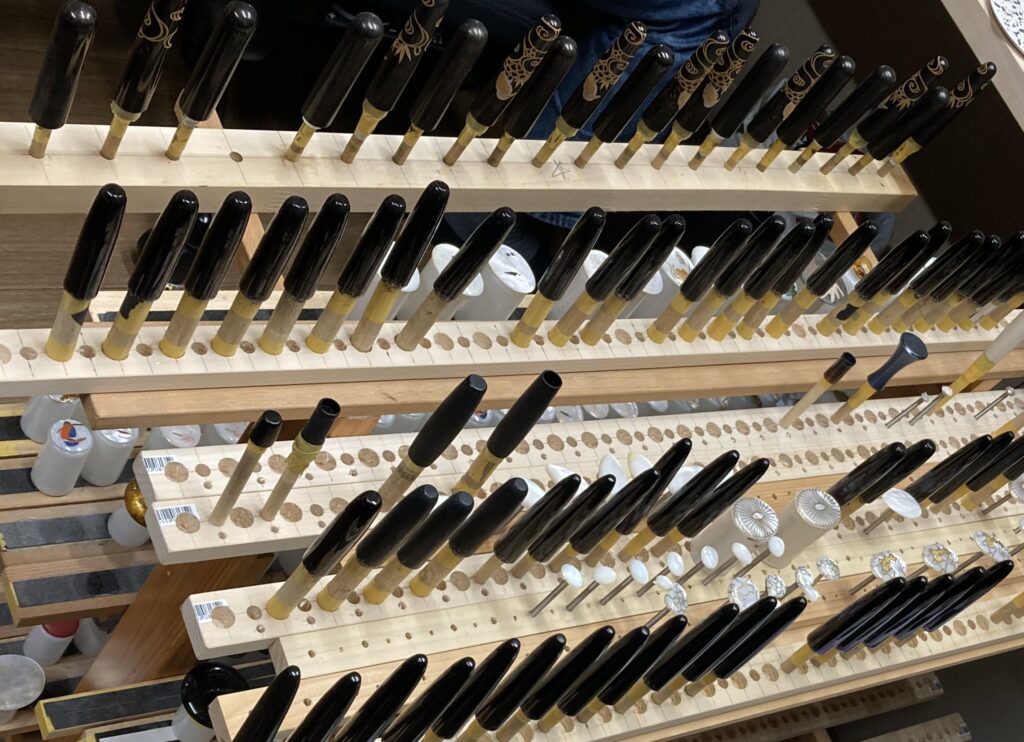
- 分業制の確立: 山中漆器は「木地」「塗り」「蒔絵」が完全に独立した分業制で発展し、職人はそれぞれに特化した木地師、塗師、蒔絵師に分けられる。
- 木地の山中: 歴史的に木地師の専門性が極めて高く、現代でも「木地の山中」と称され、他産地よりも木地師のステータスが高い。
- 極限の挽物技術: 木地師のろくろ技術は突出しており、コンマ数ミリの精度で原木から器を削り出す「挽物(ひきもの)」の技術が最大の特徴である。
- 高速ろくろの制御: 山中のろくろは他産地より高速回転であり、そのスピードと職人の鋭敏な指先の感覚の融合が、精密な挽物を可能にしている。
- 自作の刃物文化: 職人が自分の手に合わせて刃物を鍛造する文化があり、特に「指先に合わせたカンナ作り」は山中の象徴的な職人魂である。
- 後継者の養成: 全国でも稀な公立の木地師養成機関があり、地元のみならず全国から集まる若手がここからプロとして育っている。
- 木地呂塗りの発展: 木地師の圧倒的な自信と完成度の高さゆえ、透明な漆を塗ってあえて木目を見せる「木地呂(きじろ)塗り」が発展した。
- 塗りの現代化: かつて塗師は「下地」「中塗り」「上塗り」に分かれていたが、現在は一人の塗師が一貫して全工程を行うケースが多い。
- 造形を活かす塗り: 木目を活かす山中の塗師は「木地の造形を殺さない塗り」を重視し、超高級品では今なお工程ごとの分業が残る場合もある。
- 装飾の華、蒔絵: 蒔絵師は金粉・銀粉を蒔く日本独自の装飾技術で「作品の顔」を作る。山中には温泉地の華やかさを支えてきた優れた蒔絵師が数多く存在する。
英語(English)
- 1. Established Specialization: Yamanaka lacquerware has developed through a highly specialized division of labor, with artisans specialized into three distinct groups: woodturners, lacquerers, and Maki-e artists.
- 2. High Status of Woodturners: Historically, the expertise of woodturners in Yamanaka is so exceptional that the region is known as “Yamanaka of Woodworking,” granting these artisans higher status than in other regions.
- 3. Extreme Turning Precision: The lathe techniques of the woodturners are unparalleled, characterized by “Hikimono” (woodturning) that shaves vessels from raw wood with sub-millimeter precision.
- 4. High-Speed Lathe Mastery: Yamanaka lathes rotate at higher speeds than those in other regions; this speed, combined with the artisan’s tactile sensitivity, enables incredibly precise craftsmanship.
- 5. The Culture of Hand-Forged Tools: Artisans forge their own blades to fit their hands perfectly. Crafting custom “Kanna” (chisels) to match one’s fingertips is a signature tradition of Yamanaka’s craftsmanship.
- 👥連続音声1-5
- 6. Unique Training Institute: Yamanaka hosts a rare public training center for woodturners, where many young artisans from across Japan are trained to lead the next generation.
- 7. Evolution of Kijiro-nuri: Due to the deep confidence in the perfection of the woodwork, the “Kijiro-nuri” style—using transparent lacquer to showcase the natural grain—flourished here.
- 8. Modernization of Lacquering: While lacquerers were once divided into “undercoating,” “middle-coating,” and “final-coating,” today a single artisan often handles all stages from start to finish.
- 9. Preserving the Form: Lacquerers in Yamanaka prioritize “coatings that do not overwhelm the woodwork,” ensuring the form is preserved. For high-end pieces, the traditional division of labor may still exist.
- 10. The Art of Maki-e: Maki-e artists create the “face” of the work using unique Japanese gold and silver powder techniques. Yamanaka is home to many master artists who define its elegant aesthetic.
- 👥連続音声6-10
Glossary:用語集(職人の魂と極限の技術編)
- highly specialized division of labor ☛ 高度に専門化された分業制
- three distinct groups ☛ 3つの明確に異なる職人集団(木地師・塗師・蒔絵師)
- granting artisans higher status ☛ 職人(特に木地師)に高い地位・名声を与えている
- extreme turning precision ☛ 極限の挽物(ろくろ)精度
- unparalleled lathe techniques ☛ 並ぶもののない、比類なきろくろ技術
- sub-millimeter precision ☛ コンマ数ミリ(1ミリ以下)の精度
- tactile sensitivity ☛ 指先の鋭敏な触覚(職人の勘)
- hand-forged tools ☛ 自ら鍛造した(手作りの)道具
- signature tradition ☛ (山中を象徴する)独自の伝統
- lead the next generation ☛ 次世代を担う(後継者育成)
- deep confidence in the perfection ☛ 完成度の高さに対する深い自信
- showcase the natural grain ☛ 自然な木目を(際立たせて)見せる
- do not overwhelm the woodwork ☛ 木地の造形を殺さない(塗りすぎない)
- define its elegant aesthetic ☛ その優美な美学を決定づける
3.2 インバウンドの視点
実際にインバウンドからよく聞かれる質問元にした想定QAです。日本人の職人にとても興味がある彼らが素朴に感じるであろう疑問です。👥英語音声は米国女性話者と男性話者です。
《日本語》
- Q1: 職人になるにはどれくらい時間がかかるの? A: 早くても5〜10年は必要です。木地師・塗師・蒔絵師のどれも、長い修行期間を経て一人前になります。
- Q2: 若い職人はいるの? A: はい。山中には公立の研修所もあり、20代・30代の職人も活躍しています。
- Q3: 女性の職人もいるの? A: はい。伝統的に男性が多い分野ですが、近年は女性職人も増え、各工程で第一線で活躍しています。
- Q4: 職人はどうやって仕事を覚えるの? A: 昔ながらの弟子入り、他産地での修行、美術系大学での専門教育など、さまざまな道があります。
- Q5: 職人はどんな1日を過ごしているの? A: 朝から夕方まで工房で作業し、同じ動作を何百回も繰り返して技術を磨きます。集中力が命です。
- Q6: どうしてそんなに時間がかかるの? A: 木や漆は“生き物”のように状態が変わるため、経験を積まないと扱い方が分からないからです。
- Q7: 道具はどこで買うの? A: 多くの木地師は自分の刃物を自作します。塗師や蒔絵師も、自分の手に合うように道具を調整します。
- Q8: 1人の職人が全部作ることはできないの? A: できません。木地・塗り・蒔絵はそれぞれ専門性が高く、別々の職人が担当します。
- Q9: 職人は作家として展覧会に出展しないの? A: 伝統技術に自分の表現を加え、アーティストとして作品を発表する職人もいます。
- Q10: 職人は月給制、それとも生産高? A: 基本的には個人事業者で、生産した作品の数量や品質に応じて収入を得ます。
《英語》
- Q1: How long does it take to become an artisan? A: Usually at least 5 to 10 years. Woodturners, lacquerers, and Maki-e artists all require long apprenticeships to master their craft.
- Q2: Are there young artisans in Yamanaka? A: Yes. Thanks to a public training institute, many artisans in their 20s and 30s are active in the field.
- Q3: Are there female artisans? A: Yes. Although the craft has traditionally been male‑dominated, more women are now working at the forefront in all specialties.
- Q4: How do artisans learn their skills? A: Some enter traditional apprenticeships, others train in different lacquerware regions, and some study at art universities. There are many paths.
- Q5: What is a typical day like for an artisan? A: They work in their studios from morning to evening, repeating the same movements hundreds of times to refine their technique. Focus is everything.
- 👥連続音声QA1-5
- Q6: Why does it take so many years to master the craft? A: Wood and lacquer behave like “living materials,” constantly changing with humidity and temperature. Only experience teaches how to handle them.
- Q7: Where do artisans get their tools? A: Many woodturners forge their own blades. Lacquerers and Maki-e artists also adjust their tools to fit their hands perfectly.
- Q8: Can one artisan make an entire piece from start to finish? A: No. Woodturning, lacquering, and Maki-e are highly specialized fields, so each stage is handled by a different expert.
- Q9: Do artisans ever exhibit their work as artists? A: Yes. Some artisans blend traditional techniques with personal expression and present their work as contemporary art.
- Q10: Are artisans salaried, or do they earn by production? A: Most are independent craftsmen and earn income based on the pieces they produce.
- 👥連続音声QA6-10
Glossary:用語集(職人の修業とライフスタイル編)
- long apprenticeships ☛ 長年の徒弟制度(修業期間)
- master their craft ☛ 技(芸)を極める、習得する
- public training institute ☛ 公立の研修所(山中独自の養成機関)
- active in the field ☛ 第一線で活躍している
- working at the forefront ☛ 最前線で働く(女性職人の活躍など)
- refine their technique ☛ 技を磨く、洗練させる
- Focus is everything ☛ 集中力がすべて(職人の精神性)
- behave like “living materials” ☛ 「生きている素材」のように振る舞う(木や漆の性質)
- forge their own blades ☛ 自ら刃物を鍛造する(鍛える)
- fit their hands perfectly ☛ 手に完璧に馴染む(道具へのこだわり)
- from start to finish ☛ 最初から最後まで(一貫工程)
- blend traditional techniques with personal expression ☛ 伝統技術と個人の表現を融合させる
- contemporary art ☛ 現代アート(作家としての側面)
- independent craftsmen ☛ 独立した職人(個人事業主)
- earn income based on production ☛ 生産高に応じて収入を得る
3.3 笑いが取れるかも?説明例
職人にフォーカスしたストーリーです。
Q 1 山中漆器の職人は何人いるのか?
How Many Artisans Are There in Yamanaka Lacquerware?
前半1-3は客観説明用に、4-8までは補足説明用パート、9以降はおふざけパートで置いてみました。👤英語音声はオーストラリア話者です。
- It’s hard to give an exact number, but just under 100 artisans are officially certified as Traditional Craftsmen of Yamanaka lacquerware—a title that requires more than 12 years of experience. 正確な人数を出すのは難しいのですが、山中漆器の「伝統工芸士」として公式に認定されている職人は100人弱。この称号を得るには、12年以上の経験が必要です。
- If we include younger artisans still on their way to mastery, the total easily exceeds 100. さらに、修業中の若い職人たちも含めれば、総数は軽く100人を超えます。
- For such a small town, the concentration of skill is remarkable. 小さな町としては、驚くほど高い職人密度です。
- Yamanaka lacquerware is famous for its thin wooden cups, so many visitors assume the woodturners focus only on thinness. 山中漆器は“薄挽き”の木地で有名なため、訪れる方の多くは「山中の木地師は薄さだけを追求している」と思いがちです。
- Some even wonder whether such delicate pieces could truly be carved by human hands. 中には「こんなに薄い器、本当に人の手で削れるの?」と不思議がる方もいます。
- But we local guides know the artisans feel differently. しかし、地元のガイドとして知っているのは、職人たち自身は少し違う思いを持っているということ。
- They don’t want thinness alone to be praised. 彼らは“薄さ”だけを褒められるのを望んでいません。
- They know the craft is built on both thinness and thickness—the delicate touch and the deep foundation beneath it. 薄さと厚さ——繊細さと、その奥にある確かな土台。その両方があってこそ、山中の技なのです。
- During tours, this often leads to a playful moment. 案内中、こんな微笑ましい場面がよくあります。
- A visitor, admiring a paper‑thin bowl, says: 紙のように薄い椀を見て、お客様が言います。
- “You must have been through a lot to reach this level.” 「ここまで来るのに、相当ご苦労されたんでしょうね」
- The craftsman smiles and replies: 職人はにっこり笑って答えます。
- “Yes. I’ve been through thick and thin.” 「ええ。薄いのも厚いのも、いろいろ経験してきましたから」
- And that’s when guides quietly panic for a second— ……その瞬間、ガイドは一瞬だけ頭を抱えます。
- should we translate it literally, about the cup? 今の返し、どう訳すべきか。器の“薄い・厚い”の話として訳すべきか、
- Or metaphorically, about his life? それとも人生の“山あり谷あり”として訳すべきか。
- Because in English, “through thick and thin” means both the struggles of the craft and the ups and downs of life. なぜなら英語の “through thick and thin” は、「薄いのも厚いのも」ではなく、「人生の苦楽をともにする」という意味だからです。
Glossary:用語集(職人の数と「厚い・薄い」話編)
- officially certified ☛ 公式に認定された(伝統工芸士などの称号)
- on their way to mastery ☛ 修業の身、一人前になる途上
- concentration of skill ☛ 技術の集積(職人密度の高さ)
- assume ~ focus only on thinness ☛ 職人は「薄さ」だけを追求していると思い込む
- paper-thin bowl ☛ 紙のように薄い椀(山中の代名詞「薄挽き」)
- have been through a lot ☛ (現在に至るまで)相当な苦労を重ねてきた
- through thick and thin ☛ 【最重要ポイント】
- (直訳)厚いものも薄いものも。
- (慣用句)山あり谷あり、苦楽を共にして、どんな時も。
- translate it literally ☛ 文字通り(器の厚さの話として)訳す
- metaphorically ☛ 比喩的に(人生の苦労話として)訳す
- ups and downs of life ☛ 人生の浮き沈み、山あり谷あり
Q2. 山中漆器の職人の何がそれほど特別なのでしょうか?
What specifically makes the artisans of Yamanaka lacquerware so remarkable?
前半1-7までは説明用パート、8以降はおふざけパートで置きました。ここでは英語の早口言葉に関する表現を織り込みましたので、その辺りにご興味ある方にはお勧めです。👤英語音声は米国男性話者です。
- Not limited to Yamanaka lacquerware, artisans of traditional Japanese crafts are exceptional individuals blessed with innate dexterity and aesthetic sensitivity. 山中漆器に限らず、日本の伝統工芸の職人たちは、天性の器用さと美意識に恵まれた、類まれな人々です。
- It is not a world where effort alone guarantees success. ここは、努力さえすれば必ず成功できるという甘い世界ではありません。
- For example, the training school for woodworkers—unique to Yamanaka—sometimes sees nearly half of its applicants fail the entrance exam in a given year. 例えば、山中漆器独自の取り組みである木地師の養成所では、年に多ければ志願者の半分近くが試験で不合格になることもあるほどです。
- Only those who possess natural talent and the relentless drive to innovate can survive in this demanding world of craftsmanship. 天賦の才能を持ち、かつ、たゆまぬ努力と革新を続けられる者だけが、この厳しい職人の世界で生き残ることができるのです。
- The decorative turning techniques synonymous with Yamanaka lacquerware include more than a hundred variations—a true art form born from passion and skill. 山中漆器の代名詞である「加飾挽き(かしょくびき)」の技法は100種類以上あると言われ、情熱と技術から生まれたまさに芸術そのものです。
- This is no coincidence; to achieve their astonishing precision in shaving, the woodworkers forge and sharpen their own blades. これは偶然ではありません。削りにおける驚異的な精度を実現するために、木地師たちは自ら刃物を鍛え、研ぎ出すのです。
- They treat these blades as extensions of their own fingers, producing tolerances as fine as 0.1 mm. 彼らはこれらの刃を自分の指の延長線のように扱い、0.1ミリ単位という極限の精度で削り出します。
- I was so moved by this dedication that I went through a phase of trying to “hone my own tools” as a local guide. 私はこのひたむきな姿勢に深く感動し、地元のガイドとして自分自身の「道具」を磨こうとした時期がありました。
- Since a guide’s most essential tool is the tongue, I decided to train mine with tongue twisters. ガイドにとって最も重要な道具は「舌」ですから、早口言葉で舌を鍛えることにしたのです。
- There is a classic tongue twister that English-speaking children inevitably try: 英語圏の子供たちが必ず一度は挑戦する、有名な早口言葉があります。
- “How much wood would a woodchuck chuck if a woodchuck could chuck wood?” 「ウッドチャックがもし木を投げられたら、どれだけの木を投げるだろうか?」
- Based on that, I created a special version for Yamanaka lacquerware guides: これをもとに、山中漆器ガイド用のスペシャル・バージョンを作りました。
- “How much wood would a woodturner turn if a woodturner could turn wood?” 「木地師(ウッドターナー)がもし木を削れるなら、どれだけの木を削る(ターン)だろうか?」
- But I eventually gave up. I realized it was completely useless. ……しかし結局、私は諦めました。全く意味がないと気づいたからです。
- Most guests who visit a workshop are so mesmerized by the divine craftsmanship before their eyes that they don’t need any explanation from me. 工房を訪れるお客様の多くは、目の前で繰り広げられる神業のような職人技にすっかり見惚れてしまい、私の解説など必要としていなかったのです。
- In the end, my tongue was twisted, and I learned that sometimes the best thing a guide can do… is simply bite their tongue. 結局、私の舌はもつれて終わりました。そして学んだのです。ガイドができる最善のこと……それは時として、ただ黙っていることなのだと。
Glossary:用語集(職人の神業とガイドの早口言葉編)
- innate dexterity ☛ 天性の器用さ(生まれ持った手先の器用さ)
- aesthetic sensitivity ☛ 美意識、審美眼
- effort alone guarantees success ☛ 努力だけで成功が保証される(「甘い世界ではない」という文脈)
- relentless drive to innovate ☛ たゆまぬ革新への意欲
- synonymous with ~ ☛ ~の代名詞である(「加飾挽き」が山中漆器の代名詞であること)
- astonishing precision in shaving ☛ 削りにおける驚異的な精度
- extensions of their own fingers ☛ 自分の指の延長線(自作の刃物を使いこなす様子)
- hone my own tools ☛ 自分の道具を磨く(※刃物を研ぐ「hone」と、技術を磨くことのダブルミーニング)
- tongue twister ☛ 早口言葉(直訳:舌をねじれさせるもの)
- be mesmerized by ~ ☛ ~にすっかり見惚れる、魅了される
- divine craftsmanship ☛ 神業のような職人技(神がかった技術)
- my tongue was twisted ☛ 舌がもつれた(早口言葉の失敗)
- bite one’s tongue ☛ 【最重要ポイント】
- (直訳)自分の舌を噛む。
- (慣用句)言いたいことをグッと堪える、沈黙を守る。
4.山中漆器のビジネスモデル
ここでは、山中漆器をビジネス視点で見た内容をカバーします。🥗 お急ぎの方は下記クイックボタンからお好みで👇
匠のナビゲート:
「なぜ山中は生き残っているのか?」その秘密は、合理的なビジネス戦略と問屋のプロデュース力にあります。
\ ゲストの笑いも取れるかも!真面目な説明力と雑談力UPにもなる匠パート /
4.1 基本情報
まずは山中漆器のビジネス形態に関するご説明する際に押さえておきたい基本ポイントを日英の順でご紹介します。
《日本語》
- 1. 問屋が産地全体のプロデューサー:山中漆器では問屋は市場の需要を読み、どの職人にどの商品を作らせるかを決める産地の司令塔として動く。
- 2, 完全な分業体制:山中漆器は木地・塗り・蒔絵が完全分業で、工業生産並みの精度と再現性を実現している。
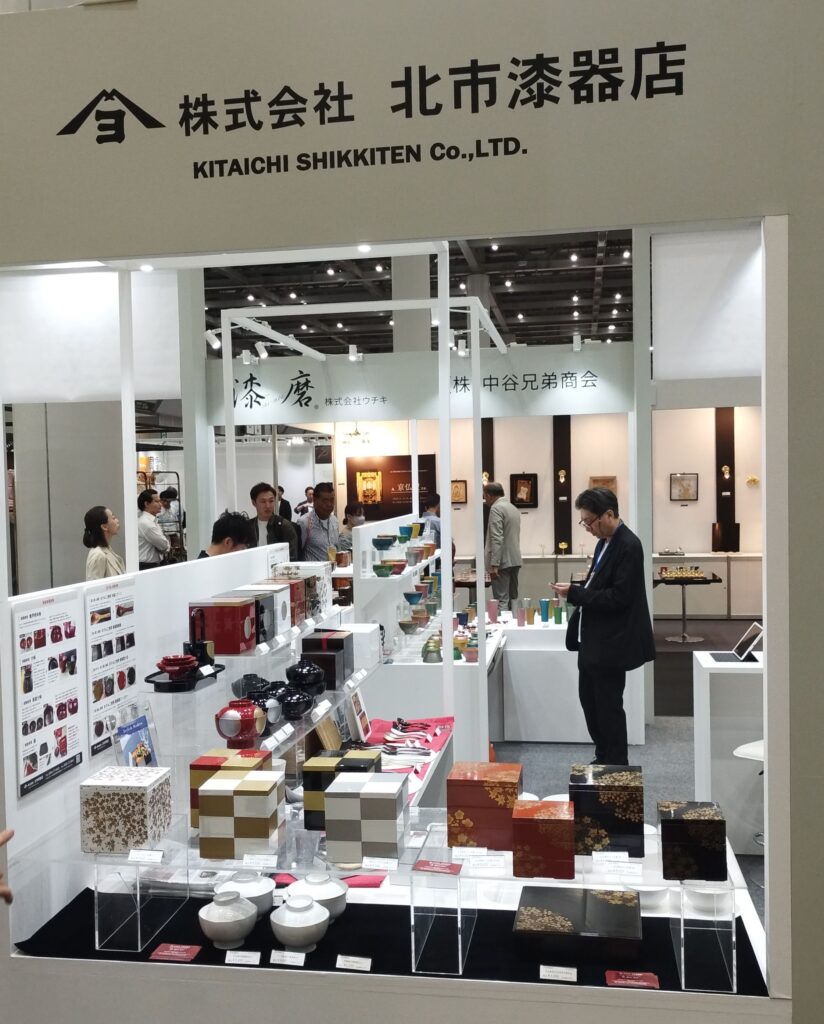
- 3.三タイプのメイン商品:木目をそのまま見せる拭き漆椀、朱色や黒色の塗椀、蒔絵を施した蒔絵椀の3タイプの専門職人がそれぞれに従事する。
- 4. 定型生産によって安定供給を実現:問屋は同じ形・同じ品質の器を継続的に作らせ、レストランやホテルが求める大量・安定供給を可能にしている。
- 5. アーティストとのコラボ:木地師は漆芸家からも直接オーダーを受け、一点物や実験的なフォルムを削り出すことでアート市場にも対応している。
- 6. 他の漆器産地に木地を供給:山中の木地屋は他の漆器産地にも木地を提供し、日本の漆器産業全体を支えるBtoBサプライヤーとして機能している。
- 7. 伝統漆器と近代漆器の両輪で収益安定:山中は1950年代からプラスチック製の近代漆器を導入し、伝統と量産の両方で収益源を確保している。
- 8. 温泉地とのコラボ:山中温泉の観光客が工房の販売店や専門店を直接訪れて購入してきた歴史をそのまま生かしたブランド体験販売を実現している。
- 9. リスクを抑えた需要対応:木地を半製品の荒挽きのまま在庫として保管し、注文後に仕上げることで在庫リスクを減らし、同時に木材の自然乾燥も進めている。
- 10. 幅広い価格設定:山中漆器は日常使いを前提に、十数ドルの普段使いから数百ドルの高級品まで、用途別に緻密な価格帯を設定している。
《英語》
- 1. Wholesalers as Producers (The Command Center) :In Yamanaka, wholesalers (Tonya) act as the strategists of the region. They analyze market trends and decide which artisans will create specific products, functioning like a creative director for the entire production line.
- 2. A Highly Specialized Division of Labor: The production is strictly divided into woodturning (Kiji), lacquering (Nuri), and Maki-e (gold and silver powder decoration), achieving precision and consistency comparable to industrial manufacturing.
- 3. Three Main Product Pillars: Three types of specialists handle different finishes: Fuki-urushi (wiping lacquer that highlights wood grain), solid-color lacquering (traditional red and black), and Maki-e (decorative gold/silver powder).
- 4. Stable Supply through Standardized Production :Wholesalers manage the production of consistent shapes and quality. This reliability allows Yamanaka to meet the high-volume, stable supply demands of restaurants and hotels worldwide.
- 5. Collaborations with Artists: Woodturners don’t just work for wholesalers; they also take direct orders from independent lacquer artists. They create one-of-a-kind, experimental forms, successfully serving the high-end art market.
👤連続音声1-5
- 6. A B2B Supplier for All of Japan: Yamanaka’s woodturners provide high-quality wooden bases to other famous lacquerware regions across Japan. They function as a vital B2B supplier, supporting the nation’s entire lacquerware industry.
- 7. Dual-Engine Revenue: Traditional and Modern: Since the 1950s, Yamanaka has embraced “Modern Lacquerware” made of high-quality resin. By balancing traditional woodcraft with mass-production, the region has secured a stable and resilient economic base.
- 8. Direct Sales through Onsen Tourism As a famous hot spring resort, Yamanaka leverages its location. Tourists visit workshops and specialty stores directly, creating a unique brand experience where production and retail are seamlessly linked.
- 9. Demand Response with Reduced Risk :Artisans keep a stock of “semi-finished” wooden bases (rough-carved). This reduces inventory risk, allows for quick customization after an order, and provides the necessary time for the wood to season naturally.
- 10. Strategic Pricing Structure: Yamanaka Shikki offers a sophisticated pricing structure, ranging from casual everyday items costing around $15 to high-end masterpieces worth hundreds of dollars, making Japanese craft accessible to everyone.
👤連続音声6-10
Glossary:用語集(ビジネスモデルと戦略編)
- the command center ☛ 司令塔(産地の意思決定を行う問屋の役割)
- act as the strategists ☛ 戦略家として動く
- creative director ☛ クリエイティブ・ディレクター(商品企画の責任者)
- comparable to industrial manufacturing ☛ 工業生産に匹敵する(精度の高さ)
- three main product pillars ☛ 3つの主要な製品の柱(拭き漆・塗り・蒔絵)
- stable supply through standardized production ☛ 規格化された生産による安定供給
- high-volume demands ☛ 大量生産の需要(ホテルやレストラン向け)
- experimental forms ☛ 実験的なフォルム(一点物のアート作品など)
- vital B2B supplier ☛ 極めて重要なB2Bサプライヤー(他産地を支える存在)
- dual-engine revenue ☛ 2つのエンジンによる収益(伝統と現代の両立)
- resilient economic base ☛ 回復力のある(しぶとい)経済基盤
- leverages its location ☛ 立地(温泉地であること)を最大限に活かす
- seamlessly linked ☛ 途切れなく(シームレスに)繋がっている
- semi-finished (rough-carved) ☛ 半製品(荒挽き状態の在庫)
- sophisticated pricing structure ☛ 洗練された価格構造(戦略的な値決め)
4.2 インバウンドの視点
実際にインバウンドからよく聞かれる質問を元にした想定QAです。日本の伝統工芸品のビジネスがどのように回っているのか彼らが素朴に感じるであろう疑問です。
《日本語》
- Q1: 山中漆器の問屋って何?人?組織? A: 個人商店の問屋もありますし、会社組織の問屋もあります。規模はさまざまですが、いずれも産地の流通と商品企画を担う重要な存在です。
- Q2: 職人は作るだけで販売しないの? A: 作ることに専念する職人もいますが、量販店・百貨店・オンラインなどで自ら販売する職人もいます。
- Q3: そもそも「近代漆器」って何? A: 樹脂製で軽く丈夫、漆のような光沢を持つ日常向けの量産品です。
- Q4: 近代漆器は伝統漆器と同じ工程なの? A: 違います。伝統漆器は木地と本漆を使い、近代漆器は樹脂と工業塗装を使います。
- Q5: 山中漆器はなぜ近代漆器を作ったの? A: 日常生活の変化に合わせ、扱いやすく丈夫な製品を求めるニーズに応えるためです。
- Q6: 現代人のニーズって何? A: 電子レンジや食洗機で手軽に使いたいというニーズです。
- Q7: 近代漆器は「本物の漆器」なの? A: 伝統漆器とは別物ですが、現代の日本の生活文化を支える重要な製品です。
- Q8: 山中漆器って高いの? A: そうとは限りません。普段使いの手頃なものから高級品まで幅広く揃っています。
- Q9: 山中漆器は日本向けだけ?A: いいえ。世界中のレストランやホテルが、耐久性と品質の安定性を評価して使っています。
- Q10: 山中漆器の事業規模は? A: 山中漆器の従事者は1,000名を超えており、産地全体としては中規模企業に匹敵する規模です。
《英語》
Q1: What exactly is a “Tonya” wholesaler in Yamanaka? Is it a person or an organization? A: Some are family‑run businesses, and others are incorporated companies. Both types play key roles in planning and distributing products in the region.
Q2: Do artisans only make products, or do they also sell them? A: Some artisans focus solely on production, but others sell their work directly through department stores, retail chains, or online.
Q3: So what exactly is “modern lacquerware”? A: It’s a lightweight and durable resin product with a lacquer‑like finish, designed for everyday use and mass production.
Q4: Is modern lacquerware made with the same process as traditional lacquerware? A: No. Traditional lacquerware uses wood and natural urushi, while modern lacquerware uses resin and industrial coatings.
Q5: Why did Yamanaka start producing modern lacquerware? A: They introduced it to meet the needs of modern lifestyles and to offer products that are easier to use and maintain.
Q6: What kind of needs are we talking about? A: Many people want items that can be used conveniently with microwaves and dishwashers.
Q7: Is modern lacquerware considered “real lacquerware”? A: It’s different from traditional lacquerware, but it plays an important role in supporting modern Japanese craft culture.
Q8: Is Yamanaka lacquerware expensive? A: Not necessarily. The range goes from affordable everyday items to high‑end pieces.
Q9: Is Yamanaka lacquerware only for the Japanese market? A: No. Restaurants and hotels around the world use it because of its durability and consistent quality.
Q10: How big is the Yamanaka lacquerware industry? A: More than 1,000 people work in the industry, so as a whole, the sector is comparable to a mid‑sized company.
Glossary:用語集(ビジネス視点の想定QA編)
- family‑run businesses ☛ 家族経営の商店(アットホームな問屋スタイル)
- incorporated companies ☛ 法人化された企業(組織的な問屋スタイル)
- planning and distributing ☛ 企画と流通(問屋が担う産地の心臓部)
- focus solely on production ☛ 製作だけに専念する
- sell their work directly ☛ 直接販売する(直販スタイルの職人)
- lacquer‑like finish ☛ 漆のような質感の仕上げ(近代漆器の特徴)
- designed for everyday use ☛ 日常使いのために設計された
- industrial coatings ☛ 工業用塗装(ウレタン塗装など)
- meet the needs of modern lifestyles ☛ 現代のライフスタイルのニーズに応える
- easier to use and maintain ☛ 扱いやすく、手入れが簡単
- microwave-safe and dishwasher-safe ☛ 電子レンジ対応・食洗機対応(現代の三種の神器)
- not necessarily ☛ 必ずしもそうとは限らない(「高いのですか?」への返し)
- affordable everyday items ☛ 手頃な価格の日常品
- durability and consistent quality ☛ 耐久性と安定した品質(世界が評価するポイント)
- comparable to a mid‑sized company ☛ 中堅企業に匹敵する(産地全体の規模感)
4.3 笑いが取れるかも?説明例
ビジネスモデルに派生するお話です。
Q1:山中漆器の商いは順調なんですか?
Is Yamanaka Lacquerware doing well in business?
ここでは山中漆器の問屋システムに関する表現を織り込みました。前半No.1-7は説明パート、後半8-12はおふざけパートですが、今回は高頻出の慣用句で締めました。
- It’s difficult to know exactly how much profit is being made, but it can be considered Japan’s largest lacquerware production area. どれほどの利益が生まれているかは明確ではありませんが、山中漆器は日本最大級の漆器産地といえるでしょう。
- Many traditional crafts struggle to find their place in modern lifestyles. 多くの伝統工芸が現代のライフスタイルの中で居場所を見つけられず苦戦しています。
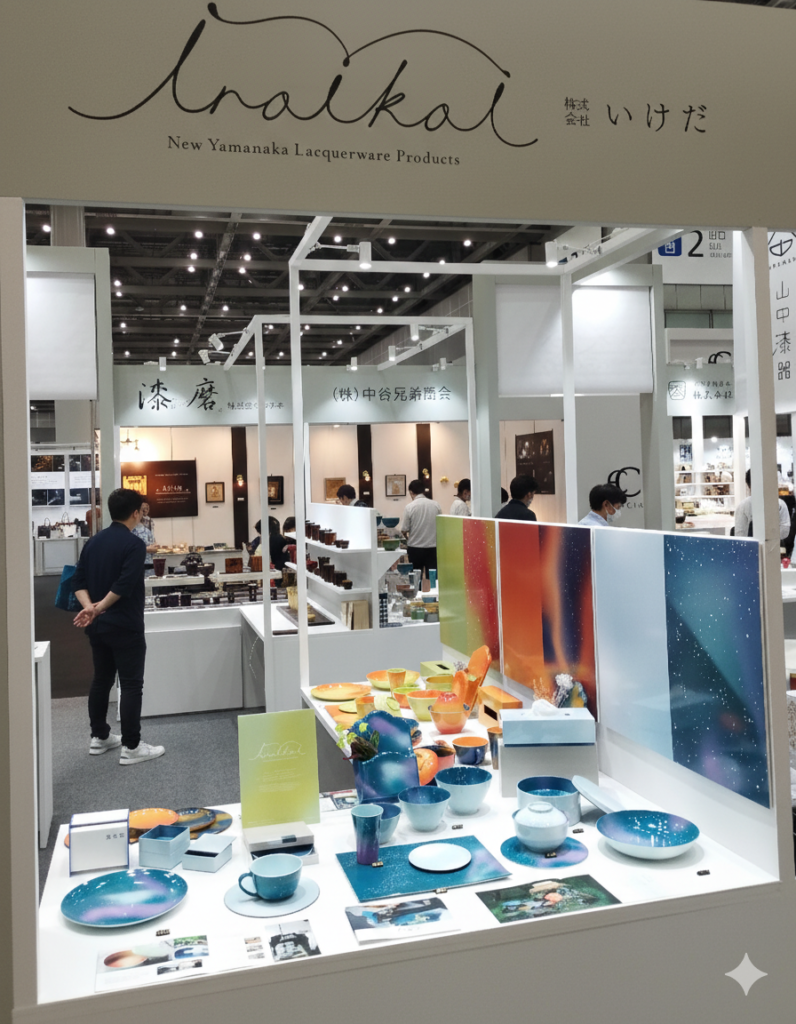
- Among them, Yamanaka lacquerware has been quick to introduce modern lacquerware made with plastic materials, adapting to the needs of contemporary consumers. その中で山中漆器は比較的早い段階から樹脂素材を用いたモダンな漆器を取り入れ、現代の消費者ニーズに適応してきました。
- Supporting this adaptability is Yamanaka’s wholesaler system. その背景には、山中漆器独自の「問屋(といや)システム」の存在があります。
- While wholesalers may seem like simple distributors, those in Yamanaka are far more than transporters of goods. 問屋というと単なる流通業者のように思われがちですが、山中の問屋は単なる運び手ではありません。
- They are creative leaders who read market trends and plan and design “the vessels the market wants now.” 市場の動きを読み、「今、世の中が求めている器」を企画・デザインするクリエイティブな存在です。
- In that sense, they are closer to producers or directors in music or film. むしろ音楽や映画の世界でいう“プロデューサー”や“ディレクター”に近い役割を担っています。
- The wholesaler system of Yamanaka lacquerware could itself be considered a form of craftsmanship. この問屋システムそのものが、山中漆器における一つの“職人技”ともいえるでしょう。
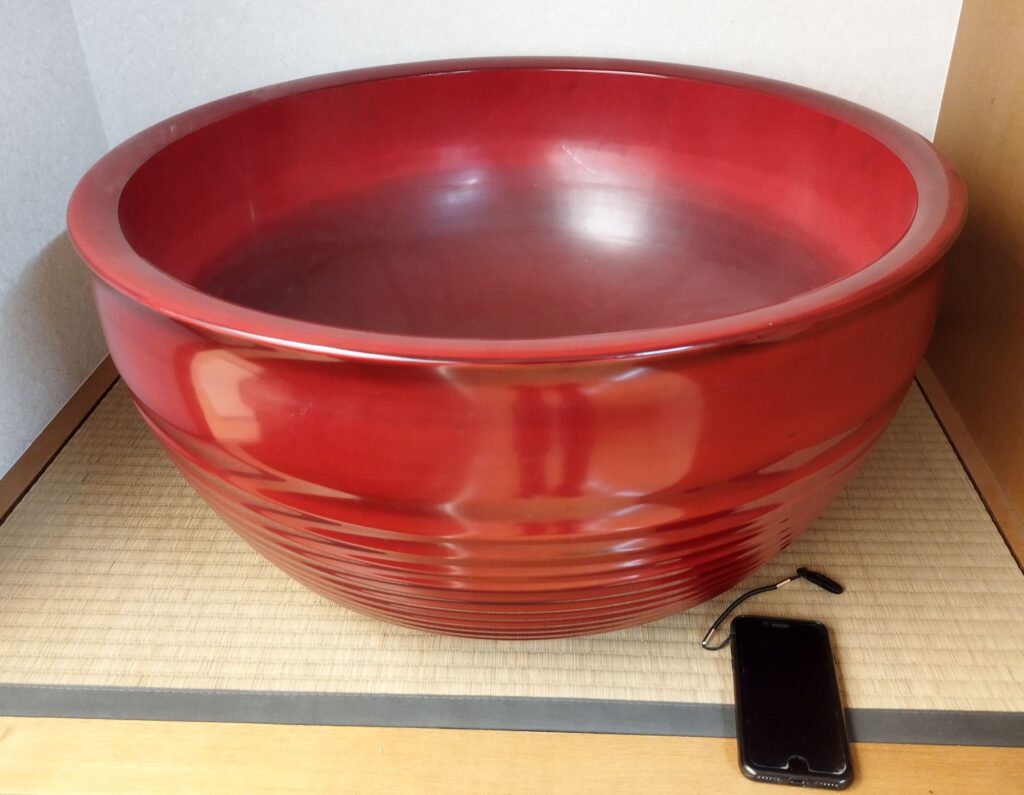
- It hasn’t changed for centuries, since the samurai era, quietly shaping a kind of large bowl we now call Yamanaka town. 武士の時代から何百年も形を変えずに続き、やがて「山中町」という大きな器(ボウル)を静かに形づくってきたのです。
- But why a bowl rather than a vessel? でも、なぜ器(vessel)ではなく、あえて「ボウル」なのでしょうか?
- Is it some iconic shape? 何か象徴的な形なのでしょうか?
- Not exactly. Yamanaka town is more like a salad bowl—filled with a wonderful mix of talented artisans. 実は、そうではありません。山中町はむしろ「サラダボウル」のように、才能あふれる職人たちが詰め込まれてますので。
Glossary:用語集(産地のプロデューサーとサラダボウル編)
- struggle to find their place ☛ (現代社会で)居場所を見つけるのに苦労する
- adaptability ☛ 適応力(時代の変化に合わせる柔軟さ)
- far more than transporters of goods ☛ 単なる商品の運び手(流通業者)ではない
- read market trends ☛ 市場のトレンドを読み解く(問屋のプロデューサー能力)
- creative leaders ☛ クリエイティブなリーダー(産地の方向性を決める人)
- a form of craftsmanship ☛ 一種の職人技(問屋のシステム自体が芸術的であること)
- shaping a kind of large bowl ☛ 大きな「ボウル(椀)」を形作る(産地全体を一つの器に見立てて)
- iconic shape ☛ 象徴的な形(山中を代表する特定の形があるのかという問い)
- salad bowl ☛ 【最重要ポイント】
- サラダボウル(※多様な人種や才能がそれぞれの個性を保ったまま共存する社会の比喩)
- a wonderful mix of talented artisans ☛ 才能豊かな職人たちの素晴らしい混合(サラダの具材のように個性豊かであること)
Q2:見た目同じ様な漆器なのに、何故値段が数倍も違うのですか?
‘Why do lacquerware prices differ several times, even though they look the same?’
ここでは、ネットや店頭での価格差の理由、木製漆器と近代漆器との違い、両者のメリットを織り込んでいます。前半No.1-5は説明パート、後半6以降はおふざけパート、英語音声は英国男性話者です。👉👉Q3の各表現の演習用ツールはこちらからも入れます。
- It is because there is a difference between wooden lacquerware crafted from natural wood and modern lacquerware made through plastic molding. それは自然の木から造った木製漆器とプラスチック成形で作った近代漆器の違いです。
- Wooden lacquerware tends to be more expensive due to the time and effort craftsmen invest in handcrafting each piece. 木製漆器は値段が高くなりがちですが、それは職人が一つずつ手間ひまかけて作るからです。
- Modern lacquerware, on the other hand, can be mass-produced once a mold is created, thus reducing costs. 一方、近代漆器は一度型ができてしまうと大量生産できるので其の分コストが安くなるのです。
- Moreover, distinguishing between wooden and modern lacquerware by appearance alone can be challenging, as modern lacquerware is sometimes painted with patterns looking like natural wood grain. また、見た目だけで木製と近代漆器を見分けるのは難しい場合もあります。近代漆器には天然木目の様に塗装されたものがありますので。
- The demand for modern lacquerware is increasing because it can withstand microwave ovens and dishwashers, features unavailable with wooden lacquerware. 近代漆器の需要が増えているのは木製漆器では不可の電子レンジや食洗機も使えるからです。
- So, why would anyone opt for wooden lacquerware, which demands considerable time and effort to maintain? では何故、メンテナンスに手間ひまのかかる木製漆器を買う人がいるのでしょうか?
- Perhaps it could be likened to artificial flowers that closely mimic natural ones. もしかしたら、自然の花そっくりの造花に例えられるかもしれません。
- Even if artificial flowers surpass natural ones in beauty, can they inspire one enough to compose a haiku, a Japanese short poem? 造花はたとえ自然の花以上に美しくできていても、俳句を詠みたくなるほど心動かされるでしょうか?
- Due to the advantages of natural lacquer and wood, wooden lacquerware develops a richer patina and its texture evolving over time, almost as if it were alive. 天然漆と木の良さを生かした木製漆器は、時が経つにつれ艶が増し、質感は変化し、まるで生きているかのように感じられます。
- Unfortunately, modern lifestyles often leave little room for such luxuries, and many may have to put up with artificial flowers and modern lacquerware. 残念ながら、現代のライフスタイルではそのような贅沢は中々持てませんので、造花や近代漆器で我慢するしかないのかもしれません。
- However, using expressions like “having to put up with” may sound somewhat rude. Because many opt for artificial flowers due to their convenience. でも我慢なんて失礼な言い方かも。その便利さ故、造花を選ぶ人も多いので。
- In fact, real flowers are beautiful, but they are quite expensive for their short life, so common people cannot afford to buy them frequently. 実際、本物の花は美しいですが、命短い割には、結構な値段するので庶民は頻繁に買えません。
- Particularly well-known flowers are especially expensive, and in Japan, those that are beyond one’s ability and one has no choice but to give up are called “Takane-no-hana” (“high priced flowers”). 特に著名な花は特別に高く、日本では、自分の能力に及ばず諦めるしかないものを「高嶺の花」と言います。
- Yet, for someone like me, who can afford tableware only from a 100 yen store, even artificial flowers are prohibitively expensive, out of my league! いずれにせよ、百円ショップの器しか買えない私の様な人間からすると造花ですら高値の花です!
Glossary:用語集(価格差と高嶺の花編)
- handcrafting each piece ☛ 一点一点、手作業で作ること
- mass-produced once a mold is created ☛ 一度「型」ができれば大量生産できる
- withstand microwave ovens ☛ 電子レンジ(の使用)に耐える
- opt for ~ ☛ (多くの選択肢から)~を選ぶ
- likened to artificial flowers ☛ 造花に例えられる(便利だが命がない近代漆器の比喩)
- inspire one to compose a haiku ☛ 俳句を詠みたくなるほど心を動かす
- develop a richer patina ☛ (使い込むことで)より深い艶・味わいが出る
- leave little room for such luxuries ☛ そんな贅沢(な時間や手間)を許す余裕がほとんどない
- put up with ~ ☛ (不満だが)~で我慢する、妥協する
- beyond one’s ability ☛ 自分の能力(経済力)を超えている(「高嶺の花」とも訳される)
- prohibitively expensive ☛ (禁止されているかと思うほど)手が出ないほど高価な
- out of my league ☛ (慣用句)自分には不相応だ、高嶺の花だ(※直訳は「自分の所属リーグの外」=格が違う)
参照サイト
いつも通り、インバウンドは固有名詞にあまり興味を示しませんので、このブログでは最低限のことしが触れていませんが、相手が日本マニアの際には、ぜひ下記サイトをご参照ください。
山中漆器連合協同組合
山中漆器に係る全事業者が加入する団体で、特に「商品特徴」「歴史」「製作工程」「店舗情報(それぞれの違い)」がおススメです。
石川県立山中漆器産業技術センター
山中漆器の強み「挽物轆轤技術」及び「漆芸技術」習得の為の研修施設で、技術的な説明に役に立ちます。
御礼🔶あとがき

👆 今回も最後までお読みいただき、ありがとうございます。
本ブログに関するご意見やご要望がございましたら、下記メニューの [Assistance & Services] より、お気軽にお声がけくださいね。