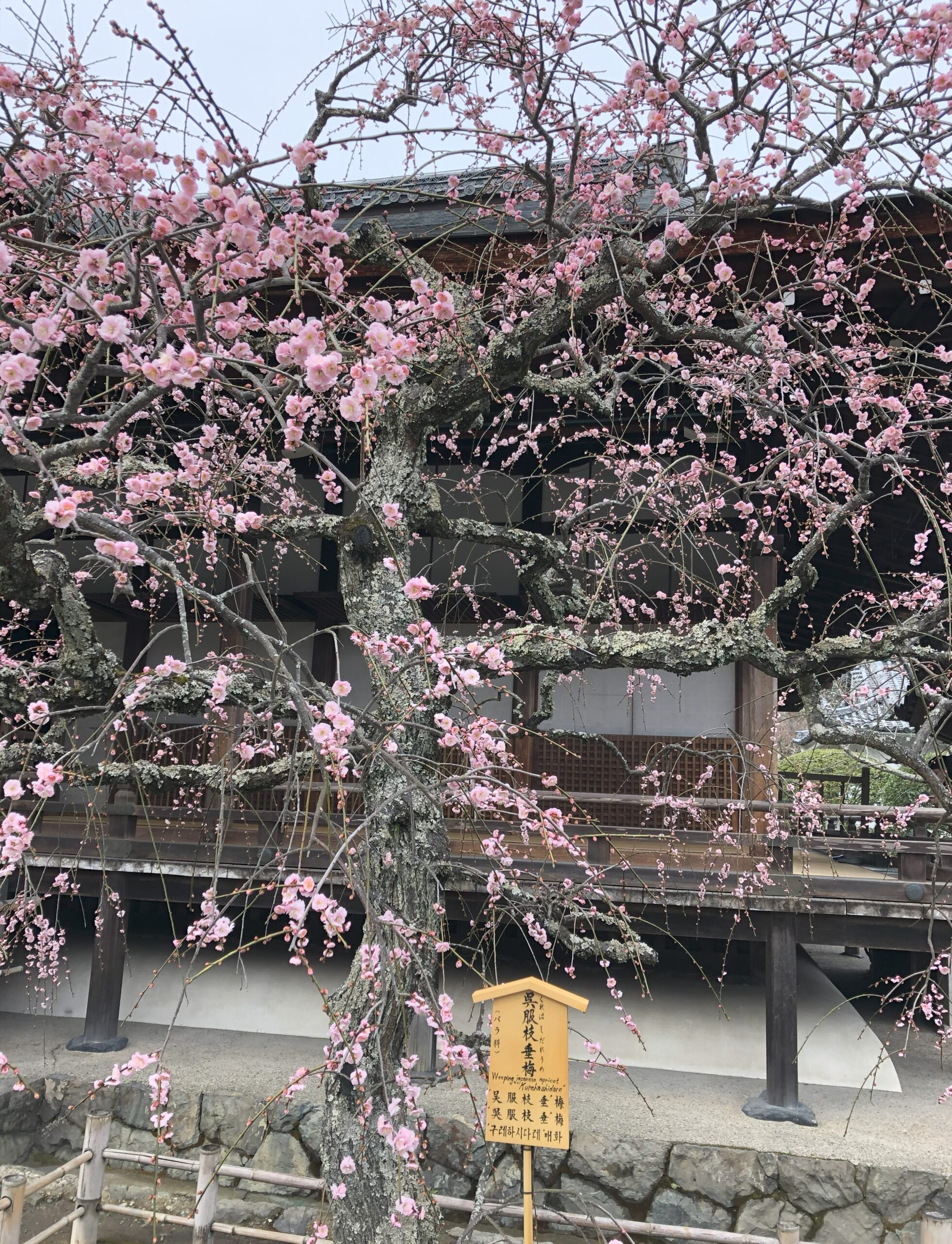
商談相手とタクシーで移動中…
「窓から見えるあの鮮やかな花は何?」と聞かれたら?

Sakura:日本文化コンシェルジュ&ブログガイド
こんにちは!サクラです🌸 今回は、タクシーの窓からチラリと見えた「梅(Ume)」について。単に「Plum blossoms」と訳すだけではもったいない!
移動中のわずかな時間で、ゲストの関心を『食・美・技』に結びつけ「ぜひ近くで体験したい!」と言わせるための、刺さる切り口をまとめました。
ゲストの関心に合わせて30秒でネタを仕込む!
【一言で腑に落ちる】王道アプローチ
【インバウンド5大関心別・深掘り】さらに一歩踏み込む
※移動中の短い時間ならパート1を、じっくり話すならパート2をチョイス!
1. この一言で腑に落ちる?
このパートのいずれかのワンフレーズでご納得いただけたらラッキーですね。もしだめなようでしたら、次のパートもお試しください。いつも通り、日本語で言えないことは英語でも言えませんので、まずは日本語から。
1.1 冬の終わりと春の訪れの象徴
この花は「梅」と言って、この時期に咲いて寒い冬の終わりと春の訪れを知られる象徴的な華で、古代より日本人にとって特別な存在なのです。
- This flower is called “ume,” a symbolic flower that blooms at this time of year to announce the end of the cold winter and the coming of spring, and has had a special place in the Japanese heart since ancient times.
- 👉まずはオーソドックスな紹介例として。
1.2ピンク・白・赤の様々な色合い
この梅の花はピンクや白、時には赤など様々な色合いがあり、特に2月から3月にかけては日本中の庭や公園、風景に鮮やかさと美しさを添えています。
- These plum blossoms come in various shades of pink, white, and sometimes red, and add vibrancy and beauty to gardens, parks, and landscapes throughout Japan, especially during February and March.
- 👉色の違いを伝えることでもっと近くで見てみたいと思わせる例として。
1.3 ジャスミンの様な甘い香り
梅の花は見た目の美しさだけでなく近くに行くと華やかで甘い香りがほんのりと感じられ、ジャスミンに似ているという人もいます。
- Plum blossoms are not only beautiful to look at, but also have a gorgeous and slightly sweet fragrance when you get close, and some people say they resemble jasmine!
- 香りを伝えることで、もっと近くで嗅いでみたいと思わせる例として。
1.4 桜と間違えないコツ?
梅の花はほぼ同時期に咲く桜と色や形が似ているので、日本人でも間違えることがありますが、梅の花びらは丸みを帯びていて、桜の花より小ぶりなので近くで見れば違いがわかりますよ。
- Plum blossoms are similar in color and shape to cherry blossoms, which bloom at about the same time of year, so even Japanese people sometimes mistake them for cherry blossoms. However, plum petals are rounded and smaller than cherry blossoms, so you can tell the difference if you look closely.
- 👉桜とダブル時期には是非比較して近くで見たいと思わせる例として。
2.次の補足でご納得?
残念ながら前パートで外した場合のフォローセリフ、関心別に置いてみましたので、何かお気に入りあればお試しください。同じく日英の順でご紹介します。
2.1 建築(匠:たくみ)系
🌺古代から数珠やソロバン珠に?
梅の木は堅く緻密な木肌を持ち、上品な光沢を放つため、貴族時代より数珠の珠やソロバンの珠のように文化的な用途に最も大切にされてきた木の一つです。
- Because of its hard, dense bark and elegant luster, the plum tree has been one of the most prized trees for cultural uses, such as beads for prayer beads and soroban beads(Japanese abacus)., since the time of the nobility.
- 👉少し硬い話で素材の固さも使う例として。
2.2 アート(美)系
🌺国宝絵画の素材にも?
梅の花は多くの著名な画家に愛され、襖絵、屏風、掛け軸、浮世絵等の素材とし多様な形式で描かれていて中には国宝になるほどの歴史的な名作もあります。
- Ume blossoms have been loved and painted by many famous painters for fusuma-e (sliding door paintings), folding screens, and hanging scrolls, some of which are historical masterpieces that have been designated national treasures.
- 👉アート好きの訪日外国人だと尾形光琳の絵は既に知っているかもしれませんが。
2.3 ファッション系
🌺ハンカチやストール染める優しい梅色
日本では昔から着物の生地を梅の樹皮を煎じた汁で染める手法があり、一般の人もハンカチやストールを染めて優しい梅色の自然な柄を楽しみます。
- In Japan, there is a traditional technique of dyeing kimono fabric with the juice of infused plum tree bark, and the general public also dyes handkerchiefs and scarves to enjoy the natural patterns of the gentle plum color.
- 👉梅染の良さがわかる訪日外国人は少ない?
2.4 フード(味覚)系
🌺「梅酒」は祝いの席の乾杯用?
日本には「梅酒」と呼ばれる梅を焼酎(ホワイトリカー)に着けて作った伝統的なお酒があり、様々なお祝いの席の乾杯用に使われています。
- In Japan, there is a traditional liquor called “Umeshu,” made by dipping plums in shochu (white liquor), which is used for toasting at various celebrations.
- 👉日本酒好きの訪日外国人向け!越境ECでも梅酒は人気があります。
🌺旅の土産に梅干しの酸っぱさは如何?
日本には古代より梅干しという梅の実を塩漬けにして干した保存食があり、コンビニのおにぎりやお弁当にもよく使われていますが、多くの外国人には酸っぱすぎて食べられないかもしれません。
- Since ancient times, Japan has had a preserved food called umeboshi, which is made by pickling and drying pickled plums in salt, and is often used in convenience store onigiri and bento boxes, but it may be too sour for many foreign visitors to eat!
- 👉食べられないかも、と言われて逆に食べてみたくなるインバウンド向け!
2.5 日本人系
🌺梅まつりで日本人が分かる?
日本では多くの地域で梅まつりが開催され、日本人は梅の花を愛で、伝統芸能を楽しみ、梅にちなんだ食べ物や飲み物に舌鼓を打ちます。
- Many regions in Japan hold ume festivals, where Japanese people admire ume blossoms, enjoy traditional performing arts, and indulge in food and drinks associated with ume.
- 👉桜の花見は知っていても意外と梅まつりは知られていないので好奇心の強い人向け。
🌺日本人の春の季語の代名詞?
梅の花は何世紀にもわたって日本の文学や芸術の中で讃えられていて、特に短歌や俳句という日本の伝統的詩歌では春の季語として不動の地位を占めています。
- Ume blossoms have been celebrated in Japanese literature and art for centuries, especially in the traditional Japanese poetic traditions of tanka and haiku, where they are steadfastly the seasonal word for spring.
- 👉桜とどう違うの?と逆に聞かれるかもしれませんが。梅は香りで桜は目で愛でる?
🌺梅の花言葉で日本人が分かる?
梅は丈夫で日本中のさまざまな気候でよく育ち、寒い地域でも庭や公園に色と香りを添えてくれるので、日本の花言葉には日本人好みの「忍耐」が含まれています。
- The Japanese language of flowers includes our favourite word “patience” because ume is hardy and grows well in a variety of climates throughout Japan, adding color and fragrance to gardens and parks even in cold regions.
- 👉ちなみに日本の「忠実」「高潔」「忍耐」に対し 英語圏は「忠実」「約束」「美・長寿」です。
御礼&後書き

👆 今回も最後までお読みいただき、ありがとうございます。
本ブログに関するご意見やご要望がございましたら、下記メニューの [Assistance & Services] より、お気軽にお声がけくださいね。