本ブログは観光業、企業接待、留学生対応等で英語案内が必要ながら、多忙で準備に時間をかけられない方々の為にすぐに使える情報を分かりやすく解説しています。
今回は『茶道作法の英語説明|通訳ガイドも使う簡単例文【どうする日本文化体験シリーズ】』の《0.茶道について(ご参考:背景知識)>0-2 茶道の道って何?》パートの上級用(日↔英双方向の対応が必要な方)向け演習ツールです。
👉ショートカット&リンクについて!①最初に音声で学習されたい方はそのままお進みください。➁最初に原文を確認されたい方は【原文:日英】へ③本編ブログを参照されたい方は『茶道作法の英語説明|通訳ガイドも使う簡単例文【どうする日本文化体験シリーズ】』を読むへ。④音声ツールの概要を参照されたい方は『演習ツール』まで!
0.茶道について(ご参考:背景知識)
0-2 茶道の道って何?(What is the Way of Tea?)
本編ブログ「0-2 茶道の道って何?(What is the Way of Tea?)(日本語)」と「0-2a. What is the Way of Tea?(英語)」をカバーします。演習用に(本編から)日英対訳形式に修正していますが、翻訳文のような完全対訳でない点にご注意ください。(対訳のままではその作法の意味が伝りにくい箇所には表現を補足しています。)👉また本編は4パートに分かれていますが、ファイル数を絞るため、2ファイル❶前半部(1.一期一会&2. 和敬清寂)と❷後半部(3.詫び寂び&4.もてなしの心)に分けています。
A 『日本語』から”英語”への置き換え
A1:基本モデル(音声:日英)
👉日本語と英訳文のセット全文を聴いて全体把握します。
各プロセス(日本語男性話者>米国男性話者)
A2:口頭即訳モデル(音声:日+ポーズ)
👉日本語の後の無音(ポーズ)の間にご自分の英訳が試せます。(A1の英語文がないタイプです。)
A3:逐次通訳モデル(音声:日)
👉日本語全文を最後まで聴いて(メモ可)、英訳が試せます。長めの日本語説明の後にインバウンドにわかりやすく簡潔に伝えるシチュエーションです。
A4:同時通訳モデル(音声:日:低速)
👉日本語から少し遅れてそのまま並走して英訳が試せます。約260文字/分(約85%低速)
B ”英語”から『日本語』への置き換え
B1:基本モデル(音声:英日)
👉英文と和訳文のセット全文を聴いて全体把握します。(A1の逆パターンです。)
B2:口頭即訳モデル(音声:英+ポーズ)
👉英語の後の無音(ポーズ)の間に和訳ができます。(B1の日本語文がないタイプです。)
B3:逐次通訳モデル(音声:英)
👉英語全文を最後まで聞いて(メモ可)、和訳を試せます。インバウンドの長めの英語発言の後に日本人スタッフにわかりやすく簡潔に伝えるシチュエーションです。
B4:同時通訳モデル(音声:英:低速)
👉英語から少し遅れてそのまま並走して和訳できます。約120wpm(約85%低速)版。
【原文:日英】
0-2 茶道の道って何?(What is the Way of Tea?)
ここでは、茶道の「道(みち)」を理解するための基本的な考え方をご説明します。
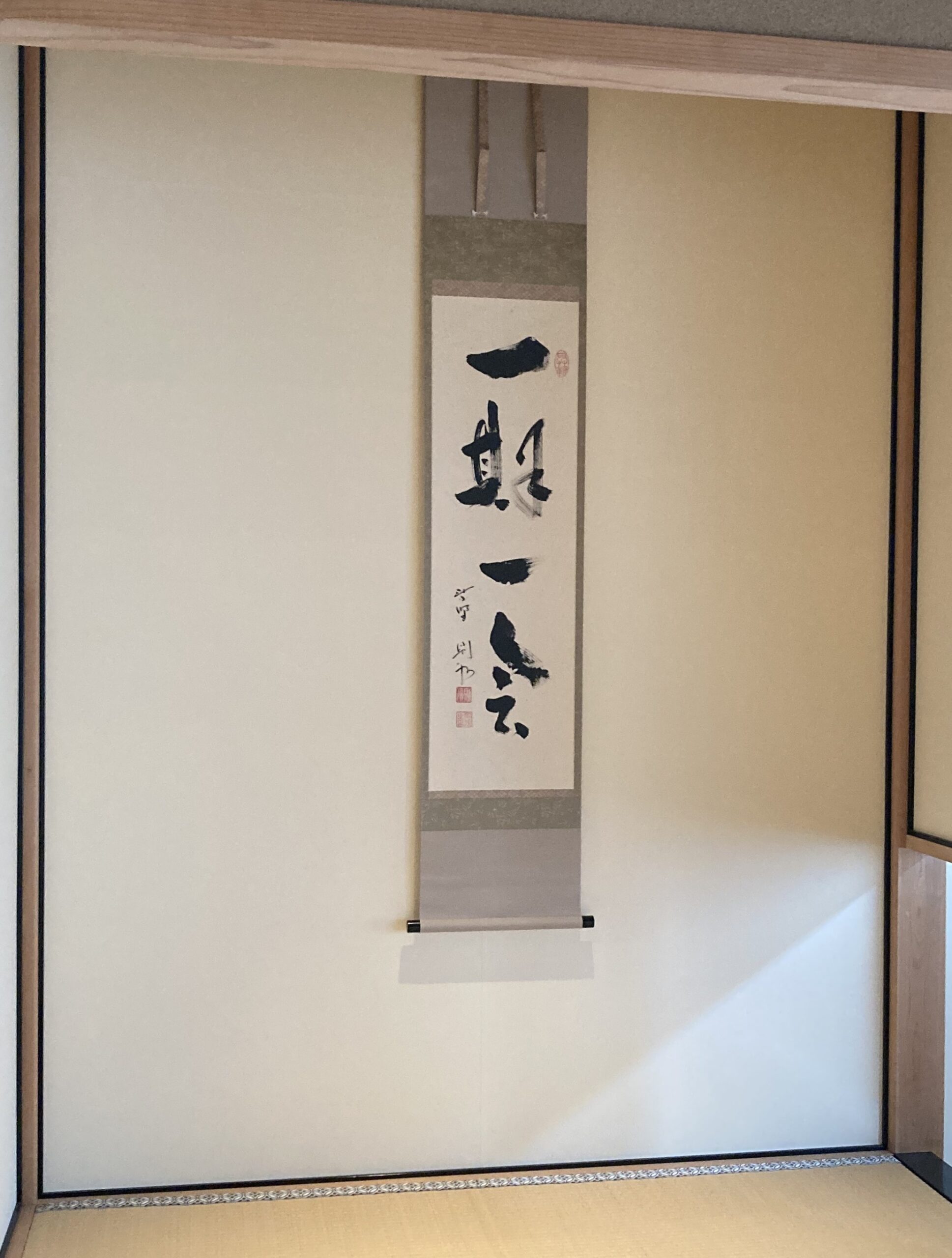
1. 一期一会(いちごいちえ):(Once in a Lifetime Encounter)
- この考え方は、まさにこの瞬間が二度と繰り返されないことを私たちに思い出させます。
- それは、あらゆる出会いを大切にし、互いを心からの敬意をもって接するよう促すものです。
- 茶の湯において、人、道具、空気の調和はその日その日にしか生まれません。だからこそ、一杯一杯のお茶が真に唯一無二の体験となるのです。
2. 和敬清寂(わけいせいじゃく – wa-kei-sei-jaku):
これらは茶道の根本となる四つの要素です。
- 和(Wa – Harmony): 参加者同士が仲良く、穏やかな気持ちで過ごすこと。
- 敬(Kei – Respect): ホストや他のゲスト、茶道具の歴史に深い敬意を払うこと。
- 清(Sei – Purity): その空間並びに人の心と精神を清らかに保つこと。
- 寂(Jaku – Tranquility): 静かで落ち着いた雰囲気の中で心の安らぎを見つけること。
3.詫び寂び(わびさび – wabi-sabi)の精神:
- 詫び寂びは不完全さ、無常、簡素さの中にある美しさを見出す日本の美意識です。
- それは古びたものや自然なもの、質素なものに深い味わいを感じる考え方です。
- 目に映る形以上の、外見の華やかを越えた、内面の豊かさ、控えめなものを大切にします。
- その精神は茶室の簡素な造りや、使い込まれた茶道具の風合いに表れています。
4. おもてなしの心(Omotenashi):
日本のおもてなしの基礎は、茶道の始祖、千利休が説いた「利休七則(りきゅうしちそく:Rikyu’s Seven Rules)」にあります。これらの深い指針は、真のおもてなしの作法を示しています:
- 1. 茶は服(ふく)のよきように点(た)て: お茶は心を込めて、おいしく点てましょう。お客様の好みやその日の体調に合わせます。
- 2. 炭(すみ)は湯の沸(わ)くように: 基本的な準備を抜かりなく。真のおもてなし、見えない準備を完璧にすることから始まります。
- 3. 花は野にあるように: 花は野に咲いているときのように、自然のありのままの美しさを生かして生けましょう。
- 4. 夏は涼(すず)しく、冬は暖(あたた)かに: 季節の移ろいを感じ、ゲストが心地よく過ごせるような空間の工夫をしましょう。
- 5. 刻限(こくげん)は早めに: 他の人の時間を大切にします。リラックスした心持ちで訪れることでより深く、穏やかなつながりが生まれます。
- 6. 降(ふ)らずとも雨の用意: 常に予期せぬ事態に備えます。真の気配りには、万全の備えと柔軟な心の両方が必要です。
- 7. 相客(あいきゃく)に心せよ: お互いに思いやりを示しましょう。美しい茶の湯は、そこに集うすべての人々共同の創造物なのです。
0-2a. What is the Way of Tea?
Here, we will explain the fundamental concepts to help you understand the “Way” (the spiritual path) of the tea ceremony.
1. Ichigo-ichie (Once in a Lifetime Encounter)
- This concept reminds us that this exact moment will never be repeated.
- It encourages us to cherish every encounter and treat one another with sincere respect.
- In the Way of Tea, the harmony of people, utensils, and atmosphere is unique to that specific day—making every bowl of tea a truly irreplaceable experience.
2. Wa-Kei-Sei-Jaku (The Four Principles)
These are the four fundamental elements of the tea ceremony:
- Wa (Harmony): Creating a sense of unity and peaceful connection between all participants.
- Kei (Respect): Showing deep appreciation for the host, the guests, and the history of the tea utensils.
- Sei (Purity): Cleansing both the physical space and one’s own heart and mind.
- Jaku (Tranquility): Finding inner peace and stillness within a quiet, meditative environment.
3. The Spirit of Wabi-Sabi (Beauty in Simplicity)
- Wabi-sabi is a Japanese aesthetic philosophy that finds beauty in imperfection, impermanence, and simplicity.
- It reflects a deep appreciation for the old, the natural, and the understated.
- More than just a visual style, it is a way of embracing inner richness and humility over outward splendor.
- This spirit is embodied in the minimalist tea room and the patina of well-worn utensils.
4. The Spirit of Hospitality (Omotenashi)
The foundation of Japanese hospitality is found in the “Seven Rules of Rikyu,” the founder of the tea ceremony. These profound guidelines show how to truly care for a guest:
- 1.Tea should be prepared for the guest’s comfort: Brew each bowl of tea with heartfelt dedication. Tailor it to your guest’s preferences and current mood.
- 2.Lay the charcoal so that the water boils efficiently: Ensure the fundamentals are flawless. True hospitality begins with invisible yet perfect preparation.
- 3.Arrange flowers as they are in the wild: Present flowers in a way that preserves their natural life and inherent beauty.
- 4.Provide coolness in summer and warmth in winter: Create an environment that honors the changing seasons and ensures the physical comfort of your guests.
- 5.Be early for all appointments: Value the time of others. Arriving with a relaxed mindset allows for a deeper and more peaceful connection.
- 6.Prepare for rain even if it is not falling: Always be ready for the unexpected. True mindfulness is having both a prepared kit and a flexible heart.
- 7.Be mindful of fellow guests: Let everyone show consideration for one another. A beautiful tea ceremony is a collaborative creation between all present.
御礼🔶あとがき
お🔶最後までご覧いただき、誠にありがとうございました! 本ブログに関するご意見やご要望がございましたら、メニューの📧Assistance & Services📞よりお気軽にお声がけください。🔶Gold💎R80101.v4b.4b.1a/s1