本ブログは観光業、企業接待、留学生対応等で英語案内が必要ながら、多忙で準備に時間をかけられない方々の為にすぐに使える情報を分かりやすく解説しています。
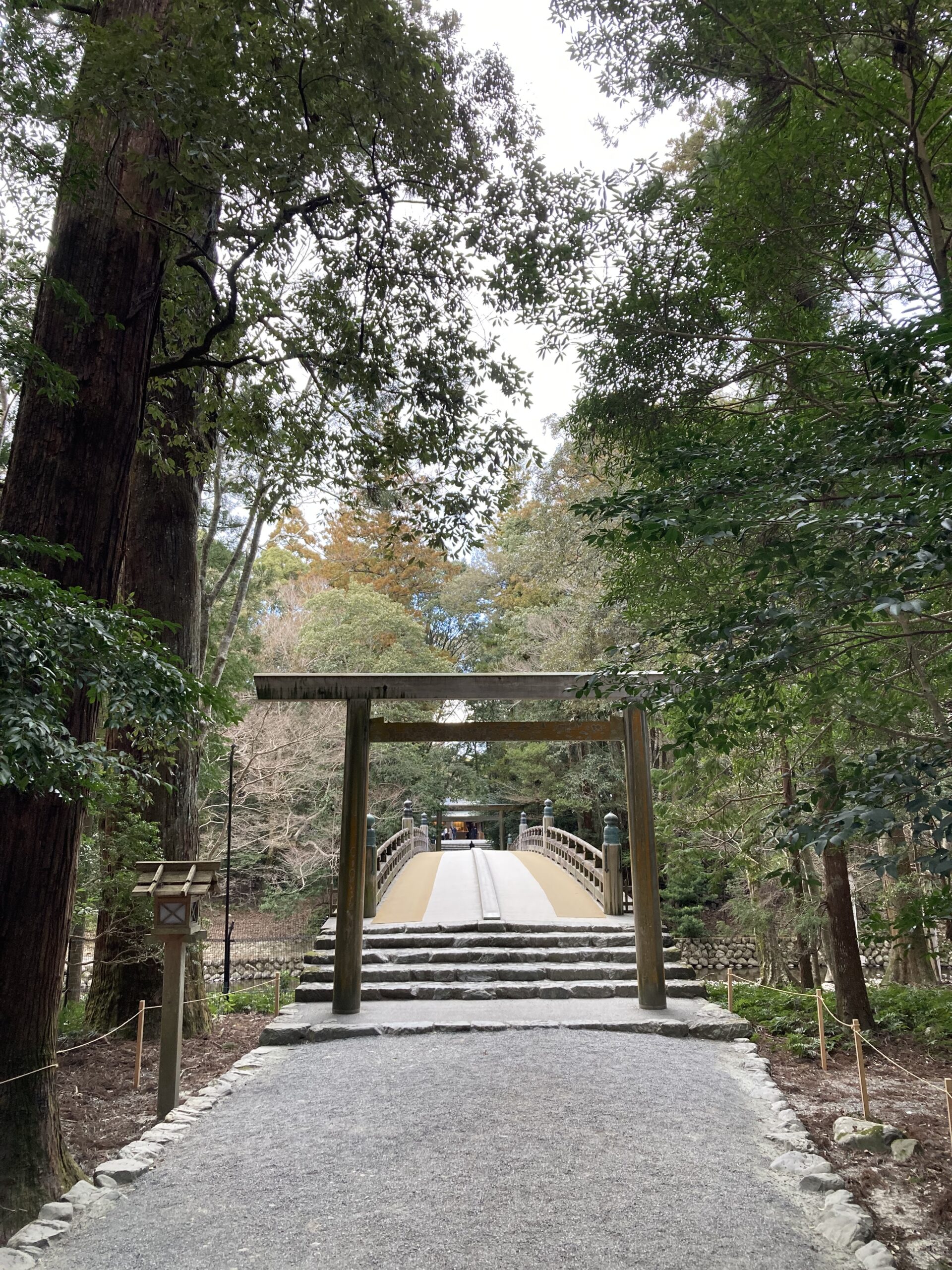
今回は一緒に電車で移動中の重要顧客(訪日外国人)から、少し時間があるので最寄り駅で降りて「神社」を見学したいと突然言われた場合の『日本の神社』に係る英語表現についてご紹介します。
👉本シリーズでは一般的なインバウンドに関心の薄い、固有名詞(名前、地名等)や年代は極力控えて、雑踏の中を歩きながらでもご理解いただける様なよりわかり易い内容を目指しています。
0. 本ブログの基本構成
本ブログは大きく分けて下記の3構成になっています。一般的なインバウンドゲストの関心度(「これ、何のためにあるの?」という素朴な疑問)をベースにご紹介していますが、目次から必要なトピックへピンポイントでアクセスすることも可能です。
- 基本用語のご説明
- 《神社》全体のご説明
- 基本情報(👉押さえておきたいポイント)
- 口頭簡単説明(👉歩きながらでもできる簡単表現)
- Q&A #インバウンド視点(👉よく聞かれる質問への即答例)
- 笑いが取れるかも?(👉説明にも使える真面目ネタ+雑談力up用おふざけネタ)
- 各テーマ毎のご説明
- 同上
1. 押さえておきたい基本用語
ここでは日常会話でも使う『1.1. 基本用語』から、文化背景を伝える『1.2. 神社関連表現』、より専門的な『1.3. 神道特有用語』までご紹介します。
1.1 基本用語(日常会話レベル)
👉境内の散策中にパッと目に入るものを指し示す用語です。
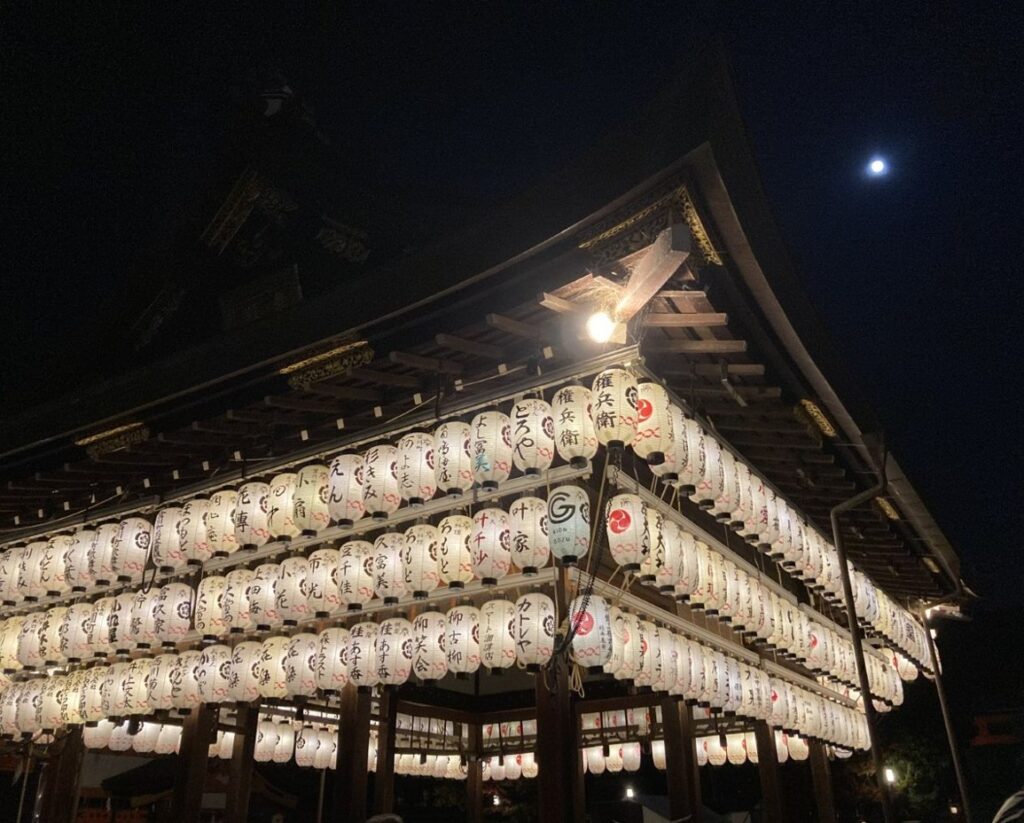
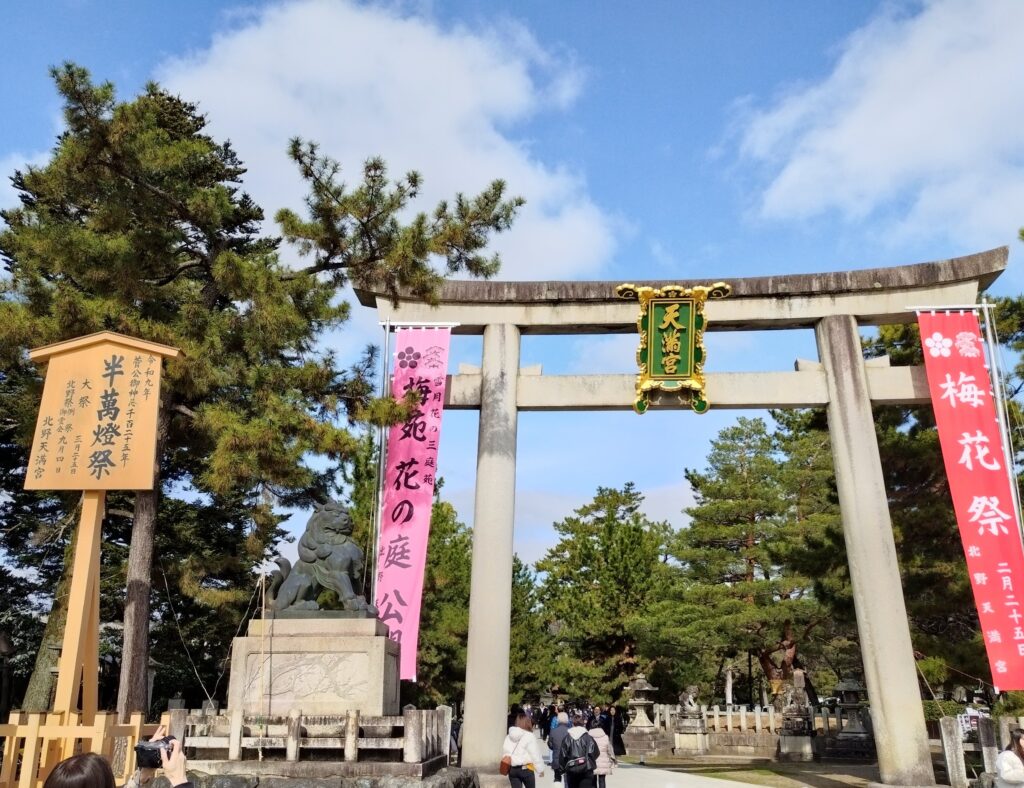
- 鳥居 ☛ Torii Gate (The gateway to the sacred area)
- 参道 ☛ Sando (Approach path to the shrine)
- お賽銭 ☛ Offertory / Coin offering (Small change for the gods)
- お守り ☛ Amulet / Lucky charm (Personal protection)
- おみくじ ☛ Fortune slip (Random divine message)
- 絵馬 ☛ Ema (Wooden wish plaque)
- 手水舎 ☛ Temizuya (Purification fountain / Water pavilion)
- 境内 ☛ Shrine precincts (The holy grounds)
1.2 神社関連用語(愛好家レベル)
👉建物の役割や、一段深い文化を説明する際に役立つ用語です。
- 拝殿 ☛ Haiden (Worship hall / For public prayers)
- 本殿 ☛ Honden (Main sanctuary / Where the deity resides)
- 神楽殿 ☛ Kaguraden (Ritual dance stage / Performance hall)
- 狛犬 ☛ Komainu (Guardian lion-dogs)
- 注連縄 ☛ Shimenawa (Sacred rice-straw rope)
- 紙垂 ☛ Shide (Zigzag paper streamers)
- お祓い ☛ Oharae (Purification ritual / Ritual cleansing)
1.3 《神道/神社》特有用語
👉日本独自の宗教観や歴史的背景を説明するためのキーワードです。
- 八百万の神 ☛ Yaoyorozu-no-kami (Eight million gods / Countless spirits)
- 神道 ☛ Shinto (The Way of the Gods)
- 御神体 ☛ Goshintai (Sacred object / The vessel for the deity)
- 神主/宮司 ☛ Shinto Priest
- 巫女 ☛ Miko (Shrine maiden)
- 神仏習合 ☛ Shinbutsu-shugo (Syncretism of Shinto and Buddhism)
- 厄年 ☛ Yakudoshi (Critical/Unlucky ages for physical and spiritual changes)
2. 神社全体
”About Shrines (Shinto Sanctuaries)”
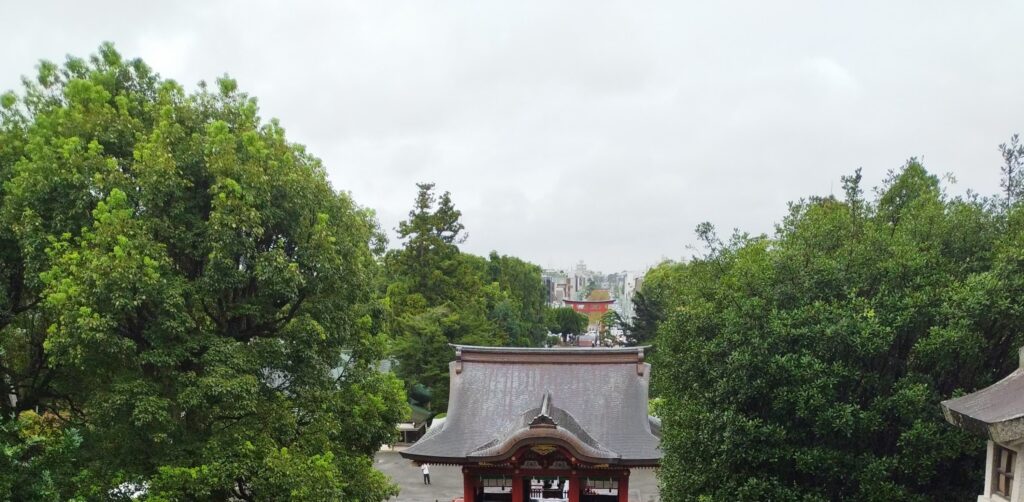
ここからは実際に境内の入り口(鳥居)を目の前にして、自然に湧き上がるインバウンドの疑問や好奇心を想定した説明例です。
2.1 基本情報
そのまま説明に使える表現ではありませんが、ご案内前に押さえておきたい基本情報を10項目(日英)にまとめました。いつも通り、日本語で言えないことは英語でも言えませんので日>英の順です。日本語でポイントを整理し、英語での適切なニュアンスを確認できます。👤英語音声は米国男性話者です。
《日本語》
- 神社は日本固有の信仰である「神道」の聖域であり、仏教の「お寺」とは起源も役割も異なる。
- 神道は特定の教祖や聖典を持たず、自然界のあらゆるもの(山、岩、滝など)に神が宿ると考えるアニミズムに基づいている。
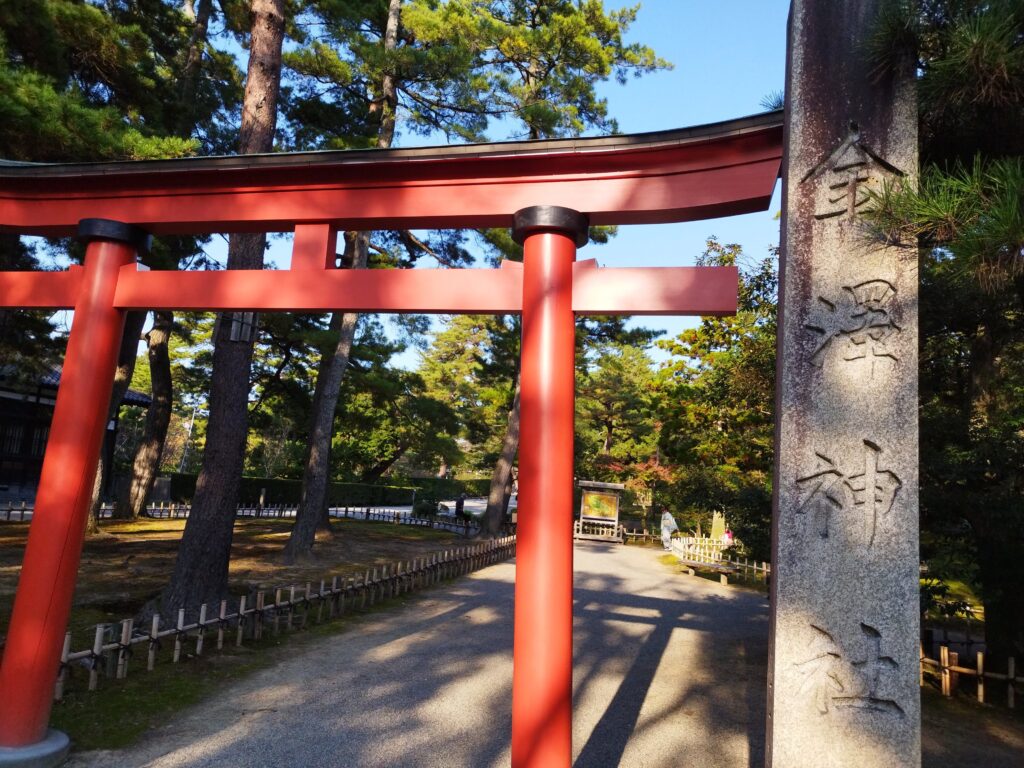
- 入り口にある鳥居は、人間の住む世俗界と、神様が住む聖域を分ける「境界線(ゲート)」である。
- 神社はお寺と違い「死者」を弔う場所ではなく、現在の「生」を祝い、感謝し、繁栄を祈るポジティブな場所である。
- 神社の参道の真ん中は神様が通る道とされており、人間は端を歩くのが伝統的なマナーとされる。
- 参拝の前には「手水(てみず)」を行い、日常の汚れを水で洗い流して心身を清める必要がある。
- 賽銭箱に投げるお金は、願いを叶えるための「対価」ではなく、日頃の守護に対する神様への「感謝のしるし」である。
- 日本の神様は目に見える姿(像)を持たないことが多く、本殿の奥に鏡や剣などの「御神体」として象徴的に鎮座している。
- 神社には複数の神様が祀られていることが多く、日本人は状況に応じて「商売繁盛」や「安産」など、異なる神社を使い分ける。
- 神社は歴史的に地域のコミュニティセンターでもあり、お祭りは神様を喜ばせると同時に地域住民の絆を深める役割を果たしてきた。
《English》
- 1. A shrine is a sacred site for Shinto, Japan’s indigenous faith, and it differs from a Buddhist temple in both origin and purpose.
- 2. Shinto has no specific founder or scriptures; it is based on animism, believing that spirits (Kami) reside in all things in nature, such as mountains, rocks, and waterfalls.
- 3. The Torii gate at the entrance acts as a “boundary” separating the secular world of humans from the sacred world of the spirits.
- 4. Unlike temples, shrines are generally not for mourning the dead; they are positive spaces to celebrate life, give thanks, and pray for future prosperity.
- 5. The center of the approach path (Sando) of shrine is reserved for the deities, so it is traditional etiquette for visitors to walk along the sides.
- 6. Before praying, visitors perform Temizu (ritual purification) to rinse away daily impurities and cleanse both body and mind with water.
- 7. The coins tossed into the offering box are not a “fee” for a wish to come true, but rather a token of gratitude to the spirits for their daily protection.
- 8. Japanese spirits often lack a physical form; they reside symbolically in the innermost sanctuary as Goshintai (sacred objects), such as mirrors or swords.
- 9. Many shrines host multiple deities, and Japanese people visit different shrines depending on their needs, such as for business success or safe childbirth.
- 10. Shrines have historically served as local community centers, and festivals (Matsuri) function to both entertain the spirits and strengthen the bonds among residents.
👥10文連続音声
2.2 口頭説明
ここではお相手と歩きながらでも使える様に上記基本情報の10項目を口頭説明用の簡略文に置き換えています。主旨は基本情報のままなので、ここでは英日まとめています。👤英語音声は米国女性話者です。
- 1. A shrine is a sacred place of Shinto, different from a Buddhist temple.(神社は日本の神道の聖地で、お寺とは役割が違います。)
- 2. Shinto believes that gods live in nature.(神道は、自然の中に神が宿ると考える信仰です。)
- 3. The torii gate marks the border between the everyday world and the sacred world.(鳥居は、日常の世界と神聖な世界の境目です。)
- 4. Shrines focus on life and gratitude, not on death.(神社は死ではなく、いのちや感謝を大切にします。)
- 5. The center of the path is for the gods, so we walk on the sides.(参道の真ん中は神様の道なので、端を歩きます。)
- 6. Before praying, we cleanse our hands and mouth with water.(参拝前に水で手と口を清めます。)
- 7. The coin is a thank-you, not a payment for a wish.(お賽銭はお願いではなく、感謝の気持ちです。)
- 8. Gods have no visible form and are symbolized by sacred objects.(神様は、鏡などの神体に象徴的に宿ります。)
- 9. Different shrines are visited for different wishes.(神社ごとに祀る神様やご利益が違います。)
- 10. Shrines are community centers, and festivals bring people together.(神社は地域の中心で、祭りは人をつなぎます。)
👥10文連続音声
2.3 QA#インバウンド視点
👉《神社》に入ったインバウンドが素朴に感じるであろう想定問答例です。いずれもよく聞かれる質問から10種選んでみました。ここも日英の順です。👤英語音声はインド男性話者&英国女性話者です。
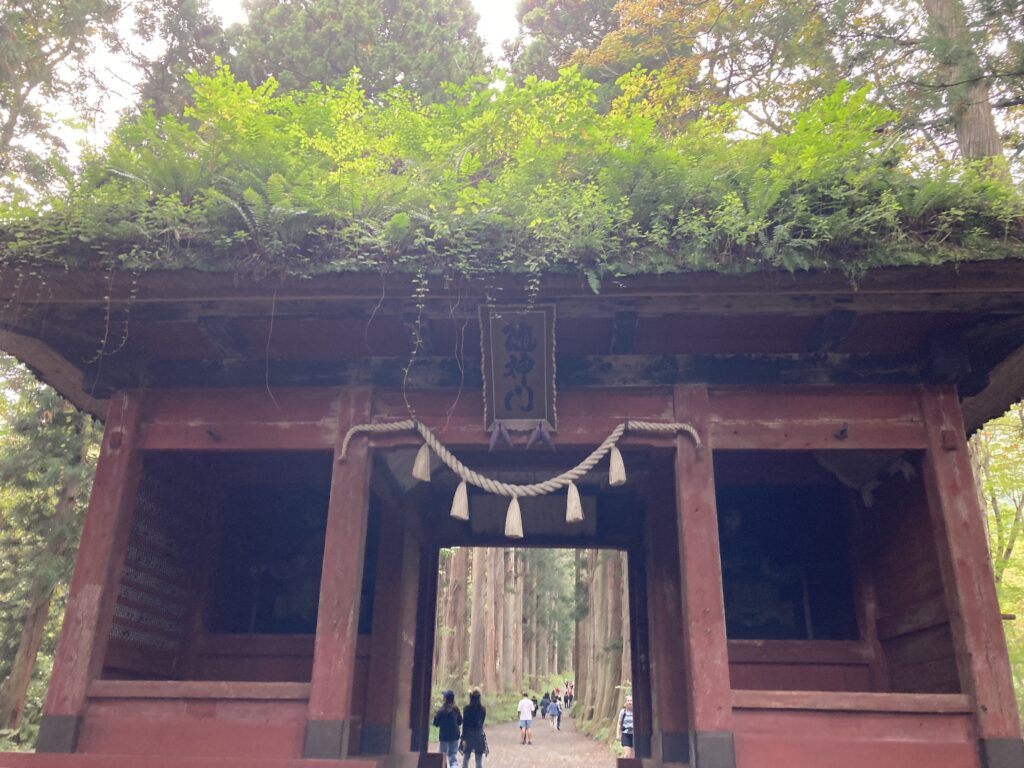
- Q1: お寺と神社、見た目での一番簡単な見分け方は?
- A: 「鳥居(ゲート)」があれば神社、「山門(大きな屋根付きの門)」があればお寺です。
- Q2: 写真を撮っても大丈夫?
- A: 外観はOKですが、祭壇と建屋の中の神様を撮るのは控えましょう。
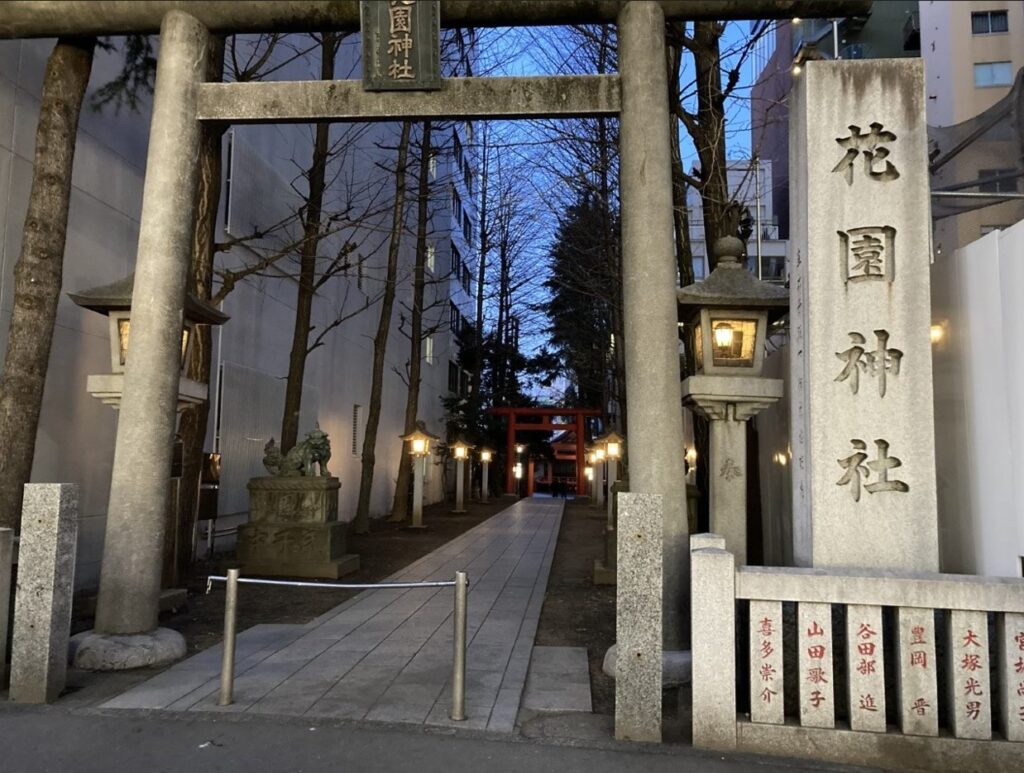
- Q3: なぜ鳥居は「赤(朱色)」が多いの?
- A: 赤は「魔除け」の色であり、木材を腐らせない「防腐剤」の役割も持っています。
- Q4: お祈りの時に、何をお願いすればいい?
- A: まずは感謝してから、願いを一つだけ伝えましょう。
- Q5: クリスチャンやイスラム教徒だけど、参拝してもいい?
- A: もちろんです。日本の神様はとてもオープンで、宗教を問わず歓迎してくれます。
- Q6: お賽銭はいくら投げればいい?100円?
- A: 金額より「気持ち」ですが、5円(Go-en)がラッキーコインです。日本語で5円は「良いご縁」と同じ発音なのです。
- Q7: おみくじで「Bad Luck(大凶)」が出たらどうすればいい?
- A: 「これ以上悪くならない(あとは上がるだけ)」というラッキーサインです!
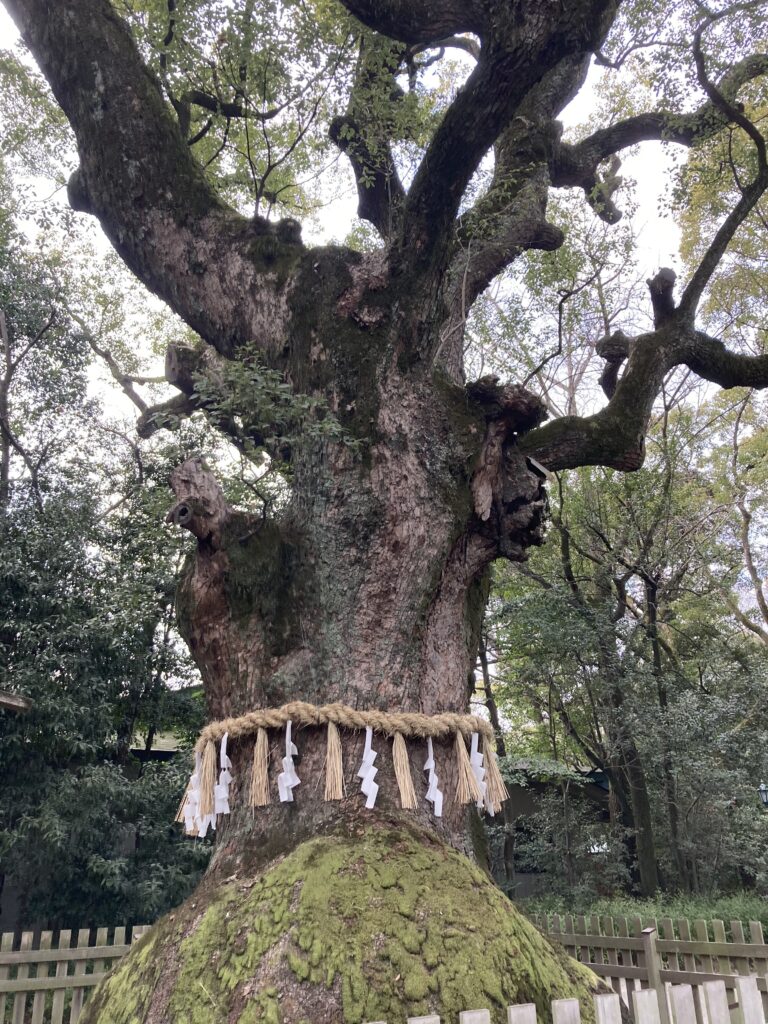
- Q8: あの木に巻いてある「しめ縄」は何?
- A: 「ここに神様が宿っている」境界の目印の「キープアウト(立ち入り禁止)」テープです。
- Q9: 神主さんや巫女さんは、ここに住んでいるの?
- A: 基本的には「通勤」しています。彼らも仕事が終われば家に帰って普段着に着替えてテレビを見ます。
- Q10: なぜ日本人はこんなに熱心に参拝するのに「無宗教」だと言うの?
- A: 日本人にとって神道は「宗教」ではなく、掃除や挨拶と同じ「生活習慣」だからです。
(英訳版)
- Q1: What is the easiest way to tell the difference between a temple and a shrine?
- A: If there’s a Torii gate, it’s a shrine. If there’s a massive roofed gate (Sanmon), it’s a temple.
- Q2: Is it okay to take photos?
- A: Outside is fine, but please avoid taking photos of the altar or the deities inside the buildings.
- Q3: Why are many Torii gates painted bright red?
- A: Red is believed to ward off evil spirits. Also, the paint acts as a preservative for the wood.
- Q4: What should I say when I pray?
- A: First, say “thank you,” and then make one specific wish.
- Q5: We are Christian/Muslim. Is it okay for us to pray here?
- A: Absolutely. Shinto gods are very open-minded. They welcome anyone who shows respect to nature, regardless of your personal faith.
- Q6: How much money should I offer? Is 100 yen enough?
- A: It’s the thought that counts, but 5 yen is the luckiest coin. In Japanese, 5-yen is “Go-en,” which sounds exactly like the word for “Good Connection.”
- Q7: What if I get “Bad Luck” on my fortune slip (Omikuji)?
- A: That’s actually a lucky sign because it can’t get any worse!
- Q8: What is that straw rope (Shimenawa) around the tree for?
- A: It’s like a spiritual ”Keep Out” tape. It marks a boundary showing that a spirit resides in that tree.
- Q9: Do the priests and shrine maidens live here?
- A: No, they usually commute. After work, they go home, change into casual clothes, and watch TV just like us!
- Q10: Why do Japanese people say they aren’t religious but still visit shrines?
- A: For us, Shinto is more of a lifestyle or habit than a religion.
👥10QA連続音声
2.4 笑いが取れるかも?
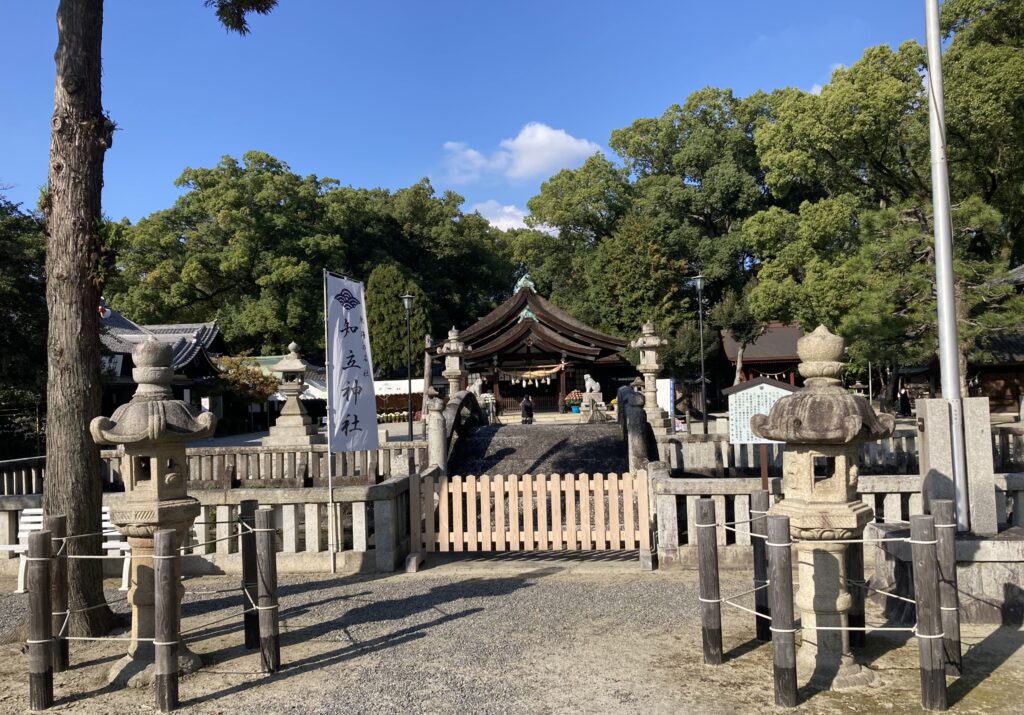
ここからは実際に神社を見ながら、各所を眼の前にして自然に湧き上がるお相手の疑問や好奇心を想定した説明例です。実際にこのような長い説明をすることはありませんし、その必要もありませんが、色々な使える表現を意図的に散りばめていますので、気に入ったフレーズがあれば現場でも試してみる、そんな感じで気楽に読んでいただければと思います。👉基本的に各Qの前半部は説明表現をベースとする真面目パート、後半部は雑談力upを意図したおふざけパートの2部構成になっています。
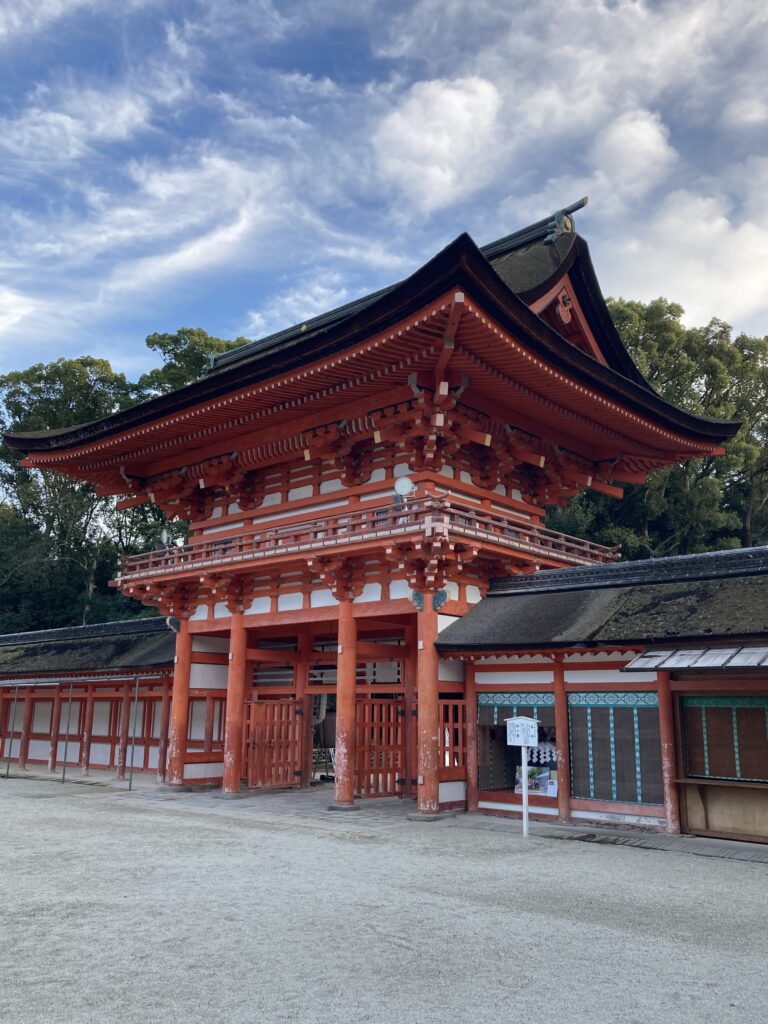
Q1. 神社で何をするのですか?
”What do people do at a shrine?”
👆日本人の慣習に興味あるインバウンドの頻出質問です。前半1-5までが説明用パート、後半は無邪気なアニメファンを意識したおふざけパートで、日本アニメ大好き調のオーストラリア女性話者でまとめてみました。最後のオチは神様からのパワハラ経験者にはわかりますよね?
《日本語》
- 神社とは、文字どおり「神さまがおられる場所」です。日本では古くから、山や森、木々などの自然そのものに無数の神が宿ると考えられてきました。
- いわゆる「八百万の神」という言い方は、自然界のあらゆるところに神性が存在するという考え方を表しています。
- 神社では、神話に登場する鏡や剣といった神具、あるいは皇室ゆかりの品などを御神体として祀ることが一般的です。
- 神さまはそれらの内側に宿るとされているため、姿形を見せることはありません。拝殿の奥には像などはなく、ただ静かに神さまが鎮まる空間があるだけです。
- そういう意味で、神社は二千年以上にわたって日本人の想像力が形づくってきた「見えない存在のための聖なる空間」と言えるでしょう。
- 日本のアニメ文化の源流も、こうした「目に見えないものに形を与える」伝統にあるのかもしれません。
- そしてそのせいか、最近では神社をまるでお気に入りのアニメキャラに会いに行くような感覚で訪れ、かなり大胆なお願いをする若者もいます。まるで神さまがカスタマーサービス窓口を開いているかのように。
- でも、神社は願い事の自動販売機ではありません。本来は感謝を伝える場所です。
- もちろん「パワースポット巡り」を楽しむのは良いのですが、あまり調子に乗らないようにしてくださいね。
- 神さまは私たちよりずっと長くこの世界におられますし、下手をすると“パワハラ”してくるのは神さまのほうかもしれません。しかも、思わぬ形で。
《英語》
- A shrine is, quite literally, a place where the gods reside. Since ancient times, Japan has had countless deities connected to nature — mountains, forests, trees, and so on.
- This is why we often say there are “eight million gods”: it expresses the idea that the divine exists everywhere in the natural world.
- Shrines typically enshrine sacred objects such as mirrors or swords that appear in mythology, or items connected to the Imperial lineage.
- Because the gods are believed to dwell within these objects, their forms are not shown.
- So beyond the worship hall, you won’t find statues or images of the gods — only a quiet, partitioned space where they are said to reside.
- In that sense, shrines are sacred spaces shaped by the Japanese imagination over more than two thousand years. You could even say that the roots of Japan’s modern anime culture lie in this long tradition of giving form to invisible spirits.
- And maybe because of that, some young people today visit shrines like they’re meeting their favorite anime characters.
- They make some very bold requests — as if the gods were running a customer service desk.
- But shrines aren’t wish‑granting machines. They’re places to offer gratitude.
- Of course, it’s fun to visit so‑called “power spots,” but please don’t get carried away. The gods have been around a lot longer than we have, and they might just use their power to “power‑harass” people in unexpected ways.
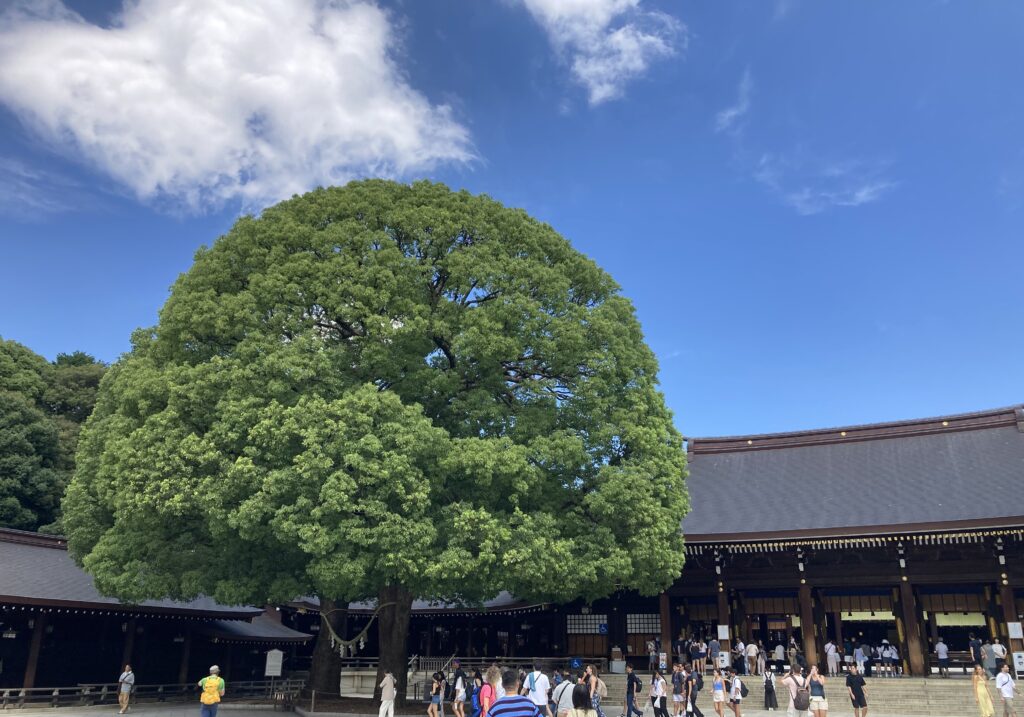
Q2. 神社はいつ建てられたのですか?
”When was the shrine built?”
👆これも頻出質問ですが、前半1-5までは無難な説明用ですが、続く6,7もお相手次第で使えます。英語音声は自然災害の怖さを知っている様な緊迫感のある米国男性話者です。
《日本語》
- 日本の神社には、千年以上前に建てられたものから、比較的新しいものまでさまざまです。
- 実は、このような神社の建物が造られるようになったのは後の時代で、もともとはここには何もありませんでした。
- 古代の日本人は、神さまが天から降りてきて、特定の岩(磐座)や大木、山などに宿ると信じていました。
- 当時は、そうした自然物そのものを直接拝んだり、しめ縄を張って聖なる場所として示したりしていたのです。
- 神社という建物が造られるようになったのは、6世紀ごろ、中国から伝わった仏教の影響だと言われています。
- 立派な寺院や数多くの仏像を目にしたことで、「自然の神さまにも、ちゃんとしたお住まいが必要だ」と考えるようになったのでしょう。
- 神さまの存在にただ応えるだけだったところから、こうして神社を建てる行為が、次第に“神さまへのおもてなし”の心を育てていきました。
- そう考えると、日本のおもてなしの精神は、神さまのために家を建ててきた歴史の中で育まれたのかもしれません。「お客様は神様です」という有名な言葉も、こうした伝統的な考え方を反映しています。
- ただ、現代ではこの言葉の意味がかなり変わってしまい、勘違いする消費者も増えたことで、「カスタマーハラスメント」なんて言葉まで生まれました。
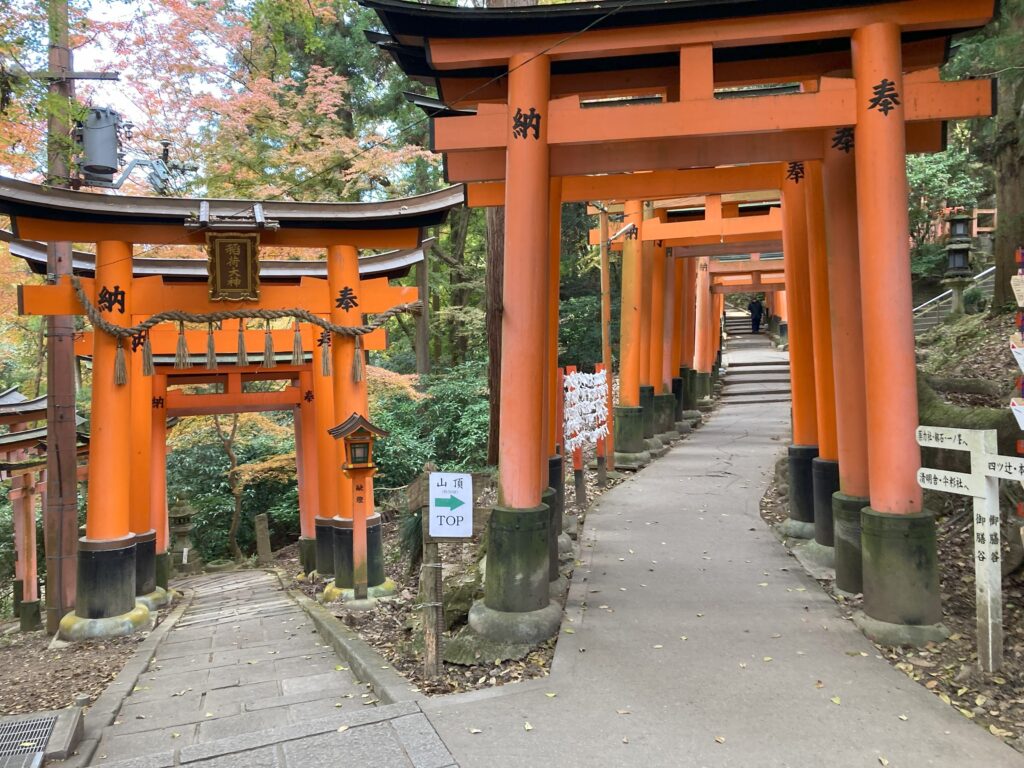
- そして神さまというのは、一度怒らせると本当に手がつけられませんよね。 消費者の神さまも、神社の神さまも!
《英語》
- Shrines in Japan range from those over a thousand years old to others built much more recently.
- In fact, shrines like this were constructed in later periods; originally, there was nothing here at all. Ancient Japanese people believed that deities descended from the heavens and dwelled in specific rocks (iwakura), giant trees, or mountains.
- At that time, they worshipped these natural objects directly, or marked them as sacred by placing ropes (shimenawa) around them.
- It is said that shrine buildings began to appear around the 6th century, influenced by Buddhism introduced from China.
- After seeing magnificent temples filled with Buddhist statues, people seem to have felt that the gods of nature also needed a permanent home.
- From simply responding to the presence of the gods, the act of building shrines gradually nurtured a sense of hospitality toward them.
- When you think about it, the Japanese spirit of hospitality may have been shaped through the very process of creating homes for the gods.
- In Japan, there is a common saying, “The customer is God,” which reflects this traditional mindset.
- But in modern times, the meaning has shifted quite a bit, and many consumers misunderstand it — giving rise to terms like “customer harassment.”
- And once gods get angry, they’re truly unstoppable — whether they’re the gods of consumers or the gods of shrines!
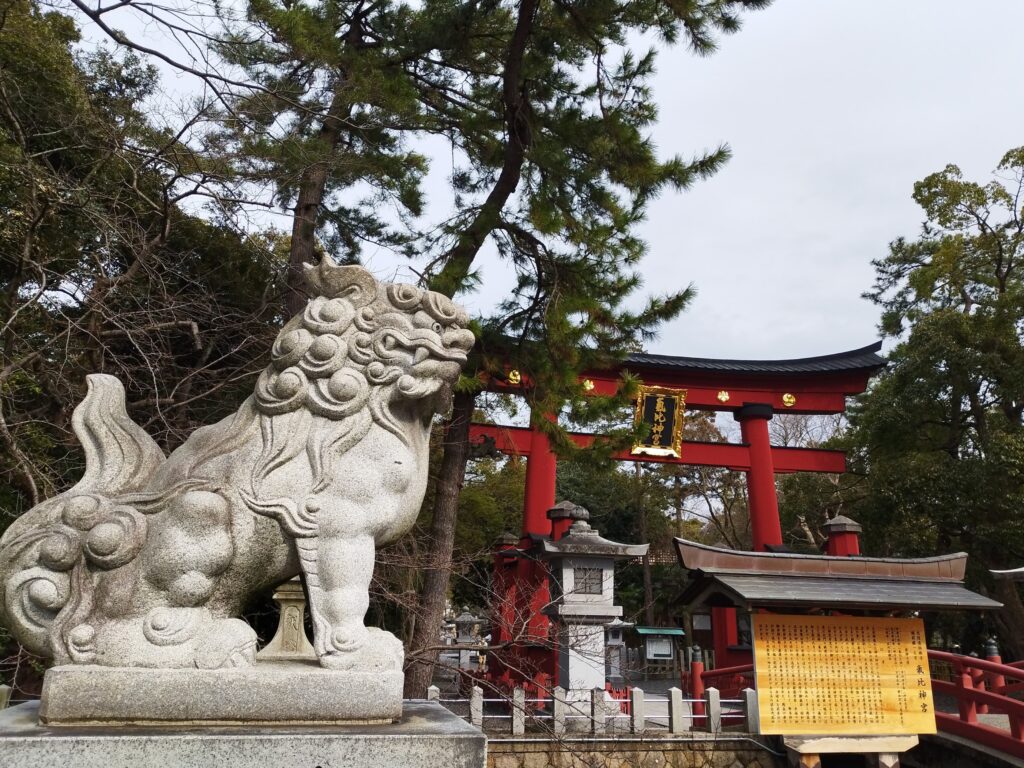
3. 神道全体
What is Shinto?
3.1 基本情報
神道についてご説明する際に抑えておきたい基本ポイントです。👤英語音声は米国男性話者です。
- 教祖はいない。 神道は特定のリーダーが作ったものではなく、日本の風土から生まれた自然な生き方である。
- 聖典はない。 絶対的なルールや教典はなく、頭で学ぶよりも五感で感じることが重要である。
- 神は唯一ではない。 唯一神ではなく、太陽、山、岩など、あらゆる自然に宿る八百万の精霊を敬うものである。
- すべては自然への敬意である。 神道の本質は自然への感謝であり、日本人が季節を愛でる心の根源である。
- 罪ではなく、汚れを洗うものである。 悪いことへの罰よりも、心に溜まったストレスや邪気を払い、クリアな自分に戻ることを重視する。
- 今、この瞬間を祝うものである。死後の世界を恐れるよりも、今を明るく元気に生きることを大切にする。
- 調和を重んじる精神である。他者を排除せず、仏教などの異なる文化とも共存させてきた柔軟な知恵である。
- おもてなしのルーツである。 見えない神様をゲストとして丁寧にもてなす習慣が、日本人のホスピタリティの基礎である。
- 日本人のOS(基本ソフト)である。たとえ無宗教を自称しても、日本人の行動はすべて神道という基本ソフトの上で動いている。
- アニメや映画のインスピレーションである。 「万物に魂が宿る」というジブリ作品の世界観は、まさに神道の精神そのものである。
《英語》
- 1. There is no founder. Shinto has no specific leader; it is a natural way of life born from the Japanese landscape.
- 2. There is no scripture. There are no absolute rules or holy books; it is about sensing with your heart rather than studying.
- 3. There is no single “God.” Instead of one God, we respect the “eight million spirits” dwelling in the sun, mountains, and rocks.
- 4. Everything is about respect for nature. The essence of Shinto is gratitude to nature, which is why Japanese people cherish the changing seasons.
- 5. We purify “impurities,” not “sins.” Instead of punishment for sins, we focus on washing away mental stress to return to a pure state.
- 6. We celebrate the present moment. Rather than worrying about the afterlife, we value living brightly and happily in the “here and now.”
- 7. It is the spirit of harmony. It is a flexible wisdom that avoids conflict and coexists peacefully with other cultures like Buddhism.
- 8. It is the root of Japanese hospitality. The habit of welcoming invisible spirits as guests is the foundation of Japan’s famous hospitality.
- 9. It is the “operating system” of Japan. Even if people claim not to be religious, their actions are all run on the Shinto “OS.”
- 10. It is the inspiration for pop culture. The Ghibli worldview that “everything has a soul” is the very essence of the Shinto spirit.
👥10文連続音声
3.2 口頭説明
ここではお相手と歩きながらでも使える様に上記基本情報の10項目を口頭説明調に置き換えています。👤英語音声は米国女性話者です。
- 1. It has no specific founder like Jesus or Buddha; it’s an ancient lifestyle born from nature. (キリストやブッダのような教祖はおらず、自然から生まれた古来のライフスタイルです。)
- 2. There is no Bible or holy book; Shinto is about “feeling” rather than “studying.” (聖書のような教典はなく、学ぶことよりも「感じること」を大切にします。)
- 3. We find spirits everywhere—in mountains, waterfalls, trees, and even the wind. (山、滝、木、そして風など、あらゆる場所に神(精霊)が宿ると考えます。)
- 4. The heart of Shinto is living in harmony with the changing seasons and nature. (神道の本質は、移り変わる季節や自然と調和して生きることです。)
- 5. Instead of “sin,” we focus on “purifying” our minds to stay fresh and clear. (「罪」を考えるより、心を「清める」ことで、常にフレッシュでいることを重視します。)
- 6. Shinto is about celebrating the “here and now” rather than worrying about the afterlife. (死後を心配するより、「今、この瞬間」を祝うことにフォーカスします。)
- 7. It values harmony with others, which is why it coexists peacefully with Buddhism. (他者との調和を重んじるため、仏教とも争わず平和に共存してきました。 )
- 8. The culture of welcoming invisible spirits led to Japan’s famous hospitality. (目に見えない神様を温かく迎える文化が、日本のおもてなしのルーツです。)
- 9. Even if Japanese people say they aren’t religious, Shinto is part of their daily DNA. (日本人が無宗教だと言っても、神道は日常のDNA(基本ソフト)として組み込まれています。)
- 10. Ghibli movies like Spirited Away are deeply inspired by this world where everything has a soul. (『千と千尋の神隠し』などのジブリ映画は、万物に魂が宿るこの世界観から生まれています。)
👥10文連続音声
3.3 QA#インバウンド視点
👉神社に入って「神道」についてインバウンドが素朴に感じるであろう想定問答例です。いずれもよく聞かれる質問から10種選んでみました。
《日本語》
- Q1. 神道のそもそもの意味は?A: 文字通り「神の道(The Way of the Gods)」という意味です。誰かが作った「教え」ではなく、日本人が古来より歩んできた「自然と共に生きる道」を指します。
- Q2. 神道は宗教なの? A: 正式には宗教に分類されますが、日本人の感覚では「宗教」というより「マナー」や「文化」に近いです。
- Q3. 神道はいつ生まれたの?A: 誕生日はありません。2000年以上前、日本人が稲作を始めた頃に、自然への感謝から自然発生的に始まりました。
- Q4. 神道は現代人も信じてるの? A: 「信じる」というより「やってる」という感じです。最新のiPhoneを持っている現代人も神社で合格を祈ります。
- Q5. 神道は何がユニークなの?A: 「何でも受け入れる寛容さ」です。絶対的なルールや「これ以外はダメ」という排他的な考えがありません。
- Q6. 神道と天皇は同じ意味?A: 同じではありませんが繋がっています。天皇は「日本で最も重要な神主(Priest)」のような存在です。
- Q7. 日本人は神道と仏教のどっちを信じてる?A: 「両方」です。 私たちは「幸せな時は神社へ、悲しい時はお寺へ」と矛盾を感じることなく使い分けています。
- Q8. 神道と神社の関係は? A: 神道という「考え方」を、実際に体験する「場所」が神社です。
- Q9. 神風(Kamikaze)は神道から生まれた?A: はい。もともとはモンゴル軍が攻めてきた際、日本を守った台風を「神が吹かせた風(Divine Wind)」と呼んだのが始まりです。
- Q10. 神道の神はどんな神?A: パーフェクトな存在ではありません。笑ったり、怒ったり、時には失敗したりする、とても人間味あふれるキャラクターです。
《英語》
- Q1. What does “Shinto” actually mean? A: It literally means The Way of the Gods. It is not a set of teachings created by a specific person; it refers to living in harmony with nature as practiced since ancient times.
- Q2. Is Shinto a religion? A: Officially, yes, it is classified as a religion. but for most Japanese, it feels more like “manners” or “culture” than a formal faith.
- Q3. When did Shinto begin? A: It doesn’t have a specific birthday. It emerged over 2,000 years ago from gratitude toward nature when rice farming began.
- Q4. Do modern people still believe in Shinto? A: Instead of “believing” it, it’s more like we “practice” it. Even people with the latest iPhones go to shrines to pray for success.
- Q5. What makes Shinto unique? A: Its “openness and tolerance.” There are no absolute rules or exclusive my‑way‑only attitudes.
- Q6. Are Shinto and the Emperor the same thing? A: They aren’t the same, but they are connected. The Emperor is like the “head priest of Japan.”
- Q7. Which do Japanese believe: Shinto or Buddhism? A: The answer is “Both.” We use them for different occasions: Shrines are for happy events and Temples for somber events like funerals.
- Q8. What is the relationship between Shinto and Shrines? A: Shinto is the “concept,” and the Shrine is the “physical place” where you experience it.
- Q9. Does the word “Kamikaze” come from Shinto? A: Yes. It originally referred to the typhoons that protected Japan from the Mongol invasions, called the Divine Wind.
- Q10. What kind of gods are the Shinto gods? A: They aren’t “perfect” beings. They are human-like characters who laugh, get angry, and sometimes make mistakes.
👥10QA連続音声
3.4 笑いが取れるかも?
「神道」に関する質問をベースに前半部は説明表現をベースとする真面目パート、後半部は雑談力upを意図したおふざけパートの2部構成になっています。
Q3. 「神道」とは何を意味するのでしょうか。
”What exactly does “Shinto” mean? ”
👆色々な答え方がありますが、前半1-3は簡単な説明例としてご参考になれば。英語音声は大都会ニューヨークを思わせる快活調の米国男性話者です。
《日本語》
- 文字どおり訳すと「神々の道」です。神道は、日本人の暮らしの中から自然に生まれ、育まれてきた神々への信仰なので、実は何千年ものあいだ特別な名称がありませんでした。
- 「神道」という言葉が初めて登場するのは、古代日本の正史の中で、6世紀に中国から伝来した仏教と区別し、共存させるために用いられたものです。
- 神道には、仏教のような開祖も体系的な教義もありません。そのため、西洋的な意味での「宗教」として扱うのは難しく、むしろ古代の文献を通してその歴史や世界観が形づくられてきたと言えるでしょう。
- 興味深いのは、「神の教え」ではなく「神の道」と呼ばれている点です。「道(みち/どう)」と聞くと、多くの人は茶道や柔道を思い浮かべるかもしれません。
- どちらも「型(儀礼)」を繰り返すことで心を整え、精神性を高めていくという“修練”の側面があります。
- ただし、武道や芸道が目指すのは「自己の完成」であるのに対し、神道の道が目指すのは「自然や共同体との調和」です。
- つまり、エリートが歩む道は細く険しいけれど、神道の道は誰にでも開かれた広い道なのです。
- そこで、インバウンド向けにこんなキャッチコピーはいかがでしょう。
- 「ニューヨークのブロードウェイより“広くて古い”、二千年続く日本のブロードウェイ体験。
- 参加条件はただ一つ──お辞儀ができればOK。」
《英語》
- Literally translated, it means “the way of the gods.” Shinto is a set of beliefs in deities that arose naturally among the Japanese people, so for thousands of years it didn’t even have a formal name.
- The term “Shinto” first appears in Japan’s ancient official chronicles, where it was used to distinguish native beliefs from Buddhism, which arrived from China in the 6th century.
- Unlike Buddhism, Shinto has no founder and no systematic doctrine, so it’s difficult to treat it as a “religion” in the Western sense.
- Instead, its backbone is expressed through the ancient texts that describe its history and worldview.
- What’s interesting is that it’s called the Way of the gods, not the Teachings of the gods. When people hear “the Way” (michi or dō), many probably think of tea ceremony or judo.
- Both involve repeating forms—rituals—to cultivate the mind and elevate the spirit.
- Their goals differ slightly, though: martial and performing arts aim at “self‑perfection,” while the Way of Shinto aims at maintaining “harmony with nature and the community.”
- Put simply, the path of the elite is narrow, but the path of Shinto is broad and open to anyone.
- So here’s a catchphrase for attracting inbound visitors: “Experience a two‑thousand‑year‑old Broadway—far broader and older than New York’s Broadway.
- Admission requirements: the ability to bow.”
Q4. 神道は国家宗教なのでしょうか。
”Is Shinto the state religion? “
👆雑談でも時々聞かれることですが、前半1-5は説明用に、後半のおふざけパートでも、6,7は説明にも使えます。☺英語音声はおじいちゃんおばあちゃんの愛情をしっかり受けた調の米国女性話者です。
- 結論から言えば、日本は公式には「神道国家」ではありません。
- 現在の日本国憲法には「政教分離」の原則が明確に定められており、政府が特定の宗教を優遇したり、国民に信仰を強制したりすることはありません。
- ただし、近代日本には政府が管理する「国家神道」と呼ばれる時期がありました。
- この時代は天皇の国家的イメージが特に強調されたため、海外では今でも「日本=神道国家」という印象を持つ人が少なくありません。
- 現在は国家宗教ではないものの、文化的な背骨としての役割は確かにあります。
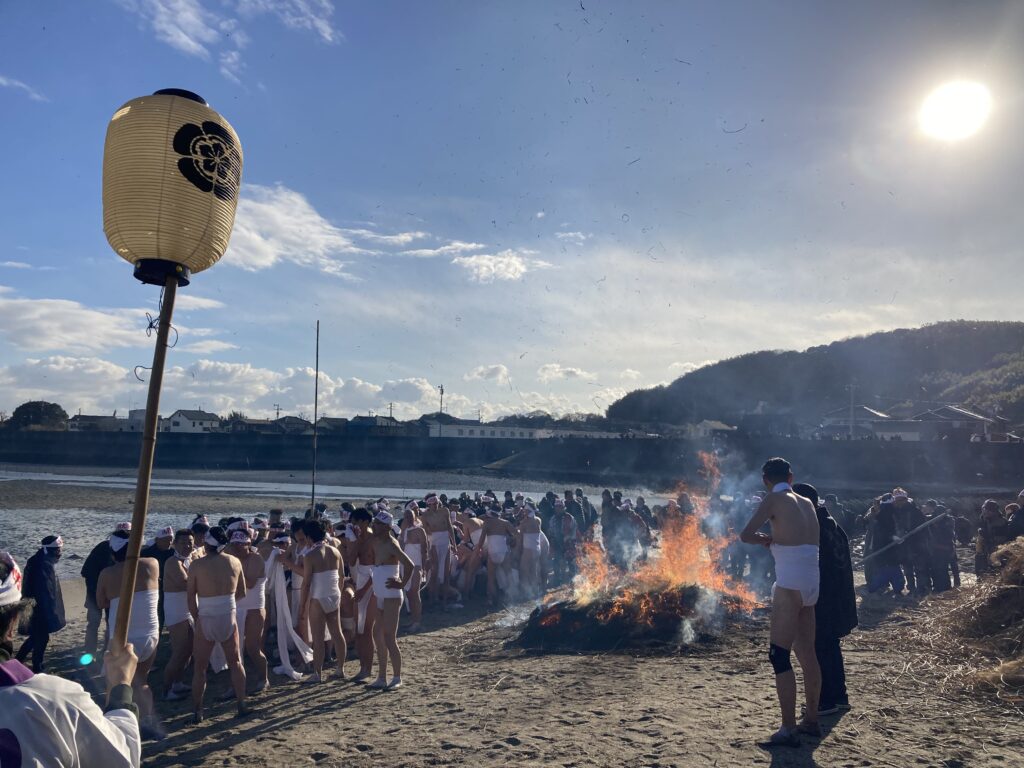
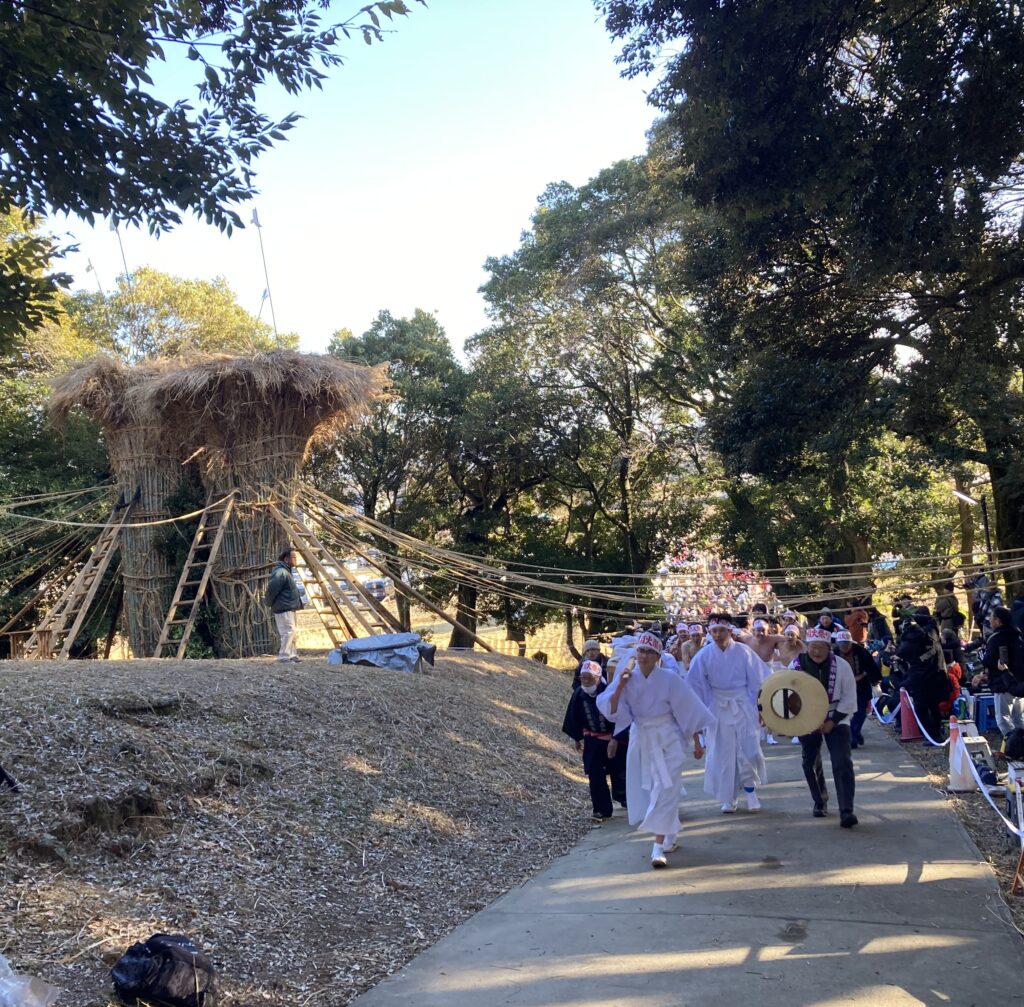
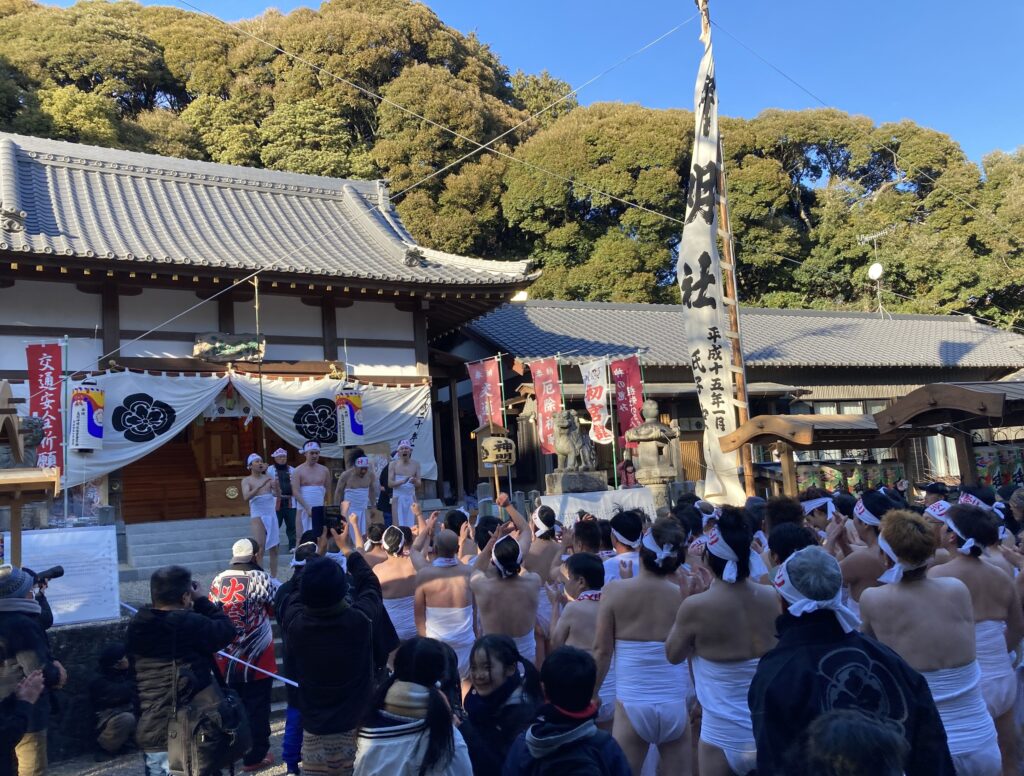
- 多くの国民の祝日は神道の祭祀に由来しており、若者たちは「休みが増える!」と喜びます。しかし残念ながら、その背景にある意味にはあまり関心がありません。
- 生まれた瞬間から神道にお世話になってきたにもかかわらずです。多くの人が「自分は無宗教だ」「神様なんて信じていない」と言いますが、そもそも不可知論の意味すら深く考えたことがない場合も多いのです。
- それでも、結婚や出産といった人生の節目を迎えるにつれ、人々は少しずつ神道の存在が持つ深い意味に気づいていきます。
- そういう意味では、神道は“国家宗教のようなもの”と言えるのかもしれません。ただし、その教えは教義として押しつけられるのではなく、包み込むように自然と気づきを促してくれるものです。
- まるで、二千年を生きてきた祖父母のように。
《英語》
- Officially, Japan is not a Shinto state. The current Constitution clearly states the principle of the separation of religion and state.
- The government neither grants special privileges to any religion nor imposes one on its citizens.
- There was, however, a period in modern Japan when a government‑administered “State Shinto” existed.
- Because the Emperor’s role as head of state was emphasized during that era, many people overseas still imagine Japan as a Shinto nation.
- While Shinto is not an official state religion today, it can certainly be seen as a cultural backbone.
- Many national holidays are tied to Shinto rituals, which makes young people happy—they get days off, after all. Unfortunately, most of them have little interest in the meanings behind those holidays, even though Shinto has quietly supported them since the day they were born.
- Many claim to be atheists and say they don’t believe in Shinto deities, often without much thought about what “agnosticism” actually means.
- Yet as people grow older, through life events like marriage and childbirth, they gradually come to appreciate the deeper significance of Shinto’s presence.
- In that sense, one might say Shinto is a kind of state religion—just not one taught through doctrines. Instead, it offers a gentle, surrounding guidance that awakens awareness naturally.
- Like grandparents who have been around for two thousand years.
御礼🔶後書き
🔶最後までご覧いただき、誠にありがとうございました! 本ブログに関するご意見やご要望がございましたら、メニューの📧Assistance & Services📞よりお気軽にお声がけください。🔶Gold🔶
($6%/S3)