本ブログは観光業、企業接待、留学生対応等で英語案内が必要ながら、多忙で準備に時間をかけられない方々の為にすぐに使える情報を分かりやすく解説しています。
今回は一緒に電車で移動中の重要顧客(訪日外国人)から、少し時間があるので最寄り駅で降りて「お寺(Temple)」を見学したいと突然言われた場合の『日本のお寺』に係る英語表現についてご紹介します。
👉本シリーズでは一般的なインバウンドに関心の薄い、固有名詞(人名、地名等)や年代は極力控えて、雑踏の中を歩きながらでもご理解いただける様なよりわかり易い内容を目指しています。
0. 本ブログの基本構成
本ブログは大きく分けて下記の3構成になっています。目次から必要なトピックへアクセス可能です。
- 基本用語のご説明
- 《お寺》全体のご説明
- 基本情報(👉押さえておきたいポイント)
- 口頭簡単説明(👉歩きながらでもできる簡単表現)
- Q&A #インバウンド視点(👉よく聞かれる質問への即答例)
- 笑いが取れるかも?(👉説明にも使える真面目ネタ+雑談力up用おふざけネタ)
- 各テーマ毎のご説明
- 同上
1. 押さえておきたい基本用語
日常会話で使う用語から、お寺の深い背景を伝える用語まで、神社との違いを意識してご紹介します。
1.1 基本用語(日常会話レベル)
👉境内の散策中にパッと目に入るものを指し示す用語です。
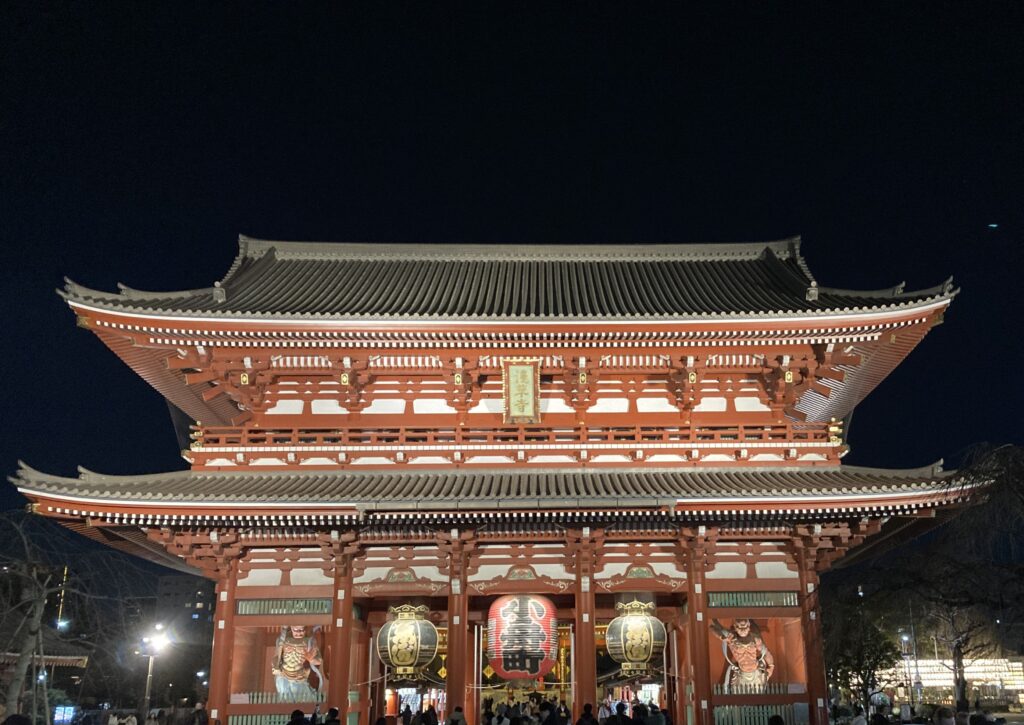
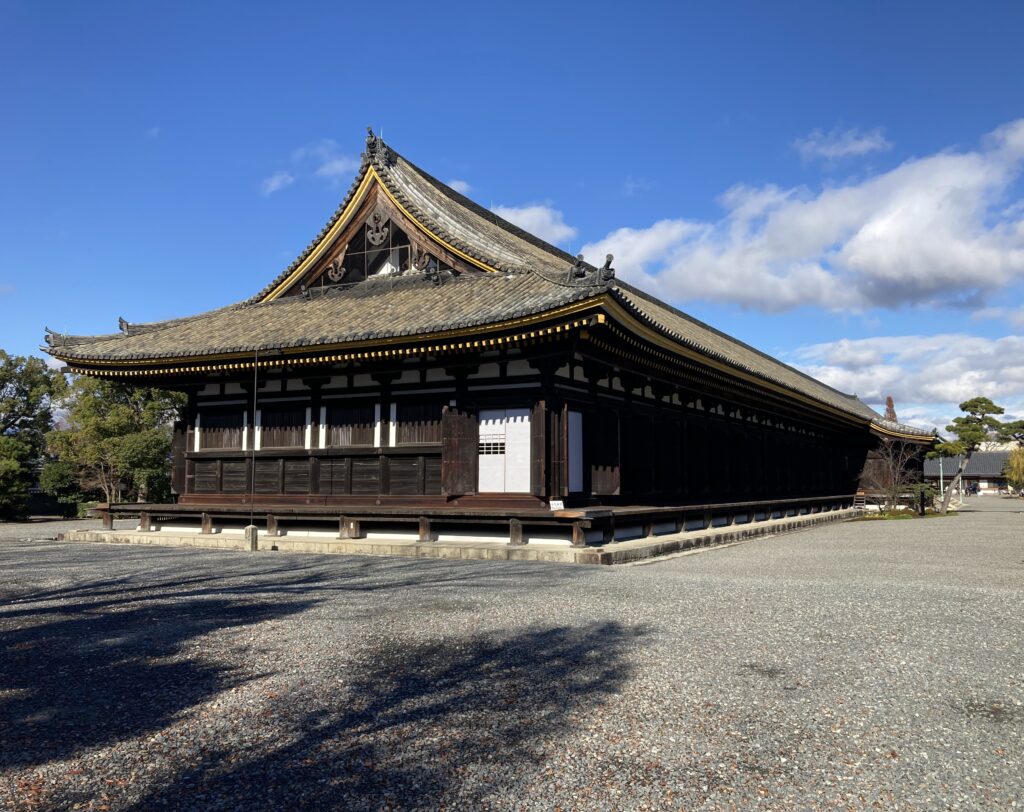
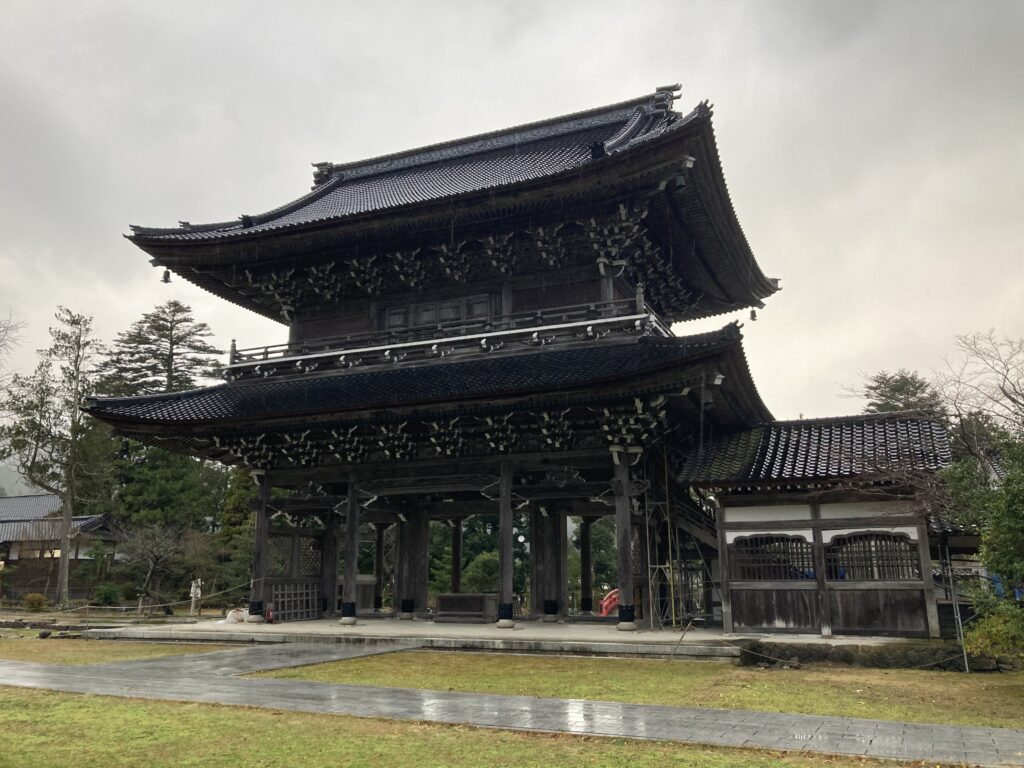
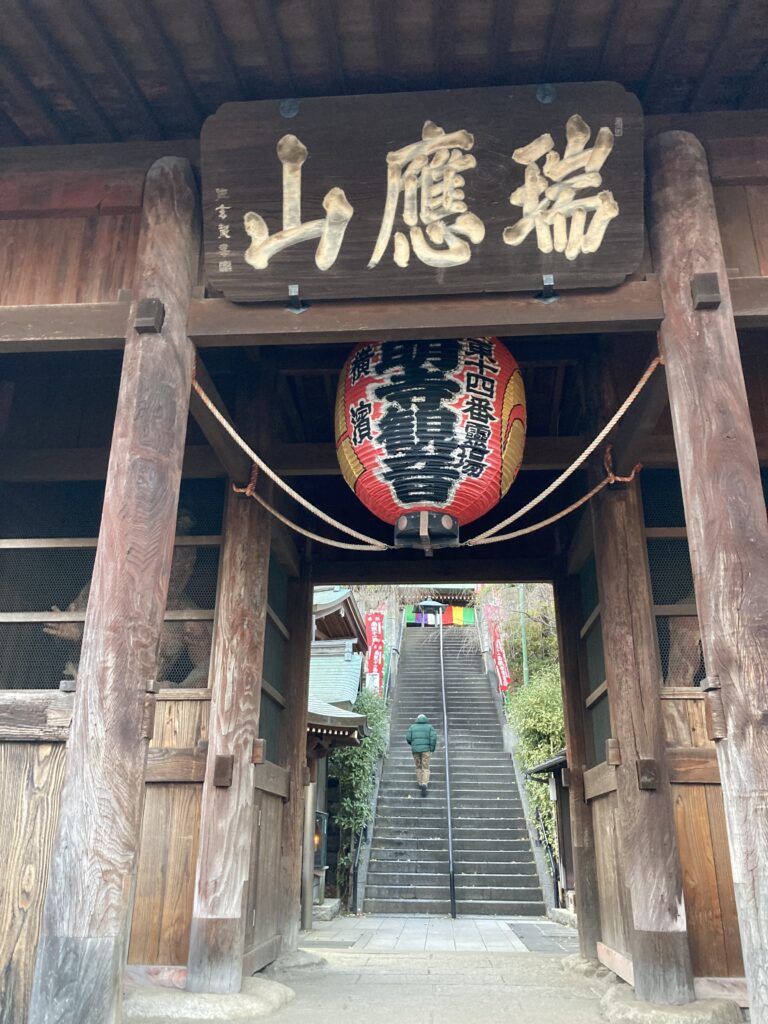
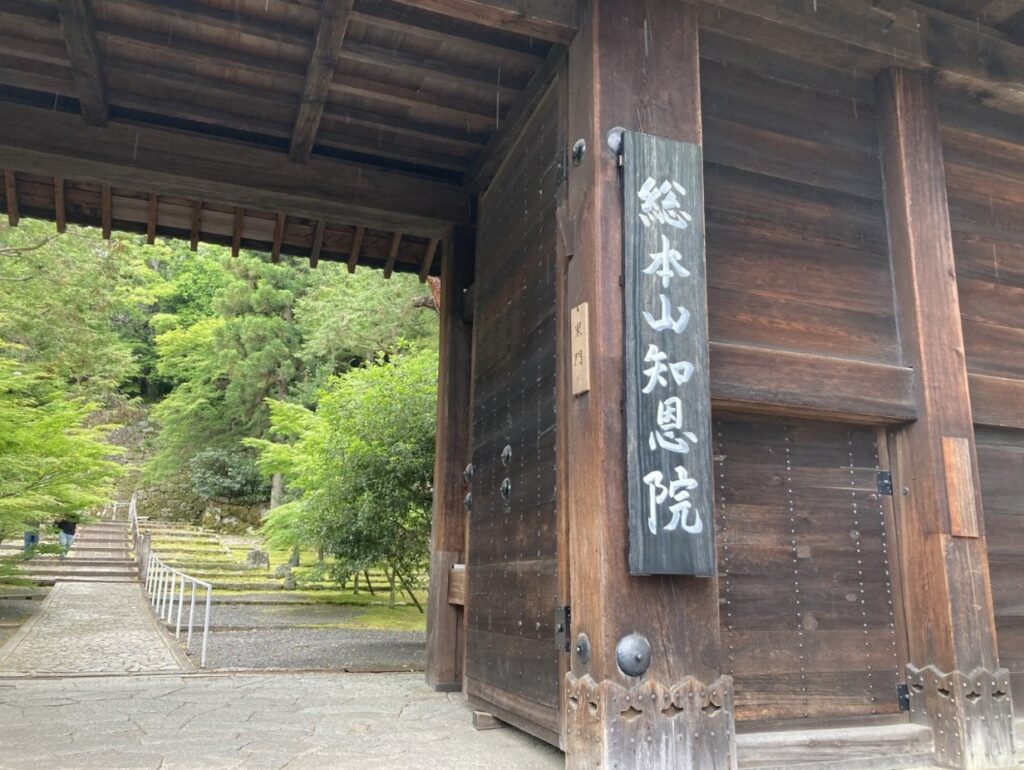
- 山門 ☛ Temple Gate (Sanmon / The grand entrance)
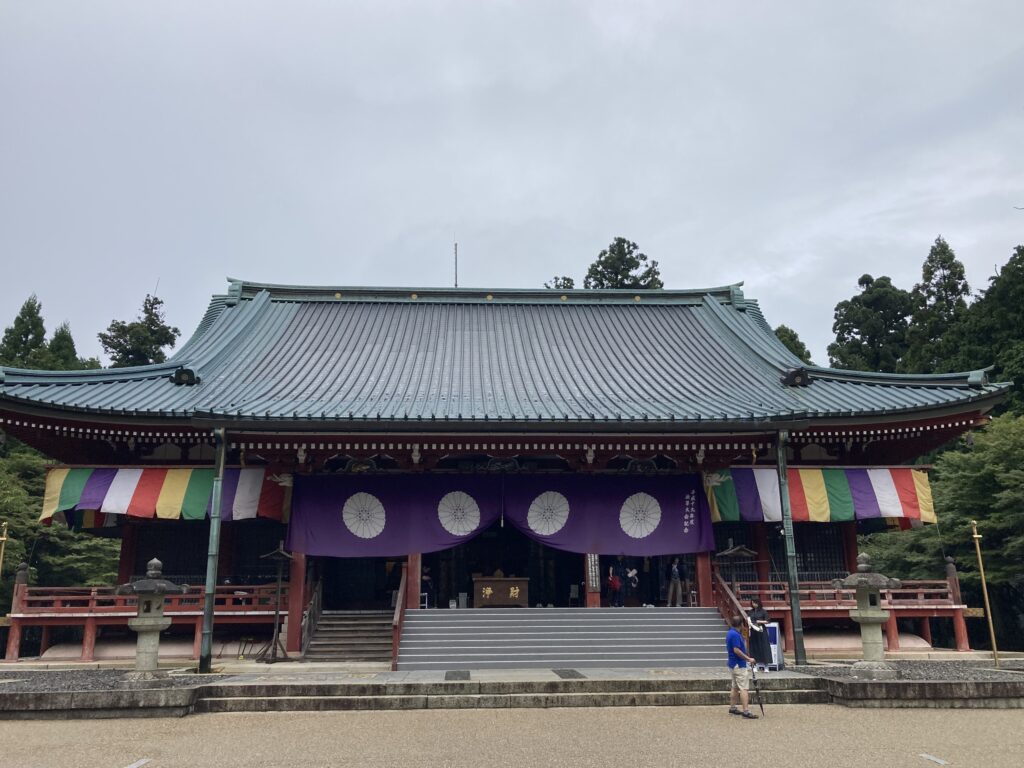
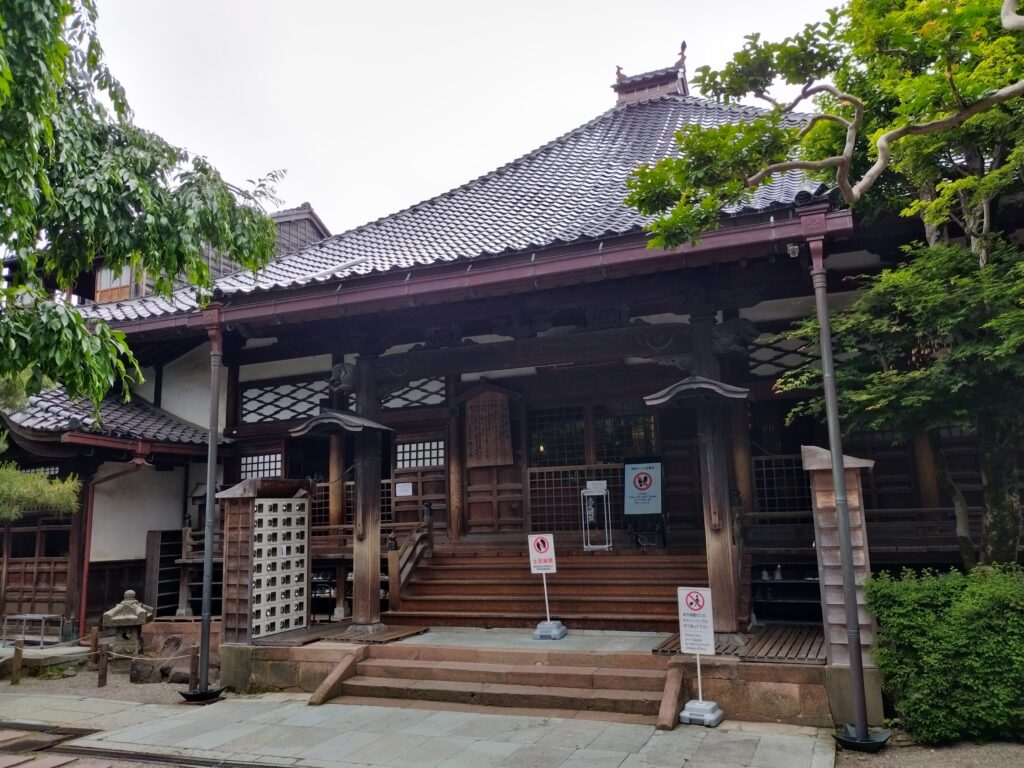
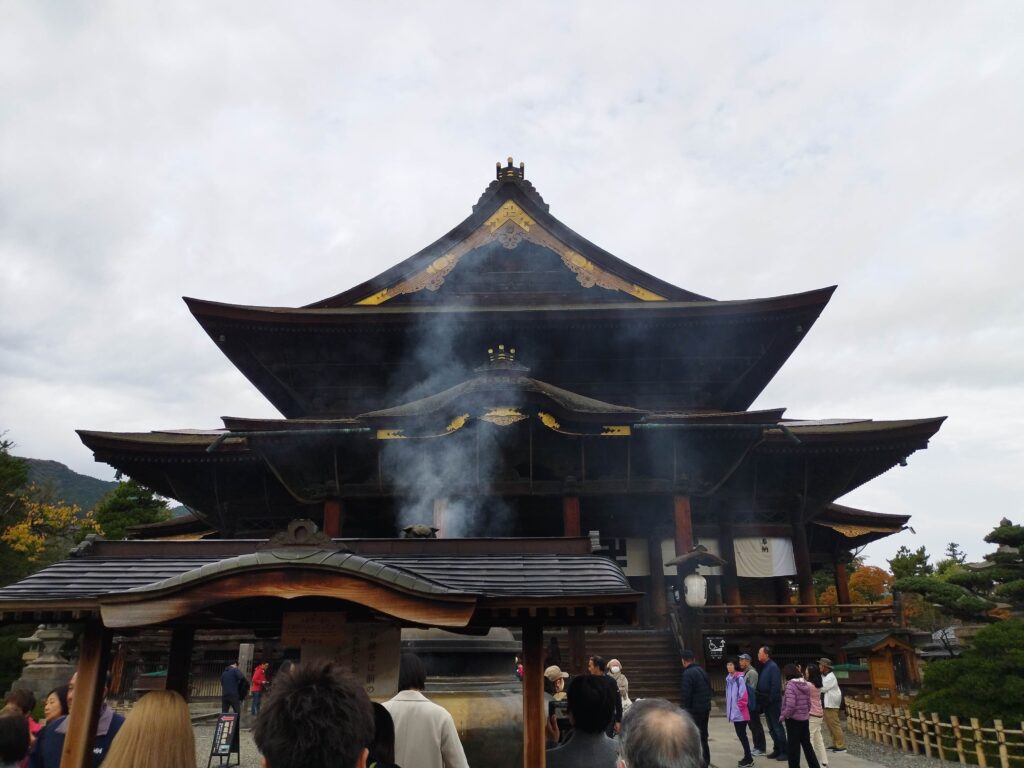
- 本堂 ☛ Main Hall (The primary building for worship)
- 仏像 ☛ Buddha Statue (Sacred Buddhist image)
- お香(線香) ☛ Incense (Purifying smoke)
- お墓 ☛ Grave / Cemetery (Family resting place)
- 鐘楼(鐘) ☛ Bell Tower (Temple bell)
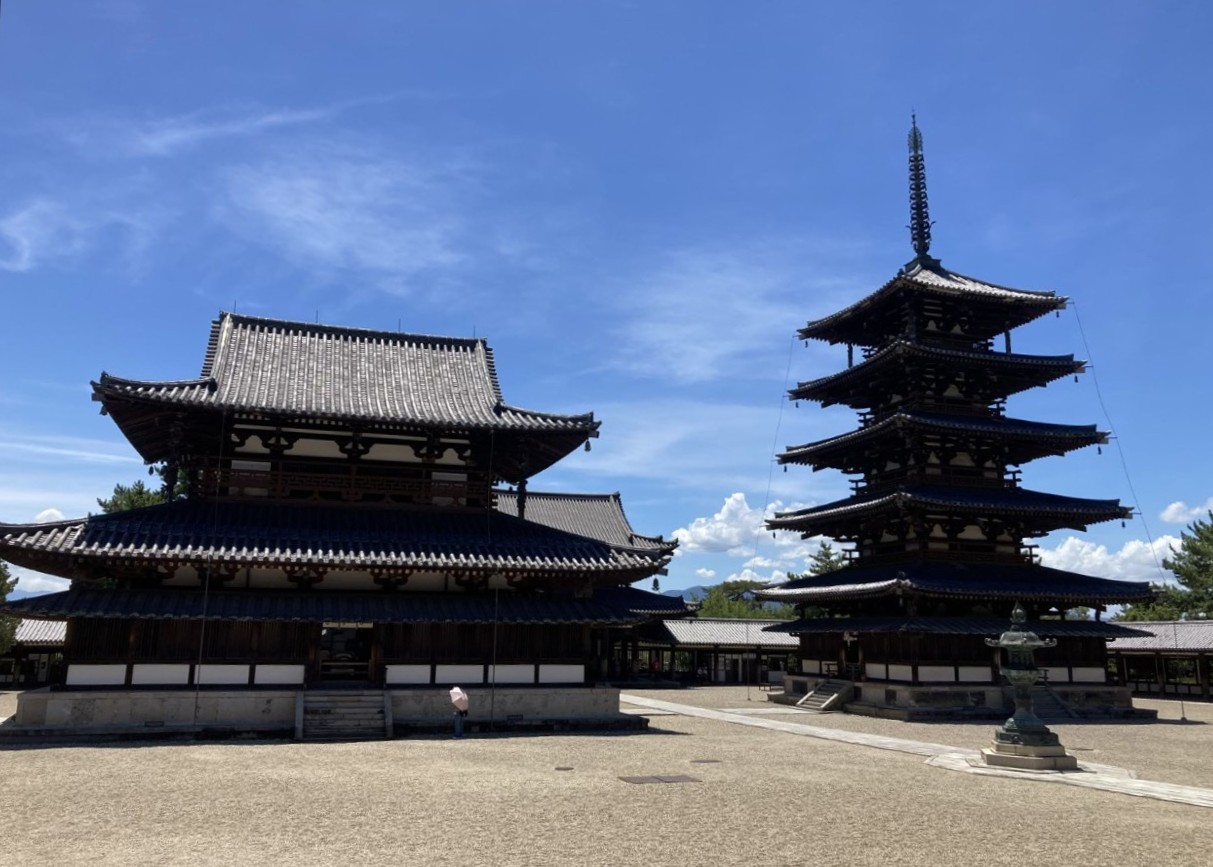
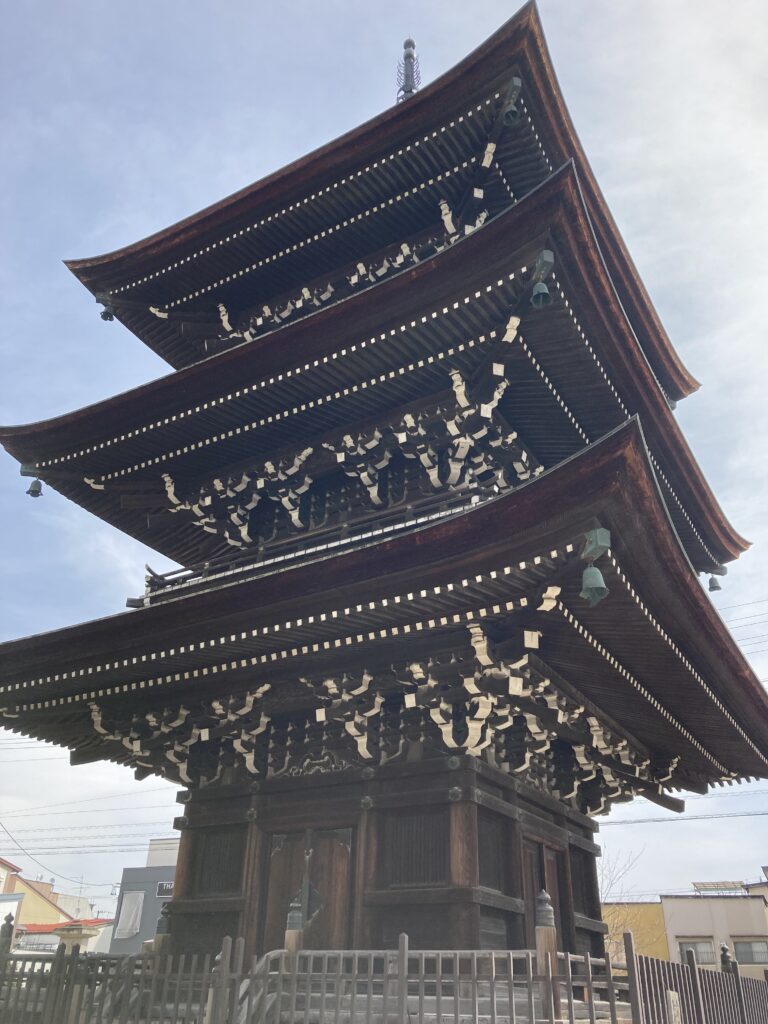
- 五重塔 ☛ Five-story Pagoda (Symbolic Buddhist tower)
- 境内 ☛ Temple precincts (The sacred grounds)
1.2 お寺関連用語(愛好家レベル)
👉建物の役割や、一段深い文化を説明する際に役立つ用語です。
- 合掌 ☛ Gassho (Putting hands together in prayer / No clapping!)
- お焼香 ☛ Incense offering (Offering a pinch of incense)
- 数珠 ☛ Prayer beads / Buddhist rosary
- 木魚 ☛ Wooden drum (Mokugyo / Used during chanting)
- 読経 ☛ Chanting (Reciting Buddhist scriptures)
- 仁王像 ☛ Nio Guardians (The powerful protector statues at the gate)
- 賽銭箱 ☛ Offertory box (Donation box for gratitude)
1.3 《仏教/寺院》特有用語
👉日本独自の宗教観や歴史的背景を説明するためのキーワードです。
- 仏教 ☛ Buddhism (The teachings of Buddha)
- 煩悩 ☛ Earthly desires / Worldly passions (The 108 human temptations)
- 悟り ☛ Enlightenment (The state of spiritual awakening)
- お坊さん ☛ Buddhist Monk
- 先祖供養 ☛ Ancestor worship / Memorial service
- 輪廻転生 ☛ Reincarnation (The cycle of birth and death)
- 禅 ☛ Zen (A branch of Buddhism focusing on meditation)
2. お寺全体
”About Buddhist Temples”
神社が「今、この瞬間の幸せ」を祝う場所なら、お寺は「心の安らぎと先祖」を大切にする場所。そんなコントラストを意識した構成です。
2.1 基本情報
ご案内前に頭に入れておきたい、お寺の基本スタンス10項目です。日本語で言えない事は英語でも言えませんので日英の順で。👤英語音声は米国男性話者です。
《日本語》
- お寺は、インドで誕生した「仏教」の教えを実践し、仏様を祀る施設である。
- 神社が「日本固有の神々」を祀るのに対し、お寺は「悟りを開いたブッダ(人間)」や、その教えを象徴する仏像を祀る。
- 入り口の「山門」は、世俗の煩悩を払い、聖域に入るための門である。
- お寺は「死後」や「先祖」との繋がりを重視しており、日本人の葬儀や供養のほとんどはお寺で行われる。
- 神社との最大の違いは参拝方法で、お寺では「手を叩かない(拍手禁止)」。静かに手を合わせる(合掌)のがマナー。
- お香(線香)の煙は心身を清めるとされ、体に浴びることで無病息災や知恵を授かると信じられている。
- 仏像には多くの種類(如来、菩薩など)があり、それぞれが人々を救うための異なる役割(知恵、慈悲など)を持っている。
- 多くの寺院にある「鐘」は、人間の108つの煩悩(欲)を打ち消すために鳴らされる。
- 僧侶(お坊さん)は、修行を通じて仏の教えを学び、それを人々に伝える「先生」のような役割。
- 神社とお寺が隣接していることが多いのは、長い間「神様と仏様は共に人々を救う」という神仏習合の考えがあったからである。
《English》
- 1. A temple is a facility for Buddhism, which originated in India, and it enshrines Buddhist deities.
- 2. While shrines worship indigenous Japanese spirits, temples worship the Buddha (an enlightened human) or various Buddhist statues.
- 3. The Sanmon gate at the entrance is a threshold where visitors leave their worldly desires behind before entering the sacred space.
- 4. Temples focus more on the afterlife and ancestors; most Japanese funerals and memorial services are held at temples.
- 5. The biggest difference from shrines is: Do NOT clap your hands. Just press your palms together (Gassho) in silence.
- 6. The incense smoke is believed to purify the body and mind. Waving the smoke toward yourself is said to bring health and wisdom.
- 7. There are many types of Buddhist statues, each with a different role, such as providing wisdom or showing mercy to save people.
- 8. The temple bell is often rung to dispel the 108 earthly desires (worldly temptations) of humans.
- 9. Buddhist monks are like “teachers” who study the Buddha’s teachings and share them with the community.
- 10. Shrines and temples are often found together because of Shinbutsu-shugo, the long-held belief that Shinto gods and Buddhist deities work together.
👥10文連続音声
2.2 口頭説明
ここではお相手と歩きながらでも使える様に、上記基本情報の10項目を口頭説明用の簡略文に置き換えています。内容は基本情報と同じなので英日セットです。👤英語音インド女性話者です。
《英語》
- 1. A temple is a sacred place of Buddhism, originally from India.(お寺はインド起源の「仏教」の聖なる場所です。)
- 2. Unlike shrines, temples worship Buddha statues or “enlightened teachers.”(神社と違い、お寺は仏像、つまり「悟りを開いた先生」を祀っています。)
- 3. The entrance gate is for leaving your daily worries and desires behind.(入り口の門は、日常の悩みや欲を置いていくための境界線です。)
- 4. Temples focus on the afterlife, ancestors, and spiritual peace.(お寺は死後の世界やご先祖様、そして心の安らぎを大切にします。)
- 5. Remember, do not clap! Just put your hands together and pray silently.(覚えておいてください、ここでは手を叩きません。静かに手を合わせます。)
- 6. We use incense smoke to purify our bodies before praying.(お祈りの前に、お香の煙で心と体を清めます。)
- 7. There are many types of Buddha statues, each helping people in different ways.(仏像にはたくさんの種類があり、それぞれ違う方法で人々を助けてくれます。)
- 8. The large bell is rung to chase away human temptations or “greed.”(大きな鐘は、人間の「欲」や「迷い」を追い払うために鳴らされます。)
- 9. Buddhist monks are like teachers who guide us toward a peaceful mind.(お坊さんは、穏やかな心への道を教えてくれる先生のような存在です。)
- 10. Shrines and temples coexist because we believe gods and Buddha work together.(神社とお寺が共存しているのは、神様と仏様が連携していると信じているからです。)
👥10文連続音声
2.3 QA#インバウンド視点
👉《お寺》に入ったインバウンドが素朴に感じるであろう想定問答例です。このパートも日英の順で。英語音声はオーストラリア女性話者と英国男性話者です。
Q1: 神社とお寺、見た目での一番簡単な見分け方は? A: 「鳥居」があれば神社、「大きな屋根の門(山門)」や「仏像」があればお寺です。
Q2: お寺で写真を撮っても大丈夫? A: 境内は基本OKですが、本堂の「中(仏像)」を撮るのは禁止されていることが多いので確認しましょう。
Q3: なぜお坊さんは髪を剃っているの? A: 髪は「煩悩(執着)」の象徴とされており、それを剃ることで「世俗の欲を捨てた」ことを示しています。
Q4: お祈りのとき、何を言えばいい? A: 神社のように「お願い」をするのも良いですが、お寺では「自分を律する誓い」や「先祖への感謝」を伝えるのが一般的です。
Q5: あの大きな「鐘」は誰でも鳴らしていいの? A: お寺によります。「ご自由にどうぞ」という場所もあれば、大晦日や特別な行事だけの場所もあります。
Q6: 仏像のポーズ(手の形)には意味があるの? A: はい。指の形(印相)は「OK(安心してください)」や「ストップ(悪いものを防ぐ)」などのメッセージを伝えています。
Q7: お葬式以外でお寺に行くことはある? A: もちろんです。座禅(瞑想)体験や、美しい庭園を眺めてリラックスしに来る日本人もたくさんいます。
Q8: お香の煙はどこに浴びるのが一番いい? A: 「体の悪いところ」です。頭を良くしたい人は頭に、膝が痛い人は膝に煙を仰ぎます。
Q9: お坊さんは結婚してもいいの? A: 日本の多くの宗派ではOKです。お坊さんも家族を持ち、私たちと同じように現代的な生活をしています。
Q10: お寺にある「塔(五重塔など)」の中には何が入っているの? A: 本来は「ブッダのお骨(仏舎利)」を納めるための建物で、仏教の精神的なシンボルです。
(英訳版)
Q1: What is the easiest way to tell the difference between a temple and a shrine? A: Look for a Sanmon gate (massive roofed gate) and statues. If there’s a Torii gate, it’s a shrine.
Q2: Is it okay to take photos? A: Outside is usually fine, but avoid taking photos of the statues inside the buildings, as many temples consider them sacred and private.
Q3: Why do Buddhist monks shave their heads? A: Hair is seen as a symbol of worldly attachments. Shaving it off shows that they have let go of their vanity and ego.
Q4: What should I say when I pray at a temple? A: While you can make a wish, it’s more traditional to express gratitude to your ancestors or make a personal vow to be a better person.
Q5: Can anyone ring that big temple bell? A: It depends. Some temples let visitors ring it, while others only ring it on special occasions like New Year’s Eve.
Q6: Do the hand gestures of the Buddha statues have meanings? A: Yes! They are called Mudras. One hand raised means “Do not fear,” and a circle with fingers can mean “Wisdom” or “Perfect harmony.”
Q7: Do Japanese people visit temples only for funerals? A: Not at all. People go for Zen meditation, to enjoy the beautiful gardens, or simply to find peace of mind during a busy day.
Q8: Where should I wave the incense smoke? A: Toward any part of your body you want to heal or improve. People often wave it toward their heads for wisdom or sore joints for healing.
Q9: Are Buddhist monks allowed to get married in Japan? A: In most Japanese sects, yes. They can have families and live modern lives just like us!
Q10: What is inside those tall pagodas? A: Originally, they were built to store the ashes (relics) of the Buddha. They serve as a spiritual landmark of the temple.
👥10QA連続音声
2.4 笑いが取れるかも?
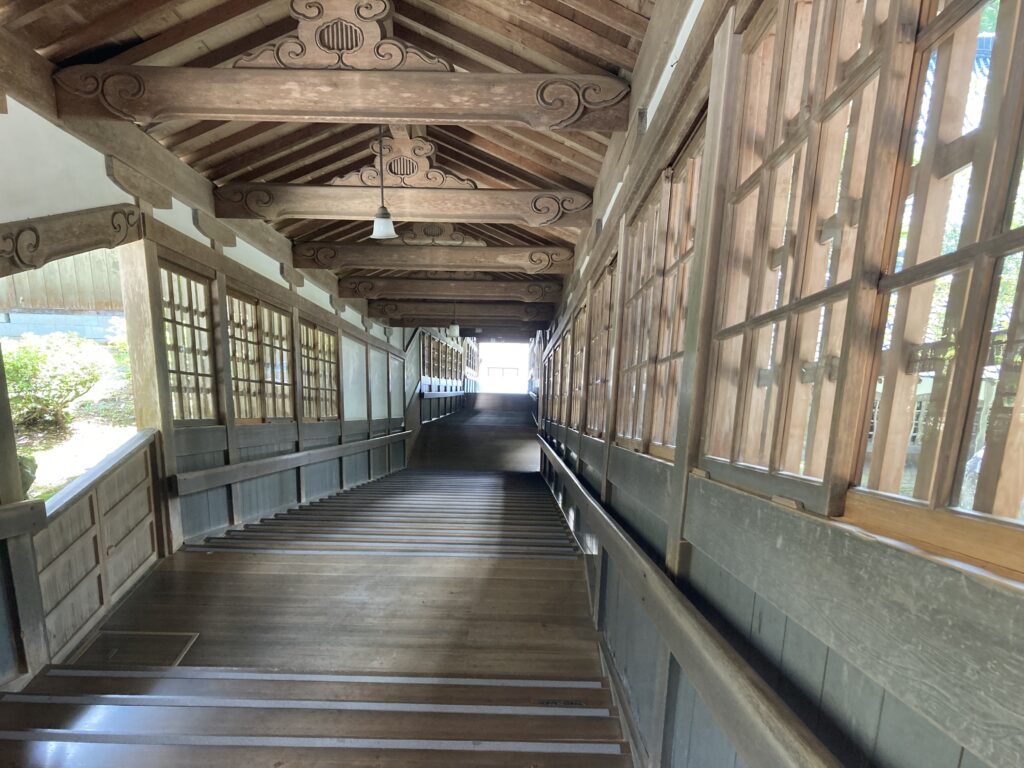
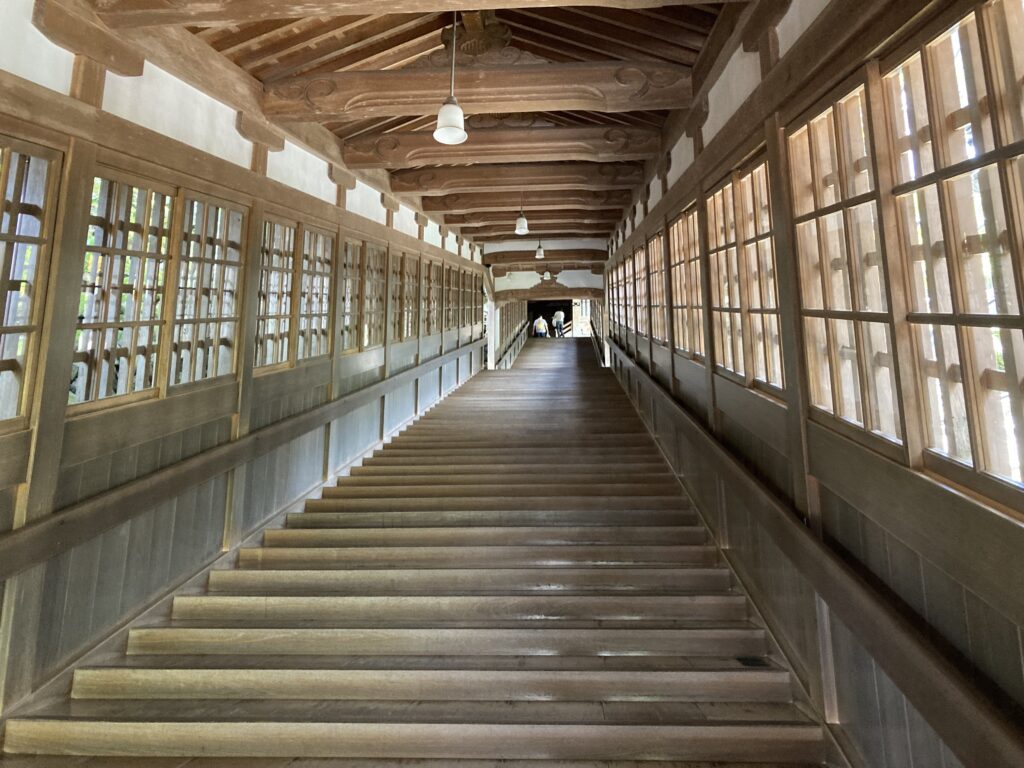
ここからは実際にお寺を見ながら、各所を眼の前にして自然に湧き上がるお相手の疑問や好奇心を想定した説明例です。実際にこのような長い説明をすることはありませんし、その必要もありませんが、色々な使える表現を意図的に散りばめていますので、気に入ったフレーズがあれば現場でも試してみる、そんな感じで気楽に読んでいただければと思います。👉基本的に各Qの前半部は説明表現をベースとする真面目パート、後半部は雑談力upを意図したおふざけパートの2部構成になっています。
Q1. お寺って教会の様なものですか?
”Is a temple like a church?”
👆欧米系のゲストからよく出る話題のひとつですが、前半1-6を説明パート、後半7-9をおふざけパート、英語音声は来世なんか興味ない調の米国男性話者で纏めました。
- In terms of function, temples and churches do share similarities. (機能という点では、寺と教会には共通点があります。)
- Churches spread Christianity, and temples spread Buddhism, each serving as a base for their respective faiths. (教会がキリスト教を広める拠点であるように、寺も仏教を伝える場として存在してきました。)
- For example, just as churches are places where people gather on Sundays, temples in Japan once doubled as local schools (terakoya), government offices, and community centers. (たとえば、教会が日曜日に人々の集まる場所であるように、日本の寺はかつて寺子屋としての役割を持ち、役所や地域の集会所としても使われていました。)
- They also host major life events such as weddings and funerals. In particular, funerals and memorial services are one of the central roles of temples. (また、結婚式や葬儀といった人生の節目を担う点でも共通しています。特に、葬儀や法事など“死”に関わる儀式は、寺の大きな役割のひとつです。)
- Even the image of the afterlife has parallels. Both the Christian heaven and the Buddhist Pure Land are imagined as radiant golden worlds. (来世のイメージにも似たところがあります。キリスト教の天国も、仏教の極楽浄土も、どちらも黄金に輝く世界として描かれます。)
- In fact, if you look inside the main halls of Japanese temples, you’ll find paintings and sculptures of the afterlife covered in gold leaf. (実際、日本の寺の本堂に行くと、金箔で覆われた来世の絵や仏像を見ることができます。)
- But many modern Japanese feel a bit uneasy about this glittering paradise. (けれど、現代の日本人の中には、このきらびやかな楽園にどこか違和感を覚える人もいます。)
- Why would souls freed from worldly desires need gold—the very symbol of greed? (物欲から解放されたはずの魂が、なぜ欲望の象徴である金を必要とするのか。)
- Still, perhaps a little gold in the next world wouldn’t hurt. (それでも、あの世に少しくらいの金があっても悪くはないのかもしれません。)
- Many Japanese wouldn’t want to be surrounded by gold—but they might happily settle for gold-leaf ice cream instead. (多くの日本人は金に囲まれたいとは思わないでしょうが、その代わりに金箔アイスで満足するのかもしれません。)
Q2.お寺はどのように運営されているの?
“How are temples run?”
👆お城でもよく聞かれる質問ですが、いずれもこんな立派な建物をどう維持されているのか素朴に感じられるようです。檀家制度を含む真面目な説明は1-6まで、7,8も説明に使えますが、9,10は神?の領域ではありませんが洒落のわかりそうなお相手に。👤英語音声はオーバーワークを慰める心休まる調の米国女性話者です。
《英語》
- Many temples in Japan are supported by a traditional system in which specific families, known as parishioners, sponsor the temple.(日本の多くの寺は、特定の家(檀家)が寺を支えるという伝統的な仕組みによって成り立っています。)
- It’s similar to a membership system, but it originally developed during the samurai era.(会員制度にも似ていますが、その起源は武士の時代にあります。)
- The shogunate entrusted temples across the country with managing the lives of local residents, ensuring no one slipped through the cracks. (江戸幕府は、全国の寺に住民の生活管理を任せ、誰も取りこぼさないようにしました。)
- Each temple was responsible for conducting funerals and memorial services for nearby families, and those families covered the temple’s operating costs.(寺は周辺の家々の葬儀や法事を引き受け、家の側は寺の維持費を負担する。)
- This created strong bonds that lasted for generations.(こうして、世代を超えて強い結びつきが生まれました。)
- However, with modernization, this system of mutual dependence has been breaking down.(しかし、近代化とともに、この相互依存の仕組みは崩れつつあります。)
- Young people are leaving rural areas, and the declining birthrate is shrinking the population even further. As a result, an increasing number of temples are being forced to close. (若者は地方を離れ、少子化で人口も減少し、多くの寺が存続の危機に立たされています。)
- In response, some temples have begun experimenting with new revenue models—hosting concerts, events, and other activities to attract younger visitors.(そのため最近では、若い世代を呼び込むために、コンサートやイベントを取り入れるなど、新しい収益モデルを模索する寺も増えています。)
- To guide people toward a splendid afterlife, Buddhist monks now find themselves offering modern pleasures in this world as well.(人々を立派な来世へ導くために、僧侶はこの世でも現代的な楽しみを提供しなければならない時代になりました。)
- Satisfying both this world and the next—across time and space—may be the ultimate form of work-life balance. Even the Buddha might worry about overwork.(時空を超えて“現世”も“来世”も満たすという、究極のワークライフバランス。仏さまでもオーバーワークを心配するかも!)
3. 仏教
”About Buddhism”
3.1 基本情報
ご案内前に頭に入れておきたい、仏教の基本スタンス10項目です。日本語で言えない事は英語でも言えませんので日英の順で。👤英語音声は米国男性話者です。
《日本語》
- 仏教は約2,500年前、インドで人間ブッダ(目覚めた人)により始まったが、神を信じる宗教でなく、苦しみの原因を理解し執着から離れるための教えであった。
- しかし彼の死後、超人的な存在として神格化され、様々な教義と仏像が作られ、彼自身が崇拝の対象となった。
- 日本の仏教はインド → 中国 → 朝鮮半島を経て6世紀ごろに伝わったが、その間に教義も様式も大きく変化した。
- 原始仏教はとてもシンプルで、自分の努力(自力)で悟りを目指すものだったが 日本に来た仏教は、教義が複雑難解になり儀式・経典の習得に力点が置かれた。
- その後、日本の仏教はキリスト教のように多くの宗派に分かれたが、現在の 最大宗派の浄土真宗は「阿弥陀仏の力で救われる(他力)」という考えが中心。
- 座禅や枯山水庭園などで世界的に有名な禅宗は自力型仏教の代表で、日常の基本行動を修行と見るシンプルさが特徴。
- 仏教には生まれ変わりを前提とした“輪廻転生”という考えがあるが、多くは文化的イメージとして受け取られ日本文学にも影響を与えてきた。
- 仏教の「空(くう)」と言う概念は、すべてのものは実体を持たず、常に変化し続けるという考え方でその科学的要素は現代人にも受け入れられている。
- 日本の仏教は“死後の世界”を説き、葬儀や法事を中心的な役割としてきた為、仏教やお寺をそのマニュアルや施設と思い込んでいる若者も多い。
- 仏教の理想の世界「極楽浄土」は金色に輝く世界を描くが、多くの現代人にはフィットせず、新興宗教に入る人もいる。
《英語》
- 1. Buddhism began 2,500 years ago in India with a human named Buddha, the “Awakened One.” It wasn’t about worshipping a god, but about understanding the causes of suffering and letting go of attachment.
- 2. However, after his death, he was deified as a superhuman being. Various doctrines and statues were created, and he himself became an object of worship.
- 3. Buddhism reached Japan in the 6th century via India, China, and the Korean Peninsula. During this long journey, both the teachings and the artistic styles changed significantly.
- 4. Early Buddhism was very simple, focusing on reaching enlightenment through one’s own effort. But when it arrived in Japan, the doctrines became complex, with a heavy emphasis on mastering rituals and scriptures.
- 5. Later, Japanese Buddhism split into many sects, much like Christianity. Today’s largest sect, Jodo Shinshu, centers on the idea of being saved by the “Power of Amida Buddha” (Other Power).
- 6. Zen Buddhism, famous worldwide for meditation and dry gardens, represents the “Self-Power” approach. Its hallmark is the simplicity of seeing everyday actions as a form of spiritual training.
- 7. Buddhism includes the concept of “Reincarnation,” the cycle of birth and death. In Japan, this is mostly perceived as a cultural image and has deeply influenced Japanese literature.
- 8. The concept of “Ku” (Emptiness) suggests that nothing has a fixed substance and everything is constantly changing. This scientific aspect is well-accepted even by modern people.
- 9. Since Japanese Buddhism focuses on the afterlife and performing funerals, many young people mistakenly think of Buddhism or temples merely as “funeral manuals” or “ceremony facilities.”
- 10. The Buddhist paradise, “Pure Land,” is depicted as a world shining in gold. However, this image doesn’t always resonate with modern people, leading some to seek answers in new religious movements.
👥10文連続音声
3.2 口頭説明
ここではお相手と歩きながらでも使える様に、上記基本情報の10項目を口頭説明用の簡略文に置き換えています。内容は基本情報と同じなので英日セットです。
- 1. Buddhism started in India 2,500 years ago. It’s more like “mental training” than worshipping a god. (仏教は2,500年前のインド発祥。神への信仰より“心の訓練”に近い教えです。)
- 2. The Buddha was a human, but after his death, he became revered as a superhuman being. (ブッダは元は人間ですが、死後“超人的な存在”として崇められるようになりました。)
- 3. It reached Japan in the 6th century via China and Korea, evolving significantly along the way. (6世紀に中韓を経て来日。その過程でスタイルも教えも大きく進化しました。)
- 4. Early Buddhism focused on self-effort, but in Japan, rituals and chanting became central. (初期は自己研鑽が主でしたが、日本では儀式やお経が中心となりました。)
- 5. Japan has many sects. The largest, Jodo Shinshu, teaches salvation through Amida Buddha’s power. (宗派は多彩。最大派閥の浄土真宗は“阿弥陀様の力による救済”を説きます。)
- 6. Zen focuses on self-enlightenment and is famous for meditation and dry stone gardens. (対する禅は“自力”を重視。座禅や枯山水で世界的に知られています。)
- 7. The idea of reincarnation is widely accepted in Japan as culture rather than religion. (“生まれ変わり”の概念は、宗教というより文化として日本に根付いています。)
- 8. “Ku” (emptiness) means everything is always changing and nothing is permanent. (“空”とは、すべては移ろい、永遠に固定されたものはないという考えです。)
- 9. Focused on the afterlife, Japanese temples mainly handle funerals and memorial services. (“死後”を重んじる日本の寺院は、主にお葬式や法事の場となっています。)
- 10. The golden image of the “Pure Land” paradise can feel a bit outdated to modern Japanese. (黄金の“極楽浄土”というイメージ、現代人には少し非現実的かもしれません。)
👥10文連続音声
3.3 QA#インバウンド視点
👉インバウンドが素朴に感じるであろう想定問答例です。このパートも日英の順で。👥英語音声はオーストラリア女性話者と英国男性話者です。
《日本語》
- Q1: 仏様は「神様」なんですか? A: 厳密には違います。神様は「全能の存在」、仏様(ブッダ)は「悟りを開いた先生」です。お寺は、その先生の教えを学ぶ場所なんです。
- Q2: お寺の金ピカの祭壇は仏教の教えなの? A: はい、あれは来世に「極楽浄土」という理想の世界があることを表し、信仰すればそこに到達できるという考え方です。
- Q3: 「自力」と「他力」って何が違うの?A: 自力(禅)は“自分で山を登る”イメージ。他力(浄土真宗)は“仏様のエレベーターに乗る”イメージです。
- Q4: 日本人はみんな仏教徒なんですか?A: 多くの人は「無宗教」と言いますが、葬儀や先祖供養はお寺で行います。宗教というより「家の伝統」に近いですね。
- Q5: お寺で払うお布施は、仏教での救済費用?A: いいえ。救済はお金とは無縁ですが、お寺や仏様、地域を支えてもらうための“感謝の寄付”です。
- Q6: 「空(くう)」って、何もかもゼロってこと?A: ゼロではありません。「すべては変化し続けている」という意味です。形にとらわれず柔軟に生きよう、という前向きな考え方です。
- Q7: なぜお坊さんは結婚して普通の生活ができるの?A: 日本の仏教は、日常の中に教えがあると考えます。普通の生活をしながら人を助けるのが日本のお坊さんのスタイルです。
- Q8: 仏教の極楽は来世ってこと?A: 極楽は単純な死後の世界でなく、煩悩から解き放たれた仏様に生まれかわる世界です。
- Q9: お寺の鐘と仏教はどんな関係があるの?A: 鐘は、仏教で言うところの人間の108の煩悩を打ち消すために鳴らすと言われます。特に大晦日の「除夜の鐘」が有名ですね。
- Q10: 仏教と神道の神様はどっちが上?A: 上下関係はありません。仏教は人間が仏様の領域に入れるというユニークな道です。
《英語》
- Q1: Is the Buddha a “God”? A: Not exactly. A God is “almighty,” while the Buddha is an “enlightened teacher.” A temple is a place to learn from his wisdom.
- Q2: Is the golden altar in the temple a Buddhist teaching? A: Yes. It represents an ideal world called the “Pure Land” in the afterlife. It expresses the idea that through faith, anyone can reach this world of ultimate bliss.
- Q3: What’s the difference between Self‑Power and Other‑Power? A: Self‑Power (Zen) is like climbing a mountain by yourself. Other‑Power (Jodo Shinshu) is like taking an elevator provided by the Buddha.
- Q4: Are all Japanese people Buddhists? A: Many say they’re “not religious,” but they still hold funerals and memorials at temples. It’s more of a family tradition than personal belief.
- Q5: Is the offering paid at temples a fee for salvation? A: No. Salvation cannot be bought. The offering is a “donation of gratitude” to support the temple, the statues, and the local community.
- Q6: Does “Ku” (Emptiness) mean nothing exists? A: Not at all. It means everything is constantly changing. It encourages us to stay flexible and not cling to fixed ideas.
- Q7: Why can Japanese monks get married and live ordinary lives? A: Japanese Buddhism teaches that wisdom is found within everyday life. Monks support people while living alongside them in the modern world.
- Q8: Is the Buddhist “Paradise” just the afterlife? A: It is more than just a place you go after death. It is a state of being reborn as a Buddha, completely liberated from all worldly desires and suffering.
- Q9: How are temple bells related to Buddhism? A: Bells are said to dispel the 108 human desires. The New Year’s Eve bell‑ringing, “Joya no Kane,” is especially famous.
- Q10: Which is higher: the gods of Shinto or the Buddha? A: There is no hierarchy. Buddhism is unique because it teaches that any human has the potential to reach the same enlightened realm as the Buddha.
👥10QA連続音声
3.4 笑いが取れるかも?
実際に境内を歩きながらの仏教に関する疑問や好奇心を想定した説明例です。
Q1. 仏教と神道、何が違うの?
What is the difference between Buddhism and Shinto?
👆実際に現場でよく出る話題のひとつですが、前半1-5を基本的な違いを含む説明パート、後半6-10をおふざけパートで纏めました。👤英語音声は日本人の不思議さを無邪気に語る調の米国女性話者です。
- While they contrast in many ways, the biggest difference is that Shinto has no founding figure like the Buddha. (多くの違いがありますが、最大の違いは、神道にはブッダのような「創始者」がいないことです。)
- Shinto grew naturally from ancient Japanese nature worship — a tradition based on feelings of reverence and gratitude toward the natural world. (神道は、古代の日本人が自然に抱いた畏敬や感謝の気持ちから生まれ、育まれてきた独特の信仰です。)
- Buddhism, on the other hand, is a religion built on the teachings and philosophy of the enlightened Buddha, guiding practitioners to overcome their delusions and reach awakening. (一方、仏教は悟りを開いたブッダの教えに基づく宗教で、人々が自分の迷いを乗り越え、目覚めへと向かうための道を示しています。)
- Because of these differences, Buddhism, which arrived in Japan around the 6th century, did not conflict with the native Shinto tradition. Instead, the two have coexisted peacefully for centuries. (この違いこそが、6世紀ごろに仏教が伝わったとき、神道と衝突せず、むしろ長く共存してきた理由でもあります。)
- This is why temples and shrines are often found side by side, or even on the same grounds. (日本では、お寺と神社が隣り合っていたり、同じ境内にあったりするのも珍しくありません。)
- Surprisingly, even many Japanese people struggle to clearly explain the difference between the two. (とはいえ、意外なことに、日本人でもこの二つの違いをはっきり説明できる人は多くありません。)
- Since both religions are woven into daily life from birth to death, most people never need to think about distinguishing them. (生まれてから亡くなるまで、生活の中に自然に溶け込んでいるため、区別する必要があまりないのです。)
- And when truly at their wits’ end, many Japanese will pray, “God and Buddha, please!” with their hands pressed together. (そして本当に困ったときには、多くの日本人が手を合わせて「神様、仏様、お願いします!」と祈ります。)
- During university entrance exams, students often do this quietly before opening their test papers. (大学入試のときなんて、配られた試験問題を開く前に、そっと手を合わせる学生も少なくありません。)
- Little do they know that years later, they’ll forget all about it — and proudly declare themselves atheists. (……ところが数年後には、そのことをすっかり忘れて、「自分は無宗教です!」と胸を張って言うようになるのです。)
Q2. 日本は仏教国なんですか?
Is Japan a Buddhist country?
👆実際に移動中の雑談でも出る話題のひとつですが、前半1-5は統計データを織り込んだ説明パート、後半5-10をおふざけパートで纏めました。👤英語音声は仏教の母国だけど今はヒンズー教国で日本仏教はさっぱりわからない調のインド男性話者です。
- Depending on how you look at it, the answer is both yes and no. (これは見方によって、イエスでもありノーでもあります。)
- According to Japanese statistics, out of a population of about 120 million, roughly 80 million are registered as Buddhist. In that sense, yes, Japan is a Buddhist country. (日本の人口約1億2千万人のうち、およそ8千万人が仏教徒として登録されています。そういう意味では「はい、仏教国です」。)
- But the number of Shinto followers is also around 80 million — meaning the combined total is more than the population itself. (ところが、神道の信者も同じく約8千万人。合わせると人口を“超えてしまう”のです。)
- In other words, many Japanese are “believing in two religions at the same time,” so in that sense, the answer is also no. Japan is a hybrid nation: both Buddhist and Shinto. (つまり、日本人は「一人で二つの宗教を同時に信じている」ことになり、その意味では「いいえ」とも言えます。日本は仏教の国であり、同時に神道の国でもある“ハイブリッド国家”なんです。)
- For most Japanese people, Buddhism feels less like a strict religion and more like Shinto — a set of customs adapted to everyday life. (日本人にとっての仏教は、厳密な宗教というより、神道と同じく生活に合わせて形を変えてきた“習慣”に近いものです。)
- The Buddhism that came from China was difficult, with vast scriptures and complex doctrines, but over a thousand years, new schools emerged that ordinary people could understand. (中国から伝わった古い仏教は経典も教義も難しかったのですが、千年以上かけて、庶民にも分かりやすい宗派が生まれていきました。)
- You could say that simplifying things — taking what’s useful from abroad and reshaping it for convenience — is part of the Japanese DNA. (役に立つものは海外から取り入れ、便利なようにアレンジしてしまう——そんな“簡略化の精神”は、日本人のDNAと言ってもいいかもしれません。)
- So lately, am I the only lazy person hoping something good will happen in the inbound tourism industry? Maybe AI could help us local guides explain Buddhism more easily. (だから最近、インバウンド観光で何かいいことが起きないかな、とつい期待してしまうのは私だけでしょうか。AIが私たちの仏教の説明をもっと楽にしてくれたらね。)
- …Oh? You want to know how? Well, let me ask you this: (……え? わかりませんか?じゃあ逆に聞きますけど——)
- Which would you prefer — a clumsy but short explanation from us, or an endless, complicated one that ignores your needs after just one question? Right? (あなたならどっちを選びます?不器用だけど短い私たちの説明と、質問ひとつで延々と続く、相手のニーズを無視した複雑な説明を。……ね?)
御礼🔶後書き
🔶最後までご覧いただき、誠にありがとうございました! 本ブログに関するご意見やご要望がございましたら、メニューの📧Assistance & Services📞よりお気軽にお声がけください。🔶Gold🔶
($6%/S3)