Traditional Handicrafts Village | Yunokuni no Mori | Ishikawa Prefecture
🌸👆️お急ぎの方に!峰:Mine: 冒頭のシチュエーションに対する「エレベーター・ピッチ(短いプレゼン)」です!
“It’s like painting a masterpiece on silk. While Kyoto style uses gold for luxury, Kaga Yuzen uses ‘realistic nature’ and ‘shading’ to reflect the samurai spirit of Kanazawa. You can create your own ‘one-of-a-kind’ art in just an hour.” (絹の上に傑作を描くような体験です。京都が豪華さのために金を使うのに対し、加賀友禅は金沢の武家精神を反映し、写実的な自然や陰影を重んじます。わずか1時間で、あなただけの芸術作品を作れますよ。)
0.1 染物の歴史・概要(The Magic of Dyeing: How We Conquered Bleeding Colors)
そもそも友禅の何がすごいのか。それは「色が混ざる」という数千年の課題を解決したことにあります。
A groundbreaking solution: About 300 years ago, a fan designer named Yuzen created a “glue wall” on the fabric. (約300年前、友禅というデザイナーが布の上に「糊の壁」を作りました。)
Painting on canvas: This allowed artisans to paint complex designs directly onto the fabric, much like a picture on a canvas. (これにより、キャンバスに絵を描くように、複雑なデザインを生地に直接描けるようになったのです。)
0.2 加賀友禅の概要(Features: Realism and Samurai Culture)
👘京友禅との違いを聞かれたら、こう答えましょう。
Realistic Beauty: Unlike the flashy gold of Kyoto, Kaga Yuzen is known for realistic depictions of nature. (京都の派手な金箔とは異なり、加賀友禅は写実的な自然の描写で知られています。)
Samurai Spirit: The style reflects the samurai culture of Kanazawa, which valued understated elegance over extravagance. (そのスタイルは、派手さよりも控えめな気品を重んじる金沢の武家文化を反映しています。)
Everyone can enjoy: It’s an experience for everyone! Don’t worry if you’re not an artist; our professional staff will be there to gently guide you every step of the way, making it perfect for both adults and children.
手ぶらでOK: 必要な道具や材料はすべて用意されているので、気軽に立ち寄って参加できます。
No need to bring anything: You don’t need to bring a thing! We provide all the tools and materials, so you can just drop by and enjoy the experience.
Short time experience: The experience only takes about 30 to 60 minutes. It’s easy to fit into your travel schedule so you can enjoy it without any rush.
Experiencing the artisan’s technique:While the process is simplified for beginners, you’ll still get to experience the core techniques of Yuzen dyeing and appreciate the artisan’s skill firsthand.
Design Planning (図案) The artist drafts the fundamental layout and motif of the kimono’s design.
Mock Kimono Sewing (仮絵羽) The kimono panels are temporarily stitched together to visualize the completed design on the cloth.
Sketching with Dayflower Juice (下絵描き) Using a juice from the tsuyukusa flower (dayflower), the artist traces the design outlines. This natural ink washes away later.
Outline Pasting with Rice Resist (糸目糊置き) Rice paste is applied to the outlines to create a “dye wall,” preventing colors from bleeding into each other.
Base Preparation (地入れ) A special liquid is brushed on from the back of the fabric to prevent dyes from seeping through during the coloring stages.
Main Coloring (染色) The primary hues and intricate patterns are hand-painted onto the fabric.
Blocking with Paste (中埋め) Colored areas are covered with paste to protect them from contamination during background dyeing.
Background Dyeing (地染め) The fabric’s ground color is hand-brushed across the full surface, avoiding the masked motifs.
Steam Fixation (蒸し) The entire cloth is steamed for 30 minutes to an hour, allowing the dyes to deeply set and become fade-resistant.
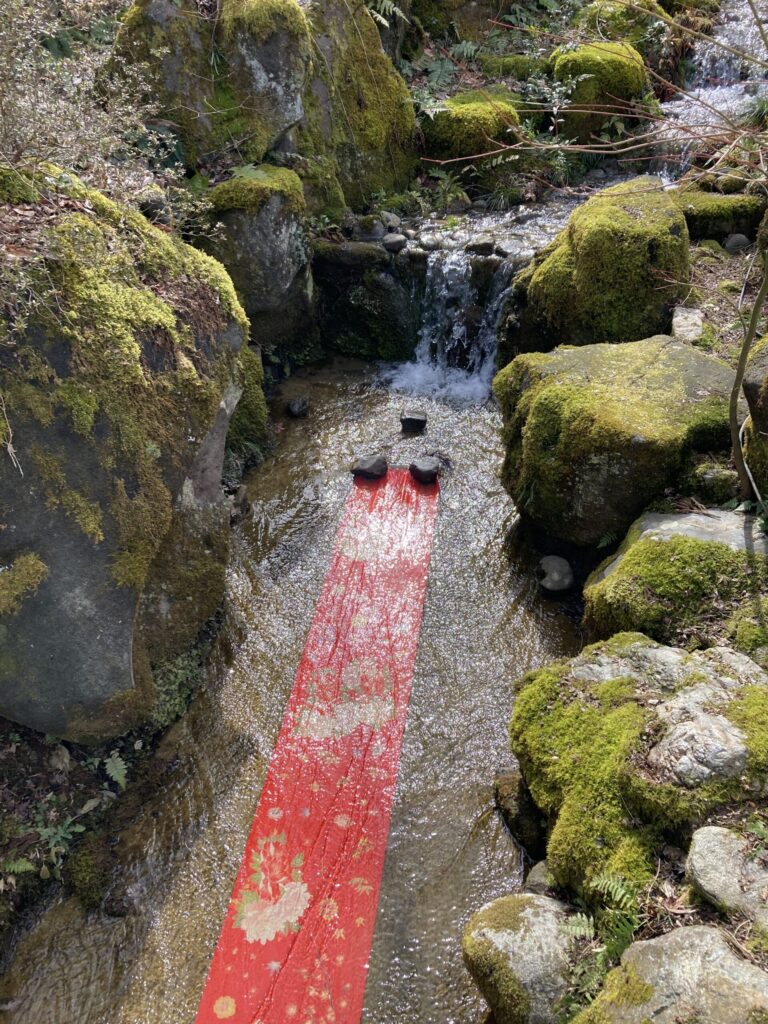
Rinsing (水洗い) All paste and excess dye are washed away in flowing water.
👘Yuzen Nagashi:In the past, artisans performed the final rinsing—known as Yuzen Nagashi—in icy rivers. This added a poetic flourish to the winter landscape. Today, the process is safely carried out in specialized facilities.
Choose Your Design :First, you’ll choose your favorite design from a selection of traditional Kaga Yuzen patterns, featuring beautiful flowers, animals, and other natural motifs. This is the first step in making your own unique piece of art!
The Glue Barrier: Your handkerchief will already have a thin line of rice glue on the outline of the design. This glue is a key part of the dyeing process; it acts as a barrier to keep your colors from bleeding into each other. Although this step is done by our skilled artisans, you can appreciate the intricate detail of their work before you start to paint.
The Dyeing Process :Using a brush, you’ll apply colors to the sections of your design. This is the main part of the experience, and it will feel just like painting. You can choose from the five classic Kaga Yuzen colors—indigo, crimson, yellow ochre, grass green, and ancient purple—or mix your own to make a one-of-a-kind creation.
Create a Sense of Depth: This step introduces “bokashi,” a special Kaga Yuzen technique for creating a gentle blur or shading effect. This is what makes the flowers and leaves in the design look so realistic and three-dimensional. Our staff will show you how to blend the colors, making it easy for you to add this beautiful sense of depth to your masterpiece.
The Grand Finale: Setting Your Colors After you’ve finished painting, your handkerchief will go through a final process to set the colors. This step is handled in two ways, depending on your course:
Full-Service: Our skilled staff will take your handkerchief to a special station where they’ll steam it to permanently set the colors. They will then wash away the glue, revealing the crisp, white lines of your design.
Self-Service: You will use a provided hair dryer to dry your handkerchief, then rinse it with water to wash away the glue yourself. This is the moment when you see the final, beautiful result of your work!
米国女性話者
➍補足コメント:いずれの方法でも、この最終工程を経て、あなただけの特別な加賀友禅作品が完成します。
Either way, this final stage is where your unique Kaga Yuzen artwork is complete
Your Kaga Yuzen Souvenir: The final step is complete! Your handkerchief is now dry and pressed, ready to be taken home. Look closely at the colors you chose and the subtle shading you created. This is a one-of-a-kind piece of art, made by you, that will serve as a cherished reminder of your creative journey in Kanazawa.
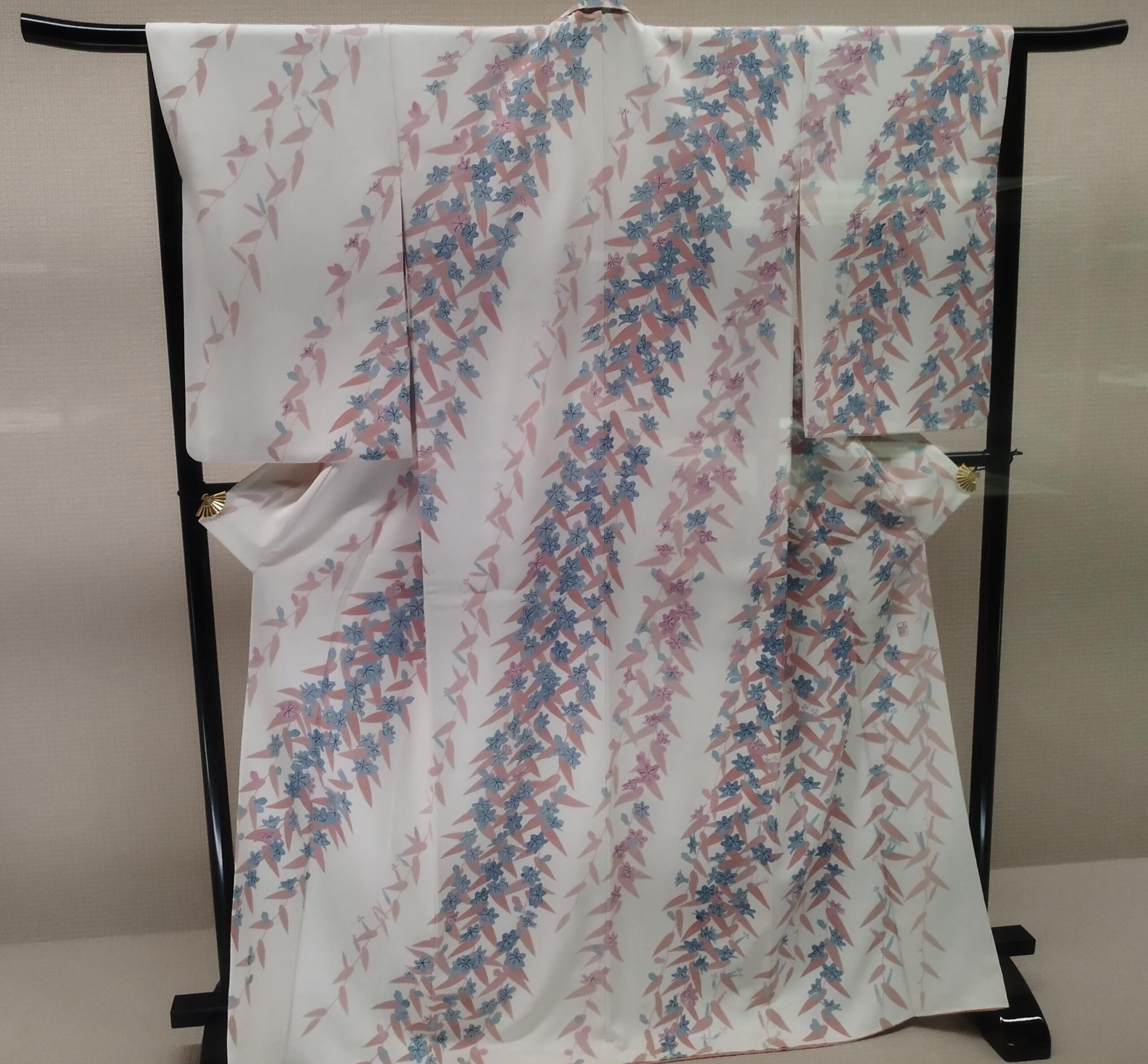
Kaga Yuzen is a traditional dyeing technique from Kanazawa, with a history stretching back over 400 years.
Unlike the flashy gold and embroidery of Kyoto, Kaga Yuzen is known for its subdued and elegant designs.
The patterns are inspired by nature, often featuring realistic depictions of flowers, birds, and landscapes.
A key technique uses thin lines of rice paste as a “barrier” to prevent colors from mixing.
This allows artisans to create intricate and detailed coloring, much like painting a picture.
Kaga Yuzen uses a distinct set of five colors called the “Kaga-gosai,” which are subtle and sophisticated.
To make the designs more realistic, artisans use a special shading technique called “bokashi” to create a natural, three-dimensional look.
Another unique feature is the “mushikui,” where tiny holes are left in the pattern to mimic leaves eaten by insects, celebrating nature’s imperfections.
The overall style reflects the samurai culture of Kanazawa, which valued understated beauty and realism over extravagance.
Every piece is a unique work of art, with each step of the process requiring a high level of technical skill and craftsmanship.
dye clothes☛衣類を染める/get the dye to penetrate☛染料を浸透させる/evenly and permanently☛均一に且つ永久に/take centuries to perfect☛完成するのに何世紀もかかる/Simple soaking☛簡単な浸け置き/colors quickly wash out☛色はすぐ褪せてしまう/a consistent color☛ 一貫した色/a groundbreaking technique☛ 画期的な技術/a thin glue line☛細い糊の線/a breakwater☛防波堤/remain famous today☛現在も有名です/a traditional dyeing technique☛伝統的な染色技術/ stretching back over 400 years☛400年以上にわたる歴史を有する/the flashy gold and embroidery☛派手な金色と刺繍/subdued and elegant designs☛控えめで上品なデザイン/realistic depictions☛写実的描写/thin lines of rice paste☛米糊の細い線/intricate and detailed coloring☛緻密で細かな着色/ a distinct set of five colors☛5色からなる独自の取り合わせ/subtle and sophisticated☛/繊細で洗練された/a special shading technique☛特別な陰影技法/a three-dimensional look☛立体的な見た目/ mimic leaves eaten by insects☛虫食いの葉を模する/celebrating nature’s imperfections☛自然の不完全さを称える/value understated beauty over extravagance☛派手さより控えめな美を重視する
guide you every step of the way☛各ステップで貴方をサポートする/make it perfect☛完璧に仕上げる/a one-of-a-kind piece of art☛唯一無二の芸術作品/fit into your travel schedule☛旅行の予定に組み込む/without any rush☛急ぐことなく/get to experience☛体験する機会を得る/Yuzen dyeing☛友禅染/Mock Sewing☛仮の縫製/temporarily stitched together☛仮に縫い合わせられた/visualize the completed design☛完成デザインを可視化する/a juice from the dayflower☛ツユクサの汁/wash away later☛後で洗い流す/bleeding into each other☛互いに混ざり合う/brushed on from the back of the fabric☛生地の裏側からブラシで塗布する/seeping through☛滲み出る/The primary hues☛主要な色調/hand-painted☛手描きされる/contamination during background dyeing☛地染中の汚染/hand-brushed across the full surface☛表面全体に手でブラシをかけて/allowing the dyes to deeply set☛染料を深く染み込ませる/become fade-resistant☛色あせしにくくなる/washed away in flowing water☛流水に洗い流されて/the final rinsing☛最後のすすぎ/a poetic flourish☛詩的な華やかさ
apply colors to the sections☛枠に色を塗る/it will feel just like painting☛それは正に絵を描くような感じしょう/indigo☛藍色/crimson☛臙脂(えんじ)色/yellow ochre☛黄土(おうど)色/grass green☛草色/ancient purple☛古代紫色/ a one-of-a-kind creation☛唯一無二の創作物/Sense of Depth☛奥行きの感覚/a gentle blur☛柔らかいぼかし/shading effect☛陰影効果/permanently set the colors☛永久に着色する/revealing the crisp, white lines☛鮮明な白い線を見せる/rinse it with water☛水で洗い流す/wash away the glue yourself☛糊を自分で洗い流す/ready to be taken home☛お持ち帰り可能です/the subtle shading☛微妙な陰影/as a cherished reminder of~☛~の大切な思い出として