「訪日中の大切なお客様と移動中のタクシー内。突然、『週末に和紙体験してみたいんだけど、どうかな?』と言われたら、あなたならどう答えますか?」
ユイ(Yui) 🗻
「そんな時は、まずは笑顔でこう返してみましょう!」
“That’s a fantastic idea! Washi making isn’t just a craft. It’s a wonderful way to feel the traditional connection between people and nature in Japan. Let’s find a great workshop for you!”
「それは素晴らしいアイデアですね!和紙作りは、ただのクラフト体験ではありません。日本人が自然と結びついてきた伝統的な感覚を味わえる、とても素敵な方法なんです。
ぜひ、あなたにぴったりの工房を探しましょう!」
今回は、海外ゲストを和紙体験教室へご案内する際に、緊張をほぐし、文化的な深みを感じてもらうための英語表現をカテゴリー別にご紹介します。インバウンド向けの和紙体験は、単なる日本伝統体験ではなく「里山」人々のモノづくりの精神性を伝える絶好の機会です。単なる動作の通訳だけでなく、歴史や「里山のくらし」という背景を添えることで、ゲストの体験は一生の思い出に残る深いものへと変わります。
お急ぎの方は下記ボタンからお好みでアクセスできます。
💡 ゲストの疑問に備えたい方はこちらもおススメ!
0. 和紙体験を深く知るために(背景知識)
📜体験の前に、ゲストからの質問に答えやすくなる背景知識をご紹介します。👥以下のゲストへの英語説明文には音声(米国話者)が付いています。
0.1 和紙とは何か?(What Makes Washi Different?)
海外ゲストからよく聞かれる質問があります。
“Is Washi just Japanese paper?”
(和紙って単なる日本の紙ですか?)
実は和紙は単なる紙ではありません。
*Traditional plant fibers:
Washi is traditionally made from plant fibers such as kozo (paper mulberry), mitsumata, and gampi.
(和紙は主に楮、三椏、雁皮などの植物繊維から作られます。)
*Long and strong fibers:
These fibers are much longer than those used in ordinary Western paper.
(これらの繊維は一般的な洋紙よりもはるかに長く丈夫です。)
*Light but durable:
This is why Washi can be surprisingly thin and light while remaining strong.
(そのため和紙は薄く軽くても丈夫なのです。)
0.2 なぜ和紙は特別なのか?(Why Has Washi Survived for Centuries?)
*Longevity:
Some historical documents written on Washi have survived for hundreds of years.
(和紙で作られた文書の中には数百年残っているものがあります。)
*Natural beauty:
The small irregularities and visible fibers are considered part of its beauty.
(繊維の見え方や自然なムラも美しさの一部と考えられています。)
*Handcrafted character:
Every sheet is slightly different because it is handmade.
(一枚一枚が手作りのため微妙に異なります。)
0.3 里山のくらしと和紙(Washi and the Spirit of Satoyama)
Washi making is deeply connected to the lifestyle of Japanese rural areas, known as “Satoyama.”
(和紙作りは「里山」と呼ばれる日本の農村の暮らしと深く結びついています。)
It shows how people have lived in harmony with nature for centuries.
(それは、人々が何百年もの間、いかに自然と調和して生きてきたかを示しています。)
Local plants provided the materials, and local rivers provided the water.
(地域の植物が原料となり、地域の川が水を提供してきました。)
1. 和紙体験前説明
📜ここからは体験教室でそのまま使える説明例です。
1.1 体験前の説明
*誰でも楽しめます
You don’t need to be artistic to enjoy this!
(絵や工作が苦手でも、どなたでも楽しめますよ!)
*世界で一枚だけ
Every single sheet of Washi turns out unique.
(一枚一枚が異なる表情になり、全く同じ作品は二つとありません。)
*伝統工芸を体験
Today, you’ll experience one of Japan’s traditional crafts firsthand.
(今日は日本の伝統工芸を実際に体験していただきます。)
2. 和紙すき体験の流れ
2.1 繊維をすくう(Scooping the Fibers)
First, gently scoop the fibers using the wooden screen.
(まず木の枠を使って繊維をすくいます。)
📜ここでゲストによく聞かれます。
“Am I making real paper?”
☛ “Absolutely! You are creating your very own paper right from the natural plant fibers.”
(もちろんです!天然の植物繊維から、あなただけの本物の紙を作り出しているんですよ。)
2.2 繊維を均一に広げる(Shaping the Paper)
Move the frame slowly to distribute the fibers evenly.
(枠をゆっくり動かして繊維を均等に行き渡らせます。)
💡 ユイのワンポイント:『広げる(spread)』でも通じますが、液体の中の繊維をバランスよく『分散させる・行き渡らせる』ニュアンスを伝えたいときは、distribute を使うとグッとプロっぽい響きになりますよ!
2.3 飾り付け(Decoration)
Now you can add leaves, flowers, or colored fibers.
(ここで押し花や色付き繊維を加えます。)
This is where your paper becomes unique.
(ここで作品の個性が生まれます。)
2.4 乾燥(Drying)
Washi becomes surprisingly strong once it is completely dry.
(和紙は完全に乾くと、驚くほど丈夫になります。)
Depending on the workshop, this step may be completed by staff.
(工房によってはスタッフが仕上げを行います。)
3. 完成
Congratulations! You have created your own piece of Washi.
(あなただけの和紙作品が完成しました。)
Many guests say this becomes one of the most memorable souvenirs from their trip to Japan.
(日本旅行で最も印象的なお土産の一つになるという方も多くいます。)
Washi souvenirs are lightweight and compact, and their simple beauty is sure to warm the hearts of those who receive them.
(和紙のお土産は軽くてかさばりませんし、その素朴な美しさは受け取った方の心をきっと温めてくれますよ。)
Appendix【1】和紙を深く知るために(補足ポイント)
📜本文「0. 和紙とは何か?」について、ゲストからの質問に対応するための解説例文です。
0.1 和紙と洋紙の違い(Washi vs. Western Paper)
The biggest difference between Washi and Western paper is the raw material.
(和紙と洋紙の最も大きな違いは原料です。)
Most Western paper is made from wood pulp.
(一般的な洋紙は木材パルプから作られています。)
Traditional Washi is made from plant fibers such as kozo, mitsumata, and gampi.
(和紙は楮、三椏、雁皮などの植物繊維から作られます。)
These fibers are much longer than wood fibers.
(これらの繊維は木材パルプの繊維よりもはるかに長いのが特徴です。)
As a result, Washi can be thin and lightweight while remaining surprisingly strong.
(そのため和紙は薄く軽くても驚くほど丈夫です。)
This is one reason why it has traditionally been used for shoji screens and lanterns.
(障子や提灯に使われてきた理由の一つでもあります。)
Many people also appreciate its natural texture and warmth.
(その自然な風合いや温かみを好む人も少なくありません。)
🪵 ユイのひとこと解説:wood pulp って何?
もし、追加でパルプ自体の質問があれば、下記がおススメ。
“Wood pulp is basically paper material made by grinding or chemically breaking down wood.”
(パルプは木材を細かく砕いたり、薬品で分解して作る紙の原料のことです。)
“Pulp developed as a way to mass‑produce paper cheaply using wood.”
(パルプは、木を使って紙を安く大量生産するために発展した技術なんです。)
“Because the fibers are short, Western paper feels smoother but is usually less durable than Washi.”
(繊維が短いので手触りは滑らかですが、和紙ほどの強さはありません。)
0.2 なぜ和紙は長持ちするのか?(Why Is Washi So Durable?)
Some Washi papers can survive for hundreds of years.
(和紙の中には数百年残るものもあります。)
One reason is the length of the plant fibers.
(理由の一つは植物繊維の長さです。)
The fibers intertwine tightly, creating remarkable strength.
(長い繊維同士がしっかり絡み合うことで高い強度が生まれます。)
Traditional Washi also contains very little acid.
(伝統的な和紙は酸性成分が少ないことでも知られています。)
This helps slow deterioration over time.
(そのため劣化しにくいとされています。)
Because of these qualities, Washi is often used in the restoration of historical documents and artworks.
(こうした特性から、古文書や美術品の修復にも利用されています。)
0.3 ユネスコとの関係(UNESCO and Washi)
Washi is one of Japan’s most important traditional crafts.
(和紙は日本を代表する伝統工芸の一つです。)
In 2014, traditional Washi-making techniques were added to UNESCO’s Intangible Cultural Heritage list.
(2014年、和紙の伝統的な製法がユネスコ無形文化遺産に登録されました。)
The registration specifically recognizes Sekishu-Banshi, Hon-Mino-shi, and Hosokawa-shi.
(登録対象となったのは石州半紙、本美濃紙、細川紙の三つです。)
The recognition is not for the paper itself, but for the traditional handcraft techniques used to make it.
(評価されたのは紙そのものではなく、それを作る伝統的な手漉き技術です。)
0.4 現代の和紙(Modern Uses of Washi)
Washi is not used only for calligraphy.
(和紙は書道だけに使われているわけではありません。)
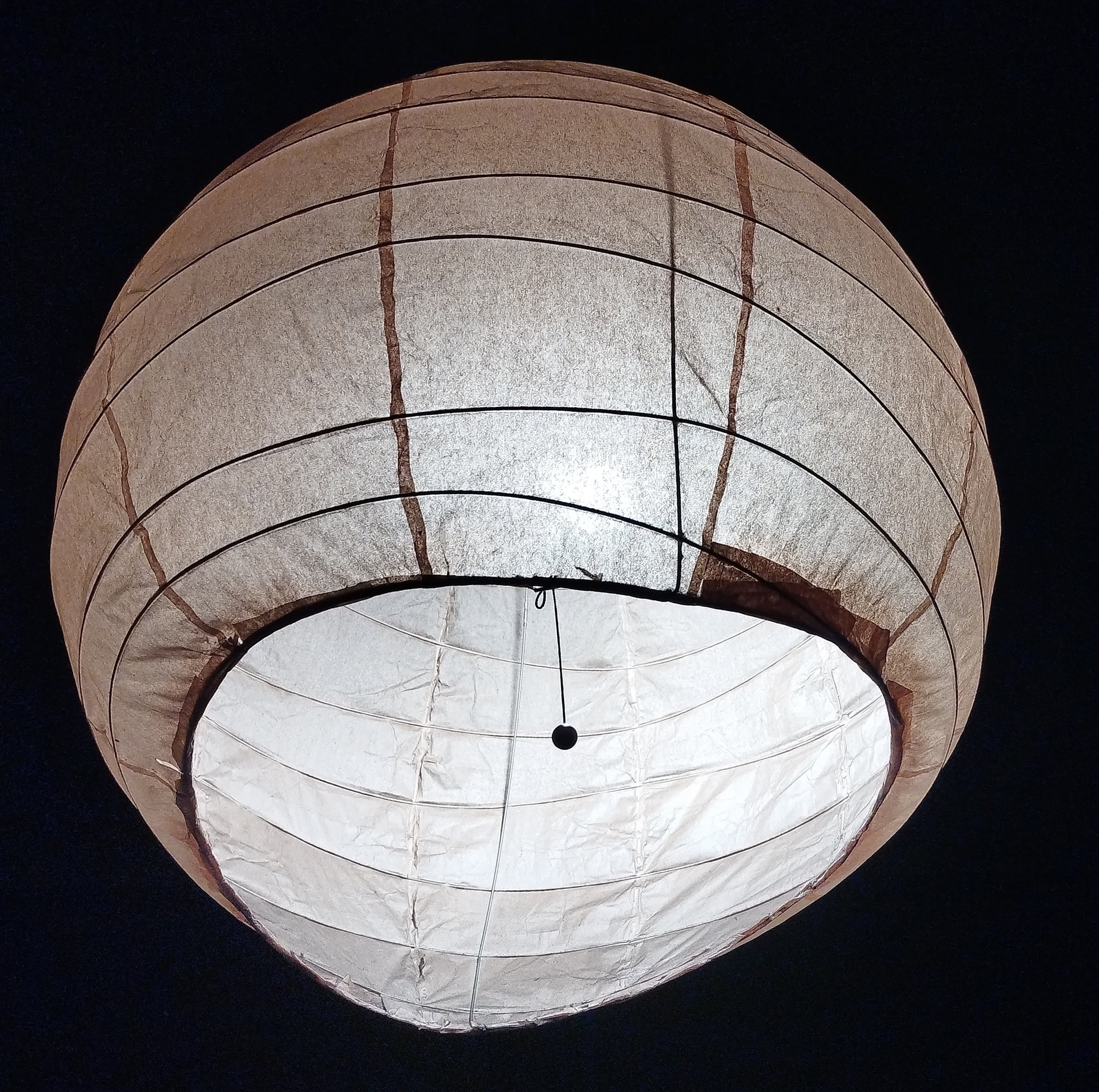
Today it is also used for lighting, interior design, and artwork.
(現在では照明やインテリア、アート作品などにも利用されています。)
It is sometimes used for business cards and luxury packaging.
(名刺や高級包装紙に使われることもあります。)
Many international designers appreciate its unique texture and appearance.
(その独特な質感や見た目は海外のデザイナーからも高く評価されています。)
0.5 よくある質問(Frequently Asked Questions)
Q. Is this real Washi?
Yes. Even simplified workshops use the same basic principle of creating paper from plant fibers.
(はい。観光体験向けに簡略化されていますが、植物繊維から紙を作るという基本原理は本物の和紙づくりと同じです。)
Q. How long does it take to make professional Washi?
Traditional Washi can take several days or even weeks depending on the product.
(本格的な和紙づくりは、種類によって数日から数週間かかることがあります。)
Q. Can I write on it?
Of course. Many guests use their Washi for postcards, bookmarks, or framed artwork.
(もちろんです。ポストカードやしおり、額装作品として使う方も多くいます。)
Q. Why are the fibers visible?
Those visible fibers are often considered part of Washi’s natural beauty.
(見える繊維は欠陥ではなく、和紙らしい自然な美しさの一部と考えられています。)
Q. Is Washi still used in daily life?
Yes. While modern paper is more common, Washi is still used for traditional crafts, interior decoration, and special products.
(はい。現代では洋紙が主流ですが、和紙は伝統工芸やインテリア、特別な製品などで今も使われています。)
Q. Why does Washi feel different from ordinary paper?
Because it is made from long natural fibers rather than wood pulp.
(木材パルプではなく長い植物繊維から作られているため、独特の手触りがあります。)
Appendix【2】Glossary:用語集
📜今回使われている表現の用語集です。
和紙について
Washi ☛ 和紙
traditional paper ☛ 伝統的な紙
Japanese paper ☛ 日本の紙
plant fibers ☛ 植物繊維
kozo ☛ 楮(こうぞ)
mitsumata ☛ 三椏(みつまた)
gampi ☛ 雁皮(がんぴ)
wood pulp ☛ 木材パルプ
fiber ☛ 繊維
long fibers ☛ 長い繊維
handmade paper ☛ 手漉き紙
handcrafted ☛ 手作りの
durable ☛ 丈夫な
lightweight ☛ 軽量な
texture ☛ 質感、風合い
natural texture ☛ 自然な風合い
warmth ☛ 温かみ
traditional craft ☛ 伝統工芸
centuries-old ☛ 数百年の歴史を持つ
historical document ☛ 古文書
artwork ☛ 美術作品
restoration ☛ 修復
restore historical documents ☛ 古文書を修復する
UNESCO Intangible Cultural Heritage ☛ ユネスコ無形文化遺産
traditional technique ☛ 伝統技法
hand-papermaking ☛ 手漉き和紙づくり
和紙体験について
paper-making experience ☛ 紙すき体験
wooden screen ☛ 木枠(紙すき枠)
scoop the fibers ☛ 繊維をすくう
spread the fibers evenly ☛ 繊維を均等に広げる
plant material ☛ 植物素材
pressed flowers ☛ 押し花
colored fibers ☛ 色付き繊維
decorate the paper ☛ 紙を装飾する
dry the paper ☛ 紙を乾燥させる
one-of-a-kind ☛ 唯一無二の
souvenir ☛ お土産
bookmark ☛ しおり
postcard ☛ ポストカード
framed artwork ☛ 額装作品
take it home ☛ 持ち帰る
a memorable souvenir ☛ 思い出に残るお土産
appreciate craftsmanship ☛ 職人技を鑑賞する
experience traditional culture ☛ 日本文化を体験する
Appendix【3】全国の代表的な和紙産地
📜和紙は日本各地で作られています。工房によって原料や技法は異なりますが、ここでは海外ゲストから聞かれた際に使える簡単な紹介例をご紹介します。
Gokayama Washi(五箇山和紙)
Located in the mountains of Toyama Prefecture, Gokayama Washi is closely connected to the traditional lifestyle of rural villages.
(富山県の山間部で作られる五箇山和紙は、昔ながらの農村文化と深く結び付いています。)
It is known for its rustic character and strong handmade quality.
(素朴で力強い手仕事の風合いが特徴です。)
Echizen Washi(越前和紙)
Echizen Washi has a history of more than 1,500 years.
(越前和紙は1500年以上の歴史を持つと言われています。)
It is used for everything from traditional crafts to modern art and luxury products.
(伝統工芸から現代アート、高級製品まで幅広く利用されています。)
Sekishu Banshi / Sekishu Washi(石州半紙)
Sekishu Washi, which has been passed down for over a thousand years, is one of the three Japanese papermaking techniques recognized by UNESCO.
(千年以上前より伝承されてきた石州半紙は、ユネスコに登録された日本の三つの和紙技術の一つです。)
Its most distinctive feature is its sturdy texture, which made it highly valued by merchants in Osaka for use in their ledgers.
(最大の特色は強靭な紙質で、大坂商人たちの帳簿用紙として重用されました。)
Hon Mino Washi / Mino Washi(本美濃紙 / 美濃和紙)
Mino Washi is famous worldwide, and its traditional handmade version, Hon Mino Washi, is recognized by UNESCO.
(美濃和紙は世界的に有名で、その伝統的な手漉き版である本美濃紙がユネスコに登録されています。)
Since the Edo period, Hon Mino Washi has been highly regarded as the finest quality paper for shoji screens.
(江戸時代以来、本美濃紙は最高級の障子紙として高く評価されてきました。)
Hosokawa-shi(細川紙)
Hosokawa-shi, produced mainly in Saitama Prefecture, is one of the traditional Washi types recognized by UNESCO.
(主に埼玉県で作られている細川紙は、ユネスコ無形文化遺産の登録対象となった和紙の一つです。)
It flourished thanks to its proximity to Edo—present-day Tokyo—a major consumer market, and became an essential item in the daily lives of ordinary people.
(大消費地であった江戸(現在の東京)に近い利を活かして発展し、江戸の庶民の生活必需品として重用されました。)
📜ガイド向けアドバイス
ゲストへの説明では「地域ごとに原料や歴史が異なるため、それぞれ独自の和紙文化が発展した」と伝えれば十分な場合がほとんどです。
ただ、ヨーロッパのワイン産地の違いほど明確ではなく、専門的な説明より実際に触ったり見たりして違いを感じてもらう方が分かりやすいことも多いです。
ここは、と思う際には下記フレーズをご活用ください。
In washi, different regions developed their own styles based on local materials and traditions.
(和紙の世界では、地域ごとに原料や歴史が異なるため、それぞれ独自の和紙文化が発展しました。)
The differences between regional Washi are often subtle. The best way to appreciate them is to touch them, compare their textures, and see them with your own eyes.
(和紙の地域差は比較的繊細です。実際に触れたり質感を比べたり、自分の目で見たりすることが一番の理解につながります。)
御礼🔶後書き
日本人の暮らし&
歴史ガイド
👆 今回も最後までお読みいただき、ありがとうございます。
本ブログに関するご意見やご要望がございましたら、下記メニューの [Assistance & Services] より、お気軽にお声がけくださいね。