商談相手と街中を移動中…
「あの屋台で売っている丸いヤツ(Dango)って一体何?」と聞かれたら?

Sakura:日本人の味覚ウオッチャー&ブログガイド
こんにちわ!サクラです🌸今日は日本の「食べる芸術」、お団子についてご案内します。🌸単に「ライスケーキです」と答えるだけでは、その深い文化的背景や魅力は伝わりきりません。
移動中のわずか数分で、相手の知的好奇心を刺激し「帰国前に一度食べてみたい!」と言わせるための、刺さる切り口を揃えました。
ゲストの関心に合わせて30秒でネタを仕込む!
【一言で腑に落ちる】王道アプローチ
【インバウンド5大関心別・深掘り】さらに一歩踏み込む
※移動中の短い時間ならパート1を、じっくり話すならパート2をチョイス!
1. この一言で腑に落ちる?
このパートのいずれかのワンフレーズでご納得いただけたらラッキーですね。もしだめなようでしたら、次のパートもお試しください。いつも通り、日本語で言えないことは英語でも言えませんので、日本語>英語順でご紹介します。
1.1 もちもち弾力のある食感の伝統的菓子?
- 団子は、日本の伝統的なお菓子(和菓子)の一つで、もちもちとした弾力のある食感が特徴の丸い食べ物です。古くから神道や仏教の儀式と深く結びつき、主に神々や霊へのお供え物(捧げもの)として用いられてきました。現在では、神社やお寺の伝統的なお祭りの屋台で欠かせない軽食として売られているほか、様々な現代的なイベントでも人気があります。
- Dango is a traditional Japanese sweet (wagashi), a round food known for its chewy and springy texture.Since ancient times, it has been deeply associated with Shinto and Buddhist rituals, primarily serving as an offering to the gods or spirits.It is an essential snack sold at stalls during traditional festivals at temples and shrines, and is now popular at various modern events as well.
- 👉️まずはオーソドックスな特徴紹介パターンから。全体長くなりましたが、お相手の反映に段階的に合わせられる様に3文にわけています。
1.2 餅より噛み切りやすく食べやすい?
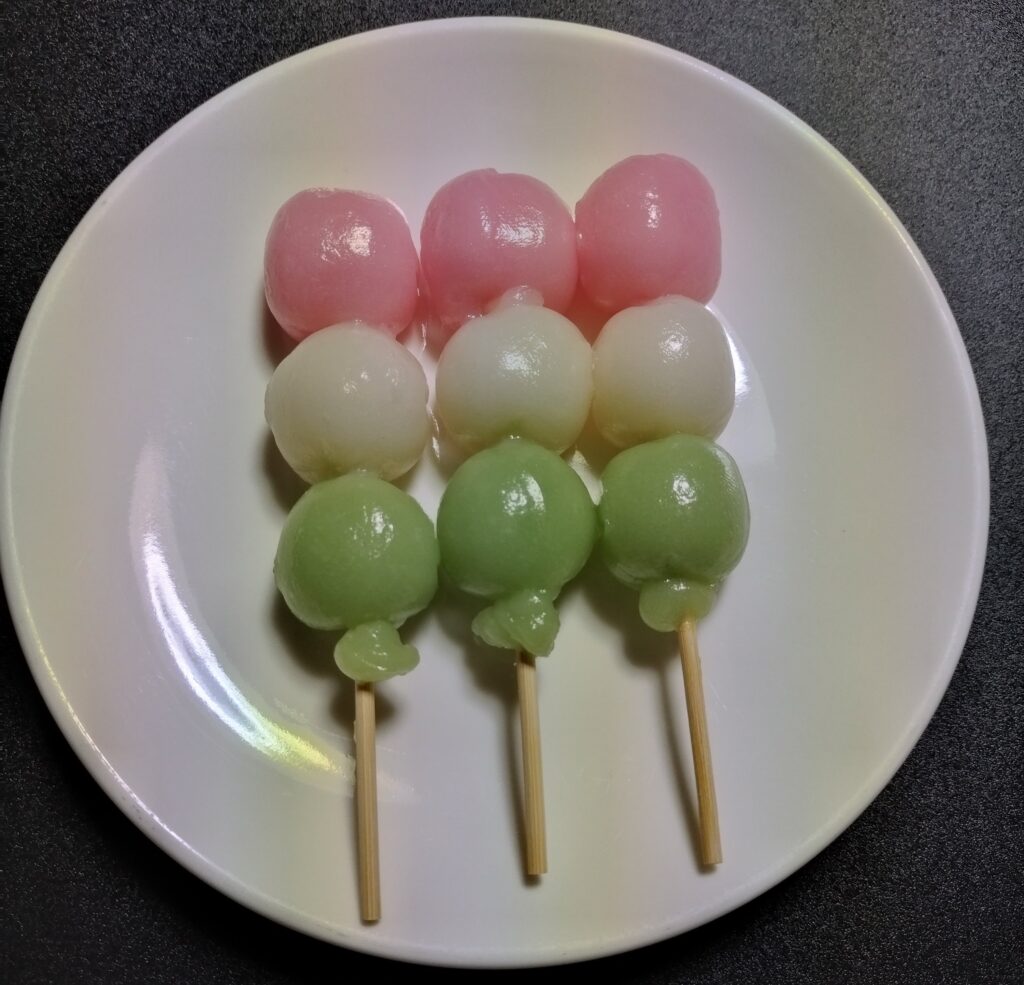
- 団子、または日本のダンプリング(団子)は、餅(ライスケーキ)に似た、もちもちとした弾力のある食感が特徴の甘いお菓子です。団子は、餅に使われるもち米ではなく、主に普段食べる米から作られるため、餅とは少し異なります。一般的に餅よりも噛み切りやすく、食べやすいのが特徴です。また、多くは串に刺して提供される(串団子)ため、食べ歩きや手軽な軽食にぴったりです!
- Dango, or Japanese Dumplings, are a sweet treat with a chewy and elastic texture, similar to mochi (rice cakes). Dango differs slightly from mochi because it’s primarily made from non-glutinous rice, the rice you usually eat. They are generally easier to bite and chew than mochi. Since they are often served on a skewer (kushi-dango), they are perfect for eating while walking around, or for a quick snack!
- 👉️ここもオーソドックスパターンですが、甘さが苦手で歯ごたえを重視する多くのインバウンドを意識して纏めてみました。また洋菓子の様なニュアンスもある”confectionery”より一般的な “sweet treat” を使ってみました。
2.次の補足でご納得?
残念ながら前パートで外した場合のフォローセリフ、いつも通りインバウンド視点を踏まえ関心別に置いてみました。また色々な表現を織り込む為に全体的にかなり長くなっていますので、お気に入りのフレーズあれば現場でも試してみる、そんな軽いノリでご利用ください。
2.1 建築(匠:たくみ)系
👉建築技術の滑らかさの歯ごたえ?
- 「団子」という言葉は、日本の伝統的な建築技術である左官(伝統的な壁塗り)の分野や、建設現場で専門用語としても使われています。泥や粘土、漆喰などの素材を用いて城や伝統的な蔵を美しく仕上げる左官職人の技術と、団子を作る職人の技と匠の精神は、その根幹で共通しています。両方を体験することで、あなたは左官の技術と団子のシンプルな形に共通する、深く根付いた美意識のつながりを感じ取るかもしれません。
- The word “dango” is also a technical term in construction, particularly in sakan (traditional plastering), a time-honored Japanese building technique.The skills of sakan artisans, who beautify castles and traditional storehouses with materials like mud, clay, and lime plaster, share a fundamental similarity with the craftsmanship of dango makers. By experiencing both, you may sense the deep-rooted aesthetic connection between the sakan’s craft and the simple shapes of dango.
2.2 ファッション系
👉「花より団子」ネタでいいね!が花盛り?
- 日本には、古くから伝わる有名なことわざがあります。それは「花より団子」(英語で直訳すると「Dumplings over flowers」)です。これは、人々が純粋な美(花を愛でること)よりも、美味しいおやつを食べるような実用的な欲求を優先してしまう、という面白い表現です。もし自信があるなら、ぜひ花を背景に団子を持った自分の写真をアップロードしてみてください!そして、フォロワーにこう尋ねるのを忘れずに。「いいね!」を押すとき、彼らは花に「いいね」しているのか、それともあなたに「いいね」しているのか、あるいは団子に「いいね」しているのか、と!
- In Japan, there is a famous old saying: “Hana yori dango” (literally, “Dumplings over flowers”). This amusing expression means that people often prioritize practical needs, like eating a delicious snack, over pure aesthetics (like admiring flowers).If you’re feeling confident, be sure to upload a photo of yourself holding dango with a flowery background! And don’t forget to ask your viewers: When they hit the ‘Like’ button, are they liking the flowers, or are they liking you, or perhaps the dango?
2.3 アート系
👉花咲団子は食べる芸術(エディブル・アート)?
- アート愛好家には、季節の花々や風景を表現した花咲団子がお勧めです。団子を飾る餡(あん)は様々な色に染められ、花びらのように繊細に細工されています。これは、視覚的な美しさ(芸術性)と味わいの両方を完璧に両立させる「食べる芸術(エディブル・アート)」としてしばしば注目されています。甘いもの好きの人も心配無用、この美しい花にはトゲがないので、安心してその芸術を堪能できますよ!
- For art lovers, Hanasaki Dango (Flower-Blooming Dumplings), which feature seasonal flowers and scenery, is highly recommended. The bean paste (an) used to decorate the dango is dyed in various colors and delicately crafted to resemble flower petals. This confectionery is often called “edible art,” as it perfectly balances visual beauty (artistry) and taste. Even those with a sweet tooth can appreciate this art without worry—after all, this beautiful flower has no thorns!
2.4 フード系
👉日替わり人気ランキングがある多様な味?
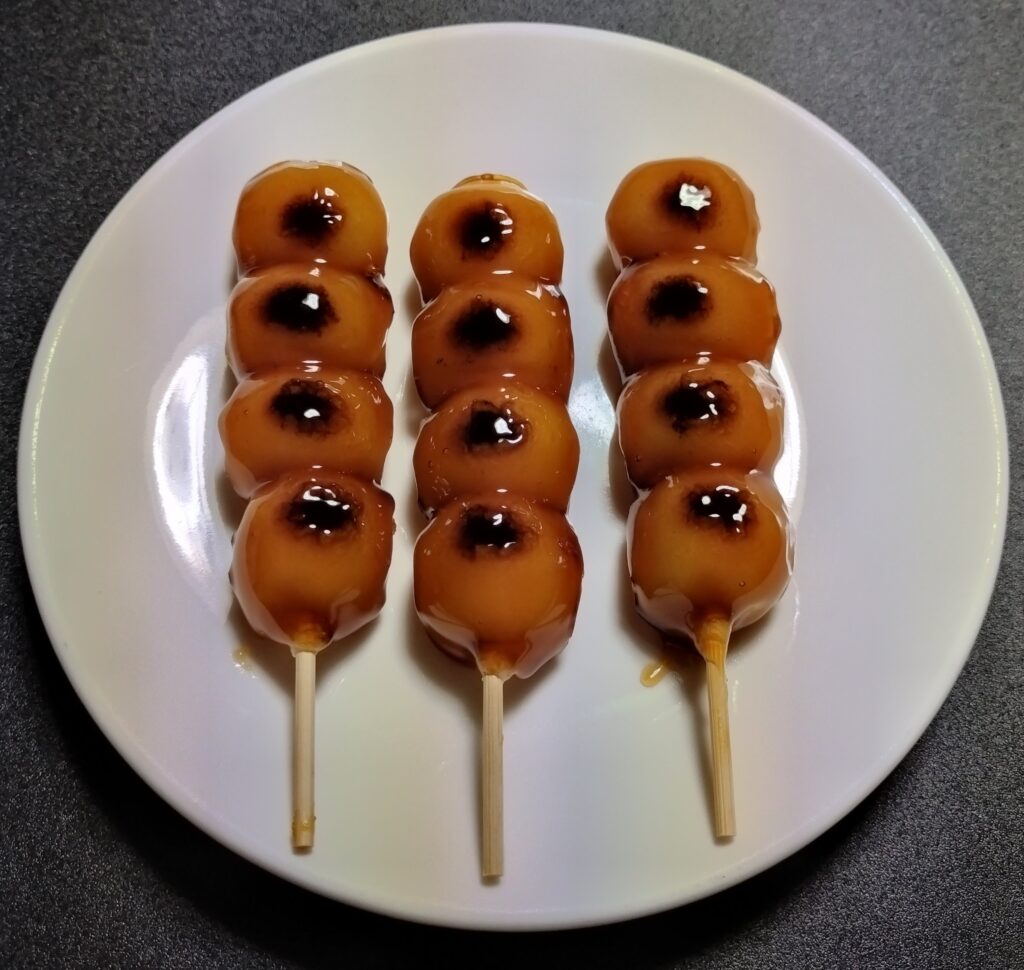
- 団子には非常に多くの種類があるため、人気ランキングは絶えず変動しています。甘いもの好きには、あんこ(甘い小豆のペースト)が最も人気で、つぶあん(粒を残したもの)とこしあん(皮を取り除いた滑らかなもの)の両方がランキング上位を占めます。あんこが苦手な方には、甘じょっぱい醤油ベースのタレがかかったみたらし団子や、ごま、のり(海苔)を使った団子がお勧めです。すべての団子の人気は非常に拮抗しており、まさに「団子レース」(接戦を意味する)なのです!
- Dango comes in so many different flavors that popularity rankings are constantly changing. For those with a sweet tooth, anko (sweet red bean paste) is the most popular, with both tsubu-an (chunky paste) and koshi-an (smooth paste) topping the charts.For those who don’t like anko, we recommend Mitarashi dango, which is topped with a sweet and savory soy-sauce glaze, or options featuring sesame or nori seaweed. The popularity of all dango flavors is so close, it’s truly a “dango race” (meaning a neck-and-neck competition)!
2.5 日本人系
👉団子を食べれば日本人がわかる?
- 団子は、日本人の考え方を象徴するのに最適な食べ物かもしれません。歴史的に、私たちの祖先は、食べられる穀物や木の実を、見つけられるものは何でも「丸めて(集めて加工して)」いました。団子は、こうした穀物(米、小麦、粟など)や木の実(ドングリ、栗など)を水で練り、丸い球にして蒸したり茹でたりして作られました。日本の文化において、この「丸める(まとめる)」という概念は食べ物に限らず、様々な意見、感情、あるいは物事の賛否両論を融和させるといった抽象的な事柄にも及ぶことがよくあります。ですから、団子を食べる時、日本人はある意味、団子そのものに似ていると気づくかもしれません。良く言えば柔軟で協調的ですが、悪く言えば、あらゆることに対して八方美人でだらしなく見えてしまうこともあるのです。
- Dango may be the perfect food to symbolize the Japanese way of thinking. Historically, our ancestors rounded up (gathered and processed) whatever edible grains and nuts they could find. Dango was made by kneading these grains (rice, wheat, millet, etc.) or nuts (acorns, chestnuts, etc.) in water, rolling the mix into a ball, and then steaming or boiling it. In Japanese culture, this “rounding up” concept isn’t limited to food; it often extends to abstract things, like blending various opinions, emotions, or the pros and cons of an issue.So, when you eat dango, you might realize that Japanese people are, in a way, like the dango itself: at best, they are flexible and accommodating; at worst, they can seem too noncommittal or lax about everything.
御礼&後書き

👆 今回も最後までお読みいただき、ありがとうございます。
本ブログに関するご意見やご要望がございましたら、下記メニューの [Assistance & Services] より、お気軽にお声がけくださいね。