本ブログは観光業、企業接待、留学生対応等で英語案内が必要ながら、多忙で準備に時間をかけられない方々の為にすぐに使える情報を分かりやすく解説しています。
今回は武家屋敷跡で有名な金沢の《野村家》をテーマにした本編ブログ『刀剣・甲冑を英語で案内|金沢・武家屋敷・野村家で笑いも取れる通訳ガイド解説術』の《2.6:Q1. 聲桶:これは何のための箱ですか?》のA級者用(日→英の対応が必要な方)向け演習ツールです。
👉ショートカット&リンクについて!①最初に音声で学習されたい方はそのままお進みください。➁最初に原文を確認されたい方は【原文:日英】へ➂Glossary(用語集)で音声チェックされたい方はこちらから。➃本編ブログを参照されたい方は『刀剣・甲冑を英語で案内|金沢・武家屋敷・野村家で笑いも取れる通訳ガイド解説術』の解説を読むへ。⑤音声ツールの概要を参照されたい方は『演習ツール』まで!
2.6 一階廊下
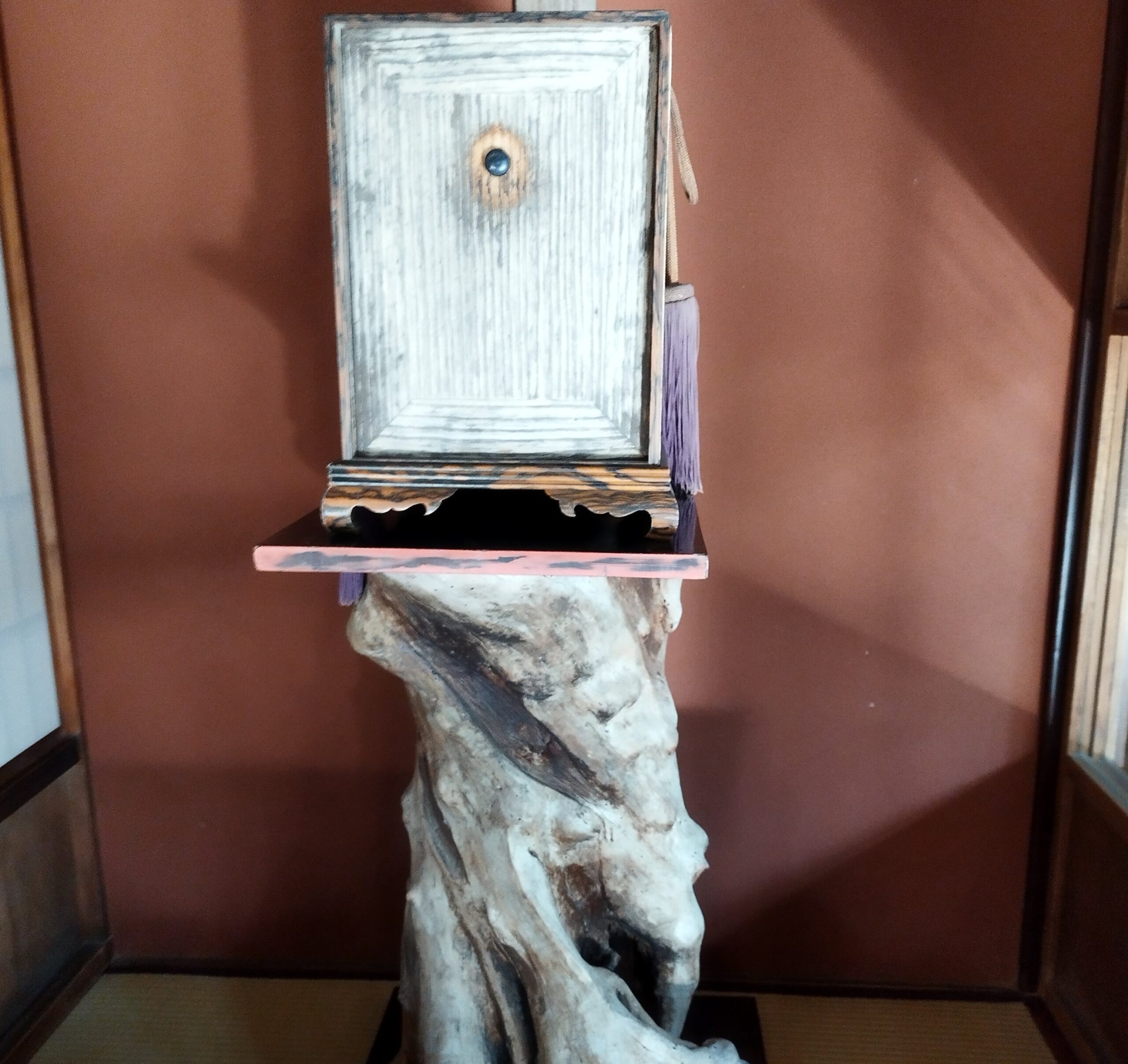
Q1. 聲桶(こうけい):これは何のための箱ですか?
“What is this box for?”
本編ブログの通り、聲桶(こうけい:鶯の鳥籠を入れる桐の箱)をネタにした演習ツール版です。日本語については口頭演習しやすいよう、不自然にならない範囲で日英の語順を合わせるよう編集しています。
Dツール:”日⇒英”演習簡易ツール
D1:日英確認用:『日本語』”英語”対訳
👉文単位で日本語の後に英訳が續きますので、内容の確認ができます。
D2:口頭即訳用:『日本語』のみ(ポーズ間に英訳)
👉各日本語文の後はポーズになっていますので、その間に英訳できます。
D3:リピーティング用:”英語”のみ(ポーズ無し)
👉英語音声のみが(ポーズなく)続きますので復唱ができます。
D4:内容チェック用:”英語”のみ(低速版:or同通演習用)
👉英語音声(ポーズなし)を低速版で復唱or同時通訳の演習ができます。速さはいつも通り、約120wpm(約85%低速版)です。
【原文:日英】
《日本語》
- これは、桐の箱で鶯の鳥かごを収めるために作られたもので、それで鶯の美しい歌声をより際立たせるのです。
- 日本の鶯は、何世紀にもわたり日本人の心の中の特別な存在で、その美しい鳴き声で春の訪れを告げるのです。
- 遡ること千年以上の平安貴族の時代、日本人は「鶯合(うぐいすあわせ)」という勝負事をやっていて、これは春に鶯をかごに入れ、その歌声の美しさを競い合うのです。
- さらに、桐は古代中国から鳥のための神聖な木とされてきたので、このような箱を用いることは、鳥への深い敬意と愛情の表れでもありました。
- もちろん、現代の日本では、動物愛護の観点からこの習慣はほぼなくなりました。
- 実際に、この桐の箱を直接ご覧になる方の中には、ウグイスをかごに入れる行為を残酷だと感じたり、心を痛めたりする方もいらっしゃるかもしれません。
- 歴史的には、飼育係が鳥の適切な換気を確保していましたが、一見すると密閉された箱が現代の訪問者の心を痛めるように映るのも無理はありません。
- 正直なところ、お客様から尋ねられない限り、この箱について私から積極的にご説明することはあまりありません。
- 一つには、残酷な印象を避ける為ですが、実はもう一つ、少し不都合な真実があるんです。
- 心配しているのは単に、どうしようもない矛盾がはっきりすること。ここで私達が日本人は鳥を虐待していなかったと言っているのに、一方で同時に日本中で楽しんでるんですね、しっかり焼かれ串刺しされた焼き鳥をね。
《英訳例》
- This is a paulownia wood box designed to hold the birdcages of bush warblers, enhancing the beauty of their songs.
- The Japanese bush warbler has held a special place in the hearts of the Japanese people for centuries, announcing the arrival of spring with its beautiful call.
- Dating back over a thousand years to the aristocratic age, the Japanese practiced “Uguisu-awase,” a competition where they would cage bush warblers in spring and vie for the most beautiful songs.
- Moreover, paulownia has been considered a sacred tree for birds since ancient China, so using such a box also reflected a profound respect and affection for these creatures.
- Of course, in modern Japan, this custom has largely disappeared due to animal welfare concerns.
- Indeed, some visitors who see this paulownia box in person may find the practice of caging bush warblers to be cruel or distressing.
- Historically, caretakers ensured the birds had proper ventilation, but it’s understandable how a seemingly closed box might appear distressing to modern visitors.
- Let’s just say I don’t always volunteer information about this box unless asked.
- Part of it is to avoid any impression of cruelty, but there’s also a somewhat inconvenient truth.
- I’m afraid it might simply highlight an unsolved paradox: that we’re here saying the Japanese weren’t abusing birds, while simultaneously enjoying perfectly grilled and skewered yakitori all across the country.
Glossary:用語集&音声ツール
👇音声ツールは下記3種です。❶日本語>英語(内容チェック用)❷日本語>無音(2秒ポーズ:英訳用)❸英語>無音(2秒ポーズ:反復用or和訳用)👈Top㌻に戻る
a paulownia wood box☛桐の木箱/the birdcages of bush warblers☛鶯の鳥籠/with its beautiful call☛その美しい鳴き声で/Dating back over a thousand years☛千年以上前の時代まで遡る/ the aristocratic age☛貴族の時代/cage bush warblers☛鶯を籠に入れる/vie for the most beautiful songs☛最も美しい鳴き声を競い合う/animal welfare concerns☛動物愛護の懸念/distressing☛悲惨な/caretakers☛飼育係/proper ventilation☛適切な換気/a seemingly closed box☛一見密閉された箱/Let’s just say☛要するに/unless asked☛尋ねられない限り/a somewhat inconvenient truth☛やや不都合な真実/an unsolved paradox☛仕方のない矛盾/abuse birds☛鳥を虐待する/perfectly grilled and skewered yakitori☛完璧に焼かれた串刺しの焼き鳥
御礼🔶後書き
最後までご覧いただき、誠にありがとうございました! 本ブログに関するご意見やご要望がございましたら、メニューの📧Assistance & Services📞よりお気軽にお声がけください。Gold🔶v.4b.4b.1a/S1