🌸 モモ 🌸
日本人気質
ウオッチャー&ガイド
日本人気質
ウオッチャー&ガイド
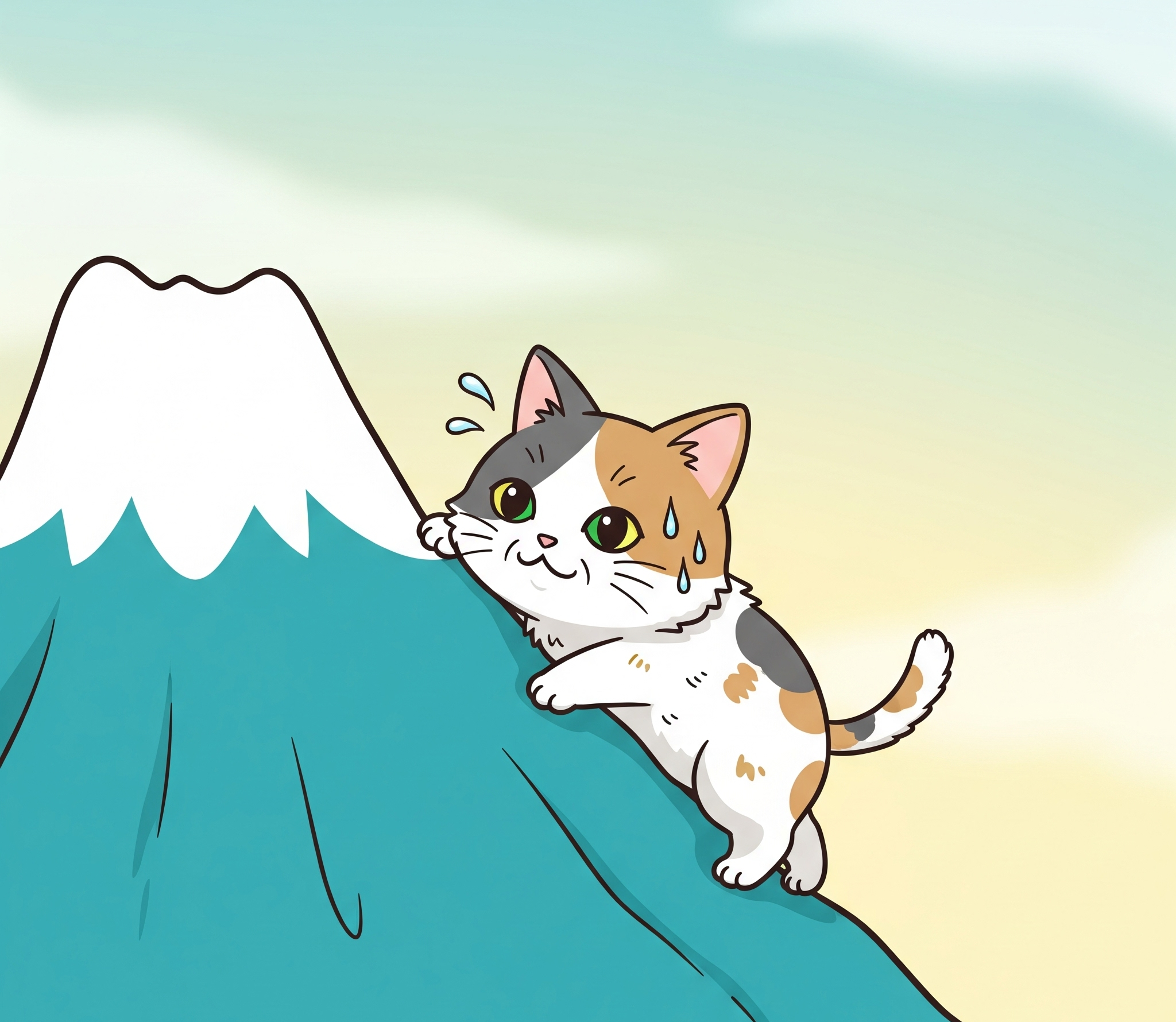
- 山のテッペンだけじゃない!「究極」を伝える英語14選
- A:各語の意味&違い
- B: 日常生活例文(Private&Business)
- C: 訪日外国人ご案内例文
- 1. Peak(サムライの最盛期!江戸時代)
- 2. Edge(日本刀!独特の鋭い刃先)
- 3. Tip(五重の塔!金色の先端)
- 4. Summit(弥山の頂上!僧の聖域)
- 5. Climax(権力闘争の頂点!関ケ原の戦い)
- 6. Epitome(ミニマリズムの極み!枯山水庭園)
- 7. Crown(城のてっぺんに座す!金の鯱鉾)
- 8. Apex(勢力の頂点!夢の如し)
- 9. Crest(将軍府は頂点&家紋!)
- 10. Zenith(京都の絶頂!天皇・貴族の平安時代)
- 11. Culmination(権力&野望の集大成!金閣寺)
- 12. Pinnacle(仏教彫刻の頂点!仏像)
- 13. Acme(美術表現の極致!屏風絵)
- 14. Cusp(近代化の瀬戸際!明治革命)
- 御礼🔶後書き
山のテッペンだけじゃない!「究極」を伝える英語14選
私たち日本人は「テッペン」や「先っぽ」で済ませがちですが、英語は**物理的な高さ**か、**比喩的な絶頂**かで言葉を使い分けるのが粋。ゲストに「まさにその通り!」と膝を打ってもらうための、最上級の表現をマスターしましょう!
🚀 お急ぎの方は「タイプ別」から30秒即チェック!
🏔 物理的な「一番上・端っこ」
Peak
山の頂、尖った先端
❯
Summit
山頂、首脳会談(比喩も)
❯
Crest
波頭、山並みの背
❯
Edge
縁(へり)、鋭い刃先
❯
Tip
細長いものの先端
❯
👑 比喩的な「絶頂・クライマックス」
Zenith
天頂、繁栄の極み
❯
Climax
最高潮、結末の盛り上がり
❯
Culmination
積年の努力の到達点
❯
Epitome
典型、象徴、究極の姿
❯
💎 専門的・文学的な「最高点」
Apex
頂点、捕食者のトップ
❯
Pinnacle
小尖塔、成功の極致
❯
Acme
極致、完成度への到達
❯
Crown
王冠、物事の締め括り
❯
Cusp
尖点、変化の境目
❯
A:各語の意味&違い
まずは日常生活で高頻度に使われる順に意味と夫々の違いをご紹介します。👤英語音声は米国話者です。
1. Peak(ピーク、頂点)
- Meaning: 物理的またはパフォーマンス成果における最高点を意味します。
- Difference: とても汎用的な用語で山は勿論のこと、キャリアや健康など多用途に使われます。
- Example: “She’s at the peak of her career.” →「彼女はキャリアのピークにいる。」
2. Edge(縁、端、へり)
- Meaning: 鋭くとがったものが原義で、刃先等の物の縁、外側、境界を意味します。
- Difference: 一般的に物理的なものを指しますが、危険で、緊張を伴う心理的な文脈でも使われます。
- Example: “He stood at the edge of the cliff.” →「彼は崖の縁に立っていた。」
3. Tip(先端)
- Meaning: 何かのとがった・細い先端を意味します。
- Difference: 一番端や細い部分を強調する意味合いがあります。
- Example: “The tip of the iceberg.” →「氷山の一角。」
4. Summit(頂上、首脳会談)
- Meaning: 山の頂上、または高官の会合を意味します。
- Difference: フォーマルなニュアンスがあり、しばしば文字通りの山や政治の文脈でよく使用されます。
- Example: “They reached the summit just before sunrise.” →「彼らは日の出前に頂上に到達した。」
5. Climax(最高潮、クライマックス)
- Meaning: 最も盛り上がる瞬間を意味します。
- Difference: 主に物語や映画等で感情のピークを伝える際に使われます。
- Example: “The movie’s climax was unforgettable.” →「その映画のクライマックスは忘れられなかった。」
6. Epitome(極み、典型)
- Meaning: 或る対象物での完璧、または理想的な例を意味します。
- Difference: 位置的(物理的)なトップでなく、その性質や理想像の観点で頂点を示す際に使われます。
- Example: “He is the epitome of courage.” →「彼は勇気の典型だ。」
7. Crown(王冠、頂部)
- Meaning: 物理的な頭や山の頂上の他、栄誉、達成の象徴を意味します。
- Difference: 高貴・栄誉・高みにあるニュアンスを伝える際に使われます。
- Example: “Snow covered the crown of the mountain.” →「山の頂上は雪で覆われていた。」
8. Apex(頂点、先端)
- Meaning: 物理的な構造物や階層における地位の最上位を意味します。
- Difference: 1の “peak”よりやや専門的でフォーマルなニュアンスを伝える際に使われます。
- Example: “He reached the apex of the company’s leadership.” →「彼は会社の指導層の頂点に立った。」
9. Crest(頂上、波のてっぺん)
- Meaning:鳥の「とさか」の他に 波・丘・山のてっぺんを意味します。
- Difference: しばしば視覚的で波(波頭)や尾根と関連する文脈で使われます。
- Example: “They rode the crest of the wave.” →「彼らは波の頂上を乗りこなした。」
10. Zenith(絶頂、天頂)
- Meaning: 力(power)やある状態の最高潮を意味します。
- Difference: 文学的・詩的な響きがあり、壮麗さを含む際に用いられます。
- Example: “At the zenith of his fame…” →「彼の名声の絶頂期に…」
11. Culmination(集大成、頂点)
- Meaning: 或るものを積み重ねた末の最終到達点を意味します。
- Difference: 単なる高みでなく「過程+結果」に焦点を置く際に用いられます。
- Example: “This award is the culmination of years of effort.” →「この受賞は何年もの努力の集大成だ。」
12. Pinnacle(頂点、絶頂)
- Meaning: 成功や構造体の最上部を意味します。
- Difference: 1の “peak”よりも格式高くドラマチックな意味合いで使われます。
- Example: “Winning gold was the pinnacle of her career.” →「金メダル獲得は彼女のキャリアの頂点だった。」
13. Acme(絶頂、極点)
- Meaning: 最高の状態・品質を意味します。
- Difference: やや古風・文学的な意味合いで使われます。
- Example: “He was the acme of professionalism.” →「彼はプロ意識の極みだった。」
14. Cusp(転換点、先端)
- Meaning: ある変化の境目・尖った先端を意味します。
- Difference:いばしば変化の直前にある状態を表現する際に使われます。
- Example: “She’s on the cusp of greatness.” →「彼女は偉業を成し遂げる寸前だ。」
B: 日常生活例文(Private&Business)
ここでは日常生活(私的&職場)で使われる例文で各語の違いをチェックできます。
1. Peak(体力のピーク/売上の頂点)
- Private: I was at the peak of my fitness in my twenties.
→「20代の頃は体力のピークだった。」
- Business: Our sales hit their peak last December.
→「売上は昨年12月にピークを迎えた。」
2. Edge(刃先/優位性)
- Private: Her kitchen knife has a very sharp edge.
→「彼女の包丁は非常に鋭い刃先を持っている。」
- Business: We need an edge over our competitors.
→「競合に対して優位性が必要だ。」
3. Tip(つま先/筆の先)
- Private: I walked on the tips of my toes.
→「私はつま先立ちで歩いた。」
- Business: Professionals usually use the tip of the brush to create fine lines.
- → 「プロは細い線を描くために筆の先端を使う。」
4. Summit(頂上/首脳会談)
- Private: Climbing to the summit was exhausting but worth it.
→「頂上まで登るのは大変だったが、価値があった。」
- Business: The CEO attended the international tech summit.
→「CEOは国際テックサミットに出席した。」
5. Climax(コンサート/交渉のクライマックス)
- Private: The concert’s climax gave me chills.
→「コンサートのクライマックスは鳥肌が立った。」
- Business: The climax of the negotiation came after hours of discussion.
→「交渉のクライマックスは数時間後に訪れた。」
6. Epitome(親切/贅沢の極み)
- Private: He’s the epitome of kindness.
→「彼は親切の極みです。」
- Business: This brand is the epitome of luxury.
→「このブランドは、まさに贅沢の極みです。」
7. Crown(山の頂上/製品の最高傑作)
- Private: The mountain’s crown was covered in snow.
→「山の頂上は雪に覆われていた。」
- Business: The new product is the crown jewel of our lineup.
→「新製品は当社の製品ラインの中でも最高傑作だ。」
8. Apex(山/階層の頂点)
- Private: He reached the apex of the mountain at sunset.
→「彼は夕暮れに山の頂上に到達した。」
- Business: She is now at the apex of the company hierarchy.
→「彼女は現在、会社の階層の頂点にいる。」
9. Crest(丘の頂上/好景気の波上)
- Private: They stood on the crest of the hill and watched the sunset.
→「丘の頂上に立って夕日を眺めた。」
- Business: We’re riding the crest of a market boom.
→「市場の好景気の波に乗っている。」
10. Zenith(青春/会社の絶頂)
- Private: That summer marked the zenith of our youth.
→「あの夏は私たちの青春の絶頂だった。」
- Business: The company reached its zenith in the early 2000s.
→「その会社は2000年代初頭に絶頂期を迎えた。」
11. Culmination(努力/研究の集大成)
- Private: Graduation was the culmination of four years of hard work.
→「卒業は4年間の努力の集大成だった。」
- Business: This project is the culmination of two years of research.
→「このプロジェクトは2年間の研究の集大成です。」
12. Pinnacle(才能/キャリアの頂点)
- Private: That victory marked the pinnacle of his talent.
→「その勝利は、彼の才能の頂点を示した。」
- Business: The merger was the pinnacle of her career.
→「その合併は彼女のキャリアの頂点だった。」
13. Acme(優雅さ/プロ魂の極致)
- Private: He was the acme of elegance at the party.
→「彼はパーティーで優雅さの極致だった。」
- Business: Their service represents the acme of professionalism.
→「彼らのサービスはプロフェッショナリズムの極致だ。」
14. Cusp(大人への境目/突破口の直前)
- Private: She’s on the cusp of adulthood.
→「彼女は大人への入り口に立っている。」
- Business: We’re on the cusp of a major breakthrough.
→「私たちは大きなブレークスルーの直前にいる。」
C: 訪日外国人ご案内例文
ここでは、インバウンドへのご説明例文で今回用語の再チェックできます。今回は日本人や日本文化における何らかの高み、頂点、鋭さをお伝えるシチュエーションで纏めてみました。
1. Peak(サムライの最盛期!江戸時代)
- “The samurai class reached its peak during the Edo period—a great achievement of the shogunate, the ultimate champion of samurai warriors.”
→「武士階級は江戸時代に最盛期を迎えましたが、これは武士の最終的な庇護者である幕府による大きな成果でした。」
2. Edge(日本刀!独特の鋭い刃先)
- “All traditional authentic Japanese swords have a distinctive sharp edge that you’ll never find in ordinary kitchen knives.”
→「すべての本格的な日本刀には、普通の包丁では決して見られない独特の鋭い刃先があります。」
3. Tip(五重の塔!金色の先端)
- “The tips of the metal spires atop pagodas are believed to hold the Buddha’s remains, though many are said to contain jewels instead.”
→「塔の頂上にある金属製の相輪の先端には、仏陀の遺骨が納められていると信じられていますが、実際には宝石が収められていることも多いとされています。」
4. Summit(弥山の頂上!僧の聖域)
- “We are now standing at the summit of Mt. Misen, which was considered sacred by monks.”
→「ここは僧たちにとって神聖とされた弥山の頂上です。」
5. Climax(権力闘争の頂点!関ケ原の戦い)
- “The Battle of Sekigahara was the climax of the power struggle between warlords, determining Japan’s fate for the next three centuries.”
→「関ヶ原の戦いは戦国大名たちの権力闘争の頂点であり、その後の約300年にわたる日本の運命を決定づけました。」
6. Epitome(ミニマリズムの極み!枯山水庭園)
- “This Zen garden is the epitome of Japanese minimalism—an ideal many aspire to, yet few attain in a world full of greed and anxiety.”
→「この禅庭は、日本のミニマリズムの真髄であり、欲や不安に満ちたこの世界で多くの人が望みながらも到達できない理想です。」
7. Crown(城のてっぺんに座す!金の鯱鉾)
- “That golden shachihoko literally sits on the crown of the roof, like a crown symbolizing the castle and its entire castle town.”
→「その金の鯱鉾(しゃちほこ)は文字通り屋根のてっぺんに座しており、まるで城と城下町全体を象徴する王冠のようです。」
8. Apex(勢力の頂点!夢の如し)
- “At the apex of his power, Oda Nobunaga, who even called himself the King of Japan, controlled much of central Japan.”
→「権力の頂点にあった織田信長は、自らを日本国王と称し、中央日本の大部分を支配していました。」
9. Crest(将軍府は頂点&家紋!)
- “The shogunate was the crest of samurai society and the crest, or family emblem, of the shogun symbolized that dominance.”
→「将軍府は武士社会の頂点であり、将軍の紋章(家紋)はその支配を象徴していました。」
10. Zenith(京都の絶頂!天皇・貴族の平安時代)
- “Kyoto’s cultural influence reached its zenith during the Heian period, under the rule of emperors and court nobles.”
→「京都の文化的影響力は、天皇と貴族によって支配されていた平安時代に頂点に達しました。」
11. Culmination(権力&野望の集大成!金閣寺)
- “This golden temple was built as the culmination of the shogun’s power and ambition, after he had successfully accumulated wealth and prestige through trade with China.”
→「この金閣寺は、将軍が中国との貿易によって富と名声を得た後、その権力と野望の集大成として建てられました。」
12. Pinnacle(仏教彫刻の頂点!仏像)
- “This statue represents the pinnacle of Kamakura-period Buddhist sculpture, influenced by the first samurai era and characterized by striking realism and confidence.” →「この仏像は、鎌倉時代の仏教彫刻の頂点を表しており、初期の武士の時代の影響を受け、力強い写実性と自信に満ちています。」
13. Acme(美術表現の極致!屏風絵)
- “This folding screen painting represents the acme of Momoyama artistic expression, featuring the bold and unrestrained spirit of the late Warring States period.”
→「この屏風絵は、桃山美術の絶頂を表しており、戦国時代末期の大胆で自由奔放な精神を描いています。」
14. Cusp(近代化の瀬戸際!明治革命)
- “Japan was on the cusp of modernization during the Meiji Restoration, which is known as a revolution against the shogunate.”
→「明治維新の時代、日本は近代化の瀬戸際にありました。この維新は、幕府に対する革命として知られています。」
御礼🔶後書き

⭐ モモ(Momo)
👆 今回も最後までお読みいただき、ありがとうございます。
本ブログに関するご意見やご要望がございましたら、下記メニューの [Assistance & Services] より、お気軽にお声がけくださいね。