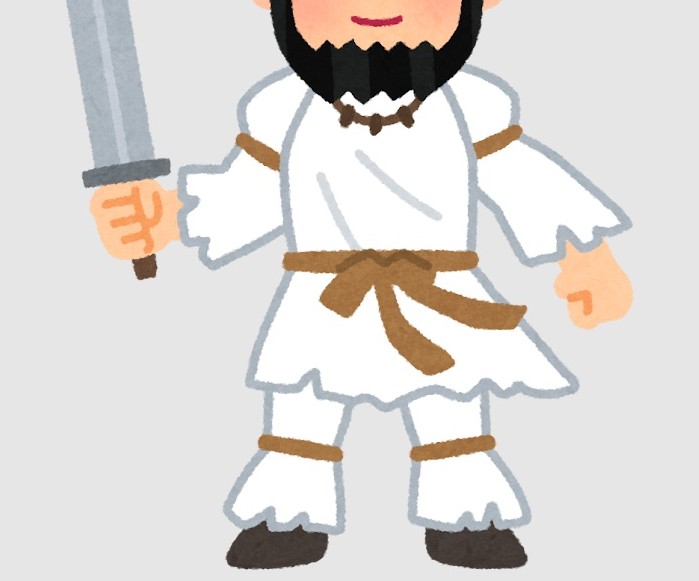
商談で訪日中の重要顧客から、ネットで見た「日本武尊/ヤマトタケルノミコト」について一体誰かを聞かれましたが、一体、どう説明すればよい?
Genji:源氏|日本の神社ウオッチャー&ブログガイド⛩️
こんにちは!genjiです。日本人なら誰でも知っている「日本武尊(ヤマトタケル)」ですが、単なる歴史や名前の解説だけでは、その壮大な冒険や悲劇の魅力を伝えきれず、「ふーん」で終わりがちです! 本記事では、現場でパッと話せて、ゲストが『Wow!』と知的好奇心を刺激される厳選フレーズをまとめました。 ゲストの趣味や関心に合わせて、「刺さるセリフ」をビュッフェ形式でピックアップして試してください!
※お急ぎの方は、気になるタイトルから、10秒チェック!
【パート1】日本武尊の正体:一言フレーズ
【パート2】ゲストの5大関心別!深掘り
1. この一言で腑に落ちる?
このパートのいずれかのワンフレーズでご納得いただけたらラッキーですね。もしだめなようでしたら、次のパートもお試しください。いつも通り、日本語で言えないことは英語でも言えませんので、日本語>英語順でご紹介します。
1.1 ギリシャ神話のヘラクレスに匹敵?
- ヤマトタケルノミコトは日本の古文書にも登場する神話的英雄で、ギリシャ神話のヘラクレスにも匹敵する国の象徴的な存在です。英語で説明するなら “The Great Hero of Ancient Japan, Yamato” といったところで、古代日本を武力で平定したと信じられています。世界中の神話に必ずいる「大スター」の一人でもあり、日本各地に点在する彼に関する展示を巡れば、あなたの母国の神話との思いがけない共通点にきっと嬉しい驚きを感じられるはずです。
- Yamato Takeru no Mikoto is a mythical hero who appears in ancient Japanese texts, and he stands as a national symbol comparable to Hercules in Greek mythology. His name is often explained in English as “The Great Hero of Ancient Japan, Yamato,” and he is believed to have unified ancient Japan through his military exploits. He is one of those legendary “superstar” figures found in the myths of many cultures. By exploring the various exhibits about him scattered across Japan, you may discover surprising parallels with the myths of your own homeland.
- 👉先ずは日本武尊の名前の意味を含めた基本情報紹介パターンで。いつも通りお相手の反応に合わせて説明できるよう、4文に分けました。具体的なアトラクションを聞かれた場合は、熱田神宮(草薙の剣)、金沢兼六園(銅像)等が挙げられますが、日本武尊でググれば他にも出てきます。
1.2 “日本版アーサー王”と呼べる存在?
- 彼は約二千年前にその武力と勇気によって日本列島を平定したと、公的な古文書に記される伝統的な英雄です。その波乱に満ちた生涯は、世界の英雄譚にしばしば見られる典型的な道筋をたどり、まさに“日本版アーサー王”と呼べる存在でしょう。現在に至るまで、演劇や文学、アニメなどにも影響を与え続けており、少し深掘りするだけで日本文化のルーツが見えてきますよ。
- He is a traditional figure described in official ancient documents as having unified the lands of ancient Japan through his bravery and military prowess roughly two thousand years ago. His turbulent life follows the classic arc shared by heroic figures in world mythology, and he could even be seen as the Japanese counterpart to King Arthur. His story continues to influence theater, literature, and anime to this day. By digging just a little deeper, you can begin to sense the roots of Japanese culture.
- 👉上述記事はヘラクレスをネタにしましたが、ここでは同じく海外で知名度の高いアーサー王伝説を使いました。有名なのは英国のアーサー王ですが、様々な国でキャラクター化されていますので、アーサー王でググれば詳細チェックできます。
2.次の補足でご納得?
残念ながら前パートで外した場合のフォローセリフ、いつも通りインバウンド視点を踏まえ関心別に置いてみました。また色々な表現を織り込む為に全体的にかなり長くなっていますので、お気に入りのフレーズあれば現場でも試してみる、そんな軽いノリでご利用ください。
2.1 建築(匠:たくみ)系
👉神話の舞台のような感覚を味わえる社?
- 古代のヤマトタケルの遠征ルートには、彼が「神を祀った」と伝えられる場所が数多く残されており、これらが後の神社建築の成立へと発展していきました。遠征先では、神々のための「仮宮(かりみや)」と呼ばれる一時的な祭祀空間を設けたとも伝わります。彼の伝承にゆかりのある日本各地の著名な神社を訪れれば、深遠な雰囲気をたたえる社殿の前で、まるで神話の舞台に立っているかのような感覚を味わえるでしょう。
- Along the ancient routes of Yamato Takeru’s expeditions are numerous sites where he is said to have “enshrined the gods,” traditions that later contributed to the development of major shrine architecture. During his journeys, he is believed to have erected temporary ritual structures for the deities, known as “temporary sanctuaries” or “provisional shrines.” Visiting the famous shrines across Japan connected to his legends, you may find yourself immersed in the profound atmosphere of their architecture, as though you’ve stepped onto the very stage of myth.
- 👉具体的には、熱田神宮、三峯神社、氷川神社などで伝承があると言われています。
2.2 ファッション系
👉ヤマトタケルファッションはジェンダーフリー?
- ヤマトタケルは、難敵を討つために「女装(変装)」したエピソードでもよく知られています。髪を解き、美しい女性の装いで敵の宴に潜り込んだという大胆なファッション戦略は、現代のアニメキャラクターにも大きな影響を与えています。彼をモチーフにしたファッションアイテムはオンラインショップでも手に入ります。性別はもちろん問いません。剛力の彼でさえ美しく装えたのですから、現代の男性ならなおさら自由に楽しめます。
- Yamato Takeru is well known for the episode in which he disguised himself as a woman to defeat a formidable enemy. He let down his hair, slipped into elegant women’s clothing, and infiltrated the enemy’s banquet — a bold fashion move that has influenced many modern anime characters. Today, you can even find fashion items inspired by his iconic look in online shops. Gender doesn’t matter; if someone as powerful as he could dress beautifully, modern men can enjoy that freedom even more.
- 👉今回ネタの他には 例えば歌舞伎の演目『ヤマトタケル』「スーパー歌舞伎」の豪華絢爛な衣装ネタなど興味を引くかもしれません。
2.3 アート系
👉ジャンヌ・ダルクの様な日本神話アート?
- ヤマトタケルは、著名な作家たちによる浮世絵や近代絵画にも数多く描かれており、作家ごとの多様な解釈によるさまざまな姿を楽しむことができます。その一部は東京国立博物館で定期的に展示されることもあります。中には、ジャンヌ・ダルクを描いた西洋絵画から着想を得たモダンな解釈のヤマトタケルもあり、きっとあなたのアートセンスを刺激してくれるでしょう。
- Yamato Takeru has been portrayed in numerous ukiyo-e prints and modern paintings by renowned artists, allowing viewers to appreciate the wide range of interpretations shaped by each artist’s vision. Some of these works are periodically exhibited at the Tokyo National Museum. Among them is a modern interpretation of Yamato Takeru inspired by Western depictions of Joan of Arc, a piece sure to spark your artistic imagination.
- 👉後半パートは『青木繁(Shigeru Aoki)』作品を引用しました。
2.4 フード系
👉草薙の剣で切った藁の香りのカツオのたたき?
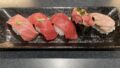
- 日本各地の名物料理の中には、ヤマトタケルが遠征先で残した逸話にちなんだものもあります。有名なのは、草むらで火に囲まれた彼が草薙の剣で草を薙ぎ払って脱出したという伝承に由来する地名を持つ港町です。この町は遠洋漁業の拠点で、新鮮なマグロやカツオ料理が味わえます。マグロを焼くのは惜しいので、ぜひ表面を軽く炙ったカツオの叩きを。藁で炙ったときの、草薙の剣が草を切り払ったようなほのかな焦げ香が楽しめるかもしれません。
- Among the regional specialties found throughout Japan, some are inspired by legends left behind by Yamato Takeru during his expeditions. One well‑known example is a port town named after the tale in which he escaped a burning grassland by cutting a path with the Kusanagi sword. The town is a major base for deep‑sea fishing, offering exceptionally fresh tuna and bonito. Since grilling tuna would be a waste, the lightly seared bonito tataki is especially recommended. You might even catch a faint hint of burnt straw, as if sliced through by the Kusanagi blade itself.
- 👉港町は焼津(Yaizu)、その他の例として山梨県の「ほうとう」ネタも使えます。
2.5 日本人系
👉日本人の滅びの美学のルーツ?
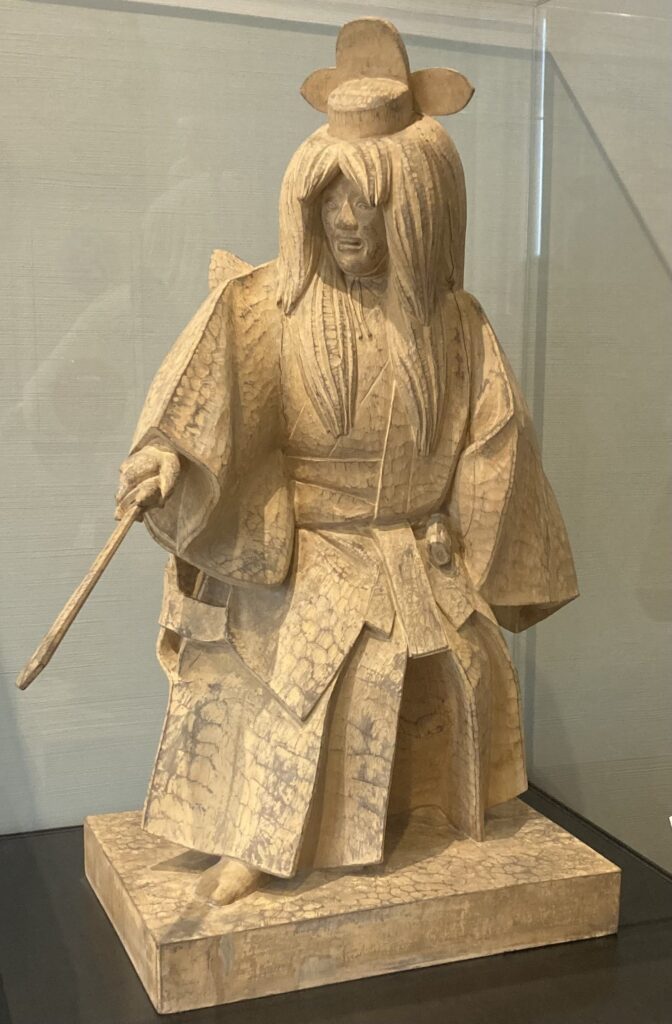
- 日本人は、伝統的に完璧な勝利者よりも、「不当な苦難に立ち向かい、志半ばで倒れた者」に強く共感します。これを「判官贔屓」と呼び、古代から現代まで多くの悲劇的英雄がこよなく愛され、中には神社に祀られる歴史的人物もいます。この自己犠牲の美学、滅びの美学のルーツは、日本武尊にさかのぼるのかもしれません。彼は自分の利益ではなく、父(天皇)や国のために孤独な戦いを続け、最後は報われることなく命を落としました。彼に限らず、多くの英雄ゆかりの地にもぜひ足を運んで、二千年変わらぬ美学を感じてみてください。
- Traditionally, the Japanese feel a stronger affinity for those who “confronted unjust suffering and fell before achieving their goals” than for flawless victors. This sensibility, known as a sympathy for the underdog, has led many tragic heroes to be deeply loved from ancient times to the present, with some even enshrined as deities. The roots of this aesthetic of self‑sacrifice — this fascination with noble ruin — may lie with Yamato Takeru. Fighting not for personal gain but for his father (the Emperor) and his country, he continued his lonely battles and ultimately died without reward. I encourage you to visit the various sites associated with him and other heroes, and experience an aesthetic that has remained unchanged for two thousand years.
- 👉👉今回も日本人ネタは雑談用に色々なフレーズを織り込んで長くなりましたので、少しでも何かご参考になればと思います。
🔸あとがき
🍁 源氏(Genji)
☝️ 今回も最後までお読みいただき、ありがとうございます。本ブログに関するご意見やご要望がございましたら、下記よりお気軽にお声がけください。