
こんにちは ‼ 🌸日本人の性格&歴史ガイド🌸のユイです!
観光業や接待、留学サポートの現場で頑張る皆さん、毎日お疲れ様です。✨
多忙な毎日、英語の準備に時間をかけられない…そんな皆さんのアシストをさせていただきます!
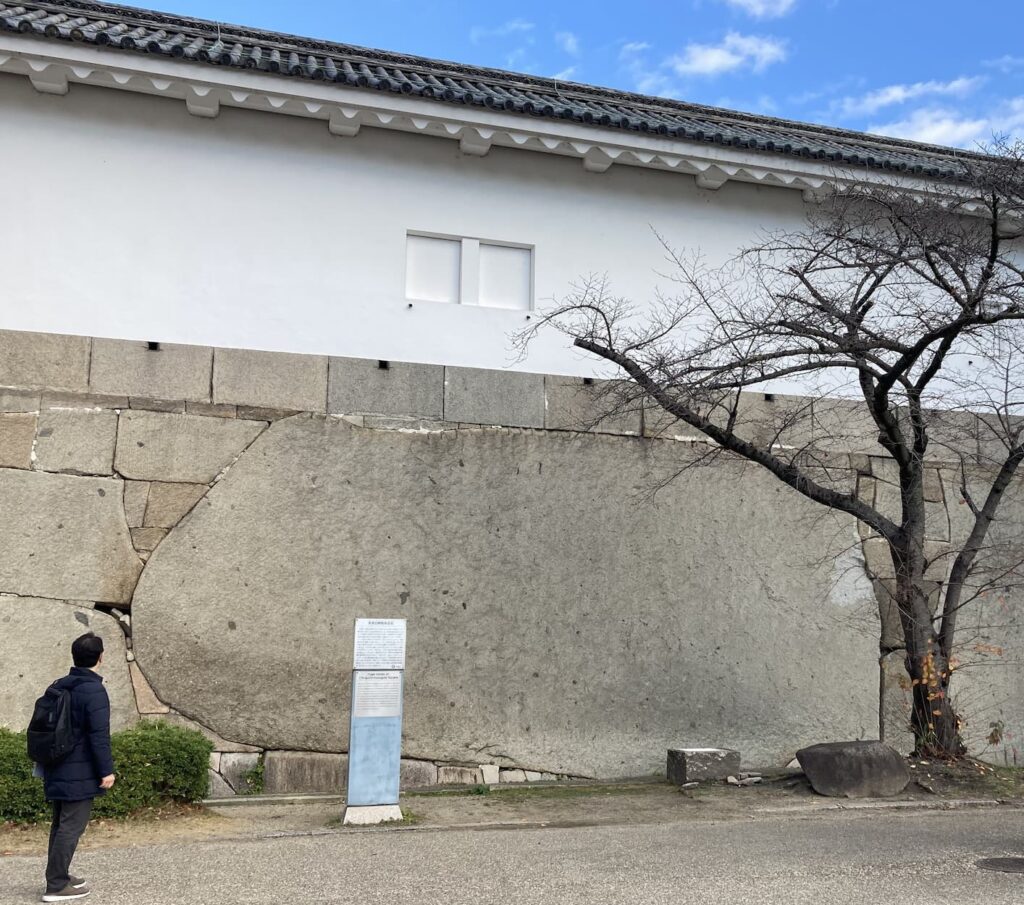
「どうしてこんな巨大な石を運べたの?」
大阪城の石垣を前に驚くゲストに、あなたが “You may well be surprised.” と伝えたとき、その響きはどう届くでしょうか。
「驚くのももっともです(共感)」か、それとも「たぶん驚くでしょうね(推測)」か。
一見シンプルに見える May well ですが、実はこの2つの顔を持っています。多忙な現場で「最高のおもてなし」を英語で届けたい方のための、超実践ガイドをお届けします。
👇 お急ぎの方は下記ボタンからお好みで
【A】本フレーズの意味&例文
まずは、本フレーズの二つの意味の違いを、例文を交えてご紹介します。
【A1】肯定的理解・共感を表す “~のももっともだ”
👉ニュアンス:相手の行動や考えを「理解できる」“understandably”「当然だ」“no wonder”と認めるときに使います。
Examples: You may well be tired after such a long trip.(そんなに長旅のあとなら、疲れるのももっともだ。)
She may well feel disappointed after the result.(その結果を見てがっかりするのも無理はない。)
💬 ヒント:「may well」は共感を示しています——相手の気持ちを理解していることを伝えています。
【A2】可能性・推測 “たぶん~だろう”
👉ニュアンス:高い確率で起こりそう “probably”、または妥当な推測“quite likely”を述べるときに使います。
Examples:
It may well snow tomorrow.(明日はたぶん雪が降るでしょう。)
This plan may well succeed.(この計画はうまくいく可能性が高い。)
💬 ヒント:「may well」はここでは論理的な予測を示しています——感情ではなく理性に基いて判断しているのです。
【A3】会話の中で見分ける方法
ここでは日常の会話や文章の中で両方のどちらの意味か判断する方法について補足説明します。
✅ Clue 1: 動詞または表現タイプから
動詞が感情、反応、または情緒を表す場合、ほぼ常にA1(もっともだ)の意味になります。
You may well feel disappointed. → “無理もない”
He may well be upset. → “怒るのも当然”
動詞が事実、出来事、または将来の可能性を表す場合、A2(たぶん~だろう)の意味になります。
It may well snow tonight. → “たぶん雪が降るだろう”
This idea may well work. → “うまくいくかもしれない(可能性が高い)”
✅ Clue 2: 話者の口調と感情から
話者の口調に共感、同意、理解が表れている場合、A1の意味になり、客観的または予測的な口調の場合、A2の意味になります。
🗣️ Examples
(Empathetic tone) “You may well be shocked.” → “それは驚くのも無理ないね。”
(Calm, analytical tone) “The price may well go up.” → “価格は上がる可能性が高い。”
✅ Clue 3: 時間への言及から
会話や文が既に起こったこと、または現在進行中のことを指す場合、それは往々にしてA1の意味で、文が未来のことを指す場合、それは通常A2の意味になります。
You may well feel tired after the long walk. → (after action) もっともだ
You may well feel tired tomorrow. → (future prediction) たぶん疲れるだろう
✅ Clue 4: 言い換える手法で
置き換えることでどちらの意味がフィットするかすぐに確認できます。
| 言い換えフレーズ例 | もしフィットすれば、その意味は |
|---|---|
| “It’s understandable that…” | Meaning A1(もっともだ) |
| “It’s probably…” / “It’s likely that…” | Meaning A2(たぶん~だろう) |
🧩 Example:
“You may well be angry.”
→ “It’s understandable that you’re angry.” ✅ (Meaning A1)
→ “It’s probably that you’re angry.” ❌
“It may well snow tonight.”
→ “It’s understandable that it snows tonight.” ❌
→ “It’s probably going to snow tonight.” ✅ (Meaning A2)
【A4】まとめ:Summary
| Quick Clue | Meaning |
|---|---|
| Emotion / Feeling | “もっともだ” (reasonable) |
| Fact / Prediction | “たぶん~だろう” (likely) |
| Past or present event | “もっともだ” |
| Future event | “たぶん~だろう” |
| Paraphrase fits “It’s understandable that…” | “もっともだ” |
| Paraphrase fits “It’s probably…” | “たぶん~だろう” |
【B】日常会話例(Private & Business)
ここでは、日常生活(プライベート&ビジネスシーン)で使われる会話例を通して、それぞれの違いをチェックできます。今回は【A3】パートの見分け方をベースにシンプルな5タイプの25会話に纏めましたので、単に理解するだけでなく、日本語の様に自然に見分けられる練習としてもご活用できます。
【B1】Emotion / Feeling(=「~するのももっともだ」)
これらは共感や理解を示すパターンです。→ 意味 = 合理的Reasonable/理解できるUnderstandable
①
A: You look a bit down today.
B: Yeah, I may well feel disappointed after failing the exam.
(試験に落ちたあとだから、がっかりするのも無理ないよ。)
②
A: He seemed angry after the meeting.
B: He may well be. His proposal was rejected again.
(怒るのも当然だよ。提案がまた却下されたんだから。)
③
A: She didn’t talk much at dinner.
B: She may well be tired after that long presentation.
(長いプレゼンのあとだし、疲れるのも当然だね。)
④
A: Why is Ken so nervous before the interview?
B: He may well be — it’s his first time meeting the CEO.
(そりゃ緊張するのも無理ないよ。初めて社長に会うんだから。)
⑤
A: The tourists looked overwhelmed in the market.
B: They may well be — it’s so crowded and noisy there.
(あそこは人も多くてうるさいから、圧倒されるのももっともだね。)
【B2】 Fact / Prediction(=「たぶん~だろう」)
これらは高い確率または論理的な推測を示すパターンです。→ 意味 = 可能性が高いhigh probability / ありそうなlogical guess
①
A: The sky’s getting darker.
B: It may well rain soon.
(たぶんすぐ雨が降るだろう。)
②
A: Sales are going up this month.
B: It may well be the best quarter of this year.
(今年で一番の四半期になるかもしれないね。)
③
A: Do you think this plan will succeed?
B: It may well work if we get enough support.
(十分な支援があれば、うまくいく可能性が高いね。)
④
A: The museum is crowded today.
B: It may well be because of the holiday.
(祝日だからだろうね。)
⑤
A: Will we see Mount Fuji tomorrow?
B: It may well appear in the morning — if the sky clears.
(空が晴れたら、たぶん朝に富士山が見えるだろう。)
【B3】Past or Present Event(=「もっともだ」系が多い)
既に起こったことや現在進行中のことを指す場合、通常は「もっともだ」パターンになります。
①
A: He’s still sleepy this morning.
B: He may well be — he worked until midnight last night.
(そりゃ眠いのも無理ないよ。夜中まで働いてたんだから。)
②
A: You look shocked.
B: I may well be — I just heard the company is closing.
(そりゃショックだよ。会社が閉まるって聞いたんだから。)
③
A: The kids are exhausted after the festival.
B: They may well be—it was a long day.
(そりゃ疲れるのも当然だよ。一日中だったもんね。)
④
A: Your hands are shaking.
B: I may well be nervous; I’m not used to speaking in public.
(緊張してるのも無理ないよ。人前で話すのは慣れてないから。)
⑤
A: She’s crying again.
B: She may well be sad; she lost her pet yesterday.
(悲しいのも無理ないよ。昨日ペットを失ったんだ。)
【B4】Future Event(=「たぶん~だろう」系が多い)
時間設定が明らかに未来にある場合、「高い可能性」パターンです。
①
A: The weather looks bad.
B: It may well snow tonight.
(今夜はたぶん雪が降るだろう。)
②
A: The new station opens next spring.
B: The area may well become even busier.
(地域はきっともっと賑やかになるだろう。)
③
A: The yen keeps dropping.
B: Prices may well rise again soon.
(物価はまたすぐ上がるかもしれない。)
④
A: Do you think tourists will come back next year?
B: They may well return if flights get cheaper.
(航空券が安くなれば、たぶん戻ってくるだろう。)
⑤
A: We haven’t finished planning yet.
B: It may well take another week or so.
(あと1週間はかかるかもしれないね。)
【B5】会話の言い換えパターン
「それは理解できることだ」“It’s understandable that…”や「おそらく…」“It’s probably…”と置き換えて、どちらの意味が合うか判断するパターンです。ここでは会話形式でなく2文目は1文目を言い換えたものです。
①
A: You may well be nervous about your first tour.
→B :It’s understandable that you’re nervous. ✅
(初めてのツアーだから緊張するのも無理ない。)
②
A: It may well be difficult to book a table tonight.
→B:It’s probably going to be difficult to book a table.✅
(今夜は予約を取るのがたぶん難しいだろう。)
③
A: You may well feel proud of your work.
→B:It’s understandable that you feel proud. ✅
(自分の仕事を誇りに思うのも当然だ。)
④
A: It may well rain before we reach the temple.
→B:It’s probably going to rain. ✅
(お寺に着く前にたぶん雨が降るだろう。)
⑤
A: He may well be angry about the delay.
→B:It’s understandable that he’s angry. ✅
(遅れたことに怒るのも無理ない。)
【C】訪日外国人案内例文(Guide Scene)
ここではインバウンドへの説明例文として、5つの観光地を今回の二つの用法を使ってご説明できるシチュエーションでまとめました。ご自身の好みやその場の相手の反応に合わせて両用法を自由に使い分けられることを目指します。
【C1】こんな石垣をどうやって?@大阪城公園で
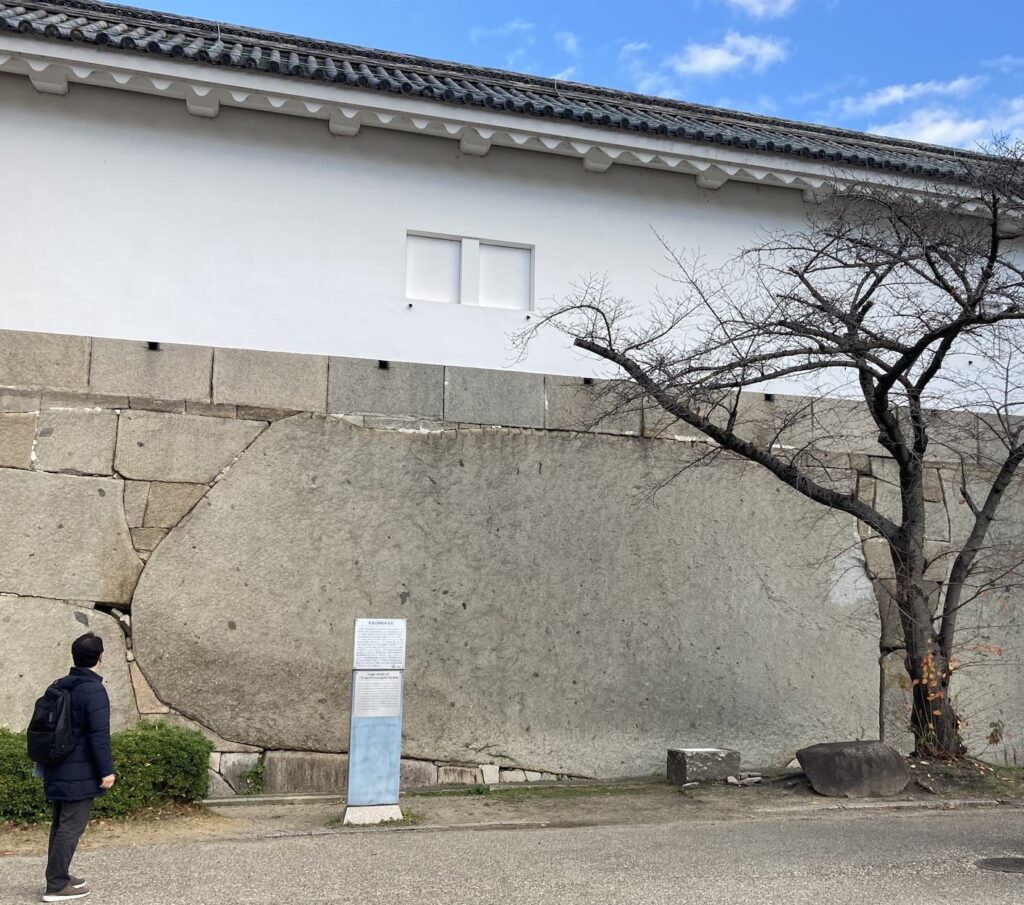
a. “もっともだ!”共感型ガイド
Most visitors may well be impressed by how skillfully these enormous stone walls were built without any modern machinery.(現代の機械なしでこれを築いたのだから、殆どの人が感心するのももっともです。)
b.“たぶん!”説得型ガイド
The feudal lords assigned to this task may well have accomplished it out of loyalty to their masters and a strong sense of rivalry, not wanting to be outdone by other daimyo.
(これを割り当てられた各大名達は殿様への忠誠心と他の大名に負けたくない競争心からこんなことをやり遂げたのでしょう。)
【C2】どうして命を懸けてまで?@東京品川泉岳寺で
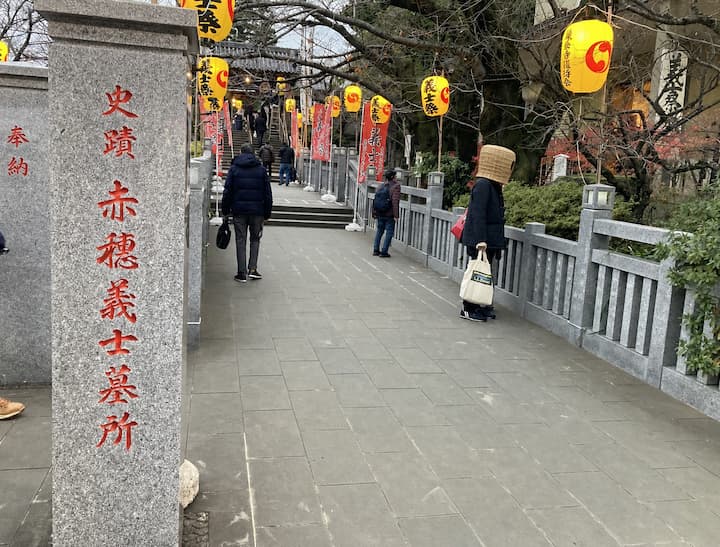
a. “もっともだ!”共感型ガイド
The samurai may well have felt proud to protect their lord’s honor — even at the cost of their lives — given their values.(侍たちの価値観を思えば、彼らが文字通り命を懸けて主君の名誉を守ったのももっともだと思えます。)
b.“たぶん!”説得型ガイド
From a samurai’s point of view, living on with one’s honor tarnished was a disgrace, so dying beautifully may well have been their heart’s true desire.(侍たちの価値観からすれば、名誉を傷つけられて生き続けることは恥ずべきことなので美しく死ぬことは本望だっとでしょう。)
【C3】どうしてこんな空間が?@金沢玉泉園庭園で
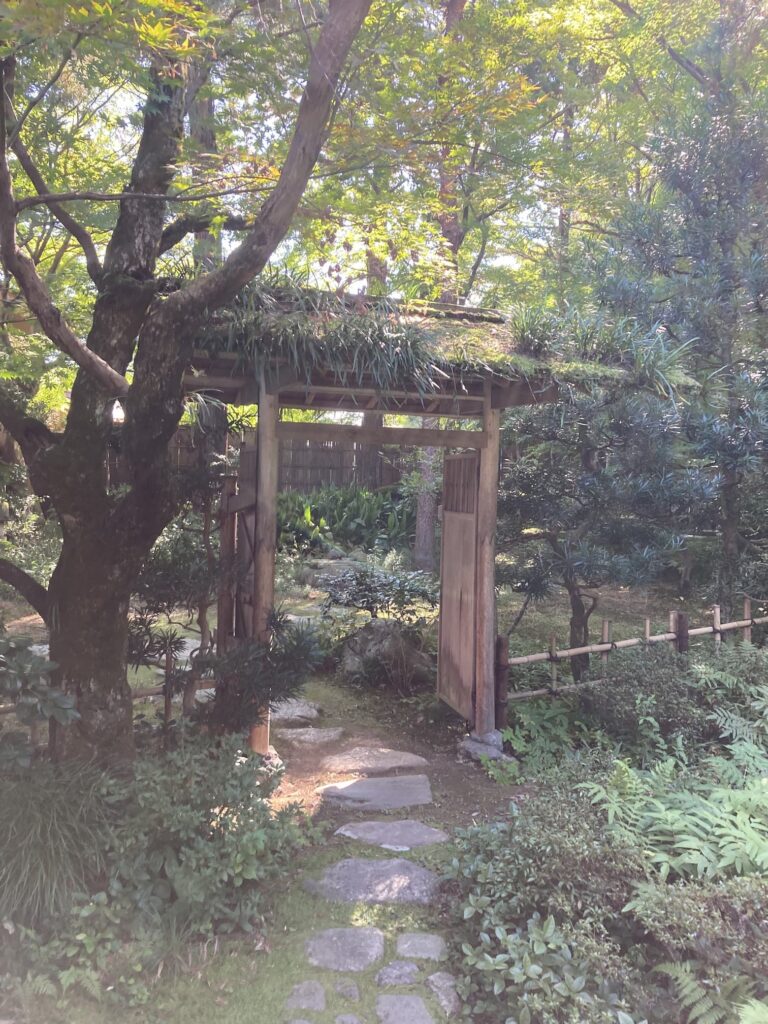
a. “もっともだ!”共感型ガイド
After spending time in such calm and harmony, you may well feel how deeply Japanese people have cherished moments like this.(この静かな空間を体験すると、日本人がこれをいかに大切に思ってきたかを感じるのも無理ないですね。)
b.“たぶん!”説得型ガイド
This tranquil space may well be regarded as the crowning achievement of Japanese culture, refined over centuries to embody a sense of ultimate comfort.(この静かな空間は、日本人が数百年かけて、最も心地よく作り上げてきた日本文化の最高傑作と言えるでしょう。)
【C4】石と砂しかないのに?@京都龍安寺で
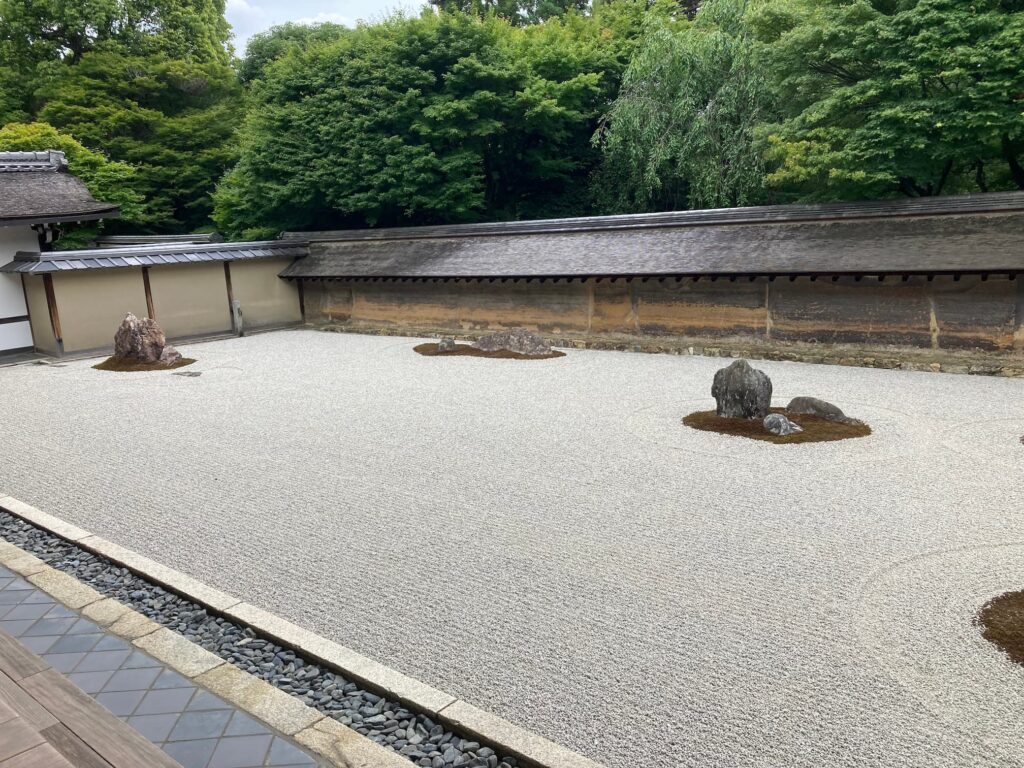
Ryoanji Kyoto | early summer
a. “もっともだ!”共感型ガイド
Visitors may well feel a sense of peace, as this garden was designed to let them reflect on themselves through its emptiness.(この庭は、何もない中に自分を映すよう設計されているため、訪れる人が安らぎを感じるのももっともです。)
b.“たぶん!”説得型ガイド
The intentionally created “empty space,” or margin, may well accentuate the garden’s elements, inviting viewers to sense its depth and vastness.(意図的に設けられた「空の空間(余白)」が、庭の構成要素を引き立たせ、奥行きや広大さを感じさせるのでしょう。)
【C5】今はこんな美しいのに?@京都千本釈迦堂で
a. “もっともだ!”共感型ガイド
After losing most of the cityscape during a decade-long war, people at that time may well have felt utterly helpless.(十年も続いた戦乱で街並みの大半を失った時、当時の人々が無力感を覚えたのも無理はありません。)
b.“たぶん!”説得型ガイド
Having endured a decade of civil war, this city may well have developed a unique charm — like a person who has lived through deep sorrow.(十年も続いた戦乱を経験したことでこの街は深い悲しみを経験した人間の様に独特な魅力を増したと言えるでしょう。)
御礼&後書き

👆 今回も最後までお読みいただき、ありがとうございます。
本ブログに関するご意見やご要望がございましたら、下記より、お気軽にお声がけくださいね。