本ブログは観光業、企業接待、留学生対応等で英語案内が必要ながら、多忙で準備に時間をかけられない方々の為にすぐに使える情報を分かりやすく解説しています。
今回は『天守閣・堀を英語で案内|日本の城で笑いも取れる通訳ガイド解説術』の《8.御殿>8.1 基本情報》のA級者用(日→英の対応が必要な方)向け演習Dツールです。
👉ショートカット&リンクについて!①最初に音声で学習されたい方はそのままお進みください。➁最初に原文を確認されたい方はへ【原文:日英】➂Glossary(用語集)音声チェックされたい方はこちらから。➃本編ブログを参照されたい方は『天守閣・堀を英語で案内|日本の城で笑いも取れる通訳ガイド解説術』の解説を読むへ。⑤音声ツールの概要を参照されたい方は『演習ツール』まで!
8. 御殿
8.1 基本情報
本編ブログの通り10文を前半(1-5)と後半(6-10)の2ファイルで演習をいたします。また日本語は演習用に不自然にならない範囲で英語の語順に合わせたり対訳表現に修正しています。
D1:日英確認用:『日本語』”英語”対訳
👉文単位で日本語の後に英訳が續きますので、内容の確認ができます。
D2:口頭即訳用:『日本語』のみ(ポーズ間に英訳)
👉各日本語文の後はポーズになっていますので、その間に英訳できます。
D3:リピーティング用:”英語”のみ(ポーズ無し)
👉英語音声のみが(ポーズなく)続きますので復唱ができます。
D4:内容チェック用:”英語”のみ(低速版:or同通演習用)
👉英語音声(ポーズなし)を低速版で復唱or同時通訳の演習ができます。速さはいつも通り約120wpm(約85%低速版)です。
【原文:日英】
≪日本語≫
- 日本の城は、戦国時代の天守閣を中心とした軍事施設から変化して、平和な行政と生活の中心となり、大きな伝統的邸宅である御殿に焦点がおかれました。
- 御殿は、大名領主とその家族の主たる住まいとして城郭内に建てられました。その豪華で壮麗な様式は、彼らの権威と富を誇示するものでした。
- 御殿は、重要な儀式を行う場でもありました。その特徴は多くの大広間があることで将軍や高位の武士を迎えるためでした。
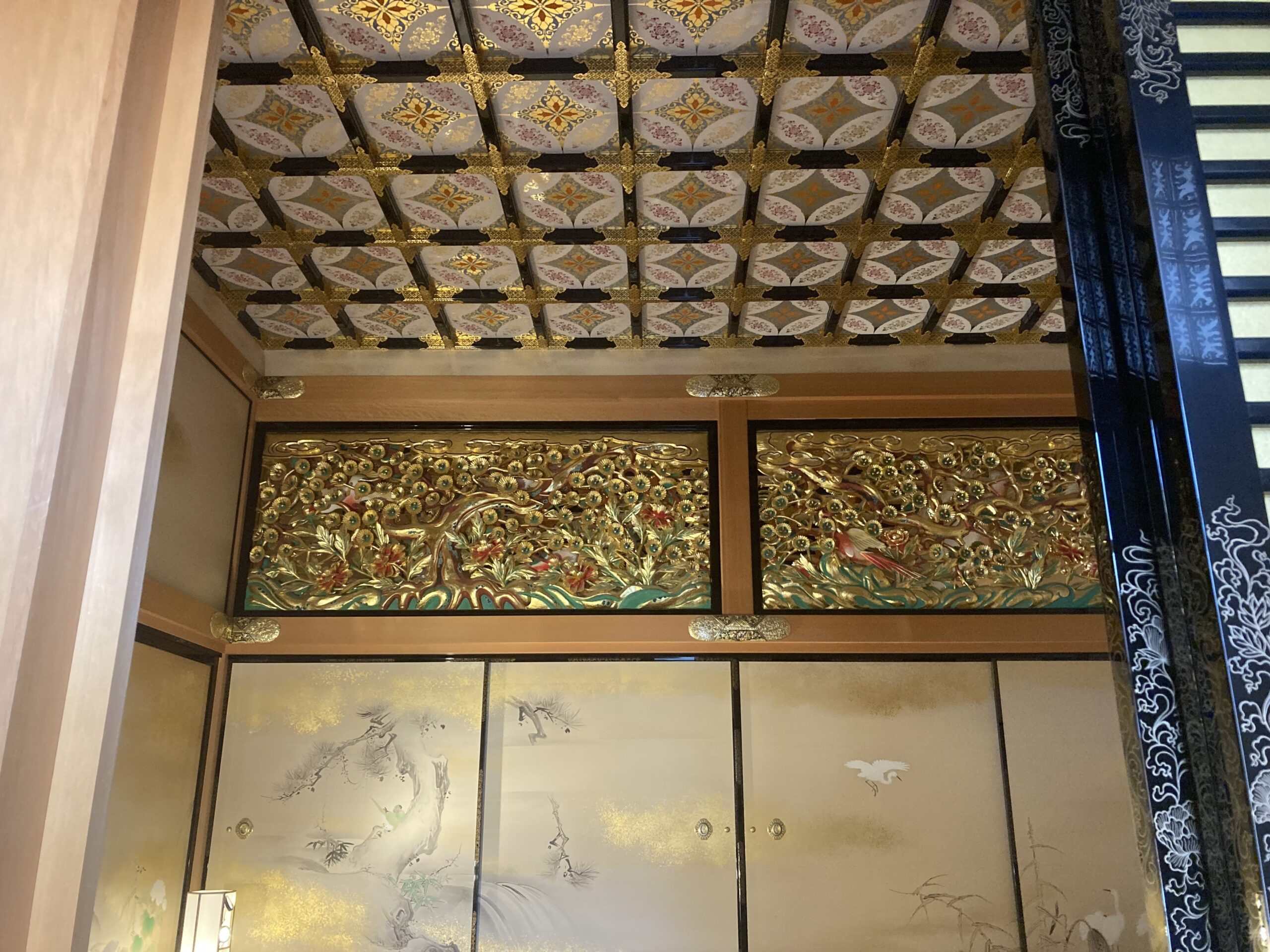
- 武家屋敷の最高級の様式として、御殿は優雅な書院造りを基本としました。その特徴は折り上げ格天井の様なものが付加された荘厳な外観で領主の好みに合わせられました。
- 襖(ふすま)や壁は、豪華な虎や松の絵で飾られていて、将軍や領主の権力を象徴とされました。これらは、来客を感動させ、威圧することも、しばしば意図されていました。
- 御殿は巨大な多機能建築物でした。そこには能舞台のような娯楽エリア、家臣を伴う役人の執務室、そして正室や側室の居住エリアが含まれました。
- 侍の時代が終わった後、多くの御殿は新政府や軍による火災や取り壊しで失われました。今日、京都や金沢など、ごく一部しかオリジナルの建物は残っていません。
- 現在、訪問者が見る御殿のほとんどは、古文書や歴史的な図面に基づいて忠実に復元されたものです。それらは、オリジナルの建物の外観と雰囲気を保っています。
- 御殿の中で、領主とその家族は快適で文化的な生活を送っていて、能や茶の湯、和歌を詠むなど、殆ど現代人の様でした。
- 当時の将軍や領主にとって重要な役割は、できるだけ多くの子孫を残すことであり、正室のエリアは御殿の重要な部分でした。
《英語》
- Japanese castles shifted from being solely military facilities centered around the tenshukaku (main tower) during the Warring States period to peaceful centers of administration and daily life focused on the goten, a large traditional mansion.
- The goten was built within the castle grounds as the main residence for the feudal lord (daimyo) and their family. Its lavish and magnificent style demonstrated their authority and wealth.
- The goten was also a crucial site for important ceremonies. It featured many large halls to welcome the shogun and other high-ranking samurai.
- As the highest form of samurai residence, the goten was based on the elegant shoin architectural style. It featured a grand appearance with elements like raised coffered ceilings added to suit the lord’s taste.
- The sliding doors(fusuma) and walls were decorated with opulent paintings of tigers and pine trees, symbolizing the shogun’s or lord’s power. These were often intended to impress and even intimidate guests.
- The goten was a massive, multi-functional building. It included entertaining areas like a Noh drama stage, offices for officials and vassals, and living areas for consorts and sometimes even concubines.
- After the end of the samurai era, many goten were lost due to fire or demolition by the new government and military. Today, only a few original structures remain, such as those in Kyoto and Kanazawa.
- The majority of goten visitors see today are faithful restorations based on ancient documents and historical drawings. They preserve the appearance and atmosphere of the original buildings.
- Within the goten, the lord and their family lived comfortable, cultured lives, enjoying activities like Noh drama, the tea ceremony, and composing waka poetry, much like modern people.
- A key role for shoguns and feudal lords was to produce as many heirs as possible, so the area designated for consorts was a vital part of the goten.
Glossary:用語集&音声ツール
👇音声ツールは下記3種です。❶日本語>英語(内容チェック用)❷日本語>無音(2秒ポーズ:英訳用)❸英語>無音(2秒ポーズ:反復用or和訳用)
the Warring States period☛ 戦国時代/a large traditional mansion☛伝統的大邸宅(御殿)/within the castle grounds☛城の敷地内に/lavish and magnificent style☛豪華絢爛な様式/raised coffered ceilings☛格天井/suit the lord’s taste☛主人の好みに合う/opulent paintings☛豪華な絵画/consorts and concubines☛正室と側室/demolition☛ 解体/faithful restorations☛忠実な復元/live comfortable, cultured lives☛快適で教養ある生活を送る/composing waka poetry☛和歌を詠む/produce as many heirs as possible☛できるだけ多くの子孫を残す
御礼🔶後書き
🔶🔶最後までご覧いただき、誠にありがとうございました! 本ブログに関するご意見やご要望がございましたら、メニューの📧Assistance & Services📞よりお気軽にお声がけください。Gold🔶v4a.4a.1b/S1