ブログ里山ガイド
日本語ではどれも同じ「皮」ですが、英語の世界はそんなに甘くありません。
りんごの皮(Skin)を剥いたらPeelになり、 スイカの厚い皮はRind、 トウモロコシならHusk……。 もしスノーモンキーの「厚い毛(Fur)」を「厚い皮膚(Skin)」と誤解して伝えたら、 お客様は少しホラーな想像をしてしまうかも?
この記事を読み終える頃には、あなたの英語もきっと「一皮むけて」いるはずです!
A:日常14語の意味&違い
まずは今回フレーズの夫々の意味と違いをご紹介します。A1. 食品(果物/野菜)については紛らわしいので具体例(Common items)を置いています。👇英語音声は全て同じ米国女性話者です。
A1. 食品(果物/野菜)🥭
1. Skin:自然な柔らかい外皮
- Definition: 人や動物、果物の外側の薄い層を意味します。
- Difference: 柔らかく自然なもの、しばしば食べられるか生き物や果物に使われますが、ナッツのような硬いものには使われません。
- Common items:
- 果物/野菜→ りんごの皮、ぶどうの皮、桃の皮、トマトの皮、じゃがいもの皮
- 人/動物 → 人の肌、蛇の脱皮した皮、魚の皮(湯引きなど)
- 👆魚の皮については、生きている状態は「Scales(鱗)」に覆われていますが、料理としての皮は「Skin」です。
- 他 → 鼓皮(太鼓の胴体に張られた革)
- Sentence: Japanese apples often have a red skin.☛日本のリンゴの皮は赤い。
2. Peel:剥かれる皮
- Definition: 通常「peel」とは果物や野菜の皮を指し、特に取り除く場合を指します。
- Difference: “skin” と似ていますが、剥く時や剥いたものについて使われます。🔹 “Skin” = まだ付いている状態。🔹 “Peel” = 取り除かれたものを指すことが多い。
- Common items:
- 柑橘類 → オレンジの皮、レモンの皮、バナナの皮
- その他 → きゅうりの皮(cucumber peel)、りんごの皮(after peeling:皮をむいた後)、じゃがいもの皮
- Sentence: He threw away the banana peel.☛ 彼はバナナの皮を捨てた。
3. Rind:厚くて硬めの皮
- Definition: 厚く、硬く、または革のような覆いで、例えば厚くて硬い果物やチーズの外皮を指しますが、しばしば食べられないものにも使われます。
- Difference: 「skin」「peel」より硬いものを指し、スイカやレモンで使われます。
- Common items:
- 果物 → スイカの皮(watermelon rind)、メロンの皮、柑橘類の皮(オレンジ、レモン、ライム)
- 食品 → チーズの皮(パルメザン、ブリー)、ベーコンの皮(豚肉の硬い縁)
- 樹木/植物(あまり一般的ではない)→ tree rind(barkに似ているが、あまり使われない)
- Sentence: The lemon rind adds flavor.☛ レモンの皮は風味を加える。
4. Shell:割って開ける硬い外殻
- Definition: 卵、ナッツ、一部の動物の硬い外殻に使われます。
- Difference: いつも硬い状態で、割らないと開けられないもの、硬い外側の覆いで、中へ到達するには割るか砕く必要があるものを指します。
- Common items:
- ナッツ → クルミの殻(walnut shell)、ピーナッツの殻、アーモンドの殻
- 卵類 → 卵の殻(eggshell)
- シーフード → 牡蠣の殻(oyster shell)、蟹の殻(crab shell)、エビの殻(shrimp shell)
- 弾丸/弾薬 → 弾丸の殻
- Sentence: The egg shell is fragile. ☛ 卵の殻はもろい。
5. Husk:乾いた外皮
- Definition: 種子、米、トウモロコシの乾いた外皮で使われます。
- Difference: 「peel」「rind」と違い、瑞々しさがなく、乾いている状態を意味します。
- Common items:
- 穀物(Grains ) → 籾殻(rice husk)、麦殻(wheat husk)、大麦殻(barley husk)
- 種子・ナッツ類(Seeds/nuts)→ トウモロコシの皮(corn husk)、ココナッツの殻(coconut husk)、ヒマワリの殻(sunflower husk)
- その他 →乾燥して繊維質のもの。硬い“shell”ではないもの
- Sentence: Corn husks are removed before cooking. ☛ とうもろこしの皮は料理の前に取り除く。
A2:自然/植物 🌳
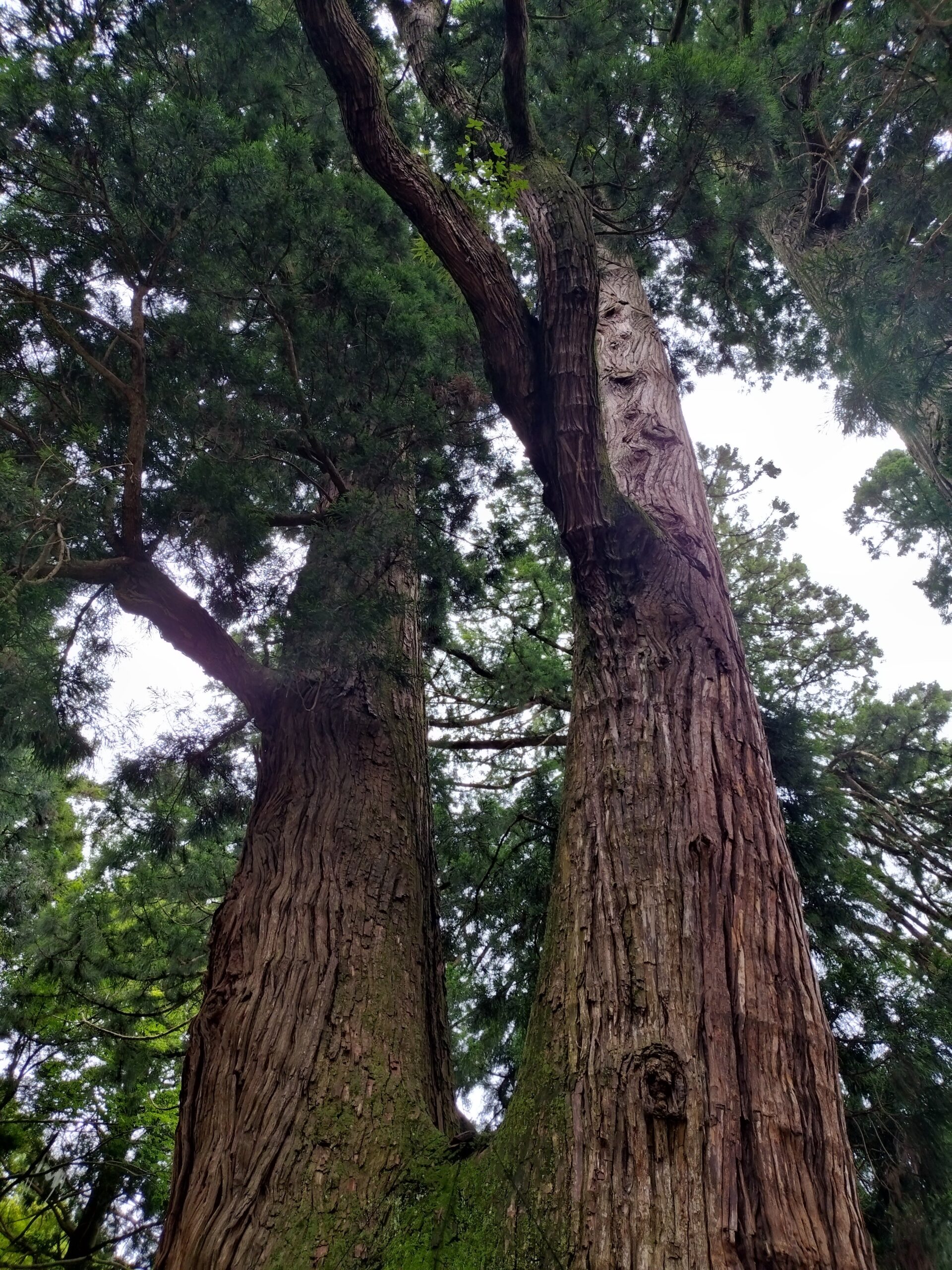
6. Bark:樹木の外皮
- Definition: 木の幹の外側を覆う粗い部分に使われます。
- Difference: 木だけに使われ、果物には使われません。
- Sentence: The bark of cherry trees is smooth and shiny.☛ 桜の木の樹皮は滑らかでつややかです。
A3:対象物/材料 🏯
7. Cover:隠し覆う皮
- Definition: ご存知の通り、何かを守ったり隠したりするために上に置くものに対し使われます。
- Difference: 自然のものではなく、通常は人が作ったものを指します。
- Sentence: Please put the cover on the book. ☛ 本にカバーをかけてください。
8. Coating:薄く塗られた皮
- Definition: これも日本語化していますが表面に塗られた薄い層に使われます。
- Difference: 自然にでなく、塗ったりかけたりしたもの、例えば塗料やチョコレートに使われます。
- Sentence: The donut has a sugar coating.☛ドーナツには砂糖のコーティングがある。
9. Film:とても薄い膜
- Definition: とても薄い表面の層に使われます。
- Difference: 「coating」よりさらに薄い状態で、水に浮いた油の様に自然にできるものにもよく使われます。
- Sentence: There is a thin film of oil on the soup.☛ スープに油の薄い膜がある。
10. Layer:重なる複数の層
- Definition: 重なった層の中の一つの層に対し使われます。
- Difference: 広く使われている用語で、複数の層がある場合に使われます。
- Sentence: The cake has three layers.☛そのケーキは三層になっている。
11. Surface:あらゆる物の外側/表面部
- Definition: ある物の外側や表面部分に対し使われます。
- Difference: とても一般的な表現で、食べ物や自然物に限らず使われています。
- Sentence: The table surface is smooth.☛テーブルの表面は滑らかだ。
A4:生き物 🐟
12. Fur:柔らかい毛皮
- Definition: 動物を覆う柔らかい毛に対し使われます。
- Difference: 哺乳類だけに使われ、鳥や魚には使われません。
- Sentence: The cat’s fur is soft.☛ 猫の毛は柔らかい。
13. Feathers:鳥を覆う羽
- Definition: 鳥を覆う羽に対し使われます。
- Difference: 鳥専用語で、毛やうろこと区別されます。
- Sentence: The bird’s feathers are colorful.☛ その鳥の羽は色鮮やかだ。
14. Scales:魚類&両性類の鱗
- Definition: 魚や爬虫類(reptiles)を覆う硬い鱗を指します。
- Difference: 毛や羽と違い、硬くて光る点で区別されます。
- Sentence: Fish scales are shiny. ☛ 魚の鱗は光っている。
B: 日常生活例文
ここでは日常生活(私的&職場)で使われる会話例文で夫々の違いをチェックできます。👇英語音声は全て同じ米国男性&女性話者です。
B1.Food (Fruits / Vegetables)
1. Skin – Friends about an apple
A: The apple’s skin is so red.
B: Yeah, it looks delicious.
A:リンゴの皮がとても赤いね。
B:うん、美味しそうだね。
2. Peel – Family at breakfast
A: Can you throw away the orange peel?
B: Sure, I’ll put it in the trash.
A:オレンジの皮を捨ててくれる?
B:いいよ、ごみ箱に入れるね。
3. Rind – Friends cooking
A: Should we use the lemon rind for flavor?
B: Yes, it makes the cake taste fresh.
A:レモンの皮を風味に使う?
B:うん、ケーキがさっぱりするよ。
4. Shell – Children with eggs
A: Don’t break the egg shell!
B: Oops, it’s already cracked.
A:卵の殻を割らないでね!
B:あっ、もうひびが入っちゃった。
5. Husk – Farmers at harvest
A: The rice husks are so light.
B: Yes, the wind blows them away easily.
A:米のもみ殻はすごく軽いね。
B:うん、風ですぐ飛んでいくよ。
B2.Nature / Plants
6. Bark – Family in a park
A: This tree’s bark feels rough to the touch.
B: Careful, it might scratch your hand.
A:この木の樹皮はざらざらしてるね。
B:気をつけて、手をひっかくかもよ。
B3.Objects / Materials
7. Cover – Bookstore staff and customer
Staff: Do you want a plastic cover for this book?
Customer: Yes, please.
店員:この本にビニールカバーをお付けしますか?
客:はい、お願いします。
8. Coating – Friends eating donuts
A: This donut has a sugar coating.
B: That’s why it’s so sweet.
A:このドーナツは砂糖のコーティングがあるね。
B:だからこんなに甘いんだ。
9. Film – Students in science class
A: There’s a thin film of oil floating on the water.
B: Yeah, I can see it shining.
A:水の上に薄い油の膜があるよ。
B:うん、光ってるのが見えるね。
10. Layer – Café staff and customer
Staff: The cake has three layers of cream.
Customer: Wow, it looks amazing!
店員:このケーキはクリームが三層です。
客:わあ、すごく美味しそう!
11. Surface – Children drawing
A: The surface of the table is smooth.
B: Perfect for drawing pictures.
A:テーブルの表面はつるつるだね。
B:絵を描くのにちょうどいいよ。
B4.Living Beings
12. Fur – Pet shop staff and customer
Staff: This rabbit’s fur is very soft.
Customer: Wow, it feels nice to touch.
店員:このウサギの毛はとても柔らかいですよ。
客:わあ、触ると気持ちいいですね。
13. Feathers – Friends at a zoo
A: That peacock’s feathers are so colorful.
B: They look like a painting!
A:あのクジャクの羽はすごくカラフルだね。
B:絵みたいに見えるよ!
14. Scales – Fisherman and child
Child: The fish scales are shiny!
Fisherman: Yes, they sparkle in the sun.
子供:魚の鱗がキラキラしてる!
漁師:そうだよ、太陽に光ってるんだ。
C: 訪日外国人案内例文
ここでは、インバウンドへのご説明例文で今回用語の再チェックできます。今回は様々な日本の食べ物や動物、日本人の好みや文化をご紹介するシチュエーションで纏めてみました。
C1.日本の食をご紹介!
1. Skin (リンゴの皮)
“The skin of Japanese apples is often eaten because it’s thin and sweet.”
☛日本のりんごの皮は薄くて甘いので、そのまま食べることが多いです。
2. Peel (柿の皮)
“We Japanese usually peel persimmons before eating them, but some locals enjoy them with the peel.”
☛私たち日本人は普通、柿の皮をむいて食べますが、皮ごと食べる人もいます。
3. Rind (柚子の皮)
“The rind of a yuzu citrus is often used to add fragrance in Japanese cuisine.”
☛柚子の皮はしばしば日本料理で香り付けに使われます。
4. Shell (Food)
“In Kyoto, black beans are often roasted and eaten with their thin shell.”
☛京都では黒豆を炒って、薄い殻ごと食べることがあります。
5. Husk (トウモロコシの皮)
“Dried corn husks have traditionally been hung at store entrances in Kanazawa’s Higashi Chaya district as amulets for good business.”
☛ 金沢のひがし茶屋街では昔から商売のお守りとしてお店の入り口にトウモロコシの皮が下げられます。
C2.日本の自然をご説明!
6. Bark (桜の樹皮)
“The cherry tree’s bark is smooth and shiny, different from the rough bark of cedar trees.”
☛桜の樹皮は滑らかで光沢があり、杉のゴツゴツした樹皮とは違います。
C3.日本人の繊細さを提案!
7. Cover (巻物の布カバー)
“In old Japan, people made a cloth cover to protect precious books and scrolls.”
☛昔の日本では、大切な本や巻物を守るために布のカバーを作りました。
8. Coating (漆器の塗り面)
“Traditional lacquerware has a shiny lacquer coating made from natural tree sap.”
☛伝統的な漆器には、天然の樹液で作られた光沢のある塗りが施されています。
9. Film (味噌汁の油膜)
“On miso soup, you may notice a thin film of oil from the broth.”
☛味噌汁の上に、出汁から出た油の薄い膜が浮かぶことがあります。
10. Layer (城の壁の層)
“This castle wall was built with many layers of soils based on straw and bamboo frameworks, showing great skill.”
☛この城の壁は藁と竹の骨組みに土の層を重ねて作られていて、高度な技術を示しています。
11. Surface (寺の池の表面)
“The surface of this temple’s pond is so still, it reflects the whole garden like a mirror.”
☛この寺の池の表面はとても静かで、庭全体を鏡のように映し出します。
C4.日本の動物の魅力をご案内!
12. Fur (野生猿の毛の外皮)
“Snow monkeys in Nagano survive the winter with their thick fur.”
☛長野のスノーモンキーは、厚い毛皮で冬を乗り切ります。
13. Feathers (鶴の微細な羽の面)
“The crane is admired in Japanese art as a symbol of longevity, often depicted with finely detailed feathers.”
☛ 鶴は長寿の象徴としてその微細な羽が日本美術でよく描かれます。
14. Scales (錦鯉の鱗の模様)
“Koi fish have colorful scales, and each pattern has a special meaning in Japanese aesthetics.”
☛ 錦鯉の鱗は色鮮やかで、それぞれの模様には日本の美意識における特別な意味があります。
御礼🔶後書き
👆 今回も最後までお読みいただき、ありがとうございます。
本ブログに関するご意見やご要望がございましたら、下記メニューの [Assistance & Services] より、お気軽にお声がけくださいね。