本ブログは観光業、企業接待、留学生対応等で英語案内が必要ながら、多忙で準備に時間をかけられない方々の為にすぐに使える情報を分かりやすく解説しています。
今回は『天守閣・堀を英語で案内|日本の城で笑いも取れる通訳ガイド解説術』の《2.日本の城(全般)>2.1 基本情報》のA級者用(日→英の対応が必要な方)向け演習Dツールです。
👉ショートカット&リンクについて!①最初に音声で学習されたい方はそのままお進みください。➁最初に原文を確認されたい方はへ【原文:日英】③③本編ブログを参照されたい方は『天守閣・堀を英語で案内|日本の城で笑いも取れる通訳ガイド解説術』の解説を読むへ。④音声ツールの概要を参照されたい方は『演習ツール』まで!
2.日本の城(全般)
2.1 基本情報
本編ブログの通り10文を前半(1-5)と後半(6-10)の2ファイルで演習をいたします。また日本語は演習用に不自然にならない範囲で英語の語順に合わせたり対訳表現に修正しています。
D1:日英確認用:『日本語』”英語”対訳
👉文単位で日本語の後に英訳が續きますので、内容の確認ができます。
D2:口頭即訳用:『日本語』のみ(ポーズ間に英訳)
👉各日本語文の後はポーズになっていますので、その間に英訳できます。
D3:リピーティング用:”英語”のみ(ポーズ無し)
👉英語音声のみが(ポーズなく)続きますので復唱ができます。
D4:内容チェック用:”英語”のみ(低速版:or同通演習用)
👉英語音声(ポーズなし)を低速版で復唱or同時通訳の演習ができます。速さはいつも通り約120wpm(約85%低速版)です。
【原文:日英】
≪日本語≫
- 古代より、日本では砦として知られる原始的な防御施設があり、建てられたのは支配地域を守るためでした。
- 現在残る城の多くは約400〜500年前の戦国時代に著しく発展しました。
- 元々城は監視や防御のための高台に築かれた山城が主で、軍事機能が優先されました。
- 戦乱時代の終結にともない、ほとんどの城は政治・経済・文化の中心へと変貌しました。
- 城の立地も山城から平山、平地へと変わり、石垣、天守閣などの大規模な構造物に発展しました。
- 最盛期には全国に300近い城があり、各領主は独自に工夫を凝らして権威を示すようになりました。
- 約260年続いたサムライ将軍の時代に、城中心の城下町が栄え、現代日本の生活スタイルと文化の基盤となりました。
- 武士の時代の終焉と共に城はその目的を失い、多くは取り壊されるか放置されて廃墟となりました。
- 幸運にも12のお城は維持保存され、姫路城も残って、ユネスコ世界遺産として知られています。
- 多くのお城は観光用に復元され、展示に特化しているので、訪問者たちは当時の権力や匠の技や、日々の暮らしを鑑賞することができます。
≪英語≫
- Since ancient times, Japan has had primitive fortifications known as forts, built to protect controlled territories.
- Many of the castles that remain today were developed significantly during the Warring States period, approximately 400 to 500 years ago.
- Initially, castles were primarily mountain fortresses built on elevated land for surveillance and defense, with military functionality taking precedence.
- As the era of war came to an end, most castles transitioned into political, economic, and cultural centers.
- Their locations shifted from mountains to hills and flatlands, leading to the development of large-scale structures such as stone walls and castle towers.
- At its peak, Japan had nearly 300 castles across the country, with each feudal lord incorporating unique designs to showcase their authority.
- During the Samurai-led Shogunate period, which lasted about 260 years, castle-centered towns flourished, laying the foundation for modern Japanese lifestyles and culture.
- With the decline of the samurai era, castles lost their purpose, and many were either demolished or left to fall into ruin.
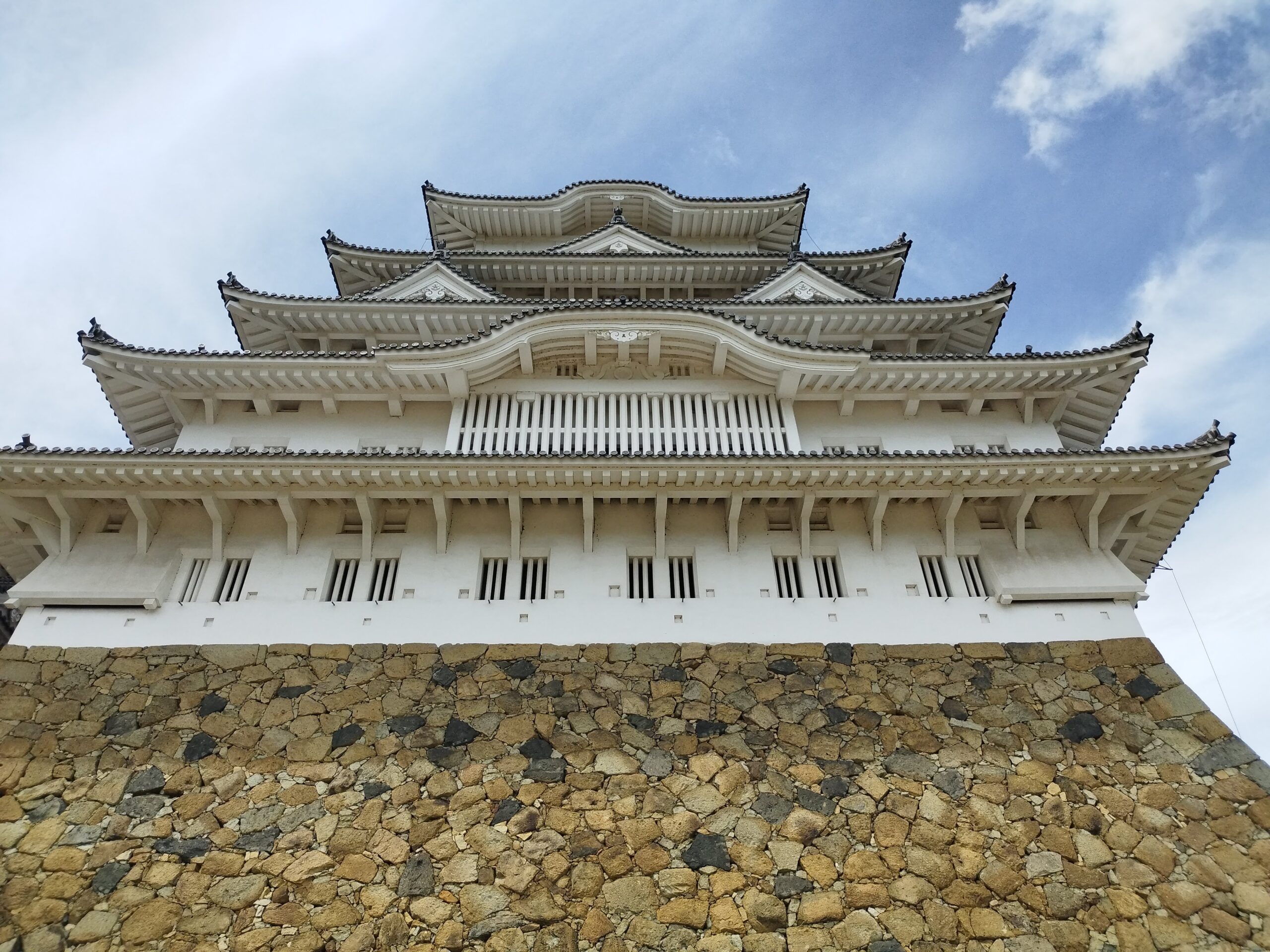
- Fortunately, 12 castles have been preserved, including Himeji Castle, which is recognized as a UNESCO World Heritage Site.
- Many castles have been restored for tourism, featuring exhibits that allow visitors to appreciate the power, craftsmanship, and daily life of the time.
Glossary:用語集&音声ツール
👇音声ツールは下記3種です。❶日本語>英語(内容チェック用)❷日本語>無音(2秒ポーズ:英訳用)❸英語>無音(2秒ポーズ:反復用or和訳用)
primitive fortifications☛原始的な要塞/known as forts☛砦と呼ばれる/controlled territories☛支配地域/the Warring States period☛戦国時代/mountain fortresses☛山城/elevated land☛高台/ for surveillance☛監視用/taking precedence☛優先する/it transitions into~☛それは~へ移行する/locations shift from A to B☛ 場所がAからBへ移動する/at its peak☛最盛期/a feudal lord☛大名/showcase their authority☛自分たちの権威を誇示する/the Samurai-led Shogunate period☛武士主導の幕府時代/castle-centered towns☛城下町/be demolished☛取り壊される/left to fall into ruin☛荒れるに任せる/be preserved☛保たれる/a UNESCO World Heritage Site☛ユネスコの世界遺産/be restored for tourism☛観光用に復元される
御礼🔶後書き
🔶最後までご覧いただき、誠にありがとうございました! 本ブログに関するご意見やご要望がございましたら、メニューの📧Assistance & Services📞よりお気軽にお声がけください。Gold🔶v5a.5a.1b/S1