商談相手とハイヤーで移動中… 「ネットで見た『浅草寺』って何が特別なの?」と聞かれたら?

お祭りウオッチャー&
ガイド
こんにちは!モモです🐾
今日は初来日した海外のゲストに『浅草寺』についてご案内します。「東京で一番人気のお寺です」じゃ、行こうという気になりませんよ。 移動中のわずかな時間で、相手の感性に響き「ぜひ行ってみたい!」と言わせるための、5つの視点(食べ物・アート・建築・ファッション・日本人)を揃えました。
ゲストの関心に合わせて30秒でネタを仕込む!
【一言で腑に落ちる】王道アプローチ
【インバウンド5関心別】さらに一歩踏み込む(フォロー)
1. この一言で腑に落ちる?
このパートのいずれかのワンフレーズでご納得いただけたらラッキーですね。もしだめなようでしたら、次のパートもお試しください。いつも通り、日本語で言えないことは英語でも言えませんので、日本語>英語順でご紹介します。
1.1 参拝体験に日本最高のお寺?
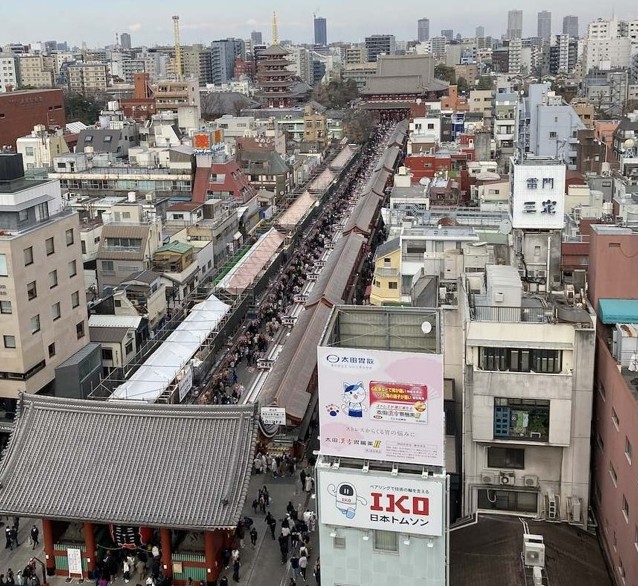
浅草寺は、海外のゲストが日本のお寺参拝の“ひと通りの流れ”を、迷わず気軽に体験できる最高のスポットです。1300年以上の歴史を持ちながら、東京の中心にあってアクセスも抜群です。象徴的な山門と大きな赤い提灯が訪れる人を迎え、まっすぐで賑やかな参道が本堂まで自然に導いてくれます。人の流れに身を任せて歩いていくと、お香の香りの煙をくぐり、気づけば手を合わせて祈っている──そんな自然な参拝ができます。浅草寺でこの“参拝の流れ”を体験しておくと、ほかのお寺でも気持ちがぐっと楽になります。
Senso-ji Temple is the perfect place for international guests to experience the full flow of a Japanese temple visit—easily and without any confusion. This vibrant yet historic temple has stood for over 1,300 years, with exceptional accessibility in Tokyo. Its iconic gate and massive red lantern warmly welcome every visitor. A long, straight, bustling approach naturally guides you toward the main hall, so you never have to wonder where to go. As you simply follow the flow of people, you pass through the fragrant incense smoke, and before you know it, you’ll find yourself bringing your hands together in prayer. It’s an ideal place to give you confidence when visiting any other temple.🎧米国話者
💡 Pick-up Vocabulary
full flow 👉 ひと通りの流れ、全体の一連の流れ / without any confusion 👉 迷うことなく、戸惑わずに / vibrant yet historic 👉 活気がありながら歴史ある / exceptional accessibility 👉 抜群のアクセスの良さ / iconic gate 👉 象徴的な門 / massive red lantern 👉 巨大な赤い提灯 / warmly welcome 👉 温かく迎える / bustling approach 👉 賑やかな参道 / naturally guides you 👉 自然に導いてくれる / fragrant incense smoke 👉 香り高いお香の煙 / bring your hands together in prayer 👉 手を合わせて祈る / give you confidence 👉 自信を与える、安心感を与える
👆超有名スポットなので(お相手もAIで簡単に)基本的なポイントはわかるので、敢えてオーソドックスなポイントは避けて、体験視点で纏めてみました。
1.2 京都・奈良で知る浅草寺の真髄?
浅草寺を「どこにでもある古いお寺」と思ってしまうのは大きな誤解です。その起源は京都や奈良よりもさらに古く、1400年前に二人の漁師が神聖な啓示を受けたことから始まります。多くの大寺院が権力者や貴族によって建てられたのに対し、浅草寺は庶民の信仰から生まれたお寺です。だからこそ、浅草寺には京都や奈良の格式ある寺院とはまったく違う、開放的でどこか心が軽くなるような雰囲気があります。もし京都や奈良の荘厳な寺院を巡ったあとで、浅草寺に“別の開放感”を感じたなら、貴方は浅草寺の真髄に触れたのです。
Do not mistake Senso-ji for just another “typical” ancient temple. Its origins reach back even earlier than the historic capitals of Kyoto and Nara, beginning 1,400 years ago when two fisherman brothers received a sacred revelation. Unlike many of Japan’s grand temples—often built by powerful rulers or wealthy elites—Senso-ji grew from the faith of ordinary people. Because of these humble roots, Senso-ji carries a uniquely open and lively atmosphere that you won’t find at the more formal temples of Kyoto and Nara. If, after visiting the majestic temples of Kyoto and Nara, you sense a different kind of openness at Senso-ji, you’ve touched the true essence of this temple. 🎧米国話者
💡 Pick-up Vocabulary
do not mistake A for B 👉 AをBと勘違い・誤解しないで / origins reach back 👉 起源が〜まで遡る / historic capitals 👉 歴史的な古都 / sacred revelation 👉 神聖な啓示、お告げ / powerful rulers or wealthy elites 👉 権力者や裕福な権貴層 / faith of ordinary people 👉 庶民・一般の人々の信仰 / humble roots 👉 庶民的なルーツ、控えめな成り立ち / uniquely open and lively 👉 独特の開放的で活気ある / formal temples 👉 格式高い寺院 / majestic temples 👉 荘厳なお寺 / true essence 👉 本質、真髄
👆有名寺院の中でも特別な点にフォーカスしてお誘いするパターンです。
2.次の補足でご納得?
残念ながら前パートで外した場合のフォローセリフ、いつも通りインバウンド視点を踏まえ関心別に置いてみました。色々な表現を織り込むため、全体的にかなり長くなっていますが、お気に入りのフレーズあれば現場でも試してみる、そんな軽いノリでご利用ください。
2.1 建築(匠:たくみ)系
👉仏の慈悲を具現化した近代建築?
建築好きの方には、浅草寺の“現代建築としての匠の技”が大きな見どころになります。 本堂はコンクリート造りですが、建築家たちはその構造に、伝統的な木造建築のしなやかな美しさを巧みに取り入れています。たとえば、屋根の優雅な曲線を再現するために、コンクリートが硬化する際に生じる“自然なたわみ”を綿密に計算し、木造の柔らかなラインを表現しました。さらに、屋根には超軽量のチタン瓦を採用し、重量を大幅に減らすことで耐震性を高めています。こうした「美しさ」と「強さ」の見事な融合は、過去の火災の悲しみを二度と繰り返さないための、仏の慈悲深い誓いが形になったものだと感じられるかもしれません。
For architecture enthusiasts, a true highlight is the masterful craftsmanship of modern architects, which bestows the concrete structure with the grace of a traditional wooden sanctuary. For example, to achieve the roof’s elegant curve, architects meticulously calculated the natural deflection that occurs as the concrete sets and settles—mimicking the soft lines of traditional timber. Furthermore, ultra-lightweight titanium tiles were used for the roof, dramatically reducing its weight for seismic safety. Perhaps this seamless blend of beauty and resilience is the physical manifestation of the Buddha’s compassionate vow—a resolve to ensure that the sorrow of past fires is never repeated. 🎧英国話者
💡 Pick-up Vocabulary
architecture enthusiasts 👉 建築好きの人々 / true highlight 👉 最大の見どころ / masterful craftsmanship 👉 卓越した職人技・巧みな技術 / bestows…with grace 👉 〜に気品・しなやかさを授ける / concrete structure 👉 コンクリート構造物 / traditional wooden sanctuary 👉 伝統的な木造の聖堂・お堂 / elegant curve 👉 優雅な曲線 / meticulously calculated 👉 綿密に計算された / natural deflection 👉 自然なたわみ・変形 / sets and settles 👉 (コンクリートが)固まり、沈下・定着する / mimicking 👉 〜を模する、再現する / timber 👉 木材 / seismic safety 👉 耐震安全性 / seamless blend 👉 見事な・途切れのない融合 / physical manifestation 👉 具現化した形、目に見える形 / compassionate vow 👉 慈悲深い誓願
2.2 ファッション系
👉江戸時代の小物ファッション?
ファッション好きの方には、浅草寺の仲見世がおすすめです。 ここは日本でも最大級、そして最も有名な“寺院の商店街”で、その歴史は江戸時代まで遡ります。今でも、浅草寺の周りで育まれてきた活気ある商いの文化を感じられる場所です。仲見世には、かんざし、飾り櫛、根付、巾着袋など、日本らしい伝統のファッション小物がずらりと並んでいます。着物をレンタルして散策するなら、まさにぴったりのエリアです。気に入った小物をその場で試着して写真を撮ったり、気に入ったものを持ち帰って家族写真や普段のコーディネートに取り入れたりすることもできます。
For fashion lovers is Nakamise at Senso-ji! one of Japan’s largest and best-known traditional temple shopping streets. With a history dating back to the Edo period, it still offers visitors a lively taste of the commercial culture that grew around the temple. This is the perfect area to browse for traditional Japanese fashion accessories, such as kanzashi hairpins, decorative combs, netsuke, and drawstring pouches, especially while wearing a rented kimono. You can try them on and take selfies right there, or take your favorite pieces home to incorporate into family photos or your everyday style. 🎧インド話者
💡 Pick-up Vocabulary
fashion lovers 👉 ファッション好きの人々 / traditional temple shopping street 👉 伝統的な門前町・参道商店街 / dating back to… 👉 〜にまで遡る / lively taste 👉 活気ある雰囲気、体験 / commercial culture 👉 商業文化 / browse for… 👉 〜を見て回る、探す / fashion accessories 👉 和装小物、ファッション雑貨 / kanzashi hairpins 👉 かんざし / decorative combs 👉 飾り櫛 / netsuke 👉 根付 / drawstring pouches 👉 巾着袋 / rented kimono 👉 レンタル着物 / try them on 👉 試着する / incorporate into… 👉 〜に取り入れる・合わせる
2.3 アート系
👉無料で鑑賞できる芸術的絵画?
日本の美術に興味がある方には、浅草寺の本堂の天井画がぜひおすすめです。 本尊の観音様にお参りしたら、少し視線を上げてみてください。そこには、20世紀を代表する日本画の巨匠2人が描いた、3つの壮大な天井画──迫力ある「龍」、そして「天女」と「散花」──が広がっています。寺院で龍の絵を見ることは珍しくありませんが、これほどのスケールと芸術性を兼ね備えた作品が揃っているのは本当に稀です。しかも、これらの作品を無料で鑑賞できるというのも浅草寺ならではの魅力です。
If you’re interested in Japanese art, don’t just pay your respects to Kannon, the principal image of Senso-ji, in the Main Hall—be sure to look up at the ceiling as well. There, you can appreciate three monumental ceiling paintings: a powerful Dragon, along with “Celestial Maidens” and “Scattering Flowers,” created by two of the most distinguished 20th-century Japanese master painters. While dragon motifs are common in Japanese temples, it is truly rare to find works of such magnificent scale and artistic quality—and viewable for free, no less. 🎧米国話者
💡 Pick-up Vocabulary
pay your respects to… 👉 〜に参拝する、敬意を払う / principal image 👉 本尊 / monumental ceiling paintings 👉 壮大な天井画 / Celestial Maidens 👉 天女 / Scattering Flowers 👉 散華(花を散らす絵) / distinguished master painters 👉 名高い巨匠・巨匠画家 / dragon motifs 👉 龍のモチーフ・意匠 / magnificent scale 👉 圧倒的なスケール、素晴らしい規模 / artistic quality 👉 芸術的クオリティ・芸術性 / viewable for free, no less 👉 しかも無料で鑑賞できる
2.4 フード系
👉江戸時代から続く庶民の味?
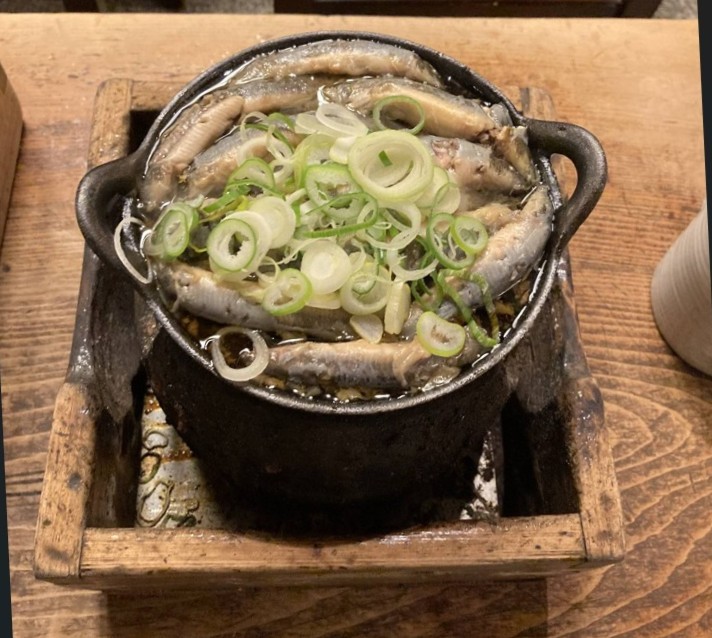
Komagata Dozeu
日本料理が好きな方には、江戸時代から庶民に親しまれてきた「ドジョウ料理」がおすすめです。 当時、ウナギは高価で庶民にはなかなか手が届きませんでしたが、ドジョウは栄養価が高く、価格も手頃だったため、江戸の人々にとって日々の食事であり、夏の元気を支える大切な存在でした。今でも、江戸時代から続く老舗「駒形どぜう」をはじめ、いくつかの名店がこの伝統の味を守り続けています。定番のドジョウ鍋はぜひ味わっていただきたい一品ですが、千切りゴボウとふわふわの卵を合わせた「柳川鍋」という人気のアレンジ料理も絶品です。
For lovers of Japanese cuisine, trying Dojo (loach)—a local favorite among the common people since the Edo period—is highly recommended. Back then, eel was a luxury out of reach for everyday folks. Dojo, however, was just as nutritious and far more affordable, serving as a daily staple and a vital “summer energy booster” for the people of Edo. Today, several renowned restaurants carry on this tradition, including Komagata Dozeu, which has been in business since the Edo era. While the classic Dojo hot pot is a must-try, Yanagawa-nabe—a delicious variation cooked with shaved burdock root and fluffy scrambled eggs—is also wildly popular. 🎧オーストラリア話者
💡 Pick-up Vocabulary
lovers of Japanese cuisine 👉 日本料理・和食好きの人々 / loach 👉 ドジョウ / local favorite 👉 地域で愛される味 / luxury out of reach 👉 手の届かない高級品 / everyday folks 👉 庶民、普通の人々 / nutritious 👉 栄養価が高い / affordable 👉 手頃な価格の / daily staple 👉 日常の主食・定番食 / summer energy booster 👉 夏の元気の源(スタミナ源) / renowned restaurants 👉 名店、有名なレストラン / carry on this tradition 👉 この伝統を受け継ぐ / classic hot pot 👉 定番の鍋料理 / shaved burdock root 👉 千切り(ささがき)ゴボウ / fluffy scrambled eggs 👉 ふわふわの卵 / wildly popular 👉 絶大な人気を誇る
2.5 日本人系
👉絶対秘仏なのにこれが日本式巡礼?
浅草寺の本尊である小さな観音様は、「絶対秘仏」です。1400年もの間、一般の人はもちろん、寺の住職でさえ一度も目にしたことがありません。“姿を隠すことで神聖さが高まる”という、世界の宗教にも共通する考え方の表れです。ただ、仲見世の賑やかな通りを歩いて本堂へ向かうと、「本当にこの市場の先に、神聖な場所があるの?」と不思議に思う方も多いはずです。でも、これこそが日本らしい信仰の形なのかもしれません。姿は見えなくても、観音様は恋愛、仕事、健康、家族──どんな願いでも温かく受け止めてくれる存在として親しまれてきました。難しく考えず、人の流れに身を任せて、この日本ならではの巡礼スタイルを楽しんでみてください。
The small statue of Kannon, the principal image of Senso-ji Temple, is an “Absolute Hidden Buddha” (Hibutsu). For nearly 1,400 years, it has never been shown to the public—not even to the temple’s own chief priests. This reflects a globally shared religious concept that concealment itself enhances the sacred.”Yet, as international visitors stroll down the bustling Nakamise Shopping Street, many can’t help but think: “Wait, am I really walking through a lively market to reach a sacred sanctuary?”But perhaps this is the Japanese spirit in action. Although this Buddha is one you’ll never actually see, it warmly receives every kind of wish—love, work, health, family, anything at all. So don’t overthink it—just go with the flow of the crowd and enjoy this uniquely Japanese style of pilgrimage to the fullest.🎧米国話者
💡 Pick-up Vocabulary
Absolute Hidden Buddha 👉 絶対秘仏 / chief priests 👉 住職、最高位の僧侶 / globally shared religious concept 👉 世界共通の宗教的観念 / concealment itself enhances the sacred 👉 秘匿(隠すこと)自体が神聖さを高める / stroll down… 👉 〜を散策する、のんびり歩く / sacred sanctuary 👉 神聖な聖域・お堂 / Japanese spirit in action 👉 日本精神のあらわれ / warmly receives every kind of wish 👉 あらゆる願いを温かく受け止める / don’t overthink it 👉 難しく考えすぎないで / go with the flow of the crowd 👉 人波・混雑の流れに身を任せる / uniquely Japanese style of pilgrimage 👉 日本ならではの独自の巡礼スタイル

👆 今回も最後までお読みいただき、ありがとうございます!
本ブログに関するご意見やご要望がございましたら、下記より、お気軽にお声がけくださいね🐾