 源氏(Genji)
皆さん、こんにちは!Genjiです。金沢城内にわずかに残る本物の江戸時代建築であり、国の重要文化財に指定されている『三十間長屋(Sanjuken Nagaya)』の英語案内ページへようこそ!
本丸の西側、鉄門(くろがねもん)の背後にそびえる「三十間長屋」。安政5年(1858年)に再建された2階建ての多聞櫓(たもんやぐら)で、復元建築が多い金沢城の中で、当時の本物の木組みと歴史を今に伝える極めて貴重な遺構です。
現場でサッと使える短文フレーズから、名前の由来(三十間=約50メートル)、重要文化財としての見どころ、五十間長屋との違い、ゲストをクスッと笑わせる裏話まで網羅しました。目的の項目ボタンからご自由にご活用ください。
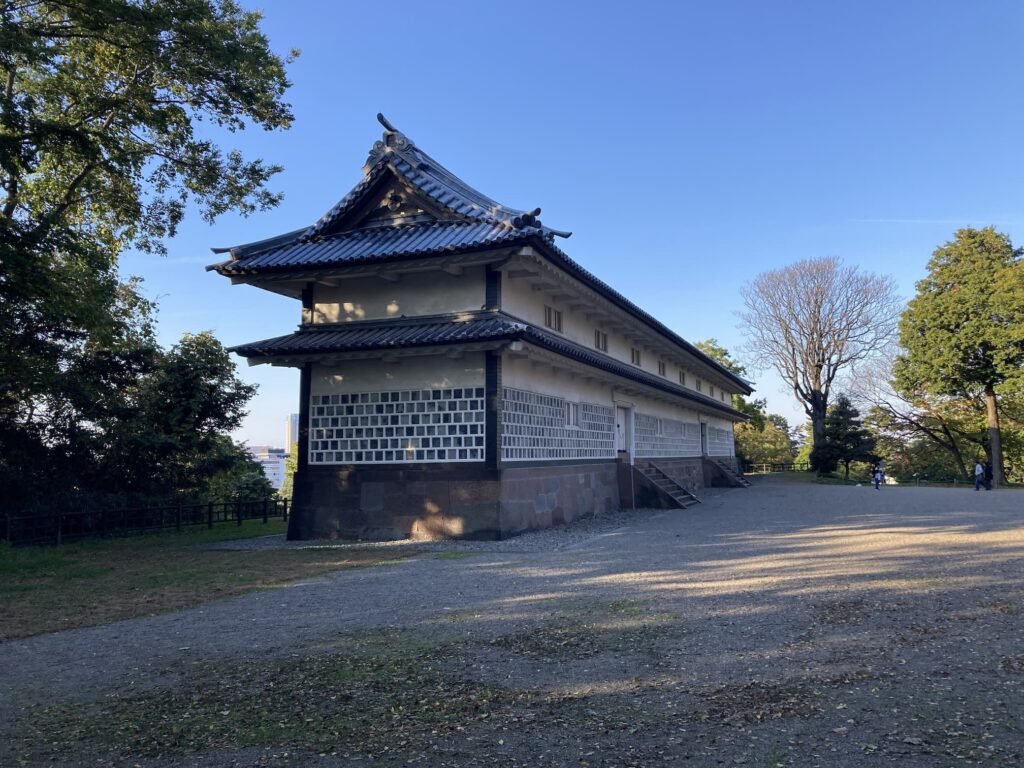
三十間長屋全景と訪問者
📍 Quick Navigation: 各章へジャンプ
11.三十間長屋
ここでは三十間長屋をカバーします。用途に合わせて以下のボタンから直接アクセスできます。
11.1 基本情報(3項目)
三十間長屋の幕末における再建、二階の堅牢な木組み、そして防御施設としての機能と外観の意匠をまとめた基本情報です。
Set 1: Historical Background / 歴史的背景
EN: A Surviving Building from the Final Years of the Edo Period
The Sanjikken Nagaya was rebuilt in 1858, near the end of the Edo period, almost a century after the original building was destroyed by fire. This was after Commodore Perry’s arrival, amid growing concerns about foreign military threats.
JP:幕末に再建された現存建築
三十間長屋は、大火で焼失した後、約100年を経た1858年に再建されました。ペリー来航後、外国の軍事的脅威への警戒が高まっていました。
Set 2: Interior Structure / 内部構造
EN: Impressive Timber Framework Built for Strength
The most impressive feature is the massive timber framework on the second floor. Its heavy beams show how seriously people prepared for possible warfare in the final years of the Edo period. Unlike conventional Japanese joinery, this irregular ceiling gives visitors a glimpse of the atmosphere of that tense era.
JP:堅牢さを実感できる二階の木組み
最大の見どころは、二階内部の迫力ある木組みです。その太い梁は、幕末の緊張した時代に、戦争への備えを現実のものとして考えていた様子が伝わってきます。従来の木組みと異なり、この不均衡な天井から、その時代の切迫感を感じられます。
Set 3: Defensive Function and Exterior Design / 防御機能と外観の意匠
EN: A Defensive Structure with an Elaborate Exterior
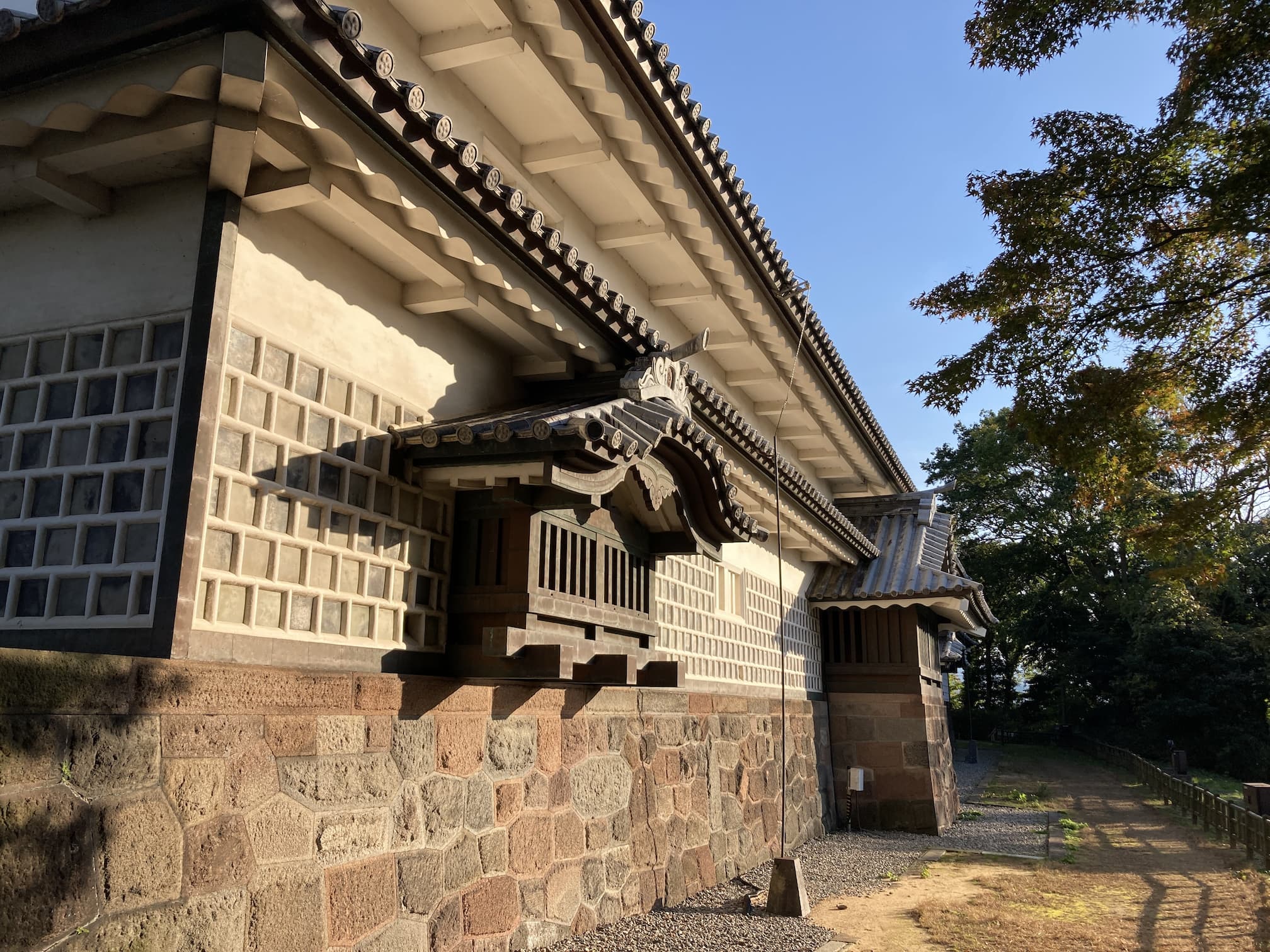
The Sanjikken Nagaya served as a storehouse and defensive structure. Its exterior features decorative gables and projecting windows, giving it a surprisingly elaborate appearance for a military building. This refined exterior also reflects the prestige and status of the ruling lord.
JP:意匠を凝らした外観と防御施設としての機能
三十間長屋は、倉庫と防御施設を兼ねた建物でした。外観には破風や張り出し窓などが設けられ、軍事施設でありながら意匠にも工夫が凝らされています。洗練された外観は、領主の威信を反映しています。
Glossary:用語集
surviving building ☛ 現存する建物 / final years of the Edo period ☛ 幕末・江戸時代末期 / rebuild ☛ 再建する / almost a century after ☛ ~から約1世紀(100年)後 / original building ☛ 元の建物・創建時の建物 / be destroyed by fire ☛ 火災で焼失する / Commodore Perry ☛ ペリー提督 / amid growing concerns ☛ 高まる懸念の中で / foreign military threat ☛ 外国の軍事的脅威
impressive ☛ 迫力のある・印象的な / timber framework ☛ 木組み・木造骨組み / massive ☛ 非常に大きな・重厚な / heavy beam ☛ 太い梁(はり) / warfare ☛ 戦争・戦闘 / conventional ☛ 従来の・伝統的な / joinery ☛ 木組み・指物(さしもの)技術 / irregular ceiling ☛ 不規則な天井 / give visitors a glimpse of ☛ 訪問者に~を垣間見せる / tense era ☛ 緊張した時代
serve as ☛ ~としての役割を果たす / storehouse ☛ 倉庫・蔵 / defensive structure ☛ 防御施設・防衛建造物 / exterior ☛ 外観・外部 / feature ☛ ~を特徴とする・備えている / decorative gable ☛ 装飾的な破風(はふ) / projecting window ☛ 張り出し窓(出窓・石落しなど) / elaborate appearance ☛ 精巧な外観・意匠を凝らした見た目 / refined ☛ 洗練された / prestige and status ☛ 威信と地位 / ruling lord ☛ 統治する領主・藩主
👥連続音声(通常速度・85%低速)
11.2 口頭説明用(3項目)
歩きながらゲストに伝えるため、歴史的背景・二階の木組み・外観とのギャップを短くまとめます。
Set 1: Historical Background / 歴史的背景
EN:The Sanjikken Nagaya was rebuilt in 1858, after Perry’s arrival in Japan. It is an original building from the final years of the Edo period, not a modern reconstruction.
JP:三十間長屋は、ペリー来航後の1858年に再建されました。現代に復元された建物ではなく、幕末の建物そのものが残っています。
Set 2: Interior Structure / 内部構造
EN:The most impressive feature is the massive timber framework on the second floor. It gives us a real sense of how seriously people took the possibility of war in those days.
JP:最大の見どころは、二階の迫力ある木組みです。当時の人々が戦争の可能性をいかに深刻に考えていたか、実感できます。
Set 3: Defensive Function and Exterior Design / 防御機能と外観の意匠
EN: This building served as both a storehouse and a defensive structure. Surprisingly, it has an elegant exterior, with decorative gables and projecting windows.
JP:この建物は倉庫と防御施設を兼ねていました。意外にも、装飾的な破風や張り出し窓など、優雅な外観を備えています。
👥:連続音声(標準速度+85%低速)
11.3 笑いが取れるかも?説明例
一目みて素朴に思うであろう想定疑問への説明例として、基本的に前半部は説明にも使える真面目パート、後半部は雑談力UPの為のおふざけパートの2部構成になっています。
Q1.この倉庫には何があったの?
”What was stored in this warehouse?”
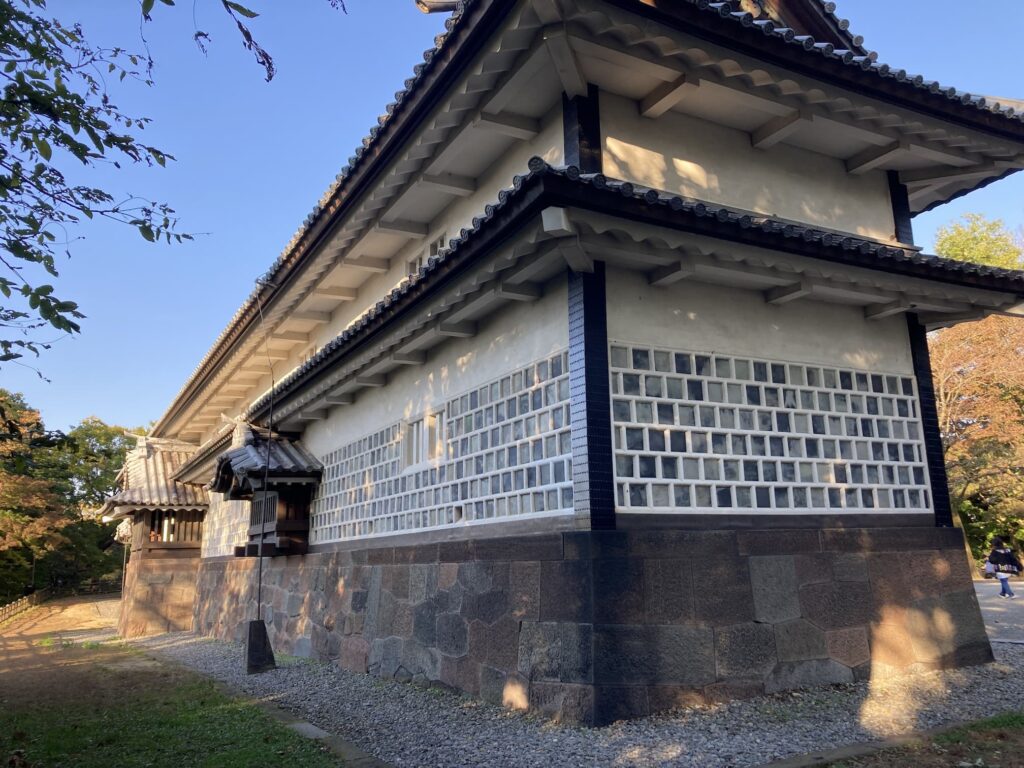
我が家より立派な倉庫!
多くのゲストは城の外壁は皆同じなので、何が違うのかご説明しないとその違いはわかりませんが、外見が豪華なので倉庫とは見えないのでしょうね。ここの特徴を織り込んだ前半(1-5)が真面目パート、後半(6-10)がおふざけパートです。🎧インド話者
❶ This building was originally used as a storehouse for military supplies.
この建物は、もともと軍事物資を保管する倉庫でした。
❷ It was built to be strong and secure, yet its exterior features decorative gables, including karahafu (curved gables).
頑丈で安全に造られていましたが、外観には唐破風などの装飾的な意匠も施されています。
❸ According to historical records, dried rice, a type of preserved food, was also stored here.
記録によると、保存食の一種である干飯(ほしいい)もここに蓄えられていました。
❹ Later, the building was also known as a gunpowder storehouse.
後には、火薬庫とも呼ばれるようになりました。
❺ So, this building helped protect not only the castle but also the supplies needed in an emergency.
つまり、この建物は城を守るだけでなく、非常時に必要な物資を保管する役割も担っていたのです。
❻ Compared with this magnificent storehouse, my house looks like a shabby little shed.
この立派な倉庫と比べると、私の家なんてみすぼらしい物置小屋みたいなものです。
❼ The food stored here might even have been kept in better conditions than I live in!
ここに保管されていた食べ物の方が、私より良い環境で保管されていたかもしれません!
❽ Does that mean I’m worth less than a bag of dried rice?
ということは、私は一袋の干飯より価値が低いということでしょうか?
❾ No, no! That would be an insult to the food.
いやいや! それでは食べ物に失礼ですね。
❿ After all, food is useful to people!
だって、食べ物は人の役に立ちますからね!
Glossary:用語集
originally ☛ もともと・当初は / storehouse ☛ 倉庫・蔵 / military supplies ☛ 軍事物資 / strong and secure ☛ 頑丈で安全な / exterior ☛ 外観・外部 / feature ☛ ~を特徴とする・備えている / decorative gable ☛ 装飾的な破風(はふ) / curved gable ☛ 曲線状の破風(唐破風) / according to historical records ☛ 歴史的記録によると / dried rice ☛ 干飯(ほしいい)・乾燥米
preserved food ☛ 保存食 / store ☛ 保管する・蓄える / gunpowder ☛ 火薬 / in an emergency ☛ 非常時に・緊急時に / compared with ☛ ~と比べると / magnificent ☛ 立派な・壮大な / shabby ☛ みすぼらしい・ぼろぼろの / shed ☛ 小屋・物置 / be kept in good conditions ☛ 良い状態で保管される / be worth less than ☛ ~より価値が低い
insult ☛ 侮辱・失礼なこと / after all ☛ 結局のところ・だって~だから / useful ☛ 役に立つ・有用な
Q2. その天井の作りは何故?
Why Was the Ceiling Built in Such an Unusual Way?
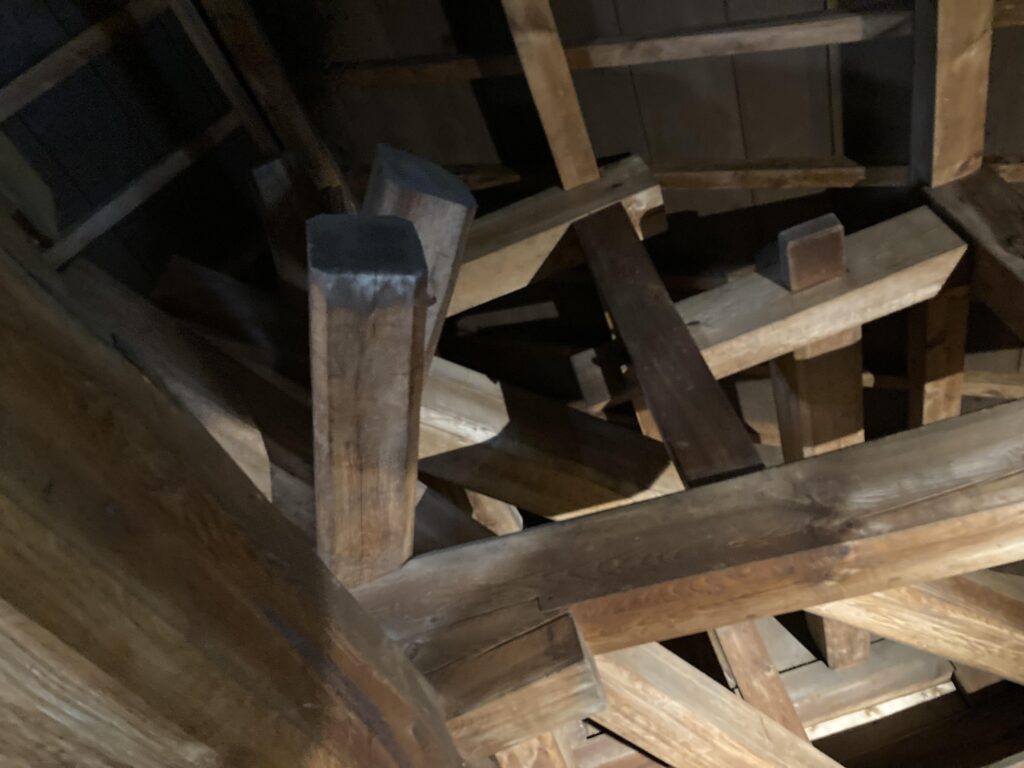
On the Beam? Off the Beam?
説明ボードを見れば、このなりふり構わない梁の密度の濃さの意味はわかりますが、天井を見上げながら説明できるようにコンパクトに纏めてみました。前半(1-5)は説明用の真面目パート、後半(6-10)がおふざけパートです。
- EN: This is quite different from the neat, carefully planned woodwork we usually see in traditional Japanese buildings.
JP: これは、一般的な日本の伝統建築で見られる、整然と計画された木組みとはかなり違います。 - EN: This building was reconstructed in the late Edo period, when foreign warships were increasingly appearing off Japan’s coast. Japan faced a real threat of attack, including bombardment by foreign ships.
JP: この建物が再建された幕末には、外国船が日本近海に頻繁に現れるようになっていました。外国船による大砲攻撃も現実的な脅威だったのです。 - EN: The people in charge of the castle had to think about how to protect its buildings. So they added extra wooden supports wherever they thought necessary, without worrying too much about conventional building methods.
JP: 城を守る人々は、建物をどう守るか考えなければなりませんでした。そこで、従来の建築方法にあまりこだわらず、必要と思われるところに木材を追加して補強しました。 - EN: As a result, the ceiling looks rather irregular, almost as if the timbers were put together without much concern for appearance. Strength was more important than beauty.
JP: その結果、見た目をあまり気にせず木材を組み合わせたかのような、不規則な天井になっています。美しさよりも強さが優先されたのです。 - EN: This unusual ceiling shows us how seriously people at the time took the threat of foreign attacks.
JP: この独特な天井からは、当時の人々が外国からの攻撃の脅威をどれほど深刻に受け止めていたかが伝わってきます。 - EN: The first time I saw this ceiling, I was deeply moved. It was nothing like the beautifully finished ceilings I usually see.
JP: 初めてこの天井を見たとき、私はとても感動しました。普段目にする、きれいに仕上げられた天井とはまったく違っていたからです。 - EN: It reminded me of a famous biblical expression: “the beam in your own eye.” It warns us not to criticize others without first looking at our own faults.
JP: そこで思い出したのが、聖書の有名な表現「自分の目の中の梁」です。他人を批判する前に、まず自分自身の欠点を見なさい、という戒めです。 - EN: I thought, even though I’m far from perfect, perhaps I can move people by showing myself just as I am, like these exposed beams!
JP: 欠点だらけの自分でも、このむき出しの梁のように、ありのままの姿を見せれば人に感動を与えられるかもしれない!そう思いました。 - EN: And at that moment, I felt pretty wonderful about myself.
JP: (そしてその瞬間、自分のことをなかなか素晴らしいと思ったのです。) - EN: Then I realized something. I was so busy admiring myself that I forgot about the beam in my own eye! I thought I was on the beam, but I was actually way off the beam!
JP: (そのとき気付いたのです。自分を褒めるのに夢中で、自分の目の中の梁を忘れていたことを!自分では正しいと思っていましたが、実際はまったく見当違いでした!)
Glossary:用語集
neat ☛ 整然とした・きちんとした / carefully planned ☛ 綿密に計画された / woodwork ☛ 木組み・木工細工 / traditional ☛ 伝統的な / reconstruct ☛ 再建する / late Edo period ☛ 幕末・江戸時代後期 / foreign warship ☛ 外国の軍艦・黒船 / off the coast ☛ ~の沖合に・近海に / face a threat ☛ 脅威に直面する / bombardment ☛ 砲撃・爆撃
in charge of ☛ ~を担当している・責任者である / wooden support ☛ 木材の支柱・補強材 / conventional ☛ 従来の・一般的な / building method ☛ 建築方法・工法 / rather irregular ☛ かなり不規則な / timber ☛ 材木・木材 / without much concern for ☛ ~をあまり気にせずに / appearance ☛ 外観・見た目 / unusual ☛ 独特な・珍しい / take ~ seriously ☛ ~を深刻に受け止める
deeply moved ☛ 深く感動した / beautifully finished ☛ 美しく仕上げられた / remind A of B ☛ AにBを思い出させる / biblical expression ☛ 聖書の表現 / beam ☛ 梁(はり)・光線(※イディオムの掛詞) / criticize ☛ 批判する / fault ☛ 欠点・過ち / far from perfect ☛ 完璧にはほど遠い / just as I am ☛ ありのままの自分で / exposed beam ☛ むき出しの梁
admire oneself ☛ 自画自賛する・自分にうっとりする / on the beam ☛ 正しい・的を射ている(※建築の「梁」とかけたイディオム) / way off the beam ☛ まったく見当違いである

三十間長屋の解説はお楽しみいただけましたか?
他のスポット(鶴丸倉庫、櫓跡など)の解説へ移動する際は、冒頭の緑色ナビゲーションボタンをご活用ください!