 Sakura
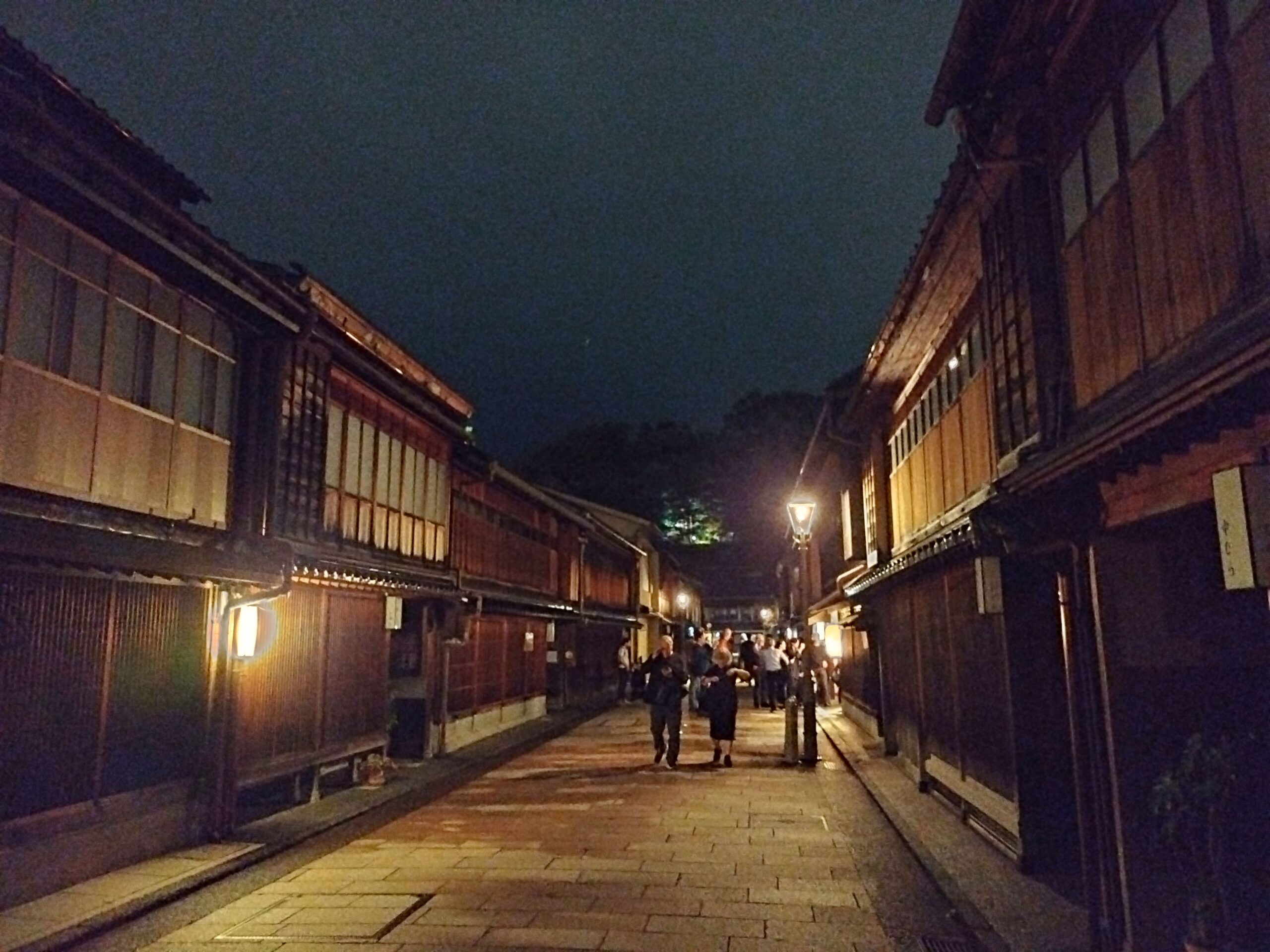
皆さん、こんにちは!金沢の伝統文化&インバウンドガイドのSakuraです。『ひがし茶屋街』の英語案内ハブページへようこそ!
このブログでは、大切な海外ゲストから「この週末、ひがし茶屋街に行ってみたい!」と急に言われた場合でも、現場で『すぐに使える英語表現』をご紹介しています。
AIで公式情報が簡単に得られる昨今、ゲストは美しい景色ばかりでなく、見ただけではわからない、現場でしか聞けない「驚きと笑いの裏話」にもとても興味があります。多忙でなかなか準備のお時間が取れない皆さまの為に、ピンポイントでアクセスできるボタンもご用意していますので、皆さんのご興味やニーズに合わせて、ご気軽にご利用ください。このシリーズでは私が最後まで分かりやすくご案内します。
📍 Quick Navigation: 各章へジャンプ
0. 本ブログの基本構成 🌸
このブログは大きく分けて3つの階層で構成してますので、ニーズ合わせ、目次から好きな場所へアクセスできます。
🔰 【Step 1】基本用語のご説明
まずは「これを知らなきゃ始まらない」必須ワードから。現場でパッと口から出るように、使い勝手のいい単語を厳選しました。
🧭 【Step 2】各テーマ毎のご説明(スポット別・階層別)
《ひがし茶屋街》全体、および各テーマのご説明ごとに、以下の4つの切り口を用意しました。今の状況に合わせてチョイスしてください。
- 📖 基本情報(👉押えておきたいポイント) まずは正確な知識をインプットするためのパートです。
- 🗣️ 口頭簡単説明(👉歩きながらでもできる簡単表現) 「基本はわかってるけど、歩きながら英語で話すと詰まっちゃう」って方には、思考停止せず、リズムよく伝えられる短いフレーズ集をご用意しました。
- ❓ Q&A*インバウンド視点(👉よく聞かれる質問への即答例) インバウンドの視点から、現場で実際によく聞かれる素朴な質問に対して、パッと即答するためのパートです。
- 🤣 笑いが取れるかも?(👉説明にも使える真面目ネタ+雑談力up用おふざけネタ) 「普通のガイドじゃ物足りない」っていうゲスト向けに現場で磨いた、ゲストを唸らせ、時にクスッとさせる「裏話」と「比喩」を詰め込んでいます。
1. 押さえておきたい基本用語
🌸 Sakura: ここでは日常会話でも使う『1.1.基本用語』から、他の案内でも使える『1.2.茶屋街関連表現』、『1.3《ひがし茶屋街》特有表現』までご紹介します。日本文化はピッタリはまる日英対語があまりなく、どうしても状況説明的な表現が多くなります。お相手に一言でピンとこない場合も多く、著しい誤解を避けるためにはどうしても補足説明必要になります。👉別途詳細な《ひがし茶屋街》用語集をご用意しております。ご参照の際はこちらから。
🔑 ゲストのレベル別・用語クイックボタン
日常会話から専門表現まで、お相手の興味レベルに合わせて、3つのレベルから気になるワードをチェックできます。
1.1 基本用語(日常会話レベル)
🌸 日常会話や雑談でも使える、基本のアイテムです。
- かんざし ☛ kanzashi (traditional Japanese hair ornament / hairpin worn with kimono)
- おしろい ☛ white face powder (traditional makeup)
- 口紅 ☛ lipstick
- 琴 ☛ koto (Japanese harp/Japanese stringed keyboard/Japanese zither)
- 三味線 ☛ shamisen (Japanese guitar with three stings/three‑stringed Japanese lute)
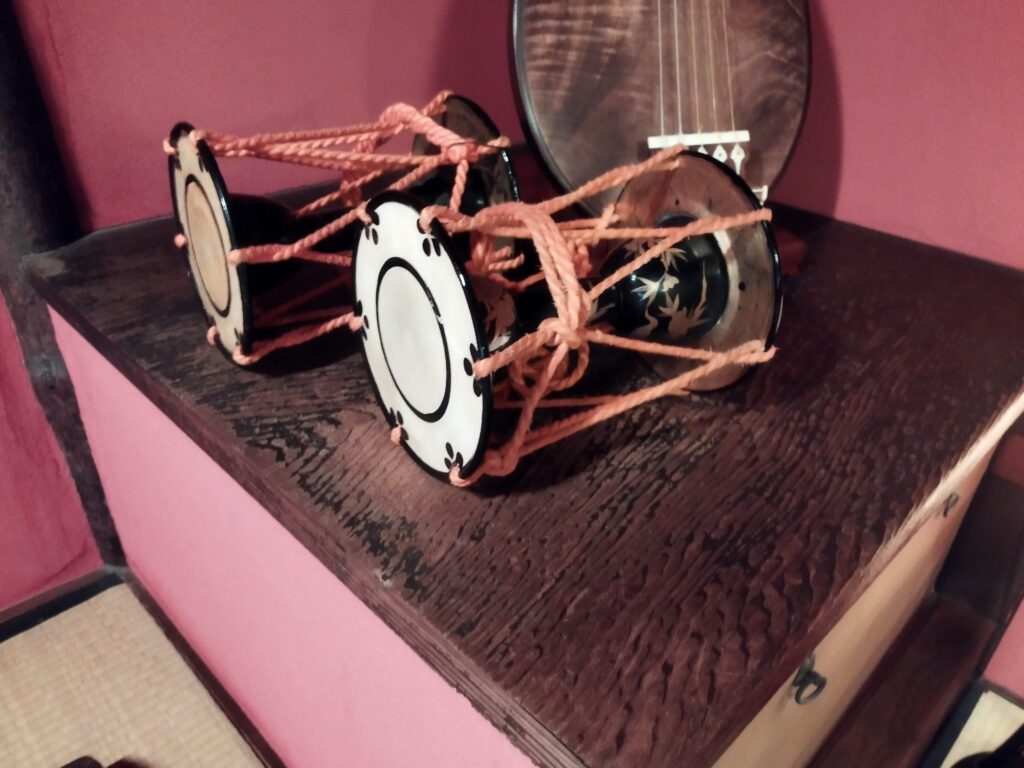
- 太鼓 ☛ Japanese drum
- 鼓 ☛ Japanese hand drum (hand drum used in Noh and Kabuki)
- 着物 ☛ Kimono (traditional Japanese garment)
- お座敷 ☛ tatami room for guests / parlor room in a teahouse
- 金箔 ☛ Gold leaf
- 人力車 ☛ rickshaw
1.2 茶屋街関連用語(愛好家レベル)
🌸 言葉は知っていても、日常使う意味とは少し異なる「業界用語」的な単語です。例えばお茶屋と言ってもお茶飲みもお茶買いもできません。
- お茶屋 ☛ teahouse (traditional entertainment house; not a café)
- 茶屋街 ☛ Tea house district
- 芸者 ☛ geisha
- 一見さんお断り ☛ ”no first-time visitors” policy
- つけ払い/後払い ☛ pay‑later system / deferred payment
- 歓楽街 ☛ entertainment district / pleasure quarters
- 遊郭 ☛ licensed pleasure quarters
- 旦那衆 ☛ dannashu (wealthy patrons of the teahouse district)
- お座敷遊び ☛ ozashiki-asobi (traditional parlor games with geisha)
- かつら ☛ Katsura (traditional wig worn by geisha or performers)

1.3 《ひがし茶屋街》特有用語
🌸 他の場所でも使われますが、この街では特に代名詞的に使われている言葉をピックアップしました。
- 芸妓(地元での芸者の呼び方) ☛ Geiko (the regional term for geisha in Kyoto and Kanazawa)
- 出格子(木虫籠、きむすこ) ☛ (wooden lattice window like bug cage)
- べんガラ ☛ Bengara(deep reddish‑brown iron‑oxide pigment)
- 置屋(おきや) ☛ Okiya (A geisha management office)
- 中庭(なかにわ) ☛ Tsuboniwa / Courtyard
- 控えの間(ひかえのま) ☛ antechamber / waiting room
- 仕出し(屋) ☛ Catered dishes / Caterer
- 地方(じかた) ☛ jikata (musicians who accompany geiko with shamisen and vocals)
- 立方(たちかた) ☛ tachikata (geiko who perform traditional dance)
- 太鼓体験 ☛ Taiko drum experience (A special tradition in Kanazawa where guests play drums along with the geiko)
- 金毘羅船々 ☛ Konpira Funabune (a popular, rhythm-based cup-and-cushion game)

2.ひがし茶屋街全体
”About Higashi Chaya District”
🌸ここからは実際に各所を眼の前にして自然に湧き上がるインバウンドの疑問や好奇心を想定した説明例です。
🌸 Sakuraのナビゲート:
まずは「ひがし茶屋街全体」の基本を掴み、後半で現場で使える説明と共感ネタで笑いも狙います。ピンポイントで下記ボタンからもアクセスできます。
2.1 基本情報
🌸そのまま説明に使える表現ではありませんが、押さえておきたい基本情報として10項目(日英)纏めてご紹介します。いつも通り、日本語で言えないことは英語でも言えませんので日>英の順です。👉英語音声は前半(1-5)米国女性話者、後半(6-10)米国男性話者です。👄下記表現の通訳演習ツール(上級用:日↔英@双方向)をご利用の際はこちらからどうぞ。
《日本語》
- 金沢にはサムライ時代の歓楽街であるお茶屋街が3つあるが、ここは最大規模のエリアである。
- お茶屋とは芸者が歌や演奏、踊りで豪商をもてなす所で、現在の喫茶店のようなお茶を飲んでくつろぐ所ではない。
- 芸者は地元ではゲイコと呼ぶが、踊りや演奏のできるエンターテイナーで、現代のバーやクラブで接客するホステスとは異なる。
- 元々市中に散らばっていたお茶屋を贅沢の蔓延を防ぐ為に約2世紀前に三箇所に集約された。
- 金沢は戦争の空襲を免れたため、サムライ時代の伝統的な茶屋街の木造りの建物と格子窓をそのまま鑑賞することができる。
- これらの建物の多くは現代人の好みに合わせたカフェ、レストラン、甘味処、工芸品店になったいるが、何件かはまだ、芸妓を抱えるお茶屋のままである。
- 芸妓のもてなしの世界は、一見さんお断りルールが健在で、昔からの馴染のパトロンの紹介がなければ入れない.
- しかし、現在は手続きを踏めば、いくつかのお茶屋で芸妓の芸を見ることができる。
- 元々は他の地区にもあった遊女と遊ぶための場所で遊郭と呼ばれ木の柵に囲まれ隔離されていたが、金沢の茶屋街では殆どが芸妓の芸を楽しむ店であったと言われている。
- 約百件の歴史的建造物の中に入っている店舗は新しく見えるが、多くは長い歴史を持ち、中には400年近い歴史を持つ和菓子屋や酒屋もある。
《英語》
1. Kanazawa boasts three distinct ochaya (teahouse) districts, which served as pleasure quarters during the samurai era, with the largest one being the focus of our visit today.
2. Ochaya was historically a place where geisha entertained affluent merchants through singing and dancing, quite different from today’s cozy teahouses where people relax with a cup of tea.
3. The local term for geisha is ‘geiko,’ and they are skilled entertainers who specialize in dance and performance art. It’s important to note that they are distinct from the hostesses you’ll encounter in contemporary bars and clubs.
4. About two centuries ago, teahouses were consolidated into three specific locations across the city as a measure to curb extravagance.
5. Kanazawa was fortunate to avoid wartime air raids, preserving the traditional wooden buildings and latticed windows of the samurai era teahouses for us to admire today.
6. Many of these buildings have been turned into cafes, restaurants, sweet stores, and craft stores to suit modern tastes, but several still remain teahouses with geiko.
7. In the world of geiko hospitality, the “no first-time visitors” rule is still in effect, and you can only enter with an introduction from a familiar patron from the past.
8. Today, you can watch geiko perform at certain teahouses if you follow the proper procedures through the respective teahouses or locally specialized offices.
9. Originally called “yukaku” (brothels) and enclosed by wooden fences for separation like those in other districts, this area is said to have primarily offered entertainment through the performances of talented geikos.
10. Although various shops and stores housed in the approximately one hundred historic buildings might appear modern, many of them have a long history, including a Japanese sweets shop and a liquor store that has been in operation for nearly 400 years.
👤 前半1-5連続
👤 後半6-10連続
2.2 口頭説明
🌸ここではお相手と一緒にお座敷を見ながらでも使える様に上記基本20項目を口頭説明用の簡略文に置き換えています。ここもポイントは同じなので英>日セットで、英語音声は(オーストラリア女性話者)1ファイルです。
1. Kanazawa has three ochaya districts dating back to the samurai era, with the largest one as our focus today. 金沢には武士の時代に遡る3つの茶屋街がありますが、今日はその中で最大のものをご紹介します。
2. Ochaya once hosted geisha performances of singing and dancing, which were very different from modern teahouses. かつてお茶屋では、芸妓による歌や踊りのパフォーマンスが催されていまして、現代のお茶屋とは大きく違っていました。
3. Locally, geisha, called “geiko,” are skilled in traditional dance and performance, but they are often mistakenly associated with modern hostesses. 地元で「芸妓(げいこ)」と呼ばれる芸者は、伝統的な舞踊や演奏に長けていますが、しばしば現代のホステスと誤解されるのです。
4. Two centuries ago, teahouses were moved to three city outskirts to curb extravagance. 200年前、贅沢を押えるために、茶屋は3つの市の郊外に移されました。
5. Kanazawa was spared wartime air raids, preserving traditional samurai-era teahouses. 金沢は戦時中の空襲を免れたため、武士の時代の伝統的な茶屋が保存されています。
6. While some teahouses became modern cafes and shops, a few still feature traditional geiko performances. いくつかのお茶屋は現代風のカフェやショップになりましたが、何軒かでは伝統的な芸妓のお座敷が設けられています。
7. The “no first-time visitors” rule in geiko culture still applies, requiring an introduction by local patrons. 芸妓文化の「一見さんお断り」のルールは今も有効で、地元の常連客による紹介が必要となります。
8. Visitors can enjoy geiko performances at certain teahouses by following the proper procedures. 訪問客もしかるべき手続きを踏めば、特定の茶屋で芸妓のパフォーマンスを楽しむことができます。
9. This area, once called ‘yukaku’ (pleasure districts) and enclosed by wooden fences, mainly showcased geiko performances rather than casual entertainment. この地域はかつて「遊郭」と呼ばれ、木の柵で囲まれていましたが、安直な娯楽でなく芸妓のパフォーマンス主体に展開していました。
10. While many shops look modern, some, like a 400-year-old sweets shop and liquor store, retain long histories. 多くの店は今っぽく見えますが、400年の歴史を持つ菓子店や酒屋など、長い歴史を持つ店もいくつかあります。
👥 英語連続音声1-10
2.3 QA#インバウンド視点
🌸《ひがし茶屋街》に入ったインバウンドが素朴に感じるであろう想定問答例です。いずれもよく聞かれる質問から10種選んでみました。英語音声の質問は、こんな風に聞かれたらどうしましょう?って感じの米国女性アンニュイ調話者、回答は牧師タイプで相手を諭すように答える英国男性話者です。👄下記QAの即答演習ツール(C級用:英質問→英回答)をご利用の際はこちらからどうぞ。
《日本語》
- 質問: そもそもこの茶屋街は何の為のものなの?
- 回答: 裕福な商人や文人、高級武士たちが文化と娯楽を求めた場所です。
- 質問: この街はいつごろできたの?
- 回答: 今から2世紀ほど前、「遊郭」と呼ばれる板塀に囲まれた集団歓楽街として誕生しました。
- 質問: どうしてここにできたの?
- 回答: 贅沢な生活の蔓延を恐れた時の地元政府が隔離する為にこの街の外れに集約させました。
- 質問: どんな人たちが住んでいたの?
- 回答: 様々な芸者、支配人、サポートスタッフがここに住み、この歓楽街の客を楽しませることに専念していました。
- 質問: どんな生活をしていたの?
- 回答: 毎晩訪問客のニーズに合わせた芸者芸を中心に、さまざまなサービスを提供して生計を立てていました。
- 質問: ここは昔のまま変わらないの?
- 回答: 金沢は空襲の被害を受けなかったため、サムライ時代の街並みと建物がそのまま残っています。
- 質問: ここで私たちは何が楽しめるの?
- 回答: 当時の人たちと同じようにお茶屋で芸者ショーを見たり、和服を着て、日本酒、和菓子、抹茶を楽しんだり、金箔工芸が体験できます。
- 質問: 夜はどんな場所になるの?
- 回答: 夜は昔からの馴染のお茶屋で芸者遊びを楽しんだり、飲んだりして過ごします。
- 質問: 芸者はここで住んでいるの?
- 回答: 芸者に限らず誰もここには住んでおらず、みんな普通に自宅から通勤しています。
- 質問: 歩いていれば芸者に会えるの?
- 回答: 芸者は夜のお座敷に備えて事務所で練習していて着物で出歩くことはありません。

《英語》
1. 質問: What is this teahouse district for anyway? 回答: It was a place where wealthy merchants, literati, and high-ranking warriors sought culture and entertainment.
2. 質問: When was this town built? 回答: About two centuries ago, it was established as a collective entertainment district, surrounded by wooden fences known as yugaku.
3. 質問: Why was it built here? 回答: Fearing the spread of extravagant lifestyles, the local government of the time consolidated them on the outskirts of this city in order to isolate them.
4. 質問: What kind of people lived here? 回答: Various geisha, managers, and supporting staff resided here, all dedicated to entertaining the patrons of this entertainment district.
5. 質問: How did they live? 回答: They earned their living by offering various services, primarily geisha performances tailored to the needs of visitors each night.
6. 質問: Is this place still the same as it was? 回答: Kanazawa was not damaged by air raids, so the streets and buildings from the samurai era remain intact.
7. 質問: What can we enjoy here? 回答: Visitors can still enjoy geisha performances at select teahouses, just as people did in the past, while also trying on kimono, savoring sake, wagashi (traditional Japanese sweets), and matcha (powdered green tea), and participating in a gold leaf crafting class.
8. 質問: What is this area like at night? 回答: In the evening, locals enjoy geisha performances at exclusive teahouses or spend time drinking at Japanese-style restaurants and bars.
9. 質問: Do geishas live here? 回答: No one, including geishas, lives here. Everyone commutes from home, much like modern businesspeople.
10. 質問: Can we see geishas when walking around here? 答: Generally, geishas do not walk around in kimonos, as they practice in their offices to prepare for night performances at invited teahouses.
👥 QA英語連続音声1-10
2.4 インバウンドの視点:笑いが取れるかも?
ここからは、一目みて素朴に思うであろう想定疑問への説明例です。一語一句覚える必要はありませんが、現場で使える表現をあちこちに散りばめてますので、もし気に入ったフレーズがあればピックアップして試してください。
【このセクションの歩き方】
各Q(問い)に対して、2段構えで構成してます。:
- 📝 前半:真面目パート
基本的な説明にそのまま使えます。 - 🤣 後半:おふざけパート
雑談力アップを意図したフレーズを交えています。
Q1: この目の前の茶屋街ってどうしてできたの?
“How did this teahouse district in front of us come to be?”
🌸ここでは感染症に関する表現を多めに織り込んで見ました。前半(1-5)が真面目パート、後半(6-10)がおふざけパート、英語音声は前半オーストラリア女性話者、後半は米国男性話者の2ファイルです。ここも一般的に関心の薄いローカルな固有名詞(主計と西茶屋街)は控えておりますので、その辺りは現場で必要に合わせて付加下さい。
- Originally, this area was a bustling hub of activity, drawing people together as it served as both a transportation center and a site with numerous temples. 元々、この辺りはお寺が多く交通の要所で人の集まる賑やかな場所でした。
- As the samurai period came to an end, the stoic spirituality of earlier times declined, giving way to a growing trend of entertainment and luxury in the city’s teahouses. サムライ時代も末期になり、初期のストイックな精神性は廃れ、市内のお茶屋で娯楽や贅沢を求める風潮が出ていました。
- To curb its growing extravagance and decadence, the local government at the time designated the area as a teahouse district, concentrating and isolating teahouses within it. その贅沢と退廃の蔓延を防ぐために、時の地方政府は、ここをお茶屋街と指定し、この地区にお茶屋を集約して隔離しました。
- As a result, this teahouse district was established on the eastern outskirts of the city, with another located just across a nearby bridge. その結果、この茶屋街は市の東端に確立され、近くの橋を渡ったところにも茶屋街ができました。
- Additionally, a third teahouse district was established on the western outskirts, bringing the total to three. 更に西の外れにも別の茶屋街ができ、合計3箇所の茶屋街になりました。
- Perhaps the authorities believed that decentralizing these districts was more effective than concentrating them in one area to contain the “luxury disease.” 贅沢病の蔓延には一箇所に固めるより分散化した方が良いと考えたのかもしれません。
- This approach, reminiscent of ancient methods to prevent the spread of infectious diseases, unfortunately came too late. 感染症の拡大を防ぐために、古代より使われてきた手法ですが、時は既に遅かったようです。
- If it were a true infectious disease—primarily non-airborne—this method might have worked. 感染症であれば、基本的には空気感染しなかったので、そこそこ効果はあったでしょう。
- However, the “luxury disease” of seeking entertainment proved far more contagious than airborne infections. でも、娯楽をひたすら求める贅沢症は、空気感染以上の感染力がありました。
- Even now, two centuries later, this allure continues to captivate modern individuals, transcending time and space, attracting countless visitors from around the world to this very spot! 2百年後の我々現代人と更に世界中の善良な大勢の人達に時空を超えて感染してこの茶屋街に誘導しているのですから。
Q2:この様な茶屋街は金沢だけなのですか?
“Is this kind of teahouse district only in Kanazawa?”
🌸ここでは遊郭の歴史に関する表現を多めに織り込んで見ました。前半(1-6)が真面目パート、後半(7-10)がおふざけパート、英語音声は前半は米国男性話者、後半はインド男性話者の2ファイルです。
- There are other teahouse districts besides Kanazawa, with Kyoto’s famous teahouse district, Gion, being particularly well-known. この様な茶屋街は金沢以外にもあり、特に京都の茶屋街、祇園は有名です。
- Gion has existed since ancient times, but during the Samurai period, it transformed into a cultural area called a “Hanamachi” (flower district), combining entertainment quarters known as yukaku and teahouse districts. 祇園自体は古代よりありますが、サムライ時代に遊郭や茶屋街が融合して花街と呼ばれる文化エリアとなりました。
- Yukaku itself is not particularly uncommon, as the government, around 400 years ago, implemented policies to concentrate sex-related businesses in specific areas. 遊郭自体は特に珍しいものではなく、400年ほど前に政府が風俗関連ビジネスを特定の地域に集中させる政策を実施しました。
- One of the greatest and most well-known yukaku, “Yoshiwara,” was located in Edo, the former city of Tokyo, and became an enduring icon of Japanese culture. 最も有名な遊郭のひとつである「吉原」は江戸にあり、日本文化の不朽のアイコンとなりました。
- Like Kyoto, Kanazawa shares a long history as a cultural city and developed its own teahouse district, attracting talented geisha. 京都と同様、金沢も文化都市としての長い歴史を共有し、独自の茶屋街を発展させ、才能ある芸者を惹きつけました。
- Although this district was also surrounded by wooden fences to indicate a brothel area, it seemed to emphasize the sophisticated world of geisha performances. この地区も遊郭を示す木柵で囲まれていましたが、芸者の洗練された世界が強調されていたように思われます。
- For women without such talents, however, it may not have been a welcoming or comfortable place at that time. でも、そのような才能を持たない女性にとっては、当時は歓迎される場所でも居心地の良い場所でもなかったかもしれません。
- Today, it is a blessing that this area embraces diversity, allowing individuals without artistic talents to thrive in various fields, such as gold leaf crafts, liquor shops, and confectionery shops. 今日、この地区が多様性を受け入れ、金箔工芸、酒屋、菓子屋など、芸術的才能持たない人々がさまざまな分野で活躍できるようになったのは幸いなことです。
- It’s a privilege to live in Kanazawa—a city with a rich cultural history and a spirit of inclusiveness. 豊かな文化的歴史と包容の精神を持つ金沢に住めるのは光栄なことですね。
- Even I, embodying the classic Japanese persona of “Mugei taishoku” (no particular talent but great at eating), can find my place and contribute meaningfully here! 「無芸大食」という古典的日本人を具現する私でさえ、ここで自分の居場所を見つけ、大活躍できるので!
ひがし茶屋街の基本用語&全体概要の解説はお楽しみいただけましたか?
他のスポットの解説へ移動する際は、冒頭のナビゲーションボタンをご活用くださいね!


