 源氏(Genji)
皆さん、こんにちは!日本の城・建築ウオッチャー&ガイドのGenjiです。加賀百万石を治めた前田家の歴史と文化を今に伝える『金沢城公園』英語紹介ブログへようこそ。
このブログでは、大切な海外ゲストから、商談後、金沢城に行ってみたい!と急に言われた場合でも、現場で『すぐに使える英語表現』をご紹介しています。
AIで公式情報が簡単に得られる昨今、ゲストは素晴らしい建築や公式説明だけでなく、現場でしか聞けない「驚きと笑いの裏話」にもとても興味があります。多忙でなかなか準備のお時間が取れない皆さまの為に、ピンポイントでアクセスできるボタンもご用意していますので、皆さんのご興味やニーズに合わせて、ご気軽にご利用ください。このシリーズでは私が最後まで分かりやすくご案内します。
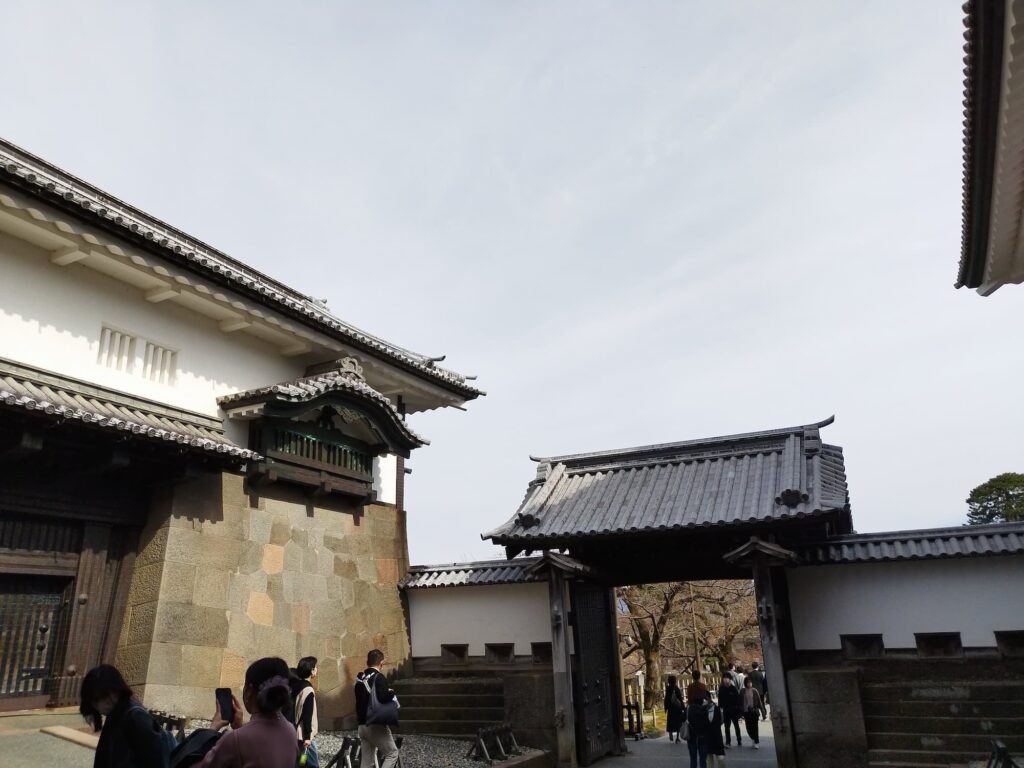
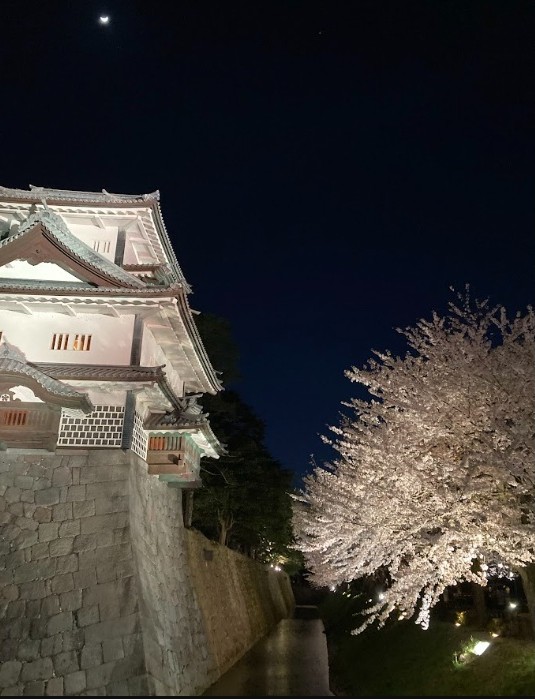
金沢城全景
📍 Quick Navigation: 各章へジャンプ
👉タイトルの各語は「海鼠壁(なまこ壁)」”sea cucumber wall” 、「鉛瓦(なまりがわら)」”lead roof tile”という言い方が可能です。👉特定のお城でなく日本の城に共通した一般的な英語表現は『日本の城』わかりやすく解説へお立ち寄りください。
👉直接インバウンドに向けてまとめた英語版ご参照の際はこちらからどうぞ!
0. 本ブログの全体ガイド 🌸
本ブログは大きく分けて3つの階層で構成しております。皆様のその時々のニーズや目の前のゲストの様子に合わせて、目次からお好きな場所へアクセスしてください。
🔰 【Step 1】基本用語
まずは「これを知らなきゃ始まらない」金沢城案内の必須ワードからご紹介いたします。「海鼠壁(なまこかべ)」や「鉛瓦(なまりがわら)」を英語で分かりやすく説明するには?「櫓(やぐら)」や「曲輪(くるわ)」のニュアンスは? 混雑した現場でもパッと口から出るよう、使い勝手の良い単語を厳選いたしました。
🧭 【Step 2】スポット別の「三段構え」解説
各名所(金沢城全体、石川門、河北門、菱櫓・五十間長屋、玉泉院丸庭園など)ごとに、以下の3つの切り口をご用意いたしました。今の状況に合わせてお選びください。
📚 基本情報(Deep Facts)
「金沢城の歴史や天守閣がない背景をまだよくご存じない」ゲストへ、加賀藩の設計思想や正確な知識をお伝えするためのパートです。
🗣️ 歩きながらの即答例(Easy & Fast)
「基本は分かっているけれど、城内を歩きながら英語で話すと詰まっちゃう」という方に。思考を止めず、リズムよく伝えられる短いフレーズ集をご用意しました。
🤣 インバウンド視点!笑いが取れるかも?
「普通のガイドじゃ物足りない」というゲスト向けに。案内現場で磨いた、ゲストを唸らせ、時にクスッと微笑ませる「粋な裏話」と「比喩」を詰め込んでおります。
1. 押さえておきたい基本用語
最初に押さえておきたい基本用語をご紹介します。他の城案内でも使える共通用語からマニア向け、および金沢特有表現まで、ニーズに合わせてご活用ください。
1.1 日本の城共通用語(日常会話向け)
日本人の日常会話でも使うレベルの用語です。
- Japanese castle(城) / hill castle(平山城) / castle town(城下町)
平山城は金沢城のように高台の上に建てられた城です。 - story(階) / a 2-story building(二階建て) / This tower is 5 stories high(この櫓は5階建て)
- castle gate(城門) / castle wall(城壁) / stone wall(石垣)
- plaster(漆喰、石膏) / stucco(漆喰) / mortar(モルタル、漆喰)
- moat(堀) / inner moat(内堀) / outer moat(外堀)
- lord(領主、殿様) / feudal lord(大名) / vassal(家臣) / retainer(家臣)
- castle tower(天守閣) / main tower / keep / donjon
- samurai warrior(侍、武士) / warrior class(武士階級)
Samuraiで通じますが、歴史的背景を補足する際に便利です。 - bridge(橋) / wooden bridge(木橋) / drawbridge(跳ね橋)
極楽橋など、お城の橋を案内する際の基本用語です。 - main gate(正門、大手門) / side gate(勝手口、裏門)
河北門(正門)と石川門(裏門)の役割の違いを説明する際に使えます。
1.2 日本の城共通用語(城愛好家向け)
日本人でも正確な説明が難しく、城愛好家が使うレベルの用語です。
- turret(櫓) / guard tower / watch tower / lookout tower / storage rooms
「矢倉」とも書き、兵器の倉庫のほか、見張りや装飾の役割も担います。 - enclosure(曲輪) / main enclosure(本丸) / secondary enclosure(二の丸) / tertiary enclosure(三の丸)
土塁、石垣、水堀で区切られた区画のことです。 - gable / gablet(破風) / roof over bay window
日本建築独特の装飾性のある雨除けです。 - masugata gate(枡形門) / square-shaped compound gate
四角いスペースに敵を閉じ込めて撃退する二重構造の門です。 - loopholes(狭間) / arrow slits(矢狭間) / gun ports(鉄砲狭間)
壁に開けられた矢や鉄砲を放つための穴です。 - stone drop(石落とし) / stone-dropping chute
壁の下に登ってきた敵に石を落とすための仕掛けです。 - earthen wall(土塁) / rampart / earthen embankment
石垣が普及する前に敵を防ぐために盛られた土の防壁です。 - guardhouse(番所) / guard post
門の近くで警備や警護の武士が待機していた施設です。 - palace(御殿) / lord’s residence / administrative palace
政務を行う場であり、藩主の住居でもあった豪華な大邸宅です。 - storehouse(土蔵) / storehouse with thick plaster walls
耐火性に優れた厚い漆喰で覆われた頑丈な倉庫です。
1.3 金沢城の説明で使われる関連用語
金沢城の説明で主に使用される関連用語です。
- spring of gold(金の泉) / digging potatoes(芋掘り)
金沢の名前の由来と言われる「芋掘り藤五郎」伝説の説明用です。 - restoration(復元) / fully restored castle(復元城)
金沢城は完全な木造復元を行っている点が大きな特徴です。 - fortress(要塞) / administration(行政) / residence(住居)
金沢城は戦用だけでなく行政や住居の役割も兼ね備えていました。 - Diamond Turret(菱櫓) / diamond-shaped turret(菱形櫓)
全国的にも珍しいダイヤモンド型(菱形)の櫓です。 - sea cucumber wall(海鼠壁、なまこ壁)
平瓦の継ぎ目に漆喰を盛り上げた金沢城の特徴的な壁塗り様式です。 - lead tile(鉛瓦)
金沢城の屋根に使用されている鉛製の瓦です。 - Tomuro stone(戸室石) / red and blue volcanic rocks
金沢近郊で採掘される、石垣や庭園に使用された火山岩です。 - Kimon direction(鬼門) / unlucky northeast direction
陰陽道において邪気が入ると嫌われた北東の方角です。 - Gyokusen’inmaru Garden(玉泉院丸庭園) / three-dimensional garden
高低差を活かして作られた鑑賞用の立体庭園です。 - Maeda Clan(前田家、加賀藩前田氏) / Maeda family
加賀百万石を治め、金沢の文化の礎を築いた藩主一族です。
2. 金沢城全体
ここでは金沢城全体をカバーします。用途に合わせて以下のボタンから直接アクセスできます。
2.1 基本情報(10項目)
金沢城の歴史的背景、建築美、およびガイド現場で役立つ背景知識をまとめた基本情報です。
- 1. A flatland-mountain castle boasting a 400-year history
English: Kanazawa Castle was originally constructed about 400 years ago in the late 16th century by Maeda Toshiie. Built on a plateau (river terrace) overlooking the city center of Kanazawa, this flatland-mountain castle (hirayamajiro) served as the political and cultural seat of the powerful Kaga Domain.
日本語: 今から約400年前(16世紀末)に前田利家によって本格的な築城が始まりました。金沢市街地を見下ろす河岸段丘の高台に位置する「平山城(ひらやまじろ)」で、加賀百万石の政治と文化の拠点でした。 - 2. A phoenix-like castle shaped by a cycle of fires and restorations
English: The history of Kanazawa Castle is defined by a cycle of destructive fires and grand rebuilds. Repeatedly ravaged by lightning strikes and accidental fires, the castle was faithfully reconstructed each time as a display of the lord’s authority and domain prestige.
日本語: 金沢城の歴史は、まさに火災と復元の繰り返しでした。落雷や不審火により何度も壊滅的な火災に見舞われましたが、そのたびに藩の威信をかけて忠実に再建されてきた歴史を持っています。 - 3. The strategic and political reasons behind the missing main keep
English: Although a magnificent main keep (tenshu) was built early on, it was destroyed by a lightning strike in 1602 and never rebuilt. This decision was driven by political prudence to show deference to the Tokugawa Shogunate, as well as a practical shift toward a defense system anchored by defensive turrets (yagura).
日本語: 築城初期には立派な天守閣が存在しましたが、1602年の落雷による焼失後は再建されませんでした。これは江戸幕府への恭順(反意がないこと)を示す政治的配慮に加え、軍事的な実用性を重視して櫓(やぐら)を中心とした防衛体制にシフトしたためです。 - 4. The oldest surviving structure, Ishikawa Gate, and the French Revolution
English: The oldest surviving structure inside the castle grounds is the Ishikawa Gate, rebuilt in 1788. Coincidentally dating back to the era of the French Revolution, this impressive historical gate is designated as an Important Cultural Property of Japan.
日本語: 城内で現存する最も古い建造物は「石川門(1788年再建)」です。世界史で言えば「フランス革命」が起きた頃の建物が現存しており、国の重要文化財に指定されています。 - 5. Authentic full-scale wooden reconstruction using traditional methods
English: Structures standing today, such as the Hishi Yagura and Gojuken Nagaya, were restored in recent decades. Rather than using modern steel or concrete, they were reconstructed entirely in authentic timber using traditional mortise-and-tenon joinery without relying on nails or bolts.
日本語: 現在立ち並ぶ菱櫓や五十間長屋などは、平成以降に復元されたものです。鉄筋コンクリートではなく、江戸時代の図面や古文書を基に、釘やボルトを極力使わない伝統的な木造軸組工法で忠実に復元されています。 - 6. The functional elegance of “Namako Walls” (Sea Cucumber Walls)
English: Kanazawa Castle’s iconic white walls feature “Namako walls,” created by laying flat tiles and plastering the raised joints into rounded shapes. Beyond their striking geometric beauty, these walls provided exceptional fireproofing and waterproofing against North Coast winters.
日本語: 金沢城を象徴する白い壁は、平瓦の目地に漆喰を盛り上げた「海鼠壁(なまこ壁)」です。見た目の美しさはもちろんのこと、防火性や防水性に極めて優れており、北陸の厳しい気候や火災から城を守る工夫が施されています。 - 7. Emergency ammunition in disguise: Lead roof tiles
English: The castle roofs are covered with specialized tiles made of wooden cores sheathed in lead, giving them a distinct whitish appearance. Beyond their visual appeal, one theory is that the lead could be removed and melted down to make musket bullets during a siege.
日本語: 屋根には、木製の芯材に鉛板を貼り付けた特注の「鉛瓦」が葺かれています。白い独特の外観を生み出すだけでなく、籠城戦の際には鉛を取り外して溶かし、鉄砲の弾丸に利用できたという説もあります。 - 8. A “Museum of Stone Walls” showcasing evolving masonry technique
English: The castle grounds feature diverse styles of stone walls built across different eras and for different functions. Ranging from rough unhewn natural stones to finely cut interlocking blocks, the site is celebrated as a living “museum of stone masonry.”
日本語: 城内には時代や目的に応じて作られた様々な様式の石垣が残されています。自然石をそのまま積んだ初期のものから、加工した美しい石を隙間なく積んだ後期のものまで揃っており、まさに「石垣の博物館」として見ごたえがあります。 - 9. A unique post-war history as a university campus
English: After serving as a feudal domain castle and later a military base during the Meiji era, the castle grounds took on a unique post-WWII role as the campus for Kanazawa University. It holds a distinct place in history for having modern higher education housed within a historic castle site.
日本語: 加賀藩の居城、明治以降の陸軍拠点としての歴史を経て、戦後は一時期「金沢大学」のキャンパスとして使用されていました。国指定の史跡・城郭の中に近代的な大学が置かれていたという非常にユニークな歩みを持っています。 - 10. The deep historical connection with Kenrokuen Garden
English: Adjacent Kenrokuen Garden was originally developed by successive Maeda lords as an outer private garden of Kanazawa Castle. Connected today by a single bridge (Ishikawa Bridge), the castle and garden form an integrated historical landscape.
日本語: 隣接する兼六園は、もともと金沢城の外郭(外庭)として前田家の歴代藩主によって作庭されたプライベート庭園です。お城と庭園は橋一枚(石川橋)で結ばれており、一体の歴史的空間として楽しむことができます。
👤連続音声:1-5🎧❶標準❷85%低速
👥連続音声:6-10🎧❶標準❷85%低速
Glossary:用語集
flatland-mountain castle ☛ 平山城 / river terrace ☛ 河岸段丘 / political and cultural seat ☛ 政治と文化の拠点 / overlooking the city ☛ 市街地を見下ろす / ravaged by fires ☛ 火災で壊滅的被害を受ける / lightning strike ☛ 落雷 / faithfully reconstructed ☛ 忠実に再建された / domain prestige ☛ 藩の威信 / main keep (tenshu) ☛ 天守閣 / political prudence ☛ 政治的配慮 / show deference ☛ 恭順を示す / defensive turrets (yagura) ☛ 櫓による防衛施設 / oldest surviving structure ☛ 現存最古の建造物 / Important Cultural Property ☛ 重要文化財 / era of the French Revolution ☛ フランス革命の時代 / mortise-and-tenon joinery ☛ ほぞ組(伝統継手) / authentic timber ☛ 本格木造 / without nails or bolts ☛ 釘やボルトを使わずに / full-scale restoration ☛ 原寸大の復元 / Namako walls ☛ 海鼠壁 / raised plaster joints ☛ 盛り上げた漆喰の目地 / geometric beauty ☛ 幾何学的な美しさ / fireproofing & waterproofing ☛ 防火性・防水性 / lead tiles ☛ 鉛瓦 / whitish appearance ☛ 白く見える外観 / a theory suggests ☛ 〜という説がある / melted into bullets ☛ 弾丸に溶かして使う / stone masonry ☛ 石垣技法 / unhewn natural stones ☛ 自然石の野面積み / interlocking blocks ☛ 加工石の密着積み / diverse styles ☛ 多様な様式 / post-war role ☛ 戦後の役割 / modern higher education ☛ 近代的高等教育 / housed within a historic site ☛ 城郭内に置かれた / outer private garden ☛ 外庭(プライベート庭園) / successive Maeda lords ☛ 歴代前田藩主 / integrated landscape ☛ 一体の歴史的景観 / connected by a single bridge ☛ 橋一つで結ばれている
2.2 口頭説明用(10項目)
案内中に歩きながらテンポよく説明できるよう、コア要素を短くまとめたフレーズ集です。
- 1. Flatland-mountain castle / 約400年の歴史を持つ平山城
English: Kanazawa Castle was built about 400 years ago on a hill overlooking the city.
日本語: 金沢城は約400年前、街を見下ろす高台に建てられた平山城です。 - 2. Cycle of fires / 火災と再建の歴史
English: It was destroyed by fires many times, but rebuilt over and over again.
日本語: 何度も火災で焼失しましたが、そのたびに再建されてきました。 - 3. No main keep / 天守閣がない理由
English: The main keep burned down in 1602 and was never rebuilt to show peace to the Shogun.
日本語: 天守閣は1602年に焼失後、幕府へ平和(恭順)を示すため再建されませんでした。 - 4. Ishikawa Gate / 現存最古の石川門
English: The oldest remaining structure is Ishikawa Gate, rebuilt around the French Revolution.
日本語: 現存する最古の建物は石川門で、フランス革命の頃に再建されたものです。 - 5. Traditional wooden reconstruction / 伝統的な木造復元
English: Recent restorations were built purely with traditional wooden joinery, without nails.
日本語: 近年の復元建物は、釘を使わない伝統的な木造工法で造られています。 - 6. Namako walls / 防火・防水に優れた海鼠壁
English: The white grid pattern on the walls is fireproof and waterproof plaster.
日本語: 壁の白い格子模様は、防火・防水性に優れた漆喰(海鼠壁)です。 - 7. Lead roof tiles / 弾丸にもなる鉛瓦
English: The roofs are covered with lead tiles. There’s a theory that they could be melted into bullets in emergencies.
日本語: 屋根は鉛瓦で葺かれています。非常時には溶かして弾にできた、という説があります。 - 8. Museum of stone walls / 石垣の博物館
English: You can see various styles of stone walls built in different periods here.
日本語: ここでは時代ごとに異なる様々なスタイルの石垣を見ることができます。 - 9. Former university campus / 元キャンパスというユニークな歴史
English: After WWII, this historic site was actually used as a university campus.
日本語: 戦後の一時期、この歴史的な城内は金沢大学のキャンパスとして使われていました。 - 10. Connected to Kenrokuen / 兼六園とのつながり
English: Kenrokuen next door was originally created as the castle’s outer private garden.
日本語: 隣にある兼六園は、もともと金沢城の外庭(プライベート庭園)として造られたものです。
👥連続音声:1-10:🎧❶標準❷85%低速
2.3 笑いが取れるかも?説明例
🌸一目みて素朴に思うであろう想定疑問への説明例として、基本的に前半部は説明にも使える真面目パート、後半部は雑談力UPの為のおふざけパートの2部構成になっています。以下のボタンから各ストーリーへ直接飛べます。
Q1: ここはお城なの?公園なの?
Is this a castle or a park?
石川門をくぐって、三の丸の広場の前にたつと良き聞かれる質問を元に纏めてみました。前半(1-6)が真面目パート、後半(7-10)がおふざけパートです。
1. As this place is called Kanazawa Castle Park, it’s both a castle and a park.
日本語: ここは金沢城公園と名付けられているので、城でもあり、公園でもあるのです。
2. In Japan, many former castle grounds have been turned into public parks; they’re generally known as “castle ruins parks.”
日本語: 日本には、このように城の広大な敷地を市民のために公園にしているところが多く、一般的に「城跡公園」と呼ばれています。
3. The large lawn in front of us used to be called the Sannomaru, the third most important section of the castle.
日本語: 目の前の広い芝生スペースは、昔は三の丸と呼ばれていて、城の中で3番目に重要だった区画です。
4. The Sannomaru has had quite a varied history.
日本語: 三の丸には、なかなか複雑で多様な歴史があるようです。
5. During the Edo period, it’s said to have been home to samurai residences, tenement houses and government buildings.
日本語: 例えば江戸期には、武家屋敷・長屋・役所的な建物が存在したそうです。
6. After the samurai era ended, there were military barracks here in the Meiji period. Then, after the war, it became part of the Kanazawa University campus.
日本語: 武士の時代が終わった後、明治期には軍の兵舎があり、戦後は金沢大学のキャンパスとして使われていました。
7. People often ask me why they don’t restore a building on such prime land and turn it into a tourist attraction, especially since there are historical records.
日本語: よく聞かれるんですよ。こんな城の中の一等地に建物を復元して観光資源にしないのかって。歴史資料もあるのに、と。
8. I didn’t really know the reason at first, but after working as a guide here, I’ve gradually come to understand it.
日本語: 理由は最初はよく知らなかったんですけど、ここでガイドをしているうちに、だんだん分かってきたんです。
9. You know, nobody really wants to get too involved with someone who has a complicated past.
日本語: 誰だって、複雑な過去を持つ人とはあまり深く関わりたくないですよね。
10. It’s the same here. Even with all the historical records, the only sensible option is to leave it alone like this.
日本語: 同じなんですよ。いくら資料があっても、ここはそっとして広場のままにしておくのが一番なんです。
Glossary:用語集
castle grounds ☛ 城郭の敷地 / castle ruins park ☛ 城跡公園 / public park ☛ 公園 / lawn ☛ 芝生広場 / Sannomaru ☛ 三の丸 / section of the castle ☛ 城の区画 / varied history ☛ 多様な歴史 / Edo period ☛ 江戸時代 / samurai residence ☛ 武家屋敷 / tenement house ☛ 長屋 / government building ☛ 役所・公的建物 / samurai era ☛ 武士の時代 / military barracks ☛ 軍の兵舎 / Meiji period ☛ 明治時代 / Kanazawa University campus ☛ 金沢大学キャンパス / prime land ☛ 一等地 / tourist attraction ☛ 観光資源・観光名所 / historical records ☛ 歴史資料 / guide ☛ ガイド / complicated past ☛ 複雑な過去 / sensible option ☛ 妥当な選択肢 / leave it alone ☛ そのままにしておく / get involved with ☛ 深く関わる / restore a building ☛ 建物を復元する
Q2:なぜ金沢と呼ばれる様になったの?
”What is the reason that Kanazawa came to be called Kanazawa?” / “Why is this city called Kanazawa? “/ “What is the meaning of this city, Kanaawa? “
👉金沢城以外でも同行中に聞かれる質問ですので、それなりに備えておきたいですね。前半(1-5)は真面目パート、後半(6-10)がおふざけパートです。
1. According to some documents, the name “Kanazawa” appears to mean “golden spring.”
日本語: 残された文書によると、金沢は「金の泉」という意味があるようです。
2. The Japanese word “sawa” is often translated as “marsh,” but since it can also mean “stream” or “spring,” “spring” is the most appropriate translation here.
日本語: 日本語の「沢」は英語でよく“marsh(湿地)”と訳されますが、小川や泉の意味もあるので、ここでは“湧水”が適切でしょうね。
3. The name is said to have originated from the spring next to Kenroku-en Garden, so if you’re interested, you should stop by.
日本語: 名前の発祥は兼六園の横にある湧水と言われていますので、ご興味あれば寄られると良いですよ。
4. This spring was historically known as “Kana-arai no Sawa” (Gold-Washing Brook), and legend says that while a potato farmer named Togorō was washing the potatoes he had dug up, gold fell from his hands.
日本語: 古くは「金洗いの沢」と呼ばれた湧水で、芋掘り百姓・藤五郎が掘り出した芋を洗っているうちに、手から金がこぼれ落ちたという伝承があります。
5. Ironically, he had no interest in money—meaning gold—so he simply gave it away.
日本語: 皮肉なことに、彼はお金、つまり金に興味がなかったので、人にあげてしまったそうです。
6. People have always admired those who aren’t driven by greed, and he was exactly that kind of person.
日本語: 今も昔も、金銭欲のない人には誰でも憧れますが、伝説の彼はまさにそういう人物でした。
7. It’s surprising that gold leaf developed in Kanazawa—a city whose roots lie in potato farmers who had no interest in money.
日本語: 金に興味のない芋掘り百姓がルーツの金沢で、金箔が発展したなんて驚きですよね。
8. Kanazawa now accounts for nearly 100 percent of Japan’s gold leaf production.
日本語: 金沢の金箔シェアは、今やほぼ100パーセントです。
9. Unlike those potato-digging farmers, modern Kanazawa people are quite greedy. But don’t get the wrong idea.
日本語: 芋掘り百姓とは違って、現代の金沢人はずいぶん貪欲なんですよ。でも誤解しないでくださいね。
10. They’re not greedy for gold or money—it’s their appetite that’s greedy, because they turn gold into gold leaf just to eat it!
日本語: 金や金銭に貪欲なのではなく、金を金箔にして食べようとする、その“食欲”が貪欲なんです!
Glossary:用語集
according to ☛ ~によると / document ☛ 文書・資料 / golden spring ☛ 金の泉 / Japanese word ☛ 日本語の単語 / marsh ☛ 湿地 / stream ☛ 小川 / spring ☛ 泉・湧水 / appropriate translation ☛ 適切な訳語 / originate from ☛ ~に由来する / Kenroku-en Garden ☛ 兼六園 / stop by ☛ 立ち寄る / historically known as ☛ ~として知られていた / Gold-Washing Brook ☛ 金洗いの沢 / legend ☛ 伝説 / potato farmer ☛ 芋掘り百姓・農民 / dig up ☛ 掘り出す / gold ☛ 金 / ironically ☛ 皮肉なことに / have no interest in ☛ ~に興味がない / give away ☛ 人にあげる / admire ☛ 憧れる・尊敬する / driven by greed ☛ 欲に駆られた / exactly that kind of person ☛ まさにそういう人物 / gold leaf ☛ 金箔 / roots lie in ☛ 起源がある / account for ☛ ~を占める / production ☛ 生産量 / unlike ☛ ~とは違って / modern ☛ 現代の / greedy ☛ 貪欲な / get the wrong idea ☛ 誤解する / appetite ☛ 食欲 / turn A into B ☛ AをBに変える / just to eat it ☛ 食べるためだけに
Q3:この目の前の金沢城って何?
“What is this ground, Kanazawa Castle, in front us?”
これはよく出る質問ではありませんが、石川門を抜けて目の前に広がる三の丸広場を見て、多くのゲストがそのような表情をされますので、その際には是非お試しあれ。前半(1-7)が真面目パート、後半(8-10)がおふざけパートです。
1. Kanazawa Castle was once the residence of the Maeda clan, one of the wealthiest daimyo families of the time.
日本語: 金沢城は当時、全国トップクラスの裕福な大名・前田家の居城でした。
2. They built this magnificent castle about 400 years ago on land that had originally been the headquarters of a regional Buddhist organization.
日本語: 元々は地方の宗教団体(浄土真宗)の本部があった場所に、前田家が約400年前にこの立派な城を築きました。
3. For roughly 260 years, across 14 generations, the Maeda clan used this place as their base to lay the foundations of modern Kanazawa culture.
日本語: 前田家は約260年間、14代にわたり、ここを拠点に現在の金沢文化の基礎を作り上げました。
4. Kanazawa culture has a unique atmosphere that reflects samurai aesthetics in tea ceremony, Noh theater, and traditional crafts.
日本語: 金沢文化は、茶道・能楽・工芸品などに武士の美学を反映させた独特の雰囲気があります。
5. In that sense, this place can be considered the birthplace of Kanazawa culture.
日本語: その意味で、ここは金沢文化発祥の地とも言えます。
6. Castles were originally fortresses built for battle, but by that time Japan was already living in peace.
日本語: 城は元々戦うための要塞でしたが、この頃にはすでに平和な時代でした。
7. The Maeda family gathered cultural figures and cultivated a culture that still shapes the city today.
日本語: 領主はさまざまな文化人を集め、現代にもそのまま通用する文化へと育て上げました。
8. In fact, they may have understood “culture” far more deeply than we do today.
日本語: 実は前田家は、我々現代人よりも文化=culture を深く理解していた人たちかもしれません。
9. This highland—the Kodatsuno Plateau—was probably just wasteland in the past, wasn’t it? They cultivated that wasteland.
日本語: 金沢城があるこの高地(小立野台地)は、昔はただの荒れ地だったでしょう?その荒れ地を耕したのです。
10. They understood culture through firsthand experience. We modern people could never turn wasteland into such a rich cultural landscape, could we.
日本語: 前田家は culture を身をもって理解していたのです。現代人には荒れ地をこんな文化的な景観に変えるなんて、とてもできませんよね。
Glossary:用語集
residence ☛ 居城・居住地 / Maeda clan ☛ 前田家 / daimyo family ☛ 大名家 / wealthiest ☛ 最も裕福な / magnificent castle ☛ 壮大な城 / headquarters ☛ 本部 / regional Buddhist organization ☛ 地方の仏教勢力・宗教団体 / generation ☛ 代 / base ☛ 拠点 / lay the foundations of ☛ ~の基礎を築く / modern Kanazawa culture ☛ 現代金沢文化 / unique atmosphere ☛ 独特の雰囲気 / reflect ☛ 反映する / samurai aesthetics ☛ 武士の美学 / tea ceremony ☛ 茶道 / Noh theater ☛ 能楽 / traditional crafts ☛ 伝統工芸 / in that sense ☛ その意味で / be considered ☛ ~と見なされる / birthplace ☛ 発祥の地 / fortress ☛ 要塞 / battle ☛ 戦い / live in peace ☛ 平和に暮らす / gather cultural figures ☛ 文化人を集める / cultivate a culture ☛ 文化を育む / shape the city ☛ 都市の姿を形作る / in fact ☛ 実は / far more deeply ☛ はるかに深く / highland ☛ 高地 / Kodatsuno Plateau ☛ 小立野台地 / wasteland ☛ 荒れ地 / cultivate ☛ 開拓する・耕す / through firsthand experience ☛ 身をもって / modern people ☛ 現代人 / turn A into B ☛ AをBに変える / cultural landscape ☛ 文化的景観 / could never ☛ とても~できない
Q4:何故こんなに新しいの?/とても新しく見えるけど…
“Why is it so new?”/”It looks very new, however.”
これも目前の城郭群を見て多くのゲストから出る質問です。前半(1-7)が真面目パート、後半(8-10)がおふざけパートです。
1. Since many of the buildings have been restored over the past few decades, they look brand new, don’t they?
日本語: 多くの建物はここ数十年のうちに復元されたので、新しく見えますよね。
2. This castle was originally built about 400 years ago, but most of the buildings were destroyed by fires many times.
日本語: 元々この城は約400年前に作られましたが、ほとんどの建物は度々火災で焼失しました。
3. They were restored each time, but sooner or later, they would be destroyed by fire again.
日本語: その度に建て直されましたが、遅かれ早かれまた火災で焼失することになりました。
4. This is the fate of traditional Japanese wooden architecture, and at Kanazawa Castle you can witness this recurring history.
日本語: 木造の日本建築の宿命ですが、金沢城ではその繰り返しの歴史を観ることができます。
5. I used the term “restoration” rather than “rebuilding” at the beginning, and there’s a reason for that.
日本語: 最初に「再建」でなく「復元」という言葉を使いましたが、それには意味があるのです。
6. These buildings, which look brand-new, have been restored using the technology, tools, materials, and techniques of that era.
日本語: これらの新しく見える建物は、当時の技術・道具・材料・手法を使って復元しているのです。
7. Photographs taken just before the last fire over 100 years ago still exist, and they show the buildings exactly as they look now.
日本語: 100年以上前の最後の火災で焼失する直前に撮られた写真が今も残っており、現在の姿と全く同じなのです。
8. People in Kanazawa want to make a clear distinction between these restored buildings and those rebuilt using concrete or rebar.
日本語: 金沢の人々は、コンクリートや鉄筋で再建した建物と、こうした復元建物を言葉でしっかり区別したいのです。
9. Occasionally, mischievous guests point out, “How can you call this a restoration when there are electrical outlets?”
日本語: 時々、意地悪なゲストが「コンセントがあるのに復元と言えるの?」なんてことを言うんですね。
10. But for the people of Kanazawa, that’s within acceptable limits. After all, even though they use silver and copper, they still confidently call it genuine gold leaf!
日本語: でも金沢人にとって、それは許容範囲なのです。だって銀や銅を使っているのに、本物の金箔だって自信をもって言ってますから!
Glossary:用語集
restore ☛ 復元する / restoration ☛ 復元 / rebuilding ☛ 再建 / brand-new ☛ 真新しい / originally built ☛ 元々建てられた / be destroyed by fire ☛ 火災で焼失する / sooner or later ☛ 遅かれ早かれ / fate ☛ 宿命 / traditional Japanese wooden architecture ☛ 日本の伝統木造建築 / witness ☛ 目の当たりにする / recurring history ☛ 繰り返される歴史 / term ☛ 用語 / reason ☛ 理由 / technology ☛ 技術 / tools ☛ 道具 / materials ☛ 材料 / techniques ☛ 手法 / era ☛ 時代 / photograph ☛ 写真 / taken just before ☛ ~の直前に撮影された / still exist ☛ 今も残っている / exactly as ☛ ~と全く同じように / make a clear distinction between A and B ☛ AとBを明確に区別する / restored building ☛ 復元建築 / concrete ☛ コンクリート / rebar ☛ 鉄筋 / occasionally ☛ 時々 / mischievous ☛ 意地悪な・いたずら好きな / guest ☛ 来訪者・観光客 / point out ☛ 指摘する / electrical outlet ☛ コンセント / acceptable limits ☛ 許容範囲 / after all ☛ だって・結局のところ / silver ☛ 銀 / copper ☛ 銅 / confidently ☛ 自信を持って / genuine ☛ 本物の / genuine gold leaf ☛ 本物の金箔
Q5:どうして屋根が白く見えるのですか?
“Why do the roofs look white?”
これは、三の丸広場や丑寅櫓から屋根を見た時に特によく出る質問です。金沢城の特徴のひとつでもありますが、前半(1-5)の真面目パートでチェックできます。後半(6-10)はいつものおふざけパートです。
1. The roofs of the castle are covered with lead plates instead of ordinary tiles.
日本語: 城の屋根は普通の瓦ではなく、鉛の板で葺いてあるためです。
2. When exposed to rainwater for a while, lead reacts and turns white, making the roofs look as if they’re covered with snow.
日本語: 鉛はしばらく雨水にさらされると反応して白く変色するので、雪が積もったように見えるのです。
3. Not everything is made of lead; the roofs are built with wood and then covered with thin lead plates.
日本語: すべてが鉛ではなく、木で屋根を作り、その上に薄い鉛板を張り付けて造ります。
4. I’m not sure why lead tiles came to be used, but they were used not only here but also at Edo Castle in Tokyo.
日本語: なぜ鉛瓦を使うようになったのかは分かりませんが、ここだけでなく江戸城にも使われていました。
5. One theory says they were used so the lead could be turned into bullets in emergencies, while old documents also mention that they were used to enhance the castle’s appearance. Considering the unstable times, both purposes were likely true.
日本語: 非常時に鉄砲の玉に使えるようにという説もありますが、姿を美しく見せるためと古文書に記載があるそうです。当時の不安定な状況を考えると、恐らく両方の目的があったのでしょう。
6. In the past, lead was also used in women’s white face powder called “oshiroi,” which is equivalent to today’s foundation.
日本語: 昔は女性のお化粧のおしろい(今のファンデーションに相当)にも鉛が使われていました。
7. In essence, to make themselves look more beautiful, they regularly applied lead—which is harmful if ingested—directly onto their skin.
日本語: 要は、より美しく見せるために、飲むと有害な鉛を肌の上に日常的に使っていたわけですね。
8. I recall a story in a novel where a geisha used that poison to make an unpleasant customer drink it, or something like that.
日本語: 小説では、芸者がその毒性を利用して、いやなお客に飲ませたとか、そんな物語もあった気がします。
9. But when you think about it, this dangerous lead is also used in smartphone batteries today, isn’t it?
日本語: でも考えてみれば、この危険な鉛は現代のスマホのバッテリーにも使われていますよね。
10. Modern husbands might want to keep a closer eye on where their wives’ smartphones are.
日本語: 現代のご主人たちは、奥様方のスマホがどこにあるか、もっと真面目に管理したほうがいいかもしれませんね。
Glossary:用語集
roof ☛ 屋根 / lead plate ☛ 鉛板 / ordinary tile ☛ 普通の瓦 / be covered with ☛ ~で覆われている / be exposed to ☛ ~にさらされる / rainwater ☛ 雨水 / react ☛ 反応する / turn white ☛ 白く変色する / look as if ☛ まるで~のように見える / be covered with snow ☛ 雪が積もる / be made of ☛ ~で作られている / thin ☛ 薄い / lead tile ☛ 鉛瓦 / come to be used ☛ 使われるようになる / Edo Castle ☛ 江戸城 / theory ☛ 説・仮説 / bullet ☛ 弾丸・鉄砲玉 / emergency ☛ 非常時 / old document ☛ 古文書 / mention ☛ 記載する / enhance ☛ 高める・向上させる / appearance ☛ 外観・見た目 / unstable times ☛ 不安定な時代 / purpose ☛ 目的 / likely ☛ おそらく / white face powder ☛ おしろい / equivalent to ☛ ~に相当する / foundation ☛ ファンデーション / in essence ☛ 要するに / regularly ☛ 日常的に / apply ☛ 塗る / harmful ☛ 有害な / if ingested ☛ 飲み込むと / directly onto one’s skin ☛ 直接肌に / recall ☛ 思い出す / geisha ☛ 芸者 / poison ☛ 毒 / unpleasant customer ☛ 嫌な客 / dangerous ☛ 危険な / smartphone battery ☛ スマートフォンのバッテリー / keep a closer eye on ☛ ~をより注意して見守る / modern husband ☛ 現代の夫
Q6:どんな人が住んでたの?
“What kind of people lived there?”
これは、公園内を歩いているときによく出る質問です。前田家は有名な大名なので、覚えくと便利ですよ、と言っても良いですね。前半(1-7)は真面目パート、後半(8-10)がおふざけパートです。
1. The Maeda family, a very famous daimyo family, lived here for 14 generations.
日本語: 前田家というとても有名な大名が14代にわたって住んでいました。
2. They were extremely wealthy—said to be the second richest family in Japan after the ruling Tokugawa Shogunate.
日本語: とても裕福で、当時日本を統治していた徳川将軍家に次いで2番目にお金持ちだったと言われています。
3. This region used to be called Kaga, and the phrase “Kaga Hyakumangoku Daimyo” (the Million-Koku Daimyo), reflecting the Maeda family’s wealth, is still used today.
日本語: この辺りは昔は加賀と呼ばれており、前田家の豊かさを示す「加賀百万石大名」という言葉が今も使われています。
4. The “koku” in “one million koku” is a unit of rice production; one koku is the amount of rice an adult eats in a year—about 150 kilograms.
日本語: 百万石の「石」は米の生産量の単位で、一石は大人一人が一年で食べる量、約150kgです。
5. So “one million koku” means enough wealth to feed one million people, making the Maeda family exceptionally wealthy among all daimyo.
日本語: つまり百万石とは100万人を養えるほどの豊かさを示していて、当時の大名の中でも群を抜いていました。
6. Ironically, it was precisely because of this wealth that the Tokugawa Shogunate suspected them of treason and kept them under surveillance for about 260 years.
日本語: 皮肉なことに、この豊かさゆえに徳川幕府から謀反を疑われ、なんと約260年も監視されていたのです。
7. Yet despite repeated threats of having their domain abolished, they consistently showed obedience and managed to remain daimyo.
日本語: それでも彼らは取り潰しの危機にひたすら恭順を示し、大名として生き残ったのです。
8. Showing deference is important—whatever the circumstances. And the same applies to us guides.
日本語: やはどんな状況でも恭順を示すことは大切で、それは私ガイドも同じです。
9. But in this era of widespread AI adoption, simply showing deference to guests may not be enough to survive.
日本語: しかし、AIが普及したこの時代、ゲストに恭順を示すだけでは生き残れないかもしれません。
10. Unless we show how we differ from AI, we won’t survive. We must clearly articulate the difference—deference versus difference!
日本語: AIとの“違い”を示さないと生き残れませんね。ちゃんと両方の違いを発音できるようにしておかないと!恭順と違い!
Glossary:用語集
Maeda family ☛ 前田家 / daimyo family ☛ 大名家 / generation ☛ 代 / extremely wealthy ☛ 非常に裕福な / ruling ☛ 統治している / Tokugawa Shogunate ☛ 徳川幕府 / region ☛ 地域 / Kaga ☛ 加賀 / phrase ☛ 言葉・表現 / reflect ☛ 反映する / wealth ☛ 富・豊かさ / koku ☛ 石(米の生産量の単位) / unit ☛ 単位 / rice production ☛ 米の生産量 / amount ☛ 量 / adult ☛ 大人 / feed ☛ 養う / exceptionally ☛ 並外れて・特別に / among ☛ ~の中で / ironically ☛ 皮肉なことに / precisely because of ☛ まさに~だからこそ / suspect ☛ 疑う / treason ☛ 謀反・反逆 / keep A under surveillance ☛ Aを監視下に置く / repeated threats ☛ 繰り返される脅威 / abolish ☛ 廃止する・取り潰す / domain ☛ 藩領 / despite ☛ ~にもかかわらず / consistently ☛ 一貫して / obedience ☛ 恭順・服従 / manage to ☛ なんとか~する / remain ☛ 生き残る・留まる / deference ☛ 敬意・恭順 / whatever the circumstances ☛ どんな状況であっても / apply to ☛ ~にも当てはまる / widespread ☛ 広く普及した / AI adoption ☛ AI導入・AI普及 / survive ☛ 生き残る / differ from ☛ ~と異なる / articulate ☛ 明確に説明する / difference ☛ 違い / deference versus difference ☛ 恭順と違い
Q7:他の城とどこが違うの?
“What makes it different from other castles?”
日本人の私達ですら、ちょっと見、日本の城は殆ど同じに見えます。(勿論詳しい人は別にして。)前半(1-6)が真面目パート、後半(7-10)がおふざけパートです。
1. Well, that’s true. To many overseas visitors, Japanese castles may all look rather similar.
日本語: そうですね。多くの海外のゲストには、日本の城はほとんど同じように見えるかもしれません。
2. A towering main keep, black tiled roofs, white plastered walls, stone foundations and moats here and there.
日本語: 高層階の天守閣、黒い瓦屋根、白い漆喰の城壁、土台の石垣、沸そして所々にあるお堀。
3. Kanazawa Castle doesn’t look much different either, but it actually has one major distinguishing feature.
日本語: 金沢城も見た目は大きな違いはありませんが、実は一つ大きな特徴があります。
4. That is the absence of a main keep, which is the symbol of Japanese castles.
日本語: それは、日本の城のシンボルである天守閣がないことなのです。
5. Around 150 years ago, towards the end of the samurai era, there were approximately 150 castles, but most of them were destroyed by modernisation and wartime air raids.
日本語: かつてサムライ時代が終わる頃、約150年前にあった約150の城は、近代化や戦争の空襲でほとんどが焼失しました。
6. Only 12 castle keep towers remain today; five are designated as National Treasures and seven as Important Cultural Properties.
日本語: 現存する天守閣は12だけで、そのうち5城が国宝、7城が重要文化財です。
7. However, because Kanazawa Castle has no keep at all, it is—ironically—considered even more valuable.
日本語: でも金沢城は天守閣がまったく存在しないからこそ、逆に貴重と言えるのです。
8. Although the Maeda clan were wealthy, they chose not to rebuild it as a sign of submission to the Tokugawa Shogunate; this very absence is what gives it historical significance.
日本語: 前田家はお金持ちでしたが、徳川幕府への恭順の印として天守閣を再建しませんでした。この「存在しないこと」こそが歴史的価値なのです。
9. And since there are no historical records of the original keep, it has never been reconstructed. But even if such records existed… would the keep really be rebuilt?
日本語: そして天守閣の歴史的資料がないため、今も復元されていません。しかし、もし資料があったとしても……本当に復元されたでしょうか?
10. Given how much the citizens of Kanazawa admire the Maeda family, they might still say, “No keep? Perfect. Let’s keep it that way!”
日本語: 前田家を敬愛する金沢市民ならきっと、「天守閣なし?それが前田家流なら、それでいいじゃない!」と言って、結局復元しなかったかもしれませんね。
Glossary:用語集
overseas visitor ☛ 海外からの観光客 / rather similar ☛ かなり似ている / towering ☛ そびえ立つ / main keep ☛ 天守閣 / tiled roof ☛ 瓦屋根 / black tiled roof ☛ 黒い瓦屋根 / plastered wall ☛ 漆喰の壁 / white plastered wall ☛ 白い漆喰壁 / stone foundation ☛ 石垣・石造の土台 / moat ☛ 堀 / here and there ☛ あちこちに / distinguishing feature ☛ 際立った特徴 / absence ☛ 不在・存在しないこと / symbol ☛ 象徴 / samurai era ☛ 武士の時代 / approximately ☛ 約・およそ / modernization ☛ 近代化 / wartime air raid ☛ 戦時中の空襲 / castle keep tower ☛ 天守閣 / remain ☛ 現存する / be designated as ☛ ~に指定される / National Treasure ☛ 国宝 / Important Cultural Property ☛ 重要文化財 / ironically ☛ 皮肉なことに / valuable ☛ 価値がある / rebuild ☛ 再建する / sign of submission ☛ 恭順のしるし / Tokugawa Shogunate ☛ 徳川幕府 / historical significance ☛ 歴史的価値 / historical record ☛ 歴史資料 / original keep ☛ 元の天守閣 / reconstruct ☛ 復元する・再現する / even if ☛ たとえ~だとしても / citizen ☛ 市民 / admire ☛ 敬愛する / keep it that way ☛ そのままにしておく
Q8:何故天守閣がないの?
“Why is there no castle tower?/Doesn’t this castle have a donjon?”
シンボルタワーの天守閣がないので、時々海外ゲストばかりでなく、国内関係者からも、聞かれる質問です。前半(1-5)が真面目パート、後半(6-10)がおふざけパートです。
1. Since it was destroyed by fire following a lightning strike some four hundred years ago, it has never been rebuilt to this day.
日本語: 約四百年前に落雷で焼失して以来、再建されることなく現代に至っています。
2. It once stood on the highest point within the grounds of present-day Kanazawa Castle, but nothing remains there now; the area has become overgrown with scrub.
日本語: 現代の金沢城の敷地の中で最も高い高台の上に立っていましたが、今は何も残っておらず、雑木林のようになっています。
3. There is a signpost marking the spot where it once stood, so one can only stand there and imagine what it looked like back then.
日本語: かつて天守があった場所には立て札があるので、そこに立って当時の様子を想像するしかありません。
4. At that time, the Sengoku warring state period—which had lasted for about a hundred years—was drawing to a close, and a peaceful era was beginning to take shape.
日本語: 当時は約百年続いた戦国時代がほぼ終わり、平和な時代が始まりつつある頃でした。
5. For the lord of Kanazawa, who was suspected of plotting rebellion by the Tokugawa shogunate due to his considerable wealth, it would have been impossible to rebuild the castle keep, which symbolised a willingness to wage war.
日本語: 徳川幕府から資金力の豊かさゆえに謀反を疑われていた金沢領主にとって、戦争の意思を象徴する天守閣を再建することは不可能だったでしょう。
6. Although there seem to be calls for the reconstruction of the castle keep in the wake of the current overseas tourist boom, nothing can be built as no historical records remain.
日本語: 現代のインバウンドブームで天守閣の再建を望む声はあるようですが、歴史的資料や絵図が残っていないため、何も作れません。
7. Some people might be thinking, ‘Don’t be so rigid—why not just build a new, impressive castle keep? There are plenty of examples of this across the country.’
日本語: そんな固いこと言わないで、見栄えする新しい天守閣を作ればいいじゃん。全国的にもそんな例はたくさんあるし、と思う人もいるかもしれませんね。
8. However, the Kanazawa locals’ insistence on nothing less than an authentic reconstruction is very real indeed. Even in a diorama recreating the entire castle as it was back then, the space where the castle keep should be remains empty.
日本語: しかし、本物の復元しか認めない金沢人のこだわりは本物です。当時の城全体を再現したジオラマでも、天守閣の場所だけ空白のままなのです。
9. Still, some of the international tourists might think something like this:
日本語: でも、海外の観光客の中にはこんなふうに思う人もいるかもしれません。
10. ‘I just don’t get the Japanese—they’ve been churning out countless Buddha statues since ancient times, none of which anyone has ever actually seen’ (laughs).
日本語: 「日本人ってよく分からないね。誰も見たことがないブッダの姿を、古代からずっと無数に作り続けてるんだから」(笑)
Glossary:用語集
lightning strike ☛ 落雷 / be destroyed by fire ☛ 火災で焼失する / rebuild ☛ 再建する / to this day ☛ 今日に至るまで / stand on ☛ ~の上に建つ / highest point ☛ 最も高い場所 / grounds ☛ 敷地 / present-day ☛ 現在の / remain ☛ 残る / overgrown with scrub ☛ 雑木が生い茂っている / signpost ☛ 案内板・標識 / mark the spot ☛ 場所を示す / imagine ☛ 想像する / back then ☛ 当時は / Sengoku period ☛ 戦国時代 / warring state period ☛ 戦国時代 / draw to a close ☛ 終わりに近づく / peaceful era ☛ 平和な時代 / take shape ☛ 形になり始める / lord ☛ 領主 / be suspected of ☛ ~を疑われる / plot rebellion ☛ 謀反を企てる / Tokugawa Shogunate ☛ 徳川幕府 / considerable wealth ☛ 莫大な富 / castle keep ☛ 天守閣 / symbolise ☛ 象徴する / willingness to wage war ☛ 戦う意思 / reconstruction ☛ 復元・再建 / in the wake of ☛ ~を受けて / overseas tourist boom ☛ インバウンドブーム / historical record ☛ 歴史資料 / remain ☛ 残存する / rigid ☛ 融通が利かない・堅苦しい / impressive ☛ 見栄えのする / across the country ☛ 全国に / local ☛ 地元の人 / insistence ☛ 強いこだわり / authentic reconstruction ☛ 本物の復元 / diorama ☛ ジオラマ / recreate ☛ 再現する / entire castle ☛ 城全体 / remain empty ☛ 空白のままである / international tourist ☛ 海外観光客 / churn out ☛ 次々に作り出す / countless ☛ 無数の / Buddha statue ☛ 仏像 / ancient times ☛ 古代から / none of which ☛ そのどれも~ない / actually ☛ 実際に
Q9:この城は誰か住んでるの?
“Does anyone live in this castle?”
日本人にはびっくりの質問かもしれませんが、海外ゲストからは結構頻繁に聞かれるのです。金沢城の歴史を織り込みましたので、必要の際は真面目パート(1-7)をご活用ください。後半(8-10)はいつものおふざけパートですが、海外ゲストがこんな質問をする背景もわかります。
1. No one lives there now. This is true of all castles throughout Japan. As valuable historical assets, they are generally operated and managed by local governments.
日本語: 今は誰も住んでいません。日本中のお城はみなそうです。貴重な歴史的資産として、基本的には地方自治体が運営管理しています。
2. Until about 150 years ago, when the samurai era ended, the Maeda clan—the feudal lords—lived there, but the 14th head of the clan was forced to leave the castle.
日本語: サムライ時代が終わった150年ほど前までは領主の前田家が住んでいましたが、14代目の当主は城を去らなければなりませんでした。
3. After that, the military of the new modern government used it as an operations headquarters and a warehouse for military supplies.
日本語: その後は近代新政府の軍隊が、作戦本部や軍需物資の倉庫として使っていました。
4. However, following Japan’s defeat in World War II, the military was disbanded, and for a time afterward, Kanazawa University was housed there.
日本語: しかし第2次大戦で日本が敗れ、軍隊が解散した後、しばらくの間は金沢大学が城内に置かれていました。
5. After this hiatus of nearly 100 years, a restoration project began in the year 2000, and over the course of several decades, the castle was restored to its former glory.
日本語: その約100年近い空白期間を経て、2000年頃から復元プロジェクトが始まり、数十年かけて往時の姿に復元されました。
6. Since it was originally a vast castle, restoration isn’t yet complete, but work continues.
日本語: 元々が広大なお城だったので、まだ完全復元ではありませんが、復元作業は続けられています。
7. According to a newspaper article, they’ve invested several billion yen in its restoration, so they’re clearly counting on the economic benefits.
日本語: ある新聞記事によると、その再生に数十億円を投じたそうで、経済効果に期待しているわけですね。
8. If that’s the case, couldn’t they take a cue from European castles—where the exterior looks like a castle but the interior is luxurious? But they can’t win in international competition by simply copying others. Since there are plenty of luxurious hotels out there, how about taking the opposite approach?
日本語: であれば、ヨーロッパのお城のように外見はお城、内装は豪華というモデルも参考にできるのでは?でも単純なモノマネでは国際競争に勝てません。豪華なホテルは世の中にいくらでもあるので、その逆路線はどうでしょう?
9. Since this is a castle from the samurai era without electricity, how about offering an energy-efficient hotel experience—complete with candles and simple meals—that lets guests feel like feudal lords?
日本語: 電気のないサムライ時代のお城なので、省エネ型ホテルとして、蝋燭と質素な食事だけで殿様気分を味わえるサービスなんてどうでしょう?
10. Kanazawa Castle was originally designed to withstand a prolonged siege by the Tokugawa Shogunate, so why not create a unique overnight stay where guests sleep on the floor in a “hyakken nagaya” (a row of narrow, connected rooms) to experience the atmosphere of the night before battle!
日本語: 元々金沢城は徳川幕府との長期籠城戦も想定した設計なので、百閒長屋で床にごろ寝して、合戦前夜の雰囲気を体験できるユニーク宿泊コースなんてどうでしょう!
Glossary:用語集
historical asset ☛ 歴史的資産 / local government ☛ 地方自治体 / operate and manage ☛ 運営管理する / samurai era ☛ 武士の時代 / Maeda clan ☛ 前田家 / feudal lord ☛ 領主 / head of the clan ☛ 当主 / be forced to ☛ ~することを余儀なくされる / military ☛ 軍隊 / modern government ☛ 近代政府 / operations headquarters ☛ 作戦本部 / warehouse ☛ 倉庫 / military supplies ☛ 軍需物資 / defeat ☛ 敗戦 / World War II ☛ 第二次世界大戦 / disband ☛ 解散する / be housed ☛ 置かれる・所在する / hiatus ☛ 空白期間 / restoration project ☛ 復元プロジェクト / over the course of ☛ ~にわたって / former glory ☛ かつての栄光・往時の姿 / vast ☛ 広大な / restoration ☛ 復元 / according to ☛ ~によると / newspaper article ☛ 新聞記事 / invest ☛ 投資する / several billion yen ☛ 数十億円 / economic benefit ☛ 経済効果 / count on ☛ 期待する・当てにする / take a cue from ☛ ~を手本にする / exterior ☛ 外観 / interior ☛ 内装 / luxurious ☛ 豪華な / international competition ☛ 国際競争 / copy others ☛ 他者を真似る / opposite approach ☛ 逆の発想・逆路線 / electricity ☛ 電気 / energy-efficient ☛ 省エネの / candle ☛ ろうそく / simple meal ☛ 質素な食事 / feudal lord ☛ 殿様・領主 / be designed to ☛ ~するよう設計される / withstand ☛ 持ちこたえる / prolonged siege ☛ 長期籠城戦 / Tokugawa Shogunate ☛ 徳川幕府 / overnight stay ☛ 宿泊体験 / hyakken nagaya ☛ 百間長屋 / connected rooms ☛ つながった部屋 / atmosphere ☛ 雰囲気 / the night before battle ☛ 合戦前夜
Q10: そんなに雷が多いのですか?
’Is there that much lightning?’
多くのインバウンドから(天守閣落雷の火災の説明から)雷についての質問が多いので、前半(1-5)説明パートをご活用ください。後半(6-10)がおふざけパートです。
1. Kanazawa is the most lightning‑prone city in Japan, recording more thunderstorm days than anywhere else in the country.
日本語: 金沢は日本で最も雷が多い都市で、年間の雷日数は全国トップです。
2. The region is known for “winter lightning,” a rare global phenomenon in which extremely powerful lightning strikes occur during snowstorms.
日本語: この地域は世界的にも珍しい「冬の雷」が発生し、雪嵐の中で非常に強い落雷が起こることで知られています。
3. Kanazawa Castle stood on an exposed plateau facing the Sea of Japan, where winter storms and low thunderclouds made lightning strikes especially frequent.
日本語: 金沢城は日本海からの冬の嵐を真正面に受ける台地の上にあり、雷雲が低く発達するため、落雷が特に多い環境でした。
4. Its large wooden buildings, including the main keep, were extremely vulnerable to fire once struck by lightning.
日本語: 天守を含む巨大な木造建築は、ひとたび落雷を受けると非常に火災に弱い構造でした。
5. Historical records show repeated lightning strikes around the castle since the era of Lord Maeda Toshiie, and in 1602 a lightning bolt ignited the main keep, spreading to a gunpowder storehouse and causing a massive explosion.
日本語: 前田利家の時代から城周辺で落雷が繰り返し記録されており、1602年には落雷で天守が炎上し、火薬庫に延焼して大爆発を起こしました。
6. People at the time believed it was divine punishment, and even today the violent thunder and ground‑shaking rumble of Kanazawa’s lightning can make modern visitors tremble.
日本語: 当時は神の祟りだと思ったそうですが、現代人の私たちでも、落雷の音と地鳴りの激しさに震えを感じることがあります。
7. It is widely said that the keep was never rebuilt to avoid giving the Tokugawa Shogunate an excuse to attack, but after witnessing Kanazawa’s lightning, one might wonder if that was the only reason.
日本語: 金沢城の天守閣が再建されなかったのは徳川幕府に攻撃の口実を与えないためというのが定説ですが、この落雷を経験すると本当にそれだけだったのか疑問に思うことがあります。
8. In an age without lightning rods, a tall wooden keep rising above all other structures was practically the most vulnerable object in the entire region.
日本語: 避雷針のない時代、周囲より高くそびえる巨大な木造天守は、この地域で最も落雷に弱い建物だったのです。
9. The Tokugawa Shogunate’s accusations and potential attacks were certainly frightening, but something far more terrifying was always present above the castle.
日本語: 徳川幕府の言いがかりや攻撃は確かに怖いですが、城の上空にはそれよりはるかに怖いものが常にありました。
10. Compared to the Shogunate, whose “lightning‑fast attack” would still take months to reach Kanazawa, real lightning—capable of destroying the keep in an instant—was undeniably the greater threat.
日本語: 「電光石火の攻撃」と言いながら金沢への進軍に数か月かかる幕府より、文字通り電光石火で天守閣を一瞬で破壊する落雷の方の怖いに決まっています。
Glossary:用語集
lightning-prone ☛ 雷が多い / thunderstorm day ☛ 雷雨日 / winter lightning ☛ 冬の雷 / rare global phenomenon ☛ 世界的にも珍しい現象 / lightning strike ☛ 落雷 / snowstorm ☛ 雪嵐 / exposed plateau ☛ むき出しの台地 / face the Sea of Japan ☛ 日本海に面している / winter storm ☛ 冬の嵐 / thundercloud ☛ 雷雲 / frequent ☛ 頻繁な / wooden building ☛ 木造建築 / main keep ☛ 天守閣 / vulnerable to fire ☛ 火災に弱い / historical record ☛ 歴史記録・資料 / repeated ☛ 繰り返された / lightning bolt ☛ 落雷・稲妻 / ignite ☛ 発火させる / gunpowder storehouse ☛ 火薬庫 / massive explosion ☛ 大爆発 / divine punishment ☛ 神罰 / violent thunder ☛ 激しい雷鳴 / ground-shaking rumble ☛ 地鳴りのような轟音 / tremble ☛ 震える / be widely said ☛ 広く言われている / rebuild ☛ 再建する / avoid giving an excuse ☛ 口実を与えないようにする / witness ☛ 実際に経験する・目撃する / lightning rod ☛ 避雷針 / rising above ☛ ~より高くそびえる / structure ☛ 建造物 / accusation ☛ 非難・言いがかり / potential attack ☛ 攻撃の可能性 / frightening ☛ 恐ろしい / terrifying ☛ さらに恐ろしい / lightning-fast ☛ 電光石火の / in an instant ☛ 一瞬で / undeniably ☛ 間違いなく / greater threat ☛ より大きな脅威
Q11: 金沢城公園の中にお城は何処にあるのですか?
“Where is the castle located in Kanazawa Castle Park?”
ご自身は既に金沢城の中に入っているのに、お城は何処にあるのですか?とたまに聞かれますので、それに因んだストーリーです。このパートではガッカリした感情に関する表現を織り込んでみました。
1. You’re already inside Kanazawa Castle—where countless real samurai once served their lord.
日本語: あなたはもう金沢城の中にいるんですよ。かつて本物のサムライたちが主君に仕えていた場所です。
2. Still, many international visitors ask, “So… where’s the castle?” even while standing right here.
日本語: それでも多くの外国人ゲストは、まさにこの場所で「で、城はどこ?」と聞くんです。
3. For many people, “castle” means the tower itself, and since Kanazawa Castle doesn’t have one, they don’t immediately recognize it as a castle.
日本語: 多くの人にとって「城=天守閣」なので、金沢城に天守閣がないと城だと気づきにくいんですね。
4. When foreign visitors arrive at a Japanese castle, they usually make a beeline straight for the keep.
日本語: 外国人観光客は日本の城に着くと、まず天守閣に一直線です。
5. They want to climb to the top and enjoy that triumphant feeling—like reaching a mountain summit and soaking in the view.
日本語: 山の頂上に登って絶景を味わうような、あの達成感を天守閣で感じたいんでしょうね。
6. But the founders of Kanazawa Castle were forbidden to build a keep, since it symbolized defiance against the central government—the Tokugawa Shogunate.
日本語: でも金沢城を築いた人々は、中央政府である徳川幕府への反抗の象徴になる天守閣を建てることを禁じられていたんです。
7. Legend has it that the lords felt the same frustration you do now, which is why they created Kenrokuen Garden right next door.
日本語: 当時の領主たちもあなたと同じ不満を抱えていたらしく、その思いから城の隣に兼六園を造らせたと言われています。
8. They tried to ease their disappointment by indulging in a lavish private garden and entertaining distinguished guests there.
日本語: 豪華なプライベート庭園で贅沢をし、高貴な客をもてなすことで、不満を紛らわせようとしたんですね。
9. We hope visitors like you will enjoy Kenrokuen and let go of any disappointment about not seeing a castle keep.
日本語: 私達も、あなたのようなゲストには兼六園を楽しんでいただき、天守閣がないことへの失望を忘れてほしいと思っています。
10. Still, as a local guide, I must admit—this happens all the time. Most visitors become so enchanted by Kenrokuen that they forget not only their initial disappointment, but even the fact that Kanazawa Castle Park exists at all.
日本語: とはいえ、地元ガイドとして正直に言うと——これ、本当によくあるんです。多くの外国人ゲストは兼六園に夢中になり、最初の物足りなさどころか、金沢城公園の存在そのものまで忘れてしまうんですよ。
Glossary:用語集
countless ☛ 無数の / samurai ☛ サムライ / serve one’s lord ☛ 主君に仕える / international visitor ☛ 海外からの観光客 / standing right here ☛ まさにここに立ちながら / recognize A as B ☛ AをBだと認識する / tower ☛ 塔・天守 / make a beeline for ☛ ~へ一直線に向かう / keep ☛ 天守閣 / climb to the top ☛ 頂上まで登る / triumphant feeling ☛ 達成感 / mountain summit ☛ 山頂 / soak in the view ☛ 景色を堪能する / founder ☛ 創設者・築城者 / be forbidden to ☛ ~することを禁じられる / symbolise ☛ 象徴する / defiance ☛ 反抗・抵抗 / central government ☛ 中央政府 / Tokugawa Shogunate ☛ 徳川幕府 / legend has it that ☛ ~という言い伝えがある / frustration ☛ 不満・もどかしさ / right next door ☛ すぐ隣に / ease ☛ 和らげる / disappointment ☛ 失望 / indulge in ☛ ~を楽しむ・ぜいたくにふける / lavish ☛ 豪華な / private garden ☛ 私庭・私有庭園 / entertain guests ☛ 客をもてなす / distinguished guest ☛ 高貴な客・要人 / let go of ☛ ~を忘れる・手放す / local guide ☛ 地元ガイド / admit ☛ 認める / all the time ☛ しょっちゅう / enchanted by ☛ ~に魅了される / initial disappointment ☛ 最初の失望感 / existence ☛ 存在 / exist at all ☛ そもそも存在する
🏯 ハブ記事(金沢城全体編)をお読みいただき、かたじけない!
各スポットの詳しい解説は、冒頭のナビゲーションボタンからそれぞれの個別記事へお進みくだされ!