 源氏(Genji)
皆さん、こんにちは!Genjiです。金沢城本丸の四隅を固めた展望と防衛の要所であり、十二支の方位名(十二支方位)を冠したロマン溢れる重要遺構『櫓跡(丑寅・辰巳・戌亥櫓跡)』の英語案内ページへようこそ!
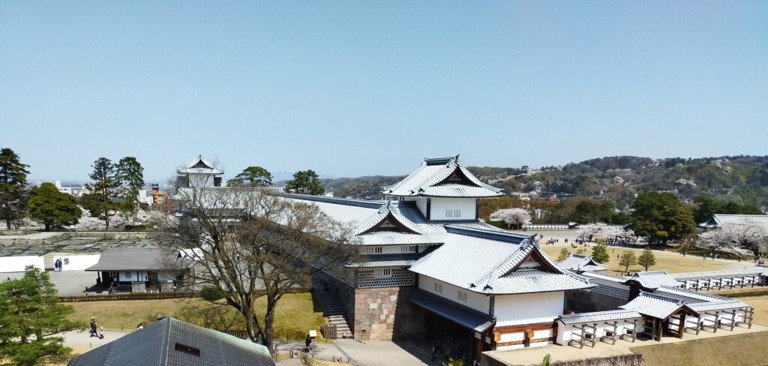
本丸の高台の角々に位置する「櫓跡(やぐらあと)」。かつてここには、城内を見下ろし遠方の敵や火災を早期発見する三層の超高層展望櫓がそびえ立っていました。方位を示す「丑寅(北東)」「辰巳(南東)」「戌亥(北西)」という名前に込められた江戸時代の空間認識を学ぶスポットです。
現場でサッと使える短文フレーズから、十二支による方向の数え方(Zodiac Directions)、本丸の展望ロケーション、天守代わりとして機能した歴史、ゲストをクスッと笑わせる裏話まで網羅しました。目的の項目ボタンからご自由にご活用ください。

本丸防衛の要・十二支の名を頂く最高所の絶景@櫓跡
📍 Quick Navigation: 各章へジャンプ
13. 櫓跡(丑寅櫓・辰巳櫓・戌亥櫓)
13.1 基本情報(5項目)— The Three Turret Sites
以下は、記事にそのまま組み込みやすい英語と日本語の案です。単なる史跡の説明ではなく、外からの敵への備えと、城内の監視という対比を中心に構成しました。
Set 1: Defensive Positions / 防御上の配置
The three turret sites remind us that the castle’s defenses depended not only on its walls, but also on where its watchtowers stood.
3つの櫓跡を見ると、城の防御は石垣だけでなく、櫓をどこに配置するかも重要だったことが分かります。
Set 2: Watching for External Threats / 外からの敵への警戒
The Ushitora and Tatsumi turrets stood on the eastern and southern sides of the Honmaru, helping guard approaches from the Kenrokuen and Kodatsuno areas, which were considered vulnerable routes for an attack.
丑寅櫓と辰巳櫓は本丸の東側・南側に位置し、敵の侵入経路として警戒された兼六園・小立野方面などへの備えを担っていました。
Set 3: The Inui Turret / 戌亥櫓の役割
Unlike the turrets watching for threats from outside, the Inui Turret was used to keep watch over the castle itself, including the Ninomaru.
外からの敵を警戒する櫓とは異なり、戌亥櫓は二の丸を含む城内全体を監視する役割を担っていました。
Set 4: The Meaning of the Names / 櫓の名前と方角
The names Ushitora, Tatsumi, and Inui refer to traditional Japanese compass directions: northeast, southeast, and northwest, respectively.
丑寅・辰巳・戌亥は、それぞれ北東・南東・北西を表す伝統的な方角の呼び名です。
Set 5: A Lesson in Security / 防御から学べること
History offers many examples of kingdoms and organizations brought down by betrayal from within. The Inui Turret reminds us that protecting a castle meant watching not only the enemy outside, but also what was happening inside.
歴史上、内部の裏切りによって滅びた国や組織は数多くあります。戌亥櫓は、城を守るには外の敵だけでなく、内部の動きにも目を配る必要があったことを考えさせてくれます。
13.2 口頭説明(5項目)
案内中に歩きながらテンポよく説明できるよう、3つの櫓跡の特徴を5項目にまとめました。
Set 1: Defense / 防御
EN: The three turret sites remind us that a castle’s defense depended not only on its walls, but also on where its turrets were placed.
JP: この3つの櫓跡を見ると、城の防御は石垣だけでなく、櫓をどこに配置するかも重要だったことが分かります。
Set 2: External Threats / 外敵への備え
EN: The Ushitora Turret stood on the northeast side of the Honmaru. Turrets in this area helped guard against attacks from the Kenrokuen and Kodatsuno directions.
JP: 丑寅櫓は本丸の北東側にありました。この一帯の櫓は、兼六園や小立野方面からの攻撃に備える役割を担っていました。
Set 3: Internal Surveillance / 城内の監視
EN: Unlike the turrets guarding against outside threats, the Inui Turret was used to watch over the castle itself, including the Ninomaru.
JP: 外からの敵を警戒する櫓とは異なり、戌亥櫓は二の丸を含む城内を監視するために使われていました。
Set 4: Compass Directions / 方角を表す名前
EN: The names Ushitora, Tatsumi, and Inui refer to traditional Japanese compass directions: northeast, southeast, and northwest, respectively.
JP: 丑寅・辰巳・戌亥は、それぞれ北東・南東・北西を表す伝統的な方角の呼び名です。
Set 5: A Lesson in Security / 防御から学べること
EN: History is full of kingdoms and organizations that fell because of betrayal from within. Protecting a castle meant watching not only the enemy outside, but also what was happening inside.
JP: 歴史上、内部の裏切りによって滅びた国や組織は数多くあります。城を守るには、外の敵だけでなく、内部の動きにも目を配る必要があったのです。
全13ユニット(派生全12記事)にわたる金沢城英語ガイド解説はお楽しみいただけましたか?
他のスポットの解説へ戻る際は、冒頭の緑色ナビゲーションボタンをご活用ください!