 Sakura
皆さん、こんにちは!金沢の伝統文化&インバウンドガイドのSakuraです。金沢・ひがし茶屋街の最高峰のおもてなし『芸者遊び/お座敷遊び(Geisha Asobi / Ozashiki Asobi)』の英語案内ページへようこそ!
知っているようで知らない「芸者遊び・お座敷遊び」の本当の定義や、「金毘羅船々(こんぴらふねふね)」や「投扇興(とうせんきょう)」といった伝統ゲームのルールを解説します。宴席全体の体験とお座敷での交流の違い、料金システムの裏側から、旦那衆に絡めたクスッと笑える雑談ネタまで網羅しました。
現場でサッと使える短文フレーズから、深掘りQA、ゲストの心を掴むトークネタまで凝縮されています。目的の項目ボタンからご自由にご活用ください。
📍 Quick Navigation: 各章へジャンプ
5. 芸者遊び/お座敷遊び
🌸ここでは《芸者遊び/お座敷遊び》に関する説明ネタや英語表現をご紹介します。
5.1 基本情報
🌸ご案内前に押さえておきたい基本ポイントです。実際にインバウンドとよく話題に上がる点も考慮して10項目に纏めてしてみました。
《日本語》
- 「芸者遊び(Geisha asobi)」は文字通り「芸者と遊ぶこと」を意味し、芸者がゲストをもてなす宴席全体の体験、すなわち芸者と過ごす全ての時間を指す。「お茶屋遊び(Chaya asobi)」と同義。
- 「お座敷遊び(Ozashiki-asobi)」は文字通り「座敷で遊ぶこと」を意味し、全体の「芸者遊び」体験の一部である、特定のゲームやゲスト参加型の交流を指す。
- 文字通りの意味から閉じた部屋で男女が「遊ぶ」イメージを連想させるが、実際には芸者が専門 of 「芸と歓待」でゲストをもてなす特別な場所を指し、性的なサービスとは一切関係ない。
- 芸者遊びでは、唄、舞、三味線といった伝統芸能を、非常に間近で個人的に鑑賞できる貴重な機会を得られえる。
- 伝統的な芸者遊びは通常、「一見さんお断り」の格式高い特別なお茶屋で催されるが、近年では観光客向けのもっと開かれた形式もある。
- お座敷遊びの間、参加者全員がユニークでユーモラスな伝統ゲームに参加し、芸者のプロフェッショナルな歓待と技術によって場が盛り上げられる。
- お座敷遊びのゲームには10種類以上あるが、そのほとんどは、芸者とゲストが一対一で他の参加者の前で勝利を目指して競い合う形式をとる。
- 全てのゲームは年齢や性別にかかわらず誰でも簡単に遊べるが、敗者には、追加でお酒を一杯飲むなどの楽しいペナルティ(罰杯)が与えられる。
- 伝統取的な特別な芸者遊びを除けば、現在の芸者遊びは主に、開かれたコンサート形式のイベントと、食事付きのパーティ形式のタイプに分けられる。
- そこで、芸者は芸と遊びを通じて、その専門的な技量と場の雰囲気を高める能力を披露する。
《英語》
- “Geisha asobi,” literally meaning “Playing with Geisha,” refers to the entire banquet and experience where geisha entertain guests, encompassing all time spent with them. It is synonymous with teahouse entertainment (Chaya asobi).
- “Ozashiki-asobi” (literally, “playing in the guest room”) refers to the specific games and interactive exchanges that are part of the overall Geisha asobi entertainment experience.
- While the both terms might evoke images of men and women simply “playing” in a closed room, they refer to an exclusive venue where geisha entertain guests with their professional “arts and hospitality,” having no connection to sexual services.
- At Geisha asobi, you have the rare opportunity to experience traditional performing arts—such as songs, dances, and shamisen music—up close and personal.
- While traditional geisha entertainment is typically held in exclusive ochaya (tea houses) that do not accept first-time customers, more open versions catering to tourists have recently become available.
- During Ozashiki asobi, all participants play unique and humorous traditional games, which are livened up by the geisha’s professional hospitality and skill.
- There are over a dozen main types of parlor games, but most involve a geisha and a guest competing one-on-one for victory in front of the other participants.
- While all the games are simple enough for anyone to play, regardless of age or gender, the guests are typically given a fun penalty, such as drinking an extra cup of sake.
- Aside from traditional exclusive geisha entertainment, most geisha entertainment is primarily divided into open, concert-style events and party-style gatherings with dining.
- In that setting, geisha demonstrate their professional skill and ability to elevate the mood through both entertainment and games.
5.2 口頭説明
🌸ここではお相手と一緒に歩きながらでも使える様に上記基本10項目を口頭説明用の簡略文に置き換えています。ポイントは同じなので英>日の順で、英語音声は(米国女性話者)1ファイルです。
1. Geisha asobi means the entire experience: the whole banquet where geisha entertain you. We sometimes call it teahouse entertainment. 芸者遊びとは体験全体、つまり芸者がもてなす宴席全体を指します。お茶屋遊びとも呼びます。
2. Ozashiki-asobi simply means the traditional games that are interactive part of the whole Geisha asobi experience. お座敷遊びは、伝統的なゲームで、芸者遊びの中のゲスト参加型の部分です。
3. Geisha asobi is all about arts and hospitality. It’s a formal, traditional setting—not sexual in any way. 芸者遊びの本質は「伝統芸能とおもてなし」です。格式高い伝統的な場であり、性的な要素は一切ありません。
4. Here, you get a rare chance to see traditional Japanese arts—the songs, dances, and shamisen music—up close and personal. ここでは日本の伝統芸能、つまり唄や舞、三味線を、とても間近で個人的に鑑賞できる貴重な機会が得られます。
5. Traditionally, Geisha asobi was only held at exclusive ochaya, traditional tea house, but open versions for tourists are available these days. 伝統的には、新規の客を受け入れないお茶屋でのみ行われていました。しかし今では、観光客向けに、オープン形式のものもあります。
6. During Ozashiki asobi, the geisha use their professional skill to make the party lively! お座敷遊びの間、芸者たちはそのプロの技で宴席を活気づけます!
7. Mostly, it’s one geisha versus one guest, competing for fun while everyone else watches and cheers. ほとんどの場合、芸者とゲストが一対一で競い合い、他の皆はそれを見ながら応援して楽しみます。
8. If you lose, you get a fun penalty—usually drinking an extra cup of sake! 負けた場合、楽しい罰ゲームがあります。通常は日本酒をもう一杯飲みます!
9. Aside from private, exclusive parties, most geisha events are either open concert-style shows or dining parties. 一見さん限定の特別なお座敷を除けば、今日の芸者イベントは主にオープンな公演スタイルか、食事付きのパーティー形式です。
10. Geisha show their skill by smoothly moving from elegant performances to fun, lighthearted games, keeping the mood high. 芸者は優雅な演舞から楽しげなゲームへと軽やかに流れを変え、場の盛り上がりを最高潮に保つプロの技を見せてくれます。
5.3 QA#インバウンド視点
🌸《芸者遊び・お座敷遊び》についてインバウンドが素朴に感じるであろう想定問答例です。色々な回答が可能ですが、実際によく聞かれる質問も含め日英順にご紹介ます。
《日本語》
- 質問:芸者遊びってそもそも何ですか?
- 芸者遊びは、もともと特権階級が芸者の芸を独占的に楽しむために始まりました。
- 質問:伝統的な芸者遊びは高価なのですか?
- 標準価格というものは存在せず、お相手の社会的地位によって費用が設定されるため、通常一般的な感覚より一桁から二桁高価です。
- 質問:なぜそこまで費用が高いのでしょうか?
- お茶屋の豪華な内装、芸者の育成費、高価な衣装代など、高コストな構造を限られた顧客基盤だけで維持していく必要があるためです。
- 質問:芸者遊びの宴席はどれくらいの時間続くのですか?
- 伝統的な遊び方はゲストの気分次第で数時間続くことがありますが、現代の観光客向けコースは通常、芸者パフォーマンス1時間を含め、全体で2時間が標準的です。
- 質問:宴席には何人くらいの芸者やスタッフがつくのですか?
- 伝統的なものに限らず、芸者やサポートスタッフの適切な人数は、ゲストの地位、人数、そして予算や好みによって柔軟に決められます。
- 質問:芸者パフォーマンスでは具体的に何が見られますか?
- 基本的には、伝統的な舞、歌、そして三味線などの楽器演奏を、非常に近い距離で鑑賞することができます。
- 質問:芸者遊びはコンサートのようにただ観るだけなのですか?
- いいえ。例えば金沢では、ゲストが芸者と一緒に太鼓を叩く体験ができますし、楽器を使わない伝統的なゲームも楽しめます。
- 質問:その伝統的なゲーム(お座敷遊び)とは何ですか?
- 多くは、芸者とゲストが道具や身体を使って一対一で勝敗を競うもので、周りのゲストはそれを見て盛り上がり、楽しむためのものです。
- 質問:子供の遊びのように見えますが、大人が楽しめるものなのですか?
- もちろんです。誰でもできる簡単なゲームを芸者がプロの技で盛り上げるのが伝統的なスタイルで、多くのゲストは童心に帰って心から楽しめます。
- 質問:ゲームの具体的な例を教えてください。
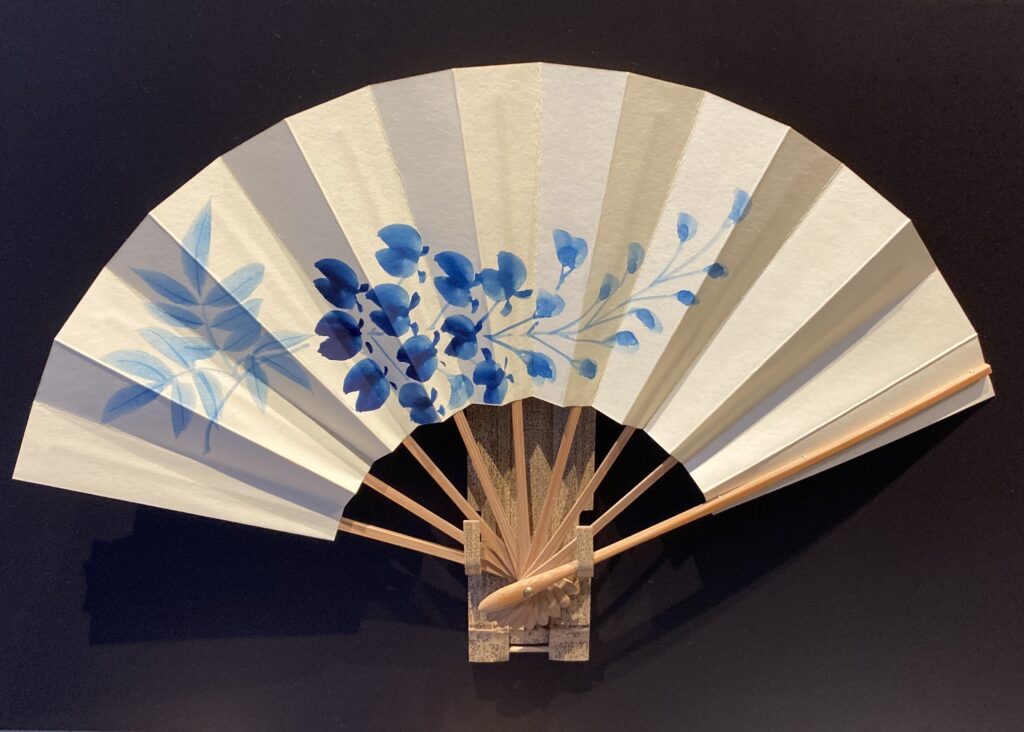
- 有名なのは「投扇興(とうせんきょう)」です。これは、扇子を的に向かって投げ、当たった際の扇子の形で点数を競い合う千年の歴史を持つ遊びです。

《英語》
- What exactly is geisha asobi, geisha entertainment?
- Geisha entertainment originally began and for a privileged class to enjoy the arts of geishas exclusively.
- Is traditional Geisha entertainment expensive?
- There is no standard price, and fees are set based on the client’s status, making it typically one to two orders of magnitude more expensive than what the average person would expect.
- Why is the fee so high?
- This high cost sustains the entire structure: from the expensive interior furnishings of the ochaya (teahouse) to the substantial expenses for geisha training, elaborate costumes, and the specialized jikata (musicians), all supported by a limited client base.
- How long does a Geisha entertainment session typically last?
- Traditional sessions can last several hours, depending on the guests’ mood. However, modern tourist courses generally standardize the experience to two hours, often featuring a one-hour geisha performance plus dining.
- How many geisha are typically present during an engagement?
- The appropriate number of geisha and supporting staff is determined entirely by the guests’ status, number, budget, and specific preferences, regardless of whether the arrangement is traditional or modern.
- What can guests see during a Geisha performance?
- Guests primarily see traditional dances, songs, and instrumental performances (shamisen, etc.), all presented at a uniquely close distance.
- Are Geisha performances purely for watching, like a concert?
- No. For instance, in Kanazawa, guests are often invited to play the taiko drums along with the geisha. Many sessions also include engaging, instrument-free traditional parlor games.
- What exactly are these traditional games (Ozashiki Asobi)?
- Most involve a geisha and a guest competing one-on-one using simple props or body movements, providing a lively spectacle that the surrounding guests enjoy watching and cheering on.
- The games seem simple; can adults truly enjoy them?
- Absolutely. The charm lies in the traditional format: the geisha use their skill to turn simple, accessible games into a lively event. Most guests find themselves returning to their childhood and enjoying the interaction wholeheartedly.
- Can you give an example of one of the games?
- The most famous is Tosenkyo, a game with a thousand-year history where players throw folding fans at a target and compete for points based on the shape the fan forms upon impact.
5.4 笑いが取れるかも?
Q1.芸者遊びとは、いったい何をするものなのですか?
“What exactly do people do in geisha asobi?”
🌸ここでは芸者遊びの基本的な定義と説明表現を織り込んでみました。前半(1-7)が説明にもつかえる真面目パート、後半(8-10)が雑談力UP用のおふざけパートです。
- Geisha asobi, or geisha entertainment, refers to a traditional banquet where geisha perform their refined arts and entertain guests. 芸者遊びとは、芸者がその洗練された芸を披露しながらお客様をもてなす、伝統的な宴席のことを指します。
- While enjoying sake, guests watch elegant dances, listen to songs and shamisen music, and engage in relaxed conversation. お酒を楽しみながら、舞踊や唄、三味線の演奏を鑑賞し、会話を楽しみます。
- As the evening draws to a close, the atmosphere is often livened up with playful party games known as ozashiki-asobi. 宴の終盤には、「お座敷遊び」と呼ばれる遊戯で場が和み、より賑やかな雰囲気になります。
- The basic structure is similar in both exclusive traditional settings and the more accessible versions available today. 基本的な流れは、昔ながらの格式高い芸者遊びも、現代のより開かれたスタイルのものも大きくは変わりません。
- However, traditional geisha entertainment is flexible and open-ended—the content adapts to the mood, and the party can continue indefinitely. ただし、伝統的な芸者遊びは非常に柔軟で、その場の空気に合わせて内容が変わり、宴がいつまでも続くこともあります。
- There are no fixed prices or set plans, and payment is made after the event, with no clear idea of the final cost. 料金や決まったプランはなく、いくらになるか分からないまま、宴の後に支払いが行われるのが普通でした。
- Modern geisha entertainment, by contrast, is menu-based, with transparent pricing and advance payment. 一方、現代の芸者遊びでは、料金や内容が明確に決められたメニュー制となり、事前支払いが基本です。
- In that sense, one could say the true essence of authentic geisha entertainment lies in deferred payment. Enjoying a night where the cost is unknown naturally requires significant financial means—and trust. そう考えると、本来の芸者遊びの本質は「後払い」にある、と言えるかもしれません。いくらになるか分からない一夜を楽しむには、相応の経済力と、何よりも信頼関係が必要です。
- For wealthy foreign visitors seeking the “real” experience, deferred payment might sound appealing. But in reality, it’s impossible. In English, we say “someone has to pay the price.” 本物の芸者遊びを体験してみたい裕福な外国人旅行者にとって、後払いという仕組みは魅力的に聞こえるでしょう。しかし、現実にはそれは不可能です。英語には “Someone has to pay the price.”(誰かが責任を負わなければならない)という言葉があります。
- And if the bill can’t be collected, someone always pays—and it’s never the guest! もし代金を回収できなければ、誰かが必ず支払うことになる—そして、それは決してお客さまではないのです!
Q2.「お座敷遊び」とは何でしょうか?
“What’s an ‘ozashiki asobi’?”

🌸ここではお座敷遊びの人気ゲームとそれに関する表現を織り込んでみました。前半(1-7)が説明にもつかえる真面目パート、後半(6-10)が雑談力UP用のおふざけパートです。
- It’s the game time in geisha entertainment, where guests compete directly with a geisha. お座敷遊びとは、芸者の接待の中で行われる“ゲームの時間”です。お客さまと芸者が向かい合って、直接勝負をします。
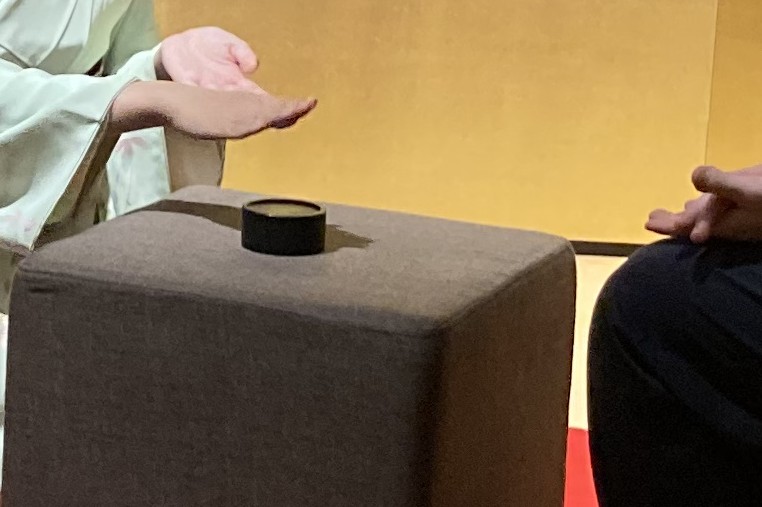
- One popular game is Konpira Funabune. It’s based on a traditional jingle inviting people to take a boat ride to a famous shrine. 代表的な遊びのひとつが 「金毘羅船々(こんぴらふねふね)」 です。保存されている昔の唄がもとになっています。
- The rhythm gradually speeds up, which makes it perfect for a game. 唄のリズムがだんだん速くなっていくため、遊びとしてとても盛り上がります。
- A cushion is placed between the guest and the geisha, with a bowl on top. Following the rhythm, players take turns either taking the bowl or touching it—using an open palm. 芸者とお客さまの間に座布団を置き、その上にお椀を載せます。唄のリズムに合わせて、順番に「お椀を取る」か「お椀に手を置く」動作をします。手を置くときは必ず開いた手です。
- When your opponent takes the bowl, you must hit the cushion with a fist. If you mix them up—open palm on the cushion or fist on the bowl—you lose. 相手がお椀を取ったときは、こぶしで座布団を叩かなければなりません。もし、座布団を開いた手で叩いたり、お椀をこぶしで触ってしまったりすると負けです。
- It may look like child’s play, but in this parlor game the geisha—elegantly dressed artists—sit right in front of the audience, who watch the intense showdown. 一見すると子どもの遊びのようですが、美しく着飾った芸者が目の前に座り、周囲のお客さまがその勝負を見守るため、意外と真真剣勝負になります。
- Once people realize this is a tradition that goes back centuries, they get surprisingly competitive. This is the essence of geisha asobi. しかも、これが何百年も続く伝統だと知ると、皆さん自然と熱が入ってきます。これが芸者遊び、芸者の接待の本質です。
- But after hosting many international guests, I’ve noticed something interesting. ただ、これまで多くの外国人のお客さまをご案内してきて、ひとつ気づいたことがあります。
- People often assume geisha are playing along with the guests—but in reality, it’s usually the guests who end up playing along with the geisha, much like patrons did in the samurai era. 多くの方は「芸者がお客さまに合わせてくれている」と思いがちですが、実は逆で、お客さまのほうが芸者に付き合っている場面が多いのです。これは、武士の時代に、旦那衆が芸者文化を支えてきた形とよく似ています。
- So… does that mean everyone here is becoming a patron tonight? ――さて、今夜ここにいる皆さんも、旦那衆の仲間入りということでしょうか?
芸者遊び/お座敷遊びの解説はお楽しみいただけましたか?
他のスポット(1・2.基本用語、3.お茶屋全般、4.芸者/芸妓など)の解説へ移動する際は、冒頭のナビゲーションボタンをご活用くださいね!