 虎徹
皆さん、こんにちは!武家屋敷跡 野村家の英語案内『玄関・甲冑(鎧兜)』ページへようこそ!
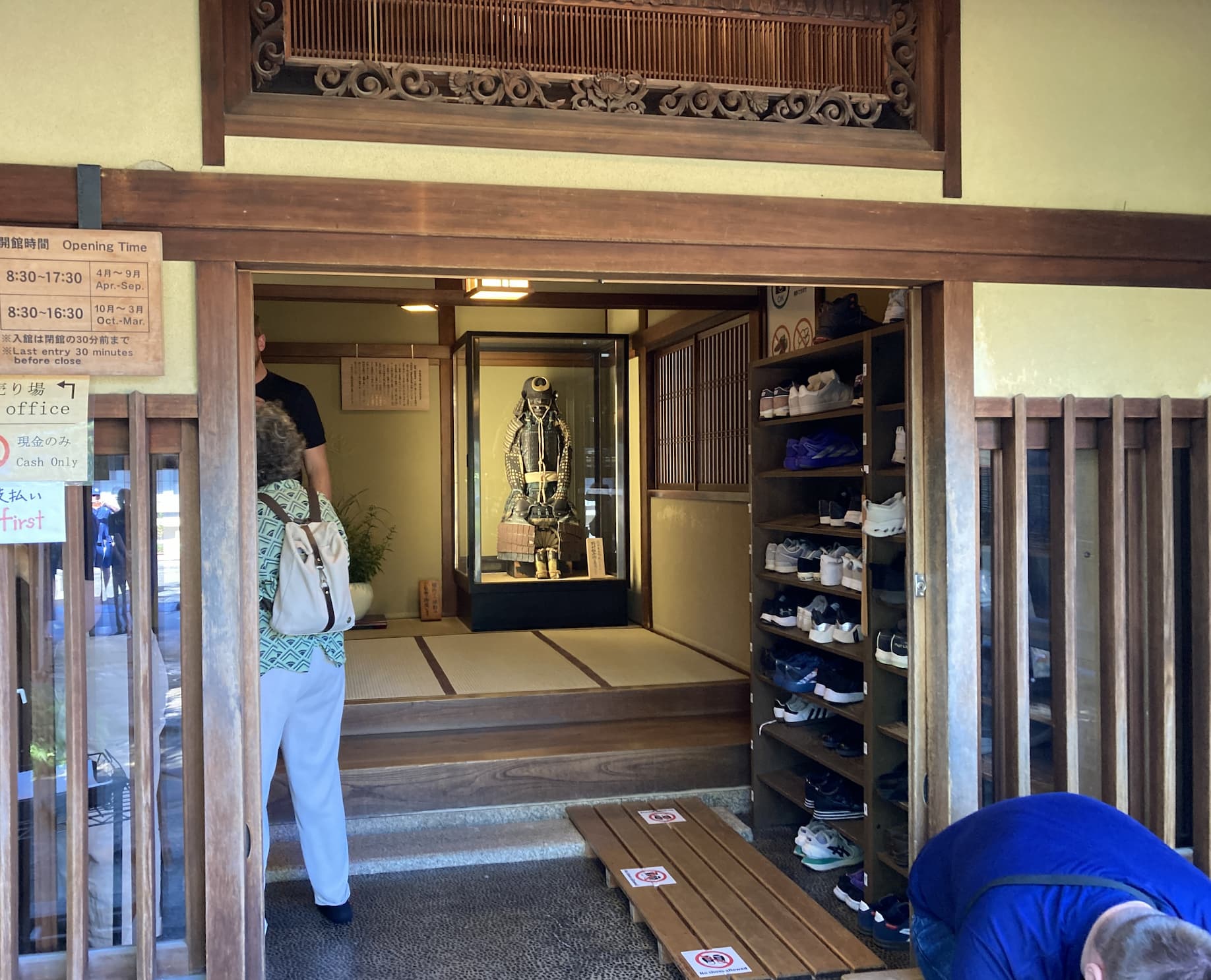
玄関を入るとすぐ目に入る甲冑は、初代当主・野村伝兵衛が実際に着用した実戦用の貴重な品です。狭く混み合いやすい場所ですが、サッと即答できるフレーズから「カブト虫」や「敷居(threshold)」のダジャレまで網羅しました。目的の項目ボタンからご活用ください。
📍 Quick Navigation: 各章へジャンプ
2. 玄関・甲冑 エリア
玄関を入るとすぐ甲冑が目に入りますが、これは野村伝兵衛が実際に着用したものです。混んでいる狭い玄関前なので、長い説明は不適ですが、説明ボードについても聞かれる可能性もありますので、それも踏まえた想定問答例です。
Q1.甲冑:この甲冑は何なんですか?
“What is this armor?”
👉 Q1では昆虫用語を多く織り込みました。前半(No1-6)は説明にも使える真面目パート、後半(No7-10)は雑談力アップ用のおふざけパートです。末尾の英語音声話者は鎧のような手堅いトーンの英国男性です。本パート表現の習得用演習ツールご利用はこちらへ!
- This is the actual armor worn by the first head of the Nomura family. 野村家初代当主が実際に身に着けた甲冑です。
- He earned recognition for his valor in battles while wearing this armor, which led to his promotion as a senior samurai. これを着た戦で手柄を立て上級武士に取り立てられました。
- This board provides insights into the details of the battles he participated in. このボードには、その戦の詳細が書かれています。
- The lord of Kanazawa Castle was in a period of significant instability at that time. 金沢城の領主はまだ不安定な時期でした。
- The head of the Nomura family was said to have fought with a spear, his specialty. 野村家当主は槍で戦ったそうです。
- Unlike the ornate armor often displayed in museums, this helmet is both compact and practical. 博物館でよく見る装飾的な甲冑と違って、兜もコンパクトで実戦的です。
- In Japan, the helmet part of the armor is called ‘kabuto’, meaning ‘a beetle’, and its frontal ornament is called ‘kuwagata ‘meaning ‘a stag beetle’. 日本では、鎧の兜の部分を「カブト」(かぶと虫の意味合い)と呼び、前立ての飾りを「クワガタ」(くわがた虫の意味合い)と呼びます。
- Generally, this ornamentation and size of ‘kuwagata’ indicate the status of the samurai, but unlike stag beetles that usually have a pair of horns, this one is closed at the end. 一般に「クワガタ」の装飾と大きさが武士の身分を示しますが、通常一対の角(horns)を持つクワガタムシと違い、この「クワガタ」は先が閉じています。
- As he was a low-ranked samurai at the time, he likely felt he had no other way to survive but to make his way with his spear, equivalent to a beetle’s horn. 当主は当時、下級武士だったため、カブトムシの角の様に槍で道を切り開くしか生きる道はないと思ったのかもしれません。
- The closed circle of the stag beetle ornament on his helmet might symbolize the dilemma he faced at that time! この兜のクワガタ飾りの閉じた円は、当時の彼のジレンマを象徴しているように見えるかも!
Q2. 甲冑:彼(初代当主)は本当にこの鎧と同じ位小柄だったの?
“Was he really as small as this armor suggests?“
👉 Q2は実際によく聞かれる質問をベースに鎧と戦に関する表現を織り込んでみました。前半(No1-6)は説明にも使える真面目パート、後半(No7-10)は雑談力アップ用のおふざけパートです。

- Samurai armor comes in two main types, each with a distinct purpose in both appearance and function. 侍の鎧は、外見と機能の両面において、主に2つのタイプに分けられます。
- One is the luxuriously conspicuous armor of a general or a high-ranking commander, intended to boost morale on the battlefield. 一つは、戦場で士気を高める意図を持つ、軍団の将軍や大部隊の指揮官の豪華で人目を引く鎧です。
- The other is functional armor for front-line soldiers, like infantrymen, which prioritizes agility and ease of movement. もう一つは、歩兵のような最前線の兵士のための機能的な鎧で、戦場での俊敏性や動きやすさを優先しています。
- This armor is made to be lightweight and simple, with minimal decoration. そのため、この種の鎧は装飾を最小限に抑え、軽量でシンプルな作りになっています。
- According to many studies, the average height of a Japanese man during the samurai period was about 5’1″ to 5’3″ (155 to 160 cm). 多くの研究によると、侍の時代の日本人男性の平均身長は約5フィート1インチから5フィート3インチ(約155〜160cm)だったとされています。
- Armor was custom-made to fit the individual’s physique, so it’s natural that the armor on display would seem small to a modern viewer. 鎧は基本的に個人の体格に合わせて作られていたため、展示されている鎧が現代の私たちから見て小さく感じるのは自然なことです。
- Japanese proverbs say that just as a tiger leaves its skin behind when it dies, a person should leave behind a good name. 古い日本のことわざに「虎は死して皮を残し、人は死して名を残す」というものがあります。
- Although this ancestor might have been small in stature and unremarkable in appearance, he not only successfully left behind his name but also his armor, just as a tiger leaves its skin. このご先祖様は、たとえ体格が小さく、外見は目立たない人物であったとしても、虎が死して皮を残すように、見事に名だけでなく、この鎧も後世に残したのです。
- Even today, his spirit seems to reside in his armor, protecting his family. そして今日でも、彼の魂はこの鎧に宿り、家を守っているようです。
- As the English saying goes, he is literally in armor—ready to defend his legacy. まさに、英語の “in armor”(鎧をまとっている)という言葉が示すように、彼は自らの遺産を守るために、文字通り鎧をまとっているのです。
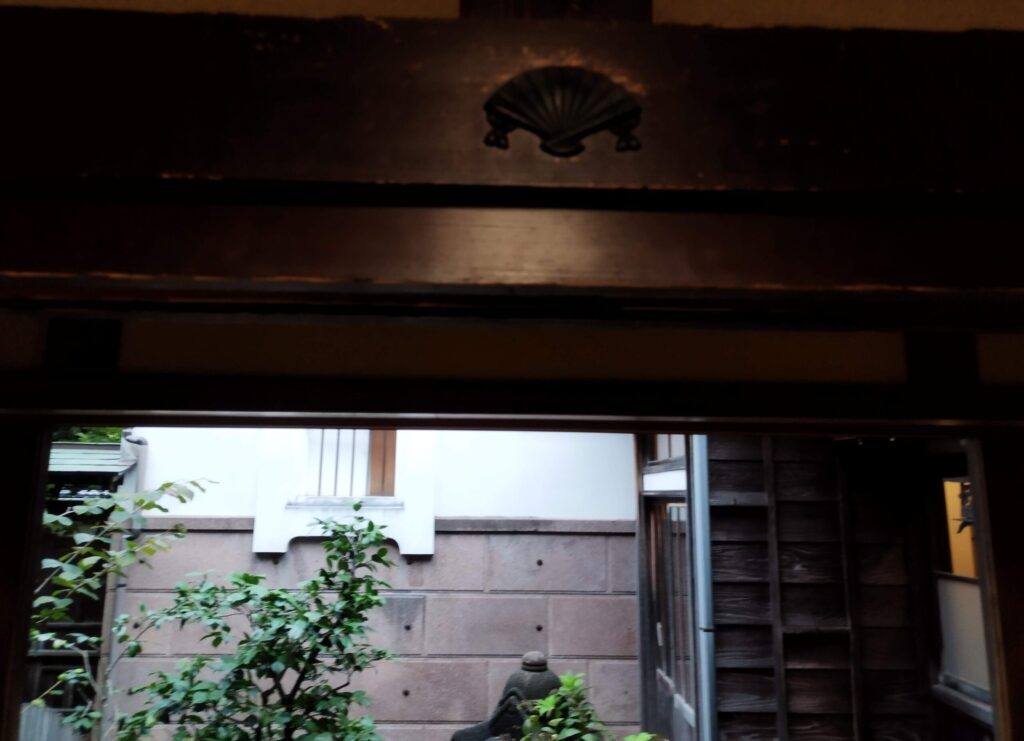
Q3. 生活空間:台所や寝室(ベッドルーム)はどこにあるのですか?
“Where are the kitchen and bedrooms in this house?”
👉 見学を終えて帰る間際によく聞かれる素朴な疑問です。前半(No1-5)は歴史的背景を簡潔に伝える真面目パート、後半(No6-10)は「復元の背景」から「敷居(threshold)」のダジャレへと展開する雑談パートです。
- You might be wondering where the family actually lived, cooked, and slept. ご家族が実際に暮らし、料理をし、寝ていた場所がないのが、不思議に思われるかもしれませんね。
- In fact, what you see today is only a small surviving fraction of the original Nomura residence. 実は、今日皆様がご覧になったものは、かつての野村家邸宅のほんの一部(残存部分)に過ぎません。
- Originally, this estate spanned a vast area—about 3,000 square meters—including extensive living quarters, kitchens, and servant areas. もともとこの敷地は約3,000平方メートル(約1,000坪)という広大なもので、広大な生活エリア、台所、使用人の部屋などが含まれていました。
- When the samurai era ended, many families faced financial hardship and had to sell off large portions of their land. サムライの時代が終わると、多くの武家が経済的に困窮し、敷地の大部分を手放さざるを得ませんでした。
- As a result, the magnificent audience chambers and garden were miraculously preserved or restored, while the everyday living quarters were lost over time. その中で、野村家はこのように奇跡的に謁見の間や庭園が保存・復元されましたが、日常の生活空間までは復元されませんでした。
- Presumably, there was no longer enough land, historical documentation, or budget to rebuild those private spaces. 恐らくは、もうそんな土地のスペースもなく、復元するための歴史的な資料も、費用もなかったのでしょう。
- However, in other regions of Japan, some samurai living quarters still survive, giving us a good idea of their daily life. でも、他の地域には武士たちの生活空間が現存するところがあるので、そこからある程度、当時のイメージを想像することができます。
- Their kitchens had exposed high ceilings without ceiling boards, creating a surprisingly spacious feel—and the hallways and entrances were likely much larger than what you see here. 台所は天井板がなく天井裏がむき出しで広々としており、廊下やこの玄関ももっと広かったはずです。
- Back then, this main entrance was spacious, but only a privileged few could enter—it had a genuinely “high threshold,” as we say in English and Japanese. 当時の玄関は広くても、入れる人は限られていたので「敷居が高かった」わけですね。文字通り英語で言う “high threshold” です。
- Today, it’s open to everyone, so it’s a “low threshold”—though since it’s always crowded and hard to get in, maybe we should call it a “narrow threshold”! 今は公開されて誰でも入れるので “low threshold” ですが、いつも混んでいて入るのが大変なので、”narrow threshold(狭い敷居)” と呼ぶのがぴったりかもしれませんね!
Q4. 甲冑:この鎧は何で出来ているの?
“What is this armor made of?”
- While I can’t speak to the exact composition of this specific suit, Japanese armor was generally crafted from a combination of iron, leather, and silk cords. この鎧の正確な素材について断言はできませんが、日本の甲冑は一般的に鉄・革・絹の紐を組み合わせて作られていました。
- Different styles evolved over time depending on the era and purpose, but most were constructed by lacing together small individual plates. 時代や用途によってさまざまな様式が発展しましたが、多くの甲冑は小さな板を紐で編み上げて作られていました。
- This unique design provided solid protection while allowing the samurai to move with remarkable freedom. この独特の構造により、武士は高い防御力を得ながら、驚くほど自由に動くことができました。
- Lacquer was also applied to the surfaces—not just to shield the armor from the elements, but to create a striking decorative finish. 表面には漆が塗られ、風雨から守るだけでなく、美しい装飾としての仕上げも施されました。
- So, samurai armor wasn’t just a heavy shell of metal; it was an intricate piece of craftsmanship blending function and artistry. つまり、武士の鎧は単なる重い金属の殻ではなく、機能性と芸術性が融合した精巧な工芸品だったのです。
- When you look at the grand suits displayed in museums today, you can truly appreciate the incredible detail and skill that went into them. 現在博物館に展示されている立派な甲冑を見ると、その細部の作り込みと職人技の凄さがよく分かります。
- Many were lavishly decorated, especially those worn by high-ranking samurai—though this extravagance was about more than just showing off status. 特に高位の武士が着用した甲冑は豪華に装飾されていましたが、その派手さは単なる見栄ではありませんでした。
- A commanding appearance served a vital tactical purpose: boosting the troops’ morale. Imagine a commander atop a hill, displaying his magnificent armor to inspire his men before battle! 威厳ある姿は戦術的にも重要で、兵士たちの士気を高める役割がありました。丘の上で指揮官が華麗な鎧を見せて部下を鼓舞する姿を想像してみてください!
- Now, looking at this particular armor worn by the front-line soldier Denbei Nomura, it feels far more practical than decorative. Yet somehow, just looking at it boosts my own morale! さて、この野村伝兵衛が前線で着用した鎧を見ると、装飾よりも実用性重視の印象を受けます。それなのに、なぜか私の士気まで上がってしまうんですよね!
- Unembellished, well-worn, and presented exactly as it is—there is something genuinely moving about that. Perhaps my own plain, unadorned explanations might move you just a little bit, too! (laughs) 飾り気がなく、使い込まれ、そのままの姿で展示されている――そこにこそ心を動かされるものがあります。もしかすると、私の飾り気のない説明も、あなたの心をほんの少し動かすかもしれませんね!(笑)
野村家 玄関・甲冑エリアの解説はいかがでしたか?
全体の基本情報に戻る場合や、庭園・刀剣・茶室などの他のエリアをチェックする際は、冒頭のナビゲーションやハブ記事をご活用くださいね!