 虎徹
皆さん、こんにちは!武家屋敷跡 野村家の英語案内『建築・上段の間(謁見の間)』ページへようこそ!
藩主(大名)をお迎えするために造られた最高格式の空間「上段の間」。黒檀や紫檀などの最高級木材、ルネサンス建築を思わせる檜の格天井、高級桐の床板、明治初期の希少なガラス障子など、伝統建築の意匠美が凝縮されたエリアです。現場でサッと説明できるフレーズからクスッと笑える雑談ネタまでまとめました。目的の項目ボタンからご活用ください。
📍 Quick Navigation: 各章へジャンプ
5. 建築・上段の間 エリア
サムライ屋敷に一体何故?領主をお招きする為の上段の間が?と思うのは、かなりお詳しい方で、殆どのインバウンドは(日本人観光客の多くもですが)、この屋敷の雰囲気に浸かっていますので、その辺りの細かい質問はそれほど多くないようです。ここでは、この部屋はそもそも何?(What?)、どのように使われるの?(How?)への対応がメインかと思います。また、建築質問も多いので、その辺りの表現を意識して組んでみました。

Q1:目的:この部屋は何をする為のものだったのですか?
”What was this room used for?”
ここでは10文の前半(No1-7)は説明にも使える真面目パート、後半(No8-10)は雑談力アップ用のおふざけパートで置いてみましたが、No2~No5は日本歴史マニアインバウンド向けにと思います。
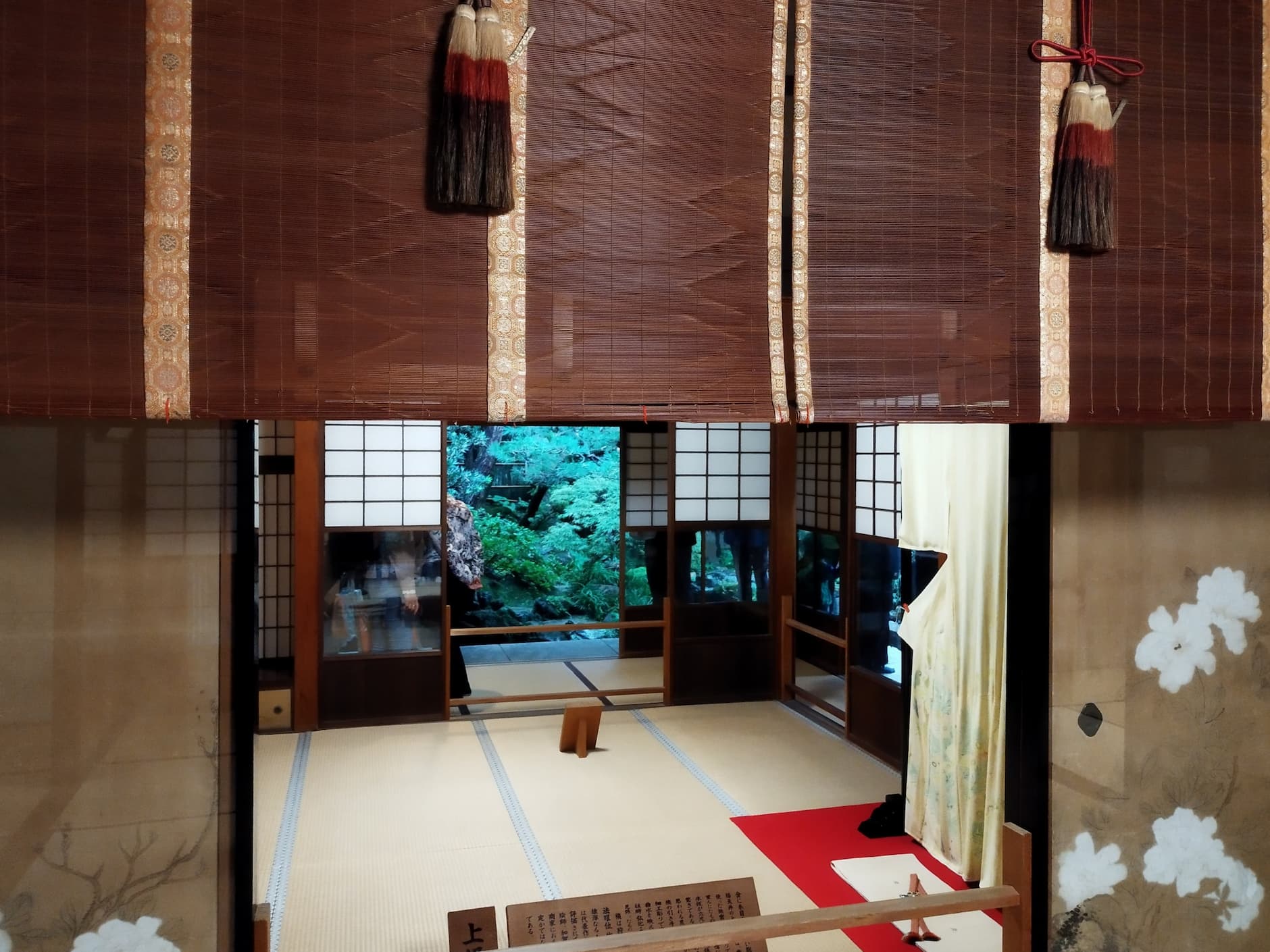
- This was a VIP room, known as a Jodan-no-ma, designed for inviting feudal lords. It was built one step higher than the rest of the house to signify its importance. これらはVIPルームで、「上段の間」として知られ、藩主を招くために設けられた部屋です。家の他の部分より一段高く作られ、その重要性を表しています。
- The upper-level room is an architectural style that originated about 400 years ago in samurai residences. Originally, lords included such rooms in their own homes to meet with their vassals. 上段の間という建築様式は、約400年前に武家屋敷で始まりました。もともと、藩主が家臣と会うために自邸にこのような部屋を設けたのです。
- Therefore, you can find similar rooms not only in the Nomura House but also in the residences of famous daimyo (feudal lords) throughout Japan. そのため、このような部屋は野村家だけでなく、日本各地の有名な大名邸にも見られます。
- Historians might wonder why an upper-level room exists in the Nomura House, given that it was not the residence of a lord. 歴史に詳しい人は、「なぜ野村家に上段の間があるのか」と疑問に思うかもしれません。野村家は藩主の邸宅ではないからです。
- The answer lies in its history—this room was not part of the original Nomura House but was moved from a related daimyo’s mansion during restoration in the mid-19th century. その答えはその歴史にあります。この部屋はもともと野村家の一部ではなく、19世紀半ばの修復時に関連する大名邸から移築されたものです。
- These rooms are boldly and exquisitely crafted using expensive materials, such as ebony and black ebony, and feature elaborate techniques. これらの部屋は、黒檀や黒紫檀といった高価な材料を使い、大胆かつ精巧な技術で作られています。
- In such audience halls, bamboo blinds were often hung over the room to prevent the nobleman inside from being seen directly. こうした「上段の間」では、高貴な人が直接見られないように部屋に竹の簾(すだれ)が掛けられることが一般的でした。
- Naturally, nobles and lords did not want to be visible to the common people outside. 当然ながら、貴族や藩主は外の庶民から姿を見られることを望みませんでした。
- In modern Japan, you can find similar screens in many small houses, primarily used to maintain privacy. 現代の日本では、同様の簾が多くの小さな家でも見られ、主にプライバシーを保つために使われています。
- However, the reason for using these screens today is often practical—to hide the inside of small homes and laundry drying indoors from view. ただし、現在これらの簾を使う多くの理由は実用目的で、家の中や室内干しの洗濯物を外から隠すためです。
Q2:格天井(ごうてんじょう):この天井は何か特別なんですか?
“Is there anything special about this ceiling?”

ここからは、素材(部材)と工法のポイントをご紹介します。どこまで説明するか悩ましいところですが、基本的には、何がすごいのか自体よくわからないはずなので、何かが目に留まったと気づいたときにワンポイントでコメントする想定で置いてみました。10文の前半(No1-6)は格天井に関する表現を含む真面目パート、後半(No7-10)は雑談力アップ用のおふざけパートで置いてみました。


- This ceiling is constructed using a method commonly seen in grand halls, symbolizing high status. この天井は、大広間によく見られる工法で作られており、高い格式を象徴しています。
- It features a lattice-like framework made of long, thin wooden pieces, with a backing board attached to it. 細長い木材で格子状の骨組みを作り、その上に裏板を取り付ける構造になっています。
- Furthermore, this is a coffered ceiling—the highest class of ceiling—characterized by its concave upper surface rather than a flat one. さらに、この天井は「格天井」と呼ばれる最高級の天井で、平らではなく、上面が凹型になっているのが特徴です。
- This style is also found in Renaissance architecture in Europe and has the effect of making a room appear larger than it actually is. この様式は、ヨーロッパのルネサンス建築の天井にも見られ、部屋を実際より広く見せる効果があります。
- Various decorations and carvings can be added to the open spaces within the ceiling, enhancing the luxurious atmosphere of the room. 天井の空間にはさまざまな装飾や彫刻を施すことができ、部屋に豪華な雰囲気を与えます。
- This ceiling is made of hinoki cypress, one of the finest types of wood used in Japan since ancient times. この天井には、日本で古くから用いられてきた最高級の木材のひとつである檜が使われています。
- Hinoki cypress remains a popular material in high-end construction today due to its beautiful white color, natural luster, and unique fragrance. 檜はその美しい白色、光沢、そして独特な香りから、今でも高級建築に使用されています。
- Even now, wealthy individuals install hinoki cypress baths in their homes to enjoy its soothing aroma. 現在でも裕福な人々は、自宅に檜風呂を設け、その香りを楽しんでいます。
- In fact, the scent of hinoki cypress is said to have a calming effect on the brain, helping to stabilize the autonomic nervous system. 実際、檜の香りには脳を落ち着かせ、自律神経を安定させる効果があると言われています。
- After all, by installing such fine Hinoki cypress overhead, people in the Samurai era might have hoped it would keep their lords from getting angry enough to order seppuku(ritual suicide)! 結局、こんな立派な檜の天井を設えることで、侍たちは殿の怒りが切腹の命令にまで発展しないことを願っていたのかもしれませんね!


Q3:桐の床板:この畳も特別なのですか?
“Is this tatami mat special as well?”
ここでは公式サイトにもあります桐の床板に関して纏めました。10文の前半(No1-8)は桐の特徴説明にも使える真面目パート、後半(No9-10)は雑談力アップ用のおふざけパートです。

《日本語》
- Not only is the tatami mat special, but the floorboards beneath it are also uniquely crafted. この畳だけでなく、その下の床板も特別な造りになっています。
- The floorboards are covered with paulownia wood, a material often used in high-end chests. 床板には、高級箪笥でよく使われる桐の板が張られています。
- Using six-foot-long paulownia boards makes them even harder to source and significantly more expensive. 長さ六尺もある桐板が使われているのでさらに調達が大変で高価なものです。
- Paulownia wood has a component that keeps wood-eating insects at bay, making it an ideal material for chests of drawers. 桐は木を食べる虫を寄せ付けない成分がありますので、タンス素材に最適です。
- So why would such high-quality paulownia wood be used for flooring? では何故、そんな高級な桐の素材をフローリングに使ったのでしょうか?
- There are many possible reasons, but one theory suggests that paulownia floorboards are chosen for their ability to retain warmth. 理由は色々考えられますが、桐の床板は冷たくならないからだという説があります。
- The interior of paulownia wood contains a lot of air, which doesn’t conduct heat easily, making it resistant to cold, much like a sponge. 桐の内部は空気を多く含み、熱を伝えにくいため、スポンジのように寒さに強いのです。
- However, its high air content renders it weak, easily scratched, and unsuitable for flooring. しかし、空気を多く含むため弱く、傷がつきやすく、フローリングには不適なのです。
- Thus, paulownia floorboards are best suited for noble individuals who can tread gracefully without harming the surface. つまり、桐の床板は、表面を傷つけることなく優雅に足を踏み入れることができる高貴な人に向いているわけです。
- Sadly, this suggests that paulownia wood can repel not only mold and pests but also commoners like us. 悲しいことに、桐はカビや虫だけでなく、私たちのような庶民も寄せ付けないということなんですね。
👄本パートの常連様向け演習ツールはこちらへ!
Q4. ガラス障子:このガラス障子も当時のものですか?
“Is this glass shoji screen also from that time?
ここでは上段の間や庭に目を奪われがちで比較的地味な存在のガラス障子をカバーします。10文の前半(No1-5)は障子の説明にも使える真面目パート、後半(No6-10)は雑談力アップ用のおふざけパートです。

《日本語》
- The glass-filled shoji screens that allow you to see the garden from inside were made in those days. 中から庭を見ることができるガラス入りの障子は当時のものです。
- The shoji screens, which could be mistaken for modern ones, would have been an object of amazement two hundred years ago. 現代のものと見間違えるほどの障子なので2百年前は驚きの対象だったでしょう。
- In Japan, shoji screens made of washi paper have been used as window coverings since ancient times. 日本では古くから窓には和紙を素材とする障子を使っていました。
- Shoji screens are highly practical, as they block wind while allowing enough light to illuminate the room. 障子は風を防ぎながら適度に光を通し部屋を明るくするのでとても便利です。
- However, unlike glass, they do not allow you to see outside while keeping the door closed. それでもガラスの様にドアを閉めたまま外を見ることはできません。
- But why didn’t the wealthy Nomura family opt for adding more expensive yet convenient clear glass? でもこの裕福な野村家は高価だけど便利な透明なガラスを何故増やさなかったのでしょうか?
- Unlike shoji screens, this glass repels rain, keeps out wind, allows all light to pass through, and can be proudly displayed to those around it. 障子と違って、雨も弾き風も通さないのに光を全て通し、しかも周りに自慢もできるこのガラス。
- Since the introduction of glass was a symbol of westernization, its widespread use also signaled the end of the samurai period. ガラスの導入は西洋化の象徴なので、これが普及することはサムライ時代の終焉も意味していたわけです。
- As if foreseeing this, they decided against turning the place into a glass house after all. それを予見していたかのように彼らは結局、ここをガラス張りの屋敷にはしませんでした。
- Instead, this very popular samurai mansion, which has gained worldwide fame, became another glass house open to the eyes of people in the Net world! その代わり世界的に有名になった大人気のこの屋敷は世界中のネットの目からガラス張りです。
👄本パートの常連様向け演習ツールはこちらへ!
野村家 建築・上段の間エリアの解説はいかがでしたか?
全体の基本情報に戻る場合や、他のエリア(玄関・刀剣・庭園・茶室)をチェックする際は、冒頭のナビゲーションやハブ記事をご活用くださいね!