 虎徹
皆さん、こんにちは!武家屋敷跡 野村家の英語案内『鬼川文庫(刀剣・古文書・展示室)』ページへようこそ!
鬼川文庫は、インバウンドゲストの関心度によって印象が大きく分かれるエリアですが、ガイドの案内次第で満足度が跳ね上がる見せ場でもあります。専門用語に偏りすぎず、シンプルで腑に落ちる解説からウケる裏話まで網羅しました。目的の項目ボタンからご活用ください。
📍 Quick Navigation: 各章へジャンプ
- 3. 鬼川文庫 エリア
- Q1. 背景(Background):何故ここに展示室があるのですか?
- Q2.書簡A(letters:A):これはどんな感謝状なのですか?
- Q2.書簡B(letters:B):この感謝状のどこに価値があるの?
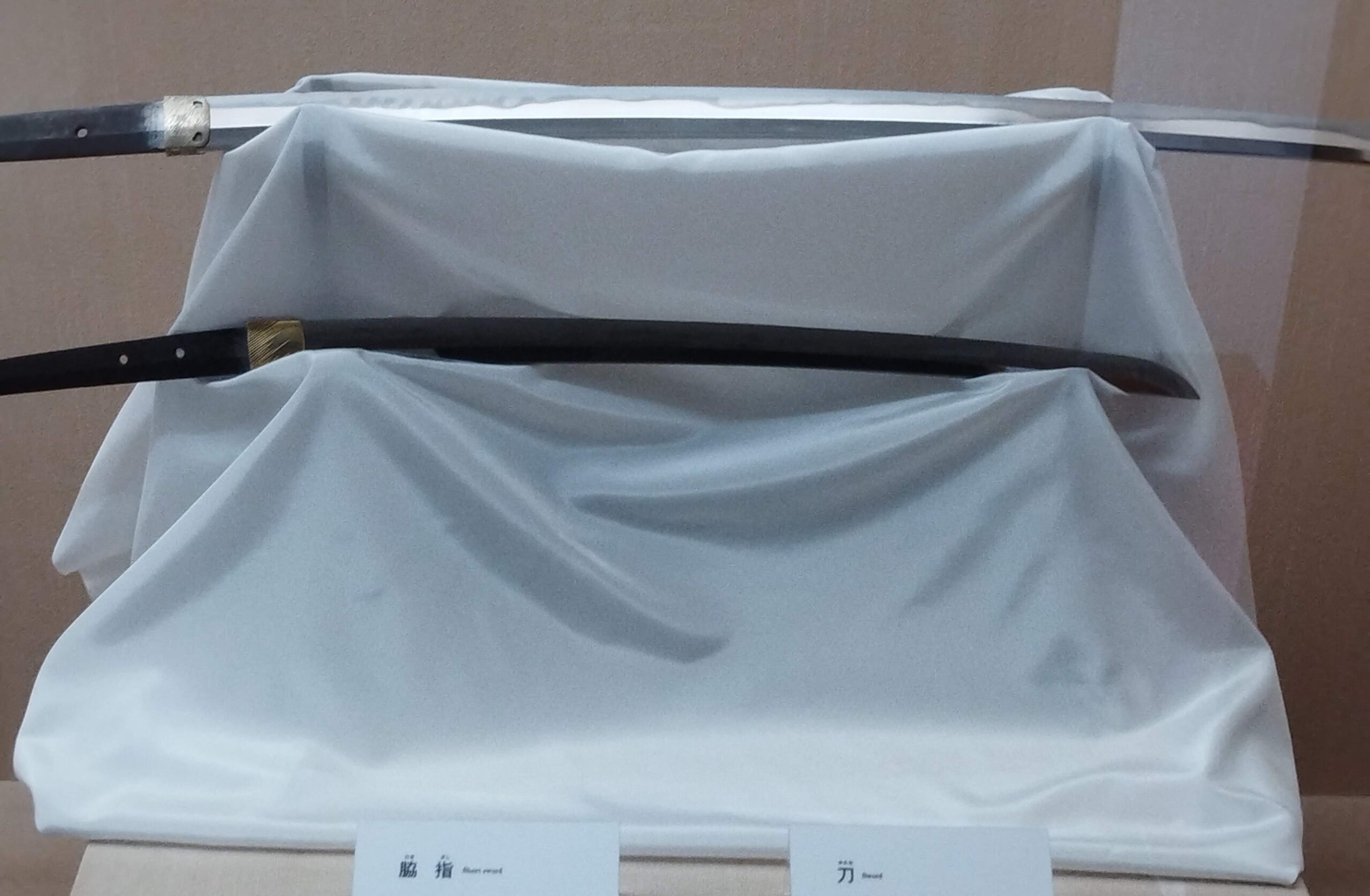
- Q3. 刀剣(Swords):この刀剣は実際に使われたものですか?
- Q4. 鐙(あぶみ/stirrup):この陳列品は何に使われていたんですか?
- Q5. 煙草盆(たばこぼん):これは何か特別な工芸品ですか?
- Q6. 貨幣展示:この貨幣をつなぐ線は何を意味してるんですか?
- Q7. 薙刀(なぎなた):この長い棒は何ですか?
- Q8. 知行目録:この文書は何のためのものですか。
- Q9. 古地図:この地図はどういう意味があるのですか。
3. 鬼川文庫 エリア
👉👉ここだけは、インバウンドの嗜好の個人差が大きく、全く面白くなかった、と評価されない書き込みも多いですが、こちらの案内次第で相手の印象が大きく変わるところです。さりとてマニア向けの専門用語は難しいので、いかにシンプルに腑に落ちる説明ができるか腕の見せ所かもしれません。
Q1. 背景(Background):何故ここに展示室があるのですか?
“Why is there an exhibition room here?”
Q1では博物館用語を多めに置きました。前半(No1-6)は説明にも使える真面目パート、後半(No7-10)は雑談力アップ用のおふざけパートです。👉英語音声は教師の講義調の英国女性話者です。👄本パート表現の習得用演習ツールご利用はこちらへ!
《日本語》
- In the samurai residence area, high-ranking samurai maintained close ties with lords, aristocrats, and wealthy merchants. 武家屋敷地区の高級武士達は領主、貴族、豪商との人脈がありました。
- They amassed impressive collections of rare and valuable items. 彼らは珍しく高価なコレクションを保持していました。
- When the samurai era came to an end, many of them faced financial difficulties and were forced to sell their land and family possessions. サムライ時代の終焉により、彼らは経済的に困窮し、土地、家財を処分しなければならなりませんでした。
- As a result, numerous precious samurai treasures were dispersed. 貴重な武士のお宝も多くが散逸しました。
- The Nomura family, however, managed to preserve ancestral swords and letters. その中でも、野村家では先祖伝来の刀剣、書状が保持されていました。
- Visitors here have a unique opportunity to admire these samurai-era artifacts, typically found only in renowned museums. 著名な博物館でしか見られないサムライ時代の工芸品がここで楽しめます。
- The best part? It’s more affordable than visiting those heavily advertised and staffed museums. なんといっても、大量の広告費スタッフ付きの博物館よりも遥かに低コストです。
- A descendant of the Nomura family successfully preserved their ancestral home, overcoming various challenges and choosing not to turn it into a large public museum. この野村家の末裔は見事に苦難を乗り越え、この家を大きな公的な美術館に委ねることはしませんでした。
- Moreover, as local guides, we can offer captivating and compelling explanations at a fraction of the cost of expensive museums! さらに、我々、現地ガイドは、高コスト博物館に比べて、ほんのわずかな費用で、興味をそそる説得力のある説明をご提供できます。
- Perhaps this is because we share a similar mindset and position as the lower-class samurais of that time, who had no choice but to serve. なぜなら、仕えるしか道がなかった当時の下級武士たちと同じ気分かもしれないので。
Q2.書簡A(letters:A):これはどんな感謝状なのですか?
“What kind of thank-you letter is this?”
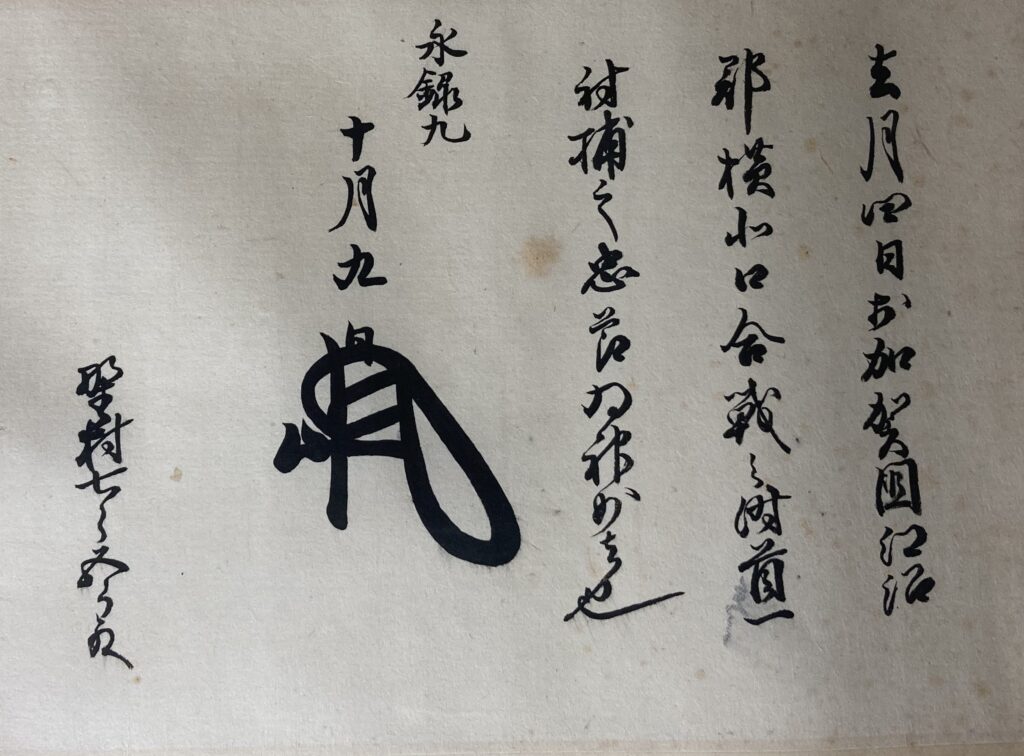
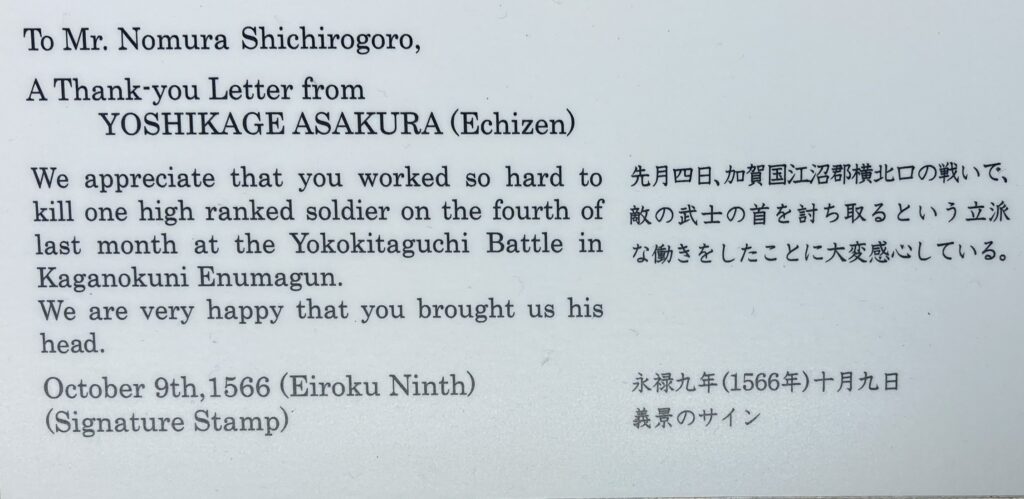
見れば手紙とわかるので、その手紙の価値を(インバウンドの高い興味対象の)日本人の性格特徴としてお伝えするのがおススメです。基本通り、相手がマニアでなければ、固有名詞や年代は極力避けます。このパートでは朝倉義景の手紙をカバーします。前半(No1-4)は説明にも使える真面目パート、後半(No5-10)は雑談力アップ用のおふざけパートです。🎤英語音声は米国男性話者です。
《日本語》
- This letter was sent over four hundred years ago by a famous Sengoku‑period daimyo to the first head of the Nomura family. The ancestor of the Nomura household apparently fought in several battles as a subordinate of this warlord. この手紙は、今から四百年以上前、戦国時代の著名な大名が、野村家の初代当主に宛てて送ったものです。初代当主は、この大名の家臣として当時さまざまな合戦に参加していたようです。
- In this brief message, the daimyo expresses both astonishment and gratitude for the fact that the Nomura ancestor brought back the head of an enemy commander from a particular battle. この短い文面の中で、大名は、ある戦で敵将の首級を持ち帰ったことに対して、驚きと感謝の気持ちを述べています。
- Remarkably, just a single line in this letter vividly conveys the values and customs of samurai life at the time. わずか一行でありながら、当時の武士の価値観や風習が鮮やかに伝わってくる、非常に印象的な手紙です。
- Overseas visitors, in particular, often react with great interest—or with a wonderfully wry smile—when they read it, so we guides tend to share it often. 特に海外からのお客様は、この一文を読むと強い関心を示したり、思わず苦笑いを浮かべたりすることが多く、私たちガイドもよく紹介しています。
- That said, I usually refrain from adding too many extra explanations. After all, topics involving the neck are not always ideal for light sightseeing conversation. とはいえ、あまり細かい説明を付け加えることはしていません。やはり「首」に関する話題は、観光中の軽い会話としては向かないことも多いからです。
- The neck is, quite literally, a vital part of the human body, directly tied to life itself. Because of that, in both Japanese and English, it often appears as a symbolic expression for “social status,” “death,” or “responsibility.” 首は文字通り、人の命に直結する大切な部位であり、そのため日本語でも英語でも、「地位」「死」「責任」などを象徴する言葉として頻繁に使われます。
- But the real reason I avoid over‑explaining is simple: the Nomura family has preserved this letter with great care for centuries. That alone speaks for itself. しかし、私が過度な説明を避ける本当の理由はもっと単純です。野村家がこの手紙を四百年以上にわたって大切に守り伝えてきたという事実こそが、すべてを物語っているからです。
- It is a genuine piece of evidence of their ancestor’s martial skill and samurai spirit. これは、初代当主の武勇と武士としての精神性を示す、まぎれもない証拠です。
- A single line on a single sheet of paper is part of what gives this house its unique value. So once again, I would like to express my heartfelt gratitude. 一枚の紙に書かれたたった一行が、この家の価値を形づくっているのです。ですから、改めて心からの敬意を表したいと思います。
- As the daimyo himself wrote: “We are very happy that you brought us his head.” And even today, well… we guides are still very happy that he brought it too. 大名が記したあの言葉のとおり――「首を持参されたこと、大変うれしく思う」そして今日の私たちガイドも……そのおかげで大変助かっております。
Q2.書簡B(letters:B):この感謝状のどこに価値があるの?
“What is valuable in this letter of gratitude?”
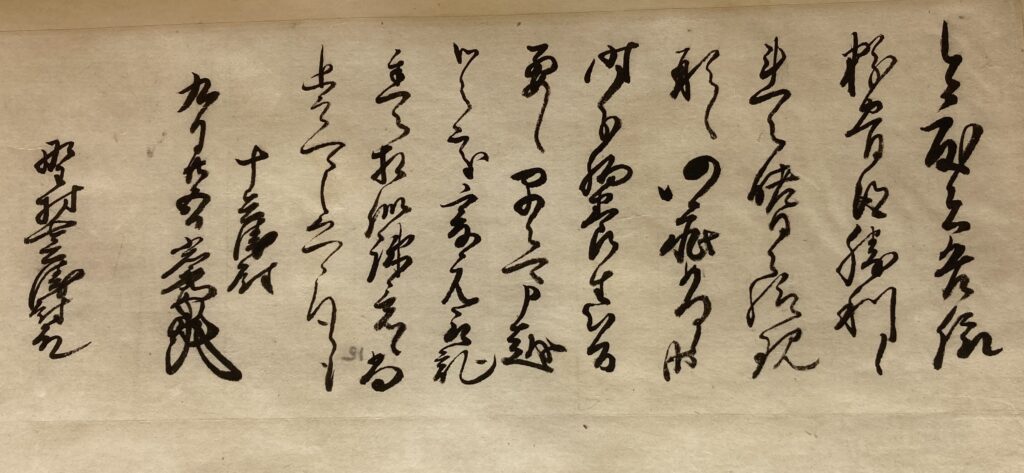
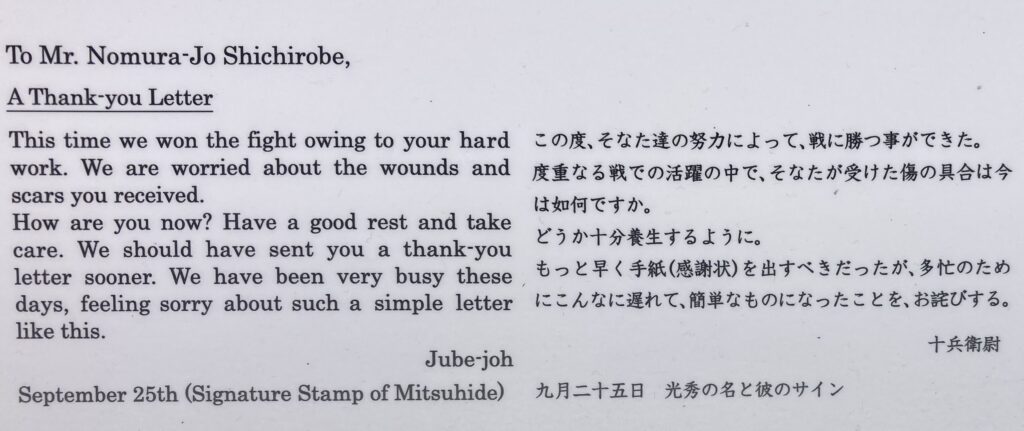
ここでは明智光秀の感謝状をカバーします。前半(No1-4)は説明にも使える真面目パート、後半(No5-10)は雑談力アップ用のおふざけパートです。ここでは「裏切り」に関する表現を意図的に織り込みましたので、全体長めになっていますが、ご自身の習得の必要性に合わせてご活用いただければと思います。🎤英語音声は米国女性話者です。
《日本語》
- This is a letter of gratitude from a samurai known for one of the most notable betrayals in Japanese history. Just as “Judas” and “Brutus” are well-known examples in world history, he holds a similar position in Japanese history. これは日本史上、最大の裏切り者として有名なサムライからの感謝状です。世界史では「ユダ」や「ブルータス」がその代表例として有名ですが、彼も日本史で同様に位置付けられています。
- He sent his own troops to kill his boss, who was then the de facto king of Japan, while the latter was resting. He had been so obedient and loyal to that king up to that point that his betrayal is still considered a mystery. 彼は当時事実上の日本のキングであった自分のボスが休養中、自分の軍隊を差し向けて殺したのです。彼はそのキングに、それまでとても従順で忠実だったので、その裏切り行為は今でもミステリーとされてます。
- At the time of the betrayal, before the lord of Kanazawa Castle assumed his position, he was subordinate to the murdered king and a colleague of the traitor. 野村家が仕えていた金沢城の領主も、城主になる前の当時は、その殺されたキングの部下で、その裏切り者の同僚でした。
- If the king had not met his unfortunate end, there might not have been a Lord of Kanazawa Castle and its retainers, including the Nomura family. もし、そのキングが殺されていなかったら、金沢城の領主もその部下の野村家もなかったでしょう。
- The king’s tyrannical nature led to the punishment or forced removal of many of his subordinates who failed to meet his expectations, with the most severe consequence being ordered to commit seppuku (ritual suicide). 何故なら、そのキングはかなりの暴君で、成果を出しているうちは良いけれど、ダメだしされた多くの部下たちは左遷されたか、最悪の場合は切腹を命じられたりもしました。
- Experts suggest that fear, rather than respect or rationality, compelled many of his men to follow him. Both the traitor and the subsequent lord of Kanazawa Castle might have faced their demise sooner or later. 専門家によると彼の多くの部下たちがそのキングに従っていたのは恐怖心からだったと言われています。その裏切り者も、その後の金沢城の城主も遅かれ早かれ殺されていたかもしれません。
- But why is this letter of gratitude from the traitor addressed to the first head of the Nomura family? では、なぜこの「裏切り者」が書いた感状が、野村家初代当主に宛てられているのでしょうか。
- At the time, he was serving under the traitor. Shortly after the betrayal, however, the traitor himself was killed by another colleague, and the first head of the Nomura family quickly distanced himself from him. 当時、野村家初代当主はこの裏切り者の配下にありました。しかし謀反の直後、その武将自身は別の同僚によって討たれ、野村家初代当主は速やかに彼から距離を置きます。
- So why was this letter preserved at all, when keeping proof of a close relationship with such a notorious figure could have been extremely dangerous? それにもかかわらず、なぜこの手紙は残されたのでしょうか。日本史上きわめて危険な人物との密接な関係を示す証拠を保管することは、大きなリスクを伴ったはずです。
- Perhaps the first head chose to preserve it deliberately—harboring a quiet sense of gratitude toward the traitor, at least in his own mind. Now, try reading this letter again by mentally switching the sender and the receiver. おそらく初代当主は、この手紙を意図的に残したのでしょう。少なくとも彼の心の中では、裏切り者に対する複雑な「感謝」の念があったのかもしれません。ぜひ一度、この手紙を「差出人」と「受取人」を入れ替えて、読み直してみてください。
Q3. 刀剣(Swords):この刀剣は実際に使われたものですか?
”Were these swords actually used?”
技術好みのインバウンドには刀剣ファンが多いので、逆に多くの質問は不要でしょう。見ているだけでその機能美がわかりますので。それでも、よく聞かれる質問からここでも日本人の特徴(価値観)について、ちょっと触れています。刀剣用語を多くしました。前半(No1-5)は説明にも使える真面目パート、後半(No6-10)は雑談力アップ用のおふざけパートです。👉英語音声は、武士の魂を語るにふさわしい落ち着いた感じの米国女性話者です。👄本パート表現の習得用演習ツールご利用はこちらへ!

- The late Samurai period was marked by relative peace, leading to the creation of many ornamental swords. サムライ時代の後期は比較的平和な時代だったので、刀剣の多くは観賞用となってました。
- It’s astounding that these swords are more than two or three hundred years old because they retain both functionality and beauty. 2~3百年以上の刀とは思えない機能と美を兼ね備えています。
- It could be considered the last source of pride for the Samurai that they didn’t sell these swords, even amidst the decline of Samurai families. 武士が没落する中でも手放さなかったのは、サムライの最後のプライドだったかもしれません。
- ”A sword is the soul of a samurai” held great value. So, no matter how dire their circumstances, it might have been unthinkable to ”sell their souls”. 「刀剣はサムライの魂」が当時の価値観でしたから、どんなに困っても魂は売らなかったのですね。
- Samurai stood in contrast to merchants who prioritized survival, even if it meant ”selling their souls to the devil”. 「悪魔に魂を売っても生き残りたい」商人と対極ですね。
- It could be said, then, that the contest for leadership between the samurai and the merchants was predictable from the beginning. そうなると、武士と商人との主導権を争う勝負は最初から見えていたとも言えます。
- For samurai who had survived by the sword for nearly a thousand years, the weapon became a legacy of pride, even in peaceful times. 約千年にわたり、刀剣で生き抜いてきたサムライにとって、この平和の時代の武器はただのプライドの遺産に過ぎません。
- This recalls the famous biblical saying, “Live by the sword, die by the sword.” これは、聖書の有名な「剣に生き、剣に死ぬ 」を思い起こさせますね。
- One might argue that the samurai proved this true across time and space—not necessarily in the literal sense. 武士は時空を超えてそれを証明したと言えるかもしれませんね。必ずしも文字通りの意味でなく。
- They didn’t just die by the sword; they clung to it, refusing to sell, even when it might have been wiser to trade their legacy for survival. 彼らは単に剣で死んだのではなく、剣にしがみつき売らなかったんです。生きるためにその遺産を売るべきだったかもって時にね。
Q4. 鐙(あぶみ/stirrup):この陳列品は何に使われていたんですか?
”What was this display used for?”
《銀象嵌牡丹文鐙》の難しい説明は省きますが、馬具に銀線を埋め込んだ装飾を施したものです。インバウンドはそもそも何かわからないので、それだけコメントすれば十分かもしれませんが、圧倒的に多い質問から纏めてみました。

10文の内、前半(No1-5)は説明にも使える真面目パート、後半(No6-10)は雑談力アップ用のおふざけパートです。今回は馬具用語を多めに織り込んでます。👉英語音声は当時、馬とは無縁であった若々しいオーストラリア男性話者に語っていただきます。👄本パート表現の習得用演習ツールご利用はこちらへ!
- This is a decorative footrest that was placed on both sides of the saddle. これは鞍(くら)の両側に取り付けられた装飾的な足置きです。
- Stirrups were essential for maintaining posture during the violent movements of a horse in battle, allowing the rider to effectively attack opponents. 鐙(あぶみ)は、戦闘中の馬の激しい動きの中で姿勢を維持し、騎手が効果的に敵を攻撃することを可能にしました。
- But this particular stirrup is decorated with embedded silver wire, not for practical use. しかし、この特定の鐙は実用的な目的ではなく、銀線を埋め込んで装飾されています。
- Similar to the swords mentioned earlier, stirrups also became adorned with decorative features during the peaceful samurai era. 前述の刀剣と同様に、鐙も平和な武士の時代に装飾的な特徴を備えるようになりました。
- It was designed and crafted by skilled artisans, a testament to Kanazawa’s long history of producing talented craftsmen. それは熟練した職人によってデザイン製作され、金沢が多くの才能ある職人を輩出したことを証明しています。
- While silver is commonly used for rings, it might seem extravagant to use such a valuable metal for stirrups, which are primarily for foot placement. 銀は一般的に指輪に使用されますが、主に足を入れるための鐙にそのような貴重な金属を使用することは贅沢に思えるかもしれません。
- However, in Kanazawa, a well-known town famous for its gold leaf craftsmanship dating back to the samurai era, metals other than gold may not have been as highly valued. しかし、武士の時代から金箔工芸で有名な金沢では、金以外の金属はそれほど高く評価されていなかったかもしれません。
- Indeed, people in Kanazawa would never consider embedding gold in stirrups for ”foot” placement. 実際、金沢の人々は「足」の場所に金を埋め込むことは決して考えません。
- For the people of Kanazawa, gold holds utmost importance and is reserved for more significant applications. 金沢の人にとって、金は非常に重要であり、より重要な用途に充てられています。
- This is perhaps why today we see many people delighting their taste buds and eyes alike with gold leaf ice cream! これがおそらく、今日多くの人が金箔アイスクリームで味覚と視覚を同時に楽しんでいる理由でしょうね!
Q5. 煙草盆(たばこぼん):これは何か特別な工芸品ですか?
”Is this some kind of special craft?”
茶道具のひとつですが、それだけをインバウンドに伝えても、茶道自体知らなければ、’よくわからん’、ともなりかねませんが、もう少しコメントして、’よくわからんけど日本人はおもしろい’、と少しでもご満足いただければ嬉しいですね。

10文の前半(No1-6)は説明にも使える真面目パート、後半(No7-10)は雑談力アップ用のおふざけパートです。殆どのインバウンドには最初の1,2文だけで十分でしょうけれども、茶道文化にも興味のあるインバウンドも多いので、茶道に関連する表現も織り込んでみました。👉英語音声は失くしたものへのお悔やみに相応しい印象の英国男性です。👄本パート表現の習得用演習ツールご利用はこちらへ!
- This was originally a portable kit designed for enjoying cigarettes anytime, anywhere. 元々はいつでもどこでも煙草を楽しむ為の便利キットでした。
- The kit included all the essentials for smoking – a firebox, ashtray, smoking pipe, and a tobacco container – all neatly packed in a single box. 火入、灰皿、煙管、煙草入れ等、喫煙に必要な備品が一つの箱に纏められています。
- In contrast to today’s smoke-restriction era, smoking during the Samurai era was a social activity akin to the tea ceremony. 嫌煙時代の現代と違い、サムライ時代の煙草は茶道の様な社交の華でした。
- These kits were even used during tea ceremonies to entertainment guests. それで茶道でも、お客様をもてなす為に使われるようになりました。
- Much like high-quality incense sticks, the fragrant smoke from these cigarettes was introduced into the tea room, allowing everyone to savor the aroma. 高級なお線香の様に、煙草の煙を茶室に立てて、香りを楽しむのです。
- They were often adorned with maki-e decoration and remain popular as antiques to this day. また、蒔絵のような装飾もされるようなり、現代でもアンティークとして人気があります。
- The glory of the samurai of that era has vanished like the dissipating smoke from cigarettes, leaving behind only this tobacco tray. 当時のサムライの栄華も、煙草の煙の様に消え去り、この煙草盆だけが残ったことになりますね。
- Yet, the samurai of that time might have been content not to experience the smoking restrictions of the modern era. でもサムライも現代の様な喫煙受難の時代を知らずに終わり幸せだったかも。
- In modern Japan, smokers are isolated in a limited and confined space, smoking cigarettes shoulder to shoulder with each other. 現代の日本では、喫煙者は限られたスペースで肩を寄せ合って喫煙しています。
- Just like the samurais trapped in the smoke of their burning castle. まるで炎上する城の中で煙に包まれた侍のようです。
Q6. 貨幣展示:この貨幣をつなぐ線は何を意味してるんですか?
“What do the lines connecting these coins represent?”
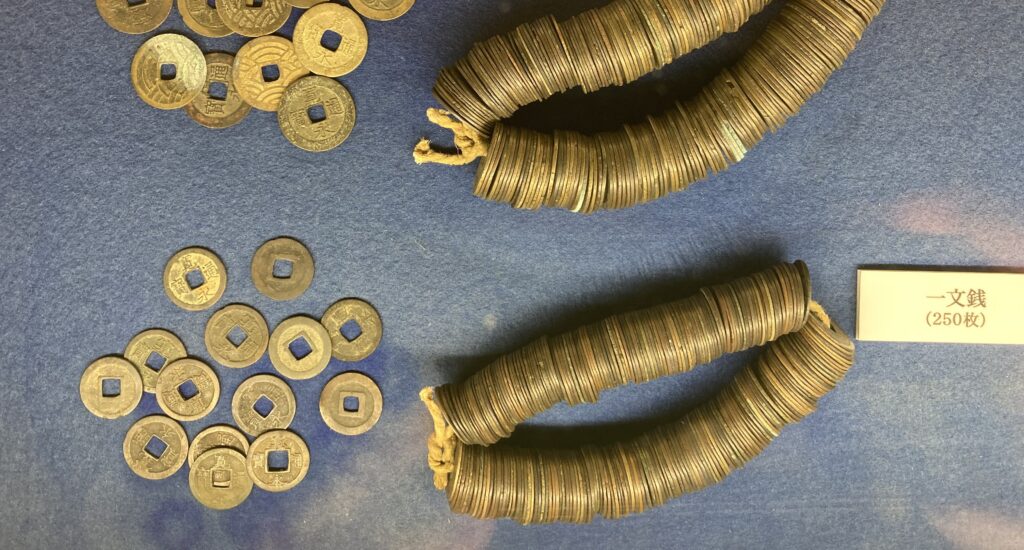
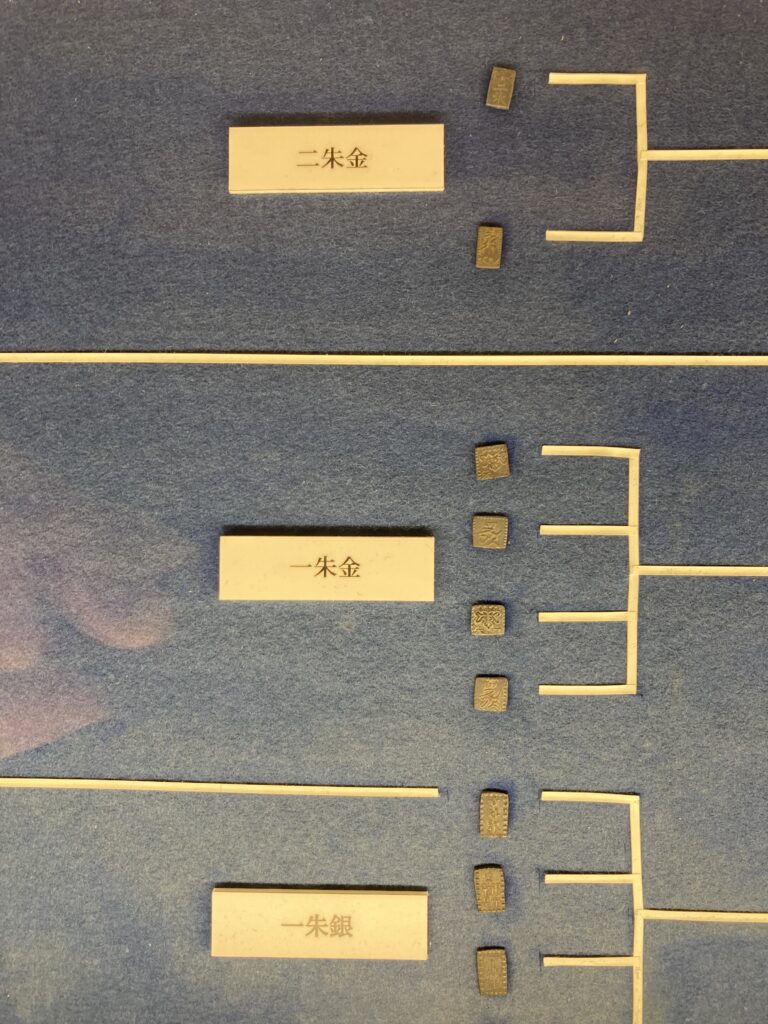
10文の前半(No1-5)は説明にも使える真面目パート、後半(No6-10)は雑談力アップ用のおふざけパートです。ここでは普段あまり使わない貨幣に関するフレーズを織り込んでみました。
- These are Samurai-period coins arranged with the most valuable koban—gold coins—on the far right, and the less valuable ones on the left. これは、右端に最も価値の高い小判を置き、左に向かって価値の低い貨幣を並べた、武士の時代の貨幣です。
- The yellow lines connecting them indicate that they are of equivalent value. それらを結ぶ黄色い線は、これらの貨幣が同じ価値を持つことを示しています。
- Historically in Japan, binary and quaternary systems were used. Coins from that period, for example, often followed a quaternary system rather than the decimal system. 日本では歴史的に二進法や四進法が使われており、この時代の貨幣は十進法ではなく四進法に基づいていました。
- In practice, it was simpler to count money by halving coins—one half, then another—than by using the decimal system, which made fractional calculations more cumbersome. 実際の金銭計算では、貨幣を半分に分けて数える方法のほうが、端数計算が煩雑な十進法よりも簡単でわかりやすかったのです。
- At the time, Japan’s monetary system was still developing, and since trade was often based on the value of rice, there was little need for advanced systems like decimal-based calculations. 当時の日本では貨幣制度がまだ発展途上であり、取引は米の価値を基準に行われていたため、十進法のような高度な計算制度は必要とされていませんでした。
- In fact, samurai were paid in rice, and both family status and individual rank were judged by the amount they received. Rice held a stable value, much like gold today. 実際、武士は米で給料を受け取り、家の格や個人の身分も受け取る米の量で判断されていました。米は現在の金のように安定した価値を持っていたのです。
- But with the end of the samurai feudal era, rice lost its role as currency. しかし、武士の封建時代が終わると、米は貨幣としての役割を失いました。
- Even more sadly, since the 1950s, rice consumption has declined further with the growing popularity of bread in Japan. さらに悲しいことに、1950年代以降、日本ではパンの普及により米の消費量が減少していきました。
- In the samurai period, rice was the soul of the Japanese people—its value went beyond money. 武士の時代、米は日本人の魂であり、その価値はお金では測れないものでした。
- Perhaps because Japan neglected rice for so long, it was punished by the god of rice. What was once priceless has, quite literally, become riceless. 日本が長い間米を軽んじたせいか、米の神様に罰せられたのかもしれません。かつては値段がつけられない「プライスレス」だった米が、今では「ライスレス」な存在になってしまいました。
Q7. 薙刀(なぎなた):この長い棒は何ですか?
“What is this long stick?
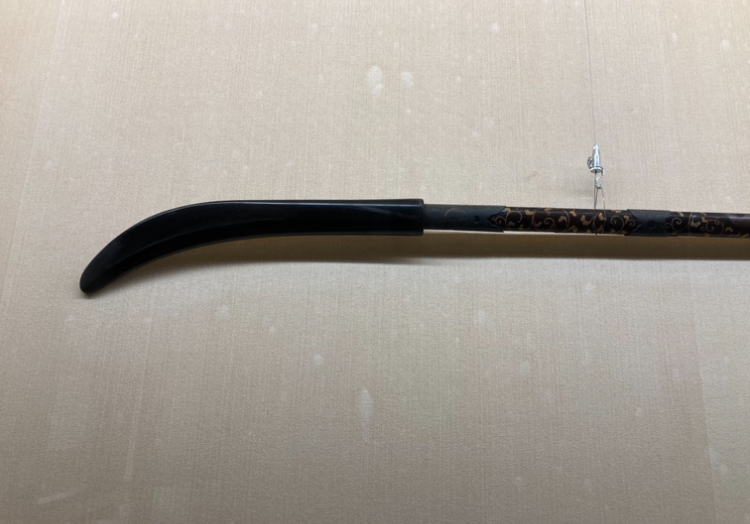
実際によく聞かれる質問と多くの女性ゲストの印象をベースに薙刀に関する表現を織り込んでみました。前半(No1-5)は説明にも使える真面目パート(薙刀の歴史や機能等)、後半(No6-10)は雑談力アップ用のおふざけパートです。
- That’s a naginata, a traditional Japanese weapon with a curved blade on a long handle. これは薙刀(なぎなた)で、長い柄の先に湾曲した刃がついた、日本の伝統的な武器です。
- Its name literally translates to “mowing sword,” and it is often compared to a halberd or glaive in Western weaponry due to its similar form and function. その名前は文字通り「薙ぎ払う刀」と訳され、形と機能が似ていることから、西洋の武器であるハルバードやグレイブによく例えられます。
- The naginata was primarily used by samurai women (the wives and daughters of samurai families) for self-defense and to protect their homes. 薙刀は主に武家の女性(武士の妻や娘)が、護身や家を守るために使っていました。
- Unlike swords, which are made for close-quarters combat, the naginata’s long handle allowed the user to keep their distance from an opponent. 刀が接近戦に向いているのに対し、薙刀は長い柄を活かして相手との距離を保つことができます。
- As the long handle provided leverage, even a less physically powerful person could use it effectively to fend off an attacker. We find that many of our female guests are very interested in and pleased by this fact. 柄の長さがてこの原理のような力を生み出すため、体力に自信がない人でも効果的に使うことができました。実は、このことをお話しすると、多くの女性のお客様が非常に興味を持ち、喜んでくださいます。
- Perhaps it’s not just because the weapon was used by women, but also because of its beautiful, graceful, flowing shape—a surprising trait for a weapon. それはおそらく、この武器が女性に使われていたからというだけでなく、武器でありながらも、その優美で流れるような美しい形状にも理由があるのかもしれません。
- Every samurai’s home proudly displayed a naginata, and everyone in samurai society knew it would be used in times of crisis. どの侍の家でも、薙刀は誇らしげに飾られており、侍社会の誰もが、いざという時にはこれが使われることを知っていました。
- Even if it was never actually used, the naginata was considered an ideal defensive weapon. Its mere presence conveyed formidable protective power—like a guardian deity quietly standing watch. 実際に使われることがなかったとしても、薙刀は理想的な防御の武器とされていました。そこにあるだけで、まるで守護神のように、圧倒的な防御力を静かに示していたのです。
- Perhaps that’s why our female guests often smile when they grasp the naginata’s true significance. だからこそ、薙刀の本当の意味を知ったとき、女性のお客様が微笑まれるのかもしれません。
- They might instinctively feel reassured—after all, this samurai house is clearly well-defended, even today! きっと本能的に安心感を覚えるのでしょう──この武家屋敷はしっかり守られているって、今でも!
Q8. 知行目録:この文書は何のためのものですか。
”What is the purpose of this document?”
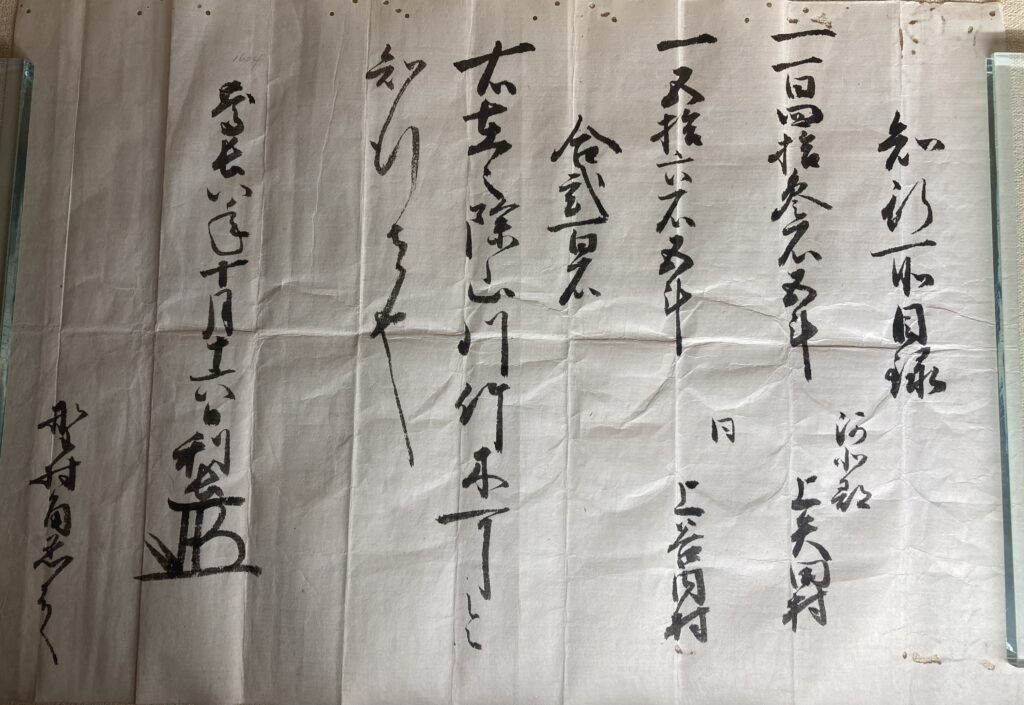
👆実際、この目録に関する質問はあまりされませんが、トリビアネタとして纏めてみました。歴史的な知識とこの辺りの表現力をつけたい方はお試しあれ。👤英語音声はそれを伺うような気遣いを感じさせる米国男性話者です。
- This is an official certificate issued by the lord of Kanazawa Castle about four hundred years ago. It confirms that the Nomura family had the authority to manage a particular domain. これは、今からおよそ四百年前に金沢城主が発行した公式文書で、野村家はある領地を管理する権限を持っていたことを証明するものです。
- The land was located on the outskirts of Kanazawa, along the main route to the neighboring province, and it served as an important strategic point in times of emergency. その領地は金沢の外れ、隣国へ向かう主要道沿いにあり、有事の際には重要な戦略拠点となりました。
- Even today, the area is known for rice cultivation and its famous spring water. The “two hundred koku” written here refers to the rice yield of that land. 現在でもその地域は米作りと名水で知られています。ここに書かれている「二百石」というのは、その土地の米の生産量を示しています。
- One koku is the amount of rice one person consumes in a year—about 150 kilograms—so in theory, it could feed two hundred people. 一石は一人が一年間に食べる米の量、約150キロに相当しますから、理論上は二百人を養える計算になります。
- The year recorded on this document corresponds to the establishment of the shogunate in Edo, present-day Tokyo. この文書に記された年は、江戸(現在の東京)に幕府が開かれた時期にあたります。
- At that time, the lord of Kanazawa Castle was suspected of treason by the new regime. This region, ruled by the Kanazawa lord, was known as the “million‑koku domain,” the wealthiest in the entire country. 当時、金沢城主は新しい幕府から謀反の疑いをかけられていました。この地域は「加賀百万石」と呼ばれ、全国で最も豊かな領地でした。
- Throughout history, supreme rulers have always wanted direct control over prosperous regions, and the shogunate often fabricated accusations of rebellion as a convenient excuse. 歴史を通じて、最高権力者は豊かな土地を直轄にしたがるものですから、幕府はしばしば反乱の嫌疑をでっち上げて、その口実にしたのです。
- This document is a primary historical source showing the trust the lord placed in the Nomura family. Starting with this grant, they continued to receive land and eventually built this magnificent residence. この文書は、当時の金沢城主が野村家をどれほど信頼していたかを示す一次史料です。これを皮切りに、野村家は何度も土地を与えられ、最終的にはこの壮麗な邸宅を築くに至りました。
- However… many visitors don’t show much interest in this document, and even local guides aren’t always eager to explain it. The worry behind that is quite understandable. After all, how frightening that cold reaction must be. しかし……多くの来館者はこの文書にあまり興味を示さず、地元ガイドも積極的に説明したがるわけではありません。その気持ちは、まあ、分からなくもないんです。あの冷たい反応は、なかなか堪えますからね。
- No matter how wonderful or historically valuable a document is, in the end, it’s still just words ”on paper”, right? どれほど素晴らしく歴史的価値があっても、結局はただの“紙の上の文字”ですから。
Q9. 古地図:この地図はどういう意味があるのですか。
”What does this map represent?”
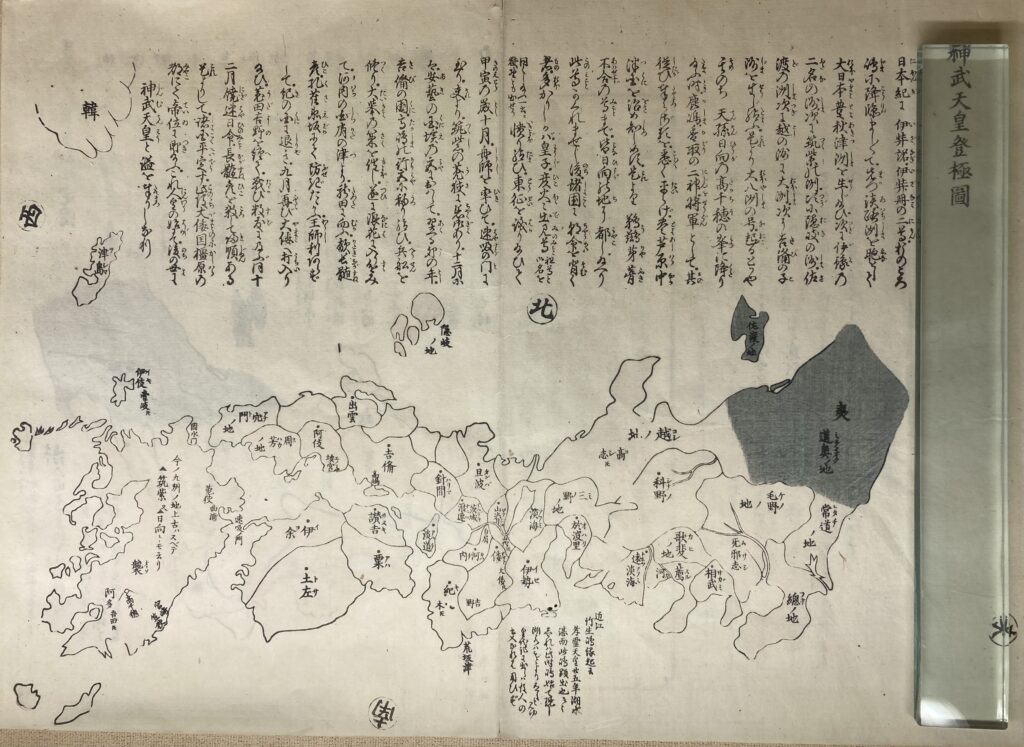
👆この地図に関しては結構会話しますので、その経験を元に、前半1-4に(この古地図の価値に関する)説明パート、後は雑談力upパートで置いてみました。👤英語音声は道に迷って困った調の米国女性話者です。
- This was one of the best‑selling maps of the samurai era. これは、武士の時代に最も売れたと言われる地図で、日本の二千年の歴史を地理的にまとめたものです。
- It gives a quick, visual summary of Japan’s two thousand years of history and shifting power structures—from the mythical age of the first Emperor (Emperor Jimmu) to the samurai era. 初代天皇とされる神武天皇の神話時代から、当時の武家社会に至るまで、国内の権力構造の変遷が一目で分かるようになっています。
- Its quality was so impressive that it even received an official recommendation from the top authority of the time, which was quite a sensation. あまりに完成度が高かったため、当時の最高権威から推薦を受けました。その推薦自体が異例で、話題になるほどでした。
- Because it remained popular for so long, you can still find copies today in used bookstores for tens of thousands of yen. 人気が長く続いたため、現在でも古書店で数万円ほどで購入できます。
- It makes perfect sense that the Nomura family, who managed the local domain, owned this map. 当時、領地を管理していた野村家がこの地図を所持していたのは当然のことです。
- For strategists in military, economic, and administrative fields, it was basically the “Google Maps” of early modern Japan—though, of course, only the ruling class had access to it. 軍事・経済・行政の戦略家にとって必読の資料で、いわば“近世の Google マップ”のような存在でした。もちろん、現代のように誰でも使えるわけではなく、野村家のような支配階級・行政階級に限られていました。
- But while this map offers a broad geopolitical view, it tells us nothing about the future. And then, suddenly, the samurai era ends. しかし残念ながら、この地図は地政学的な視点を与えてくれる一方で、未来については何も教えてくれません。そして、時代は突然、武士の世が終わりを迎えます。
- In that sense, Google Maps might not be so different. It’s become so convenient that people have stopped thinking about directions altogether. その意味では、Google マップも同じかもしれません。便利になりすぎて、人々は歩きながら方角を考えなくなってしまったのです。
- And when a natural disaster cuts off cloud services, people finally realize it: そして自然災害でクラウド通信が突然途絶えたとき、ようやく気づくのです。
- If you rely too much on maps, you lose your sense of direction the moment they disappear—just like the samurai. 地図に頼りすぎると、地図が消えた瞬間に自分の位置も見失う――まさに、その武士たちの様に。
野村家 鬼川文庫(展示室)エリアの解説はいかがでしたか?
全体の基本情報に戻る場合や、庭園・座敷・茶室などの他のエリアをチェックする際は、冒頭のナビゲーションやハブ記事をご活用くださいね!