 Sakura
皆さん、こんにちは!金沢の伝統文化&インバウンドガイドのSakuraです。金沢・ひがし茶屋街を象徴する世界観『お茶屋全般』の英語案内ページへようこそ!
ひがし茶屋街を訪れる海外ゲストが最も深い興味を持ち、同時に多くの疑問を抱くのがこの「お茶屋」のシステムや建物構造です。一見さんお断りの文化、財布不要のつけ払い、音響やプライバシーを徹底的に考慮した2階建て建築、そしてお座敷遊びなど、伝統的なもてなしの智慧が凝縮されています。
現場でサッと使える短文フレーズから、建築や歴史の裏側、ゲストをクスッと笑わせる裏話まで網羅しました。目的の項目ボタンからご自由にご活用ください。
📍 Quick Navigation: 各章へジャンプ
3. お茶屋全般
ここでは《ひがし茶屋街》のお茶屋共通ネタや英語表現をご紹介します。(具体的な店舗に関する言及はありませんので、必要に合わせて各公式/専門サイトをご参照ください。)
3.1 基本情報
🌸ご案内前に押さえておきたい基本ポイントです。ここは20項目ありますので、英語音声は前半(1-10)の英国女性話者と後半(11-20)の米国男性話者の2ファイルに分けています。
《日本語》
- かつては多くのお茶屋があったが、現在も営業しているお茶屋は限られている。
- 現在でも、一見さんお断りと、財布不要のつけ払いの基本ルールは生きている。
- お客が支払わない場合は、紹介者が負担しなければならない、典型的な信用ビジネスである。
- 一部のお茶屋は一般公開されていて、外人向けショーをしたり美術館となっているものもある。
- 京都にも多くのお茶屋はあるが、殆ど非公開なので、ここで内部が観れるのはレア体験である。
- 建物は約2世紀前に出来た頃のままで、当時のお茶屋と芸者が接待した雰囲気が味わえる。
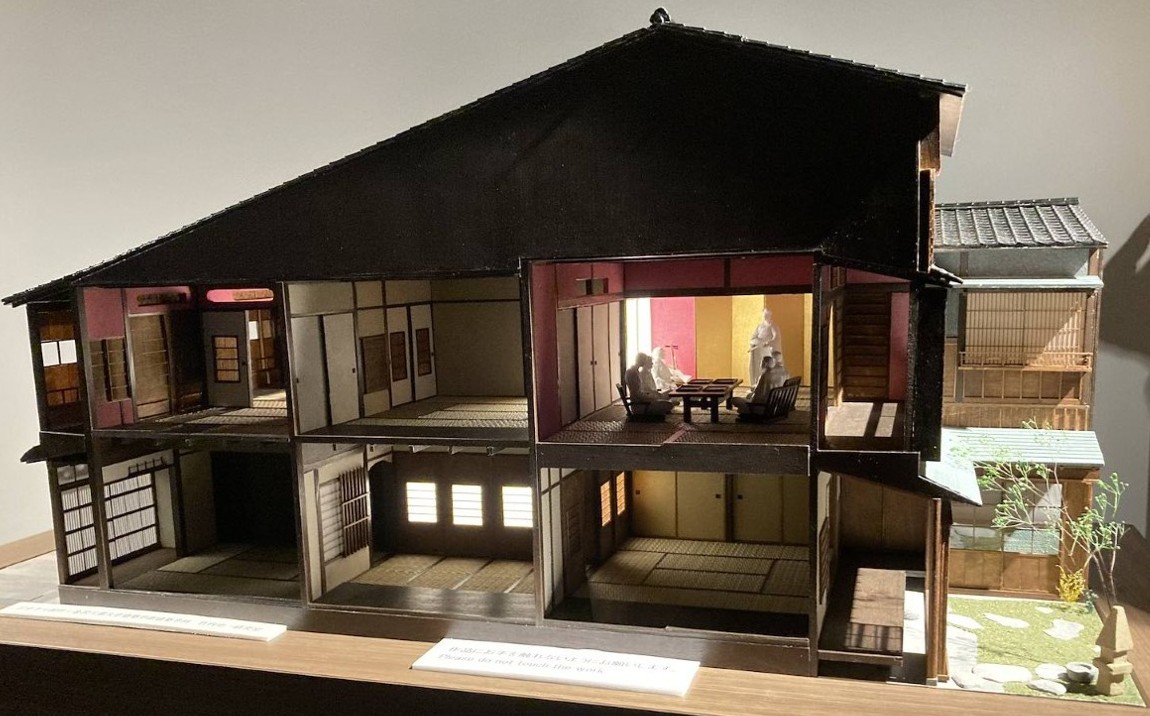
- 2階は得意客の接待用に、1階は女将や芸姑のスタッフ用に使い分けられていた。
- 階段もお客様用とスタッフ用と分かれていて、お客には生活感を感じさせないように作られている。
- その為、2階は豪華な造りで音響を考慮し天井が高く、一部は吹き抜けになっている。
- 得意客は座敷に床の間を背にして座り、ゲイコは襖を挟んだ隣の小部屋で演奏をする。
- 時間になると襖が舞台の幕のようにパッとあけられ、待機していたゲイコが演奏を始める。
- 当時はゲイコの芸の他に、お客自身も芸を披露したり、酒を飲ませる罰ゲームもあったりする文化交流の場であった。
- 特に金沢のゲイコはお座敷で太鼓の芸を披露するが、お客に参加させ一緒に叩く趣向もあった。
- お座敷前のムード高める為に例えば隣の控えの間でお香をたいたり横笛を吹いたりした。
- お茶屋は社交の場所なので、台所では料理をせず、仕出し屋からを取っていて、お酒を温める程度だった。
- 一般的なお茶屋には採光と通風の為の小さな中庭があるが、狭い空間を最大限活かし美的でもある。
- 限られた空間に自然石や苔を巧みに配置することで奥行きを出し、見る人にリラックス感を与えている。
- お茶屋の表通り側の外壁は、外から中が見えない特殊な格子窓で覆われている。
- お茶屋の殆どの柱には腐食防止と光沢を出す為、漆が塗られている。
- 更に落ち着いた雰囲気を出す為に建物の内外に独特の赤みのあるベンガラ(紅殻)が塗られている。

《英語》
1. There used to be many teahouses, but only a few are still in business today.
2. Even today, the basic rules of ‘no first-time visitors’ and ‘no-wallet visit and pay later’ still apply.
3. If the customer does not pay, the introducer must pay, a typical credit business.
4. While some teahouses are open to the public, and offer performances for foreign visitors, others have been converted into museums.
5. There are also many teahouses in Kyoto, but most of them are closed to the public, so it is a rare experience to be able to see the inside of a teahouse here.
6. The building is as it was when it was built about two centuries ago, and you can enjoy the atmosphere of the teahouse and the geisha who entertained guests in those days.
7. The second floor was used for entertaining customers, while the first floor was used for the proprietress and geisha staff.
8. The staircase was also divided into two sections, one for customers and one for staff, to ensure that customers did not witness the daily routines of employees.
9. Therefore, the second floor is luxurious, with a high ceiling for acoustics and the staircase is a stairwell.
10. Guests sit in the tatami room with their backs to the alcove, while a Geiko, a traditional Japanese entertainer, performs in a small room next door, visible through the sliding doors.
11. When the time is right, the sliding door is opened like a stage curtain, and Geiko, who has been waiting, begins to play.
12. In those days, in addition to geiko performances, the guests themselves performed tricks and were sometimes punished by being forced to drink sake, making it a place for cultural exchange.
13. In particular, Kanazawa geiko performed the art of taiko drumming in the tatami room, and sometimes invited guests to join in and beat the drums with them.
14. Teahouses employ various methods to enhance the ambiance before a geiko performance begins, such as burning incense or playing a Japanese flute in the adjoining antechamber.
15. Since the teahouse was a social gathering place, the kitchen did not prepare meals but instead sourced food from a caterer, focusing solely on warming drinks like sake.
16. A typical teahouse includes a small courtyard designed primarily for lighting and ventilation, while also being aesthetically pleasing by making the most of the limited space.
17. By skillfully arranging natural stones and moss within a confined area, the courtyard creates a sense of depth, offering viewers a feeling of tranquility.
18. The outer walls on the front street side of the teahouse are covered with special lattice windows that people cannot see inside from the outside through.
19. Most of the pillars in the teahouse are coated with lacquer to prevent corrosion and add luster.
20. To create a more relaxed atmosphere, the inside and outside of the building are coated with a unique reddish bengara (red shell).
👥連続音声
3.2 口頭説明
🌸ここではお相手と一緒にお座敷を見ながらでも使える様に上記基本20項目を口頭説明用の簡略文に置き換えています。ここもポイントは同じなので英>日セットで、英語音声は(オーストラリア女性話者)1ファイルです。👄下記表現の通訳演習ツール(A級用:日→英方向)をご利用の際はこちらからどうぞ。
1. Many teahouses existed in the past, but only a few remain open today. 昔は多くの茶屋がありましたが、今では数軒だけ営業しています。
2. Even now, rules like “no first-time visitors” and “pay later” still apply. 今でも「初めてのお客様お断り(一見さんお断り)」や「後払い」のルールがあります。
3. If a guest doesn’t pay, the introducer is responsible for covering the cost. お客様が支払わない場合は、紹介者が代わりに支払います。
4. Some teahouses welcome tourists, offering performances, while others stay exclusive or serve as museums. 一部の茶屋は観光客向けの対応しますが、他の茶屋は一般人はNGであるか叉は博物館になっています。
5. Kyoto also has teahouses, but most are private. Seeing the inside here is a rare chance. 京都にも多くの茶屋がありますが、ほとんどが非公開です。ここで中を見るのは珍しいことです。
6. This teahouse is 200 years old and retains its original atmosphere. この茶屋は200年前に建てられたもので、当時の雰囲気が残っています。
7. The second floor was for entertaining guests; the first floor was for staff. 2階はお客様の接待用、1階はスタッフ用に使われていました。
8. A staircase for staff was separated to keep guests from witnessing their daily routines. 階段はスタッフ用と分かれていて彼らの日常をお客様に見せません。
9. The second floor is grand, with a high ceiling for better acoustics. 2階は豪華で、音響のために天井が高く作られています。
10. Guests sat on tatami mats, while Geiko performed through sliding doors. お客様は畳の部屋に座り、芸妓が襖越しで演じます。
11. When ready, sliding doors opened, and the Geiko started performing. 準備ができたら襖が開き、芸妓が演技を始めます。
12. At that time, guests also performed tricks or drank sake for fun. 当時はお客様も芸を披露したり、お酒を飲んだりして楽しみました。
13. Kanazawa Geiko played taiko drums and sometimes let guests join in. 金沢の芸妓は太鼓の芸を披露し、時にはお客様も一緒に叩きました。
14. To set the mood, teahouses burned incense or played a Japanese flute. ムードを高める為に、お茶屋はお香を焚いたり、笛を演奏したりしました。
15. Kitchens didn’t cook—they warmed sake and got meals from caterers. 台所では料理をせず、お酒を温め仕出し料理を取り寄せました。
16. Teahouses have small courtyards for light, air, and beauty. 茶屋には光と風通し、そして美しさ見せるのために小さな中庭があります。
17. Stones and moss in the courtyard create depth and a relaxing feel. 中庭の石や苔は奥行きを創出し、癒しを感じさせます。
18. Lattice windows on the front keep the inside hidden from the outside. 正面の格子窓は、外から中が見えないようになっています。
19. Most pillars are lacquered to protect them and give them a glossy look. 柱の多くは漆で塗られ、腐食を防止し、光沢を出しています。
20. Walls are coated with reddish bengara paint to create a warm, inviting feel. 壁は赤い「ベンガラ」が塗られて、暖かく受容的に感じられます。
👥連続音声

3.3 QA:インバウンド視点
🌸《お茶屋》の中でインバウンドが素朴に感じるであろう想定問答例です。今回は茶屋全般に関する話題で実際によく聞かれる質問をベースに纏めています。以下日英順ですが、英語話者は前半はオーストラリア女性話者、後半は米国男性話者です。

《日本語》
- 質問: ここで何をしていたんですか?
- 回答: ここでは、富裕で文化的な人々が、毎晩のように芸者衆によるお座敷遊びでもてなされました。
- 質問: ここでは茶道もしていたのですか?
- 回答: ゲストが望めばやりましたが、元々茶道の為に作られた訳ではありません。
- 質問: ここでお客は泊まったのですか?
- 回答: 茶屋は客をもてなす社交の場として使われていたので、基本的には客は宿泊しませんでした。
- 質問: 芸者はここで住んでいたのですか?
- 回答: 金沢の芸姑は色々な茶屋に派遣されてゲストの接待をしたのでお茶屋に住むことはありませんでした。
- 質問: お茶屋は何時頃まで営業していたのですか?
- 回答: 一般的に特に閉店時間は決まっておらず、朝帰りするお客もいたようです。
- 質問: どうして、お茶屋が使われなくなったのですか?
- 回答: もともとは上流階級の娯楽であったお茶屋は、民主化が進み、大衆的な遊びが広まるにつれて、一部の人だけのものとなっていきました。
- 質問: よくある町家と何が違うんですか?
- 回答: 一般的に、町家は日常生活の空間なのに対し、茶室は社交のためだけに設計されていて、押入れのような実用的な造りはありませんでした。
- 質問: 夏冬の気温はどの様に対処していたんですか?
- 回答: 夏には中庭と正面の格子窓で風通しを良くし、地下の石を敷き詰めたスペースで食べ物を冷やし、冬には火鉢で暖をとりました。
- 質問: 水はどのようにやりくりしていたのですか?
- 回答: 建物の中の井戸から水をとり石造りの水路から排水していました。
- 質問: どうしてどの部屋も造りが違うのですか?
- 回答: 照明との組み合わせで部屋のインテリアや芸者がより美しく見えるように各部屋の色やデザインに変化をつけているのです。

《英語》
1: What were people doing here? A:Here, the rich and cultured people were entertained by geisha during nightly Japanese-style parties, known as o-cha-ya play.
2: Was a tea ceremony held here? A: While a tea ceremony could be arranged upon request, teahouses were not originally designed for this purpose.
3: Did guests stay here? A: Teahouses served as social settings for entertaining customers, so guests typically did not stay overnight.
4: Did geishas live here? A: Kanazawa’s geishas, or geikos, were sent to various teahouses to entertain guests but did not reside in specific teahouses.
5: Until what time did the ochaya stay open? A: There was typically no specific closing time, as some customers stayed until morning.
6: Why was the teahouse no longer used? A: Originally a pastime of the upper classes, teahouses became increasingly exclusive to a select few with the rise of democratization and the spread of popular games.
7: What makes it different from a typical townhouse, or machiya? A: Generally, the machiya served as a space for daily life, whereas the teahouse was exclusively designed for socializing, without practical structures like closets.
8: How did teahouses manage summer and winter temperatures? A: In summer, they improved ventilation with courtyards and front lattice windows, and kept food cool in a stone box in the basement. In winter, they used braziers to provide warmth.
9: How did teahouses manage water? A: Water was drawn from a well within the building and drained through a stone-lined channel.
10: Why does each room have a different structure and design? A: The colors and designs of each room were varied to enhance the beauty of both the interiors and the geishas, especially under the lighting.
👥:全文連続QA音声
3.4 インバウンドの視点:笑いが取れるかも?
Q1.そもそも、ここでは何をしていたのですか?
What were people doing here in the first place?
🌸ここではITに関する表現を多めに織り込んで見ました。前半(1-5)が説明にもつかえる真面目パート、後半(6-10)が雑談力UP用のおふざけパートです。英語音声は前後半とも米国話者(女性>男性)です。
- This is called a teahouse, but it’s not a place where tea parties are held. お茶屋と言っても、ここでティーパーティをしていたわけではありません。
- This is a kind of secret salon where only customers introduced by patrons are allowed. ここにはパトロンから紹介された客だけが入れる秘密サロンのようなものです。
- This spacious tatami room, complete with a gold folding screen and alcove, is exclusively for guests. この広い、金屏風と床の間とあるお座敷お客様専用の部屋になります。
- Here, guests sip sake and enjoy catered dishes, all while marveling at geisha performances in the adjoining antechamber. そこでお酒や仕出し料理を味わいながら、隣 of 控えの間で披露される芸者の芸を楽しむのです。
- This isn’t just a one-way show—it’s an intimate gathering where guests join geisha in playing traditional instruments like taiko drums and engaging in games together. 又、それは一方的なショーでなく、一緒に太鼓をたたいたり、ゲームをしたりして芸者と少人数で盛り上がるのです。
- Once a secret pastime for the wealthy elite, even most Japanese people didn’t really know what went on behind the scenes. 当時は限られた富裕層の為の秘密の遊びだったので中で何をしているのか日本人ですらよく知りませんでした。
- But thanks to the recent IT (information technology) boom, the secret’s out, and the public now knows what it’s all about. でも昨今のIT(インフォーメーションテクノロジー)の爆発的普及で一般の人にもその中身が分かる様になってしまいました。
- While the traditional art of geisha performances is undoubtedly remarkable, many of the games are quite simple, and guests often need to embrace a playful, even foolish, attitude to enjoy them fully. 確かに芸姑の伝統芸は素晴らしいですが、それ以外のゲームはとても単純である程度バカにならないと楽しめないのですね。
- Just like IoT (the Internet of Things, where everything is connected through the Net), the geisha game is going viral—capturing the attention of everyone from children to the elderly. 正に今流行りのIOT、殆ど全てのものにつながる技術の様に、子供にも年寄にも芸者遊びが拡散しています。
- Perhaps this kind of saying will gain further popularity in the near future… ”I owe tea! Let me treat you at the teahouse!” 近い将来、こんな言い方が流行るかもしれませんね。「”I owe tea!”、お茶屋でお茶を奢るよ!」なんてね。

Q2.お茶屋はどんなシステムで運営されてたんですか?
What system did a teahouse operate under?
🌸ここでは政府に関する表現も織り込んで見ました。前半(1-5)が説明にもつかえる真面目パート、後半(6-10)が雑談力UP用のおふざけパートです。英語音声は前半が英国女性話者、後半はインド男性話者です。
- Ochaya, or teahouses, operated by organizing and providing a venue for geisha performances accompanied by banquets, known as ozashiki. お茶屋はお座敷と呼ばれる芸者の芸を披露する宴会を企画しその場所を提供する事でビジネスをしていました。
- First, they planned the details of the ozashiki based on the requests and preferences of longtime patrons or customers introduced by these patrons. まず、長年のパトロンやパトロンから紹介された顧客からのリクエストに合わせて、お座敷の詳細を企画します。
- Next, geishas who suited the plan were arranged through a management office called an okiya, and the banquet was ordered from a caterer to prepare for the ozashiki on the event day. 次にその企画に合う芸者を置屋と呼ばれる事務所を通して確保し、料理を仕出屋に発注して、当日のお座敷を運営します。
- After the ozashiki ended, the ochaya collected payments from the customers and used the funds to pay the okiya office and caterers, completing the process of managing one event. お座敷終了後は、顧客から費用請求して回収し、置屋や仕出屋に支払いをして一連の対応は完了します。
- For important customers, it was said that ochaya billed semi-annually or annually, underscoring their central role in the ecosystem of geisha businesses. また、常連客や上得意の場合は半年や1年毎の請求もあった様で、正しくお茶屋がこの芸者ビジネスのエコシステムの中心でした。
- But cases of late or unpaid bills arose, making the role of patrons—responsible for guaranteeing payment—vital. ただ、支払が遅れたり、支払わないケースもあった様で、その意味で支払責任のある紹介者の役割は重要でした。
- In the modern era, easier and more diversified leisure activities like travel and golf have taken over, causing the traditional teahouse business to decline, along with a drastic decrease in geishas and patrons. しかしながら現代になって旅行やゴルフ等レジャーが多様化して、面倒な茶屋ビジネスは廃れ芸者やパトロンの数も激減しました。
- Yet, with the recent surge in demand from foreign visitors, geisha performances have been modernized and revitalized, leading to a revival of the teahouse business. でも近年のインバウンド需要の爆発的増加で芸者ショーはブレイクして、お茶屋ビジネスは復活しました。
- Interestingly, the government has now become the new ‘patron,’ establishing national policies to boost tax revenues through increased foreign tourism, much to the locals’ delight. 更に新しくパトロンになったのはインバウンド増加で税収増を国策にしている政府なので、地元関係者は大喜びです。
- I wish they would change their name as well—not the name of the unstable ruling party, but to the Tea Party that everyone loves, and the House of Representatives to the Tea House! いっそのこと名前も変えてほしいですよね。不安定な与党(the unstable ruling party)でなく誰もが大好きなお茶の党(the Tea Party )に、すると衆議院(the House of Representatives )はお茶の院(the Tea House)に!
お茶屋全般の解説はお楽しみいただけましたか?
他のスポット(芸者/芸妓、お座敷遊びなど)の解説へ移動する際は、冒頭のナビゲーションボタンをご活用くださいね!