 ユイ(Yui)
皆さん、こんにちは!日本の自然・里山ウオッチャー&ガイドのユイです。絶滅の危機を乗り越えた村の記憶『合掌造りの歴史(村民物語 / History of Gassho-Zukuri)』英語案内ページへようこそ!
白川郷の美しい合掌造り集落の裏側には、高度経済成長期のダム建設による水没や、養蚕業の衰退に伴う集団離村という過酷な歴史がありました。かつて2,000棟近くあった家屋の9割が消滅する中、危機感を募らせた村民たちが立ち上がり、保存運動を経て世界遺産登録へと繋げた感動的な歴史物語を紐解きます。
現場でサッと使える短文フレーズから、消滅を逃れた家屋が集まる「合掌造り民家園」の意義、ゲストをクスッと笑わせる「絶滅した恐竜・マンモスと巨大観光」雑談ネタまで網羅しました。目的の項目ボタンからご自由にご活用ください。
📍 Quick Navigation: 各章へジャンプ
11. 合掌造りの歴史(村民物語)
ここでは過酷な自然や社会の変化を生き抜いてきた村民の歴史と集落保存の歩みをカバーします。用途に合わせて以下のボタンから直接アクセスできます。
11.1 基本情報
ここでは合掌造りの(村民の)歴史の視点で押さえておきたい基本ポイントを10項目(日英)でご紹介します。実際に多くのインバウンドは目の前の建物だけでなく村民の歴史的な背景にも関心がありますので、お相手の状況に合わせて、使えそうなポイントやフレーズがあればご活用ください。英語サンプルは前半(1-5)(米国女性話者)と後半(6-10)(米国男性話者)の2ファイルに分けました。
《日本語のポイント》
- 現存する合掌造り集落は、日本の山間部に築かれた独特の建築様式と生活文化を今に伝える貴重な遺産である。
- 最高レベルの機能美を持つ合掌造り家屋は、18世紀から20世紀にかけて建てられ、築300年を超えるものも存在する 。
- しかし、20世紀後半、急激な生活スタイルと産業構造の変化により集団離村が相次ぎ、合掌造り家屋が激減した。
- 集団離村には主にダム建設による村の水没の為の強制的なものと、経済変化による自発的な離村に分けられる。
- 特に養蚕需要の低下は、養蚕業の発展と共に形成された大規模で維持コストの高い合掌造り家屋の経済的合理性を失わせた。
- かつて2千棟近くあった家屋の約9割が消失し、約100村あった村の2割が完全消滅したといわれている。
- これらの消滅が地元民の危機感と団結を促し、保存の為の住民憲章制定を経て世界遺産登録へと繋がった。
- 集団離村した合掌造り家屋のいくつかは日本各地の野外博物館に移築・保存されたり、都市部のレストランや観光施設に再利用されている。
- 「合掌造り民家園」はそのうちの一つで民族資産の散逸を防ぐ目的で1972年に開業した 。
- 単なるテーマパークでなくて離村集落から移築された25棟の合掌造り家屋とその歴史を伝える貴重な設備である。
《英訳例》
- The existing gassho-zukuri villages are a precious cultural heritage that embody the unique architectural style and mountain lifestyle developed in Japan.
- A pinnacle of functional beauty, gassho-zukuri houses were constructed between the 18th and 20th centuries, with some dating back over 300 years.
- However, in the latter half of the 20th century, rapid changes in lifestyles and industrial structures triggered a mass exodus from rural villages, leading to a dramatic decline in the number of gassho-zukuri houses.
- These abandoned villages generally fall into two categories: those evacuated due to dam construction that submerged the land, and those gradually depopulated due to economic shifts.
- In particular, the decline in sericulture undermined the economic rationale for maintaining the large, high-maintenance gassho-zukuri houses, which had been developed in tandem with the industry.
- It is said that about 90% of the nearly 2,000 houses that once stood in the region have disappeared, and roughly 20% of the 100 villages have been entirely wiped out.
- This loss sparked a sense of urgency and solidarity among local residents, ultimately leading to the adoption of a preservation charter and the designation of the area as a UNESCO World Heritage site.
- Some gassho-zukuri houses—collectively abandoned by villagers—have been relocated and preserved in open-air museums throughout Japan or repurposed as restaurants and tourist facilities in urban areas.
- The Gassho-Zukuri Minka-en, a folklore park opened in 1972, stands as a prime example established to preserve valuable ethnographic heritage.
- Far more than a theme park, it is a vital cultural facility showcasing 25 relocated gassho-zukuri houses, preserving not only their architecture but also the lost ways of life they once embodied.
11.2 口頭用簡略説明
ここではお相手との会話の合間や歩きながら使える様に上記基本情報の10項目を口頭説明用の簡略文に置き換えています。各文ごとに【英語 > 日本語】の順で記述しています。英語音声は各文短いので(米国女性話者)1ファイルです。

- These gassho-zukuri villages are a unique part of Japan’s cultural and architectural heritage.
(これらの合掌造り集落は、日本の文化的、建築的な遺産のユニークなところです。) - Many of the houses were built between the 1700s and 1900s, and some are over 300 years old.
(多くの家は1700年代から1900年代に建てられ、300年以上前のものもあります。) - In the late 20th century, big changes in society and industry caused many people to leave the villages.
(20世紀後半、社会や産業の急速な変化で多くの人が村を離れました。) - Some villages were abandoned because of dam construction, while others declined due to economic shifts.
(ダム建設で村ごと離れざるを得なかった場所や、経済の変化で自然に人口が減った村もあります。) - When sericulture declined, people could no longer afford to maintain these large, high-cost houses.
(養蚕業が衰退し、大きくて維持費がかかる家を保つのが難しくなりました。) - About 90% of the original 2,000 houses disappeared, and 20% of the villages vanished completely.
(かつて約2000棟あった家の9割が消え、村の2割は完全になくなったと言われています。) - This crisis brought people together and led to efforts to protect and preserve the area.
(こうした危機感から、地元の人々が団結し、保存の取り組みが始まりました。) - Some of the abandoned houses were moved to museums or reused in cities as restaurants or shops.
(一部の家は博物館に移されたり、都市でレストランや観光施設として再利用されています。) - The Gassho-Zukuri Minka-en, opened in 1972, is one example built to preserve this cultural heritage.
(白川郷にある『合掌造り民家園』はその一例で、1972年に文化を守るために作られました。) - It’s more than just a theme park—it displays 25 houses and the traditional life that once thrived there.
(単なるテーマパークではなく、25棟の移築家屋と、そこにあった暮らしの歴史を伝える大切な施設です。)
11.3 インバウンドの視点:笑いも取れるかも?
Q1 「合掌造り民家園」とはなんですか?
“What is the Gassho-Zukuri Minka-en?”
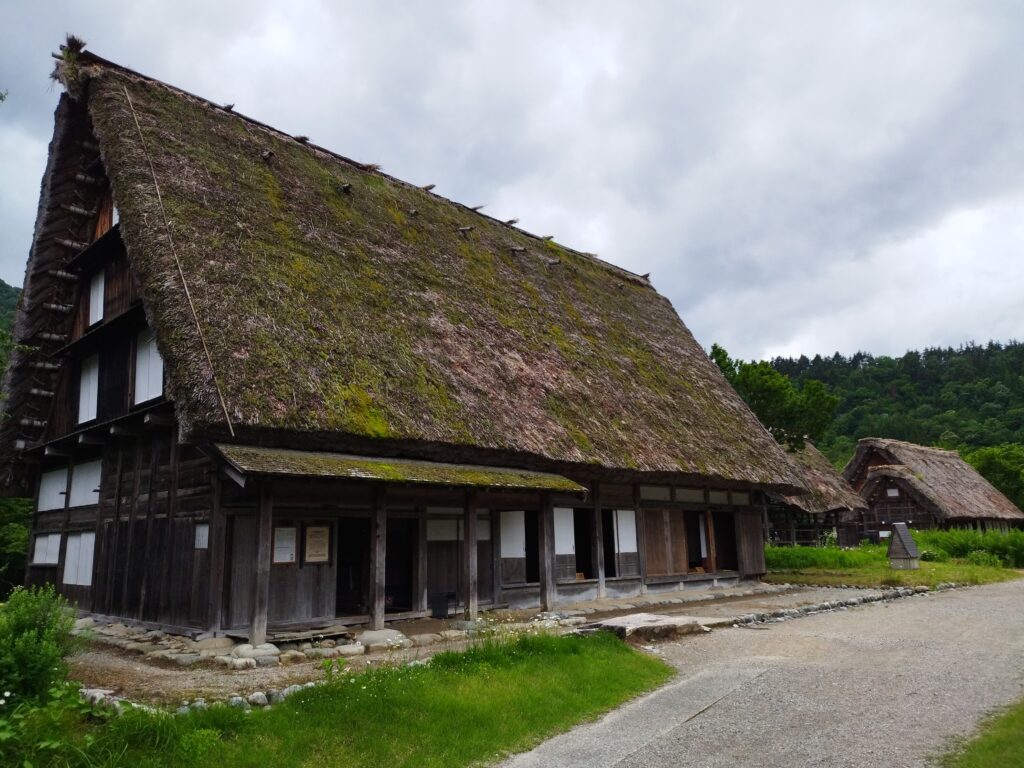
民家園の入口までご案内して、実際に入るかどうか考えるゲストも多く、それを元にいつもの2部構成(民家園の理念や歴史を織り込んだ真面目パート:1-4&ふざけパート:5-10)でまとめてみました。
❶ The Gassho-Zukuri Minka-en is an open-air museum established in 1972, over 50 years ago, to preserve traditional buildings rescued from abandoned villages in Shirakawa.
合掌造り民家園は、50年以上前の1972年に、白川村の廃村から救い出された伝統的な建造物を保存するために設立された野外博物館です。
❷ Unlike a conventional tourist attraction, this museum was established primarily to preserve these traditional buildings and their cultural heritage. It serves as a sanctuary—a last refuge—for buildings that might otherwise have been lost. The goal was to preserve as much of their cultural value as possible.
一般的な観光施設とは異なり、この博物館は主に伝統的な建造物とその文化遺産を保存するために設立されました。ここは、そうでなければ失われていたかもしれない建物にとって、最後の避難所のような存在です。できる限りその文化的価値を残すことが目的だったのです。
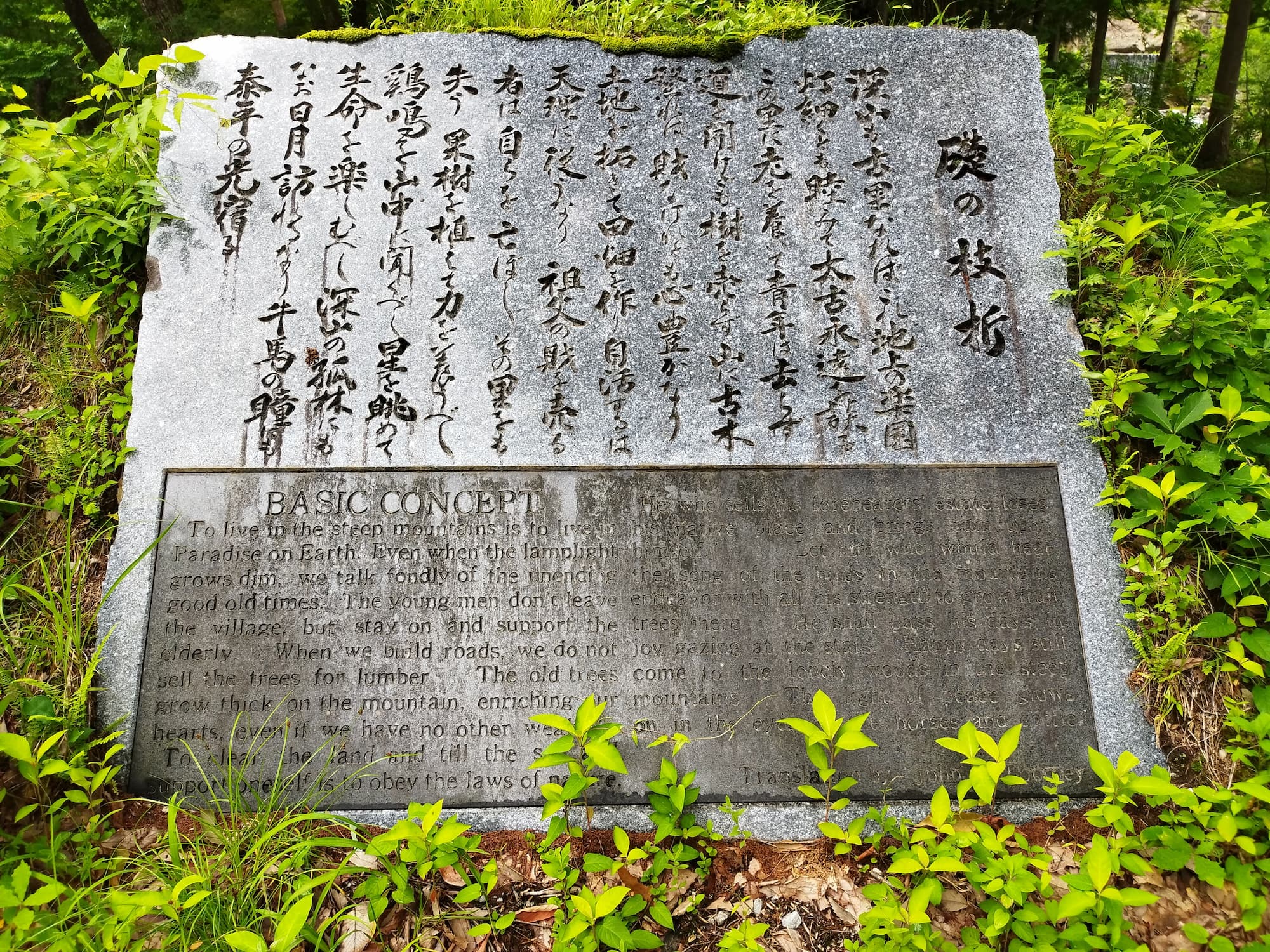
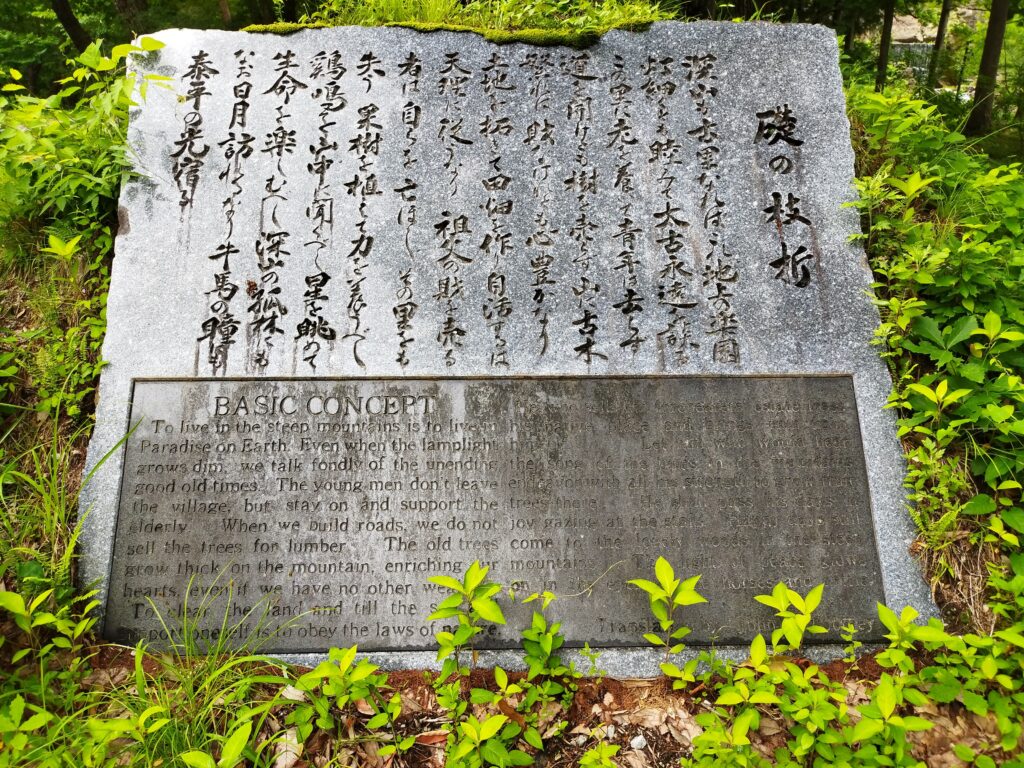
❸ The disappearance of entire villages and the loss of their traditional way of life were a huge shock to local people. The stone monument here stands as a lasting tribute to the determination of those who worked to protect this vanishing heritage.
集落そのものの消滅と、伝統的な生活様式の喪失は、地元の人々にとって大きな衝撃でした。ここにある石碑は、失われつつある文化遺産を守ろうとした人々の強い決意を今に伝えています。
❹ Inside the houses, you’ll find panels showing old newspaper articles about the disappearance of a village with a 700-year history, as well as stories of families being separated.
家屋の内部には、700年の歴史を持つ村の消滅や、家族が離れ離れになったことを伝える昔の新聞記事などが展示されています。
❺ Actually, whenever I guide visitors through this museum, I always have mixed feelings.
実は、ここをご案内するたびに、私はいつも少し複雑な気持ちになります。
❻ Many visitors seem to regard it as little more than an appendix to the World Heritage Site of Shirakawa-go. They don’t realize that this museum was created long before the World Heritage designation, with the wonderful idea of rescuing traditional houses that were rapidly disappearing.
多くの訪問者は、ここを世界遺産・白川郷の付録程度に考えているようです。この博物館が、世界遺産登録よりずっと前に、急速に失われつつあった伝統家屋を救おうという素晴らしい理念のもとに設立されたことを知らないのです。
❼ It also offers visitors another place to explore, helping to spread their attention beyond the main village and ease the concentration of tourists there.
また、ここは訪問者にもう一つの観光スポットを提供することで、観光客の関心をメインの集落以外にも広げ、観光客の集中を和らげる役割も果たしています。
❽ And yet, ironically, this museum itself is not included in the World Heritage Site.
それなのに皮肉なことに、この博物館自体は世界遺産の構成資産に含まれていないのです。
❾ Sometimes, I feel like giving this wonderful but somewhat underrated museum another World Heritage designation of its own!
時には、この素晴らしいのにあまり評価されていない博物館に、独自の世界遺産登録をもう一つ与えてあげたい気分になります!
❿ How about giving it a new category of its own: the world’s first “Mixed-Feelings Heritage Site”! Not to be confused with a “Mixed World Heritage Site,” like Machu Picchu!
新しいカテゴリーを作ってあげましょう。世界初の「複雑な感情遺産」!マチュピチュのような「複合世界遺産」と混同しないでくださいね!
【重要語句・表現(Glossary)】
open-air museum / 野外博物館 👉️ 民家園や飛騨の里のような屋外展示施設を説明する際の定番用語です。
abandoned village / 廃村 👉️ ダム建設や過疎化によって無人となった集落を表す表現です。
sanctuary / 聖域、保護区、避難所 👉️ 失われかけた建築物が守られている特別な場所というニュアンスを強調できます。
last refuge / 最後の避難所(最後の砦) 👉️ 移築保存の切迫感を伝える力強い表現です。
lasting tribute to ~ / ~への永続的な賛辞・記念碑 👉️ 石碑(stone monument)が先人の功績を称えていることを表します。
have mixed feelings / 複雑な気持ちになる 👉️ 誇らしさと歯がゆさが入り混じる心境を表す日常的なフレーズです。
little more than ~ / ~にすぎない、ほんの~程度 👉️ 民家園が「単なる付録(appendix)のように扱われている」というもどかしさを表します。
World Heritage designation / 世界遺産登録(指定) 👉️ 観光ガイドの現場で頻繁に使うフォーマルな表現です。
ease the concentration of tourists / 観光客の集中を和らげる 👉️ オーバーツーリズム対策・分散観光の役割を説明する際に便利です。
underrated / 過小評価されている、本来の価値ほど評価されていない 👉️ 隠れた名所をゲストに推すときに非常に使いやすい形容詞です。
Mixed World Heritage Site / 複合世界遺産(自然遺産と文化遺産の両方の価値を持つ遺産) 👉️ 前の文の “Mixed-Feelings” と掛けたオチのキーワードです。
Q2. 以前ここに住んでいた人々は、その後どうなったの?
What happened to the people who used to live in these houses?
荻町の大通りを歩きながら雑談の中で時折出る質問を元に、この村の秘話を織り込んだ真面目パート(1-7)とおふざけパート(8-10)の2部構成で纏めてみました。
❶ Not every gassho-zukuri village survived into modern times. When villages were abandoned, the people who lived there had to start new lives elsewhere.
すべての合掌造り集落が現代まで残ったわけではありません。廃村になると、人々は別の場所で新しい生活を始めなければなりませんでした。
❷ Some moved to nearby communities, while others left for towns and cities in search of better jobs and more convenient lives.
近隣の集落へ移った人もいれば、より良い仕事や便利な生活を求めて町や都市へ移住した人もいました。
❸ For many families, leaving meant far more than changing addresses. They were leaving behind ancestral land, familiar surroundings, and a way of life that had continued for generations.
多くの家族にとって、それは単なる引っ越しではありませんでした。先祖代々の土地や慣れ親しんだ環境、そして何世代も続いてきた暮らしそのものを手放すことだったのです。
❹ Yet not every village disappeared. Here in Ogimachi, local residents decided they would protect their traditional houses and landscape instead of letting them vanish.
しかし、すべての村が消えたわけではありません。ここ荻町では、人々が伝統家屋と集落の景観を守ることを決意したのです。
❺ In 1971, local residents began working together to preserve the village. Their efforts gradually stopped the population decline, and young people slowly started returning.
1971年、住民たちは力を合わせて集落保存に取り組み始めました。その努力によって人口減少は食い止められ、若い世代も少しずつ戻ってくるようになりました。
❻ Those efforts eventually led to Shirakawa-go being designated as a UNESCO World Heritage Site in 1995. The world had finally begun to recognize the value of this unique village.
その取り組みは、1995年のユネスコ世界遺産登録へとつながりました。世界がようやく、この特別な村の価値に気づいたのです。
❼ In a sense, UNESCO helped save Shirakawa-go. But none of it would have happened without the determination of local residents and the support of many people outside the village.
ある意味では、ユネスコが白川郷を救ったと言えるかもしれません。しかし、その土台となったのは住民たちの決意と、多くの支援者たちの力でした。
❽ Thanks to those efforts, these enormous gassho-zukuri houses have survived into the modern age. Sometimes, they remind me of giant creatures that somehow made it into the modern world.
そうした努力のおかげで、これらの巨大な合掌造りの家々は現代まで残ることができました。時折、それらはまるで現代の世界にどうにかして迷い込んでしまった巨大な生き物を彷彿とさせます。
❾ At first, I thought they were like dinosaurs brought back to life. But honestly, with their gentle appearance, mammoths seem like a much better comparison.
最初は、まるで蘇った恐竜のようだと感じていました。しかし正直なところ、その穏やかな佇まいを考えると、マンモスの方がはるかにふさわしい例えのように思えます。
❿ I once considered describing Shirakawa-go as a place where mammoths have come back to life. But I eventually gave up on that idea. I didn’t want visitors to think I was bragging about our mammoth tourism market, with over two million visitors every year!
Don’t you think that was a wonderfully modest explanation?
かつて、白川郷を「マンモスが蘇った場所」と表現しようかと考えたこともありました。しかし、結局そのアイデアは断念しました。毎年200万人以上の観光客を惹きつけている私たちのマンモス観光市場を、自慢していると思われたくなかったからです!
私のこの説明、ずいぶん控えめで素晴らしいと思いませんか?
【重要語句・表現(Glossary)】
survive into modern times / 現代まで生き残る(存続する) 👉️ 伝統建築や文化が現代まで受け継がれていることを表す定番表現です。
in search of ~ / ~を求めて 👉️ 仕事やより良い暮らしを求めて移住する動機を簡潔に表せます。
ancestral land / 先祖代々の土地 👉️ 離村のつらさや土地への深い愛着を伝える重みのある表現です。
for generations / 何世代にもわたって 👉️ 長い歴史と暮らしの継続性を強調する基本フレーズです。
vanish / 消滅する、姿を消す 👉️ disappear よりも「跡形もなく消え去る」という切迫したニュアンスが出ます。
population decline / 人口減少 👉️ 過疎化や地方の課題を説明する際に欠かせない用語です。
be designated as ~ / ~に指定(登録)される 👉️ 世界遺産や重要伝統的建造物群保存地区の指定を語る際の必須表現です。
determination / 決意、強い意志 👉️ 住民たちの「売らない・貸さない・壊さない」という保存運動の原動力を表します。
remind A of B / AにBを思い出させる、彷彿とさせる 👉️ 合掌造り家屋を巨大な生き物になぞらえる導入フレーズです。
bring ~ back to life / ~を蘇らせる、生き返らせる 👉️ 絶滅した恐竜やマンモスが現代に現れたかのような比喩で使われています。
brag about ~ / ~を自慢する 👉️ ユーモアを交えて謙遜するオチを作る際のカジュアルな動詞です。
mammoth / マンモス(名詞)/巨大な、途方もない(形容詞) 👉️ 動物の「マンモス」と「巨大な観光市場(mammoth tourism market)」を掛けた言葉遊び(ダブル・ミーニング)のキーワードです。
modest / 控えめな、謙虚な 👉️ 自慢話をあえて避けたと冗談めかして締めくくる際の一言です。
合掌造りの歴史(村民物語)の解説はお楽しみいただけましたか?
最後のスポット(茅葺き屋根)や他の章へ移動する際は、冒頭の緑色ナビゲーションボタンをご活用くださいね!