 源氏(Genji)
皆さん、こんにちは!Genjiです。大名の権威と豪華絢爛な暮らしぶり、そして政治と生活の場を象徴する『御殿(Goten)』の英語案内ページへようこそ!
このページでは、天守閣との違いや書院造りの美学、忠実な復元建築の見どころから、現場で役立つ10のFAQ即答フレーズ、そして「撮影禁止ルール」に隠されたガイドの悲喜交々(ひきこもごも)な雑談ネタまで網羅しています。
目的の項目ボタンから自由にジャンプしてご活用ください。
📍 Quick Navigation: 各章へジャンプ
⚡ 本記事(8.御殿)内ダイレクトナビ
8. 御殿
8.1 基本情報(Deep Facts)
日本の城の御殿はどこでも見られるわけではありませんが、当時の著名な領主たちの生活振りがわかる御殿は城マニア以外にも興味あるスポットなので、実際の関心点も踏まえ説明調で10項目にまとめてみました。👇英語音声は前半(1-5)英国男性話者、後半(6-10)米国女性話者の2ファイルです。
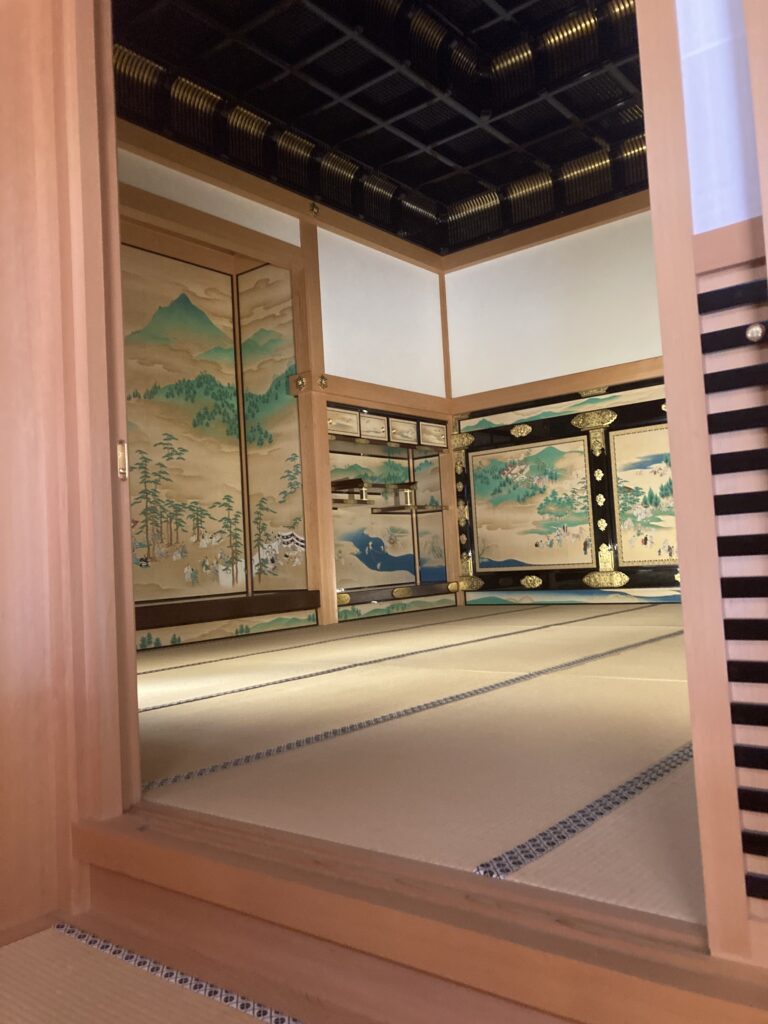
- Japanese castles shifted from being solely military facilities centered around the tenshukaku (main tower) during the Warring States period to peaceful centers of administration and daily life focused on the goten, a large traditional mansion.(日本の城は、戦国時代の天守閣を中心とした軍事施設から、平和な時代の御殿(大規模な伝統的邸宅)を中心とした行政と生活の中心地へと変化しました。)
- The goten was built within the castle grounds as the main residence for the feudal lord (daimyo) and their family. Its lavish and magnificent style demonstrated their authority and wealth.(御殿は、領主(大名)とその家族の主要な住居として城郭内に建てられました。その豪華で壮麗な様式は、彼らの権威と富を誇示するものでした。)
- The goten was also a crucial site for important ceremonies. It featured many large halls to welcome the shogun and other high-ranking samurai.(御殿は、重要な儀式を行う場でもありました。将軍や高位の武士を迎えるために、多くの大広間が備えられていました。)
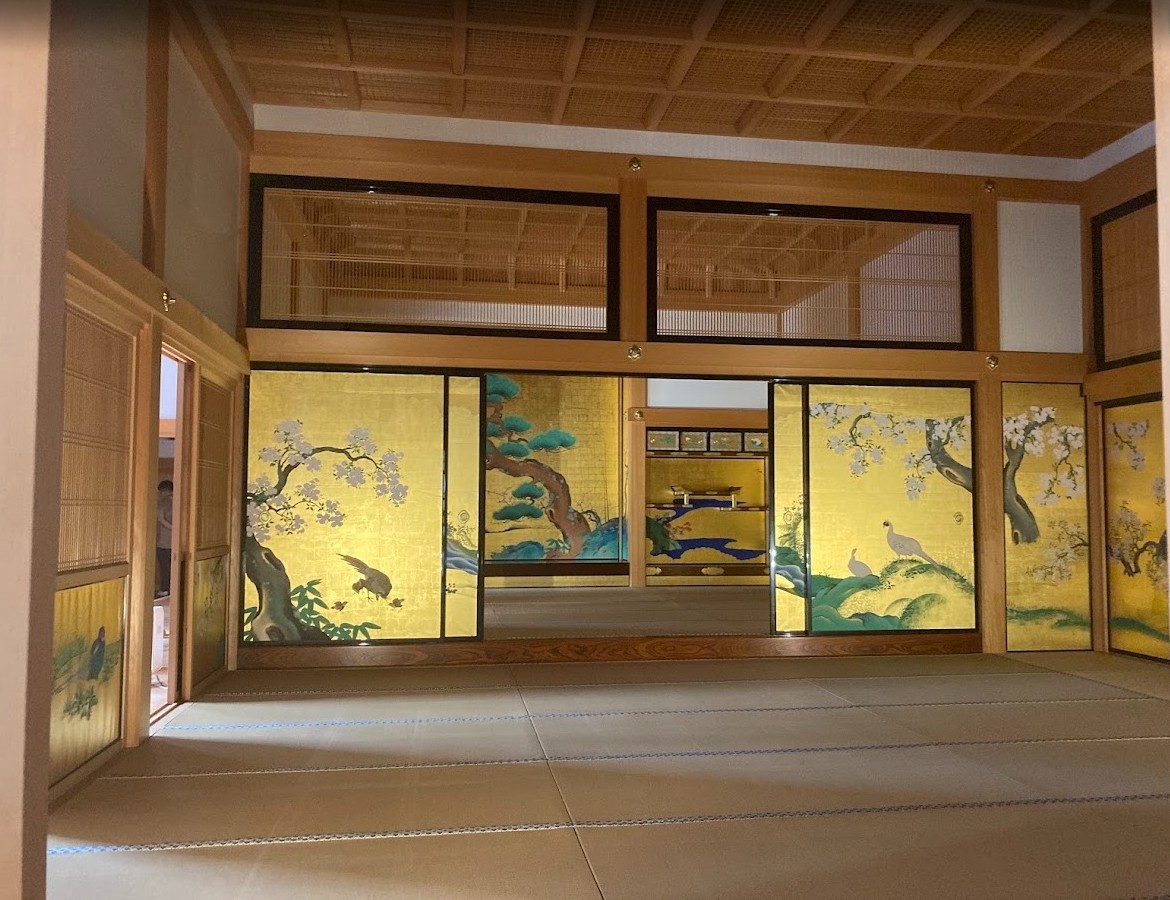
- As the highest form of samurai residence, the goten was based on the elegant shoin architectural style. It featured a grand appearance with elements like coffered ceilings added to suit the lord’s taste.(武家住宅の最高級様式である優雅な書院造りを基本とし、御殿は、領主の好みに合わせて折り上げ格天井などの荘厳な外観を持つ要素が加えられました。)
- The sliding doors (fusuma) and walls were decorated with opulent paintings of tigers and pine trees, symbolizing the shogun’s or lord’s power. These were often intended to impress and even intimidate guests.(襖(ふすま)や壁は、将軍や領主の権力を象徴する豪華な虎や松の絵で飾られていました。これらは、来客を感動させ、威圧することも意図されていました。)
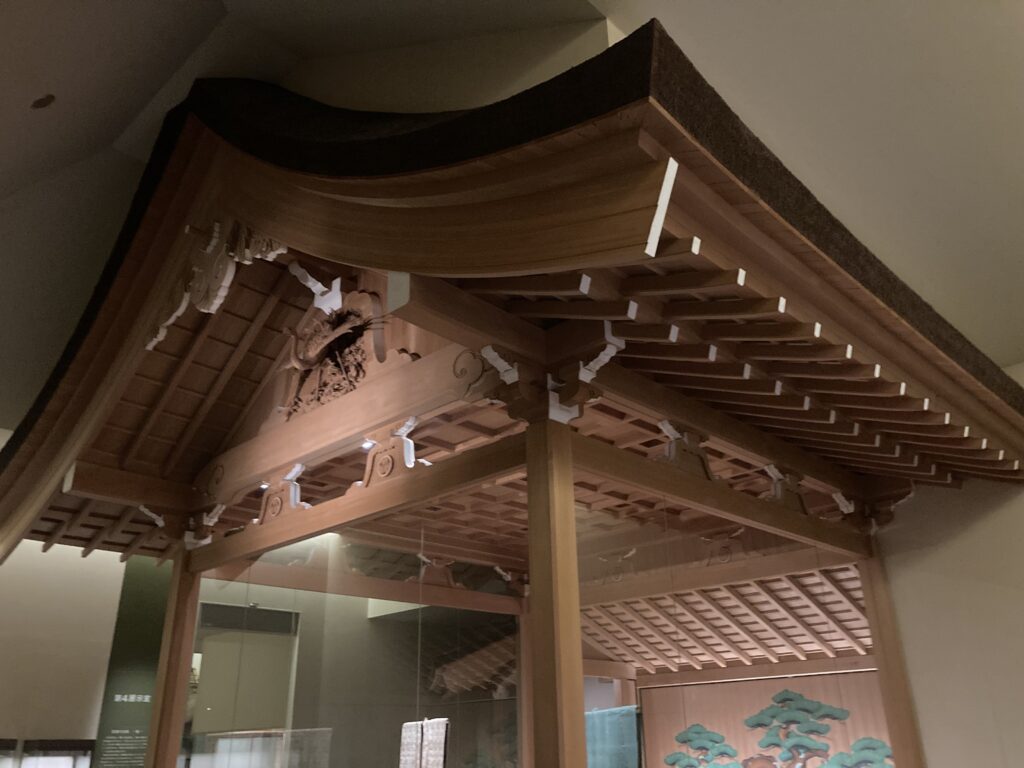
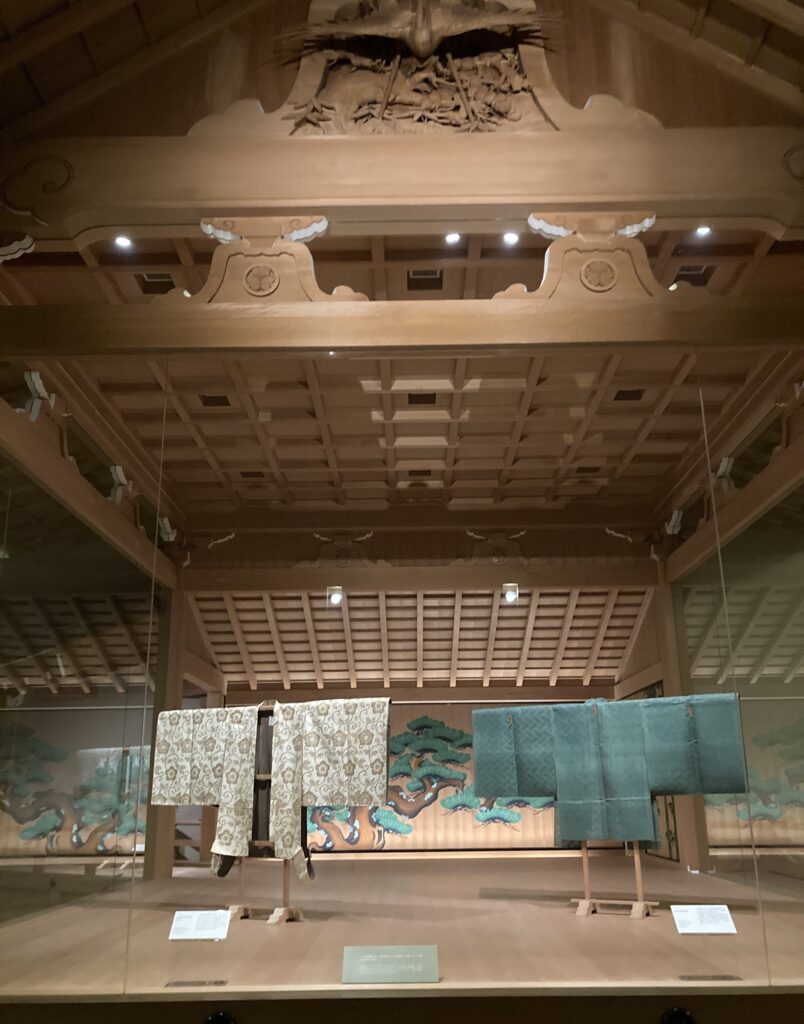
- The goten was a massive, multi-functional building. It included entertaining areas like a Noh drama stage, offices for officials and vassals, and living areas for consorts and sometimes even concubines.(御殿は、能舞台のような娯楽エリア、家臣を伴う役人の執務室、そして正室や側室の居住エリアを含む巨大な多機能建築物でした。)
- After the end of the samurai era, many goten were lost due to fire or demolition by the new government and military. Today, only a few original structures remain, such as those in Kyoto and Kanazawa.(侍の時代が終わった後、多くの御殿は新しい政府や軍による火災や取り壊しで失われました。今日、京都や金沢など、ごく一部しかオリジナルの建物は残っていません。)
- The majority of goten visitors see today are faithful restorations based on ancient documents and historical drawings. They preserve the appearance and atmosphere of the original buildings.(現在、訪問者が見ることのできる御殿のほとんどは、古文書や歴史的な図面に基づいて忠実に復元されたものです。それらは、オリジナルの建物の外観と雰囲気を保っています。)
- Within the goten, the lord and their family lived comfortable, cultured lives, enjoying activities like Noh drama, the tea ceremony, and composing waka poetry, much like modern people.(御殿の中で、領主とその家族は、能や茶の湯、和歌を詠むなど、現代人と変わらない快適で文化的な生活を送っていました。)
- A key role for shoguns and feudal lords was to produce as many heirs as possible, so the area designated for consorts was a vital part of the goten.(当時の将軍や領主にとって重要な役割は、できるだけ多くの子孫を残すことであり、正室のエリアは御殿の重要な部分でした。)
8.2 口頭説明(Easy & Fast)
上記の基本情報を踏まえ、御殿の中を歩きながらゲストにパッと伝えられる「口頭用フレーズ集(10項目)」です。
- From fortress to administrative center
In peaceful times, Japanese castles shifted from military fortresses to centers of government and daily life focused on the goten palace.(平和な時代になると、日本の城は戦の拠点から、御殿を中心とする政治と生活の場へと変化しました。) - The lord’s grand residence
The goten was the feudal lord’s main home inside the castle, built on a lavish scale to display their wealth and authority.(御殿は城内にある大名と家族の本邸で、その豪華な造りは領主の富と権威を示していました。) - Halls for grand ceremonies
It also served as a ceremonial venue, featuring spacious halls to receive the shogun and high-ranking samurai.(また重要な儀式の場でもあり、将軍や高位の武士を迎えるための広大な広間が設けられていました。) - Refined shoin style and coffered ceilings
Built in the refined shoin style, it featured grand details like coffered ceilings tailored to the lord’s taste.(武家建築の最高峰である書院造りを基調とし、領主の好みに合わせた格天井(ごうてんじょう)など荘厳な意匠が凝らされました。) - Impressive tiger and pine paintings
Sliding doors and walls were painted with bold tigers and pines to symbolize power and impress—or even intimidate—guests.(襖や壁には権力を象徴する豪華な虎や松が描かれ、来客を感動させると同時に威圧する狙いもありました。) - A massive, multi-purpose complex
The goten was a huge complex housing a Noh stage, government offices, and private quarters for the lord’s wives and concubines.(御殿は能舞台や役人の執務室、さらには正室や側室の居住空間まで備えた巨大な複合施設でした。) - Very few original palaces survive
Most palaces were destroyed by fire or demolition after the samurai era, leaving only a few originals in places like Kyoto and Kanazawa.(明治以降に火災や取り壊しで多くが失われ、現在オリジナルが残るのは京都や金沢などごくわずかです。) - Faithful historical restorations
Most palaces we visit today are faithful reconstructions based on old records and blueprints, preserving the original look and feel.(現在見られる御殿のほとんどは古文書や図面に基づく忠実な復元で、当時の外観と雰囲気を伝えています。) - A cultured life inside the palace
Inside, the lord and his family enjoyed a refined, cultured lifestyle with Noh theater, tea ceremonies, and poetry.(御殿の中で、領主や家族は能や茶の湯、和歌などをたしなむ文化的な暮らしを送っていました。) - Securing the family line
Because producing heirs was vital for any lord, the living quarters for his wives were one of the most important parts of the palace.(跡継ぎを残すことが領主の重要な務めだったため、奥向きの居住エリアは御殿の中で極めて重要な区画でした。)
【8.1・8.2 共通 重要表現・用語集】
- Warring States period:戦国時代
- centers of administration and daily life:行政(政務)と日常生活の中心地
- feudal lord (daimyo):大名、封建領主
- lavish and magnificent style:豪華で壮麗な様式
- shoin architectural style:書院造り(しょいんづくり:武家住宅から発展した伝統的な日本建築様式)
- coffered ceilings:格天井(ごうてんじょう:角材を格子状に組んで板を張った格式高い天井。さらに一段高くしたものが折り上げ格天井)
- opulent paintings:豪華絢爛な絵画(障壁画)
- intimidate guests:来客を威圧する
- vassals:家臣、家来
- consorts / concubines:正室(せいしつ:正妻)/側室(そくしつ)
- demolition:取り壊し、解体
- faithful restorations:忠実な復元
- composing waka poetry:和歌を詠むこと
- produce heirs:跡継ぎ(世継ぎ・子孫)をもうける
8.3 インバウンドの視点
御殿の内部の造りや展示物を一緒に見ながら、実際によく聞かれる質問をベースに纏めてみました。色々な回答方法がありますため、回答例として少し長めに置きましたので、お相手に合わせて一言で済ませたり一部だけ挿入したりお好みでお試しください。👇英語音声は、質問は短いので10文ともオーストラリア女性話者、回答は前半(1-5)は米国男性話者、後半(6-10)は米国女性話者の2ファイルです。
《日本語》
- Q1: 御殿は城のどこにあるのですか?
- A: 御殿は一般的に、城の最も重要な場所、つまり天守閣の近くか、城の中心にある広大な平地に建てられました。
- Q2: 天守閣と御殿は何が違うのですか?
- A: 天守閣は戦闘のために、防御や監視を目的として建てられた軍事施設です。対照的に、御殿は領主とその家族が実際に暮らすための居住空間であり、政治や儀式を行う場所でした。
- Q3: 御殿の何が面白いのですか?
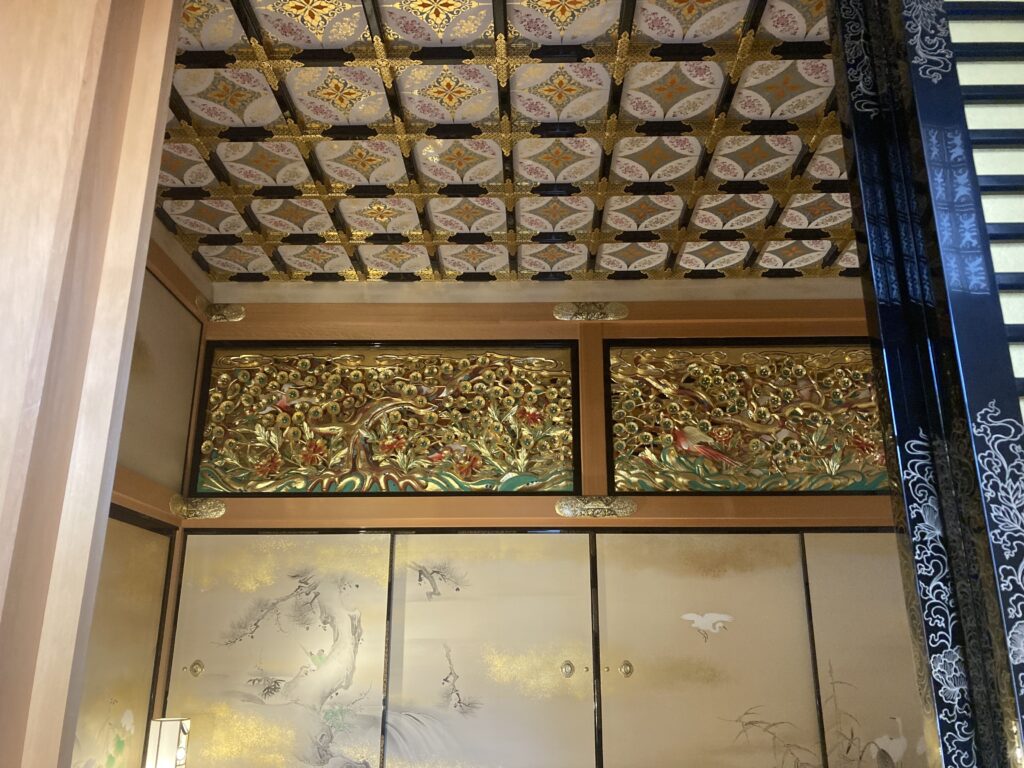
- A: 御殿は、美術や建築を通して当時の領主の豪華な暮らしぶりを見ることができます。特に、金色に輝く豪華な装飾や芸術的な絵画、著名な職人による立体的な彫刻で満たされた部屋は、ほとんどの訪問者にとって非常に印象的で、時間の流れを忘れてしまうほどです。
- Q4: どの城にも御殿はあったのですか?
- A: はい、ほとんどの城には領主が住むための建物がありました。残念ながら、日本の近代化以降にそのほとんどが失われてしまいましたが、多くは歴史的記録に基づいて忠実に復元されています。
- Q5: もし完全な復元なら、火災の危険はないのですか?
- A: ご指摘の通り、過去の多くの火災は落雷や不注意が原因でした。伝統的な材料や工法で復元されていますが、現在の御殿には最新の防火システムや避雷針が組み込まれており、安全対策が施されています。
- Q6: 復元にはどのような歴史資料が使われるのですか?
- A: 復元には、主にオリジナルの設計図、絵図、部屋の装飾を描いたデザイン画などの文献資料が手がかりとなります。それに加え、発掘された建材や装飾品、工芸品の破片なども重要な証拠として活用されます。
- Q7: 御殿はなぜ低層の建物なのですか?
- A: 十分な土地があったため、わざわざ多層にする必要はありませんでした。低層にすることで、隣接する庭園との一体感を高め、どの部屋からも美しい景色を楽しめるように設計されていました。
- Q8: 御殿には部屋がいくつあったのですか?
- A: その規模は、領主の権力や財力によって大きく異なりました。将軍が所有する江戸城の御殿は100以上の部屋があったと言われています。一方、裕福な地方の領主の御殿でも、その半分以上の部屋数を持ち、非常に大規模なものでした。
- Q9: 御殿は、お城のように幕府からの厳しい建築制限はなかったのですか?
- A: いいえ、厳しい建築制限がありました。城の一部であるため、その規模や様式は、幕府からの事前の承認が必要でした。
- Q10: 御殿の復元にはどれくらいの期間と費用がかかるのですか?
- A: 期間と費用は、使用される材料や内装の豪華さによって異なりますが、5年から20年、費用は数十億円かかると言われています。これは、日本の伝統建築技術を継承しながら、当時の姿を精密に再現するためです。
《英語》
- Q1: Where in the castle is the Goten located?
- A: The goten was typically built in the most important part of the castle, near the tenshukaku (main tower) or in a vast, open area at the center of the castle grounds.
- Q2: What is the difference between the tenshukaku and the goten?
- A: The tenshukaku was a military facility built for combat, with a focus on defense and observation. In contrast, the goten was the main living space for the lord and his family, as well as the center for political and ceremonial functions.
- Q3: What’s so interesting about the goten?
- A: The goten allows you to see the luxurious lifestyle of the lords through its art and architecture. The stunning rooms, filled with golden decorations, artistic paintings, and three-dimensional carvings by prominent artisans, are so impressive that visitors can easily lose track of time.
- Q4: Do all castles have a goten?
- A: Yes, most castles had a residential building for the lord. Unfortunately, most were lost after Japan’s modernization, but many have been faithfully restored based on historical records.
- Q5: If it’s a complete restoration, is there no risk of fire?
- A: As you pointed out, many fires in the past were caused by lightning strikes or carelessness. While traditional materials and methods are used, restored goten now incorporate the latest fire prevention systems and lightning rods for safety.
- Q6: What kind of historical materials are used for restoration?
- A: For restoration, primary clues come from historical documents like original blueprints, drawings, and design sketches. Additionally, fragments of excavated building materials, ornaments, and craftwork are also used as important evidence.
- Q7: Why is the goten a low-story building?
- A: With so much available land, there was no need to build with multiple stories. The low-story design enhanced its integration with the adjacent gardens, allowing every room to have a beautiful view.
- Q8: How many rooms did the goten have?
- A: The scale varied greatly depending on the feudal lord’s power and wealth. The goten of Edo Castle, belonging to the shogun, had over 100 rooms, while wealthy provincial lords often had mansions that were more than half that size.
- Q9: Were the gotens free from the strict castle building restrictions from the shogunate?
- A: No. As part of the castle, the scale and style of the goten required prior approval from the shogunate.
- Q10: How long does it take and how much does it cost to restore a goten?
- A: The time and cost depend on the materials and the luxuriousness of the interiors, but it’s said to take 5 to 20 years and cost tens of millions of dollars. This is because the restoration aims to precisely recreate the original structure while preserving traditional Japanese building techniques.
8.4 笑いが取れるかも?説明例
一緒に御殿の中を歩きながら素朴に思うであろう想定疑問への笑いも意図した説明例です。
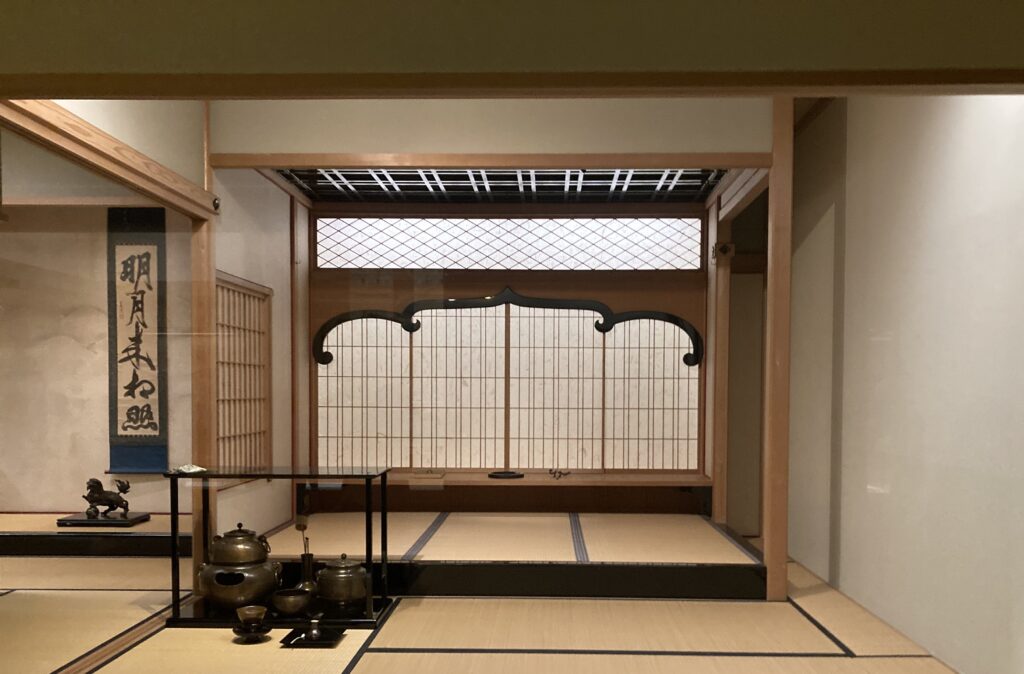
Q1:なぜ日本の城の御殿には2階がないのですか?
”Why Don’t These Palaces Have a Second Floor?”
前半(1~5)は生活・政務・儀式の場としての機能性や、二条城二の丸御殿の規模、襖による空間の可変性など平面構造の理由を解説する真面目パート、後半(6~10)はおふざけパートです。
- Most Japanese castle palaces were built as single-story buildings because they were designed primarily for daily living, official meetings, and ceremonies rather than for defense or height.(日本の城の御殿の多くが平屋で建てられたのは、主に日常生活、政務、儀式などに使われる建物であり、防御や高さを目的としたものではなかったからです。)
- A horizontal layout made it easier to arrange rooms according to their functions and connect them with corridors, gardens, and other buildings. For example, Ninomaru Palace at Nijo Castle consists of six connected buildings, with 33 rooms and over 800 tatami mats.(平面的な構造にすることで、用途に応じて部屋を配置し、廊下や庭、他の建物とつなぎやすくなりました。例えば、二条城の二の丸御殿は6棟が連なる構造で、33室、800畳以上の規模を持っています。)
- Japanese palace architecture also made extensive use of sliding doors, allowing rooms to be opened up or divided as needed.(また、日本の御殿では襖などの引き戸を多く用い、必要に応じて部屋を開放したり、仕切ったりすることができました。)
- Although multi-story buildings certainly existed in Japan, castle palaces generally prioritized spacious, interconnected rooms and ease of use over building upward.(日本にも多層建築は存在しましたが、御殿では一般的に、建物を高くすることよりも、広く連続した空間と使いやすさが重視されました。)
- Unlike castle keeps, which often used their height to symbolize power and authority, palaces were built horizontally.(高さによって権威や権力を象徴しようとした天守とは対照的に、御殿は横方向に広がる構造でした。)
- But don’t let the flat layout fool you. Social hierarchy was anything but flat.(しかし、建物がフラットだからといって、人間関係までフラットだったわけではありません。)
- The deeper you went into the palace, the higher the status of the rooms, with raised thresholds and floor levels reflecting their importance.(御殿の奥に進むほど部屋の格式は高くなり、敷居や床の高さにもその重要性が反映されていました。)
- During formal ceremonies, such as New Year’s greetings, seating positions and routes were carefully prescribed.(年始の挨拶などの正式な儀式では、座る位置や移動するルートまで厳格に定められていました。)
- These occasions were not simply formalities; they were also opportunities to reaffirm everyone’s status and place in the hierarchy.(こうした儀式は単なる形式ではなく、参加者それぞれの身分や上下関係を改めて確認する場でもあったのです。)
- As guides, we understand how important it is to follow the proper order. Things may look rather flat, but if you get the route wrong, your explanation might literally fall flat!(我々ガイドも、正しい順序や導線がいかに大切かはよく分かっています。見た目はフラットでも、導線を間違えれば、説明まで fall flat(失敗に終わる)かもしれませんね!)
【Q1 重要表現・用語集】
- single-story buildings:平屋建ての建物(1階建ての建物)
- horizontal layout:平面的な配置、横方向に広がる間取り
- corridors:廊下、回廊
- consist of ~:〜から成る、〜で構成されている
- make extensive use of ~:〜を広範囲に活用する、多用する
- sliding doors:引き戸(襖・障子など)
- multi-story buildings:多層建築(2階建て以上の建物)
- prioritize A over B:BよりもAを優先する・重視する
- interconnected rooms:互いに連結された部屋(連続した空間)
- castle keeps:天守閣
- social hierarchy:社会的な階層・上下関係(身分制度)
- anything but ~:決して〜ではない
- raised thresholds:一段高く設けられた敷居(しきい)
- prescribed:厳格に定められた、規定された
- reaffirm:再確認する
- fall flat:(ジョークや説明・企画などが)全くウケない、失敗に終わる(※建物の「flat(平屋・平ら)」と掛けた言葉遊び)
Q2:なぜ多くのお城の御殿は撮影禁止なのですか?
“ Why is photography prohibited in many castle’s mansions?”
頻繁に聞かれることはありませんが、場所により写真禁止ルールが微妙に異なることもあり、今回は基本原則に関する表現を織り込んでみました。👇前半(米国男性話者)が説明にも使える真面目パート、後半(オーストラリア女性話者)が雑談力UPを意図したおふざけパートです。
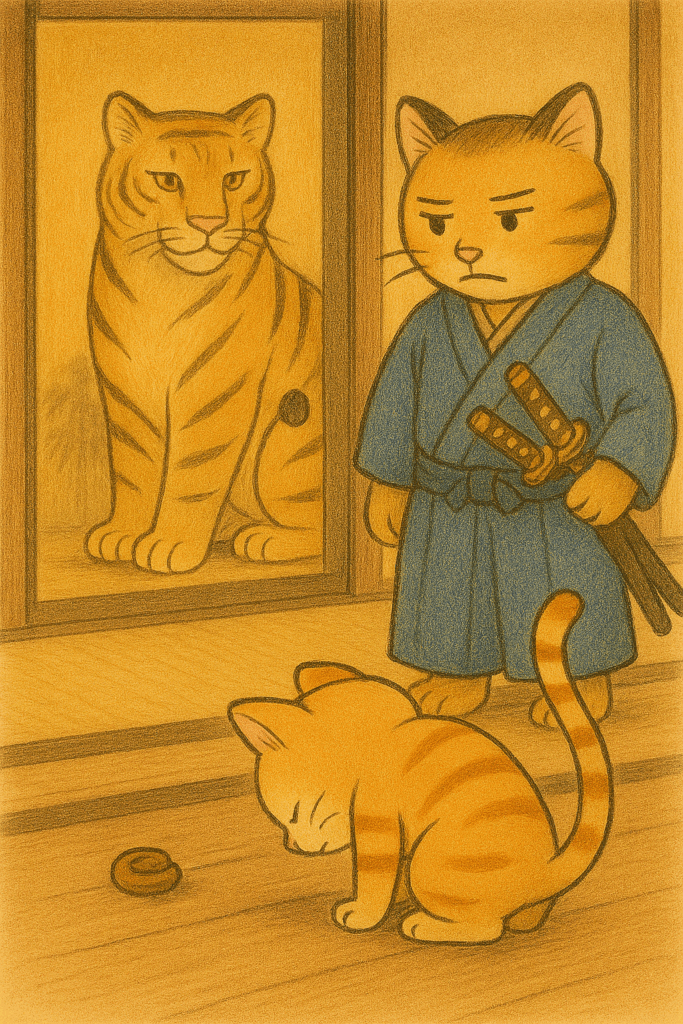
- The primary reason is the protection of cultural assets. Flash photography can cause the paintings on sliding doors and partitions to deteriorate.(一番の理由は文化財保護のためです。フラッシュ撮影は、襖(ふすま)や障壁の絵画を劣化させる原因になります。)
- Photography is also prohibited to prevent visitors from becoming too absorbed in taking pictures, which can lead to falls and congestion.(また、訪問者が撮影に夢中になりすぎて、転倒したり、混雑を引き起こしたりするのを防ぐためでもあります。)
- The sound of the shutter can disrupt the atmosphere of the place, detracting from the historical experience of others.(シャッター音は場の雰囲気を壊し、周りの人々の歴史体験を損なうことにもなりかねません。)
- It’s also necessary to protect the copyrights of contemporary artists whose works are included in the restored pieces and exhibits.(復元された作品や展示物には、現代の作家の著作権が含まれているため、それを保護する必要もあります。)
- That is all true, and it’s no different from many modern museums, so I have no objection to any of those rules. However, after guiding many guests through these mansions (goten), I’ve realized that the experience is a little different from that of a museum.(これはもっともな理由で、多くの近代的な美術館と何ら変わりません。ですから、これらのルールには全く異論はありません。しかし、多くの御殿でゲストを案内するうちに、御殿を案内するのは美術館を案内するのとは少し違うことに気づきました。)
- If a visitor takes a photo, they’ll be asked to apologize and delete the data on the spot. This is also a failure on the part of the guide to provide a proper explanation, so the guide can be blamed.(万が一、外国人観光客が写真を撮ってしまった場合、その場で謝罪し、データを消去するよう求められます。これはガイドの説明不足も意味するため、ガイドが非難されることにもなります。)
- But the level of responsibility I feel is much heavier in a mansion than in a museum. After all, within the goten, the relationship between the host and the visitor hasn’t changed at all since the samurai era.(それでも、私が感じる責任の重さは、美術館よりも御殿の方がずっと重いのです。結局のところ、御殿では、主人と客との人間関係が侍の時代から全く変わっていないからです。)
- The shogun and local lords, who were the former owners of the goten, have simply been replaced by modern government and municipal tourism authorities.(かつて御殿の所有者であった将軍や藩主は、現代の政府や市町村の観光当局に代わっただけなのです。)
- The mansion’s management staff are like samurai from the shogunate or lords, monitoring visitors and subtly pressuring them against the backdrop of powerful tiger paintings.(御殿の管理スタッフは、虎の障壁画を背景に、訪問者にプレッシャーをかけ、監視する幕府や藩主の侍のようです。)
- And we local guides are like the same low-ranking warriors who guided their guests through the palace, with the same worries and tensions that have remained unchanged for hundreds of years, just to make sure our guests don’t misbehave!(私たち現地のガイドは、ゲストが失態を犯さないよう、何百年も変わらない心配と緊張を抱えながら、御殿を案内していた下級武士と同じなのですから!)
【Q2 重要表現・用語集】
- protection of cultural assets:文化財保護
- sliding doors and partitions:引き戸(襖など)と間仕切り(障壁)
- deteriorate:劣化する、傷む
- absorbed in ~:〜に夢中になっている、没頭している
- congestion:混雑、渋滞
- detracting from ~:〜を損なう、価値を下げる
- copyrights of contemporary artists:現代の作家の著作権
- have no objection to ~:〜に異論がない、反対しない
- on the spot:その場で、即座に
- municipal tourism authorities:市町村の観光当局(自治体)
- against the backdrop of ~:〜を背景にして
- low-ranking warriors:下級武士
- misbehave:失態を犯す、不作法な振る舞いをする
御殿の解説はお楽しみいただけたかな?
他のスポット(天守閣、城門、石垣、堀、屋根など)の解説へ移動する際は、冒頭の緑色ナビゲーションボタンをご活用くだされ!