 源氏(Genji)
皆さん、こんにちは!Genjiです。日本の城の防衛と格調の高さを兼ね備えた構造美『城門(Castle Gate)』の英語案内ページへようこそ!
このページでは、城内を歩きながら海外ゲストをご案内する際に使える「城門」の必須英語表現を網羅しています。基本構造や防御・攻撃の仕掛け、主要なFAQ即答フレーズから、現場の雑談でクスッと笑いが取れる裏話まで自由にご活用ください。
目的の項目ボタンから自由にジャンプしてご利用いただけます。
📍 Quick Navigation: 各章へジャンプ
4. 城門
4.1 基本情報
いつも通り、城門を一緒に観ながら、あれば安心のネタ(押さえておきたい基本情報)です。今回は情報量がかなり多いので、日英パートを別々にせず、一文毎にペアで置きました。
👉音声サンプルは各文も長いので3つに分けました。今回は珍しく米国女性3タイプ。微妙な違いをお試しくださいませ。👄本パート表現の習得用音声ツールはこちらから。
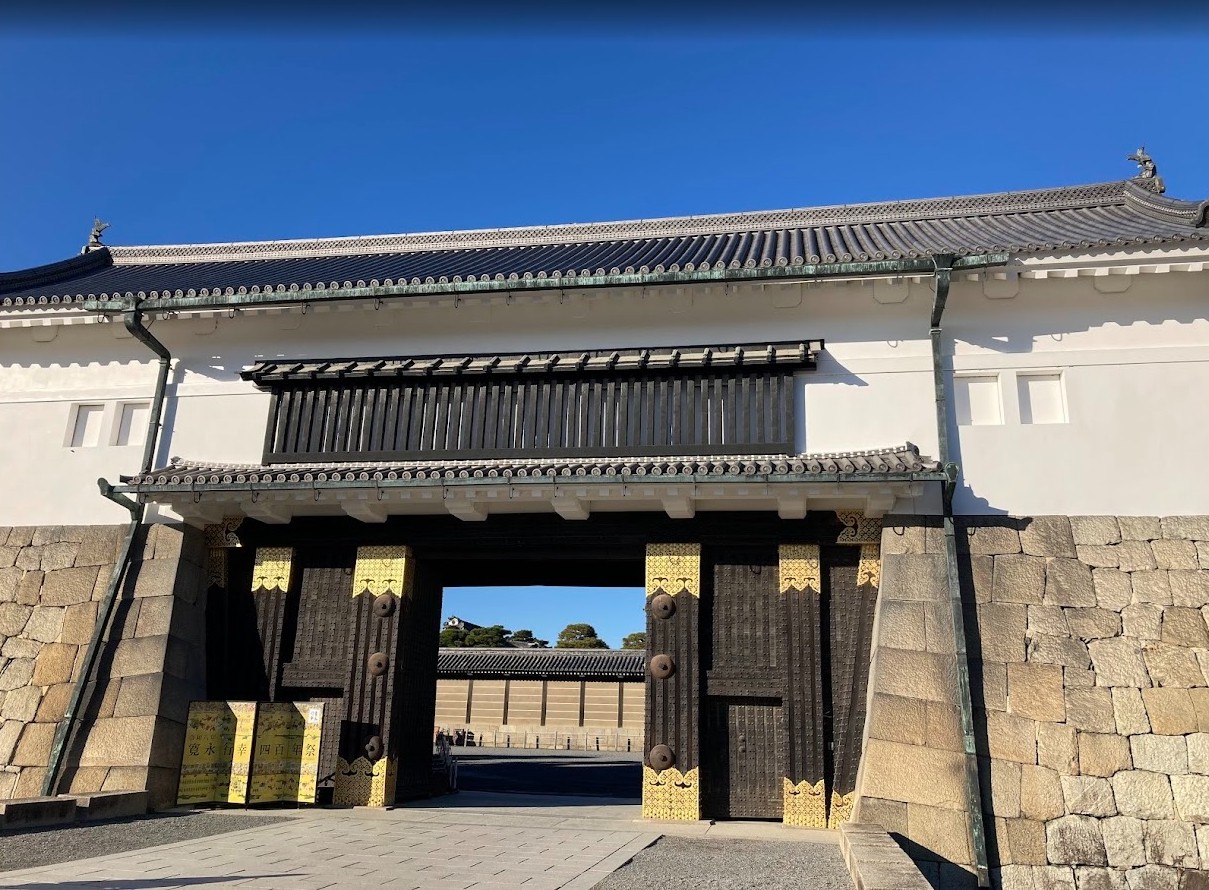
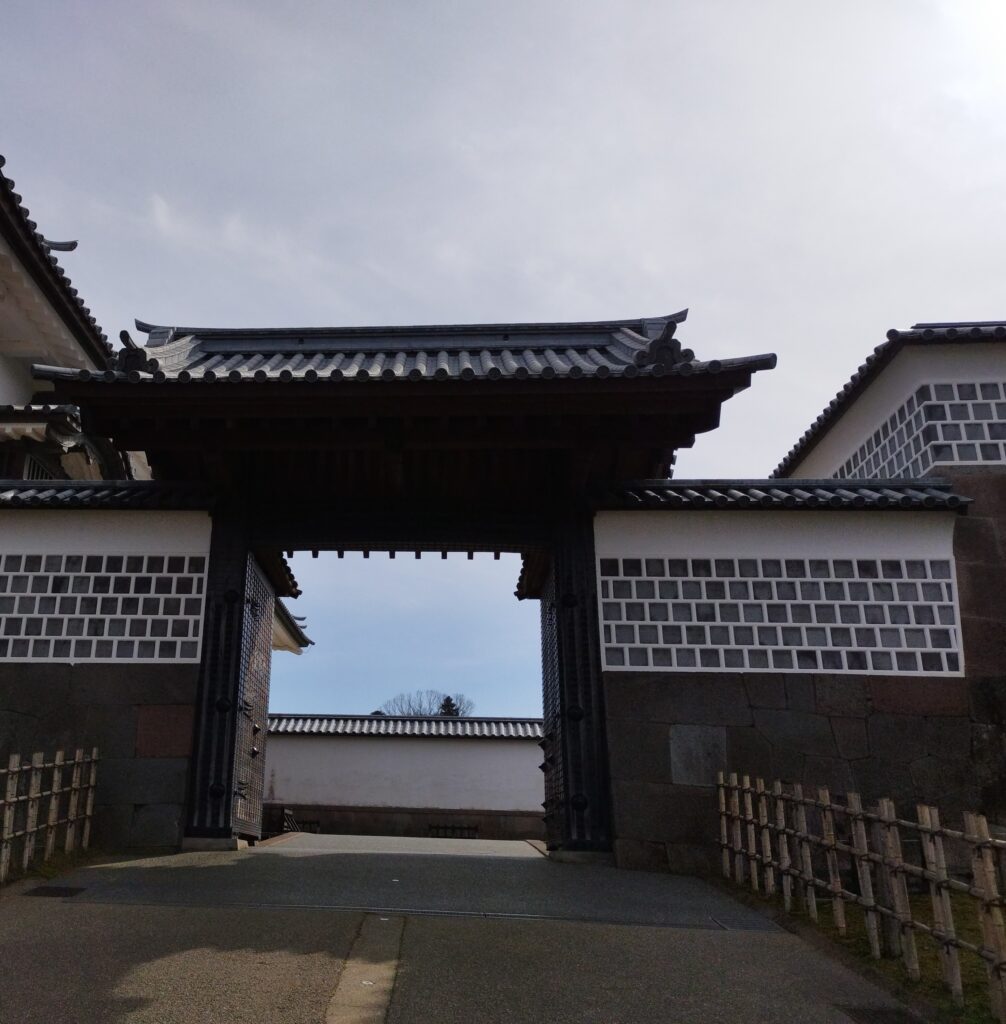
- 日本の城門には戦時の防衛だけでなく,高い建築技術で領主の力と財力を示す目的がある。
- Japanese castle gates serve not only for wartime defense but also to demonstrate the power and wealth of the lord through advanced architectural techniques.
- 敵が本丸まで簡単に侵入できないように複数の門が迷路の様に複雑に配置されている。
- Multiple gates are intricately arranged like a maze to prevent easy access for enemies to the lord’s headquarters.
- 城門自体には防御だけでなく攻撃を考慮した工夫がされている。
- The castle gates themselves are designed not only for defense but also with consideration given to offensive tactics.
- 元々は一門だけであったが時代が進むと共に2つの門と石垣で囲む枡形門が定着した。
- Originally, a castle gate consisted of only one gate, but as time passed, it became common to construct a square area enclosed by two separate gates and stone walls.
- 侵入者をその枡形の中に閉じ込めて殲滅するよう作られた。
- The castle gates were built with the intention of confining invaders within the square areas and completely destroying them.
- 最初の外の門と次の奥の門は右側に直角に配置されている。
- The first outer gate and the next inner gate are positioned at a right angle on the right side.
- 敵は90度、向きを変えるためその勢いを止めなければならなっかた。
- The enemy had to change their direction by 90 degrees, which slowed down their momentum.
- 右側に配置された理由は日本人は右利きが多いので、敵の反撃をワンテンポ遅らせる為だった。
- The reason for the right-side placement is that many Japanese people are right-handed, so it was intended to delay the enemy’s counterattack by one beat.
- 2番目の門の上には櫓が乗っていて、その格子窓や石落としから、侵入者に攻撃を加えることもできた。
- On top of the second gate, there was a turret that could be used to attack invaders through its lattice windows or by dropping stones.
- 最初の外の門は隙があればすぐ外にも攻撃できるように内開きになっている。
- The first outer gate opens inward to enable immediate counterattacks if there are any vulnerabilities outside the gate.
- 城門に装飾性を持たせるのは侵入者に財力を示すことで精神的に威圧する意図がある。
- The decorative elements of the castle gates are intended to mentally intimidate intruders by showcasing the lord’s wealth.
- 城門は役割で見ると正門(大手門(おおてもん)と裏門(搦手門と)の二種類に分けられる。
- When considering their roles, castle gates can be divided into two types: the main gate (‘ote-mon’ meaning ‘big hands’ ) and the back gate (‘karamete-mon’, meaning ‘squeeze hands’).
- 正門は大きく堅固で防御力が高く、格式高く作られるのが特徴。
- The main gate is large, robust, and characterized by high defensive capabilities and grandeur.
- 裏門は一般的に正門に比べて質素だが、中には正門の様に豪華な裏門もある。
- The back gate is generally more modest compared to the main gate, but there are also luxurious back gates similar to the main gate.
- 湾曲した非対称の屋根を置くことで門の装飾性を高め、領主の財力を誇示している。
- The curved and asymmetrical roof design enhances the decorative nature of the gate and displays the lord’s wealth.
👉Glossary: offensive tactics(攻撃) positioned at a right angle(直角に配置)momentum(勢い)any vulnerabilities(どんな隙でも)delay by one beat(ワンテンポ遅らせる)counterattack(反撃) lattice window(格子窓)invader、intruder(侵入者)open inward(うち開き) grandeur(格調高さ)modest(質素な) luxurious(贅沢な) asymmetrical(非対称の)
4.2 インバウンドの視点
城門に限らず、日本の城を始めて見るインバウンドはどこが見所なのかそれ自体わからないようですが、実際に(城門の中を歩きながら)聞かれる質問を含め主な興味ポイントを纏めました。英語音声は前半(1-5)と後半(6-10)の2ファイルに分かれています。👄本パート表現の習得用音声ツールはこちらから。
Q: 想定質問
《日本語》
- 日本の城門の見処、特徴は何ですか?
- 他の古い建造物(寺院、屋敷)の門と何処が違うのですか?
- この様な城門はいつ頃できたのですか?
- (木造建築自体が珍しいので)木造で大丈夫なのですか?
- 城門は何の木材を使っているのですか?
- 全国にある城の城門は同じ構成ですか?
- 城門の正門にはどんな意味があるのですか?
- どうしてそれぞれの城門に違った名前がついているのですか?
- 城門は通常は空いているのですか?
- 城門ではどのような防御策が施されていましたか?
《英語》
- What are the features and characteristics of Japanese castle gates?
- How do they differ from the gates of other ancient structures like temples and mansions?
- When did this type of castle gate first pop up?
- Are they sturdy enough, being made of wood?
- What type of wood is used for castle gates?
- Are castle gates the same in every castle across Japan?
- What was the significance of the main gate of a castle?
- Why do different castle gates have different names?
- Were castle gates usually open?
- What kind of defensive measures were implemented at castle gates?
A:回答例
《日本語》
- 城門は時代の推移と戦争技術の進歩により多様に進化しました。
- 防御力と攻撃力と装飾性を兼ね備えた城独自の桝形門が定着しました。
- 初期数世紀に見られた木製柵から発展し、16 世紀にこの様に最もよく知られた形になりました。
- 門扉には鋲で鉄板を止めて強化し、戦時は内側から岩や材木で塞いで敵の侵入を防ぎました。
- 門柱、梁、櫓の壁や床などに強度のある檜、ケヤキ、杉、松などを使っています。
- 基本構成は同じですが、大きさや配置の仕方が異なったり、唐門、唐破風などで装飾性を加えた門もあります。
- 通常住宅と考え方は変わらず、正門は領主の出入り口で、それ以外の者たちは裏門を使いました。
- それぞれの門を作った経緯や縁起の良い名前を付けて防衛力や権威を高めようとしました。
- 平時でも通常は閉まっていて、日常の出入りは脇の小さな出入口を使っていました。
- 門の上に設けられた櫓からは、石を落としたり、鉄砲や弓で攻撃したりすることができました。
《英語》
- Castle gates have changed a lot over time because of advancements in warfare technology.
- They ended up having this cool rectangular gate that combined defense, offense, and good looks all in one awesome structure.
- They evolved from the wooden stockades of earlier centuries and came into their best-known form in the 16th century
- The gate doors were reinforced with iron plates and during war, sealed tightly with rocks and wood to deter enemy intrusion.
- They used sturdy woods like cypress, zelkova, cedar, and pine for gate pillars, beams, tower walls, and floors to make sure they lasted.
- Their basic configuration is similar, but they vary in size, placement, and may feature decorative elements like Karamon (Chinese-style gate) or Karahafu (undulating gable) to enhance their appearance.
- Similar to a typical residence, the main gate was primarily for the lord’s entry and exit, while others would use back gates.
- They were named based on the circumstances of their construction, or given auspicious names to enhance their perceived defensive power and the lord’s authority.
- Even during peacetime, they were typically kept closed. Daily entry and exit usually happened through smaller side entrances.
- From the yagura (tower) built above the gate, stones could be dropped, and firearms or arrows could be fired at attackers.
Glossary
over time(時代が変わり)advancements in warfare technology(戦争技術の進歩)end up (定着する)cool rectangular gate(見事な枡形門)combin all in one(兼ね備える)defense, offense, and good looks(防御、攻撃、美観)awesome structure(恐るべき造り).wooden stockades(木の柵)earlier centuries(初期数世紀)best-known form(よく知られた形) be reinforced with(強化された) iron plates(鉄板) during war(戦時)sealed tightly with(きつくふさぐ)deter enemy intrusion(敵の侵入を防ぐ)sturdy woods(頑丈な木材)zelkova(ケヤキ)to make sure they last(強度確保のため) gate pillars(門柱) beams(梁)
4.3 笑いが取れるかも?説明例
Q1:何故、枡形門が定着したの?
“Why did the box-shaped gate become established?”
👉いつもの真面目(No.1-5)&不真面目(6-12)パターンですが、前半はインド女性が不思議そうに、後半はかつてのインドの宗主国イギリスの女性(実はラスト2文は良心の声=米国女性)が冷静分析調で語ります。👄🎤本パート表現の習得用音声ツールはこちらから。
- Originally, the castle gate was a simple structure, reinforcing the regular entrance with watchguards.
- 元々は通常の出入り口の門を警備強化した単純な構成だったのです。
- However, as warfare technology advanced, it evolved into a square-shaped structure.
- しかし戦闘技術が進むに連れて、進化してこのような枡形になりました。
- With two gates and stone walls surrounding them like a trap, enemies would be easily killed.
- 袋の鼠のように2つの門と石垣に囲まれて,容易に殺されてしまうのです。
- But what is intriguing is that this square-shaped gate was the norm at the time, so the enemy should have been aware of it.
- でも、不思議に思うのは、この枡形門は当時の常識だったので、敵もその事は分かっていたはず。
- Why would they willingly fall into such a trap like mice?
- わざわざその罠に自ら入るようなことをしたのでしょうか?
- One possible explanation is that soldiers had no choice but to move forward, even if they knew they would die.
- 考えられることは、死ぬと分かっていても兵隊とすれば前に進むしか、手はなかったのかもしれません。
- If they didn’t advance, they would be denounced as deserters or cowards, bringing shame upon their descendants for generations.
- 前に進まなければ敵前逃亡を理由に裏切り者か卑怯者と子孫の代まで罵られるわけです。
- However, mice have strong reproductive power, leaving behind 10,000 offspring in a year from a pair of mice.
- でも、ネズミは繁殖力が強く二匹のつがいから一年で1万匹の子孫を残します。
- So, perhaps mice might die peacefully in a mousetrap for the sake of their descendants’ honor.
- なのでネズミなら子孫の名誉の為にネズミ捕りで安心して死ねるかもしれません。
- But most human soldiers are young, unmarried individuals.
- でも人間の兵士は殆どが結婚前の若者です。
- If they die, they cannot leave behind any descendants or honor, can they?
- 死んだら子孫も彼らの名誉も残せませんよね。
- So, many samurais married at a young age, often in their early teens.
- だからサムライは結婚が早かったんですね。十代前半での結婚が多かった。
- Perhaps it was a good time for young people who’d say, ‘I don’t care about my life as long as I can get married,’ a sentiment that remains true throughout history.
- いつの時代にもいる「死んでもいいから結婚したい」って言う若者には良い時代だったのかも。
- But no one can say whether they’d be happy if, in their early teens, they already understood what marriage really meant—that the castle gate wasn’t the only mousetrap.
- でも十代の若さで結婚の本当の意味を知るのが幸せなのかわかりませんけどね、城門だけがマウトラップじゃないって事をね。
👉Glossary:watchguards(警備)warfare technology(戦闘技術)the norm at the time(当時の常識)denounce(罵る) deserter(裏切者)coward(臆病者)mice(ネズミ)reproductive power(生殖力)leave behind offspring(子孫を残す)descendants’ honor(子孫の名誉)

城門の解説はお楽しみいただけたかな?
他のスポット(天守閣、石垣など)の解説へ移動する際は、冒頭の緑色ナビゲーションボタンをご活用くだされ!