 源氏(Genji)
皆さん、こんにちは!Genjiです。日本の城が持つ圧巻のスケールと職人技術の結晶『石垣(Stone Wall)』の英語案内ページへようこそ!
このページでは、城内を歩きながら海外ゲストをご案内する際に使える「石垣」の必須英語表現を網羅しています。モルタルを使わない日本独自の石積み技術や巨石の運搬、主要なFAQ即答フレーズから、現場の雑談でクスッと笑いが取れる裏話まで自由にご活用ください。
目的の項目ボタンから自由にジャンプしてご利用いただけます。
📍 Quick Navigation: 各章へジャンプ
5. 石垣
5.1 基本情報
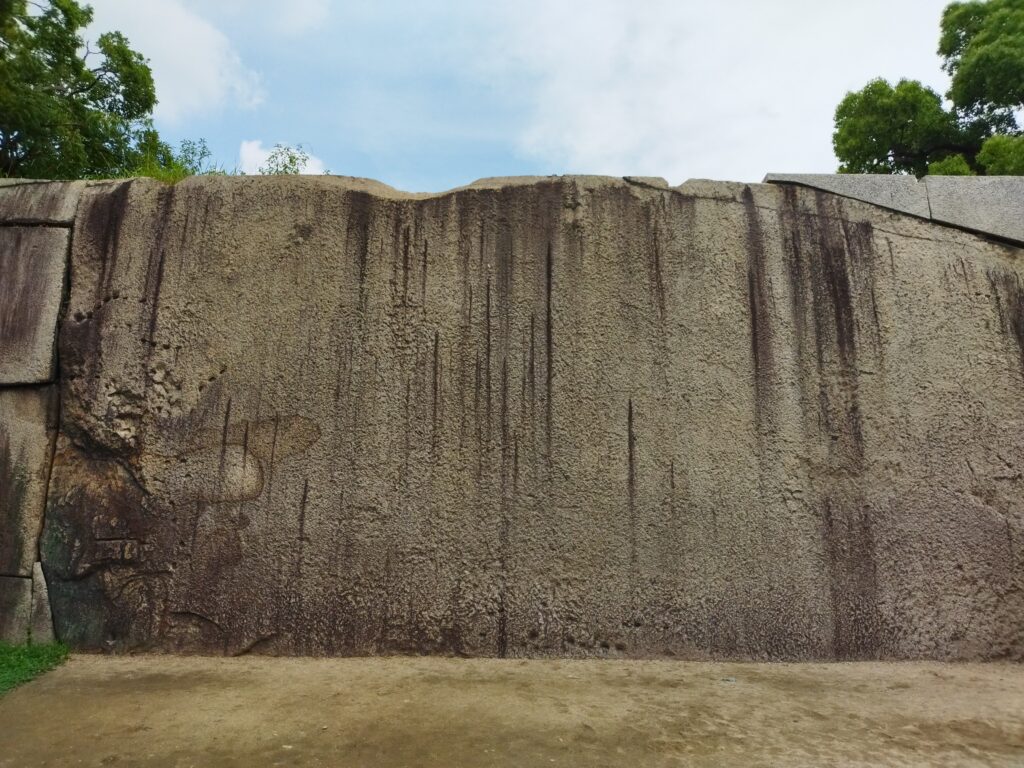
ご存知の通り、石垣は古来より世界のあらゆる文明で見ることができますので、日本の独自性にポイント置きました。お城ファンに定番の3種類の石垣「野面積(のづらづみ)」「打込接(うちこみはぎ)」「切込接(きりこみはぎ)」ネタは、多くのインバウンドには細かすぎるので外してます。石垣マニアの外国人には地元のパンフレット(石垣自慢のお城には必ず英語説明ありますので)がおススメです。👄本パート表現の習得用音声ツールはこちらから。
《日本語》
- 日本の石垣は西洋と違ってモルタル、漆喰を使わず石だけで積まれている。
- 日本は木材が豊富なので西洋家屋と違い石垣は建物の基礎として一般的に使われてきた。
- 現在の著名な城の石垣は戦国時代に急激に発展した特殊なもの。
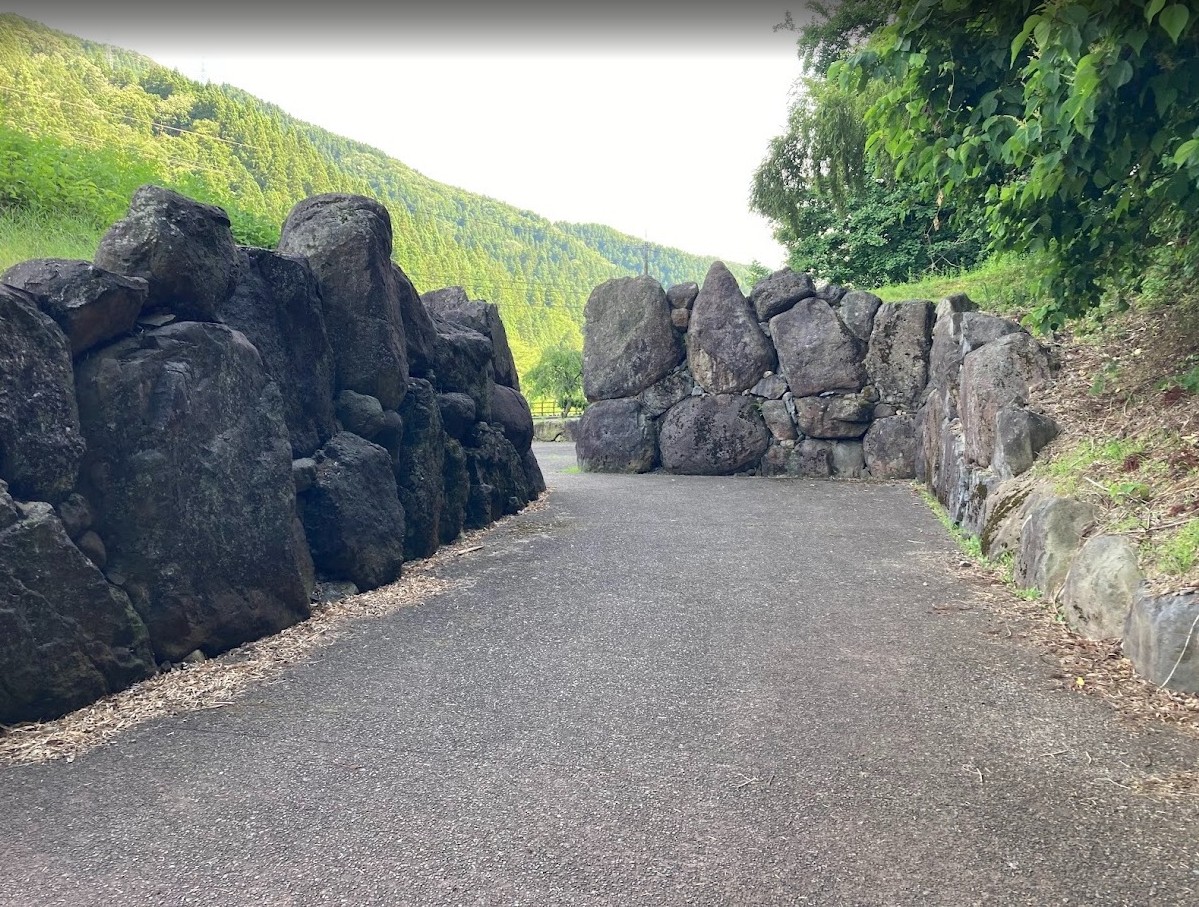
- 自然石を積み上げた単純なものから切石を美しく積み上げた芸術的レベルのものまで色々な石垣が見られる、
- 天守や城門と同様、守りと攻撃用途だけでなく相手を怯ませる財力と威厳を示す意図が込められた。
- 石垣の構築には石の選定から加工、積み上げ方に至るまで、高度な専門知識と熟練技術が求められた。
- 戦国時代には高度な石工技術を持つ特定の専門集団が全国で活躍した。
- 平和な時代になり需要が減少すると共に技術継承が困難になった。
- 高く積み上げられた石垣には、上部に行くほど傾斜角度が上がる美しい曲線がみられる。
- 傾斜を徐々にきつくすることで安定性を高め登攀を困難にする機能的な意味合いがある。
《英語》
👉音声サンプルは前半(1-5)は石垣で有名なウェールズの男性話者、後半(6-10)は城の石垣のないオーストラリア女性話者です。
- Japanese stone walls are built only with stones, unlike Western ones that use mortar and plaster.
- In Japan, due to the abundance of wood, stone walls have been commonly used as the foundation of buildings, unlike Western houses.
- The stone walls of famous castles today are unique structures that rapidly developed during the Warring States period.
- You can see various types of stone walls, ranging from simple ones made of natural stones to artistically crafted ones made of cut stones.
- Similar to the keep and castle gates, these stone walls were intended not only for defense and attack but also to intimidate the opponent with their wealth and dignity.
- The construction of stone walls required a high level of expertise and skill from the selection of stones to processing and stacking methods.
- During the Warring States Period, specific specialized groups with advanced masonry skills were active throughout the country.
- In times of peace, demand decreased and it became difficult to pass on the specialized techniques.
- Stone walls piled high have beautiful curves where the angle of inclination increases toward the top.
- The gradual tightening of the slope has a functional meaning of increasing stability and making it difficult to climb.
5.2 インバウンドの視点
石垣を見た多くの外国観光客の第一印象は日本人とそれほど変わらないようです。👄本パート表現の習得用音声ツールはこちらから。
- こんなに大きな石材をどうやって運んだのか?
- こんなに大きな石材をどうやって積み上げたのか?
- どうやってこれだけの石を切り出したのか?
- なぜわざわざこんな大きな石を使うのか?
- 石垣の高さはどれくらいなのか?
- 造ってからどれくらい経っているのか?
- どうしてくずれないのか?地震でも大丈夫なのか?
- 日本の石垣はどんな石を使っているのか?
- 石垣の石はどこから持ってきたのか?
- どうして隙間なく表面を整えられるのか?
英訳例
👉石垣とは無縁のヤンキー娘が無邪気に尋ねます。
- How did they manage to move such huge stones?
- How did they stack those massive stones?
- How did they cut out so many stones?
- Why did they choose to use such big stones?
- How tall is the stone wall?
- How long ago was it built?
- Why doesn’t it fall apart? Is it earthquake-proof?
- What type of stones have been used in Japanese stone walls?
- Where were the stones for the stone wall brought from?
- How did they achieve such a smooth surface without any gaps?
日本語回答例
いつも通りの単純な表現例として。
- 石を移動する為の舟を造り道を整備して時間をかけて運んだ。
- 基本的には一番下に大きな石を置き順番に石を重ねて作った。
- 予め掘られた石の割れ目に鉄のクサビを刺して叩いて石を割った。
- 石垣作業を請け負った大名の威信を示すため、石の大きさで競われた。
- 高いのものは約30m(100フィート)マンション10階建てになる。
- 石垣は火事被害の多い木造部分と違い、築城当時のままのものが多い。
- 石垣の四隅の石を交互に積むことで強度アップがされ、地震にも強い。
- 硬くて加工しやすく風化しにくい「花崗岩」がよく使われていた。
- 全国各地の高品質の石が取れる場所からブランド力のある石が選ばられた。
- 石加工技術の著しい向上によるが、領主たちに余裕ができた時代だった。
英語回答例
👉全体長いので音声サンプルは2つに分けました。前半英国男性、後半オーストラリア女性との、石を二つに割るような対照的な声。
- They spent a lot of time building ships and making roads to move the stones around.
- Basically, they placed the largest stones at the bottom and stacked the other stones on top of each other in order.
- They stuck iron wedges into the cracks they made in the stones and hammered them to split the stones apart.
- To show off how great the lord was who undertook the construction of the stone walls, there was a competition based on the size of the stones.
- The biggest ones were like 100-foot-tall buildings, about as high as 10-story mansions.
- Unlike the wooden buildings that were prone to fire damage, many of the stone walls remain as they were when the castle was built.
- By stacking the stones at the corners of the stone walls alternately, the strength was enhanced, making them more resistant to earthquakes.
- They commonly used “granite,” a tough and weather-resistant stone that was also easy to work with.
- They carefully chose high-quality stones from different parts of the country for their brand value.
- It was a time when lords had more free time, which allowed for significant improvements in stone processing technology.
5.3 笑いが取れるかも?説明例
👉《笑いがとれるかも?》パートについて:一目みて素朴に思うであろう想定疑問への説明例として、基本的に前半部は説明にも使える真面目パート、後半部は雑談力UPの為のおふざけパートの2部構成になっています。
Q1:トラックも重機もなくてどうやったの?
“How did they manage to build it without any trucks or heavy machinery? “
👉今回は墓石に関する表現を多めに織り込んでみました。前半(1-5)は真面目パート。後半(6-10)はふざけパートです。👄本パート表現の習得用音声ツールはこちらから。
- It seems that everything was sourced locally in the beginning, as it was a labor-intensive age.
- 当時は全て人力で時間がかかるので最初の頃は全て現地調達だったそうです。
- Even the biggest castles in Japan at that time were constructed by gathering materials from nearby areas.
- 日本を代表的する当時最大規模のお城も同様、近場から集めました。
- They brought in any usable stones they could find, from tombstones in temples to foundation stones from neighboring ancient palaces.
- お寺の墓石から、近くの古代宮殿の礎石など、使えそうな石はなんでも持ち込まれました。
- They particularly valued high-quality granite tombstones.
- 特に上質の御影石を使っていた墓石は重宝されたようです。
- But I wonder if they didn’t worry about curses or bad luck when using tombstones as the foundation for castles?
- でも墓石をお城の基礎に使って、祟とか気にしなかったのでしょうか?
- We can understand that when the lord gave orders, there was no choice but to follow without thinking about the consequences.
- 領主に命令されたら後先考えず、とりあえず従うしかありませんけど。
- However, many lords and their families eventually met their downfall along with their castles.
- でも、多くの領主やその一族は遠からず城と共に滅ぼされています。
- Maybe it was because they used tombstones as foundation stones showing no respect.
- お墓なんか基礎石に使って踏みつけたからかもしれませんよ。
- Ironically, they may have dug their own grave by digging other people’s tombstones.
- 皮肉にも、彼らは他人の墓石を掘って、自らの墓穴を掘ってしまったのかもしれませんね。
- That’s why most guides steer clear of this grave topic—they don’t want to dig their own grave by being misunderstood as raising grave (serious) issues.
- だから殆どのガイドはこのネタを使わないんです。誤って深刻に解釈されて自分の墓穴を掘りたくないので。
石垣の解説はお楽しみいただけたか?
他のスポット(天守閣、城門、堀など)の解説へ移動する際は、冒頭の緑色ナビゲーションボタンをご活用ください!