 源氏(Genji)
皆さん、こんにちは!Genjiです。日本の城を守る最大の防御線であり、スケール感と美しさを兼ね備えた『堀(Moat)』の英語案内ページへようこそ!
このページでは、水堀や空堀、障子堀といった日本独自の工夫から、水深や水源の秘密、現場でのFAQ即答フレーズ、そしてクスッと笑える雑談ネタまで網羅しています。
目的の項目ボタンから自由にジャンプしてご活用ください。
📍 Quick Navigation: 各章へジャンプ
6. 堀
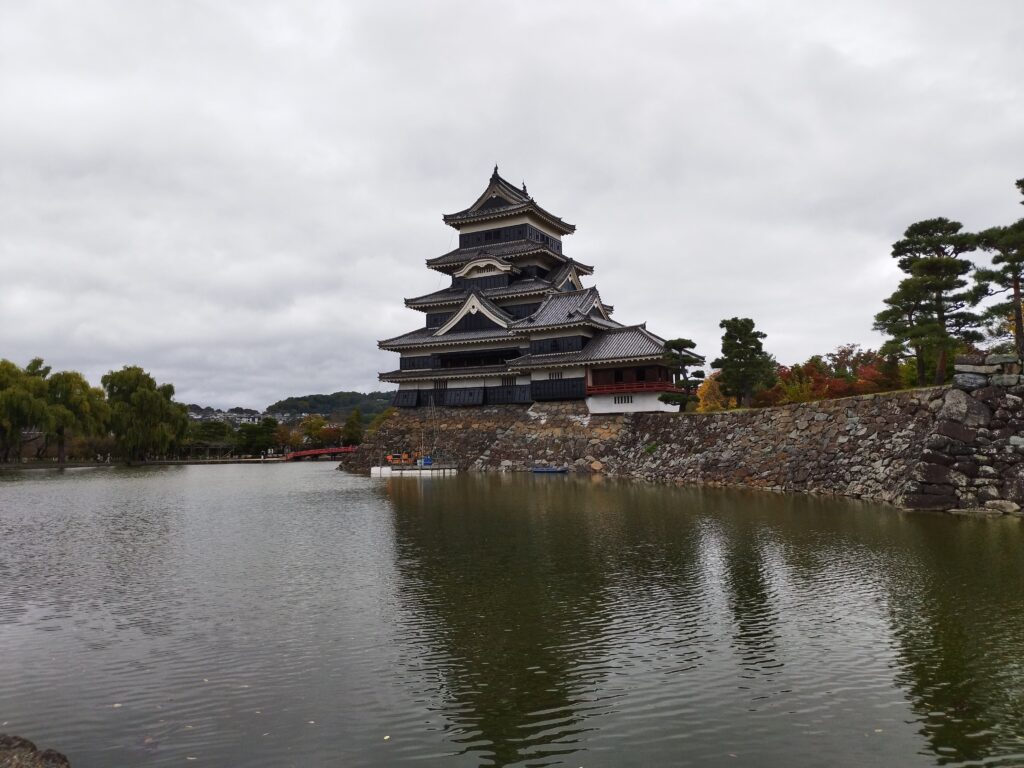
6.1 基本情報
ご存知の通り、堀は西洋のお城にもありますので、日本の独自性も含め10項目でまとめてみました。英語音声は前半(1-5)米国女性話者、後半(6-10)米国男性話者の2ファイルです。
《日本語》
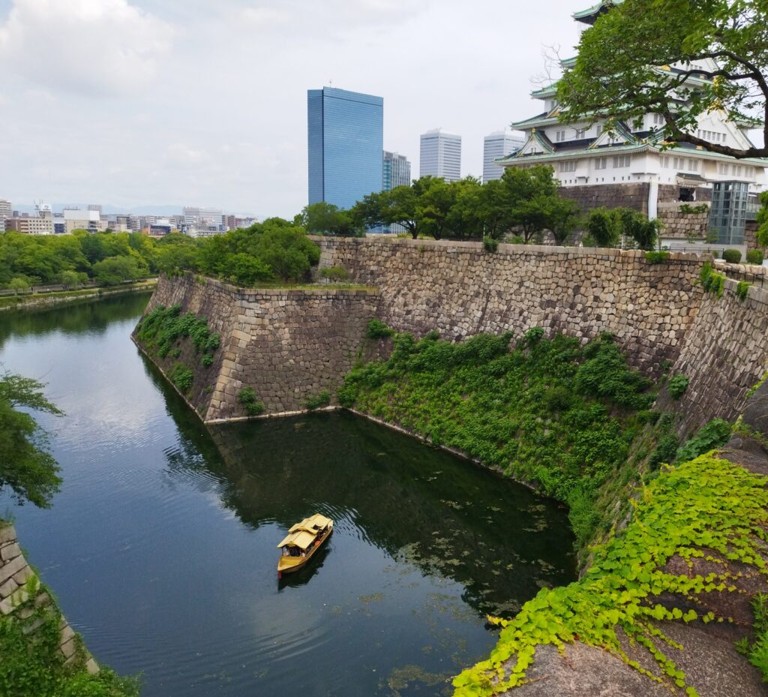
- 堀は、敵から城を守るための最も重要な防御線であり、主に水で満たされた水堀と、水のない深く掘られた空堀の2種類に分けられる。
- 堀は単なる溝ではなく、堀の底に畝(うね)をつけたり(畝堀)、複雑な迷路のように区切ったり(障子堀)と、敵の侵入を妨げるための様々な工夫が凝らされていた。
- 堀は、山、川、湿地、そして時には海といった自然の地形を巧みに利用して築かれた。これにより、自然の険しさがそのまま防御障壁として機能した。
- 堀の水源は、雨水や湧き水だけでなく、遠く離れた上流の川から、あるいは直接海から水を引くこともあり、当時の高度な土木技術が活用されていた。
- 堀は単なる物理的な防御のために造られただけでなく、大きく、広く、深く造られることで、城主の富と権力を象徴し、潜在的な敵の攻撃を思いとどまらせる意図があった。
- 多くの平城や平山城には、複数の内堀と外堀があり、敵の侵入を防ぎ、攻撃を遅らせるための段階的な防御システムを形成していた。
- 堀は一般的に数メートルの深さがあり、中には10メートルを超える深さや数十メートルもの幅を持つものもあり、潜在的な敵にとっては手強く、その深さは計り知れないものだった。
- 多くの堀は、時が経つにつれて埋め立てられたり、土砂が堆積したりしたため、築城当時の深さを保っているわけではないが、その本来の深さは現代人にとってもしばしば計り知れない。
- 堀は敵の侵入を防ぐだけでなく、城内の居住者の移動経路、物資の輸送経路、そして緊急時の避難経路としても機能した。
- 現代では、不衛生あるいは邪魔と見なされた多くの堀が埋め立てられたが、中には道路に転用されたり、公園で小型遊覧船による観光に利用されたりしているものもある。
《英語》
- Moats, the most important defensive lines for protecting castles from enemies, are mainly divided into two types: moats filled with water (water moats) and deep moats without water (dry moats).
- Moats were not simply ditches, but were designed to hinder the advance of enemies through various ingenious methods, such as creating ridges at the bottom of the moat (une-bori) or dividing them into a complex, maze-like pattern (shōji-bori).
- The moats were skillfully constructed using natural terrain such as mountains, rivers, marshes, and sometimes even the sea, so that the ruggedness of the natural environment served as a defensive barrier.
- The moat was sourced not only by rainwater and spring water, but also by water drawn from distant upstream rivers and directly from the sea, utilizing the advanced engineering techniques of the time.
- Moats were not only built for physical defense, but also to be large, wide, and deep, as symbols of the castle lord’s wealth and power with the intention of discouraging potential enemies from attacking.
- Many flatland or flatland-mountain castles had multiple inner and outer moats, forming a tiered defense system designed to prevent enemy intrusion and slow down attacks.
- Moats were generally several meters deep, and some are over 10 meters deep and dozens of meters wide, making them formidable and difficult for potential enemies to fathom.
- Many moats have been filled in or silted up over time, so they don’t have the same depth as when the castle was first built, making their original depths often unfathomable to modern people as well.
- The moat not only prevented enemy invasion, but also served as a route for the movement of residents within the castle, a transportation route for supplies, and an evacuation route in case of emergency.
- In modern times, many moats have been filled in as they were considered unsanitary or obstructive, but some have been converted into roads or used for sightseeing purposes by small pleasure boats in parks.
6.2 インバウンドの視点
堀は見どころが難しいので外国観光客の第一印象は様々ですが、いくつかはしばしば聞かれる質問です。英語音声については、質問は短いので10文1ファイル(インド女性話者)、回答は前半(1-5)は英国男性話者、後半(6-10)はオーストラリア女性話者の2ファイルです。
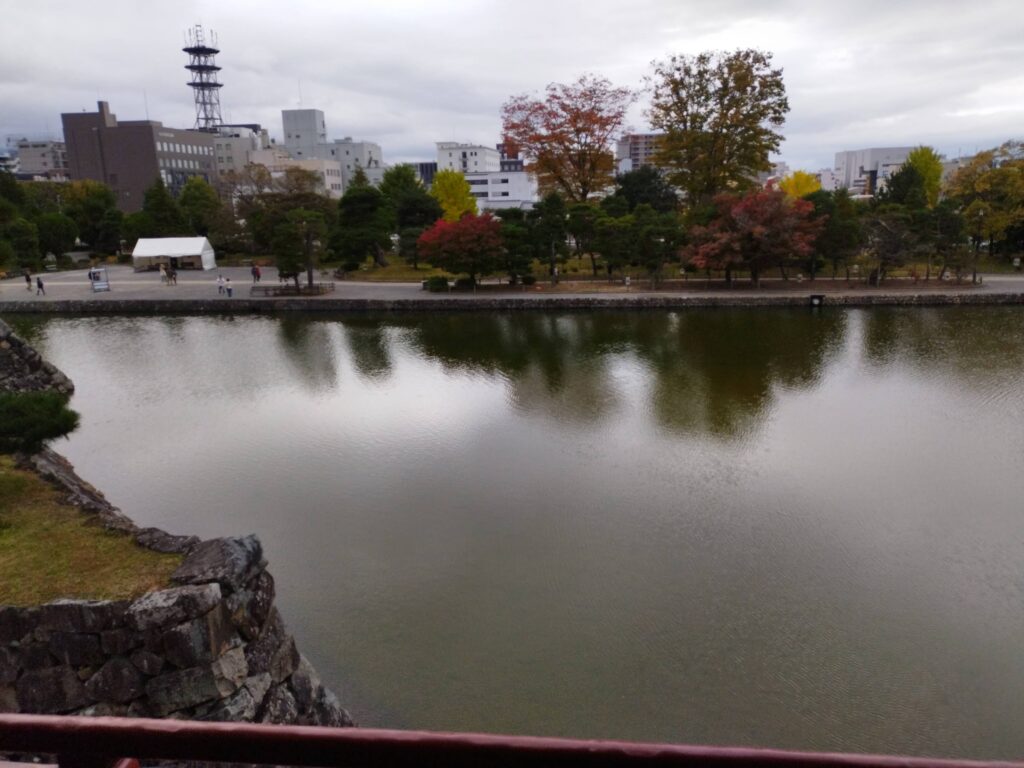
《日本語》
- Q: この水はどこから来ているの?
- A:城の堀に使われる水は、城の立地によってさまざまです。雨水や自然の湧き水を利用する場合もあれば、遠くの川から運河を通じて引き込まれていることもあります。
- Q: 冬に堀が凍ったりするの?
- A:はい、寒冷地の城では、冬に堀が凍ることがあります。その氷が敵にとって渡りやすくなるため、氷が人の重さに耐えられるほど厚くなった時期には、警備員が見張りをしていたとも言われています。
- Q: この堀って、実際どれくらい深いの?
- A:堀の深さは城によってかなり違いますが、一般的には数メートルあり、10メートルを超えるものも存在します。幅と深さの両方があることで、敵にとって非常に厄介な障害物となっていたのです。
- Q: これまでに誰かが堀を渡って攻撃したことは?
- A:もちろんあります。多くの城では堀の周辺で激しい戦闘が繰り広げられました。兵士たちが堀を土砂で埋めようとしたり、強引に渡ろうとした記録がいくつも残っています。
- Q: なんでこんなに堀の幅が広いの?
- A:堀の幅が広いのは、防御だけでなく敵を威圧する目的もありました。「この城を攻めるのは不可能だ」と思わせることで、領主の圧倒的な権力や財力を誇示していたのです。
- Q: この城には、なんでこんなに堀が多いの?
- A:多くの城には、内堀と外堀といった複数の層からなる堀が設けられていました。こうした重層的な防御は、城の中心にいる領主とその家族だけでなく、周囲に住む家臣や町人の安全も守るためのものだったのです。
- Q: 水のない空堀があるって聞いたけど、なんで?
- A:おっしゃる通りです。空堀(からぼり)は、主に山城など水の確保が難しい場所で使われました。単なる溝ではなく、底が入り組んだ迷路状になっていたこともあり、侵入者を混乱させて足止めする狙いがありました。
- Q: 堀に人が落ちたりしないの?
- A:残念ながら、そうした事故は時折起こります。特に夜間、酔った人がふらりと堀の周辺を歩いていて、足を滑らせて落ちる事例もあるようです。
- Q: 今、この堀にはどんな生き物がいるの?
- A:現在では、多くの堀が豊かな自然生態系を育んでいます。鯉やフナなどの魚類、カモやカワセミといった水鳥も見かけることができます。街中に広がる貴重な水辺の楽園ですね。
- Q: 日本の城の堀は、ヨーロッパの城とどう違うの?
- A:どちらも防御を目的としていましたが、日本の堀は底に畝状や迷路状の構造を取り入れるなど、より複雑な設計が見られます。さらに、高くそびえる石垣と組み合わせることで、強固な防御性と美的な魅力の両立を図っていたのです。
《英語》
- “Where does all this water come from?
- “The water for castle moats comes from various sources depending on the castle’s location. Some moats use rainwater or natural springs, while others are fed by canals that bring water from distant rivers. “
- “Does the moat ever freeze in winter?”
- “Yes, in colder regions, moats can indeed freeze over in winter. This could potentially make it easier for enemies to cross. Because of this, it’s said that security guards would keep watch when the ice was thick enough to walk on.”
- “How deep is this moat, really?”
- “The depth of castle moats varies greatly, but they are generally several meters deep, with some exceeding ten meters. Combined with their width, this made them very difficult obstacles for attackers.”
- “Did anyone ever try to cross this moat to attack the castle?”
- “Absolutely, fierce battles were often fought right around the moats of many castles. There are numerous historical accounts of soldiers attempting to fill the moats with dirt and debris or trying to force their way across them.”
- “Why are some of these moats so incredibly wide?”
- “Wide moats served multiple purposes beyond just defense. They were also built to intimidate enemies by making the castle appear incredibly difficult to attack, thereby showcasing the lord’s immense power and resources.”
- “Why are so many moats in this one castle?”
- “Many castles featured multiple layers of moats (inner and outer moats) to create a tiered defense system. This not only protected the lord and his family at the castle’s core but also provided a defense for the vassals and citizens living in the surrounding areas.”
- “I heard there are dry ditches, without water. Why?”
- “You’re right! Dry moats (karabori) were often used in mountain castles because it was difficult to secure enough water there. These weren’t just simple ditches; they often had a complex, maze-like structure at the bottom to slow down and confuse any invaders.”
- “Doesn’t anyone sometimes fall into the moat?”
- “Unfortunately, yes, accidents do happen. Especially at night, there are numerous cases of people walking around the moat, perhaps while intoxicated, losing their footing, and falling in.
- “What kind of animals or fish live in these moats now?”
- “Today, many moats are home to diverse wildlife. You can often spot fish like carp and crucian carp, as well as various water birds such as ducks and kingfishers. They form a valuable waterfront ecosystem right here in the city!”
- “How are Japanese castle moats different from those in European castles?”
- “While both served defensive purposes, Japanese castle moats often had more complex designs at the bottom, like ridges and maze-like patterns. Also, they were intricately combined with towering stone walls for both strong defense and remarkable aesthetic beauty.”
6.3 笑いが取れるかも?説明例
堀を一目みて素朴に思うであろう想定疑問への笑いも意図した説明例です。
Q1:なぜ多くの堀には柵がないの?
“Why are many moats open without fences?”
先のQAにもある質問ですが、ここでは現代の堀の課題に関する表現を織り込んで見ました。前半(1-6)が説明にも使える真面目パート、後半(7-10)が雑談力UPを意図したおふざけパートですが、今回は全体短いので、英語音声は1ファイル(話者)で置きました。
《日本語》
- もともと、城の堀は庶民と支配階級を隔てる神聖な境界線としての役割を果たしていました。
- その危険なまでの開放性は、文字通り「この線を越えるな」という警告だったのです。
- 現代では、多くの堀が当時の姿のまま、あるいは美しく復元され、柵は設けられていません。
- 城は観光名所として人気がありますが、安全柵がインスタ映えの写真に映り込んでは台無しですからね。
- しかし、その開放性は自撮りだけでなく、悲しいことに酔った人の転落も招きがちです。
- 国の文化財の前に注意喚起の看板を立てるのは避けたいものです。
- もちろん、中世の戦法のように堀を埋めるなんて不可能です。
- 唯一できる対策は、目立たない小さな看板を設置することくらいでしょう、でも現地の光景に夢中な観光客には、そんな看板など見えていないことも少なくありません。
- 結局、これは「どちら側にも決めかねる」——“sitting on the fence(どっちつかず)”のような状況かもしれません。
- ただし……ご覧の通り、実際には「座るための柵」すら存在しないのです。
《英語》
- Originally, castle moats marked the sacred divide between commoners and the elite.
- Their dangerous openness signaled, quite literally, “Do not cross this line.”
- Today, most moats remain unfenced—either preserved in their original glory or beautifully restored.
- Castles are tourist magnets, and no one wants a safety railing photobombing their perfect Instagram moment.
- But that openness invites not just selfies but, tragically, the occasional tumble—especially by intoxicated visitors.
- We want to avoid putting up warning signs in front of national treasures.
- Of course, it’s impossible to fill in the moat, like in medieval warfare.
- The only measure is to post small, discreet signs—but many visitors, absorbed in the scenery, fail to notice them.
- In the end, it might resemble a “sitting on the fence” situation.
- Except… there’s no actual fence to sit on, as we’ve already discussed.
🏯 源氏(Genji)|日本の城郭建築&庭園ガイド
堀の解説はお楽しみいただけましたか?
他のスポット(天守閣、城門、石垣など)の解説へ移動する際は、冒頭の緑色ナビゲーションボタンをご活用ください!