 源氏(Genji)
皆さん、こんにちは!Genjiです。大名の権威と豪華絢爛な暮らしぶり、そして政治と生活の場を象徴する『御殿(Goten)』の英語案内ページへようこそ!
このページでは、天守閣との違いや書院造りの美学、忠実な復元建築の見どころから、現場で役立つ10のFAQ即答フレーズ、そして「撮影禁止ルール」に隠されたガイドの悲喜交々(ひきこもごも)な雑談ネタまで網羅しています。
目的の項目ボタンから自由にジャンプしてご活用ください。
📍 Quick Navigation: 各章へジャンプ
8. 御殿
8.1 基本情報
日本の城の御殿はどこでも見られるわけではありませんが、当時の著名な領主たちの生活振りがわかる御殿は城マニア以外にも興味あるスポットなので、実際の関心点も踏まえ説明調で10項目にまとめてみました。👎英語音声は前半(1-5)英国男性話者、後半(6-10)米国女性話者の2ファイルです。
《日本語》
- 日本の城は、戦国時代の天守閣を中心とした軍事施設から、平和な時代の御殿(大規模な伝統的邸宅)を中心とした行政と生活の中心地へと変化しました。
- 御殿は、領主(大名)とその家族の主要な住居として城郭内に建てられました。その豪華で壮麗な様式は、彼らの権威と富を誇示するものでした。
- 御殿は、重要な儀式を行う場でもありました。将軍や高位の武士を迎えるために、多くの大広間が備えられていました。
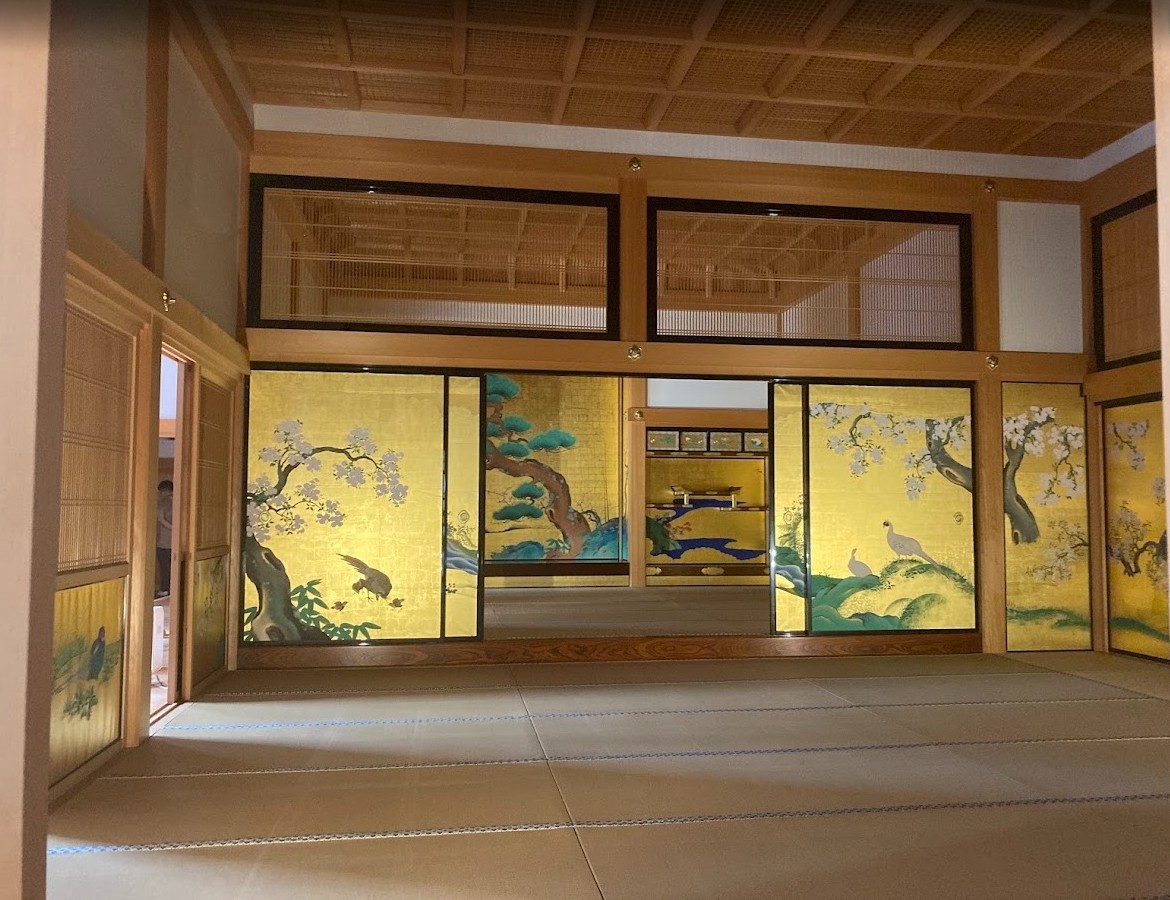
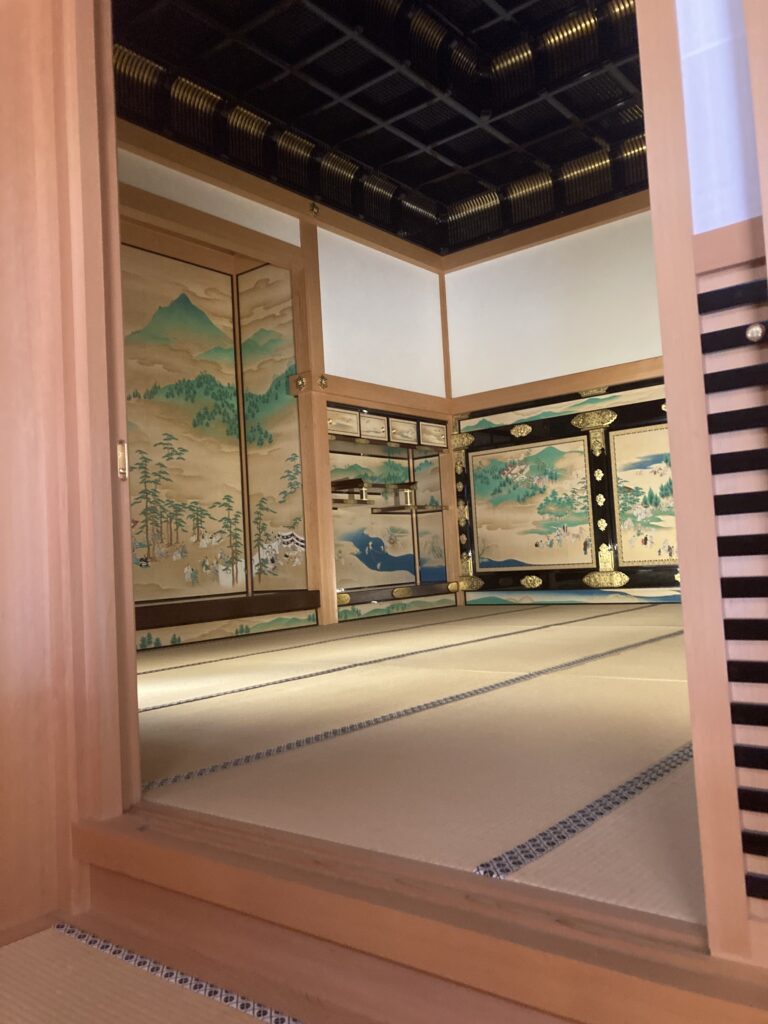
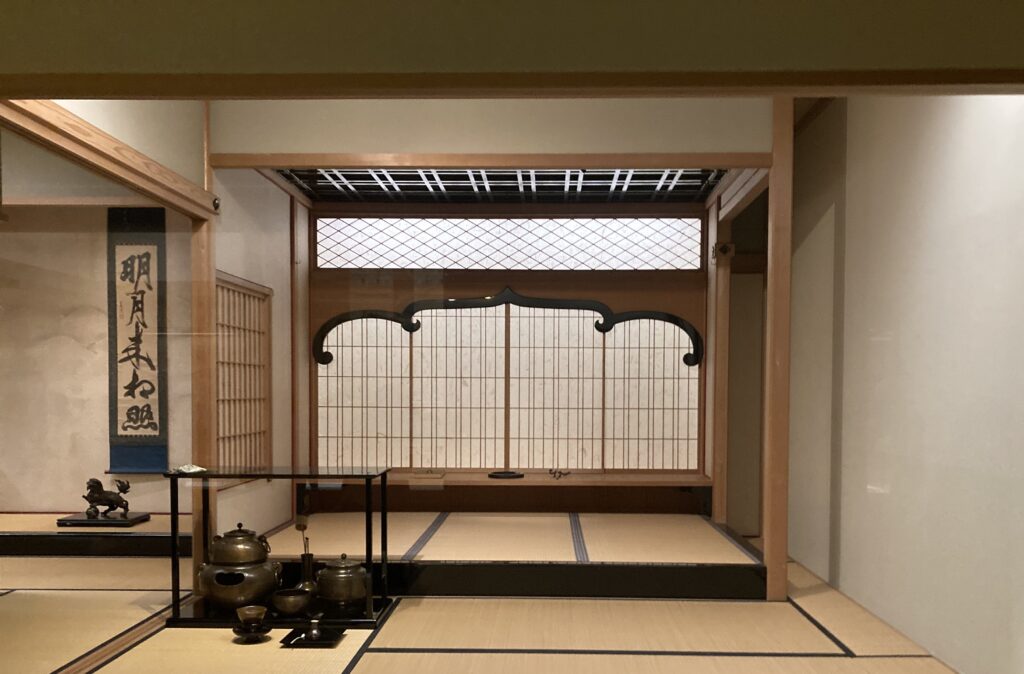
- 武家住宅の最高級様式である優雅な書院造りを基本とし、御殿は、領主の好みに合わせて折り上げ格天井などの荘厳な外観を持つ要素が加えられました。
- 襖(ふすま)や壁は、将軍や領主の権力を象徴する豪華な虎や松の絵で飾られていました。これらは、来客を感動させ、威圧することも意図されていました。
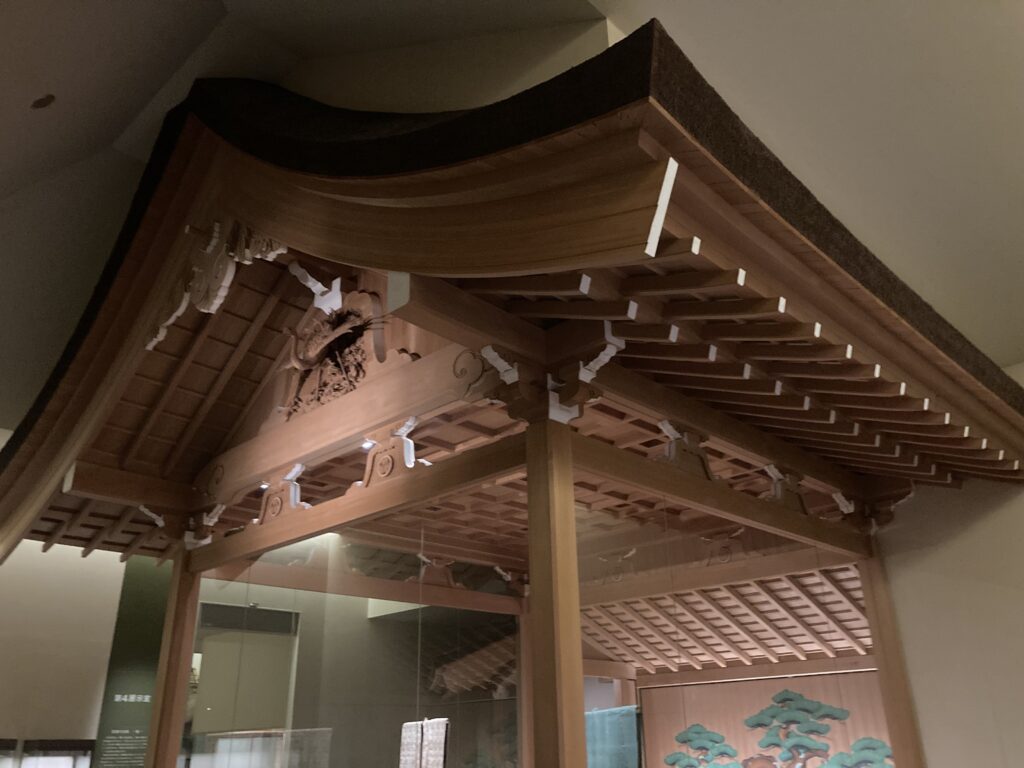
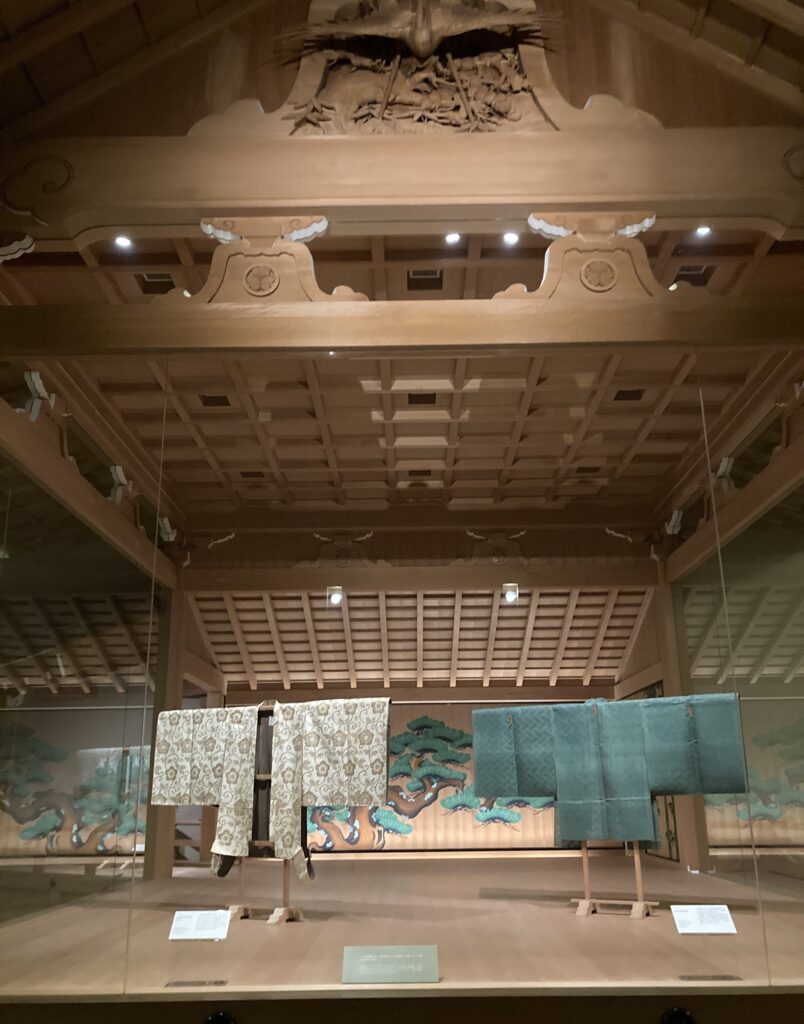
- 御殿は、能舞台のような娯楽エリア、家臣を伴う役人の執務室、そして正室や側室の居住エリアを含む巨大な多機能建築物でした。
- 侍の時代が終わった後、多くの御殿は新しい政府や軍による火災や取り壊しで失われました。今日、京都や金沢など、ごく一部しかオリジナルの建物は残っていません。
- 現在、訪問者が見ることのできる御殿のほとんどは、古文書や歴史的な図面に基づいて忠実に復元されたものです。それらは、オリジナルの建物の外観と雰囲気を保っています。
- 御殿の中で、領主とその家族は、能や茶の湯、和歌を詠むなど、現代人と変わらない快適で文化的な生活を送っていました。
- 当時の将軍や領主にとって重要な役割は、できるだけ多くの子孫を残すことであり、正室のエリアは御殿の重要な部分でした。
《英語》
- Japanese castles shifted from being solely military facilities centered around the tenshukaku (main tower) during the Warring States period to peaceful centers of administration and daily life focused on the goten, a large traditional mansion.
- The goten was built within the castle grounds as the main residence for the feudal lord (daimyo) and their family. Its lavish and magnificent style demonstrated their authority and wealth.
- The goten was also a crucial site for important ceremonies. It featured many large halls to welcome the shogun and other high-ranking samurai.
- As the highest form of samurai residence, the goten was based on the elegant shoin architectural style. It featured a grand appearance with elements like coffered ceilings added to suit the lord’s taste.
- The sliding doors (fusuma) and walls were decorated with opulent paintings of tigers and pine trees, symbolizing the shogun’s or lord’s power. These were often intended to impress and even intimidate guests.
- The goten was a massive, multi-functional building. It included entertaining areas like a Noh drama stage, offices for officials and vassals, and living areas for consorts and sometimes even concubines.
- After the end of the samurai era, many goten were lost due to fire or demolition by the new government and military. Today, only a few original structures remain, such as those in Kyoto and Kanazawa.
- The majority of goten visitors see today are faithful restorations based on ancient documents and historical drawings. They preserve the appearance and atmosphere of the original buildings.
- Within the goten, the lord and their family lived comfortable, cultured lives, enjoying activities like Noh drama, the tea ceremony, and composing waka poetry, much like modern people.
- A key role for shoguns and feudal lords was to produce as many heirs as possible, so the area designated for consorts was a vital part of the goten.
8.2 インバウンドの視点
御殿の内部の造りや展示物を一緒に見ながら、実際によく聞かれる質問をベースに纏めてみました。色々な回答方法がありますため、回答例として少し長めに置きましたので、お相手に合わせて一言で済ませたり一部だけ挿入したりお好みでお試しください。👇英語音声は、質問は短いので10文ともオーストラリア女性話者、回答は前半(1-5)は米国男性話者、後半(6-10)は米国女性話者の2ファイルです。
《日本語》
- Q1: 御殿は城のどこにあるのですか?
- A: 御殿は一般的に、城の最も重要な場所、つまり天守閣の近くか、城の中心にある広大な平地に建てられました。
- Q2: 天守閣と御殿は何が違うのですか?
- A: 天守閣は戦闘のために、防御や監視を目的として建てられた軍事施設です。対照的に、御殿は領主とその家族が実際に暮らすための居住空間であり、政治や儀式を行う場所でした。
- Q3: 御殿の何が面白いのですか?
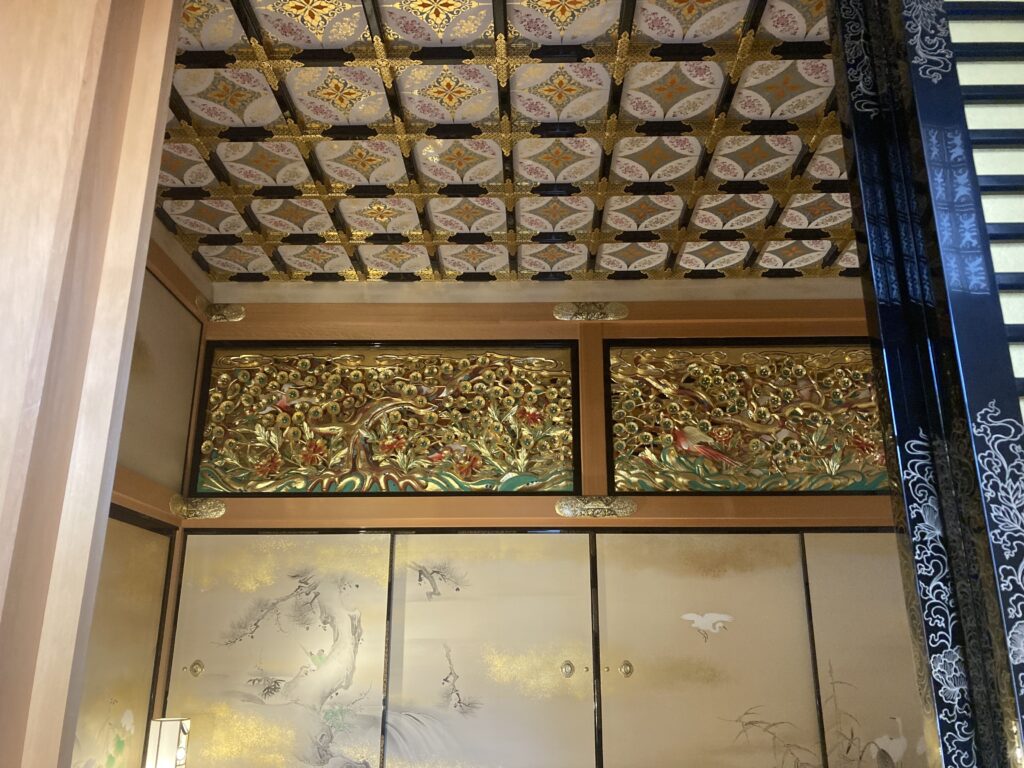
- A: 御殿は、美術や建築を通して当時の領主の豪華な暮らしぶりを見ることができます。特に、金色に輝く豪華な装飾や芸術的な絵画、著名な職人による立体的な彫刻で満たされた部屋は、ほとんどの訪問者にとって非常に印象的で、時間の流れを忘れてしまうほどです。
- Q4: どの城にも御殿はあったのですか?
- A: はい、ほとんどの城には領主が住むための建物がありました。残念ながら、日本の近代化以降にそのほとんどが失われてしまいましたが、多くは歴史的記録に基づいて忠実に復元されています。
- Q5: もし完全な復元なら、火災の危険はないのですか?
- A: ご指摘の通り、過去の多くの火災は落雷や不注意が原因でした。伝統的な材料や工法で復元されていますが、現在の御殿には最新の防火システムや避雷針が組み込まれており、安全対策が施されています。
- Q6: 復元にはどのような歴史資料が使われるのですか?
- A: 復元には、主にオリジナルの設計図、絵図、部屋の装飾を描いたデザイン画などの文献資料が手がかりとなります。それに加え、発掘された建材や装飾品、工芸品の破片なども重要な証拠として活用されます。
- Q7: 御殿はなぜ低層の建物なのですか?
- A: 十分な土地があったため、わざわざ多層にする必要はありませんでした。低層にすることで、隣接する庭園との一体感を高め、どの部屋からも美しい景色を楽しめるように設計されていました。
- Q8: 御殿には部屋がいくつあったのですか?
- A: その規模は、領主の権力や財力によって大きく異なりました。将軍が所有する江戸城の御殿は100以上の部屋があったと言われています。一方、裕福な地方の領主の御殿でも、その半分以上の部屋数を持ち、非常に大規模なものでした。
- Q9: 御殿は、お城のように幕府からの厳しい建築制限はなかったのですか?
- A: いいえ、厳しい建築制限がありました。城の一部であるため、その規模や様式は、幕府からの事前の承認が必要でした。
- Q10: 御殿の復元にはどれくらいの期間と費用がかかるのですか?
- A: 期間と費用は、使用される材料や内装の豪華さによって異なりますが、5年から20年、費用は数十億円かかると言われています。これは、日本の伝統建築技術を継承しながら、当時の姿を精密に再現するためです。
《英語》
- Q1: Where in the castle is the Goten located?
- A: The goten was typically built in the most important part of the castle, near the tenshukaku (main tower) or in a vast, open area at the center of the castle grounds.
- Q2: What is the difference between the tenshukaku and the goten?
- A: The tenshukaku was a military facility built for combat, with a focus on defense and observation. In contrast, the goten was the main living space for the lord and his family, as well as the center for political and ceremonial functions.
- Q3: What’s so interesting about the goten?
- A: The goten allows you to see the luxurious lifestyle of the lords through its art and architecture. The stunning rooms, filled with golden decorations, artistic paintings, and three-dimensional carvings by prominent artisans, are so impressive that visitors can easily lose track of time.
- Q4: Do all castles have a goten?
- A: Yes, most castles had a residential building for the lord. Unfortunately, most were lost after Japan’s modernization, but many have been faithfully restored based on historical records.
- Q5: If it’s a complete restoration, is there no risk of fire?
- A: As you pointed out, many fires in the past were caused by lightning strikes or carelessness. While traditional materials and methods are used, restored goten now incorporate the latest fire prevention systems and lightning rods for safety.
- Q6: What kind of historical materials are used for restoration?
- A: For restoration, primary clues come from historical documents like original blueprints, drawings, and design sketches. Additionally, fragments of excavated building materials, ornaments, and craftwork are also used as important evidence.
- Q7: Why is the goten a low-story building?
- A: With so much available land, there was no need to build with multiple stories. The low-story design enhanced its integration with the adjacent gardens, allowing every room to have a beautiful view.
- Q8: How many rooms did the goten have?
- A: The scale varied greatly depending on the feudal lord’s power and wealth. The goten of Edo Castle, belonging to the shogun, had over 100 rooms, while wealthy provincial lords often had mansions that were more than half that size.
- Q9: Were the gotens free from the strict castle building restrictions from the shogunate?
- A: No. As part of the castle, the scale and style of the goten required prior approval from the shogunate.
- Q10: How long does it take and how much does it cost to restore a goten?
- A: The time and cost depend on the materials and the luxuriousness of the interiors, but it’s said to take 5 to 20 years and cost tens of millions of dollars. This is because the restoration aims to precisely recreate the original structure while preserving traditional Japanese building techniques.
8.3 笑いが取れるかも?説明例
一緒に御殿の中を歩きながら素朴に思うであろう想定疑問への笑いも意図した説明例です。
Q1:なぜ多くのお城の御殿は撮影禁止なのですか?
“ Why is photography prohibited in many castle’s mansions?”
頻繁に聞かれることはありませんが、場所により写真禁止ルールが微妙に異なることもあり、今回は基本原則に関する表現を織り込んでみました。👇前半(1-6)(米国男性話者)が説明にも使える真面目パート、後半(7-14)(オーストラリア女性話者)が雑談力UPを意図したおふざけパートです。
《日本語》
- 一番の理由は文化財保護のためです。
- フラッシュ撮影は、襖(ふすま)や障壁の絵画を劣化させる原因になります。
- また、訪問者が撮影に夢中になりすぎて、転倒したり、混雑を引き起こしたりするのを防ぐためでもあります。
- シャッター音は場の雰囲気を壊し、周りの人々の歴史体験を損なうことにもなりかねません。
- 復元された作品や展示物には、現代の作家の著作権が含まれているため、それを保護する必要もあります。
- これはもっともな理由で、多くの近代的な美術館と何ら変わりません。ですから、これらのルールには全く異論はありません。
- しかし、多くの御殿でゲストを案内するうちに、御殿を案内するのは美術館を案内するのとは少し違うことに気づきました。
- 万が一、外国人観光客が写真を撮ってしまった場合、その場で謝罪し、データを消去するよう求められます。
- これはガイドの説明不足も意味するため、ガイドが非難されることにもなります。
- それでも、私が感じる責任の重さは、美術館よりも御殿の方がずっと重いのです。
- 結局のところ、御殿では、主人と客との人間関係が侍の時代から全く変わっていないからです。
- かつて御殿の所有者であった将軍や藩主は、現代の政府や市町村の観光当局に代わっただけなのです。
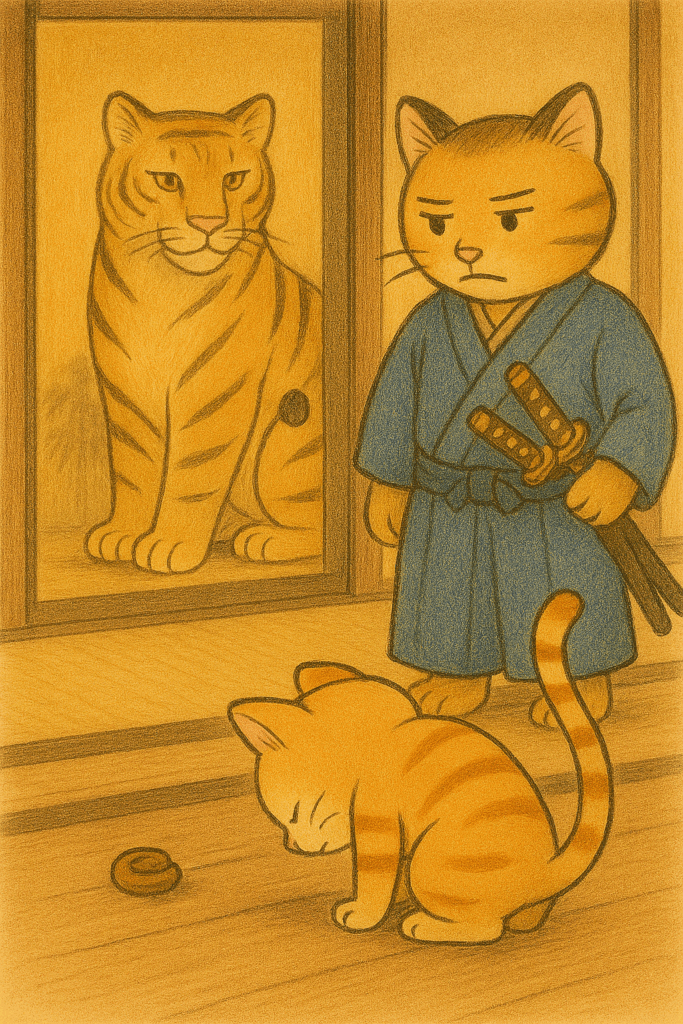
- アンド、御殿の管理スタッフは、虎の障壁画を背景に、訪問者にプレッシャーをかけ、監視する幕府や藩主の侍のようです。
- アンド、私たち現地のガイドは、ゲストが失態を犯さないよう、何百年も変わらない心配と緊張を抱えながら、御殿を案内していた下級武士と同じなのですから!
《英語》
- The primary reason is the protection of cultural assets.
- Flash photography can cause the paintings on sliding doors and partitions to deteriorate.
- Photography is also prohibited to prevent visitors from becoming too absorbed in taking pictures, which can lead to falls and congestion.
- The sound of the shutter can disrupt the atmosphere of the place, detracting from the historical experience of others.
- It’s also necessary to protect the copyrights of contemporary artists whose works are included in the restored pieces and exhibits.
- That is all true, and it’s no different from many modern museums, so I have no objection to any of those rules.
- However, after guiding many guests through these mansions (goten), I’ve realized that the experience is a little different from that of a museum.
- If a visitor takes a photo, they’ll be asked to apologize and delete the data on the spot.
- This is also a failure on the part of the guide to provide a proper explanation, so the guide can be blamed.
- But the level of responsibility I feel is much heavier in a mansion than in a museum.
- After all, within the goten, the relationship between the host and the visitor hasn’t changed at all since the samurai era.
- The shogun and local lords, who were the former owners of the goten, have simply been replaced by modern government and municipal tourism authorities.
- The mansion’s management staff are like samurai from the shogunate or lords, monitoring visitors and subtly pressuring them against the backdrop of powerful tiger paintings.
- And we local guides are like the same low-ranking warriors who guided their guests through the palace, with the same worries and tensions that have remained unchanged for hundreds of years, just to make sure our guests don’t misbehave!
御殿の解説はお楽しみいただけたかな?
他のスポット(天守閣、城門、石垣、堀、屋根など)の解説へ移動する際は、冒頭の緑色ナビゲーションボタンをご活用くだされ!