 源氏(Genji)
皆さん、こんにちは!Genjiです。日本の城を守る最大の防御線であり、スケール感と美しさを兼ね備えた『堀(Moat)』の英語案内ページへようこそ!
このページでは、水堀や空堀、障子堀といった日本独自の工夫から、水深や水源の秘密、現場でのFAQ即答フレーズ、そしてクスッと笑える雑談ネタまで網羅しています。
目的の項目ボタンから自由にジャンプしてご活用ください。
📍 Quick Navigation: 各章へジャンプ
⚡ 本記事(6.堀)内ダイレクトナビ
6. 堀
6.1 基本情報(Deep Facts)
Japanese Castle Moats(堀)
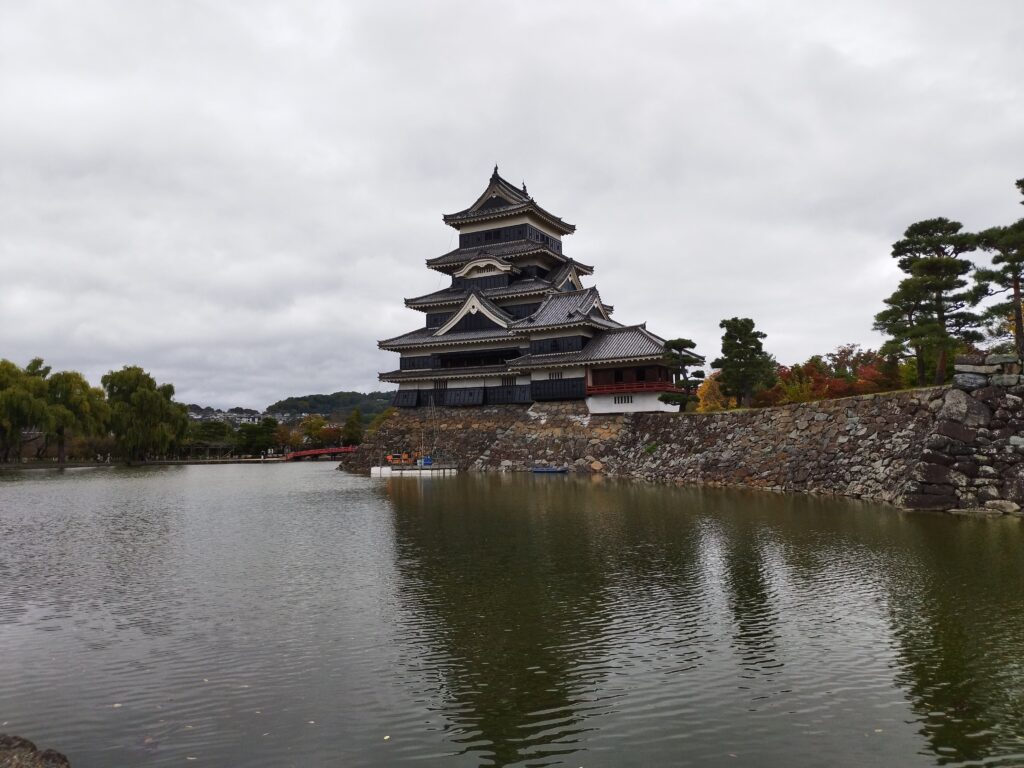
まずはガイドとしての知識の土台となる「堀の基本情報(11項目)」です。水堀と空堀の2大分類から、畝堀・障子堀の仕掛け、自然地形の活用、水源・海水利用や水運ネットワーク、内堀・外堀の多重防御、現代の公園・遊覧船利用まで、背景知識を整理しています。
- Two Main Types: Water-Filled and Dry Moats
Moats were important defensive features of Japanese castles. They were broadly divided into two types: water-filled moats and dry moats.(堀は日本の城における重要な防御施設でした。大きく分けると、水を張った水堀と水のない空堀の2種類がありました。) - Efficiency and Defensive Value of Dry Moats
Dry moats were often easier and quicker to construct than water-filled moats, as they did not require a water supply system. They were also effective in slowing down enemy troops and making them vulnerable to attacks from defenders above.(空堀は水を引く必要がないため、水堀よりも比較的短い工期で築くことができました。また、敵の進軍を遅らせ、堀に落ちた敵を上から攻撃しやすくするという効果もありました。) - Ingenious Obstacles: Une-bori and Shōji-bori
Dry moats were sometimes designed with additional obstacles, such as ridges at the bottom (une-bori) or partitions forming a complex, maze-like pattern (shōji-bori), making it even more difficult for enemies to advance.(空堀には、堀底に畝(うね)を設けたり(畝堀)、複雑な迷路のように区切ったり(障子堀)する工夫もあり、敵の進入をさらに困難にしていました。) - Making Use of Natural Terrain
Japanese castles were often built using natural terrain such as mountains, rivers, marshes, and coastal areas to strengthen their defenses.(日本の城は、山、川、湿地、海岸などの自然地形を利用して築かれ、防御を強化していました。) - Water Sources and Civil Engineering
Water-filled moats were supplied from various sources, including rainwater, springs, rivers, and sometimes the sea. In some castles, water was brought in from distant waterways using sophisticated engineering techniques.(水堀には、雨水、湧き水、河川、場合によっては海など、さまざまな水源から水が供給されました。遠くの水路から水を引くために、高度な土木技術が用いられた例もあります。) - Waterways for Supply Transportation
In some castles, moats and waterways were connected to rivers or the sea and arranged in multiple layers. These systems sometimes also served as waterways for transporting food, weapons, and other supplies by boat.(一部の城では、川や海とつながる水路や堀が複数の層に配置されていました。こうした水路は、食料や武器などの物資を船で運ぶためにも利用されることがありました。) - Coastal Castles and Seawater Moats
Some castles also used seawater in their moats, taking advantage of their coastal location and the tidal flow.(海岸に立地する城の中には、立地や潮の流れを利用して、堀に海水を取り入れていたものもあります。) - Symbols of Power and Wealth
Moats served not only as defensive barriers but also as symbols of the castle lord’s power and wealth. Their impressive scale could discourage potential enemies from attacking.(堀は防御施設であるだけでなく、城主の権力や富を示す象徴でもありました。その壮大な規模は、潜在的な敵の攻撃を思いとどまらせる効果も期待されました。) - Multi-Layered Defense Systems
Many castles built on flat land or low hills had multiple layers of moats, such as inner and outer moats, creating successive lines of defense.(平地や低い丘に築かれた多くの城には、内堀や外堀など複数の堀が設けられ、段階的な防御線を形成していました。) - Varying Dimensions and Modern Alterations
Moats varied greatly in width and depth, depending on the castle and its location. Many have been filled in or altered over time, so their original dimensions are often difficult to determine today.(堀の幅や深さは城や立地によって大きく異なりました。多くは時代とともに埋められたり改変されたりしており、現在では当時の寸法を正確に知ることが難しい場合もあります。) - Post-Meiji Urbanization and Modern Sightseeing
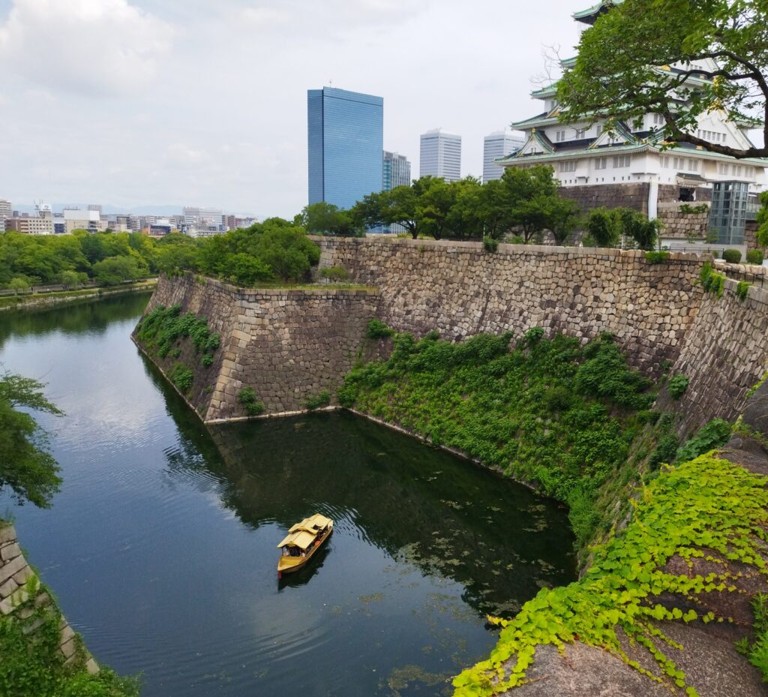
Since the Meiji period, many castle moats have been filled in or converted into roads and other urban spaces as cities modernized. Some surviving moats are now used as parks or tourist attractions, including boat rides.(明治以降、都市の近代化に伴い、多くの城の堀が埋められたり、道路やその他の都市空間に転用されたりしました。残された堀の中には、公園や観光施設として、遊覧船などに利用されているものもあります。)
【6.1 基本情報 重要表現・用語集】
- water-filled moats / dry moats:水堀(みずぼり)/空堀(からぼり)
- water supply system:給水設備、導水システム
- une-bori / shōji-bori:畝堀(うねぼり:堀底に畝を設けた空堀)/障子堀(しょうじぼり:堀底を格子状に区切った空堀)
- partitions:仕切り、隔壁
- marshes:湿地帯、沼地
- springs:湧き水、泉
- tidal flow:潮の流れ、潮汐(ちょうせき)
- discourage ~ from …ing:〜に…する気を失わせる、思いとどまらせる
- inner and outer moats:内堀(うちぼり)と外堀(そとぼり)
- successive lines of defense:連続する防衛線、段階的な防御ライン
- original dimensions:本来の寸法・規模
- urban spaces:都市空間
6.2 口頭説明(Easy & Fast)
上記の基本情報を踏まえ、歩きながらでもリズムよく簡潔に伝えられる「口頭用フレーズ集(10項目)」です。
- Two main types: Water and dry moats
Japanese castle moats were key defensive barriers, broadly divided into water-filled moats and dry moats.(日本の城の堀は重要な防御施設で、大きく「水堀」と「空堀」の2種類に分けられます。) - Quick to build and effective for defense
Dry moats were quicker to dig since they didn’t need water, and they slowed attackers down so defenders could fire at them from above.(空堀は水を引く必要がないため早く造れ、敵の進軍を遅らせて上から狙い撃ちにする効果がありました。) - Maze-like obstacles in dry moats
Some dry moats featured bottom ridges (une-bori) or waffle-like partitions (shōji-bori) to trap enemies like a maze.(空堀の底に畝(うね)を設けた「畝堀」や格子状に仕切った「障子堀」など、敵を迷路のように足止めする工夫もありました。) - Making the most of natural terrain
Castles often incorporated natural features like mountains, rivers, marshes, and coastlines to strengthen their defenses.(城は山や川、湿地、海岸といった自然の地形を巧みに取り入れて防御力を高めていました。) - Clever water supply—even seawater
Water moats were fed by rain, springs, rivers, or even ocean tides, sometimes using advanced engineering to channel water from afar.(水堀には雨水や湧き水、川、さらには潮の満ち引きを利用した海水まで引かれ、遠くから水を引く高度な土木技術も使われました。) - Transporting supplies by boat
Connected to rivers or the sea, multi-layered moats also worked as canals for transporting food, weapons, and supplies by boat.(川や海とつながる多重の堀は、食料や武器などの物資を船で運ぶ運河の役割も果たしていました。) - Symbols of wealth and intimidation
Beyond defense, massive moats showcased a lord’s power and wealth, intimidating enemies before they even attacked.(防御だけでなく、巨大な堀は領主の権力と財力を示し、戦う前から敵の戦意を喪失させる効果もありました。) - Multiple layers of defense
Castles on flat land or low hills often had inner and outer moats, creating successive rings of defense.(平地や低い丘の城では、内堀や外堀など何重もの堀を巡らせて段階的な防衛線を築きました。) - Hard to see the original scale today
Moats varied widely in width and depth, though many have been altered over time, making their original size hard to picture today.(堀の幅や深さは城によって様々でしたが、多くが時代とともに改変されたため、当時の本来の規模を想像するのは難しくなっています。) - From urban roads to sightseeing boat rides
While many moats were filled in for roads after the Meiji era, surviving ones are now beloved parks and scenic boat-ride spots.(明治以降に埋められて道路になった堀も多い一方、残された堀は現在、市民の憩いの公園や遊覧船が楽しめる観光名所になっています。)
6.3 インバウンドの視点
堀は見どころが難しいので外国観光客の第一印象は様々ですが、いくつかはしばしば聞かれる質問です。英語音声については、質問は短いので10文1ファイル(インド女性話者)、回答は前半(1-5)は英国男性話者、後半(6-10)はオーストラリア女性話者の2ファイルです。
《日本語》
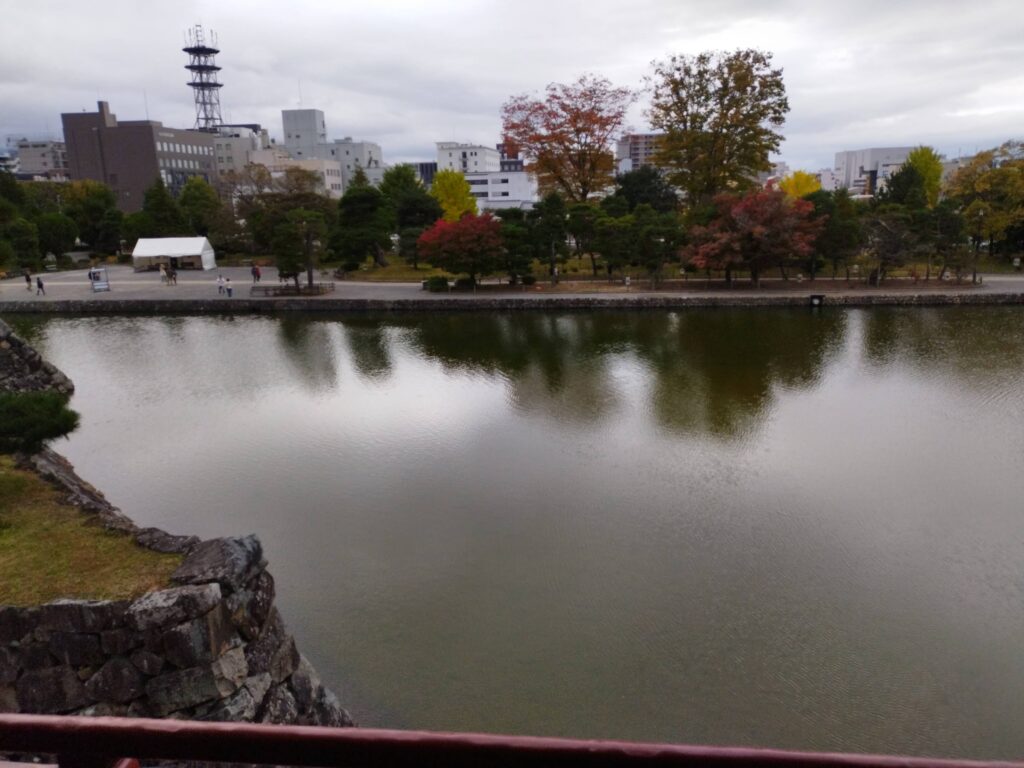
- Q: この水はどこから来ているの?
- A:城の堀に使われる水は、城の立地によってさまざまです。雨水や自然の湧き水を利用する場合もあれば、遠くの川から運河を通じて引き込まれていることもあります。
- Q: 冬に堀が凍ったりするの?
- A:はい、寒冷地の城では、冬に堀が凍ることがあります。その氷が敵にとって渡りやすくなるため、氷が人の重さに耐えられるほど厚くなった時期には、警備員が見張りをしていたとも言われています。
- Q: この堀って、実際どれくらい深いの?
- A:堀の深さは城によってかなり違いますが、一般的には数メートルあり、10メートルを超えるものも存在します。幅と深さの両方があることで、敵にとって非常に厄介な障害物となっていたのです。
- Q: これまでに誰かが堀を渡って攻撃したことは?
- A:もちろんあります。多くの城では堀の周辺で激しい戦闘が繰り広げられました。兵士たちが堀を土砂で埋めようとしたり、強引に渡ろうとした記録がいくつも残っています。
- Q: なんでこんなに堀の幅が広いの?
- A:堀の幅が広いのは、防御だけでなく敵を威圧する目的もありました。「この城を攻めるのは不可能だ」と思わせることで、領主の圧倒的な権力や財力を誇示していたのです。
- Q: この城には、なんでこんなに堀が多いの?
- A:多くの城には、内堀と外堀といった複数の層からなる堀が設けられていました。こうした重層的な防御は、城の中心にいる領主とその家族だけでなく、周囲に住む家臣や町人の安全も守るためのものだったのです。
- Q: 水のない空堀があるって聞いたけど、なんで?
- A:おっしゃる通りです。空堀(からぼり)は、主に山城など水の確保が難しい場所で使われました。単なる溝ではなく、底が入り組んだ迷路状になっていたこともあり、侵入者を混乱させて足止めする狙いがありました。
- Q: 堀に人が落ちたりしないの?
- A:残念ながら、そうした事故は時折起こります。特に夜間、酔った人がふらりと堀の周辺を歩いていて、足を滑らせて落ちる事例もあるようです。
- Q: 今、この堀にはどんな生き物がいるの?
- A:現在では、多くの堀が豊かな自然生態系を育んでいます。鯉やフナなどの魚類、カモやカワセミといった水鳥も見かけることができます。街中に広がる貴重な水辺の楽園ですね。
- Q: 日本の城の堀は、ヨーロッパの城とどう違うの?
- A:どちらも防御を目的としていましたが、日本の堀は底に畝状や迷路状の構造を取り入れるなど、より複雑な設計が見られます。さらに、高くそびえる石垣と組み合わせることで、強固な防御性と美的な魅力の両立を図っていたのです。
《英語》
- “Where does all this water come from?
- “The water for castle moats comes from various sources depending on the castle’s location. Some moats use rainwater or natural springs, while others are fed by canals that bring water from distant rivers. “
- “Does the moat ever freeze in winter?”
- “Yes, in colder regions, moats can indeed freeze over in winter. This could potentially make it easier for enemies to cross. Because of this, it’s said that security guards would keep watch when the ice was thick enough to walk on.”
- “How deep is this moat, really?”
- “The depth of castle moats varies greatly, but they are generally several meters deep, with some exceeding ten meters. Combined with their width, this made them very difficult obstacles for attackers.”
- “Did anyone ever try to cross this moat to attack the castle?”
- “Absolutely, fierce battles were often fought right around the moats of many castles. There are numerous historical accounts of soldiers attempting to fill the moats with dirt and debris or trying to force their way across them.”
- “Why are some of these moats so incredibly wide?”
- “Wide moats served multiple purposes beyond just defense. They were also built to intimidate enemies by making the castle appear incredibly difficult to attack, thereby showcasing the lord’s immense power and resources.”
- “Why are so many moats in this one castle?”
- “Many castles featured multiple layers of moats (inner and outer moats) to create a tiered defense system. This not only protected the lord and his family at the castle’s core but also provided a defense for the vassals and citizens living in the surrounding areas.”
- “I heard there are dry ditches, without water. Why?”
- “You’re right! Dry moats (karabori) were often used in mountain castles because it was difficult to secure enough water there. These weren’t just simple ditches; they often had a complex, maze-like structure at the bottom to slow down and confuse any invaders.”
- “Doesn’t anyone sometimes fall into the moat?”
- “Unfortunately, yes, accidents do happen. Especially at night, there are numerous cases of people walking around the moat, perhaps while intoxicated, losing their footing, and falling in.
- “What kind of animals or fish live in these moats now?”
- “Today, many moats are home to diverse wildlife. You can often spot fish like carp and crucian carp, as well as various water birds such as ducks and kingfishers. They form a valuable waterfront ecosystem right here in the city!”
- “How are Japanese castle moats different from those in European castles?”
- “While both served defensive purposes, Japanese castle moats often had more complex designs at the bottom, like ridges and maze-like patterns. Also, they were intricately combined with towering stone walls for both strong defense and remarkable aesthetic beauty.”
6.4 笑いが取れるかも?説明例
堀を一目みて素朴に思うであろう想定疑問への笑いも意図した説明例です。
Q1: 日本の堀はヨーロッパの堀と何か違うの?
”Are Japanese moats any different from European moats?”
ヨーロッパのゲストから時々出る質問(堀なんて皆同じでしょ?の意味合い)を元に、纏めてみました。前半(1~7)は多重防御や水運利用、歴史など日本の堀の特徴を解説する真面目パート、後半(8~10)はおふざけパートです。
- Basically, both Japanese and European castles used moats to prevent enemies from approaching and attacking.(基本的に、日本とヨーロッパの城の堀は、敵の接近や攻撃を防ぐために造られたという点では同じです。)
- Japanese castles also often had multiple layers of moats, creating successive lines of defense around the castle and sometimes the surrounding town.(日本の城では複数の堀を設け、城や場合によっては城下町も含めて段階的に防御する構造が見られました。)
- Furthermore, their design often made use of the natural topography. Moats also served not only as defensive barriers but sometimes as waterways connecting castles to rivers or the sea, facilitating the transport of food, weapons, and other supplies.(また自然の地形を生かして設計されていました。堀は防御だけでなく、城と川や海をつなぐ水路として、食料や武器などの物資輸送にも利用されることがありました。)
- Many Japanese castles used both water-filled and dry moats, depending on the terrain and their defensive needs.(また、日本の城では、地形や防御上の必要性に応じて、水堀と空堀の両方が利用されました。)
- In some castles, dry moats were designed with steep slopes, deep trenches, or ridges at the bottom to make it difficult for attackers to cross.(空堀には、急斜面や深い溝、堀底に設けた畝などによって、敵が突破しにくいよう工夫されたものもあります。)
- Unfortunately, many of Japan’s castle moats were regarded as obstacles to modernization after the Meiji period.(残念ながら、日本の城の多くの堀は、明治以降の近代化の過程で邪魔物扱いされました。)
- Many were filled in or converted into roads. What we see today are only a few surviving sections or restored moats, so it’s difficult to experience the full scale of the moats as they existed during the Edo period.(多くは埋められたり道路に転用されたりしました。現在見られるのは、わずかに残された堀の一部や復元されたものにすぎず、江戸時代当時の堀の規模を実感することはなかなかできません。)
- Occasionally, you can find old photographs showing moats filled with water to the brim. Looking at them, you can imagine that, just like imposing castle keeps and gates, these moats must have been so intimidating that potential enemies might have decided not to attack in the first place.(時折、当時の水をたっぷり湛えた堀の写真を見ることがあります。それを見ると、天守閣や城門と同様、その威圧感から敵が攻略困難と判断し、そもそも攻めることを断念する効果もあったのではないかと想像できます。)
- But I suppose modern visitors may not be so easily impressed.(でも、現代のゲストには、そんな効果は期待できないかもしれません。)
- They might just think, “Well, it’s just water. It’s not like a tsunami is going to come!”(思うかもしれませんよ。「どんなに水がたっぷりあっても、津波が来るわけじゃないじゃん!」と。)
【Q1 重要表現・用語集】
- moats:堀(ほり)
- multiple layers of ~:何重もの〜、複数の〜(内堀・中堀・外堀などの多重構造)
- successive lines of defense:連続する防衛線、段階的な防御ライン
- natural topography:自然の地形
- waterways:水路、運河
- facilitate the transport of ~:〜の輸送を容易にする、促す
- water-filled moats / dry moats:水堀(みずぼり)/空堀(からぼり)
- terrain:地形、地勢
- trenches / ridges:溝(堀切・薬研堀などの深い溝)/畝(うね:畝堀の仕切り)
- regard A as B:AをBとみなす、〜扱いする
- obstacles to modernization:近代化の妨げ(邪魔物)
- fill in / convert into ~:(堀などを)埋め立てる/〜に転用する・作り変える
- filled with water to the brim:縁(ふち)までたっぷりと水が満たされた
- in the first place:そもそも、最初から
Q2:なぜ多くの堀には柵がないの?
“Why are many moats open without fences?”
先のQAにもある質問ですが、ここでは現代の堀の課題に関する表現を織り込んで見ました。前半(1-6)が説明にも使える真面目パート、後半(7-10)が雑談力UPを意図したおふざけパートですが、今回は全体短いので、英語音声は1ファイル(話者)で置きました。
- Originally, castle moats marked the sacred divide between commoners and the elite.(もともと、城の堀は庶民と支配階級を隔てる神聖な境界線としての役割を果たしていました。)
- Their dangerous openness signaled, quite literally, “Do not cross this line.”(その危険なまでの開放性は、文字通り「この線を越えるな」という警告だったのです。)
- Today, most moats remain unfenced—either preserved in their original glory or beautifully restored.(現代では、多くの堀が当時の姿のまま、あるいは美しく復元され、柵は設けられていません。)
- Castles are tourist magnets, and no one wants a safety railing photobombing their perfect Instagram moment.(城は観光名所として人気がありますが、安全柵がインスタ映えの写真に映り込んでは台無しですからね。)
- But that openness invites not just selfies but, tragically, the occasional tumble—especially by intoxicated visitors.(しかし、その開放性は自撮りだけでなく、悲しいことに酔った人の転落も招きがちです。)
- We want to avoid putting up warning signs in front of national treasures.(国の文化財の前に注意喚起の看板を立てるのは避けたいものです。)
- Of course, it’s impossible to fill in the moat, like in medieval warfare.(もちろん、中世の戦法のように堀を埋めるなんて不可能です。)
- The only measure is to post small, discreet signs—but many visitors, absorbed in the scenery, fail to notice them.(唯一できる対策は、目立たない小さな看板を設置することくらいでしょう、でも現地の光景に夢中な観光客には、そんな看板など見えていないことも少なくありません。)
- In the end, it might resemble a “sitting on the fence” situation.(結局、これは「どちら側にも決めかねる」——“sitting on the fence(どっちつかず)”のような状況かもしれません。)
- Except… there’s no actual fence to sit on, as we’ve already discussed.(ただし……ご覧の通り、実際には「座るための柵」すら存在しないのです。)
【Q2 重要表現・用語集】
- sacred divide:神聖な境界線(分断)
- commoners and the elite:庶民(一般民衆)と支配階級(特権階級)
- quite literally:文字通り、まさに
- unfenced:柵(フェンス)が設けられていない
- in their original glory:当時の栄華そのままの姿で、往時の姿をとどめたまま
- tourist magnets:観光客を惹きつける人気スポット(直訳:観光客の磁石)
- safety railing:安全柵、手すり
- photobombing:(写真に)無粋に映り込んで台無しにすること
- occasional tumble:時折起こる転落(転倒)
- intoxicated visitors:酔っ払った観光客
- national treasures:国宝、国の文化財
- medieval warfare:中世の戦法・戦い
- discreet signs:目立たない(控えめな)看板
- absorbed in ~:〜に夢中になっている、没頭している
- sitting on the fence:どっちつかずで態度を決めかねていること(※文字通りの「柵の上に座る」と掛けたオチ)
堀の解説はお楽しみいただけましたか?
他のスポット(天守閣、城門、石垣など)の解説へ移動する際は、冒頭の緑色ナビゲーションボタンをご活用ください!