 源氏(Genji)
皆さん、こんにちは!Genjiです。日本の城の華であり、象徴とも言える『天守閣(Castle Keep / Tenshu)』の英語案内ページへようこそ!
このページでは、お城を訪れた海外ゲストが最も関心を寄せる「天守閣」について、現場でサッと使える短文フレーズから、歴史的背景、そして現場の雑談でゲストをクスッと笑わせる裏話まで網羅しています。
目的の項目ボタンからご自由にジャンプしてご活用ください。
📍 Quick Navigation: 各章へジャンプ
⚡ 本記事(3.天守閣)内ダイレクトナビ
3.天守閣
この章では日本の城の華とも言える「天守閣」についてご説明します。
3.1 基本情報(Deep Facts)
Japanese Castle Keeps (Tenshu)
まずはガイドとしての知識の土台となる「天守の基本情報(10項目)」です。城の総数から天守の発達史、構造や屋根の装飾、防御機能、御殿との役割分担、現存12天守まで、背景知識を整理しています。
- How many castles were there in Japan?
Japan is said to have had somewhere between 20,000 and 50,000 castles throughout its history. However, the number varies greatly depending on how a castle is defined and counted. These figures include not only large castles as we imagine them today, but also mountain castles and smaller fortifications.(日本には、歴史上、2万から5万ほどの城が存在したとも言われています。ただし、城の定義や数え方によってその数は大きく異なります。現在イメージされるような大規模な城だけではなく、山城や小規模な砦なども含まれます。) - Did all castles have a castle keep?
Of course, not all castles had a castle keep. The layout and structure of a castle varied depending on its size, purpose, and the period in which it was built. A keep was not an essential part of every castle, but rather one of its possible components.(もちろん、すべての城に天守があったわけではありません。城の規模や目的、築城された時代によって形態は様々でした。天守は城の必須施設ではなく、城の構成要素の一つでした。) - When and why did castle keeps develop?
Although castles had existed for centuries, large castle keeps as we know them today mainly developed from the latter part of the Warring States period. During this turbulent era, castles and their keeps became important military strongholds, and their fall could mark a decisive turning point in a battle or campaign.(城そのものは古くから存在しましたが、現在のような大型の天守が発達したのは主に戦国時代後半からのことです。戦乱の時代には、城や天守は重要な軍事拠点となり、その落城が戦いや戦役の決定的な転換点となることもありました。) - What exactly is a castle keep?
A castle keep is generally the tallest and most prominent building within a castle. It served as a military facility for observation and defense. As warfare declined during the Edo period, castle keeps increasingly came to symbolize the lord’s authority and the castle itself. The size and design of castle keeps varied from one castle to another.(天守とは、一般的に城の中で最も高く、中心的な存在となる建物です。物見や防御の機能を持つ軍事施設でした。江戸時代以降、戦争が減少すると、天守は領主の権威や城そのものを象徴する存在としての役割をより強めていきました。天守の形態や規模は城によって異なります。) - Why were castle keeps built so tall and large?
Building a castle keep high above the surrounding area made it easier to observe enemy movements from a distance, offering a defensive advantage. At the same time, its height and imposing appearance demonstrated the lord’s authority and wealth. Its sheer presence could also discourage potential enemies from attacking.(天守を高く造ることで、敵の動きを遠くから監視しやすくなり、防御上の利点がありました。一方で、天守の高さや壮大な外観は領主の権威や財力を示す役割も果たしていて、天守閣の威容で争いをあきらめさせる効果もありました。) - How were castle keeps constructed?
Castle keeps were also wooden structures, but they required massive, long timbers and beams to support their considerable height and weight. Their construction required large amounts of timber and other materials, as well as skilled craftsmen and considerable manpower. Building a castle keep also demonstrated a lord’s ability to mobilize these resources.(天守も木造建築ですが、この高さを支えるため、他の箇所より巨大で長尺の柱や梁を組み合わせて建てられました。建築には大量の木材や資材、職人、労働力が必要であり、天守の建設は領主のそれらの調達力を示すものでもありました。) - Why do castle keeps have such distinctive roofs?
Castle keeps often feature several layers of roofs, with distinctive architectural elements such as chidori gables. These gables served architectural purposes while also adding decorative features to the building. Some castle keeps also have ornamental features such as shachihoko, mythical creatures with the head of a tiger and the body of a fish, mounted on the roof.(天守の屋根には複数の屋根が重なり、千鳥破風などの特徴的な形状も見られます。破風には建築上の役割とともに、外観を装飾する役割もありました。頂部にはしゃちほこなどの装飾が施されることもあります。) - What defensive and architectural features did castle keeps have?
As the last line of defense, castle keeps incorporated various features such as stone-dropping openings and steep staircases to protect against enemy attacks. However, extremely tall castle keeps were also more exposed to lightning strikes, which contributed to several historic fires.(最後の砦でもある天守には、石落としや急な階段など、侵入や攻撃に備えた様々な工夫が施されていました。一方、飛びぬけて高い天守は落雷の危険も高く、いくつかの歴史的な火災の要因ともなりました。) - What kind of daily life or activities took place inside castle keeps?
Castle keeps originally developed primarily as military facilities, so they were generally not places where the lord, his family, or his retainers lived on a daily basis. Separate buildings called goten, or palace buildings, were constructed within the castle grounds for daily life and administrative affairs. However, some castle keeps were also used for entertaining important guests during the Edo period.(天守は軍事施設としての機能を中心に発展したもので、通常、領主やその家族、家臣が日常的に生活する場所ではありませんでした。城内には別途御殿と呼ばれる建物が設けられ、そこが日常生活や政務の場となりました。一方、一部の天守は江戸時代には接待などにも使用されました。) - How many original castle keeps remain in Japan today?
Today, Japan is generally recognized as having 12 surviving original castle keeps. Most of the others were lost due to fires, wars, or other causes, and many have since been reconstructed or restored based on historical records and other sources. Today, castle keeps serve not only as historic structures preserved for future generations, but also as important places for sharing local culture with visitors from Japan and abroad.(現在、日本には建築当時の天守が残るものとして、一般に12天守が知られています。それ以外の多くの天守は、火災や戦争などによって失われ、後世に再建・復元されたものや、歴史資料をもとに復元されたものなどです。現在の天守は、歴史的建造物として国内外に地域文化を伝える重要な役割も担っています。)
【3.1 基本情報 重要表現・用語集】
- fortifications:防御施設、砦
- essential part / components:必須施設(不可欠な部分)/構成要素
- turbulent era:戦乱の時代、激動の時代
- decisive turning point:決定的な転換点
- prominent building:ひときわ目立つ建物、中心的な建造物
- imposing appearance:威風堂々とした外観、壮大な姿
- sheer presence:圧倒的な存在感、威容
- timbers and beams:材木・柱と梁(はり)
- mobilize resources:資源(資材や労働力)を動員・調達する
- chidori gables:千鳥破風(ちどりはふ:屋根面に三角形の破風を載せた装飾的かつ構造的な屋根デザイン)
- ornamental features:装飾的な要素
- shachihoko:しゃちほこ(虎の頭と魚の体を持つ想像上の生き物の屋根飾り)
- last line of defense:最後の防衛ライン、最後の砦
- stone-dropping openings:石落とし(石垣を登る敵に向けて石などを落とす防御用の仕掛け)
- exposed to lightning strikes:落雷にさらされやすい、落雷の危険が高い
- retainers:家臣、家来
- palace buildings (goten):御殿(領主の日常生活や政務が行われた建物)
- administrative affairs:政務、行政事務
3.2 口頭説明(Easy & Fast)
上記の基本情報を踏まえ、歩きながらでもリズムよく簡潔に伝えられる「口頭用フレーズ集(10項目)」です。
- Tens of thousands of castles
Japan is said to have had between 20,000 and 50,000 castles in its history, including small mountain forts.(日本には歴史上、小規模な山砦も含めて2万から5万もの城があったと言われています。) - Not every castle had a keep
Not all castles had a keep; it was only built when the castle’s size and purpose required one.(すべての城に天守があったわけではなく、城の規模や目的に応じて建てられました。) - Developed in the Warring States period
Large castle keeps mainly developed during the late Warring States period as key military strongholds.(大型の天守は、重要な軍事拠点として主に戦国時代後半に発達しました。) - From fortress to symbol
A castle keep is the tallest main tower—built first for defense, and later as a symbol of the lord’s authority.(天守は城内で最も高い中心の建物で、当初は防御のために、のちに領主の権威の象徴として建てられました。) - Height for surveillance and intimidation
Building a tall keep gave defenders a wide view of enemy movements while intimidating attackers with its sheer scale.(天守を高くすることで敵の動きを遠くまで監視できるうえ、その圧倒的な規模で敵を威圧する効果もありました。) - Massive wooden construction
Constructing these tall wooden towers required huge, long timbers and enormous manpower, showcasing a lord’s wealth and power.(この高い木造建築を支えるには巨大で長い木材と莫大な労働力が必要で、領主の財力や動員力を示すものでもありました。) - Distinctive roofs and shachihoko
Castle keeps feature layered roofs with decorative gables, often topped with mythical tiger-fish ornaments called shachihoko.(天守の屋根には装飾的な破風を持つ多層の屋根が重なり、頂部には「しゃちほこ」という想像上の生き物の飾りが載せられることもあります。) - Last line of defense—and lightning risk
As the final stronghold, keeps had steep stairs and stone-dropping openings, though their height made them vulnerable to lightning fires.(最後の砦として急な階段や石落としが備えられていましたが、その高さゆえに落雷による火災の危険も抱えていました。) - Not for daily living
Lords and their families didn’t live in the keep; they lived in a separate palace (goten) and used the keep mainly for emergencies or special guests.(領主や家族は天守で日常の暮らしを送ったわけではなく、別の「御殿」に住み、天守は主に非常時や特別な来客の接待に使われました。) - Only 12 original keeps remain
Today, only 12 original keeps survive in Japan, while most others have been reconstructed to share local history with visitors.(現在、建築当時のまま現存する天守は全国に12城のみで、他の多くは地域の歴史を伝えるために再建されたものです。)
3.3 インバウンドの視点
天守を見上げながら、素朴に感じるであろうことをざっと並べてみました。勿論、個人差(日本や建築への関心度、知識)があり、日本マニアには国内観光客向け情報がお勧めです。👄本パート表現の習得用音声ツールはこちらから。
よくある疑問と回答例(日本語)
現場でよく聞かれる疑問とその回答例です。これ以外にも色々な回答が可能ですので、ざっと目を通していただいて、使えそうなパートがあればお試しください。
- 何のためにこんな高い塔を作ったのか?
- 見張りの為の視野を広げる為と敵を威圧する為、城下に権威を示すためであった。
- 全て木造か?何か特別な構造があるのか?
- 錆びるため釘等の金属類はつかわず、パズルのような繋ぎ部分を作って各パーツを組み合わせて積み上げる。
- どうして木造でこの高さを実現しているのだ?
- 柱や梁はヒノキ、杉、松等の強度のある木材で、また一般住宅より遥かに多量の材料が使われている。
- この大きな櫓に家族で住んでいたのか?
- ここで領主を含む彼らの家族は日常住まず、領主が必要時に使うのみであった。
- この中でどんな暮らしをしていたのか?
- 別途、城内に住居用の「御殿」をつくり日常生活を送ったり家臣と政治を行っていた。
- なぜこんなにきれいなのか?
- 多くの領主が実用のみでは満足せず装飾性も重視した為。
- なぜこんなに新しく見えるのか?
- 定期的に大きなメンテナンスをして老朽化を防いでいる。
- いつごろできたのか?
- 多くの天守閣は4世紀ほど前の内戦時代に作られた。
- 当時のままなのか?
- 現存する天守閣は国内に12しかない。
- 天守閣はどこの城にもあるのか?
- 殆どの天守閣は火災、雷、法令で消滅したので、残りは観光用に再建したものが多い。
英語(Q&A)
英訳例です。
- Why was such a tall tower built?
- It was to expand the field of vision for surveillance purposes and intimidate enemies, as well as to demonstrate authority within the castle town.
- Is it entirely made of wood? Does it have any special structures?
- Instead of using metal materials like nails that rust, the parts are interconnected like a puzzle and stacked by combining each piece.
- How is this height achieved with wood?
- Pillars and beams are made of strong woods such as Japanese cypress, cedar, and pine, and a significantly larger amount of timber is used compared to ordinary housing.
- Did the lord’s family live in this large turret?
- The lords’ families, including the lords, did not live here on a daily basis but only used it when necessary.
- What kind of life did they lead inside?
- Additionally, a “palace” within the castle was built for residential purposes, where they lived their daily lives and conducted politics with their retainers.
- Why is it so beautiful?
- Many lords emphasized not only practicality but also decorative aspects.
- Why does it look so new?
- Regular maintenance has been carried out to prevent deterioration.
- When was it built?
- Many castle towers were built during the civil war era about four centuries ago.
- Is it still the same as it was back then?
- There are only twelve surviving castle towers in the country.
- Are there keep towers in every castle?
- Most castle towers were destroyed by fire, lightning, or regulations, so many of the remaining ones have been reconstructed mainly for tourism purposes.
3.4 笑いが取れるかも?説明例
👉《笑いがとれるかも?》パートについて:一目みて素朴に思うであろう想定疑問への説明例として、基本的に前半部は説明にも使える真面目パート、後半部は雑談力UPの為のおふざけパートの2部構成になっています。
Q1:何故天守閣はこんなに数が減ったのですか?
”Why are there so few castle keeps?”
ここでは実際に現場で受ける質問をベースに天守閣の歴史に関する表現を多めに織り込んで見ました。前半(1-5)が説明にも使える真面目パート、後半(6-10)が雑談力UPを意図したおふざけパートです。👄本パート表現の習得用音声ツールはこちらから。
- Ironically, when the number of castle towers reached its peak, the civil war era ended and the need disappeared.
- 皮肉なことに天守閣の数がピークに達した頃に内戦時代が終わってニーズがなくなりました。
- Additionally, since they were made of wood, they were prone to fires caused by lightning, etc., and the huge cost of rebuilding was a bottleneck.
- また、木造なので、落雷等による火災も多く、再建に莫大な費用がかかることもネックでした。
- Furthermore, due to the government’s castle reduction laws at that time, the number of castle towers became as it is today.
- 更に当時の政府の城削減の法律の影響もあり現在の数になったわけです。
- While they could be used as observation decks, they were too costly, as they were primarily used by the lords’ families.
- 展望台としては使えましたが、領主の一族が使うだけではコスパが悪すぎました。
- Therefore, even the surviving castle towers were in a state of disrepair due to insufficient maintenance funds.
- その為、現存する天守閣でも管理費用不足で、殆どボロボロでした。
- However, with the increase in foreign visitors after modernization, the castles considered to be useless have become recognized as a tourist resource.
- ただ近代化以降、外国人が増えるにつれ、いままで見向きもされなかった城が観光資源になることがわかりました。
- As a result, extensive efforts were made nationwide to restore and maintain castle keeps, leading to the current castle boom.
- その為、全国各地で天守閣の整備が大幅に進み、現在のお城ブームになったのです。
- In Japanese, when something becomes popular, it is literally translated as “igniting fire to a boom.”
- 日本語では、あることがブームになることをブームに火がつくと言います。
- In this case, it was the increase of foreign tourists that sparked the boom.
- 今回は外国人観光客がブームの火付け役となったわけです。
- However, there is a concern that excessive foreign visitors may further intensify the boom and raise the risk of fires to the castle keeps.
- でも余り外国人が多すぎるとブームが加熱して、本当に天守閣が火事にならないか心配です。
👉Glossary(用語)
reach its peak(ピークに達する) / prone to fires(火事になり易い) / observation decks(展望台) / too costly(コスパ悪すぎ) / a state of disrepair(ボロボロ状態) / modernization(近代化) / tourist resource(観光資源) / restore and maintain(復元と維持) / excessive foreign visitors(外国客多すぎ) / intensify the boom(ブーム加熱)
Q2: 天守閣の中は何があるの?
”What’s inside the castle tower?”
前半(1~5)は天守の内部構造や本来の役割を伝える真面目パート、後半(6~10)はおふざけパートです。
- Actually, the inside of a Japanese castle tower is quite different from what you might imagine. They were not designed as living quarters, but primarily as defensive structures.(実は、日本の天守の内部は皆さんが想像するものとはかなり違います。多くの天守は居住空間としてではなく、防御施設として設計されていました。)
- Inside, you’ll find large open spaces supported by massive wooden pillars and beams, rather than rooms separated by walls. Many of these spaces were used to store weapons, ammunition, and other supplies.(内部には壁で仕切られた部屋というよりも、巨大な柱や梁に支えられた広い空間が見られます。多くはこうした空間に武器、弾薬、その他の物資が保管されていました。)
- The upper floors, connected by steep wooden staircases, were used for observation and, if necessary, for fighting against attackers.(木製の急な階段でつながる上層階は見張りに使われ、必要に応じて敵と戦う場所でもありました。)
- Many people mistakenly assume that the lord and his family lived inside the castle tower. But as I explained, it was designed for warfare, not comfort.(多くの人が領主とその家族が天守の中で暮らしていたと思い込んでいます。しかしご説明した通り、これは戦争のために設計されたもので、快適さとは無縁です。)
- In fact, one of the main reasons these towers were built so high was to demonstrate the lord’s authority. And I think this is probably the point that makes the most sense to many visitors.(実は、こうした天守が高く造られた主な理由の一つは、領主の権威を示すことでした。そして、これは多くのゲストにとって最も腑に落ちるポイントだと思います。)
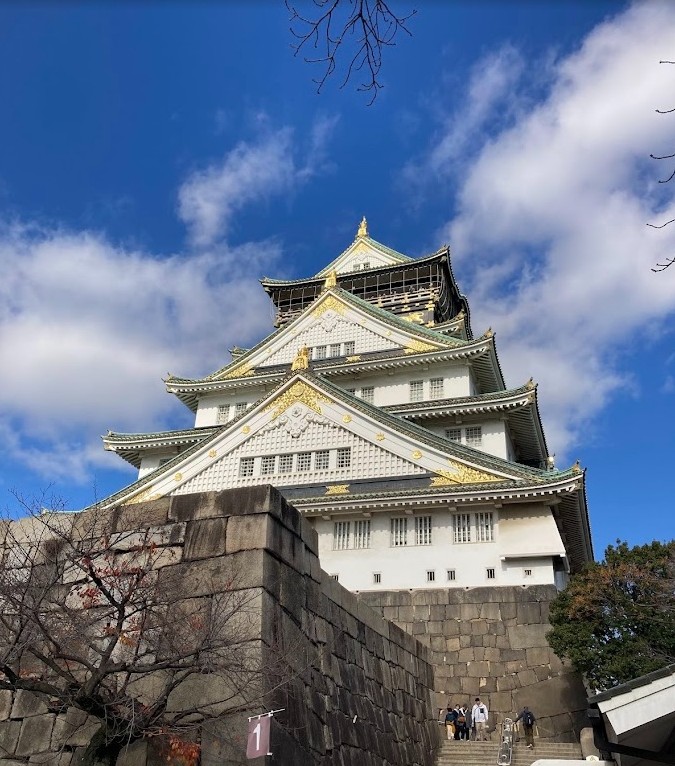
- Just look at us standing here and looking up at this tower. In English, we call this “looking up.” We may actually be experiencing how naturally we tend to respect something we look up to, right?(実際、こうして私たちは天守を見上げています。英語ではこれを look up と言いますね。私たちは、見上げる対象に自然に敬意を抱くということを、今実際に体感しているのかもしれませんね。)
- I believe the daimyo understood this instinctively, and that’s one reason castle towers spread throughout Japan.(大名たちはこうした人間の本能を直感的に理解していたのだと思います。そしてそれが日本中に天守が広がった理由の一つです。)
- They literally put the idea of “Respect is earned, not demanded” into architecture.(文字通り「Respect is earned, not demanded(尊敬は要求するものではなく、勝ち取るもの)」を建築で実践したのです。)
- As a tour guide, I’ve learned something similar, almost instinctively. Respect? Oh, no, no! I would never be so presumptuous.(私もガイドとして、ある意味、本能的に似たことを学んできました。尊敬ですって? とんでもない! そんな厚かましいことは思いません。)
- It’s just a little thing. (In my mind: It’s a tip!)(ほんのささやかなことです。(心の中では、It’s a tip!)(笑))
【Q2 重要表現・用語集】
- living quarters:居住空間、住まい
- defensive structures:防御施設、防衛用の建造物
- pillars and beams:柱と梁(はり)
- ammunition:弾薬(鉄砲の弾や火薬など)
- steep wooden staircases:急な木造階段
- observation:監視、見張り、観察
- mistakenly assume:誤って思い込む、勘違いする
- make the most sense:最も納得がいく、腑に落ちる
- look up / look up to ~:(物理的に)見上げる/(人を)尊敬する・仰ぎ見る
- instinctively:直感的に、本能的に
- Respect is earned, not demanded.:尊敬は要求して得るものではなく、自らの行動で勝ち取るものだ(英語の格言)
- presumptuous:厚かましい、おこがましい、差し出がましい
天守閣の解説はお楽しみいただけましたか?
他のスポット(城門、石垣など)の解説へ移動する際は、冒頭の緑色ナビゲーションボタンをご活用ください!