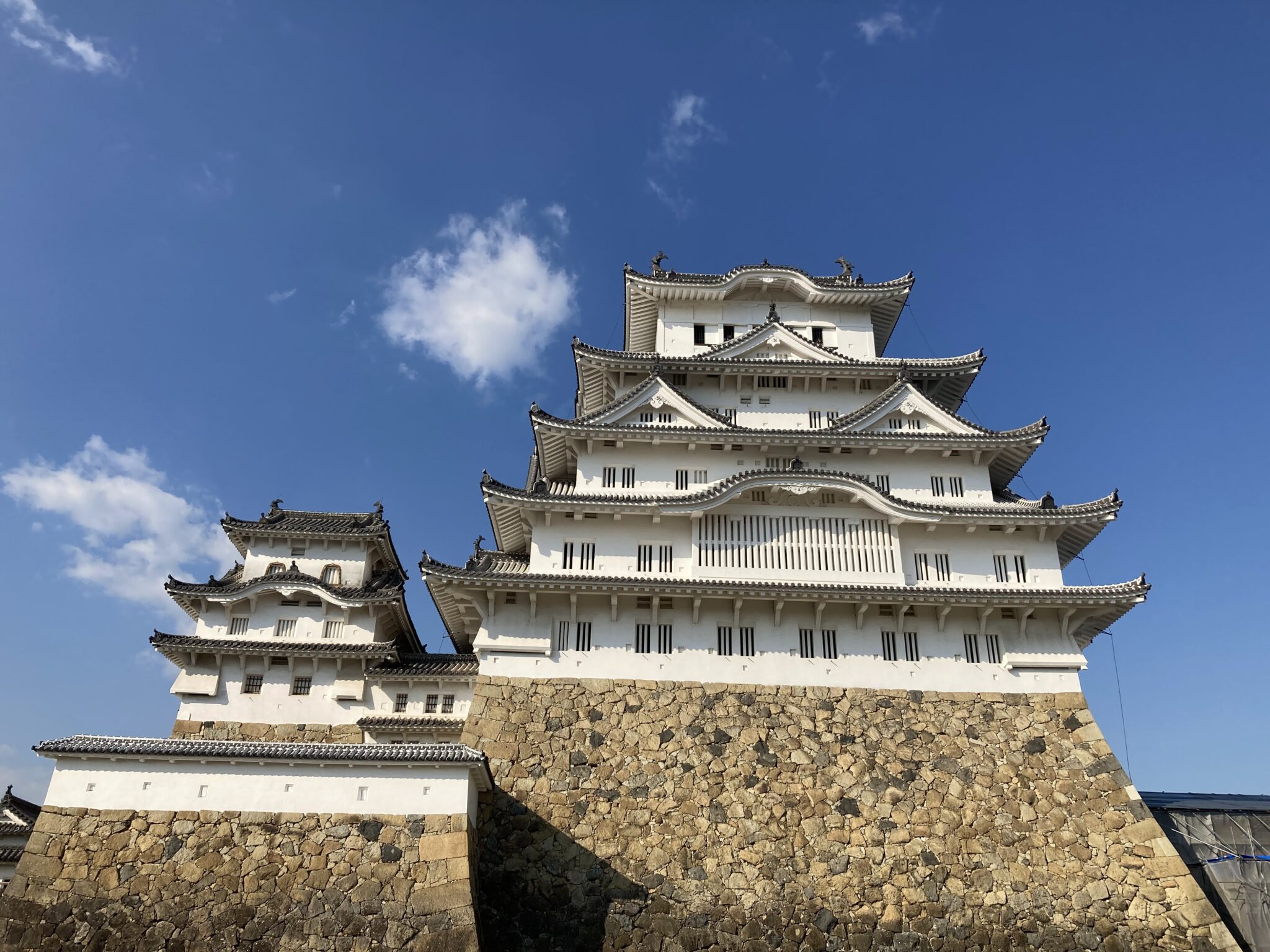
Welcome! I’m Genji, your local Japanese castle and samurai heritage insider. Welcome to my virtual tour of Japanese Castles—an exciting journey into 400 years of samurai engineering, strategy, and humor, delivered from an authentic local guide’s perspective!
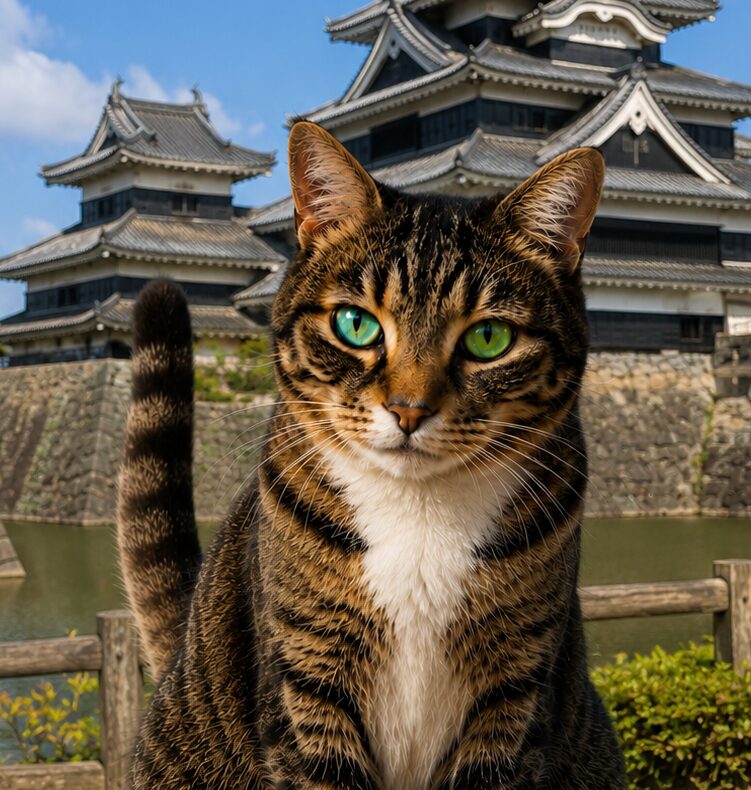
In an age where basic historical facts are just an AI search away, travelers today crave more than dates and dimensions—they want the surprising, behind-the-scenes stories and laughs you can only hear on-site from a local guide. Use the quick-jump buttons below to explore at your own pace. If these stories spark your curiosity, be sure to add a real Japanese castle to your next Japan itinerary!
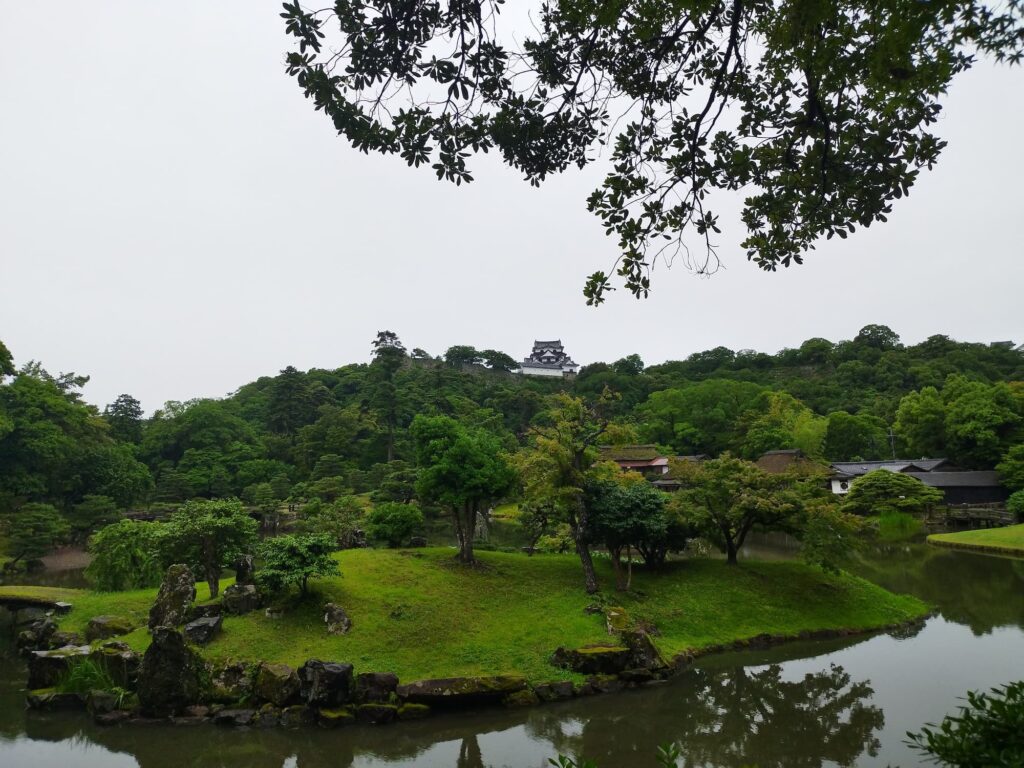
📍 Quick Navigation: Explore the 8-Part Japanese Castle Series
⚡ Direct Jump Within This Article (#1: Key Terms & Overview)
0. How to Enjoy This Virtual Castle Tour 🌲
This guide is organized into two simple layers so you can jump straight to whatever sparks your interest:
🔰 [Step 1] Essential Castle Vocabulary
Start with the key architectural and historical terms you will see on signs and hear from guides across Japan—from the towering tenshu (main keep) to clever defensive traps like masugata box gates.
🧭 [Step 2] Three Angles on Every Castle Feature
Across this 8-part series (covering the keep, gates, stone walls, moats, roofs, palaces, and plaster walls), each topic is broken down into three engaging angles:
- 📚 Essential History & Key Facts — Solid historical context and engineering highlights to give you the big picture.
- 👀 Visitor Perspectives (10 Common Q&As) — Straightforward answers to the most frequent questions travelers ask on-site.
- 🤣 Ready to Crack a Smile? (Genji’s Special) — Insider stories, cultural quirks, and lighthearted humor from years of guiding guests through Japan’s castles.
1. Essential Japanese Castle Terms to Know 🪓
Many Japanese castle features have no exact one-word equivalent in Western architecture. Knowing these core terms will instantly unlock the hidden design and strategy behind every castle wall and gate you walk through.
🔑 Quick Jump by Interest Level
Explore key terms grouped by castle types, samurai history, and must-see architectural highlights:
1.1 Castle Basics (Types & Structures)
👉 Foundational terms you will encounter while strolling around any castle grounds:
- Japanese Castle (Shiro / -jō) — Fortified samurai complexes combining stone bases with wooden towers and walls.
- Castle Town (Jōkamachi) — Planned towns built around castles that grew into many of modern Japan’s major cities.
- Mountain Castle (Yamajiro) — Early fortresses built atop steep mountains for natural defense and surveillance.
- Hilltop Castle (Hirayamajiro) — Castles built on hills overlooking plains (such as Himeji and Hikone), balancing defense with urban administration.
- Flatland Castle (Hirajiro) — Castles built on flat plains (such as Osaka and Nagoya), relying on wide moats and massive stone walls.
- Castle Ruins (Jōseki) — Historic castle sites where towers no longer stand, often preserved as scenic public parks with original stone walls and moats.
- White Plaster (Shikkui) — Fire-resistant lime plaster coating wooden walls, giving Japanese castles their iconic bright white finish.
- Timber-Framed Construction — Unlike European stone castles, Japanese castle buildings are crafted from interlocking wood joinery atop stone foundations.
- Castle Wall (Jōheki) — Earthen and plastered defensive walls topped with roof tiles and fitted with hidden loopholes for archers and gunners.
- Stone Wall (Ishigaki) — Dry-stacked stone foundations engineered without mortar to absorb earthquakes and deter climbers.
- Moat (Hori) — Deep water-filled or dry trenches ringing the castle to slow down and divide attacking forces.
1.2 History & Titles (Samurai Era Context)
👉 Helpful historical terms you will frequently see on museum plaques and site markers:
- Domain / Fief (Han) — A feudal territory governed by a regional lord during the Edo period.
- Warring States Period (Sengoku Jidai) — Roughly 1467–1615, the turbulent civil war era that sparked the golden age of Japanese castle building.
- Feudal Lord (Daimyō) — Powerful regional warlords who ruled domains and built castles as symbols of authority.
- Retainers / Vassals (Kashin) — Samurai officials and warriors serving under a feudal lord.
- UNESCO World Heritage Site — Himeji Castle is Japan’s premier castle recognized on the UNESCO World Heritage list.
- National Treasure (Kokuhō) — Japan’s highest cultural designation; five original castle keeps hold this honor.
1.3 Key Highlights (Must-See Features)
👉 Look out for these signature architectural features during your visit:
- Main Keep / Castle Tower (Tenshu / Tenshukaku) — The tallest, most symbolic watchtower at the heart of the castle, serving as a command post and last stand.
- Main & Secondary Keeps (Daitenshu / Shotenshu) — Large keeps connected to smaller auxiliary towers via walled corridors for multi-angle defense.
- Enclosure / Bailey (Kuruwa) — Defensive courtyards separated by stone walls, moats, and gates to trap intruders section by section.
- Innermost Citadel (Honmaru) — The core enclosure housing the main keep and primary command area.
- Second & Third Enclosures (Ninomaru / Sannomaru) — Outer defensive rings often containing the lord’s residential palace and administrative offices.
- Inner & Outer Moats (Uchibori / Sotobori) — Concentric rings of water or dry trenches protecting both the castle core and surrounding town.
- Defensive Turret (Yagura) — Multi-story watchtowers and storehouses positioned at wall corners to guard blind spots.
- Kōrai-mon Gate — A compact, two-pillar gate with a distinctive roof structure often used as the outer entrance of a gate complex.
- Box-Shaped Gate (Masugata-mon) — A square courtyard enclosed by two gates set at a 90-degree angle, designed to trap enemies in a deadly crossfire.
- Decorative Gables (Hafu) — Triangular or undulating curved roof gables (such as karahafu) that add dramatic beauty and status to castle towers.
2. Japanese Castles: The Big Picture
Before zooming in on individual towers, gates, and stone walls in later parts of this series, let’s start with the big picture of how Japanese castles evolved and what makes them unique.
2.1 Essential History & Key Facts (Deep Facts)
Here are 10 foundational facts that explain the structure, rise, and survival of Japanese castles—from Warring States fortresses to modern-day reconstructions.
- Structural Characteristics of Japanese Castles
Japanese castles differ fundamentally from many European stone fortresses in their structural composition, typically featuring stone walls (ishigaki) supporting multi-tiered timber-framed buildings, often finished with white plaster or other exterior materials. - The Evolution of Japanese Castles
While early castles consisted mainly of earthworks and wooden defenses, Japanese castles underwent major changes during the late 16th-century Warring States period, partly due to the spread of firearms. - Three Types of Japanese Castles
Japanese castles can be broadly classified by their location into mountain castles (yamajiro), hill castles (hirayamajiro), and flatland castles (hirajiro), reflecting how builders adapted their defensive designs to the surrounding terrain. - The Political and Administrative Role of Castles
Beyond serving as military strongholds, early modern castles functioned as the political, administrative, and symbolic seats of feudal lords (daimyō), demonstrating their wealth and authority through monumental architecture. - Castle Towns (Jōkamachi)
Many major castles were surrounded by planned castle towns (jōkamachi), where samurai residences, merchant quarters, and temple districts were often arranged in distinct areas, forming the foundation of many modern Japanese cities. - The Ikkoku Ichijō Rei (One Castle per Province Order)
Following the establishment of the Tokugawa Shogunate, the 1615 Ikkoku Ichijō Rei (commonly known as the “One Castle per Province” order) required feudal lords to demolish castles other than their designated main castles, significantly reducing the number of fortified sites across Japan. - Castles During the Edo Period
During the peaceful Edo period (1603–1867), the Tokugawa shogunate strictly regulated the construction, expansion, and repair of castles. At the same time, castle complexes increasingly served as administrative and ceremonial centers, with elaborate palace buildings (goten) playing an important role. - The Fate of Castles After the Meiji Restoration
Following the Meiji Restoration and the abolition of the feudal domains in 1871, the 1873 Castle Abolition Order designated many castles for disposal. As a result, numerous castle buildings were demolished, sold, or otherwise lost, while others were repurposed or survived through local efforts. - The Twelve Original Castle Keeps
Out of hundreds of castles that once stood across Japan, only twelve retain their original main keeps built during the Edo period or earlier (genson jūni tenshu). Five of these, including Himeji and Matsumoto, are designated as National Treasures. - Modern Castle Reconstructions
Many castles visible today are modern reconstructions, ranging from post-war reinforced concrete structures housing museums to wooden buildings reconstructed using traditional carpentry techniques, often based on historical records and research.
2.2 Visitor Perspectives: 10 Common Q&As 👀
When international travelers see a Japanese castle for the first time, certain questions almost always come up during our walk. Here are straightforward answers to the top 10 questions visitors ask:
- Where can Japanese castles be found?
- They can be spotted almost anywhere across Japan, from major metropolises like Tokyo and Osaka to regional cities and scenic rural towns.
- When were Japanese castles built?
- Primitive forts existed since ancient times, but most large castles were constructed around 400 to 500 years ago during the Warring States period.
- Does anyone still live in Japanese castles today?
- Generally, no one resides in castles nowadays. Most have been converted into public parks, museums, or cultural heritage sites open to visitors.
- How many castles are there in Japan?
- Including castle ruins, reconstructions, and restored sites, there are hundreds spread across the country—though only 12 retain their original Edo-period or earlier main keeps.
- What is the inside of a castle like?
- Original castles retain their bare wooden interiors, featuring massive timber pillars, weapon racks, and steep, ladder-like wooden staircases leading to the top floor.
- Are Japanese castles different from one another?
- Yes! Each region’s feudal lords incorporated unique architectural styles, roof designs, and stone masonry techniques, so every castle offers something new to discover.
- What makes Japanese castles interesting?
- They combine ingenious military engineering with traditional Japanese aesthetics, master carpentry, and panoramic views from their upper towers.
- Why have some historic castles survived?
- Some survived because they were repurposed as military bases after the samurai era, while others were saved through the passionate preservation efforts of local communities.
- How do Japanese castles differ from Western castles?
- While European castles are built primarily of mortared stone, Japanese castles pair dry-stacked stone foundations with multi-story wooden towers (tenshu) built to flex during earthquakes.
- When is the best time to visit Japanese castles?
- Spring, when cherry blossoms frame the white walls and moats, and autumn, when vibrant red and gold foliage surrounds the stone foundations, are particularly breathtaking.
2.3 Ready to Crack a Smile? Secret Backstories 🤣
👉 Every great castle tour needs a few laughs! Here are two lighthearted stories inspired by real questions from guests on my tours. Each story starts with solid historical facts (items 1–5 or 1–7) before taking a playful local-guide detour at the end.
Q1: What Makes Japanese Castles Fascinating?
For visitors seeing a Japanese castle up close for the first time, the visual impact is unforgettable—though the physical reality inside can come with a few unexpected surprises! (1–5: The Serious Appeal / 6–10: The Playful Reality)
- First, their towering presence is truly awe-inspiring when you look up at them. Then, there’s the natural curiosity about what lies inside—how were they structured, and what secrets do they hold?
- Stepping inside, you can imagine how people lived centuries ago, which adds to their allure. Their unique architectural style, deeply influenced by traditional Japanese aesthetics and the advanced craftsmanship of the time, is a must-see.
- The panoramic view from the castle keep is breathtaking, shifting in mood depending on the time of day and season.
- But as with anything enjoyable, there’s a price to pay! Most castles are built on elevated land, so getting there is like a mini hiking expedition.
- Once inside, you’ll encounter narrow, steep wooden staircases that make ascending and descending feel like mountain climbing.
- Additionally, many castles showcase historical artifacts like weapons, armor, and everyday tools, which naturally slow down visitor flow. Due to overtourism, long queues inside castles have become common.
- Unfortunately, when you’re stuck in a long line, you might suddenly feel the urge to find a restroom. Of course, samurai-era castles weren’t exactly equipped with modern plumbing!
- But—perhaps, just maybe—some defensive structures could offer a creative solution. It turns out that samurai used a particular defensive feature during battle: “stone-dropping” openings (ishi-otoshi), originally meant for hurling rocks at enemies scaling the castle walls.
- And what was the cheapest, most readily available substitute for a rock? Yes, you guessed it—the very thing you’re desperately holding in right now!
- Visiting a Japanese castle might just offer you a hands-on experience of history in ways you never imagined!
Q2: Who Manages Japanese Castles Today?
While walking through massive wooden corridors and towering stone walls, guests often ask who pays to keep these national treasures standing—and whether anyone can buy one. (1–7: The Real Cost of Preservation / 8–10: Dreaming of Castle Ownership)
- Most castles in Japan are now managed by local governments, such as prefectures or municipalities, rather than by private individuals.
- Some castles are also protected under national cultural heritage programs, so the national government may be involved in their preservation.
- Their responsibilities include maintaining the buildings, repairing damaged structures, and preserving the castle’s historical features.
- Restoring castles can be extremely expensive and take a long time. Reconstructing their interiors also requires many skilled craftspeople specializing in traditional techniques.
- For example, the reconstruction of Shuri Castle’s main hall and related work was estimated to cost around 12 billion yen and was scheduled to take about four years—roughly equivalent to the entire annual budget of a small Japanese town.
- Such projects are generally supported by public funding, including taxes, though admission fees, donations, and other sources may also contribute depending on the project.
- Donations have also played an important role in preserving historic buildings in Japan, and they remain a valuable source of funding even today.
- Perhaps some overseas companies might even be interested in turning Japanese castles into luxury hotels, just like some castles in Europe.
- However, owning a Japanese castle—one of the symbols of our national heritage and a source of pride for many Japanese people—is probably out of the question. So, perhaps you have only two options!
- Literally, you can build castles in the air and dream of owning one—or build castles in the cloud and make money in the metaverse! Haha!
Thank You & Message from Genji
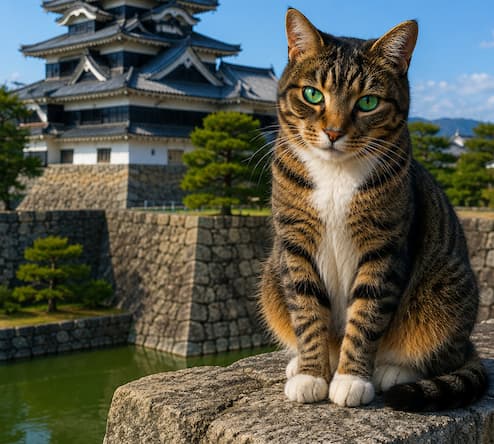
👆 Did you enjoy this overview of Japanese castles and their behind-the-scenes stories? If it sparked your curiosity, be sure to visit a real Japanese castle on your next trip! To explore specific keeps, gates, stone walls, and moats, use the quick navigation buttons at the top of the page.
🛡️ Travel Safety Notice: Enjoying Historical Paths with Peace of Mind
Japanese castles and historical samurai heritage sites feature ancient stone ramps, steep wooden staircases, and cobbled pathways. While awe-inspiring, stumbles or trips can happen. For international visitors exploring Japan’s castle sites, securing real-time travel health insurance is strongly recommended for smooth medical support during your trip.
⚔️ SafetyWing – Real-Time Travel Insurance for Global Travelers (Check Details)