Welcome back! I’m Genji, your local Japanese castle and samurai heritage insider. In Part #7 of our virtual tour, we’re stepping off the steep battle stairs of the main keep and into the gilded halls of samurai government and daily life: the Lord’s Palace (Goten)!
While the castle keep was built for war, the goten was where feudal lords actually lived, governed, hosted Noh theater, and received guests beneath gold-leaf murals of roaring tigers. Use the quick-jump buttons below to explore how these sprawling single-story mansions were restored—and why strict “No Photography” rules make modern guides feel just like nervous Edo-period attendants!
📍 Quick Navigation: Explore the 8-Part Japanese Castle Series
⚡ Direct Jump Within This Article (#7: Lord’s Palace)
Lord’s Palace (Goten): Gilded Halls of Samurai Life & Politics
1. Essential History & Key Facts (Deep Facts)
From elegant shoin architecture and coffered ceilings to indoor Noh stages and faithful modern reconstructions, here are 10 essential facts about the Japanese castle goten:
- Japanese castles shifted from being solely military facilities centered around the tenshukaku (main tower) during the Warring States period to peaceful centers of administration and daily life focused on the goten, a large traditional mansion.
- The goten was built within the castle grounds as the main residence for the feudal lord (daimyo) and their family. Its lavish and magnificent style demonstrated their authority and wealth.
- The goten was also a crucial site for important ceremonies. It featured many large halls to welcome the shogun and other high-ranking samurai.
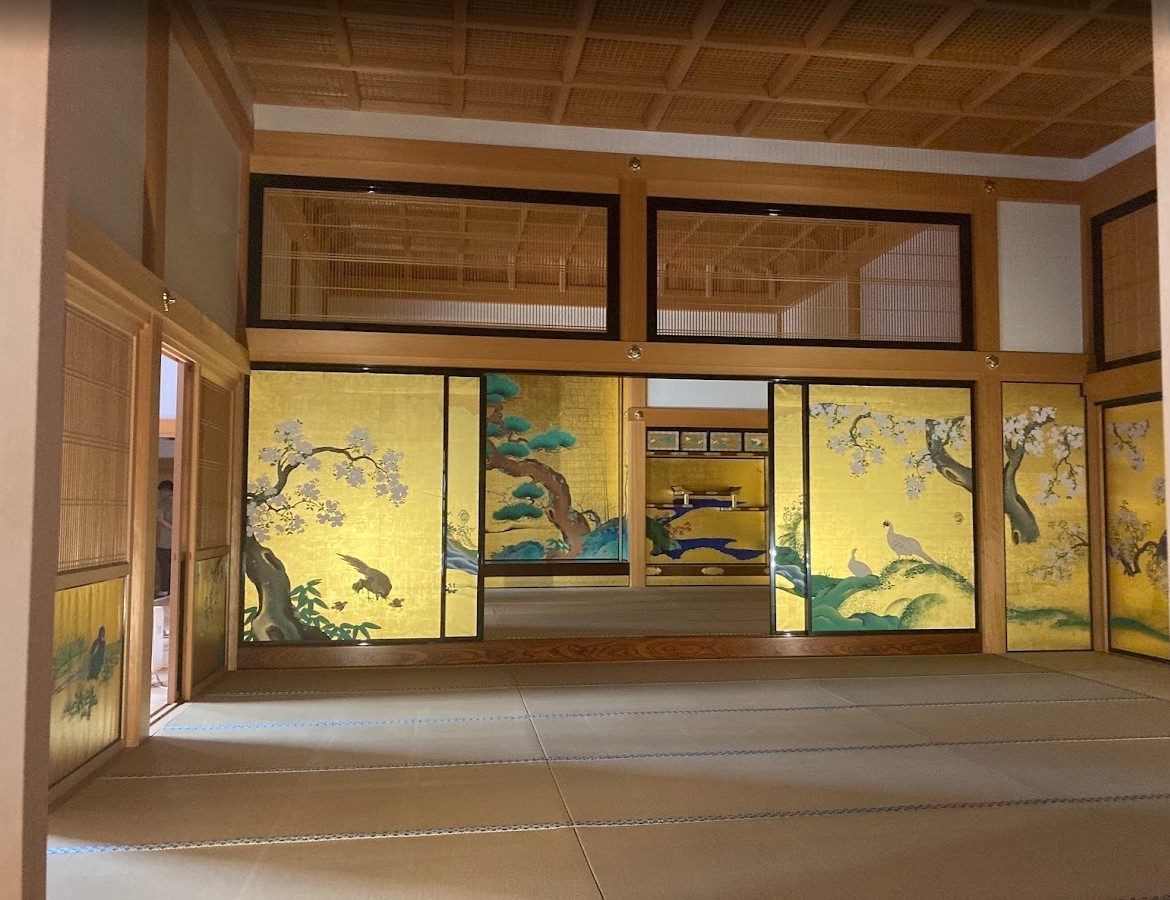
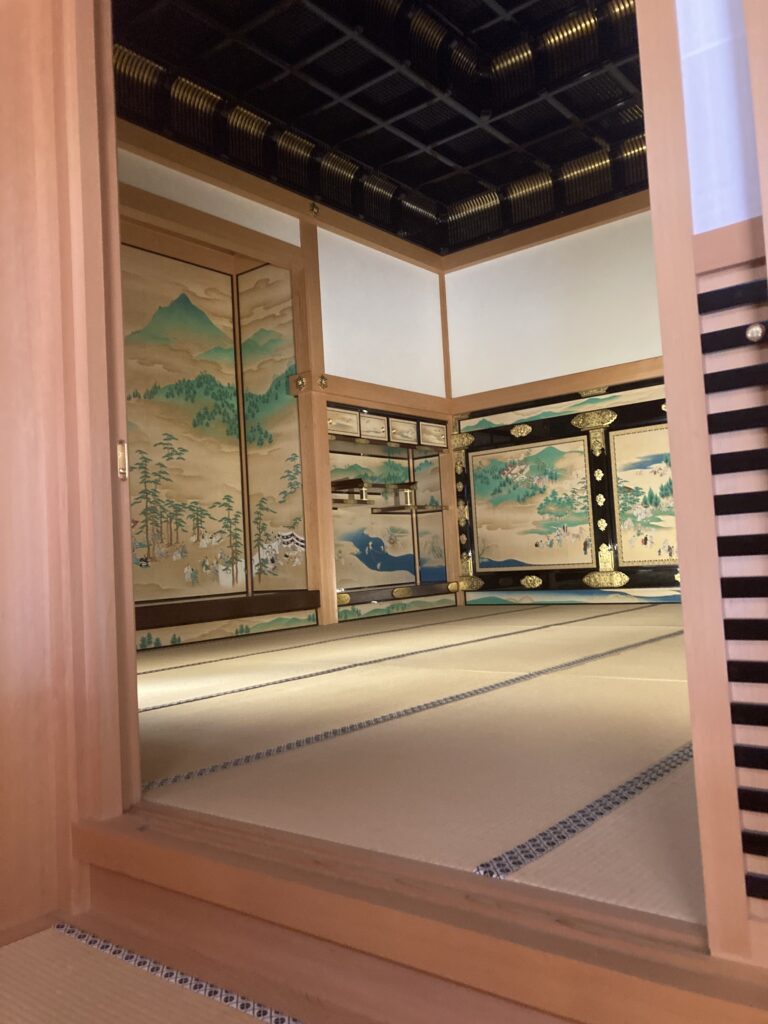
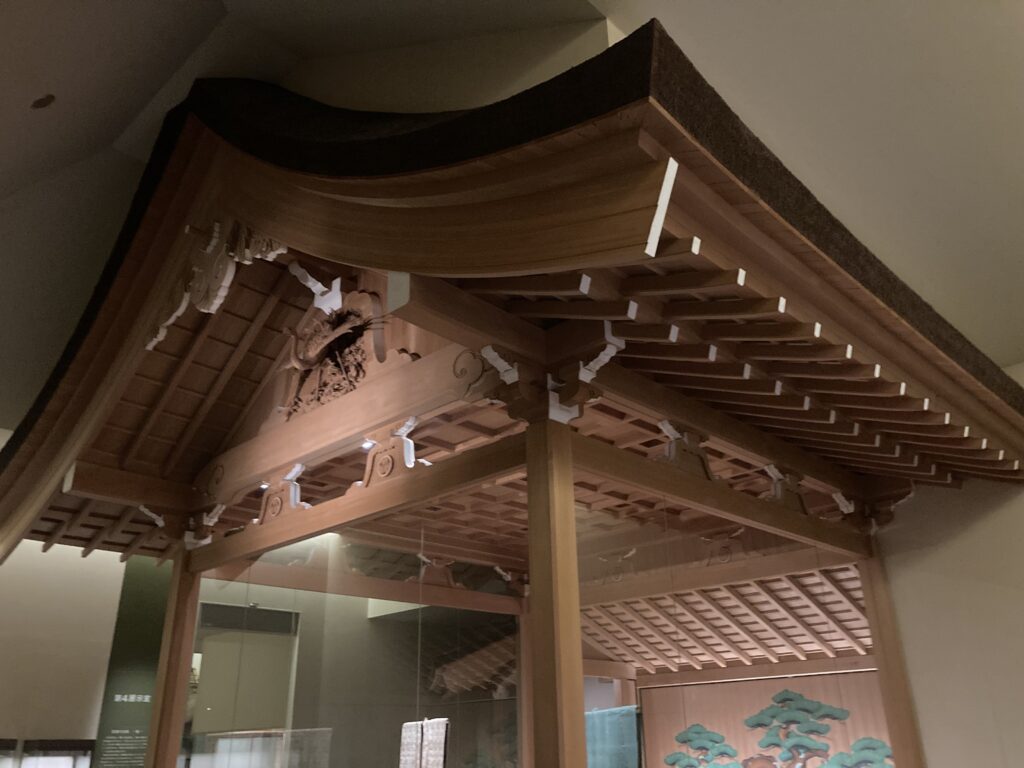
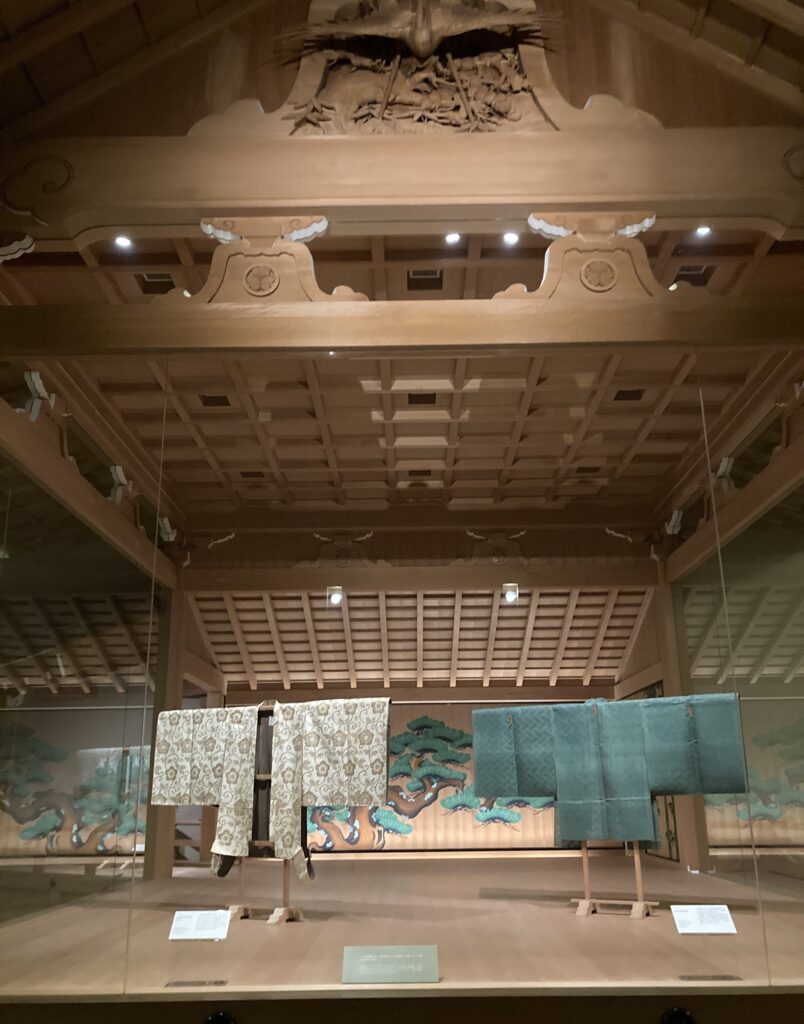
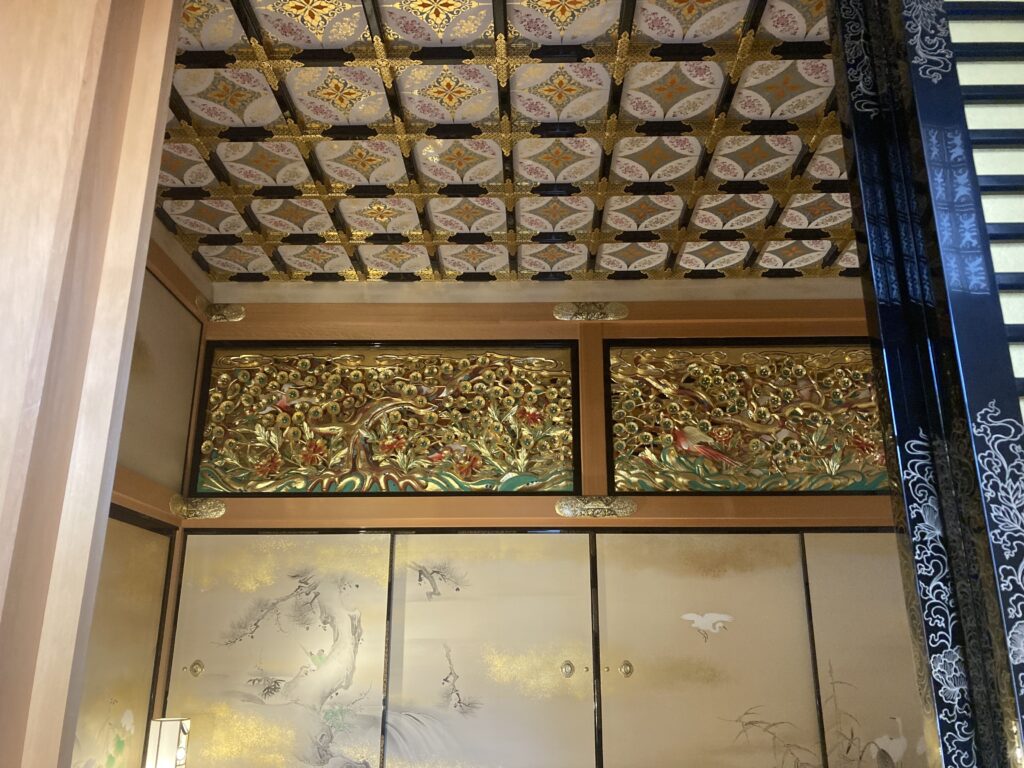
- As the highest form of samurai residence, the goten was based on the elegant shoin architectural style. It featured a grand appearance with elements like coffered ceilings added to suit the lord’s taste.
- The sliding doors (fusuma) and walls were decorated with opulent paintings of tigers and pine trees, symbolizing the shogun’s or lord’s power. These were often intended to impress and even intimidate guests.
- The goten was a massive, multi-functional building. It included entertaining areas like a Noh drama stage, offices for officials and vassals, and living areas for consorts and sometimes even concubines.
- After the end of the samurai era, many goten were lost due to fire or demolition by the new government and military. Today, only a few original structures remain, such as those in Kyoto and Kanazawa.
- The majority of goten visitors see today are faithful restorations based on ancient documents and historical drawings. They preserve the appearance and atmosphere of the original buildings.
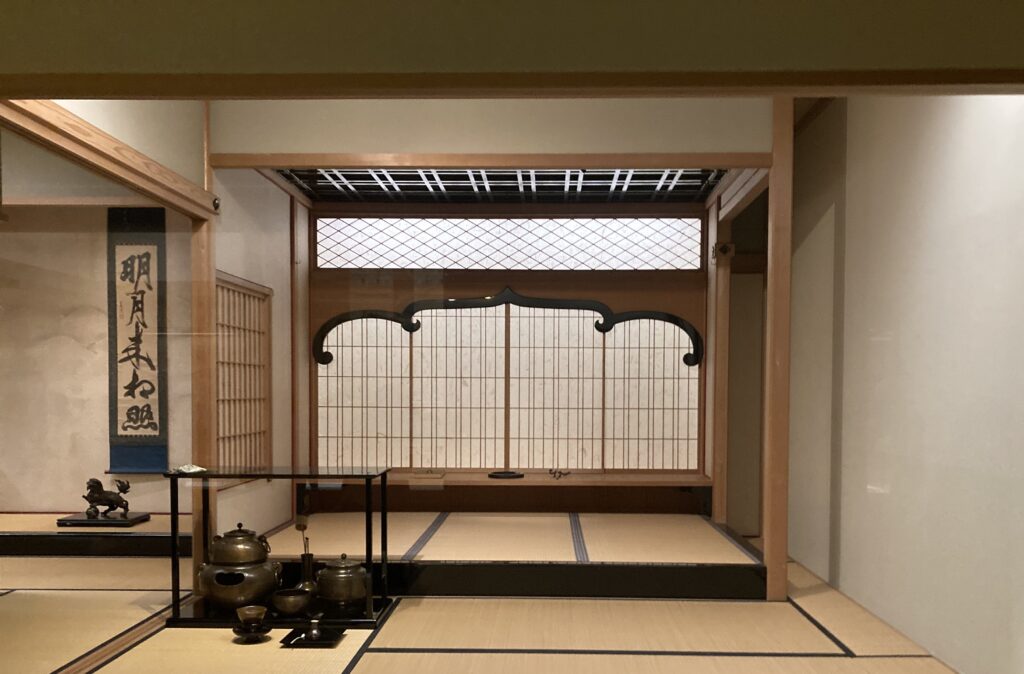
- Within the goten, the lord and their family lived comfortable, cultured lives, enjoying activities like Noh drama, the tea ceremony, and composing waka poetry, much like modern people.
- A key role for shoguns and feudal lords was to produce as many heirs as possible, so the area designated for consorts was a vital part of the goten.
2. Visitor Perspectives: 10 Common Q&As 👀
Stepping barefoot onto fragrant tatami mats surrounded by gleaming gold leaf and intricate wood carvings almost always prompts comparisons with the main castle tower. Here are clear answers to the top 10 questions travelers ask on-site:
- Where in the castle is the goten located?
- The goten was typically built in the most important part of the castle, near the tenshukaku (main tower) or in a vast, open area at the center of the castle grounds.
- What is the difference between the tenshukaku and the goten?
- The tenshukaku was a military facility built for combat, with a focus on defense and observation. In contrast, the goten was the main living space for the lord and his family, as well as the center for political and ceremonial functions.
- What’s so interesting about the goten?
- The goten allows you to see the luxurious lifestyle of the lords through its art and architecture. The stunning rooms, filled with golden decorations, artistic paintings, and three-dimensional carvings by prominent artisans, are so impressive that visitors can easily lose track of time.
- Do all castles have a goten?
- Yes, most castles had a residential building for the lord. Unfortunately, most were lost after Japan’s modernization, but many have been faithfully restored based on historical records.
- If it’s a complete restoration, is there no risk of fire?
- As you pointed out, many fires in the past were caused by lightning strikes or carelessness. While traditional materials and methods are used, restored goten now incorporate the latest fire prevention systems and lightning rods for safety.
- What kind of historical materials are used for restoration?
- For restoration, primary clues come from historical documents like original blueprints, drawings, and design sketches. Additionally, fragments of excavated building materials, ornaments, and craftwork are also used as important evidence.
- Why is the goten a low-story building?
- With so much available land, there was no need to build with multiple stories. The low-story design enhanced its integration with the adjacent gardens, allowing every room to have a beautiful view.
- How many rooms did the goten have?
- The scale varied greatly depending on the feudal lord’s power and wealth. The goten of Edo Castle, belonging to the shogun, had over 100 rooms, while wealthy provincial lords often had mansions that were more than half that size.
- Were the goten free from the strict castle building restrictions from the shogunate?
- No. As part of the castle, the scale and style of the goten required prior approval from the shogunate.
- How long does it take and how much does it cost to restore a goten?
- The time and cost depend on the materials and the luxuriousness of the interiors, but it’s said to take 5 to 20 years and cost tens of millions of dollars. This is because the restoration aims to precisely recreate the original structure while preserving traditional Japanese building techniques.
3. Ready to Crack a Smile? Secret Backstories 🤣
👉 Eager to hear what really goes on behind those gold-painted sliding doors? Each of these two short Q&As starts with genuine architectural and museum facts (1–5) before taking a playful local-guide twist (6–10) that always gets a laugh on my tours!
Q1: Why Don’t These Palaces Have a Second Floor?
Whereas the main keep towered vertically to intimidate enemies, the lord’s palace stretched horizontally across hundreds of tatami mats—though samurai social hierarchy was anything but flat! (1–5: Single-Story Design / 6–10: Falling Flat on the Route)
- Most Japanese castle palaces were built as single-story buildings because they were designed primarily for daily living, official meetings, and ceremonies rather than for defense or height.
- A horizontal layout made it easier to arrange rooms according to their functions and connect them with corridors, gardens, and other buildings. For example, Ninomaru Palace at Nijo Castle consists of six connected buildings, with 33 rooms and over 800 tatami mats.
- Japanese palace architecture also made extensive use of sliding doors, allowing rooms to be opened up or divided as needed.
- Although multi-story buildings certainly existed in Japan, castle palaces generally prioritized spacious, interconnected rooms and ease of use over building upward.
- Unlike castle keeps, which often used their height to symbolize power and authority, palaces were built horizontally.
- But don’t let the flat layout fool you. Social hierarchy was anything but flat.
- The deeper you went into the palace, the higher the status of the rooms, with raised thresholds and floor levels reflecting their importance.
- During formal ceremonies, such as New Year’s greetings, seating positions and routes were carefully prescribed.
- These occasions were not simply formalities; they were also opportunities to reaffirm everyone’s status and place in the hierarchy.
- As guides, we understand how important it is to follow the proper order. Things may look rather flat, but if you get the route wrong, your explanation might literally fall flat!
Q2: Why Is Photography Prohibited in Many Castle Palaces?
Protecting gold-leaf paintings from camera flashes makes complete sense—yet walking past stern palace attendants beneath roaring tiger murals makes a modern guide feel like a sweating Edo-period retainer! (1–5: Art & Copyright Protection / 6–10: A Guide’s Samurai Tension)
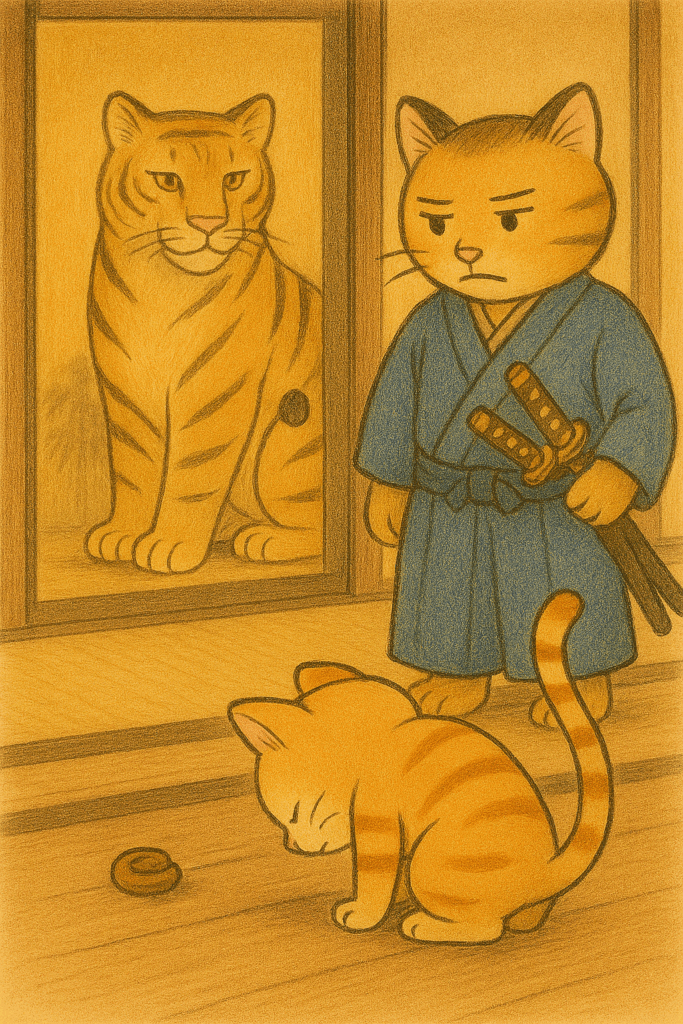
- The primary reason is the protection of cultural assets. Flash photography can cause the paintings on sliding doors and partitions to deteriorate.
- Photography is also prohibited to prevent visitors from becoming too absorbed in taking pictures, which can lead to falls and congestion.
- The sound of the shutter can disrupt the atmosphere of the place, detracting from the historical experience of others.
- It’s also necessary to protect the copyrights of contemporary artists whose works are included in the restored pieces and exhibits.
- That is all true, and it’s no different from many modern museums, so I have no objection to any of those rules. However, after guiding many guests through these mansions (goten), I’ve realized that the experience is a little different from that of a museum.
- If a visitor takes a photo, they’ll be asked to apologize and delete the data on the spot. This is also a failure on the part of the guide to provide a proper explanation, so the guide can be blamed.
- But the level of responsibility I feel is much heavier in a mansion than in a museum. After all, within the goten, the relationship between the host and the visitor hasn’t changed at all since the samurai era.
- The shogun and local lords, who were the former owners of the goten, have simply been replaced by modern government and municipal tourism authorities.
- The mansion’s management staff are like samurai from the shogunate or lords, monitoring visitors and subtly pressuring them against the backdrop of powerful tiger paintings.
- And we local guides are like the same low-ranking warriors who guided their guests through the palace, with the same worries and tensions that have remained unchanged for hundreds of years, just to make sure our guests don’t misbehave!
Thank You & Message from Genji
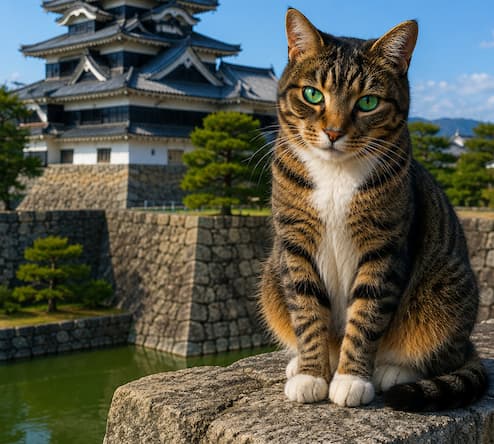
👆 Did you enjoy stepping inside the gilded halls of the lord’s palace? Next time you walk down a tatami corridor, check the ceiling height and sliding door motifs to see how important the room was! Ready for the final chapter on defensive castle walls? Use the green navigation buttons at the top of the page.
🛡️ Travel Safety Notice: Enjoying Historical Paths with Peace of Mind
Visitors must remove their shoes before entering historic castle palaces, and polished wooden corridors and tatami borders can be slippery in socks. Please watch your step over raised wooden thresholds. For international visitors exploring Japan’s castle sites, securing real-time travel health insurance is strongly recommended for smooth medical support during your trip.
⚔️ SafetyWing – Real-Time Travel Insurance for Global Travelers (Check Details)