Welcome back! I’m Genji, your local Japanese castle and samurai heritage insider. In Part #8—the grand finale of our virtual tour—we’re examining the white-plastered ramparts that weave beauty and firepower together across every samurai fortress: the Castle Walls (Joheki)!
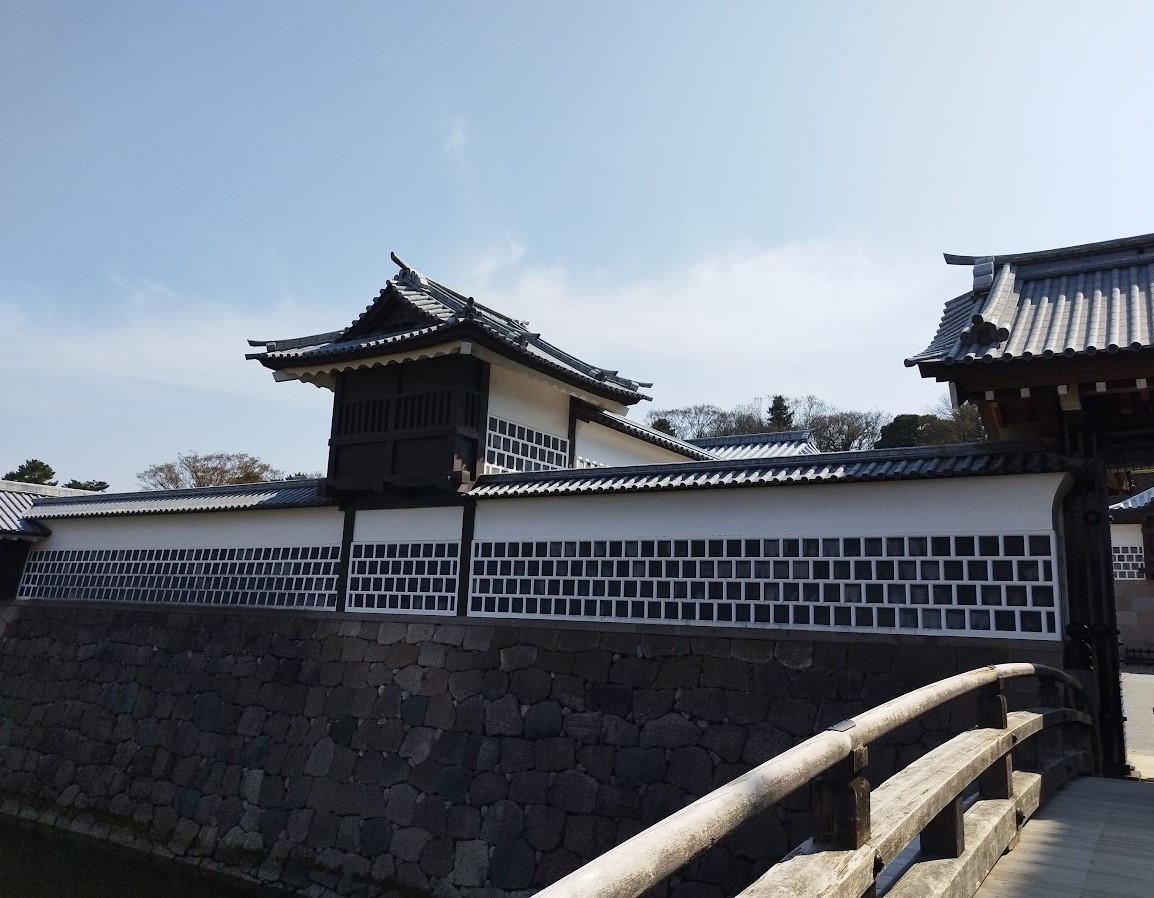
At first glance, Japanese castle walls look like simple white plaster. Look closer, however, and you’ll uncover concealed shooting loopholes (sama), overhanging rock-dropping chutes (ishi-otoshi), multi-layered earthquake-resistant mud cores, and raised black-and-white namako plasterwork—which definitely shouldn’t be mistaken for edible sea cucumbers!
📍 Quick Navigation: Explore the 8-Part Japanese Castle Series
⚡ Direct Jump Within This Article (#8: Castle Walls)
Castle Walls (Joheki): White Plaster, Hidden Loopholes & Namako Art
1. Essential History & Key Facts (Deep Facts)
From long connecting tamon-yagura turrets and funnel-shaped shooting loopholes (sama) to overhanging stone drop-offs (ishi-otoshi) and namako plasterwork, here are 10 essential facts about Japanese castle walls:
- Japanese castle walls were a critical part of the defensive fortifications, featuring unique innovations not found in ordinary walls.
- The strength of the walls wasn’t just in their construction; their placement was also strategic. A great example is the tamon-yagura, a long turret that connects multiple sections of the wall.
- The walls also emphasized aesthetics, with the contrast of the white plaster and black tiles and the flowing curves of the stone foundations reflecting the Japanese sense of beauty.
- While the walls were designed for defense, they also allowed for counterattacks through numerous small holes called sama. Many of these were hidden or covered, making them invisible from the outside.
- The sama holes were designed to be narrow on the outside, making them difficult for attackers to target, while a funnel-like shape on the inside provided a wider field of vision for defenders.
- To further boost defense, ishi-otoshi (stone drop-offs) were added. These overhangs allowed defenders to drop stones or boiling water on enemies directly below the walls.
- Despite its simple mechanism, this feature was highly effective and cost-efficient. It required almost no maintenance—defenders simply needed to drop objects—making it a common addition to most castles.
- Plaster was widely used for its fire- and water-resistant properties, as well as for its aesthetic appeal, making the castles appear pristine and a symbol of power.
- Namako walls, a decorative style where raised plaster joints resemble a sea cucumber, were popular in castles but were also widely used on merchant houses and storehouses because of their high decorative value and durability.
- Unlike reinforced concrete, a modern material born from the need for strength, a castle wall’s construction—layered with local soil and plaster over a wood and bamboo frame—was a response to the availability of local resources and Japan’s humid climate.
2. Visitor Perspectives: 10 Common Q&As 👀
Inspecting cross-section displays inside a castle keep or admiring crisp black-and-white lattice walls always prompts great questions from international travelers. Here are clear answers to the top 10 questions asked on-site:
- What are the walls of the castle made of?
- The walls of Japanese castles were mainly built from natural materials like earth, wood, and plaster. They were generally constructed on top of stone foundations, using a framework of wood or bamboo, which was then layered with hardened earth and finished with a coat of plaster.
- Why are the walls of the castle white?
- The white walls are coated in plaster, which served a dual purpose. It protected the castle from fire and moisture, and its brilliant white color symbolized the owner’s power and authority.
- Why is there a black and white mesh design on the walls?
- While it looks like a beautiful pattern, it’s a highly functional design. This was created by combining black tiles and white plaster to increase the walls’ resistance to fire and water.
- What is the black and white design made of?
- The black parts are tiles, and the raised white areas are plaster. This style is called the namako wall because the raised plaster joints resemble a sea cucumber.
- Where were the wall materials sourced?
- Materials were primarily sourced locally. However, if high-quality soil or other specific materials were not available nearby, they were transported from distant mountains to ensure the wall’s durability and quality.
- (Looking at the exhibits) Why are there many layers in the cross section of the walls?
- The multi-layered structure was a clever defensive strategy. A framework of wood or bamboo was built inside, then covered with multiple layers of earth and plaster to increase the wall’s strength and durability. Some walls were even filled with layers of pebbles to stop bullets.
- Why aren’t the walls of Japanese castles made of fire-resistant stone?
- Sturdy but heavy stone walls were not suitable for earthquake-prone Japan because they were prone to collapse. The flexible, multi-layered design of Japanese castle walls, which used materials like plaster with some fire resistance, was a more effective solution.
- Are the walls of a castle the same as those of a regular Japanese house?
- They might look similar, but their construction is completely different. Castle walls were built for defense, so they are thicker and much stronger, with multiple layers of different materials to withstand attacks.
- Are the walls of a castle still the same as they were in those days?
- Even the walls of national treasure castles are not exactly as they were in the past. They require regular maintenance every few decades to prevent decay. Therefore, the walls you see today, whether in original or restored castles, are the result of continuous upkeep over many generations.
- Are castle walls earthquake resistant?
- Yes, they are. Japanese castle walls have a flexible, multi-layered structure combining different materials, which allows them to absorb and disperse seismic energy. This unique feature developed in Japan as a way to cope with frequent earthquakes, and it’s not typically seen in the stone castles of the West.
3. Ready to Crack a Smile? Secret Backstories 🤣
👉 Eager to hear what happens when bamboo-core wall displays meet guide humor—and why “sea cucumber walls” might someday need warning labels? Each of these two short Q&As starts with solid architectural facts (1–5) before taking a playful local-guide twist (6–10) that always brings a smile on my tours!
Q1: Are Japanese Castle Walls Special?
Peering into a cross-section display of bamboo lattice, mud, straw, and lime plaster makes the structure instantly clear—perhaps a little too clear for a guide worried about job security! (1–5: Multi-Layer Craftsmanship / 6–10: Seeing, Briefing, Believing, Relieving!)
- Absolutely. At first glance, a castle wall may look like a simple wall made of earth and plaster. But once you look inside, you discover that it is surprisingly sophisticated.
- Many Japanese castle walls were built in layers around a bamboo framework. Builders combined bamboo, earth, straw, stone, and plaster to create walls that were both strong and durable.
- The walls were not only defensive. They were also designed to be beautiful. The white plaster surfaces and carefully arranged roof tiles helped create the elegant appearance we admire today.
- Castle walls also contained loopholes for defenders. These openings came in different shapes and sizes, depending on the weapons being used and the direction of fire. Some were even hidden from attackers.
- Thank you very much for bearing with my lengthy explanation. Some castles have displays showing a cross-section of these walls, which make the structure much easier to understand.
- It’s a classic example of seeing is believing, and such displays save both visitors and guides a lot of explanation.
- However, I sometimes worry that visitors might think, “Well, if I can see this, I don’t need a guide!”
- So, whenever I show you such an exhibit, I try to summarize what you’re looking at and explain why these features matter.
- So, here’s the formula: Seeing. Briefing. Believing.
- And when visitors finally understand what we’re here for, it’s truly relieving for us guides, too! Seeing. Briefing. Believing. Relieving!
Q2: Can This Sea Cucumber Wall Be Eaten?
Named after a bumpy marine delicacy that looks like an underwater caterpillar, namako plaster walls are famous across Kanazawa and castle towns—though they certainly aren’t on the menu! (1–5: Namako Walls & Marine Delicacies / 6–10: Warning Labels Ahead)
- Unfortunately, this wall is not edible. As I explained earlier, the name comes entirely from its appearance. In this building method, flat tiles are laid side by side on the wall, and the gaps between them are filled with plaster in a raised, semicircular shape.
- The raised plaster resembles a sea cucumber, a mollusk that lives in the ocean, which is why the wall is commonly called “sea cucumber wall.”
- In Japan, sea cucumbers have been consumed as a delicacy since ancient times and are still popular today for their unique crunchy texture.
- In China, they have long been prized as a tonic and a luxury food for their purported health benefits.
- Because of this, powdered sea cucumber has become a popular health food sold online in recent years, and exports from Japan are on the rise. This means we local tour guides might have to be more careful when guiding foreign guests in the near future.
- Many people dislike eating sea cucumbers due to their grotesque, caterpillar-like shape and eerie color. I personally believe the first person to eat one must have been incredibly hungry!
- But as more people consume powdered sea cucumber for health reasons, many who have never seen a real one might mistake the powder for the actual thing.
- If these people see a white wall called a “sea cucumber wall” in a Japanese castle, they might mistakenly think it’s made of powdered sea cucumber.
- Do you remember that old, tragic story about the cat that was killed after its owner tried to dry it in a microwave? Since then, microwave manufacturers have been required to put a label on their products saying, “Do not dry cats in a microwave oven.”
- Maybe someday, our sea cucumber walls will be required to have a similar label that says: “This sea cucumber wall is not edible.”
Thank You & Message from Genji
👆 Congratulations on completing our entire 8-part Japanese Castle Virtual Tour! From towering keeps and mortar-free stone walls to gilded palaces and white-plastered ramparts, you’re now ready to spot samurai ingenuity at every corner. Want to revisit any chapter? Just use the green navigation buttons at the top of the page!
🛡️ Travel Safety Notice: Enjoying Historical Paths with Peace of Mind
Historic castle walls and plaster surfaces are fragile cultural treasures that require restoration every few decades—please avoid leaning against or touching white plaster and namako walls, and watch your head near low turret beams. For international visitors exploring Japan’s castle sites, securing real-time travel health insurance is strongly recommended for smooth medical support during your trip.
⚔️ SafetyWing – Real-Time Travel Insurance for Global Travelers (Check Details)