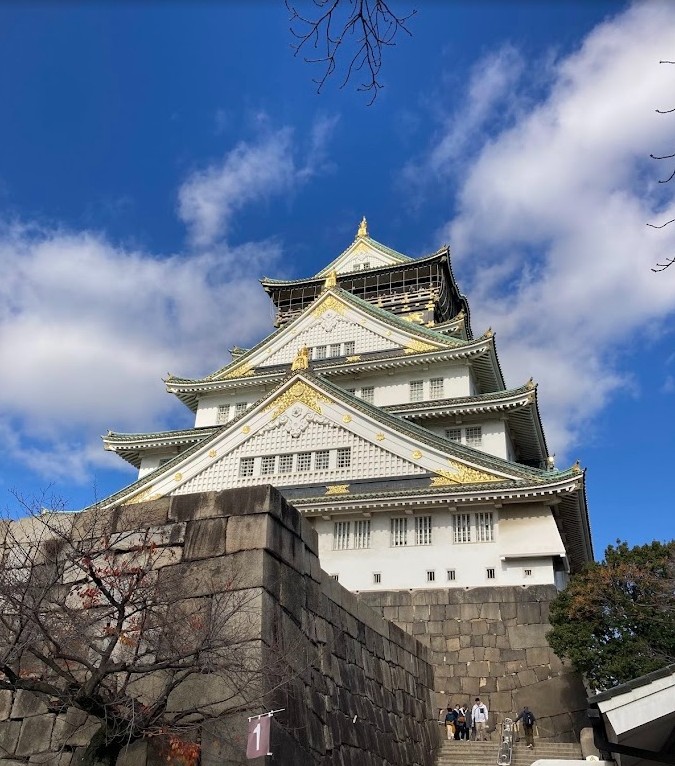
Welcome back! I’m Genji, your local Japanese castle and samurai heritage insider. In Part #2 of our virtual tour, we’re looking straight up at the iconic centerpiece of every Japanese castle: the Castle Keep (Tenshu / Tenshukaku)!
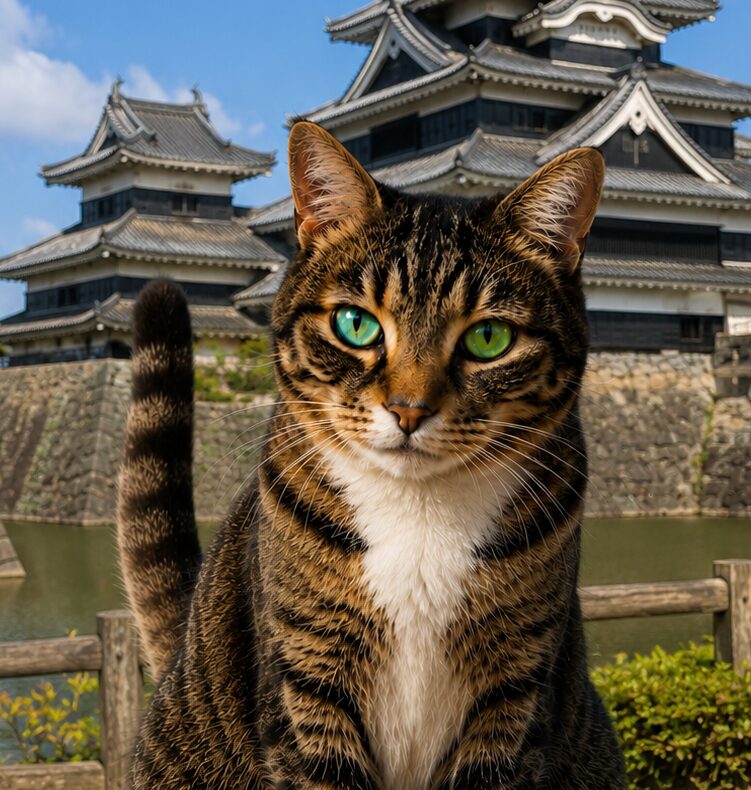
Towering above massive stone walls with layered roofs and golden roof ornaments, the castle keep is what most travelers picture when they hear “Japanese castle.” Yet few visitors know that samurai lords never actually lived inside—or why only 12 original keeps survive today. Jump to any section below to uncover the engineering, history, and humorous behind-the-scenes stories of Japan’s iconic keeps!
📍 Quick Navigation: Explore the 8-Part Japanese Castle Series
⚡ Direct Jump Within This Article (#2: Castle Keep)
Castle Keep (Tenshu): The Iconic Heart of Japanese Castles
Here is everything you need to know before climbing those steep wooden stairs to the top floor of a Japanese castle keep.
1. Essential History & Key Facts (Deep Facts)
From the sheer number of castles that once dotted Japan to how master carpenters raised towering wooden structures without nails, here are 10 essential facts about Japanese castle keeps:
- How many castles were there in Japan?
Japan is said to have had somewhere between 20,000 and 50,000 castles throughout its history. However, the number varies greatly depending on how a castle is defined and counted. These figures include not only large castles as we imagine them today, but also mountain castles and smaller fortifications. - Did all castles have a castle keep?
Of course, not all castles had a castle keep. The layout and structure of a castle varied depending on its size, purpose, and the period in which it was built. A keep was not an essential part of every castle, but rather one of its possible components. - When and why did castle keeps develop?
Although castles had existed for centuries, large castle keeps as we know them today mainly developed from the latter part of the Warring States period. During this turbulent era, castles and their keeps became important military strongholds, and their fall could mark a decisive turning point in a battle or campaign. - What exactly is a castle keep?
A castle keep is generally the tallest and most prominent building within a castle. It served as a military facility for observation and defense. As warfare declined during the Edo period, castle keeps increasingly came to symbolize the lord’s authority and the castle itself. The size and design of castle keeps varied from one castle to another. - Why were castle keeps built so tall and large?
Building a castle keep high above the surrounding area made it easier to observe enemy movements from a distance, offering a defensive advantage. At the same time, its height and imposing appearance demonstrated the lord’s authority and wealth. Its sheer presence could also discourage potential enemies from attacking. - How were castle keeps constructed?
Castle keeps were also wooden structures, but they required massive, long timbers and beams to support their considerable height and weight. Their construction required large amounts of timber and other materials, as well as skilled craftsmen and considerable manpower. Building a castle keep also demonstrated a lord’s ability to mobilize these resources. - Why do castle keeps have such distinctive roofs?
Castle keeps often feature several layers of roofs, with distinctive architectural elements such as chidori gables. These gables served architectural purposes while also adding decorative features to the building. Some castle keeps also have ornamental features such as shachihoko, mythical creatures with the head of a tiger and the body of a fish, mounted on the roof. - What defensive and architectural features did castle keeps have?
As the last line of defense, castle keeps incorporated various features such as stone-dropping openings and steep staircases to protect against enemy attacks. However, extremely tall castle keeps were also more exposed to lightning strikes, which contributed to several historic fires. - What kind of daily life or activities took place inside castle keeps?
Castle keeps originally developed primarily as military facilities, so they were generally not places where the lord, his family, or his retainers lived on a daily basis. Separate buildings called goten, or palace buildings, were constructed within the castle grounds for daily life and administrative affairs. However, some castle keeps were also used for entertaining important guests during the Edo period. - How many original castle keeps remain in Japan today?
Today, Japan is generally recognized as having 12 surviving original castle keeps. Most of the others were lost due to fires, wars, or other causes, and many have since been reconstructed or restored based on historical records and other sources. Today, castle keeps serve not only as historic structures preserved for future generations, but also as important places for sharing local culture with visitors from Japan and abroad.
2. Visitor Perspectives: 10 Common Q&As 👀
Looking up at a towering castle keep almost always sparks curiosity! While every traveler brings their own level of interest in Japanese history and architecture, these are the 10 questions international visitors ask most often on-site:
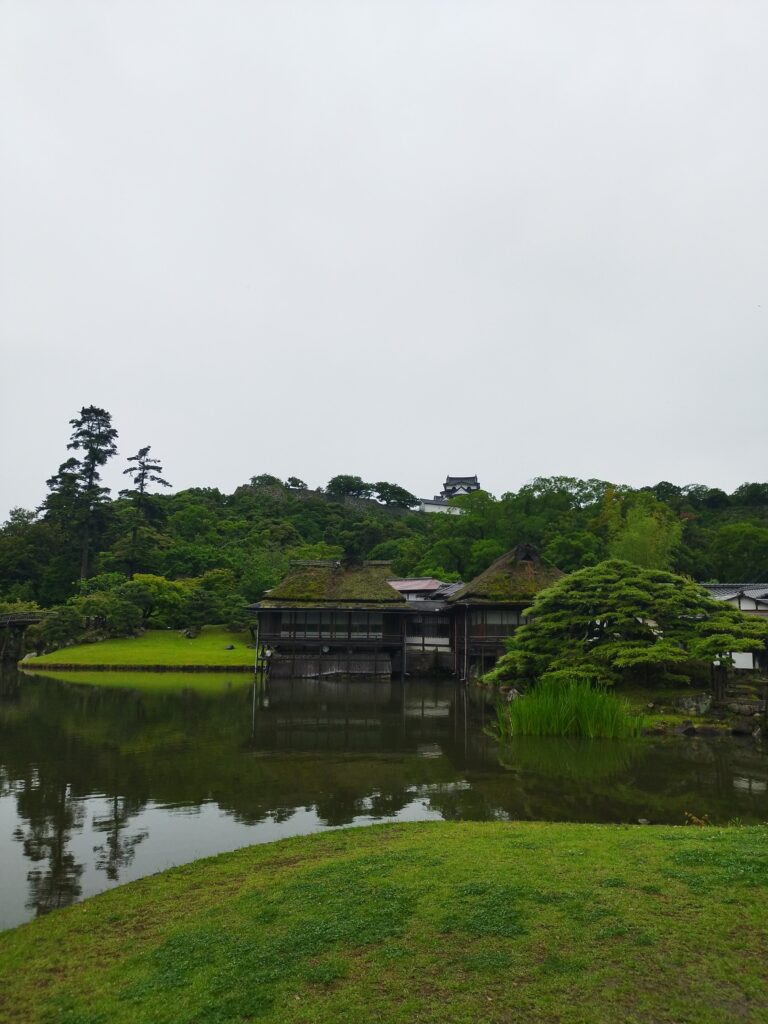
- Why was such a tall tower built?
- It was built to expand the field of vision for surveillance, intimidate enemies, and demonstrate the feudal lord’s authority across the castle town.
- Is it entirely made of wood? Does it have any special structures?
- Yes—instead of using metal nails that rust over time, massive wooden beams and pillars are interlocked like a three-dimensional puzzle using traditional joinery.
- How is this height achieved with wood?
- Pillars and beams are crafted from durable woods such as Japanese cypress (hinoki), cedar, and pine, using far heavier timbers than ordinary houses.
- Did the lord’s family live in this large turret?
- No. The lord and his family did not live in the keep on a daily basis; they entered it only during emergencies or special occasions.
- What kind of life did they lead inside?
- Daily life and political administration took place in a separate residential palace (goten) built within the castle grounds.
- Why is it so beautiful?
- Feudal lords valued not only military practicality but also refined aesthetics, adding layered gables, white plaster, and ornamental roof tiles to showcase cultural prestige.
- Why does it look so new?
- Regular, meticulous maintenance—such as replastering walls and replacing worn roof tiles—is carried out to protect the timber structure from weather and decay.
- When was it built?
- Most iconic castle keeps were built around four centuries ago during the late Warring States period and early Edo period.
- Is it still the same as it was back then?
- Only 12 original castle keeps survive in Japan today; those 12 preserve their authentic Edo-period or earlier wooden structures.
- Are there keep towers in every castle?
- No. Most original keeps were destroyed by fires, lightning, or government demolition orders, so many keeps visible today are modern reconstructions built for historical education and tourism.
3. Ready to Crack a Smile? Secret Backstories 🤣
👉 Eager to uncover the real story behind the majestic facade? Each of these two short stories begins with solid historical facts (1–5) before taking a playful local-guide twist (6–10) that always gets a smile from guests on my tours!
Q1: Why Are There So Few Castle Keeps?
Out of hundreds of castles across Japan, only 12 original keeps remain. How did they vanish—and why did international travelers accidentally spark their modern revival? (1–5: The Serious History / 6–10: The Playful Twist)
- Ironically, just as the number of castle keeps reached its peak, the Warring States civil war era ended—and their military need vanished overnight.
- Additionally, because they were built of wood, they were prone to fires caused by lightning strikes, and the astronomical cost of rebuilding became a major bottleneck.
- Furthermore, due to the government’s castle reduction laws at the time, the number of castle keeps shrank dramatically.
- While they could still serve as scenic observation decks, they were far too expensive to maintain when used almost exclusively by the lord’s family.
- As a result, even many surviving castle keeps fell into disrepair due to insufficient maintenance funds.
- However, with the rise of international visitors after Japan’s modernization, castles once dismissed as useless relics were suddenly recognized as prime tourism treasures!
- Extensive efforts were launched nationwide to restore and maintain castle keeps, fueling today’s massive “castle boom.”
- In Japanese, when something suddenly becomes wildly popular, we literally say it “ignites a fire under a boom.”
- In this case, international visitors were the ones who sparked that fire!
- Just one small worry from a local guide: if too many visitors crowd in and heat up the boom even further, let’s hope these wooden keeps don’t actually catch fire again!
Q2: What’s Inside the Castle Tower?
Visitors expecting lavish royal bedrooms inside a Japanese castle keep are in for a surprise—and a timeless lesson in human psychology! (1–5: The Spartan Interior / 6–10: Looking Up & Earning Respect)
- Actually, the inside of a Japanese castle keep is quite different from what you might imagine. They were not designed as living quarters, but primarily as defensive structures.
- Inside, you’ll find large open spaces supported by massive wooden pillars and beams, rather than rooms separated by walls. Many of these spaces were used to store weapons, ammunition, and other supplies.
- The upper floors, connected by steep wooden staircases, were used for observation and, if necessary, for fighting against attackers.
- Many people mistakenly assume that the lord and his family lived inside the castle keep. But as we just saw, it was designed for warfare, not comfort.
- In fact, one of the main reasons these towers were built so high was to demonstrate the lord’s authority—and this is probably the point that makes the most sense when you stand right beneath one.
- Just look at us standing here and craning our necks at this tower. In English, we call this “looking up”—and we’re experiencing firsthand how naturally people feel respect toward something they physically have to look up to, right?
- I believe the feudal lords understood this human instinct completely, which is why towering keeps spread across Japan.
- They literally built the timeless proverb “Respect is earned, not demanded” straight into their architecture!
- As a tour guide, I’ve learned something similar, almost instinctively. Respect? Oh, no, no! I would never be so presumptuous.
- I’m only looking for a much smaller gesture of appreciation. (In my mind: It’s a tip! Haha!)
Thank You & Message from Genji
👆 Did you enjoy climbing to the top of Japan’s iconic castle keeps? If these stories sparked your curiosity, be sure to step inside an original or reconstructed keep on your next trip to Japan! To explore castle gates, stone walls, moats, and more, use the green navigation buttons at the top of the page.
🛡️ Travel Safety Notice: Enjoying Historical Paths with Peace of Mind
Original Japanese castle keeps feature notoriously steep, narrow wooden staircases and smooth floorboards where visitors remove their shoes. While thrilling to climb, slips or stumbles can happen. For international visitors exploring Japan’s castle sites, securing real-time travel health insurance is strongly recommended for smooth medical support during your trip.
⚔️ SafetyWing – Real-Time Travel Insurance for Global Travelers (Check Details)