Welcome back! I’m Genji, your local Japanese castle and samurai heritage insider. In Part #5 of our virtual tour, we’re circling the outer defenses of a samurai fortress: the Castle Moats (Hori)!
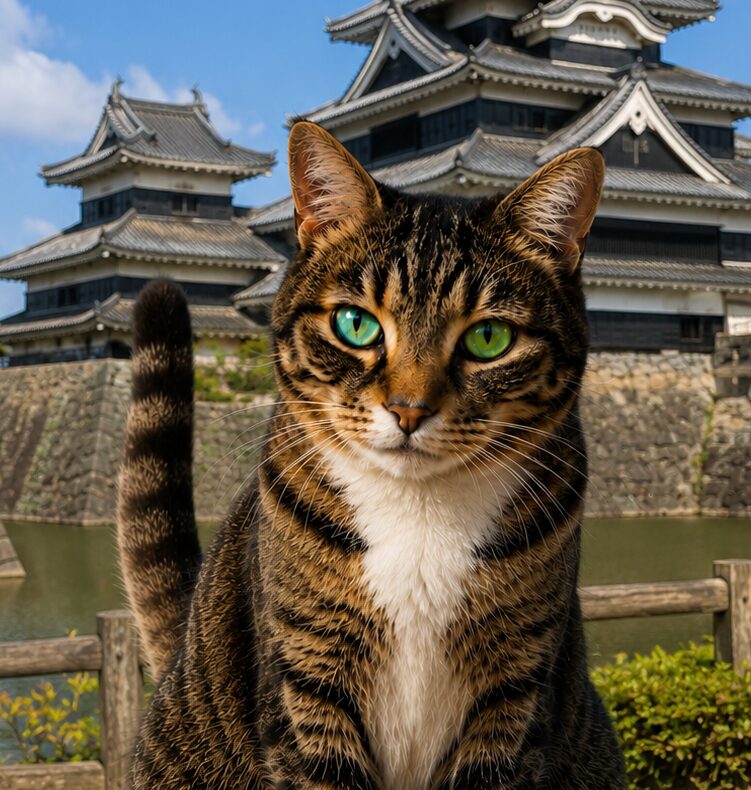
Japanese castle moats were far more than simple water-filled trenches. From waffle-patterned dry moats designed like mud traps to seawater channels fed by ocean tides—and the surprisingly humorous reason why almost none of them have safety fences today—use the quick-jump buttons below to explore their secrets!
📍 Quick Navigation: Explore the 8-Part Japanese Castle Series
⚡ Direct Jump Within This Article (#5: Castle Moats)
Castle Moats (Hori): Water Barriers & Maze-Like Trenches
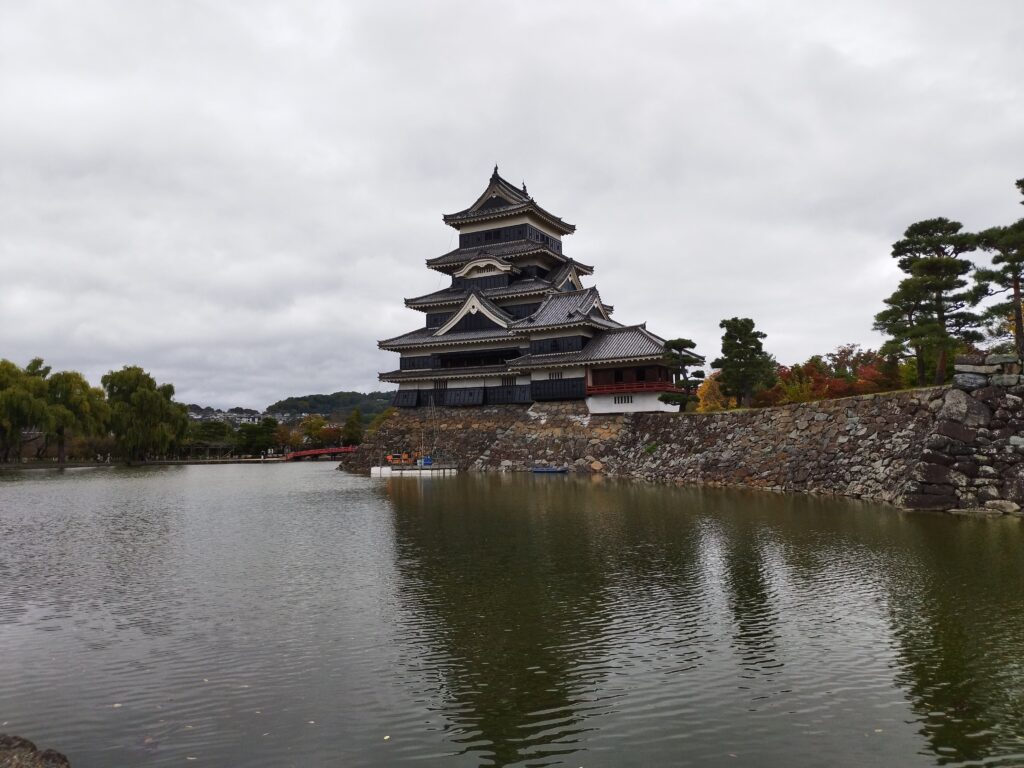
1. Essential History & Key Facts (Deep Facts)
From water-filled canals and seawater moats to maze-like dry trenches (shōji-bori), here are 11 essential facts about Japanese castle moats:
- Two Main Types: Water-Filled and Dry Moats
Moats were important defensive features of Japanese castles. They were broadly divided into two types: water-filled moats and dry moats. - Efficiency and Defensive Value of Dry Moats
Dry moats were often easier and quicker to construct than water-filled moats, as they did not require a water supply system. They were also effective in slowing down enemy troops and making them vulnerable to attacks from defenders above. - Ingenious Obstacles: Une-bori and Shōji-bori
Dry moats were sometimes designed with additional obstacles, such as ridges at the bottom (une-bori) or partitions forming a complex, maze-like pattern (shōji-bori), making it even more difficult for enemies to advance. - Making Use of Natural Terrain
Japanese castles were often built using natural terrain such as mountains, rivers, marshes, and coastal areas to strengthen their defenses. - Water Sources and Civil Engineering
Water-filled moats were supplied from various sources, including rainwater, springs, rivers, and sometimes the sea. In some castles, water was brought in from distant waterways using sophisticated engineering techniques. - Waterways for Supply Transportation
In some castles, moats and waterways were connected to rivers or the sea and arranged in multiple layers. These systems sometimes also served as waterways for transporting food, weapons, and other supplies by boat. - Coastal Castles and Seawater Moats
Some castles also used seawater in their moats, taking advantage of their coastal location and the tidal flow. - Symbols of Power and Wealth
Moats served not only as defensive barriers but also as symbols of the castle lord’s power and wealth. Their impressive scale could discourage potential enemies from attacking. - Multi-Layered Defense Systems
Many castles built on flat land or low hills had multiple layers of moats, such as inner and outer moats, creating successive lines of defense. - Varying Dimensions and Modern Alterations
Moats varied greatly in width and depth, depending on the castle and its location. Many have been filled in or altered over time, so their original dimensions are often difficult to determine today. - Post-Meiji Urbanization and Modern Sightseeing
Since the Meiji period, many castle moats have been filled in or converted into roads and other urban spaces as cities modernized. Some surviving moats are now used as parks or tourist attractions, including boat rides.
2. Visitor Perspectives: 10 Common Q&As 👀
Strolling beside a mirror-like moat filled with carp and swans—or peering down into a steep grassy trench—always prompts intriguing questions from visitors. Here are clear answers to the top 10 questions travelers ask on-site:
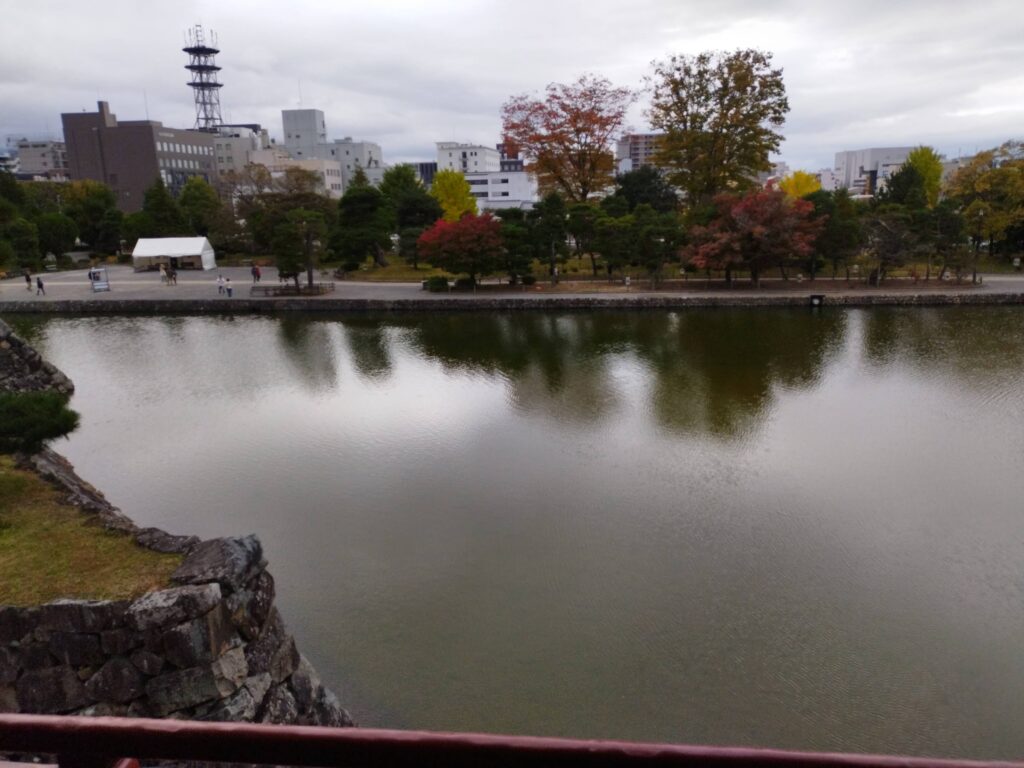
- Where does all this water come from?
- The water for castle moats comes from various sources depending on the castle’s location. Some moats use rainwater or natural springs, while others are fed by canals that bring water from distant rivers.
- Does the moat ever freeze in winter?
- Yes, in colder regions, moats can indeed freeze over in winter. Because thick ice could make it easier for enemies to cross, security guards would keep close watch whenever the ice became thick enough to walk on.
- How deep is this moat, really?
- The depth of castle moats varies greatly, but they are generally several meters deep, with some exceeding ten meters. Combined with their width, this made them formidable obstacles for attackers.
- Did anyone ever try to cross this moat to attack the castle?
- Absolutely—fierce battles were often fought right around the moats of many castles. Historical records describe soldiers attempting to fill moats with dirt and debris or forcing their way across on rafts and boats.
- Why are some of these moats so incredibly wide?
- Wide moats served multiple purposes beyond defense. They were also built to intimidate enemies by making the castle appear impossible to assault, showcasing the lord’s immense power and resources.
- Why are there so many moats in this one castle?
- Many castles featured multiple layers of moats (inner and outer moats) to create a tiered defense system—protecting not only the lord and his family at the core, but also the vassals and townspeople living in the surrounding castle town.
- I heard there are dry ditches without water. Why?
- Dry moats (karabori) were often used in mountain castles where securing water was difficult. Rather than simple ditches, they often featured complex, maze-like ridges at the bottom to slow down and confuse invaders.
- Doesn’t anyone sometimes fall into the moat?
- Unfortunately, yes—accidents do happen. Especially at night, there are cases of people walking along the edge, sometimes after a few drinks, losing their footing and tumbling in.
- What kind of animals or fish live in these moats now?
- Today, many moats support diverse urban wildlife. You can often spot carp and crucian carp swimming below, alongside water birds such as ducks, herons, and kingfishers.
- How are Japanese castle moats different from those in European castles?
- While both served defensive purposes, Japanese moats often featured intricate bottom structures—like ridges and waffle-like grids—and were paired with towering, curved stone walls for both defense and visual harmony.
3. Ready to Crack a Smile? Secret Backstories 🤣
👉 Eager to dive deeper into the water (hopefully figuratively!)? Each of these two short stories starts with solid historical facts before taking a playful local-guide twist that always gets a laugh on my tours!
Q1: Are Japanese Moats Any Different from European Moats?
European guests sometimes assume a moat is just a moat—until they hear about multi-ring canal networks, dry waffle trenches, and why modern visitors aren’t quite as intimidated as samurai armies were! (1–7: Multi-Layer Engineering / 8–10: The Tsunami Joke)
- Basically, both Japanese and European castles used moats to prevent enemies from approaching and attacking.
- Japanese castles also often had multiple layers of moats, creating successive lines of defense around the castle and sometimes the surrounding town.
- Furthermore, their design often made use of the natural topography. Moats also served not only as defensive barriers but sometimes as waterways connecting castles to rivers or the sea, facilitating the transport of food, weapons, and other supplies.
- Many Japanese castles used both water-filled and dry moats, depending on the terrain and their defensive needs.
- In some castles, dry moats were designed with steep slopes, deep trenches, or ridges at the bottom to make it difficult for attackers to cross.
- Unfortunately, many of Japan’s castle moats were regarded as obstacles to modernization after the Meiji period.
- Many were filled in or converted into roads. What we see today are only a few surviving sections or restored moats, so it’s difficult to experience the full scale of the moats as they existed during the Edo period.
- Occasionally, you can find old photographs showing moats filled with water to the brim. Looking at them, you can imagine that, just like imposing castle keeps and gates, these moats must have been so intimidating that potential enemies might have decided not to attack in the first place.
- But I suppose modern visitors may not be so easily impressed.
- They might just think, “Well, it’s just water. It’s not like a tsunami is going to come!”
Q2: Why Are Many Moats Open Without Fences?
If castle moats are ten feet deep, why aren’t there guardrails lining every edge? The answer involves Instagram photos, tipsy pedestrians, and a classic English idiom! (1–6: Aesthetics vs. Safety / 7–10: Sitting on the Fence)
- Originally, castle moats marked the sacred divide between commoners and the elite.
- Their dangerous openness signaled, quite literally, “Do not cross this line.”
- Today, most moats remain unfenced—either preserved in their original glory or beautifully restored.
- Castles are tourist magnets, and no one wants a safety railing photobombing their perfect Instagram moment.
- But that openness invites not just selfies but, tragically, the occasional tumble—especially by intoxicated visitors.
- We want to avoid putting up warning signs in front of national treasures.
- Of course, it’s impossible to fill in the moat, like in medieval warfare.
- The only measure is to post small, discreet signs—but many visitors, absorbed in the scenery, fail to notice them.
- In the end, it might resemble a “sitting on the fence” situation.
- Except… there’s no actual fence to sit on, as we’ve already discussed!
Thank You & Message from Genji
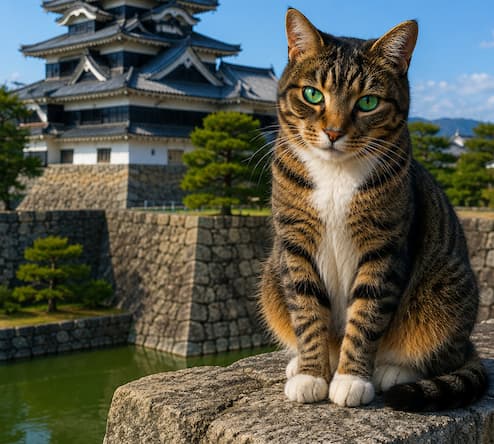
👆 Did you enjoy exploring the hidden engineering of Japanese castle moats? Just remember to step back a little when framing that perfect reflection shot! To explore castle roofs, palaces, and defensive walls, use the green navigation buttons at the top of the page.
🛡️ Travel Safety Notice: Enjoying Historical Paths with Peace of Mind
As noted above, most historic castle moats in Japan have no guardrails along their stone embankments. Please stay alert near water edges—especially when taking photos or walking at dusk. For international visitors exploring Japan’s castle sites, securing real-time travel health insurance is strongly recommended for smooth medical support during your trip.
⚔️ SafetyWing – Real-Time Travel Insurance for Global Travelers (Check Details)