– Traditional activities like participating in a tea ceremony or staying at a ryokan (traditional inn).
– Seasonal events such as hanami (cherry blossom viewing) or a summer matsuri (festival).
– Arts and crafts like ikebana (flower arranging), calligraphy, or learning to wear a kimono.
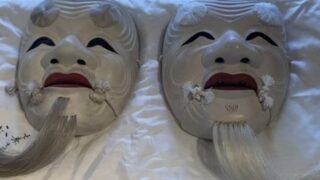
Must-Experience Culture Drop by the Kanazawa Noh Museum: Just the Right Size to Discover Japan’s Oldest Theatrical World Beyond Shakespeare#A Local Guide’s Quick Introduction
This blog offers a clear and concise introduction to the Kanazawa Noh Museum, home to Kaga Hosho—one of the five major styles of Noh, Japan’s UNESCO-recognized traditional performing art. While the museum may delve deeply for devoted Noh enthusiasts, its intimate scale makes it ideal for curious newcomers to grasp the basics of this centuries-old art, even on a tight schedule.
Hidden Gems Experience Ohi Ware: A Local Guide’s Quick Introduction to an Extraordinary, Sculpture-Like Clay Tea Bowl in Japanese Pottery
This blog provides a clear and concise introduction to Ohi ware—an extraordinary, sculpture-like clay tea bowl within Japan’s rich pottery tradition, with a history spanning over 350 years. Among Japan’s many forms of traditional pottery, Ohi ware stands out for its asymmetrical, unproportioned form and distinctive 'Ame-yu' (Amber Glaze) color.
Must-Experience Culture ⛩ Experience Jinja: A Local Guide’s Quick Manual on How to Enter Japan’s Most Mysterious and Sacred World!
This blog offers a clear and concise introduction to Jinja—Japan’s most mysterious and sacred world of Shinto shrines, focusing on the step-by-step procedures during a shrine visit."Entering Through the Torii Gate" to "Exiting Through the Torii Gate"