Must-Eat Food

– Sushi, sashimi, and ramen, representing traditional and modern Japanese cuisine.
– Regional specialties like okonomiyaki, Hida beef, or Kanazawa’s fresh seafood.
– Sweet treats such as mochi, matcha-flavored confections, or taiyaki.

Must-Eat Food

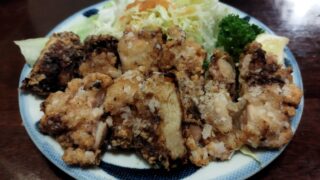
Experience Sanzoku-yaki, the “Bandit Dish”: Bold Japanese Fried Chicken Meets Yayoi Kusama-esque Avant-Garde Cuisine — A Local Guide’s Introduction!

Welcome to a bold and flavorful introduction to Sanzoku-yaki — a garlic-packed, heavily seasoned Japanese fried chicken born in Matsumoto, the city famed for its national treasure, Matsumoto Castle, and as the birthplace of avant-garde artist Yayoi Kusama. This unapologetically garlicky dish pairs perfectly with rice and beer. You’re meant to bite into it with gusto — just like a bandit would!
Must-Eat Food

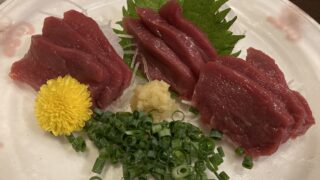
Experience Basashi—Horse Sashimi, Also Known as “Sakura Meat” (Cherry Blossom Meat): A Local Guide’s Introduction!

Welcome to a clear and captivating introduction to Basashi—horse sashimi, a traditional Japanese delicacy made from raw horse meat. High in protein, low in fat and calories, and rich in minerals like iron, horse meat has been enjoyed for centuries as a nourishing tonic.
Must-Eat Food

Experience Natto: Japan’s Traditional Yet Misunderstood Superfood – A Local Guide’s Introduction

Welcome to a clear and concise introduction to natto, a traditional Japanese dish made from fermented soybeans. Revered for its numerous nutrients and health benefits, some even believe natto holds the key to longevity. However, its strong, pungent aroma and sticky texture make it one of Japan’s more polarizing foods.
Must-Eat Food

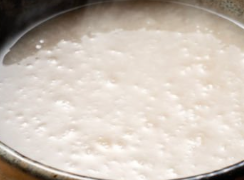
Experience Amazake: A Traditional Yet Misunderstood Japanese Sweet Drink – A Local Guide’s Quick Introduction!

Welcome to a clear and concise introduction to Amazake, a traditional Japanese sweet drink made from fermented rice. Since ancient times, Amazake has been associated with good fortune and vitality, often enjoyed during special celebrations for its refreshing taste and numerous health benefits—rich in vitamins, minerals, and enzymes. Despite its long history, many—including Japanese people—find it mysterious, often avoiding it due to its somewhat misleading name and complex history.