Introduction
Welcome to our virtual tour! Are you planning to visit a Japanese shrine but feeling a bit overwhelmed by the complex rituals and mysterious structures? Don’t worry—you’re not alone.
In this post, we’ll imagine a common situation: You’re traveling by train with a local friend, and suddenly, you decide to hop off at a nearby station to visit a beautiful local shrine.
This guide is designed for those who want to understand the “real heart” of Shinto without getting bogged down in dry historical dates or difficult names. We focus on the “why” and “how” of shrines, sprinkled with some local humor you won’t find in official brochures.
0. What’s in This Guide?
You can read through the whole tour or jump to the parts that pique your curiosity:
- Essential Vocabulary: What are those things you see in the yard?
- Shrine Basics: The “must-know” points and easy-to-understand explanations.
- Q&A for Travelers: Answers to those “innocent questions” everyone has.
- Ready to Crack a Smile?: Deep insights mixed with a bit of local banter.
1. Essential Vocabulary for Your Visit
Before we enter the gate, let’s look at a few things you’ll spot immediately. These are the “labels” that will make you look like a pro!
1.1 Things You’ll See Right Away
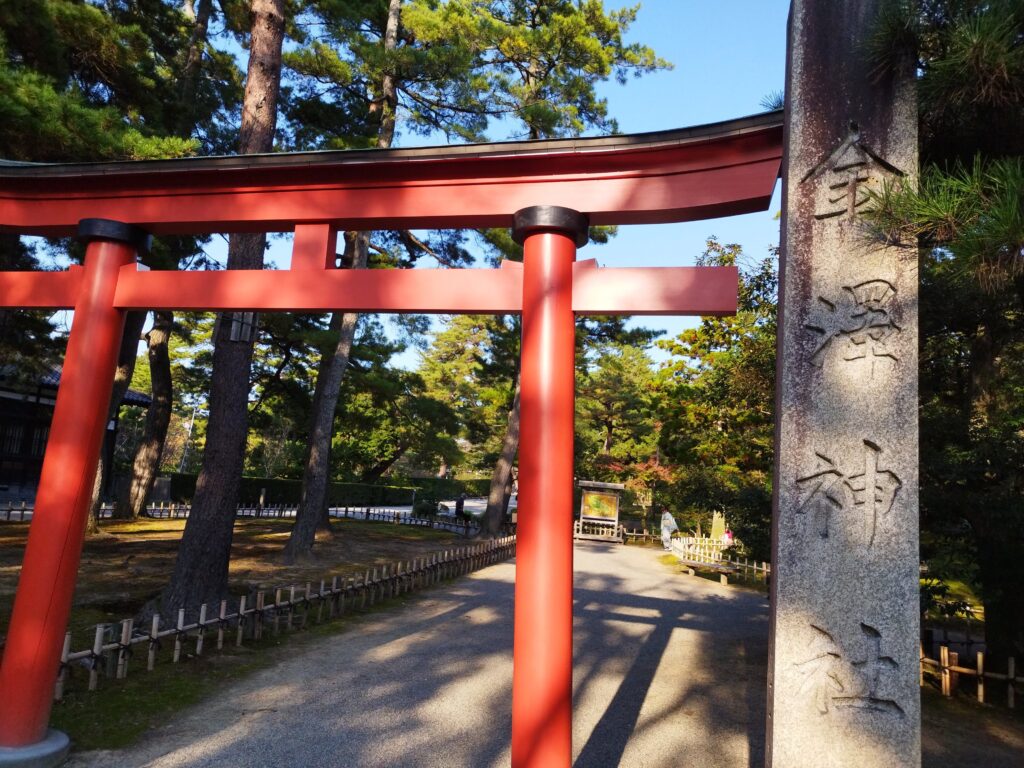
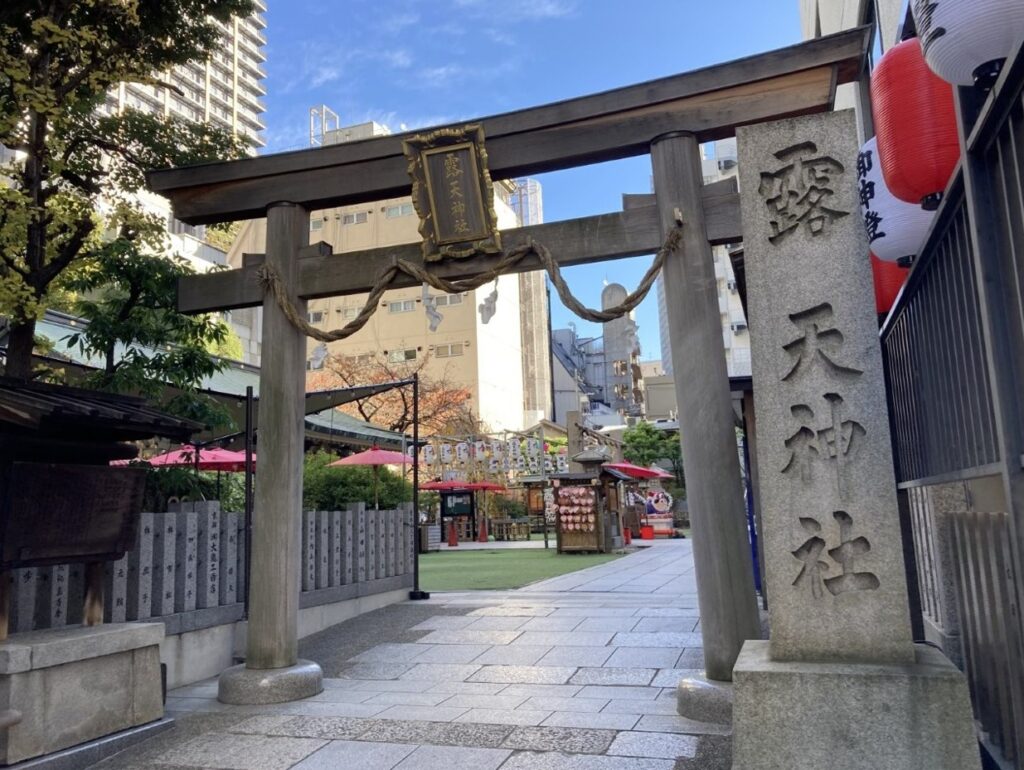
- Torii Gate: The iconic gateway that marks the entrance to the sacred area.
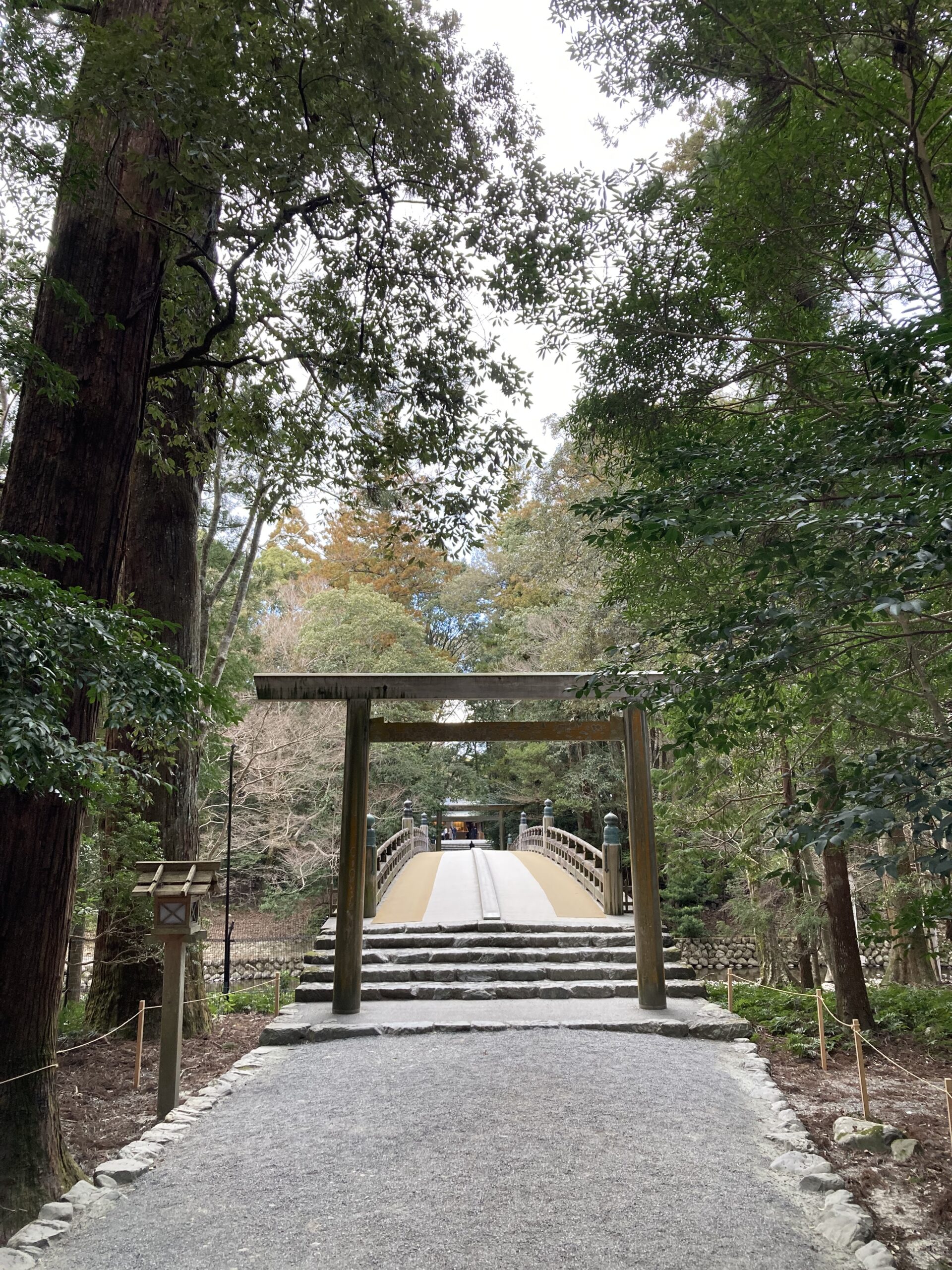
- Sando: The approach path leading to the main building.
- Osaisen: Small coin offerings for the spirits (The “price” of a thank-you!).
- Omamori: Colorful lucky charms for personal protection.
- Omikuji: Random fortune slips (Your divine DM for the day).
- Ema: Wooden plaques where people write their secret wishes.
- Temizuya: The water pavilion for purifying your hands before praying.
1.2 Deep Dive Keywords (For the Enthusiasts)
If you want to impress your friends, remember these:
- Komainu: Those “lion-dog” statues guarding the entrance.
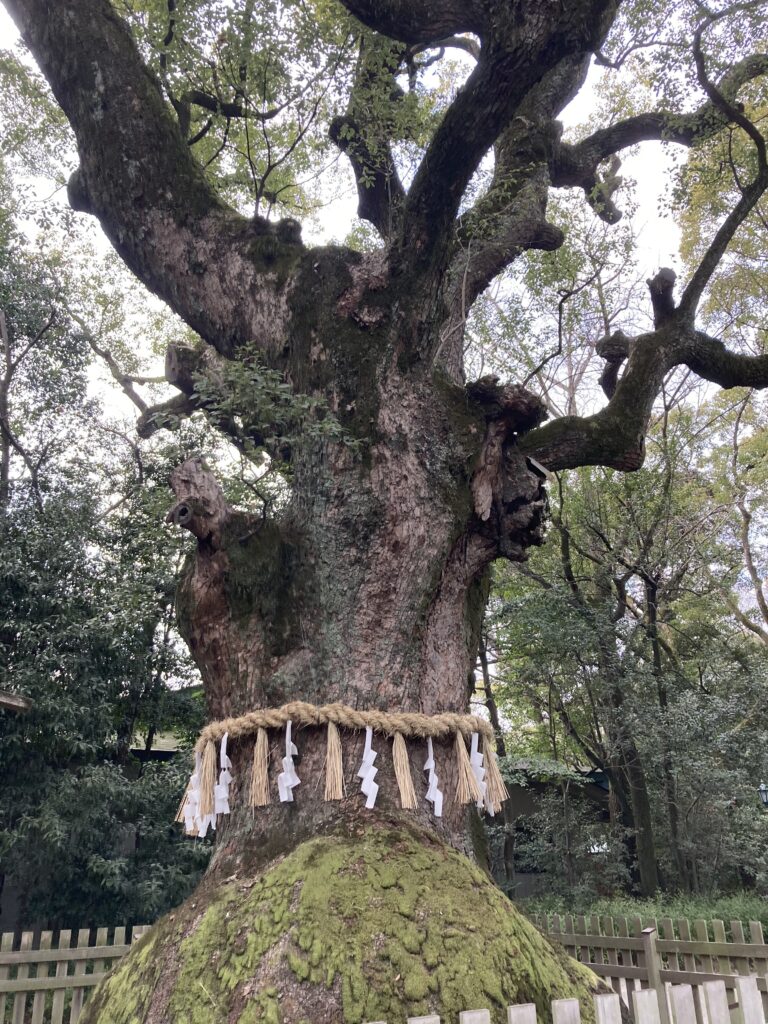
- Shimenawa: The sacred rice-straw ropes that act like “Spiritual Keep Out” tape.
- Yaoyorozu-no-kami: The concept of “Eight Million Gods”—meaning spirits are everywhere in nature!
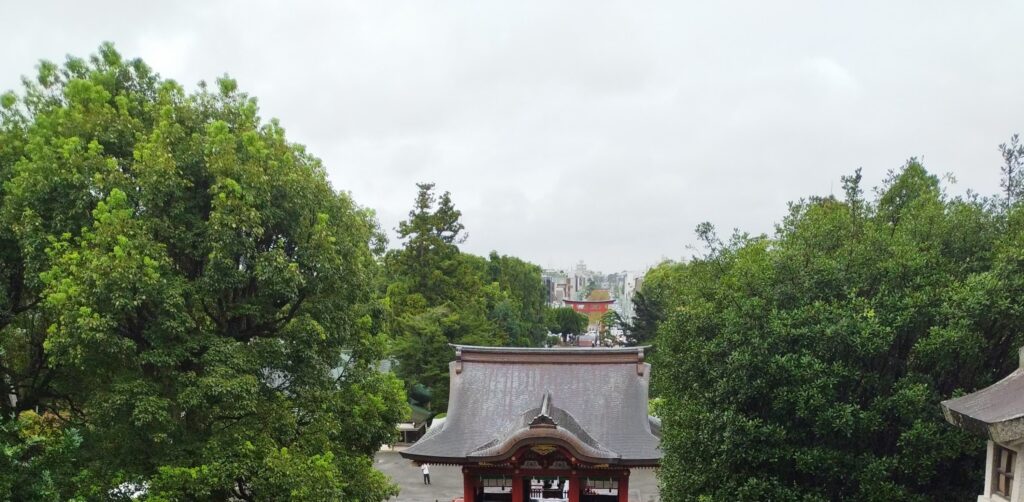
2. All About Shinto Shrines
Now, let’s imagine we are standing right in front of the Torii gate. Here is the essential “software” you need to understand the world of Shinto.
2.1 Deep Dive: 10 Things to Know Before You Enter
These points explain the unique “vibe” of Japanese shrines. Understanding these will make your visit much more meaningful.
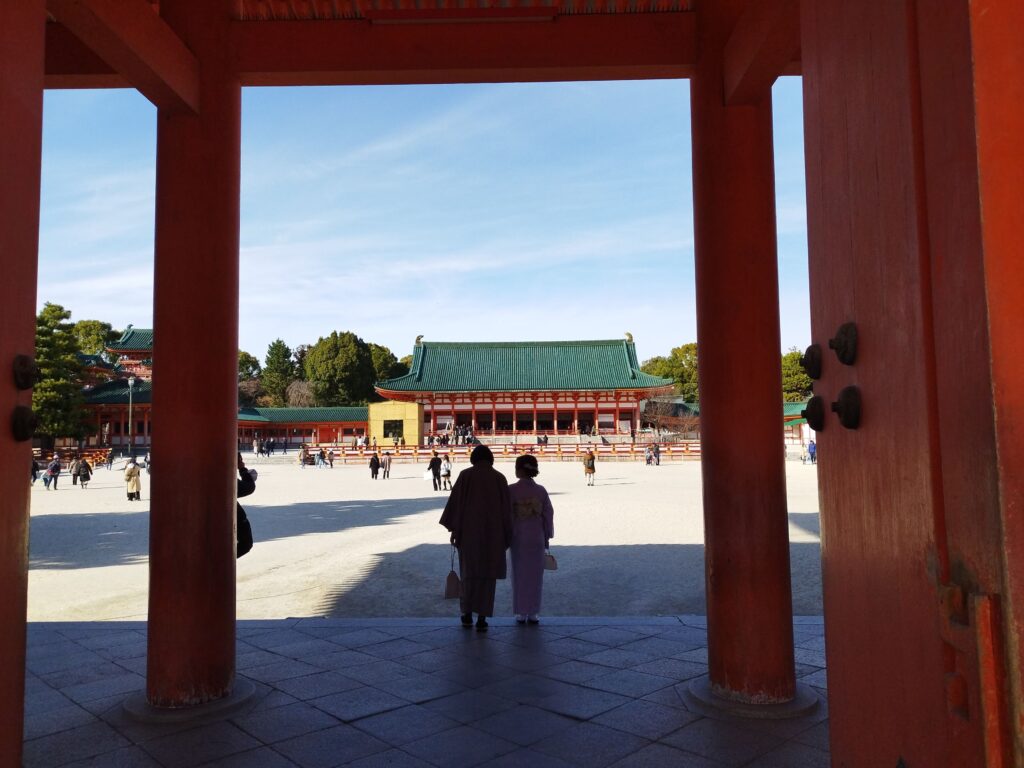
- Indigenous Faith: A shrine is a sacred site for Shinto, Japan’s native belief system. It’s fundamentally different from a Buddhist temple in its origins and purpose.
- Nature is God: Shinto has no specific founder or holy book. It is based on animism—the belief that spirits (Kami) reside in all things in nature, like mountains, ancient trees, and waterfalls.
- The Gate as a Border: The Torii gate acts as a spiritual boundary, separating our everyday secular world from the sacred realm of the spirits.
- Celebrating Life: Unlike temples, shrines are generally not for mourning. They are positive spaces to celebrate life, express gratitude, and pray for future prosperity.
- The Deities’ Highway: The center of the approach path (Sando) is reserved for the gods. Traditional etiquette suggests that humans should walk along the sides.
- Purity First: Before praying, visitors perform Temizu (ritual purification) at the water pavilion to wash away daily impurities from their hands and minds.
- Gratitude, Not a Fee: The coins tossed into the offering box are not a “payment” for a wish. They are a token of gratitude to the spirits for their daily protection.
- Invisible Presence: Japanese spirits rarely have a physical form like a statue. They reside symbolically in objects like mirrors or swords kept deep inside the sanctuary.
- Specialists in Success: Many shrines host specific deities. Japanese people visit different shrines depending on their needs, such as business success, safe childbirth, or passing an exam.
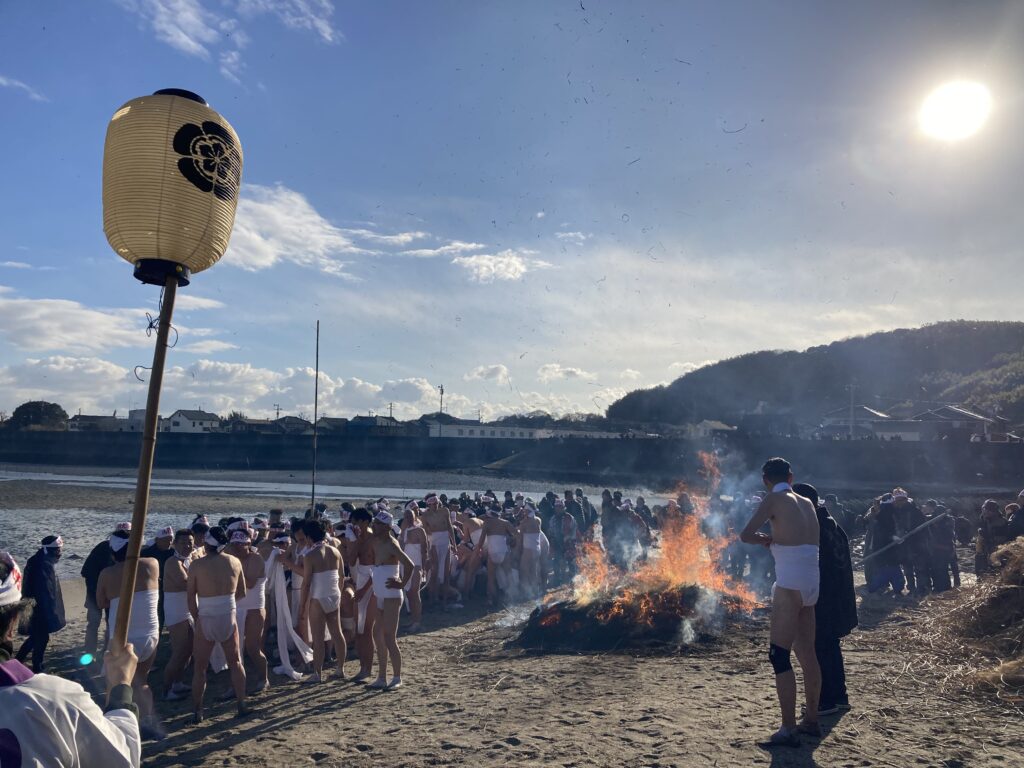
- Community Heart: Shrines have historically served as local hubs. Festivals (Matsuri) are held to entertain the spirits and strengthen the bonds of the local community.
2.2 Walk & Talk: Simple Phrases for Your Visit
If you’re walking through the shrine with a friend right now, these are the simplest ways to explain what’s happening.
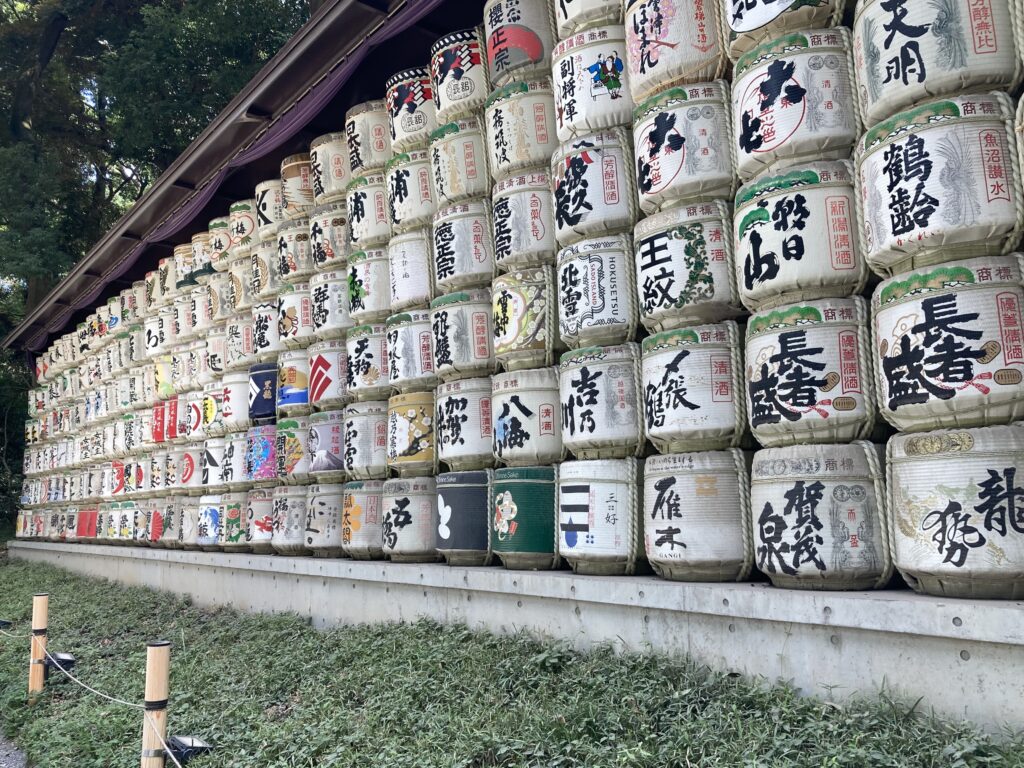
- Origin: “A shrine is for Shinto, while a temple is for Buddhism. They have different roles.”
- Spirituality: “Shinto is all about finding the divine in nature.”
- The Gate: “The Torii gate marks the entrance to the spirit world.”
- Positive Vibe: “Shrines focus on celebrating life and gratitude, not on death.”
- Etiquette: “The center of the path is for the gods, so we usually walk on the sides.”
- Purification: “We cleanse our hands with water here to prepare our hearts for the spirits.”
- Offerings: “The coin is a small ‘thank you’ rather than a payment for a wish.”
- The Deities: “Gods here are invisible; they are symbolized by sacred objects like mirrors.”
- Variety: “We choose different shrines depending on what we want to pray for.”
- Festivals: “Shrines bring people together through lively festivals called Matsuri.”
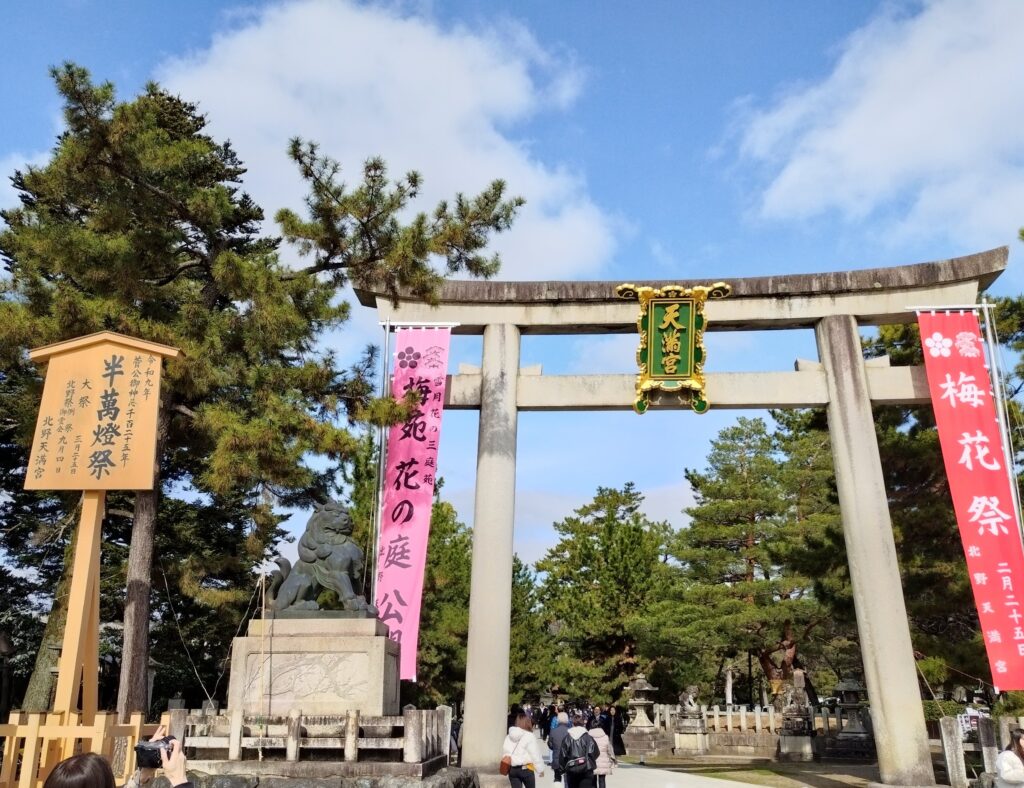
2.3 FAQ: Traveler’s Perspective
Here are the top 10 questions international visitors often ask when stepping into a shrine.
Q1: What is the easiest way to tell the difference between a temple and a shrine? A: Look for the Torii gate. If there’s a gate, it’s a shrine. If there’s a massive roofed gate (Sanmon) and statues of Buddha, it’s a temple.
Q2: Is it okay to take photos? A: Taking photos of the scenery and exteriors is perfectly fine. However, please avoid taking photos of the altar or the deities inside the buildings as a sign of respect.
Q3: Why are many Torii gates painted bright red? A: Red is believed to ward off evil spirits. Historically, the paint also contained mercury, which acted as a preservative to protect the wood from rotting.
Q4: What should I say when I pray? A: There are no strict rules for your words, but a common approach is to start with a “thank you” for your daily life, and then make one specific wish.
Q5: I’m Christian/Muslim. Is it okay for me to pray here? A: Absolutely! Shinto is very inclusive. The spirits are said to welcome anyone who shows respect to nature and the world, regardless of your own faith.
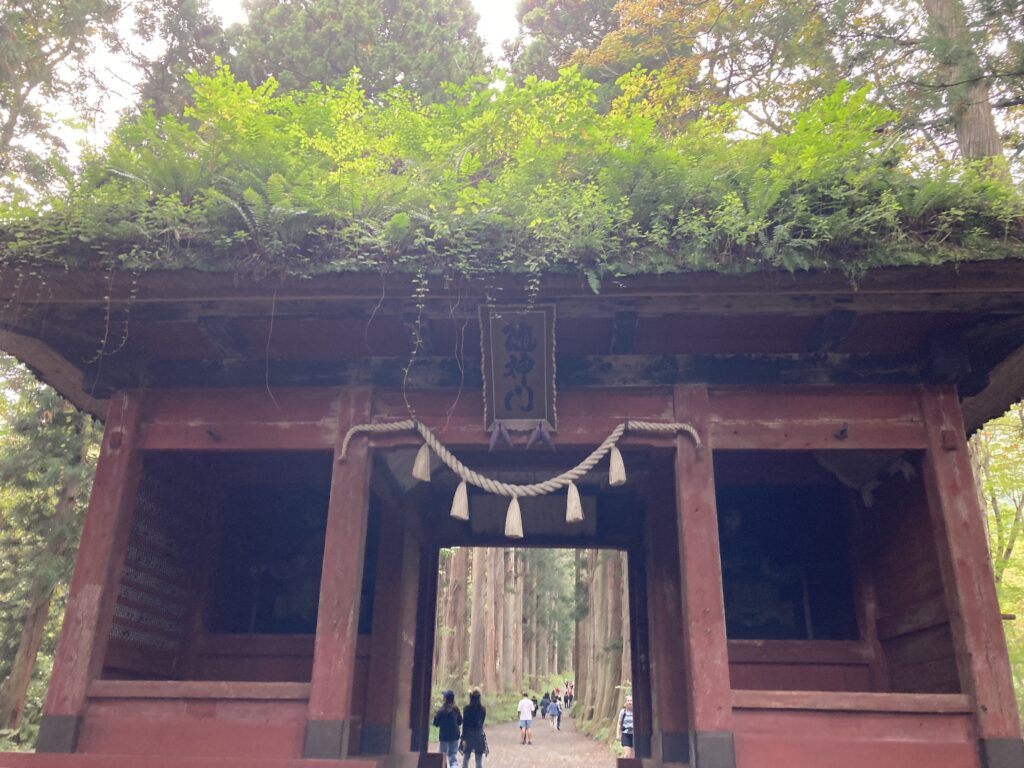
Q6: How much money should I offer? Is 100 yen too much? A: It’s the thought that counts, not the amount. However, the 5-yen coin is considered the luckiest. In Japanese, “5 yen” is pronounced Go-en, which is a homophone for “Good Connection” or “Fate.”
Q7: What if I get “Bad Luck” on my fortune slip (Omikuji)? A: Don’t worry! That’s actually a lucky sign in disguise—it means your luck can’t get any worse, so it’s only up from here!
Q8: What is that straw rope (Shimenawa) around the tree for? A: Think of it as spiritual “Keep Out” tape. It marks a boundary, showing that the tree is a sacred space where a spirit resides.
Q9: Do the priests and shrine maidens live here? A: Surprisingly, no. Most of them commute to work. After their shift ends, they change into casual clothes, go home, and watch TV or Netflix just like everyone else!
Q10: Why do Japanese people say they aren’t religious while visiting shrines so often? A: For most of us, Shinto is a lifestyle or a habit rather than a “religion” with strict doctrines. It’s woven into our daily DNA, much like saying “hello” or keeping things clean.
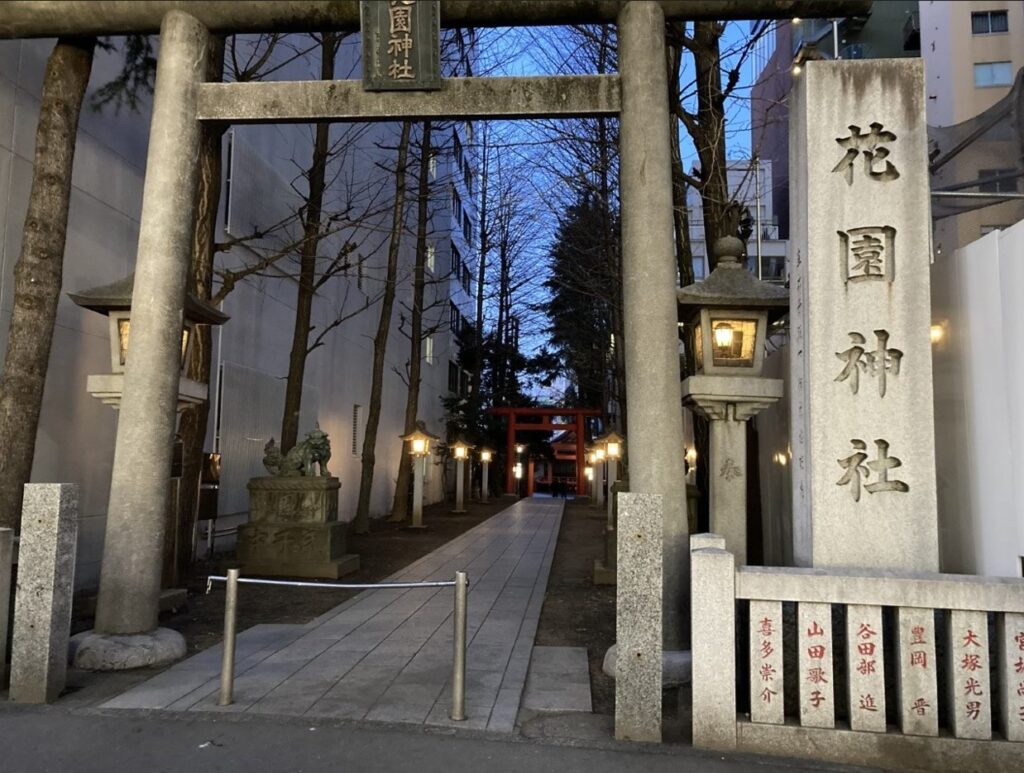
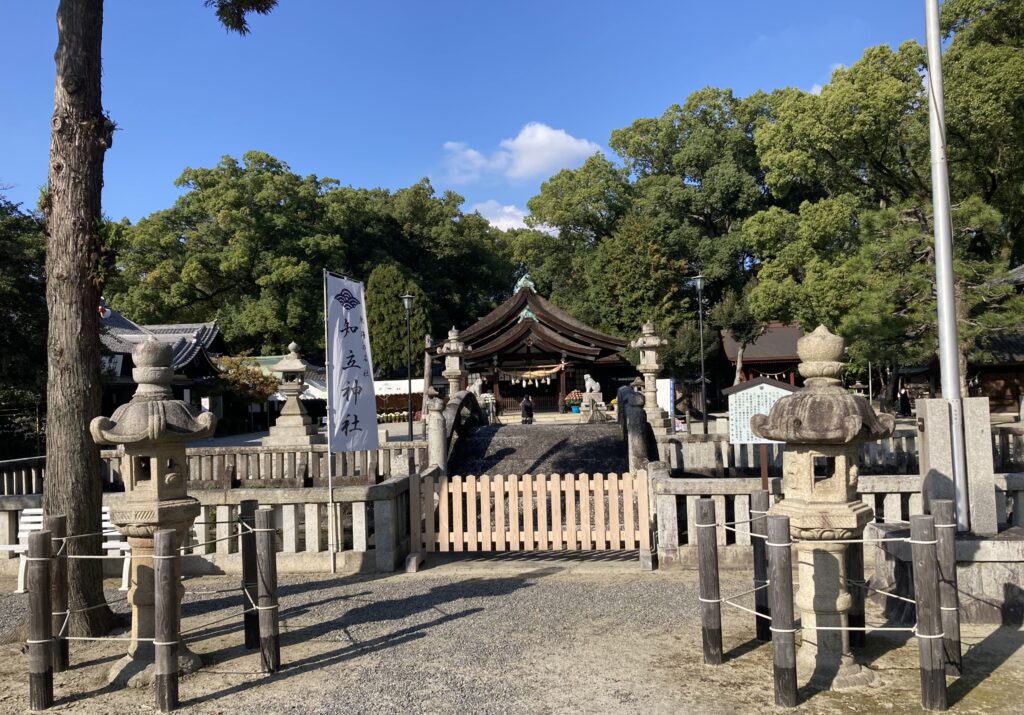
2.4 Ready to Crack a Smile? (Beyond the Official Guidebooks)
Now that you know the basics, let’s dive into the “real” conversations you might have at a shrine. While official brochures give you dry facts, these stories explore the deeper—and sometimes funnier—side of Shinto.
Each story starts with a serious cultural insight and ends with a playful local perspective. Feel free to use these “spices” to flavor your own conversations!
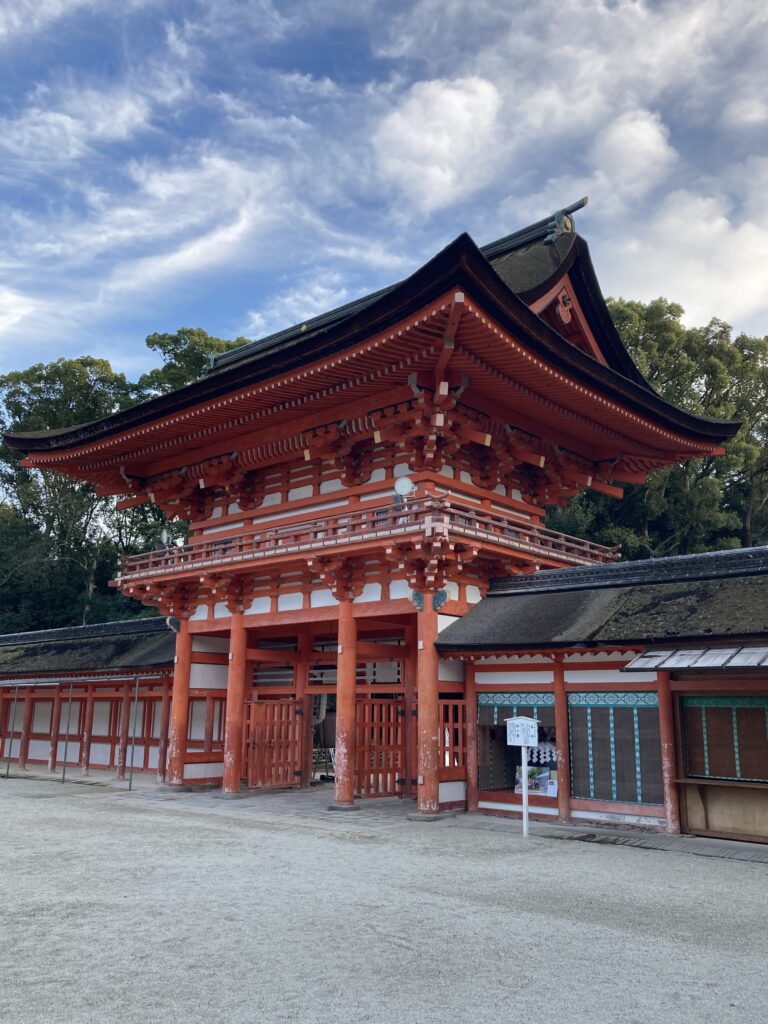
Q1: What do people actually do at a shrine?
Ever wonder why Japanese people stand so still in front of an empty-looking building? Here’s the secret.
- A shrine is, quite literally, a place where the gods reside. Since ancient times, Japan has had countless deities connected to nature — mountains, forests, trees, and so on.
- This is why we often say there are “eight million gods”: it expresses the idea that the divine exists everywhere in the natural world.
- Shrines typically enshrine sacred objects such as mirrors or swords that appear in mythology, or items connected to the Imperial lineage.
- Because the gods are believed to dwell within these objects, their forms are not shown.
- So beyond the worship hall, you won’t find statues or images of the gods — only a quiet, partitioned space where they are said to reside.
- In that sense, shrines are sacred spaces shaped by the Japanese imagination over more than two thousand years. You could even say that the roots of Japan’s modern anime culture lie in this long tradition of giving form to invisible spirits.
- And maybe because of that, some young people today visit shrines like they’re meeting their favorite anime characters.
- They make some very bold requests — as if the gods were running a customer service desk.
- But shrines aren’t wish‑granting machines. They’re places to offer gratitude.
- Of course, it’s fun to visit so‑called “power spots,” but please don’t get carried away. The gods have been around a lot longer than we have, and they might just use their power to “power‑harass” people in unexpected ways.
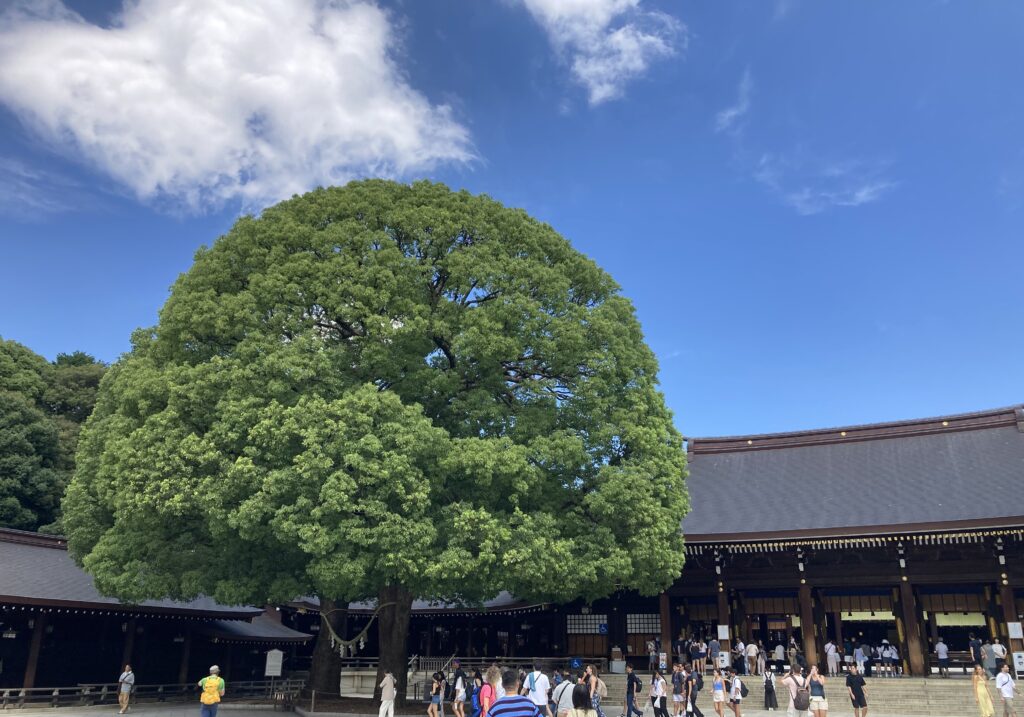
Q2: When was the shrine built?
It’s a natural question, but the answer goes back to a time before buildings even existed.
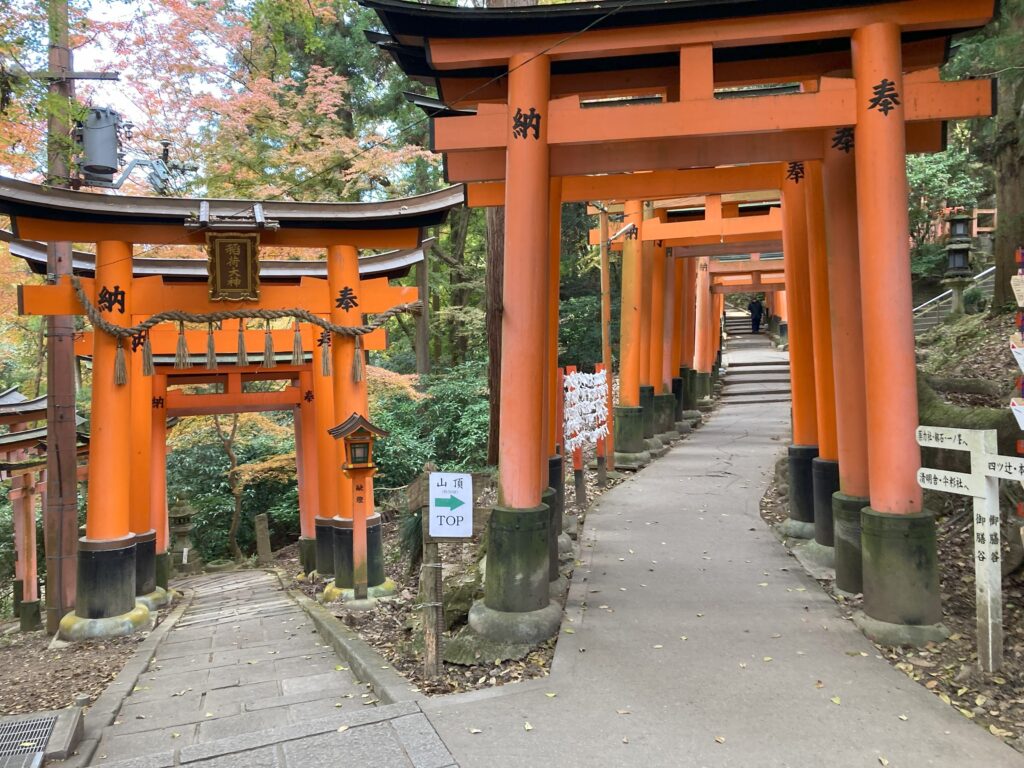
- Shrines in Japan range from those over a thousand years old to others built much more recently.
- In fact, shrines like this were constructed in later periods; originally, there was nothing here at all. Ancient Japanese people believed that deities descended from the heavens and dwelled in specific rocks (iwakura), giant trees, or mountains.
- At that time, they worshipped these natural objects directly, or marked them as sacred by placing ropes (shimenawa) around them.
- It is said that shrine buildings began to appear around the 6th century, influenced by Buddhism introduced from China.
- After seeing magnificent temples filled with Buddhist statues, people seem to have felt that the gods of nature also needed a permanent home.
- From simply responding to the presence of the gods, the act of building shrines gradually nurtured a sense of hospitality toward them.
- When you think about it, the Japanese spirit of hospitality may have been shaped through the very process of creating homes for the gods.
- In Japan, there is a common saying, “The customer is God,” which reflects this traditional mindset.
- But in modern times, the meaning has shifted quite a bit, and many consumers misunderstand it — giving rise to terms like “customer harassment.”
- And once gods get angry, they’re truly unstoppable — whether they’re the gods of consumers or the gods of shrines!
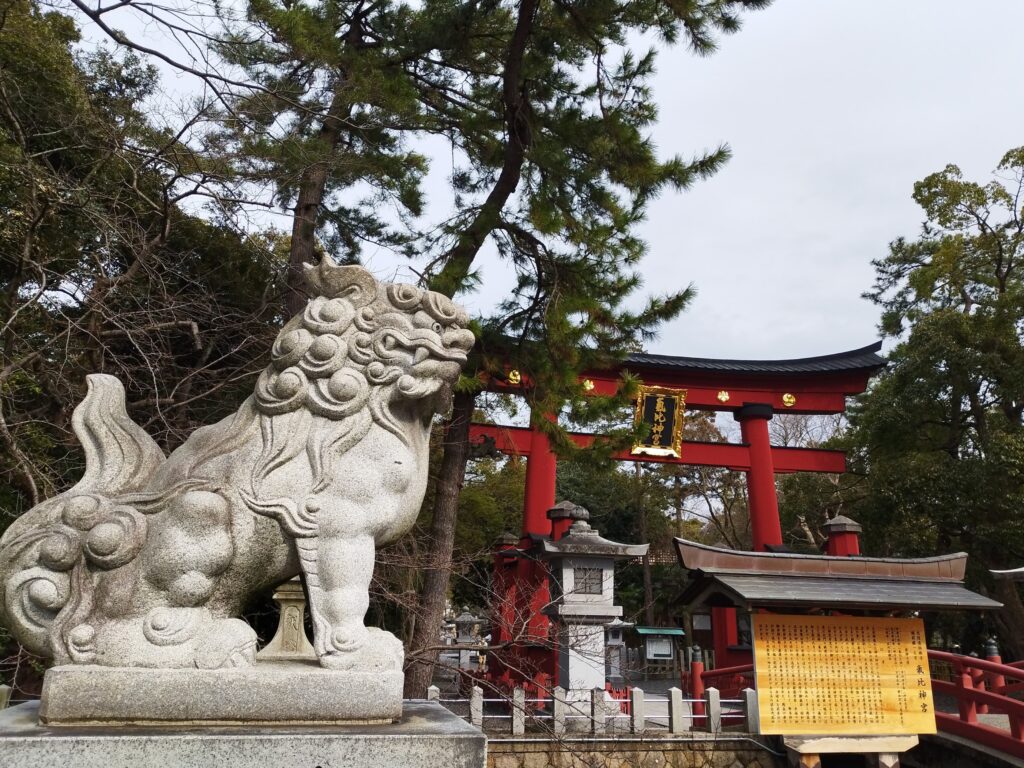
3. What is Shinto?
The spiritual “Operating System” of Japan.
3.1 Deep Dive: The Core Philosophy
Shinto is often called a religion, but it’s more like a “way of life” that has shaped the Japanese heart for millennia. Here are 10 keys to understanding it.
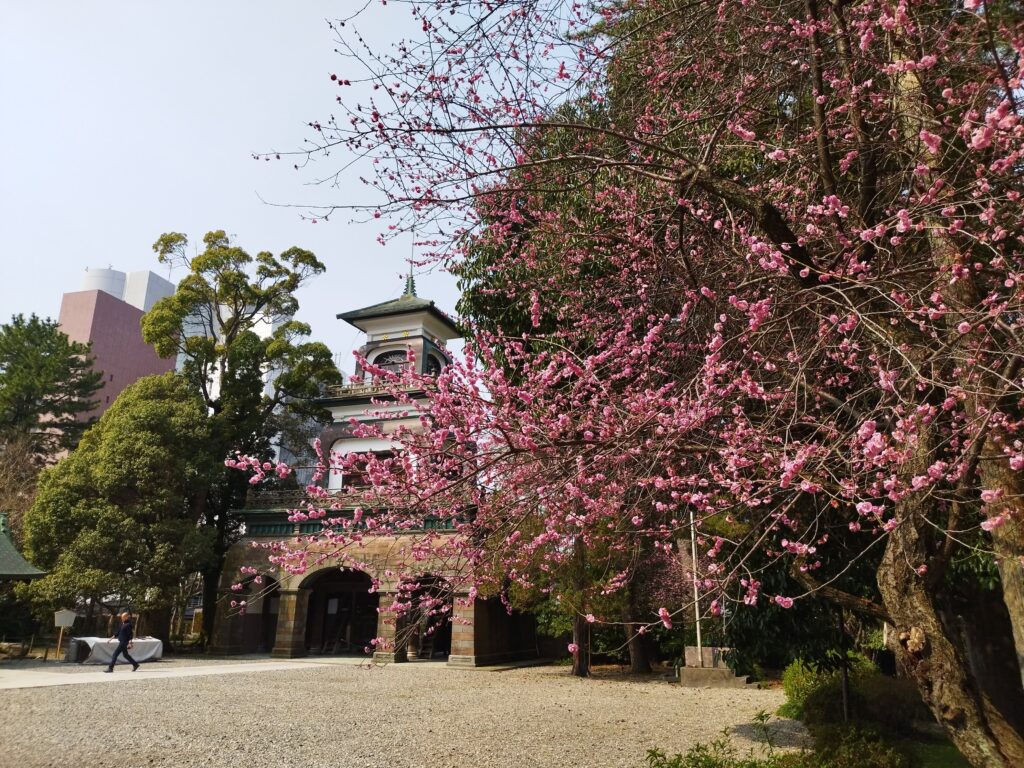
1. There is no founder. Shinto has no specific leader; it is a natural way of life born from the Japanese landscape.
2. There is no scripture. There are no absolute rules or holy books; it is about sensing with your heart rather than studying.
3. There is no single “God.” Instead of one God, we respect the “eight million spirits” dwelling in the sun, mountains, and rocks.
4. Everything is about respect for nature. The essence of Shinto is gratitude to nature, which is why Japanese people cherish the changing seasons.
5. We purify “impurities,” not “sins.” Instead of punishment for sins, we focus on washing away mental stress to return to a pure state.
6. We celebrate the present moment. Rather than worrying about the afterlife, we value living brightly and happily in the “here and now.”
7. It is the spirit of harmony. It is a flexible wisdom that avoids conflict and coexists peacefully with other cultures like Buddhism.
8. It is the root of Japanese hospitality. The habit of welcoming invisible spirits as guests is the foundation of Japan’s famous hospitality.
9. It is the “operating system” of Japan. Even if people claim not to be religious, their actions are all run on the Shinto “OS.”
10. It is the inspiration for pop culture. The Ghibli worldview that “everything has a soul” is the very essence of the Shinto spirit.
3.2 Walk & Talk: Explaining Shinto in Simple Terms
If your freind asks, “So, what exactly is Shinto?” while you’re strolling together, try these simple phrases.
1. It has no specific founder like Jesus or Buddha; it’s an ancient lifestyle born from nature.
2. There is no Bible or holy book; Shinto is about “feeling” rather than “studying.”
3. We find spirits everywhere—in mountains, waterfalls, trees, and even the wind.
4. The heart of Shinto is living in harmony with the changing seasons and nature.
5. Instead of “sin,” we focus on “purifying” our minds to stay fresh and clear.
6. Shinto is about celebrating the “here and now” rather than worrying about the afterlife.
7. It values harmony with others, which is why it coexists peacefully with Buddhism.
8. The culture of welcoming invisible spirits led to Japan’s famous hospitality.
9. Even if Japanese people say they aren’t religious, Shinto is part of their daily DNA.
10. Ghibli movies like Spirited Away are deeply inspired by this world where everything has a soul.
3.3 FAQ: Understanding Shinto Philosophy
Common questions about Japan’s spiritual DNA.
- Q1. What does “Shinto” actually mean? A: It literally means The Way of the Gods. It is not a set of teachings created by a specific person; it refers to living in harmony with nature as practiced since ancient times.
- Q2. Is Shinto a religion? A: Officially, yes, it is classified as a religion. but for most Japanese, it feels more like “manners” or “culture” than a formal faith.
- Q3. When did Shinto begin? A: It doesn’t have a specific birthday. It emerged over 2,000 years ago from gratitude toward nature when rice farming began.
- Q4. Do modern people still believe in Shinto? A: Instead of “believing” it, it’s more like we “practice” it. Even people with the latest iPhones go to shrines to pray for success.
- Q5. What makes Shinto unique? A: Its “openness and tolerance.” There are no absolute rules or exclusive my‑way‑only attitudes.
- Q6. Are Shinto and the Emperor the same thing? A: They aren’t the same, but they are connected. The Emperor is like the “head priest of Japan.”
- Q7. Which do Japanese believe: Shinto or Buddhism? A: The answer is “Both.” We use them for different occasions: Shrines are for happy events and Temples for somber events like funerals.
- Q8. What is the relationship between Shinto and Shrines? A: Shinto is the “concept,” and the Shrine is the “physical place” where you experience it.
- Q9. Does the word “Kamikaze” come from Shinto? A: Yes. It originally referred to the typhoons that protected Japan from the Mongol invasions, called the Divine Wind.
- Q10. What kind of gods are the Shinto gods? A: They aren’t “perfect” beings. They are human-like characters who laugh, get angry, and sometimes make mistakes.
3.4 Ready to Crack a Smile? (The Shinto Edition)
Behind the scenes of Japan’s spiritual philosophy.
Q3: What exactly does “Shinto” mean?
Is it a religion? A philosophy? Or just a very long walk? Let’s find out.
- Literally translated, it means “the way of the gods.” Shinto is a set of beliefs in deities that arose naturally among the Japanese people, so for thousands of years it didn’t even have a formal name.
- The term “Shinto” first appears in Japan’s ancient official chronicles, where it was used to distinguish native beliefs from Buddhism, which arrived from China in the 6th century.
- Unlike Buddhism, Shinto has no founder and no systematic doctrine, so it’s difficult to treat it as a “religion” in the Western sense.
- Instead, its backbone is expressed through the ancient texts that describe its history and worldview.
- What’s interesting is that it’s called the Way of the gods, not the Teachings of the gods. When people hear “the Way” (michi or dō), many probably think of tea ceremony or judo.
- Both involve repeating forms—rituals—to cultivate the mind and elevate the spirit.
- Their goals differ slightly, though: martial and performing arts aim at “self‑perfection,” while the Way of Shinto aims at maintaining “harmony with nature and the community.”
- Put simply, the path of the elite is narrow, but the path of Shinto is broad and open to anyone.
- So here’s a catchphrase for attracting inbound visitors: “Experience a two‑thousand‑year‑old Broadway—far broader and older than New York’s Broadway.
- Admission requirements: the ability to bow.”
Q4: Is Shinto the state religion of Japan?
A complex question about history, politics, and the “invisible” presence of faith.
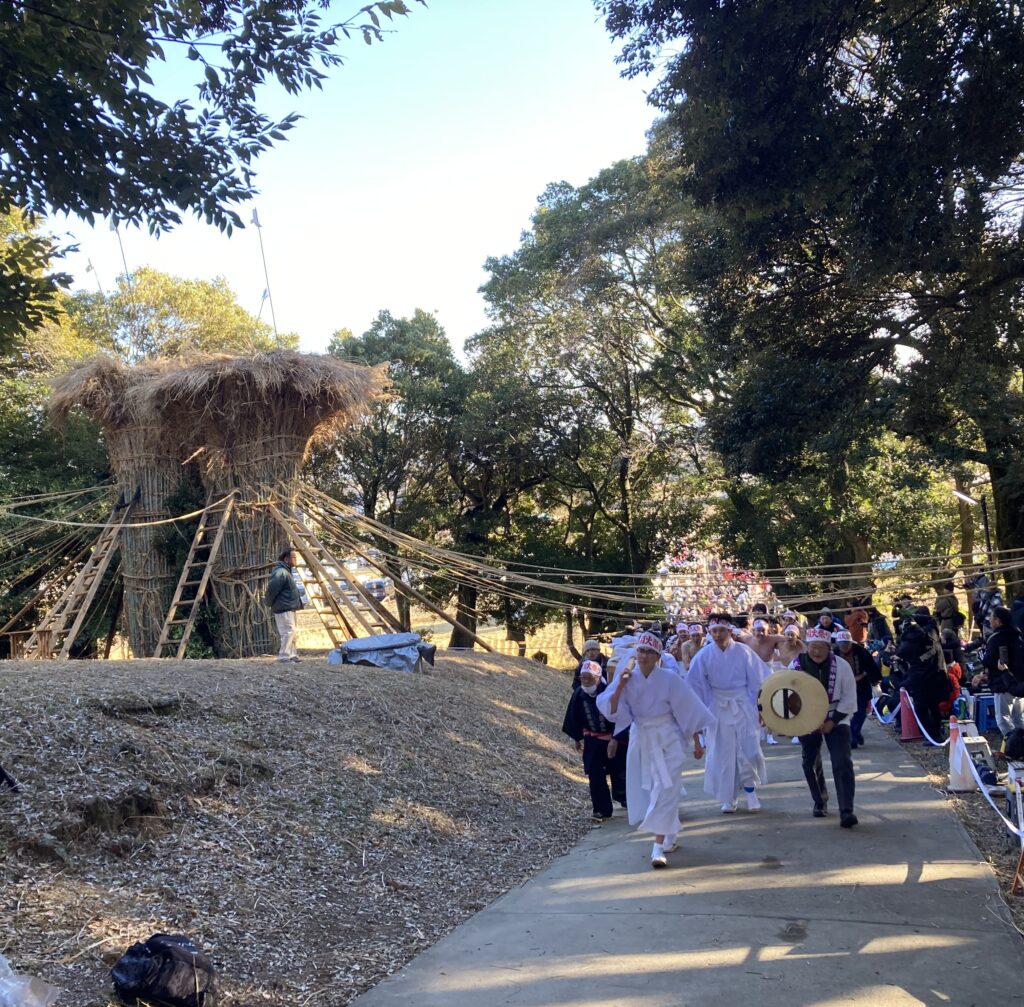
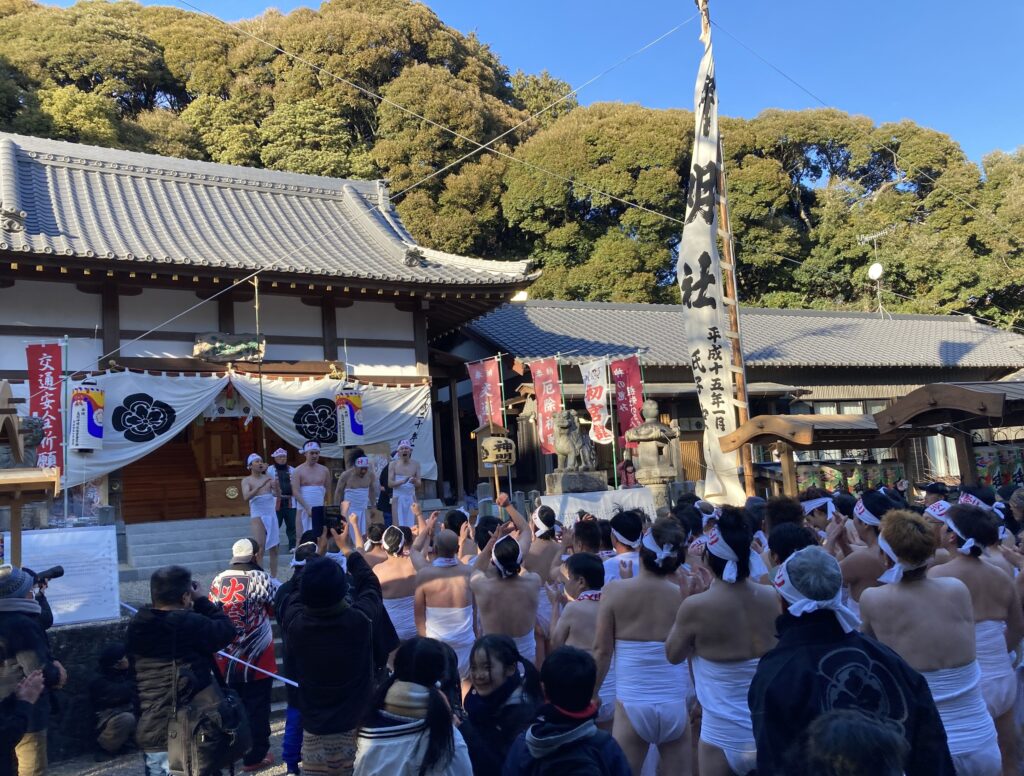
- Officially, Japan is not a Shinto state. The current Constitution clearly states the principle of the separation of religion and state.
- The government neither grants special privileges to any religion nor imposes one on its citizens.
- There was, however, a period in modern Japan when a government‑administered “State Shinto” existed.
- Because the Emperor’s role as head of state was emphasized during that era, many people overseas still imagine Japan as a Shinto nation.
- While Shinto is not an official state religion today, it can certainly be seen as a cultural backbone.
- Many national holidays are tied to Shinto rituals, which makes young people happy—they get days off, after all. Unfortunately, most of them have little interest in the meanings behind those holidays, even though Shinto has quietly supported them since the day they were born.
- Many claim to be atheists and say they don’t believe in Shinto deities, often without much thought about what “agnosticism” actually means.
- Yet as people grow older, through life events like marriage and childbirth, they gradually come to appreciate the deeper significance of Shinto’s presence.
- In that sense, one might say Shinto is a kind of state religion—just not one taught through doctrines. Instead, it offers a gentle, surrounding guidance that awakens awareness naturally.
- Like grandparents who have been around for two thousand years.
Thank you & Afterwards
🔶Thank you so much for reading to the end! If you have any comments or requests, please feel free to reach out to us at the email address provided in the 📧Assistance & Services📞 section.🔶GOLD
($6%/S3)