0. Experience Zuisenji: The Sanctuary of Faith and Art
Imagine a place where a fortress-like temple meets a 300-year-old art gallery. Welcome to Zuisenji Temple, the spiritual birthplace of Inami Woodcarving.
Some call it the “Mont Saint-Michel of Japan” for its majestic presence and the vibrant town that surrounds it. From the massive “3D” dragons carved into the wood to a surprising collection of temple-branded wines, Zuisenji is full of secrets.
This guide reveals the temple’s soul from 5 unique angles:
- The Vibe: Why this “Living Museum” reminds visitors of Europe’s great cathedrals.
- The Walls: The stone fortress that hides a warm, welcoming secret.
- The Art: How the “Hall of Faith” became a world-class “Hall of Art.”
- The Taste: The mystery of why a Buddhist temple produces its own wine.
- The Spirit: What temple sculptures teach us about Japanese values today.
1. The “Two Faces” of Zuisenji
Think of Zuisenji as more than just a temple. It’s an Art Museum for some, and a Mountain Fortress for others. If you’ve ever been to Mont Saint-Michel, you’ll recognize the same spiritual energy here, tucked away at the foot of the Japanese Alps!
1.1 The Living Museum: Where Sacred Faith Meets Japan’s Best Wood Art
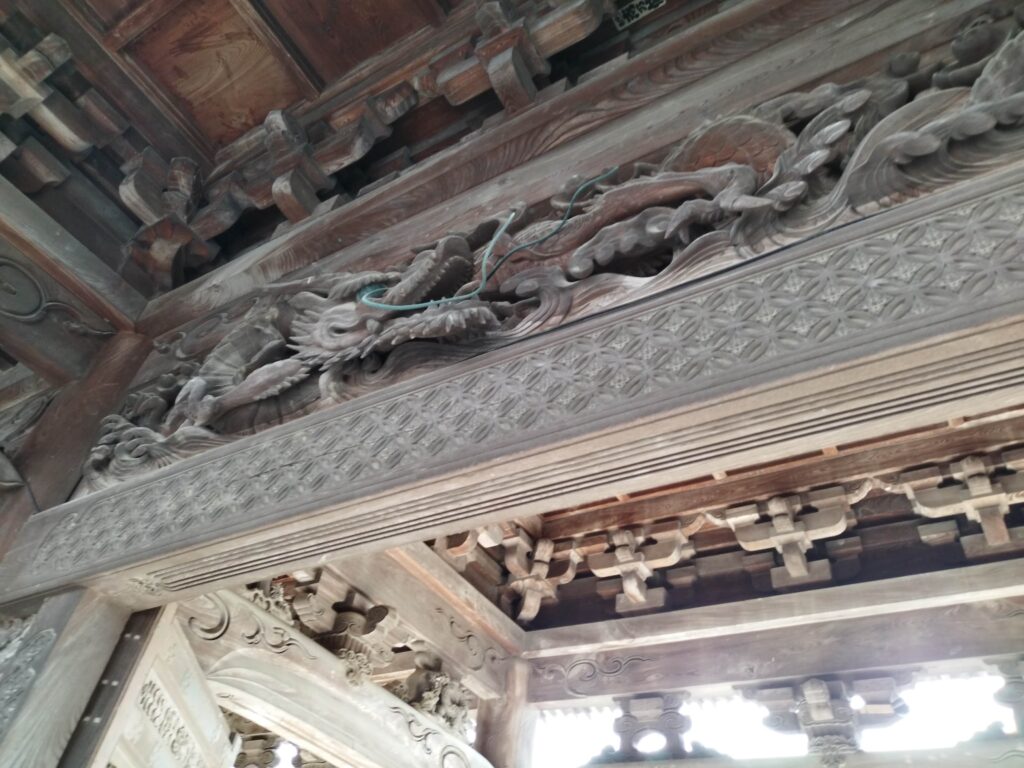
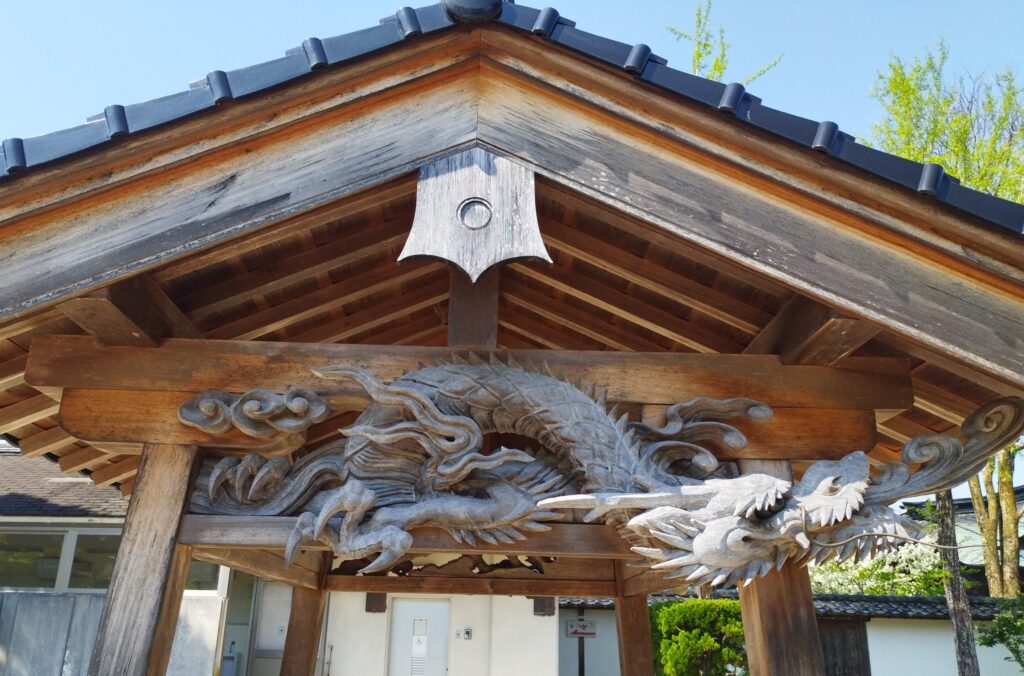
- Zuisenji Temple is widely known among art lovers as the ancient temple that fostered Inami wood carving, highly valued as the best wood carving technique in Japan. The entire temple is adorned with artistic carvings of a level of precision and quantity rarely seen in other temples. You can appreciate the religious spirit and aesthetic sense of the Japanese people simultaneously in this museum-like temple.
- 👉First, let’s start with the orthodox basic introduction. We have divided it into three sentences so that it can make sense to readers step by step depending on the interst.
1.2 The Living Museum: Where Sacred Faith Meets Japan’s Best Wood Art
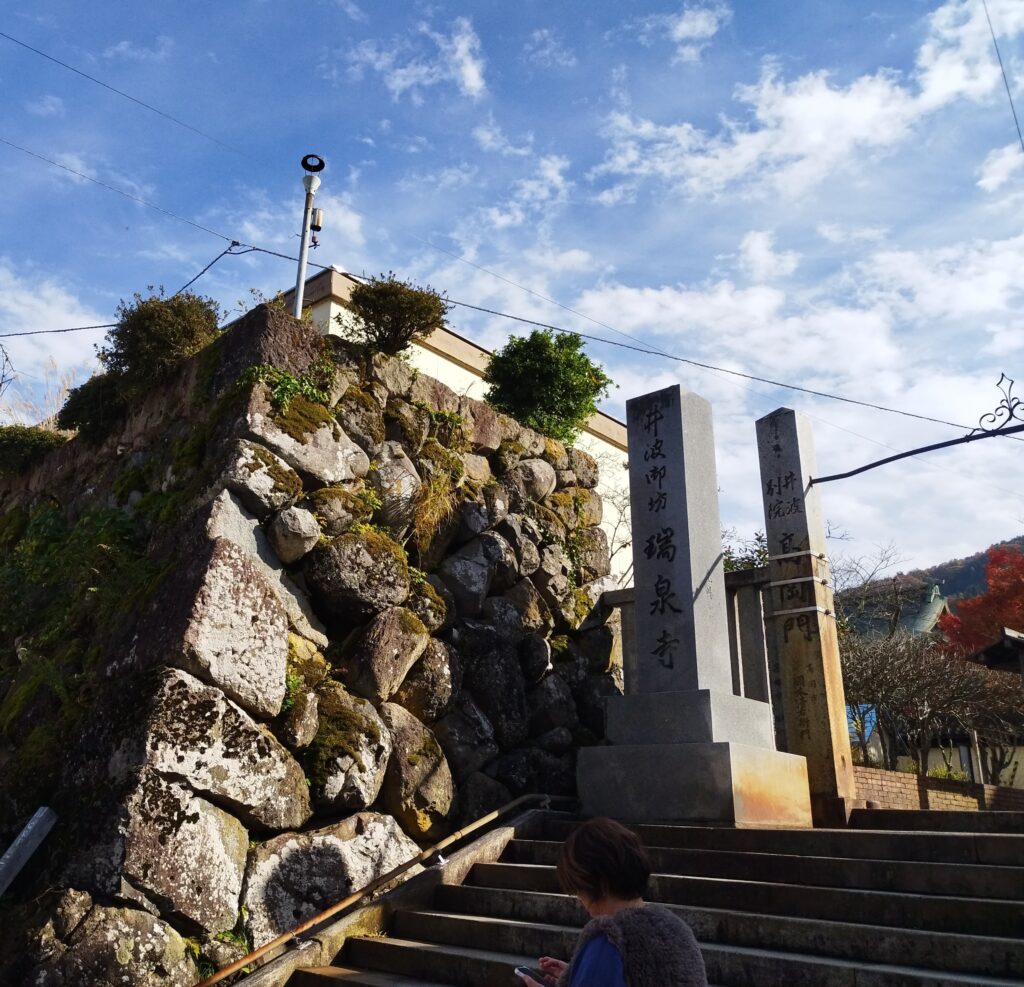
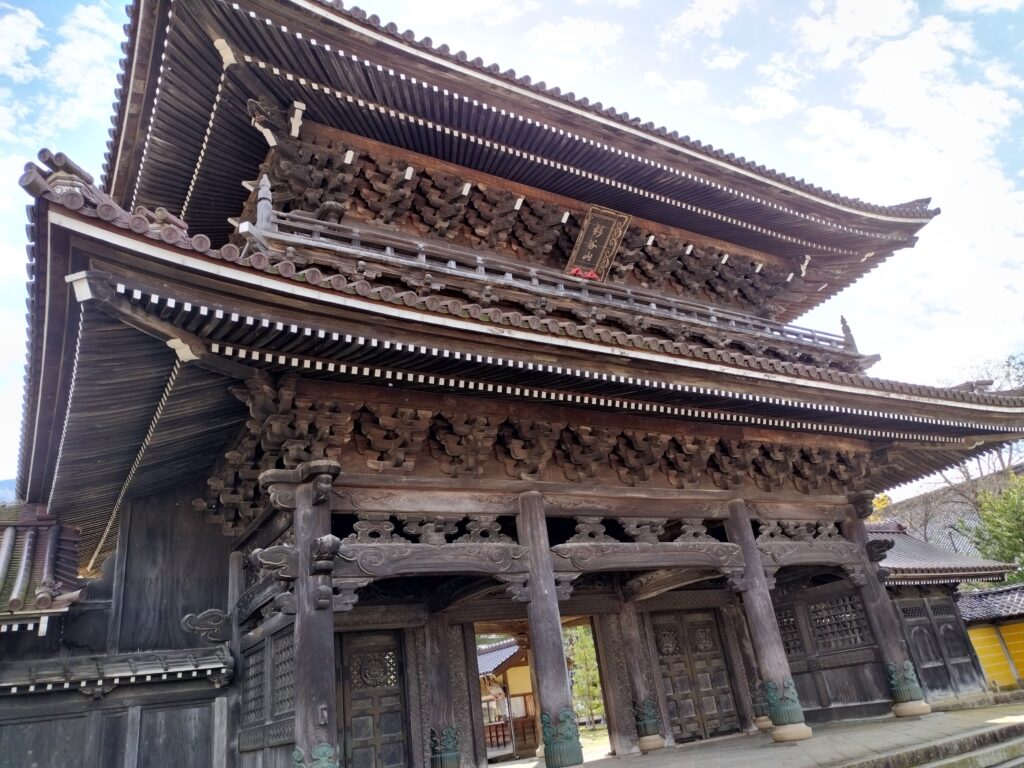
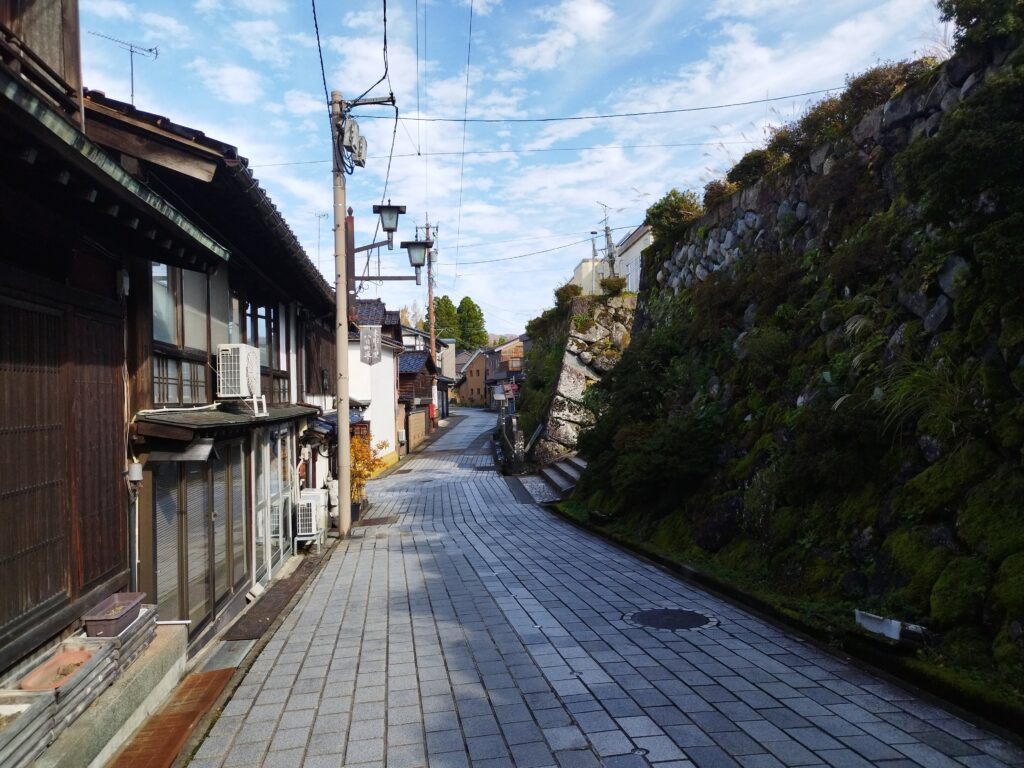
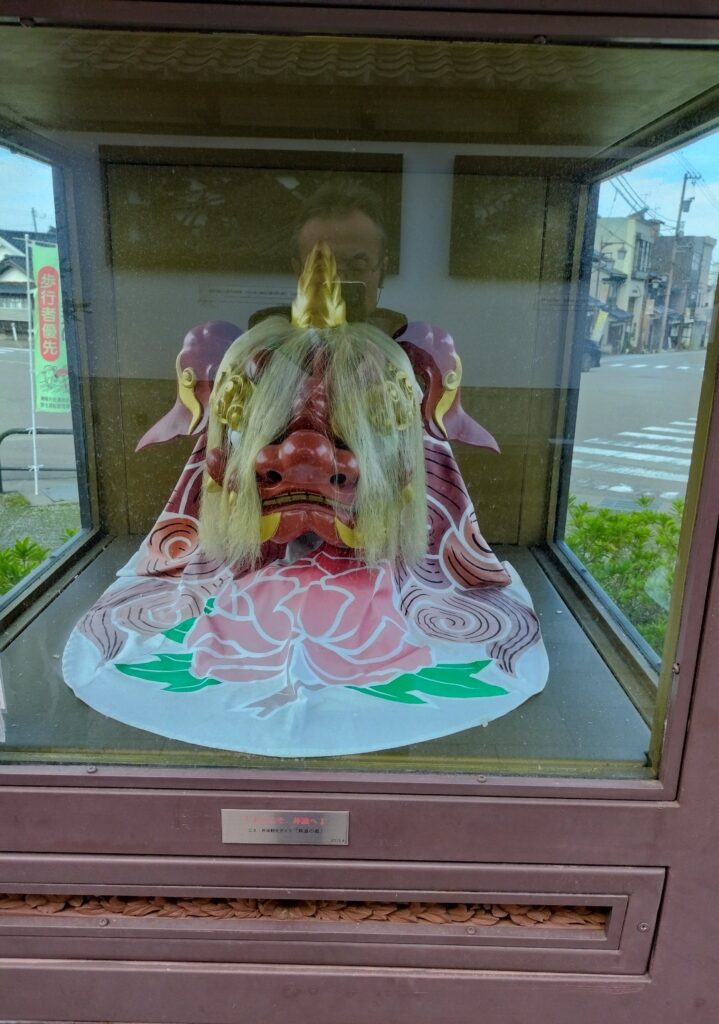
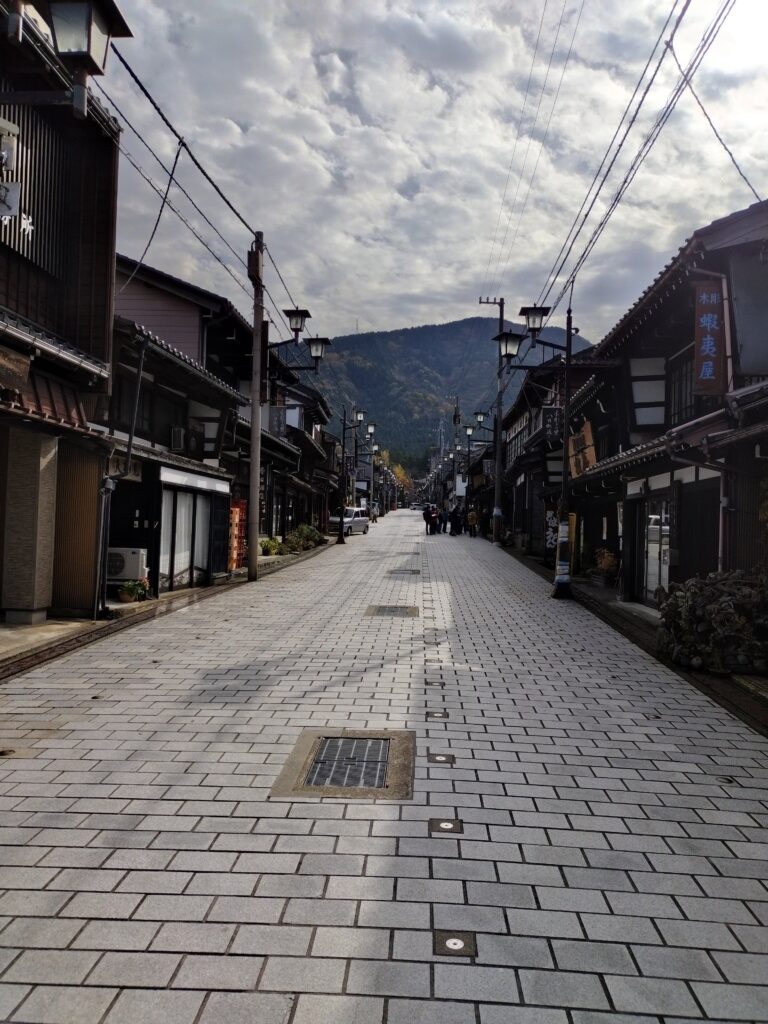
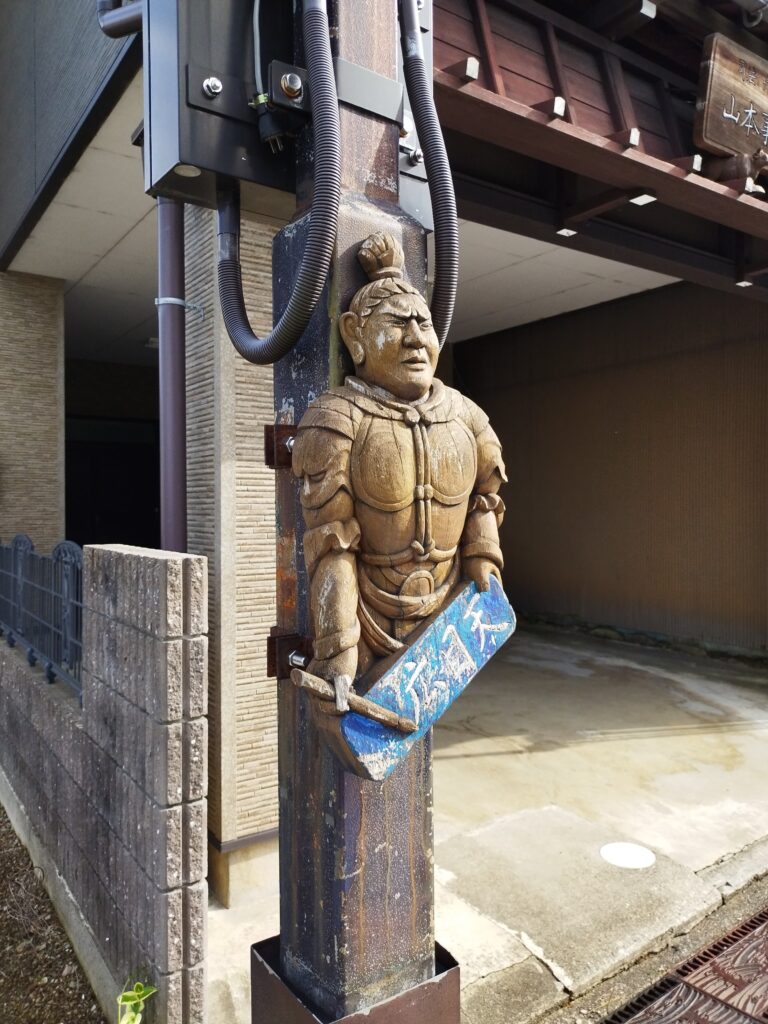
- Built about 600 years ago, Zuisenji Temple became the heart of a truly unique religious town—an independent community that developed deep within a mountainous area. From a historical perspective, it’s interesting to compare Zuisenji to France’s Mont Saint-Michel, as it also features a central monastery, lodging, and commerce, bearing a resemblance to this type of Japanese “temple town” (Jinai-machi). You might discover a new perspective by visiting this distinctive Japanese temple town, which, unlike island fortresses, flourished independently amidst the mountains.
- 👉This next section takes a different approach—connecting Zuisenji Temple to an overseas counterpart to inspire historical curiosity. Rather than focusing on Inami carving, we invite readers to explore a broader perspective of religious settlements.
2.Do the following messages convince you?
If the previous section didn’t capture your interest, fear not! we’ve delved deeper into each theme. If any of these messages intrigue you, please drop by!
2.1 Architecture and Craftsmanship
👉The “Handmade” Fortress: Stone Walls that Tell a Story of Survival
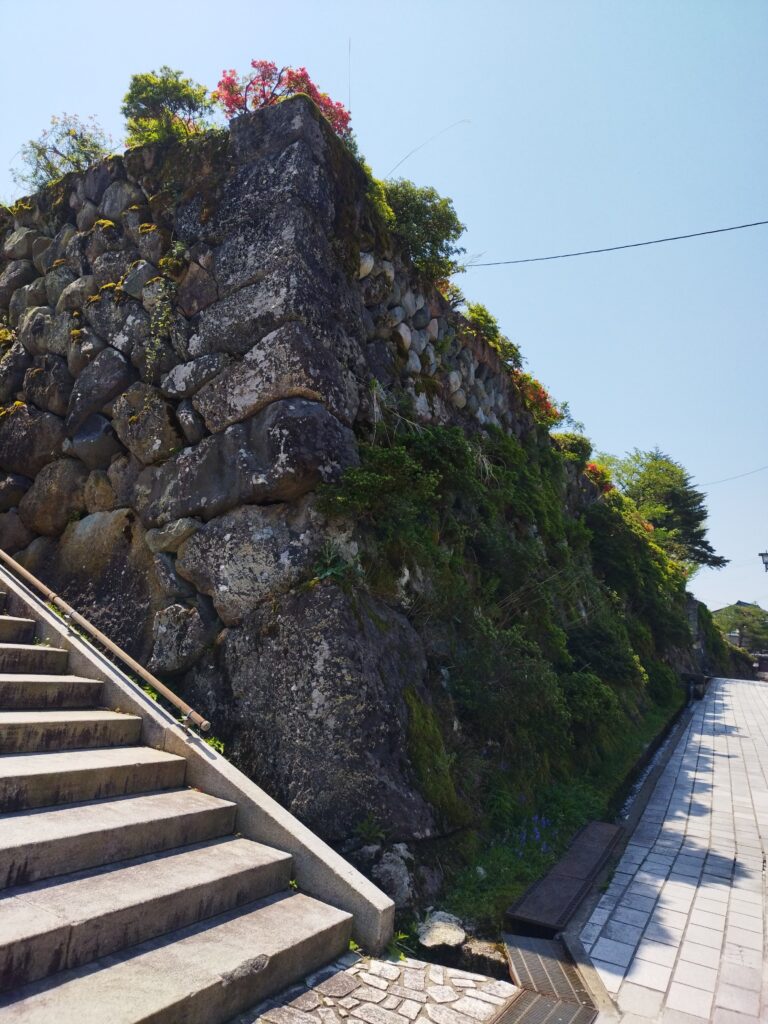
- Zuisenji Temple has a unique history: it once served as a military fortress, protecting local residents. This is evident in its distinctive stone walls, a feature rarely seen in other temples. Unlike the professionally built stone walls of most castles, these walls have a handmade, almost amateur feel. The slightly unruly landscape, with plants growing between the stones, hints at the residents’ desperate struggle for survival at the time, often bringing a warm smile to visitors’ faces.
- 👉This section shares real stories that resonate well with visitors, adding depth to the temple’s historical significance.
2.2 Fashion
👉Sacred Chic: Why Your Everyday Style Shines Against Massive Architecture
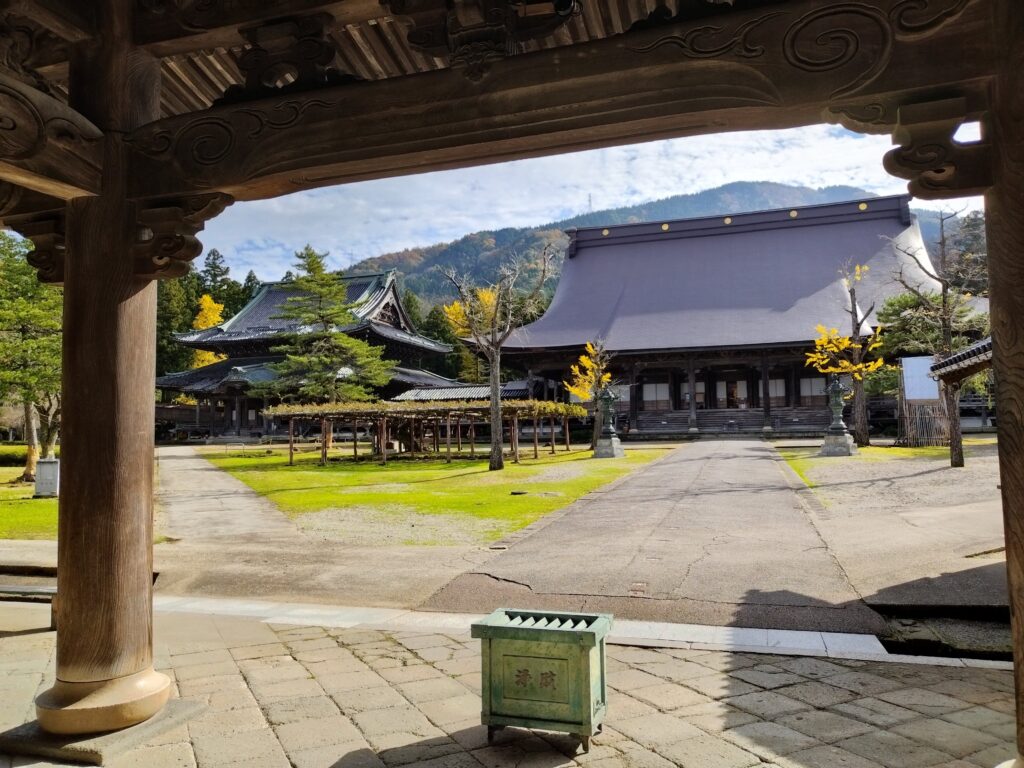
- Zuisenji Temple offers a fantastic backdrop for photos of you in your everyday attire, not just for traditional sightseeing. Of course, we recommend capturing your shot with the temple’s abundant artistic sculptures. But for truly serene and chic photos, use the Main Hall – one of Japan’s largest temple architectures – as your background. It creates a wonderfully religious and solemn atmosphere, perfect for a calm and stylish capture.
- 👉”This time, we highlight the beauty of everyday attire, rather than the classic rental kimono option. Of course, rental kimono shops are available nearby for those who want a traditional touch!”
- 📸 Guide’s Tip for the Best Shot: To capture the massive scale of the Main Hall, stand about 20 meters back. Let the dark, aged wood of the temple frame your colorful everyday clothes for a “Sacred Chic” look that pops!
2.3 Art
👉The Prince’s Gallery: A 600-Year-Old Treasure Trove of 3D Art

- Next to Zuisenji Temple’s Main Hall, the Taishido Hall enshrines a precious statue of Prince Shotoku as a two-year-old. This revered image, gifted by an emperor at the temple’s founding, comes from the legend that the child prodigy recited a prayer at that tender age. Centuries later, as this very hall became adorned with magnificent Inami carvings, it transformed. What was once primarily a religious hall dedicated to Prince Shotoku has now become a captivating ‘Prince Shotoku Art Museum’ (Taishi Museum) drawing art lovers from far and wide!
- 👉”This section takes a light-hearted approach, reflecting the artistic richness of the theme while maintaining its historical depth.”
2.4 Food
👉Divine Cheers: Exploring the Mystery of “Temple Wine”

- Alcohol lovers, rejoice! Zuisenji Temple now offers an opportunity not only to feast your eyes on the exquisite Inami carvings, but also to delight your palate with our new Zuisenji-brand red and white wines. This special collaboration with a local winery uses locally grown grapes, resulting in dry wines said to pair perfectly with regional dishes. Purchase it online, try a glass, and see if your own comments aren’t just as ‘dry’!
- 👉”This section takes a lighthearted approach, blending tradition with humor. If the joke doesn’t land, well—you might just have a dry personality yourself!”
2.5 The Japanese
👉Tough Love: What a Lion’s Sculpture Teaches Us About Japanese Discipline
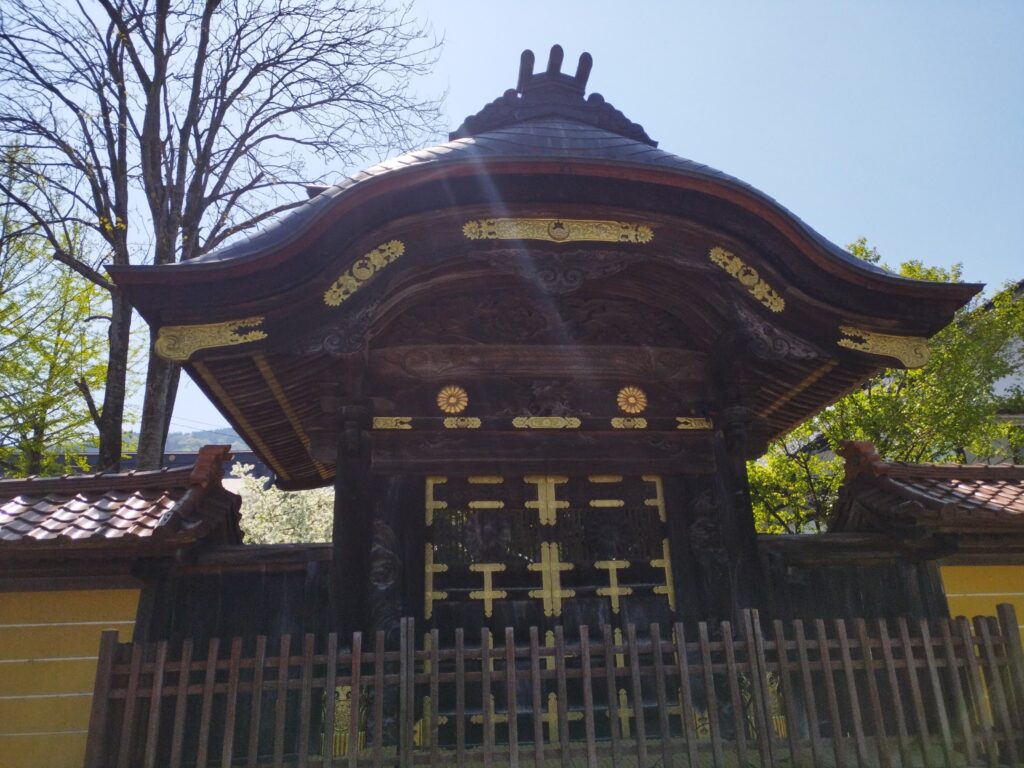
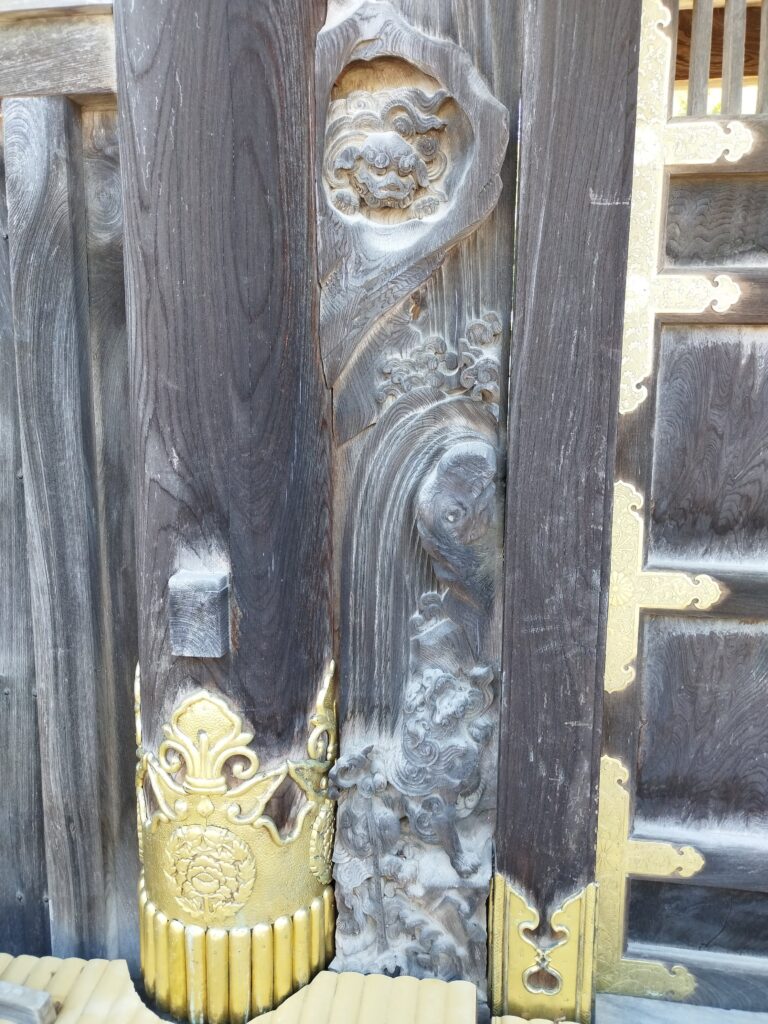
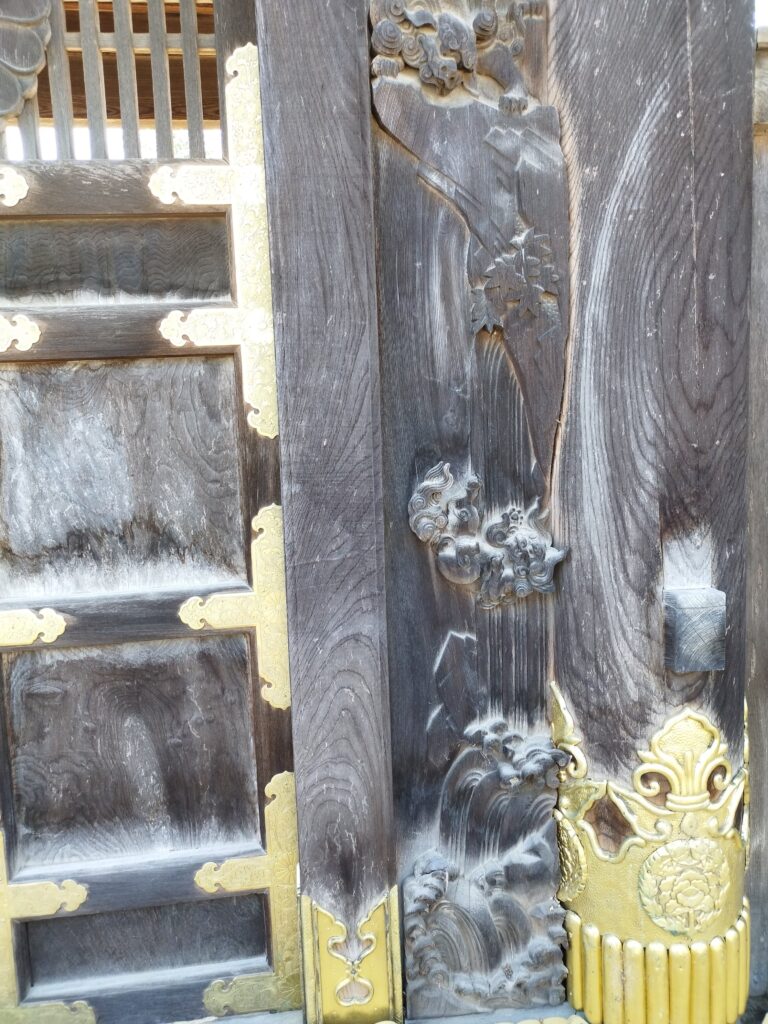
- Zuisenji Temple features a famous sculpture depicting a Buddhist teaching: a parent lion drops its cubs into a valley and raises only those strong enough to climb back up. This tale, long cherished in Japan, is a powerful parable about self-reliance and self-help, often appearing in various forms of art. Seeing this carving in person might offer you a profound visual insight into the Japanese concept of ‘discipline’ in child-rearing. Yet, it’s an interesting paradox: most Japanese temples, Zuisenji included, primarily advocate for salvation achieved through faith and reliance on deities, rather than strict self-help. This might, surprisingly, add another layer to your understanding of Japanese cultural nuances.
- 👉”We hope this story resonates with your perspective on discipline in child-rearing. In a way, we share it from the viewpoint of the parent lion—trusting that travelers will rise to the challenge and uncover its deeper meaning, even if our explanation is modest.”
Thank you & Afterwards
🔶Thank you so much for reading to the end! If you have any comments or requests, please feel free to reach out to us at the email address provided in the 📧Assistance & Services📞 section.🔶Gold🔶v.4b.4b.3a/S2