0. Experience Tsumago-juku! A “Living Museum” on the Samurai Trail
Imagine a town where no power lines are visible, and the sounds of modern life disappear. Welcome to Tsumago-juku, the first town in Japan to be preserved by its own residents. It’s not a theme park—it’s a living piece of history.
While neighboring Magome-juku is beautiful, Tsumago offers a quieter, more authentic soul. This guide explains why this stop on the Nakasendo trail is essential, from 5 unique angles:
- History: Step into the “Honjin”—the elite inn for Emperors and Nobles.
- Photography: Why this is the ultimate “Time-Slip” backdrop for your Kimono photos.
- Art: The entire village as a masterpiece of preservation.
- Food: Local mountain flavors you can only find in this region.
- Mindset: The “Beauty of Use”—how Samurai-era functionality became an art form.
1. Does This Intrigue You?
For those unfamiliar with one of Japan’s best-known traditional post towns, here’s a brief glimpse into a place that offers a serene escape into the quiet rhythm of old Japan. This isn’t just history—it’s a living space where the culture and daily life of the past still resonate, far removed from today’s rush. We hope this introduction sparks your curiosity.
1.1 The 300-Year Leap: Stepping into the Quiet Soul of a Samurai Post Town
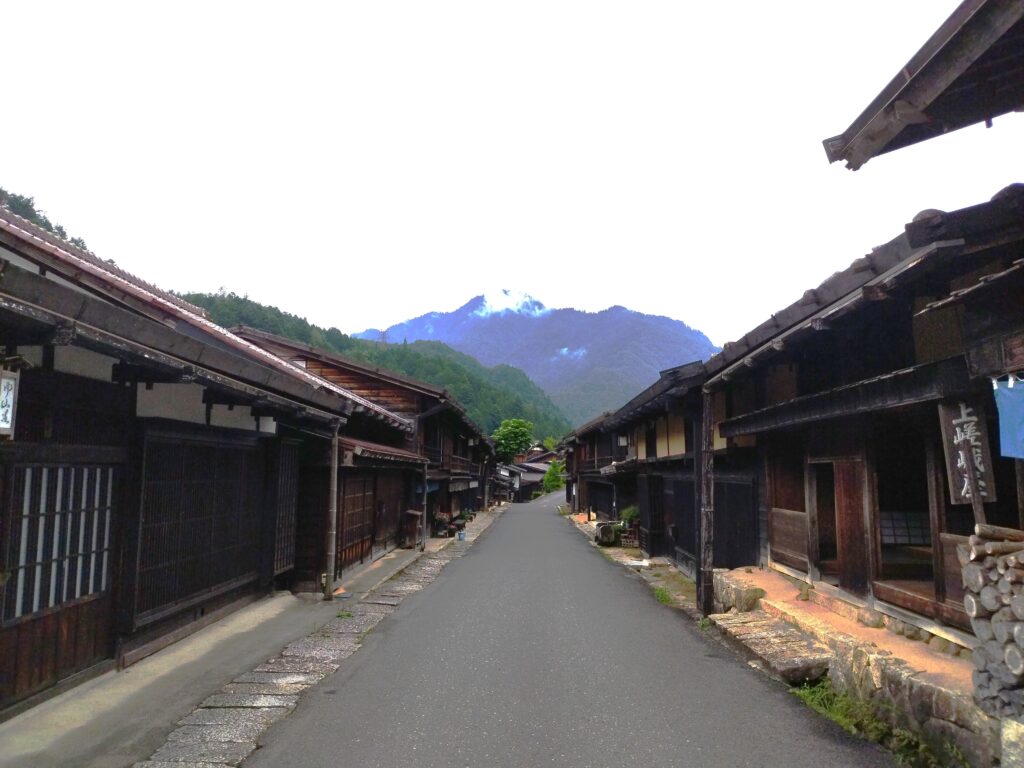
- Tsumago-juku, along with the nearby Magome-juku, is a popular tourist spot that preserves the atmosphere of an old post town from the samurai era. It has an even quieter and more peaceful feel than Magome-juku. Walking through Tsumago-juku truly feels like stepping back in time, just as travelers did hundreds of years ago.
1.2 Boots or Slippers? Choosing Your Perfect “Samurai Trail” Adventure
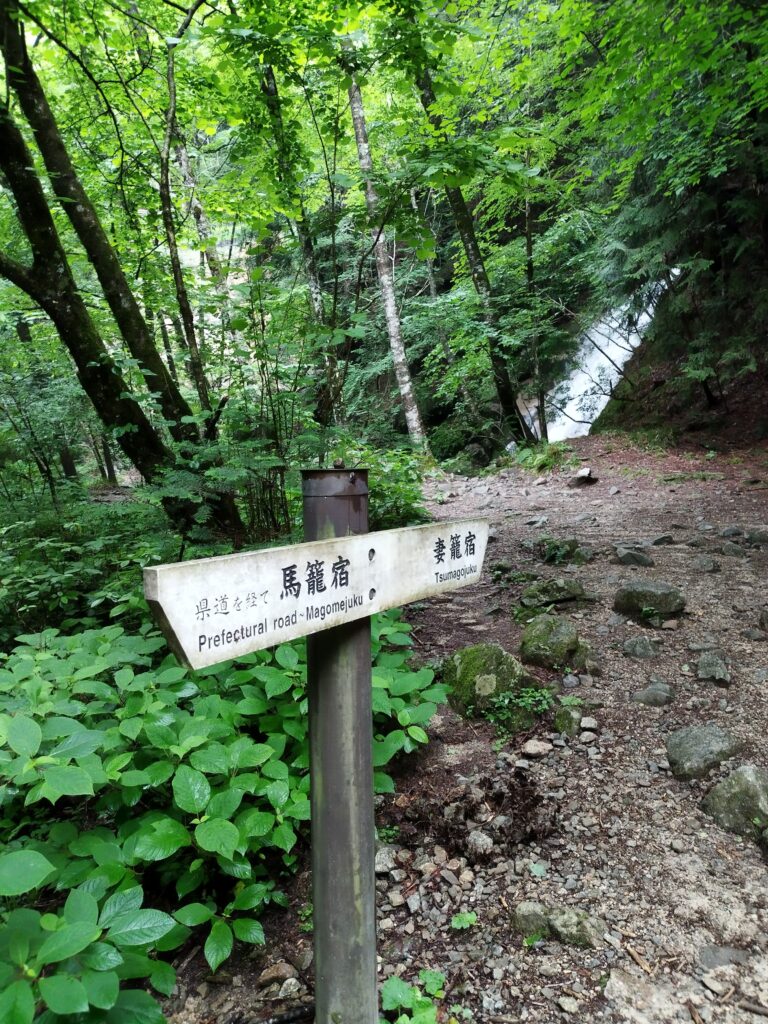
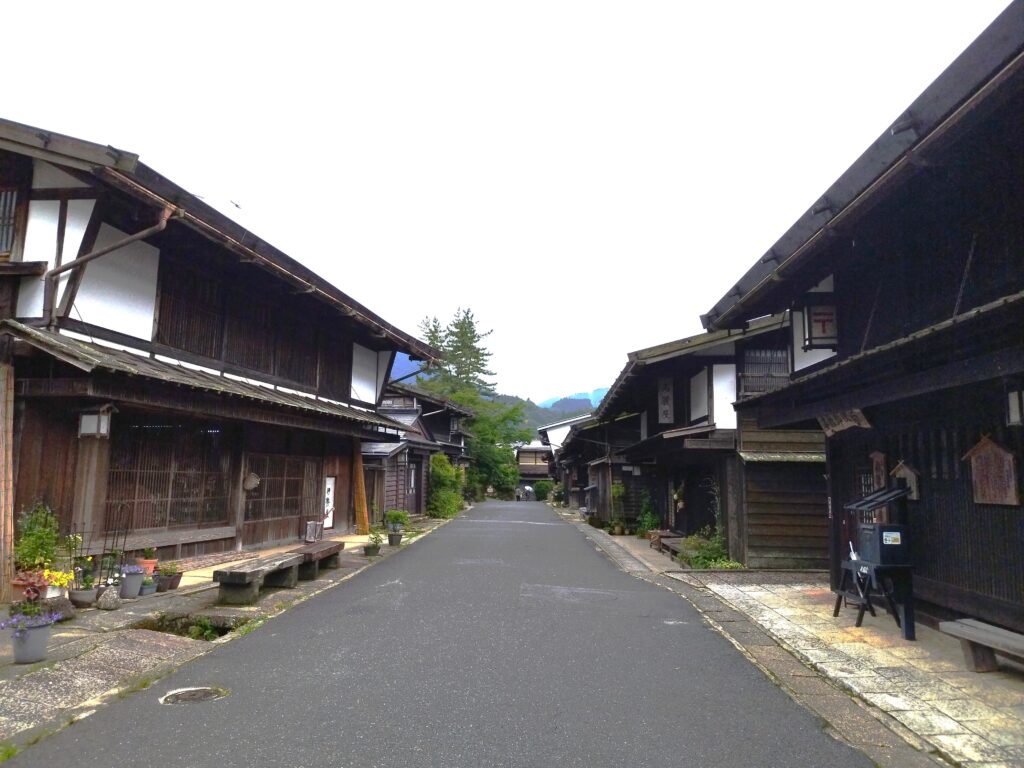
- Tsumago-juku is a popular spot for overseas visitors, known as a historic post town along the “Samurai Trail” (also called the Samurai Road). If you’re physically fit, you can take an adventurous route in sneakers over the 8-kilometer mountain pass to neighboring Magome-juku. If not, you can opt for a more relaxing stroll in slippers through the flat, 1-kilometer stretch of Tsumago-juku’s old townscape.
2.Do the following messages convince you?
If the previous section didn’t capture your interest, fear not! We’ve delved deeper into each theme. If any of these messages intrigue you, please give it a try again!
2.1 Architecture and Craftsmanship
👉The Elite Suite: Visualizing Social Rank through Samurai-Era Architecture
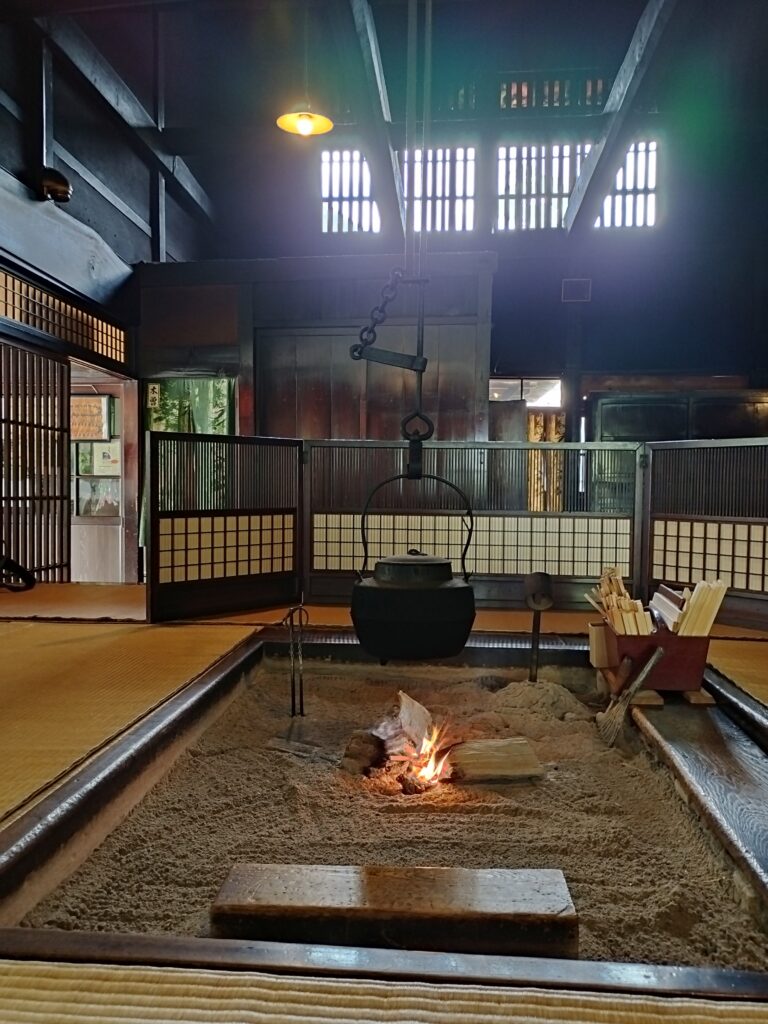
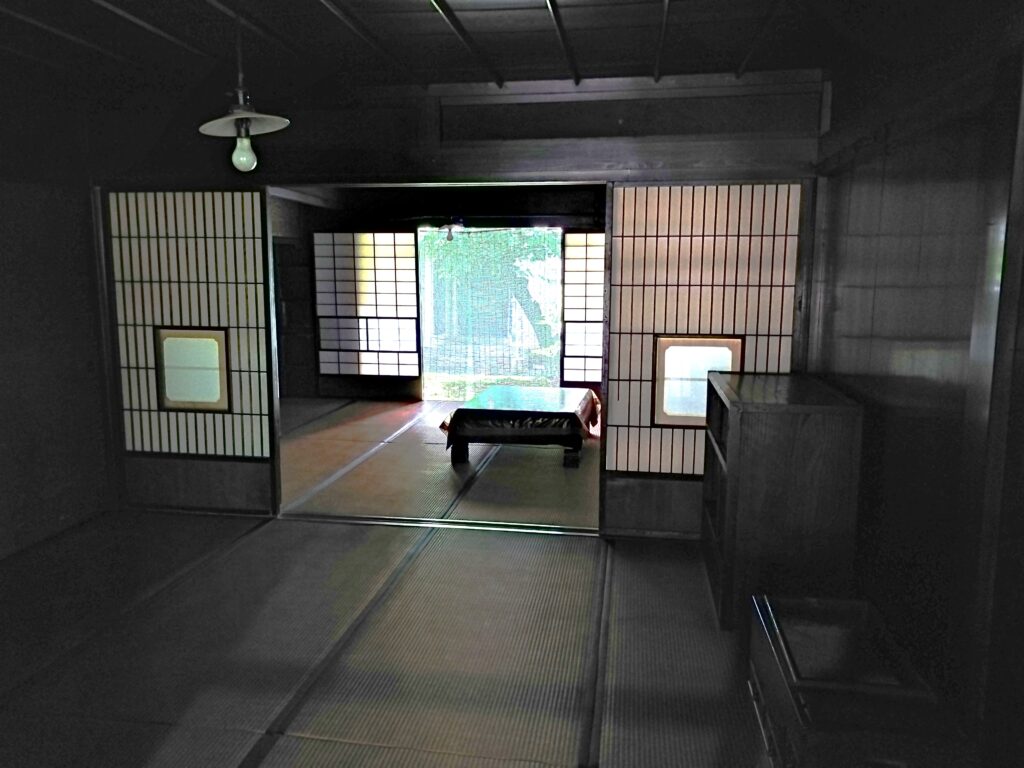
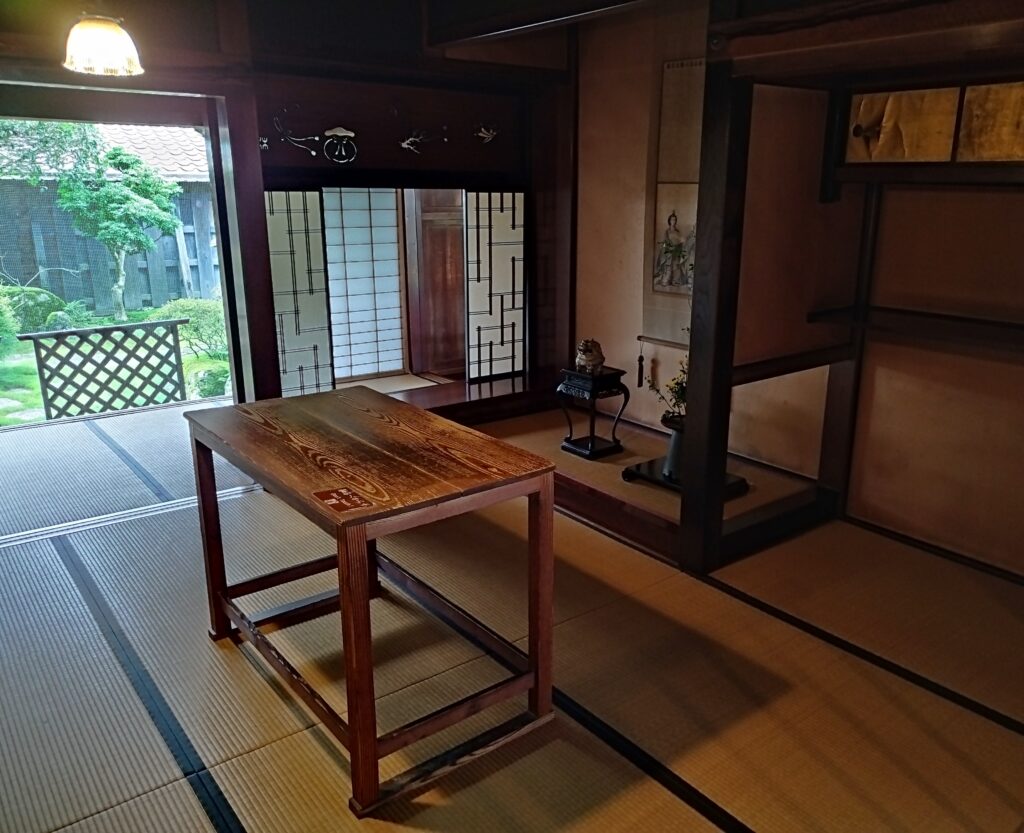
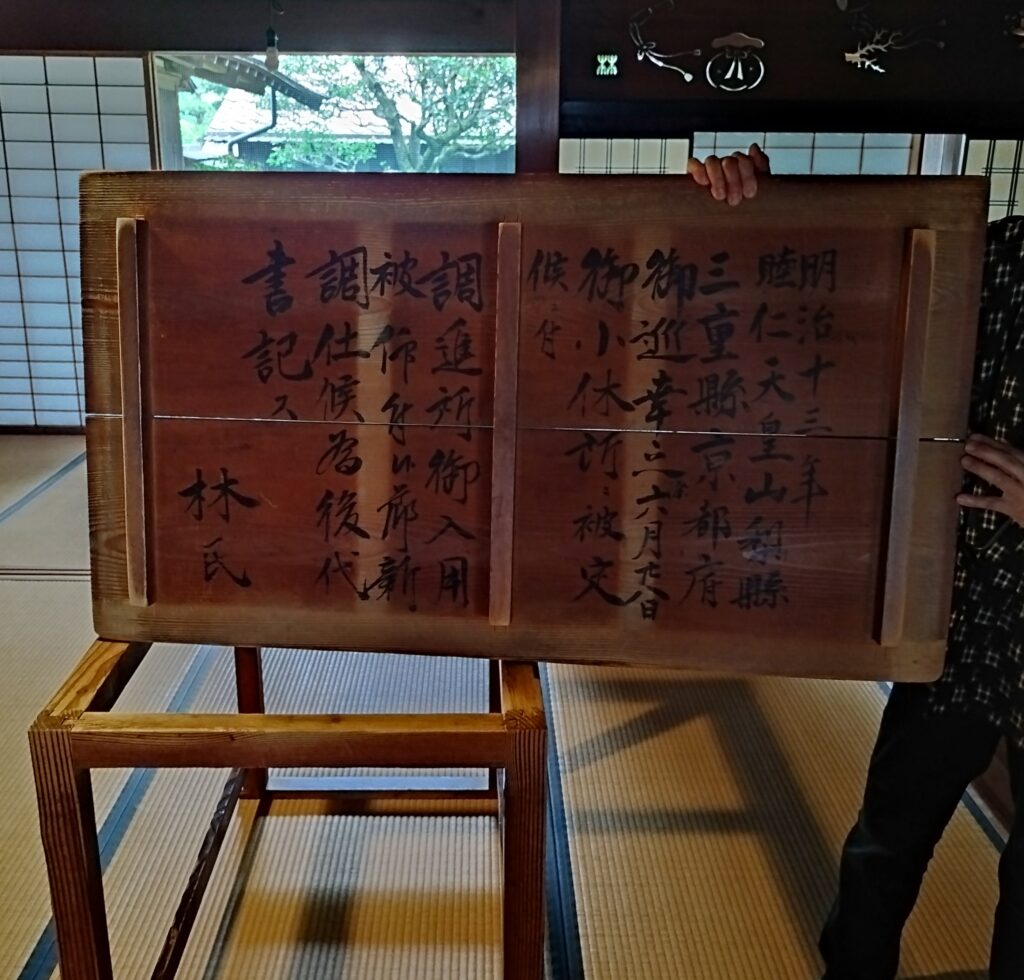
- Tsumago-juku is a must-see for architecture enthusiasts, as it preserves the original townscape from the samurai era almost exactly as it was. You can glimpse what kinds of accommodations were provided for the upper class—such as emperors, aristocrats, and local lords—as well as how ordinary travelers of more modest means were hosted. The varying levels of hospitality are still visible today through the architecture of each lodging facility.
2.2 Fashion
👉Timeless Style: How to Blend into the Edo Period with Modern Accessories
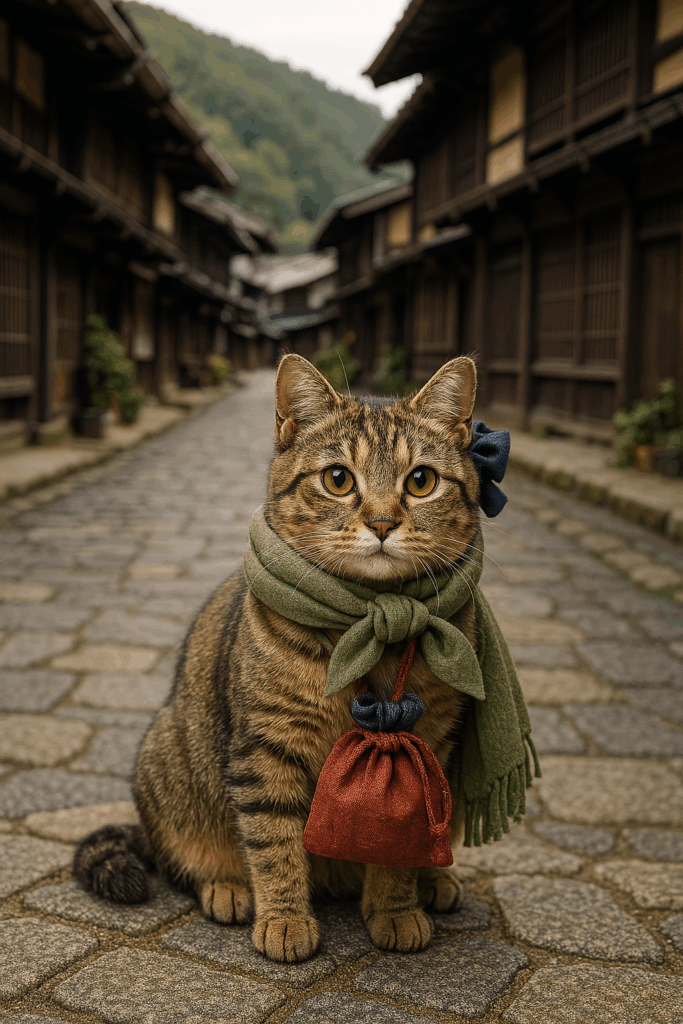
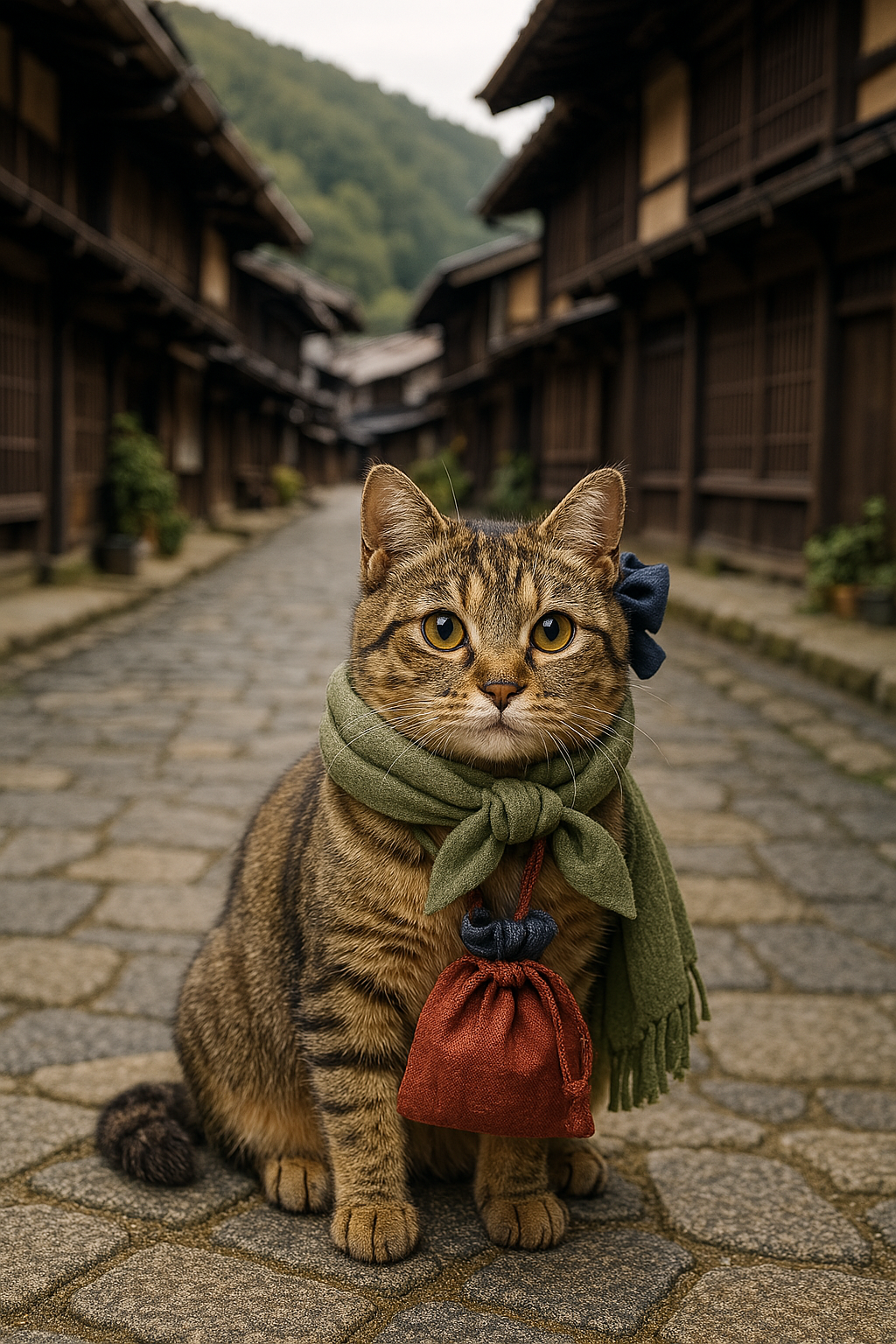
- In Tsumago-juku, you can snap stylish photos with a “time-slip” or “Japanese flair” theme. Just pick up a scarf, drawstring pouch, or traditional-style hair accessory—if available—from a local shop and add it to your everyday outfit. Earthy tones and classic Japanese colors like brown, beige, moss green, or indigo pair beautifully with the wooden buildings and cobblestone streets, helping you blend seamlessly into the scene and look fantastic in every photo.
2.3 Art
👉Community Art: The Miracle of a “Ghost Town” Reborn as a Masterpiece
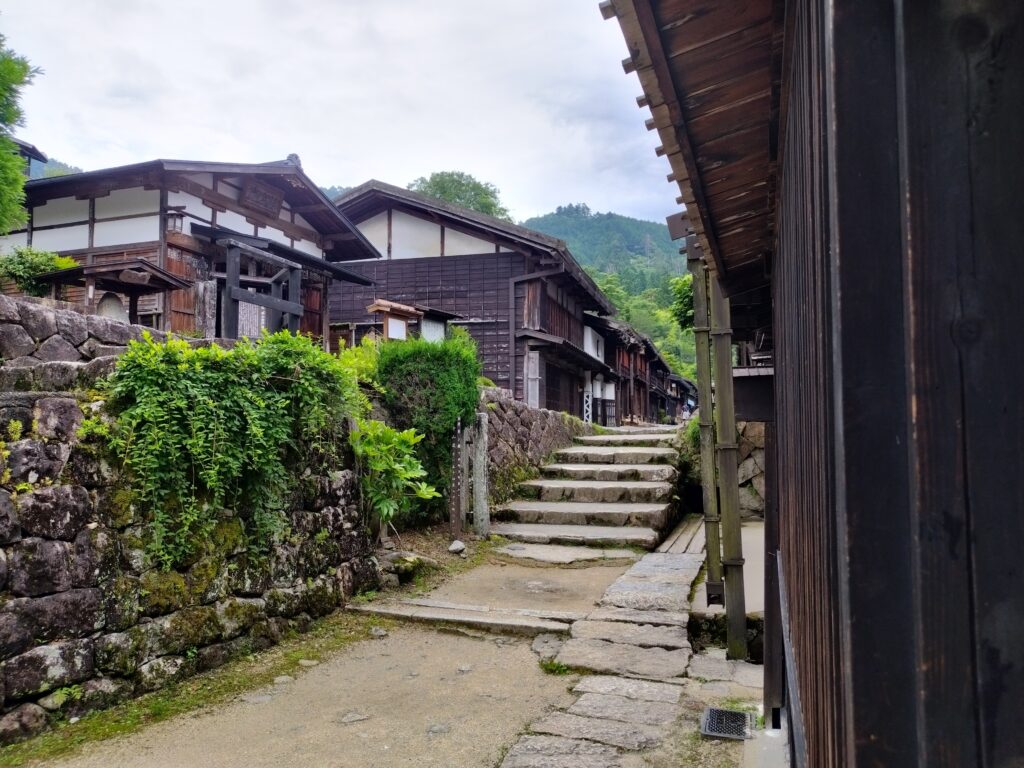
- Tsumago-juku can be seen as a work of art crafted by its own residents through ingenuity and trial and error, without relying on professional artists. After the end of the samurai era, the post town became almost like a ghost town, left behind by modernization and the spread of the railway system. Yet the townspeople devoted nearly everything they had to fully restore their hometown, creating a living landscape painting that makes you want to step inside and wander through it.
- 👉実際にここでは歩くことがメインアトラクションなので。
2.4 Food
👉Forest Aromas: Savoring Gohei-mochi and the Magnolia Leaf Mystery
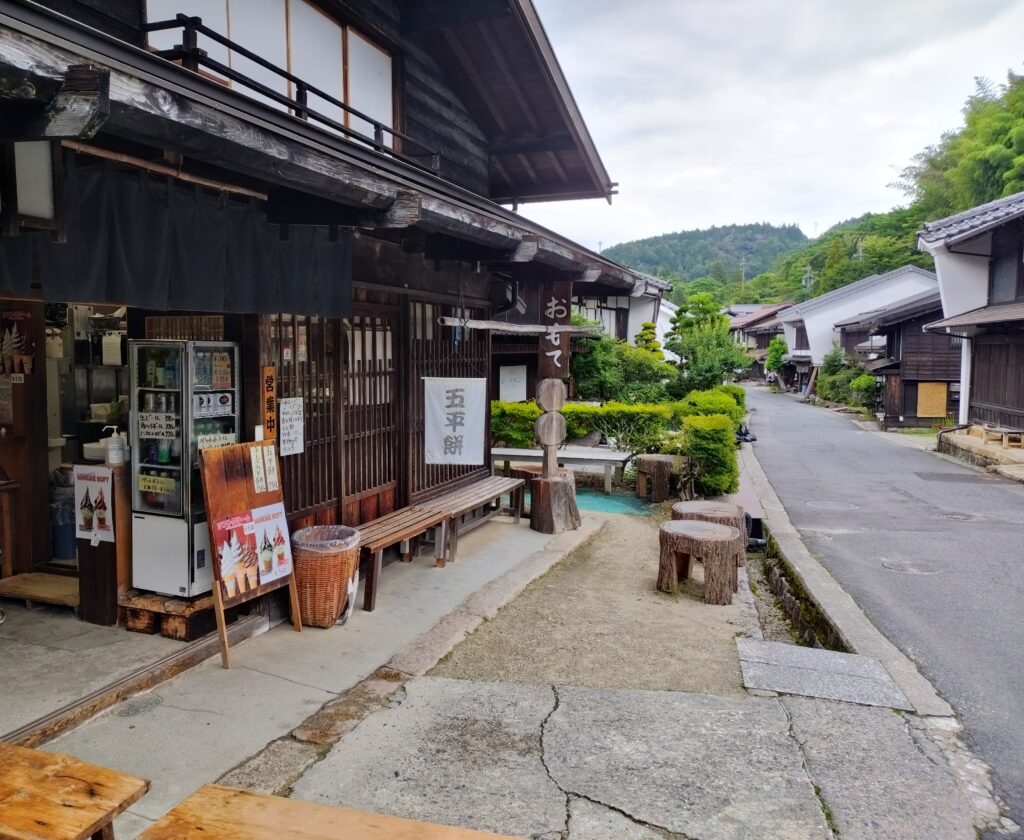
- In Tsumago-juku, gohei-mochi and hoba-mochi—beloved local soul foods—come highly recommended. Gohei-mochi is made from lightly mashed rice formed onto flat skewers, coated in a sweet and savory sauce made from ingredients like walnut, sesame, soy sauce, and miso, then grilled until fragrant and golden. Hoba-mochi are steamed rice cakes wrapped in magnolia leaves, which infuse the mochi with their fresh, earthy aroma and distinctive flavor.While they are typically filled with sweet red bean paste, the recipe and preparation vary subtly by region and shop—so you’re likely to discover a flavor unique to Tsumago-juku.
2.5 The Japanese
👉Functional Grace: Why Samurai Architecture is Both Practical and Beautiful
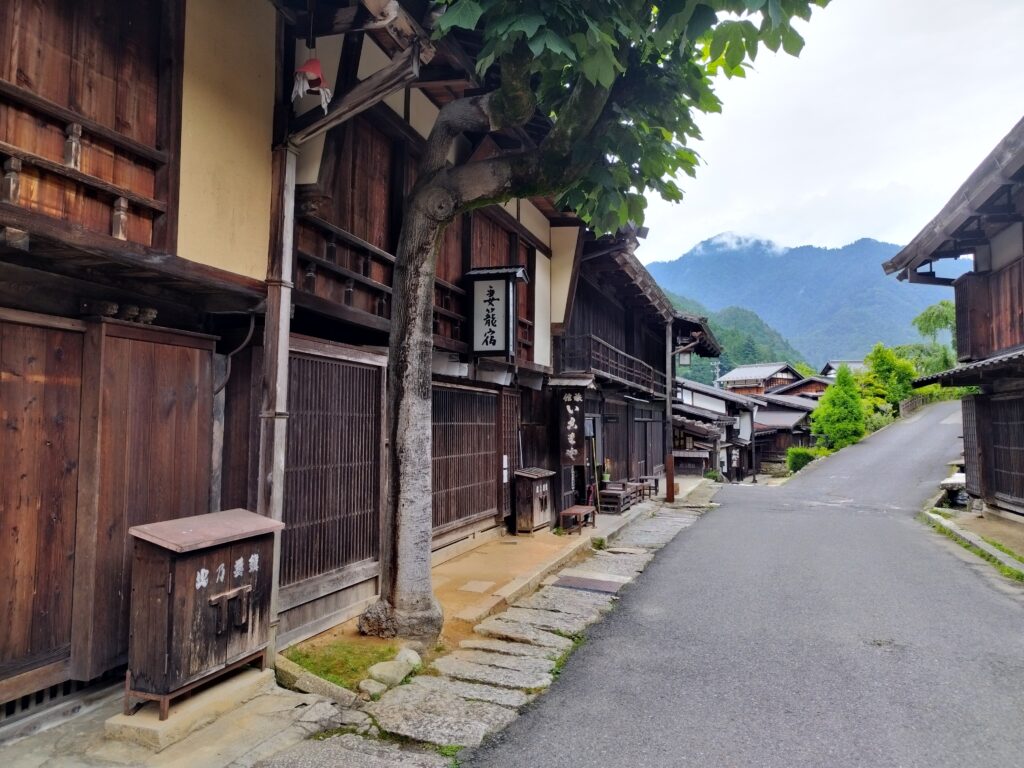
- In Tsumago-juku, visitors can appreciate Japan’s pursuit of practicality and functional beauty, as well as the meticulous craftsmanship found in even the smallest details.Take, for example, the debari-zukuri style, where the front of the second floor juts out over the street, or the udatsu, a raised partition marking the boundary between neighboring houses.While these architectural features serve practical purposes—like maximizing space on narrow plots or preventing the spread of fire—they also lend a unique rhythm and understated elegance to the townscape. Tsumago-juku offers a rare glimpse into the samurai-era ideal, where function and beauty were never separate but intimately entwined in everyday design.
- 👉Guide’s Pro Tip: “Udatsu” was originally for fire prevention, but it eventually became a status symbol of wealth. In Japan, we have a saying ‘Udatsu ga agaranai’ (Can’t raise the Udatsu), meaning someone who is struggling to succeed in life.
Thank you & Afterwards
🔶Thank you so much for reading to the end! If you have any comments or requests, please feel free to reach out to us at the email address provided in the 📧Assistance & Services📞 section.🔶Gold🔶v.5b.5b.5a/S2