0. Experience Magome-juku! The Cliffside Soul of the Samurai Trail
Ever seen a town built entirely on a steep slope? Welcome to Magome-juku, the most dramatic stop on the Nakasendo trail. While its neighbor Tsumago is flat and quiet, Magome is bold, vertical, and famous for its delicious chestnuts.
If you’re looking for a scene straight out of a samurai film, this is it. This guide explains Magome’s unique charm from 5 angles:
- The Slope: Why the winding stone streets were a strategic masterpiece.
- The Icon: Why the humble waterwheel is your best photo companion.
- The Artist: Meet Toson, the man who made this town a literary legend.
- The Flavor: Why autumn in Magome means one thing: Chestnuts!
- The Vibe: How a single glance uphill transports you to the 17th century.
1. Does This Intrigue You?
For those unfamiliar with Japan’s traditional post towns, here’s a brief glimpse into a place where you can experience the quiet rhythm of old Japan. Far removed from the noise and rush of modern life, this is a space where the culture and lifestyle of the past are still alive. We hope this simple introduction stirs a spark of curiosity.
1.1 Steeped in History: A Quiet Window into the Samurai Lifestyle
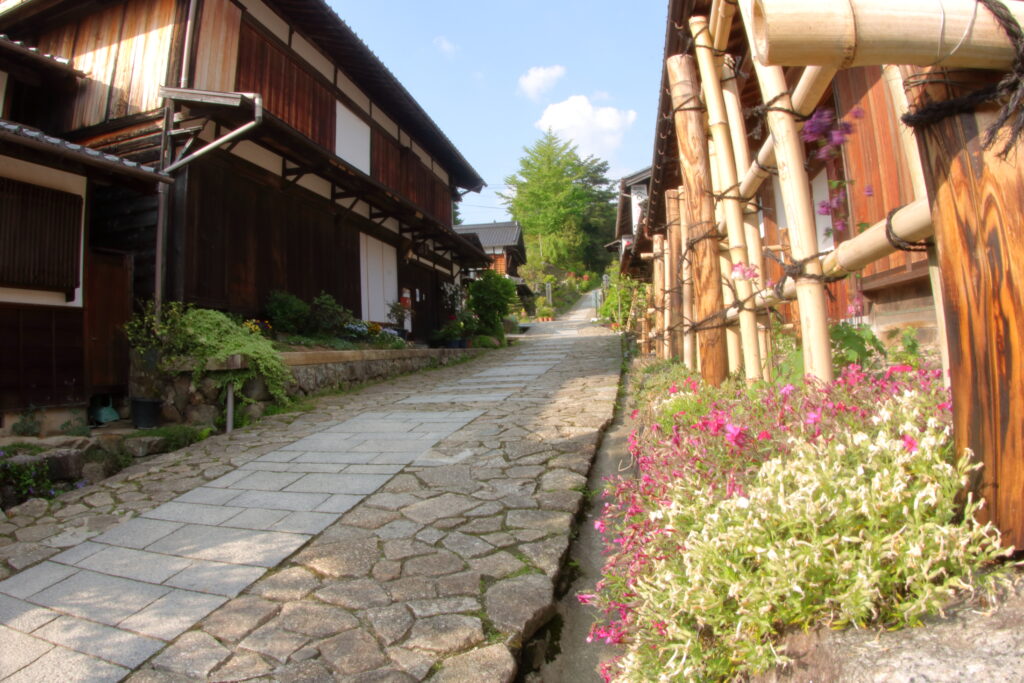
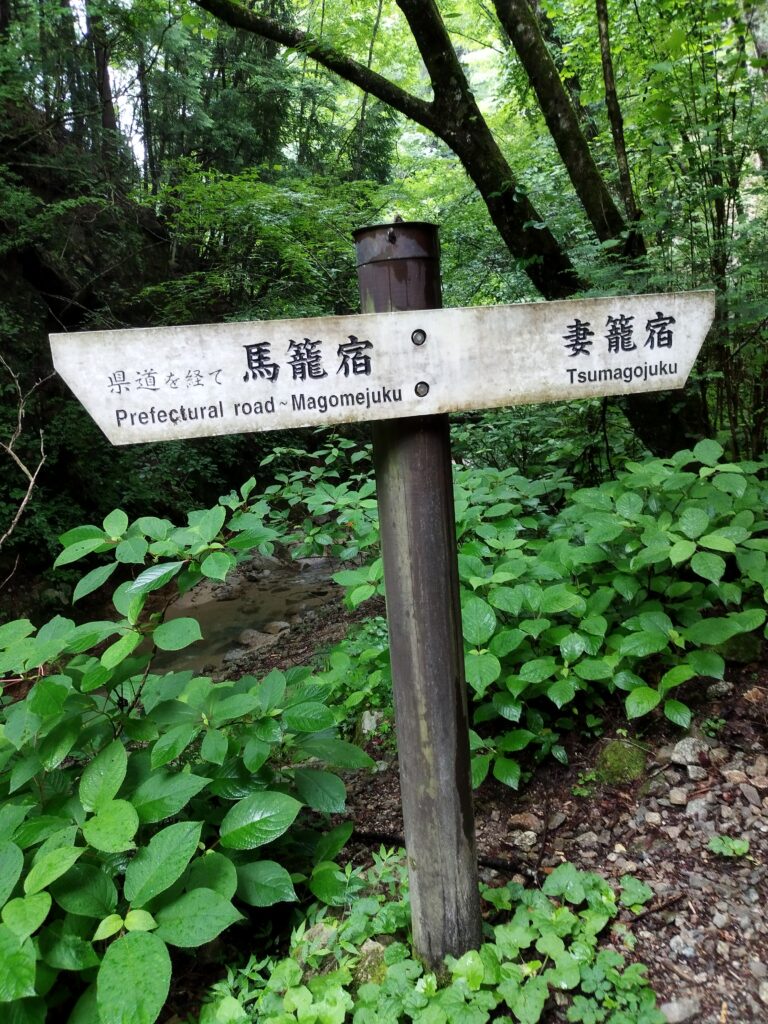
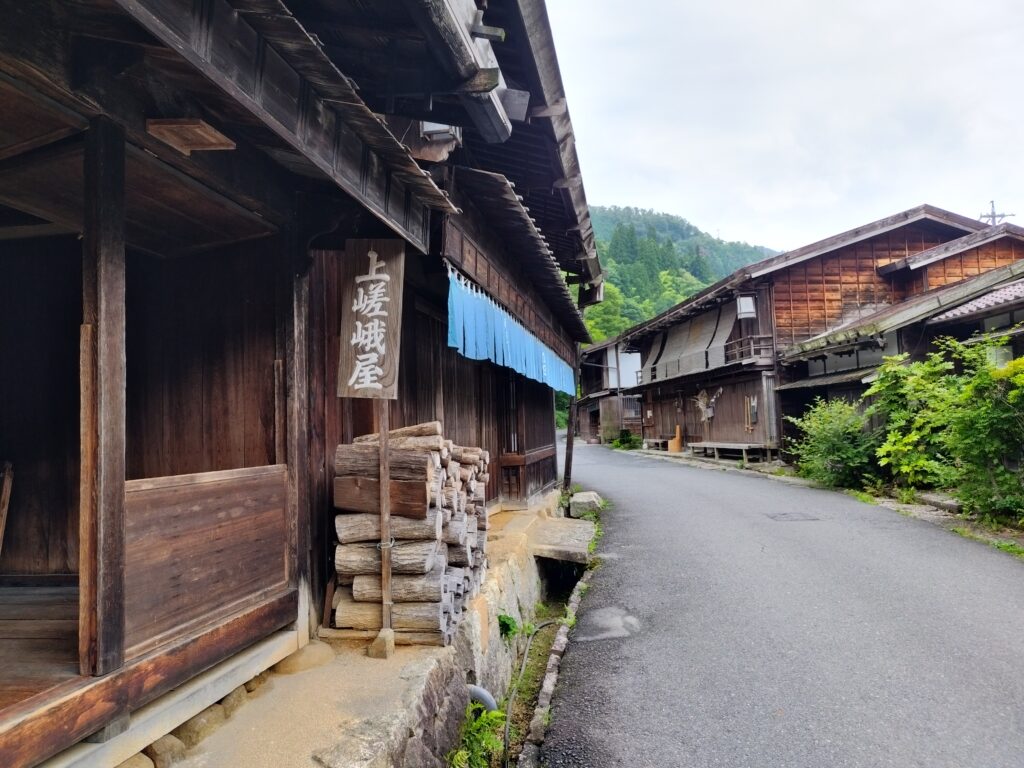
- Magome-juku, a traditional post town, along with the neighboring Tsumago-juku, is a popular destination widely known for its well-preserved historical townscape, which still retains strong traces of the samurai era. Far from the hustle and bustle of the city, visitors can experience the traditional lifestyle and culture of Japan in a quiet, tranquil setting.
1.2 :700 Meters of Nostalgia: The “Vertical” Landscape of Old Japan
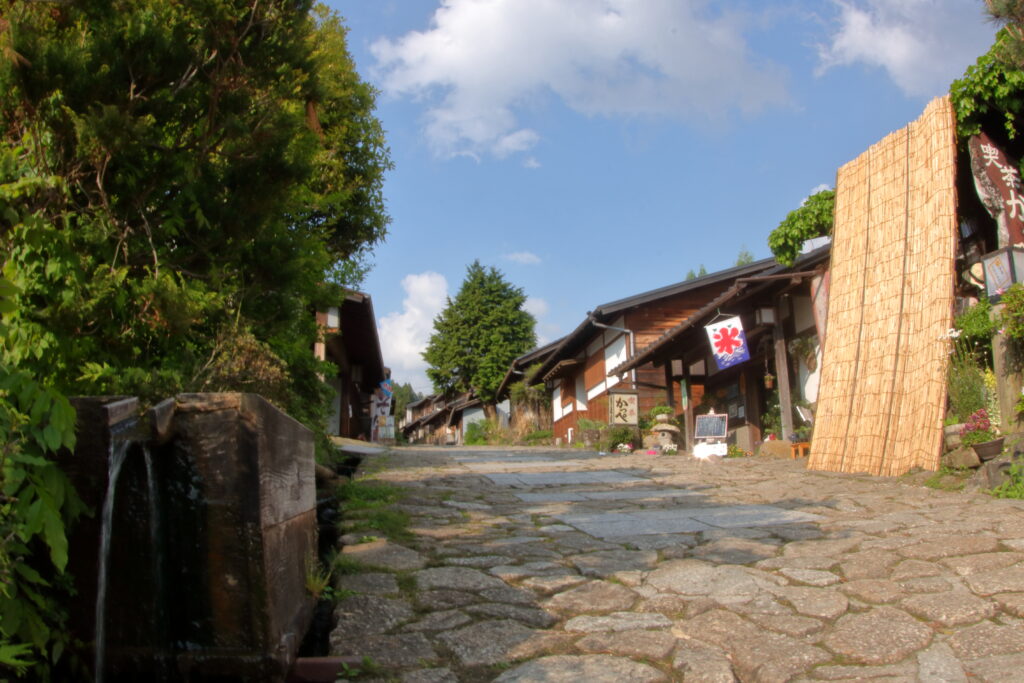
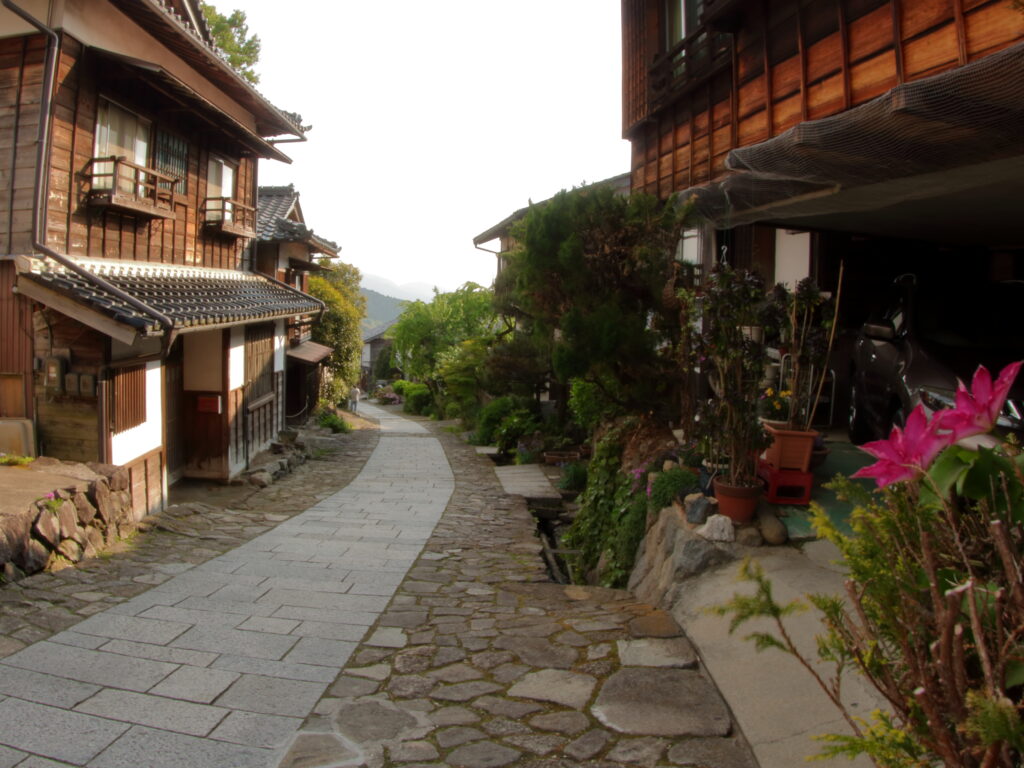
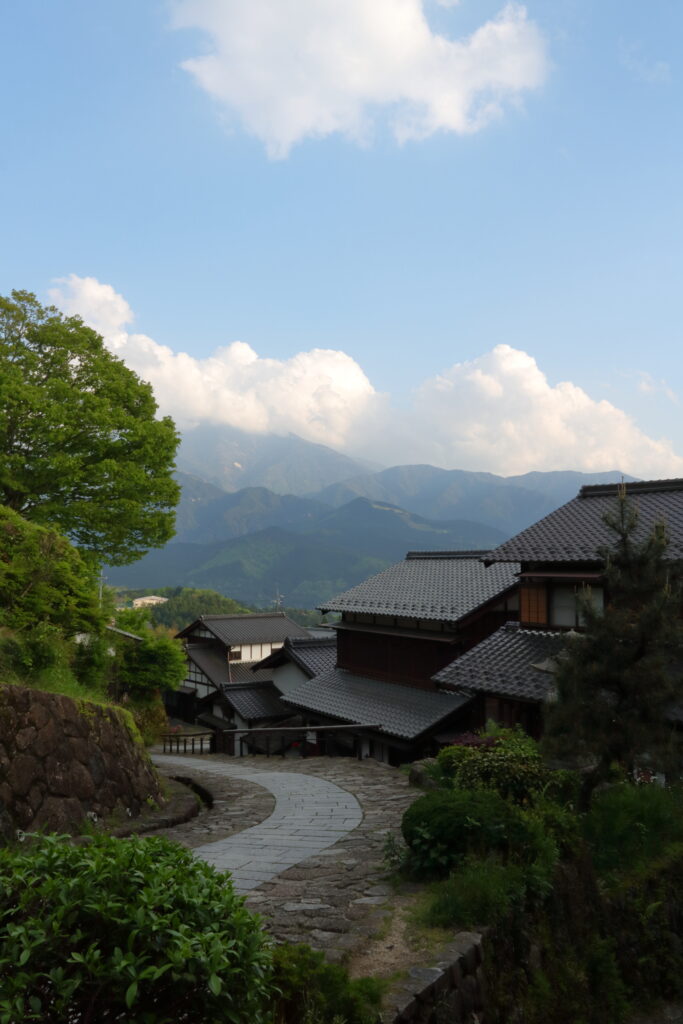
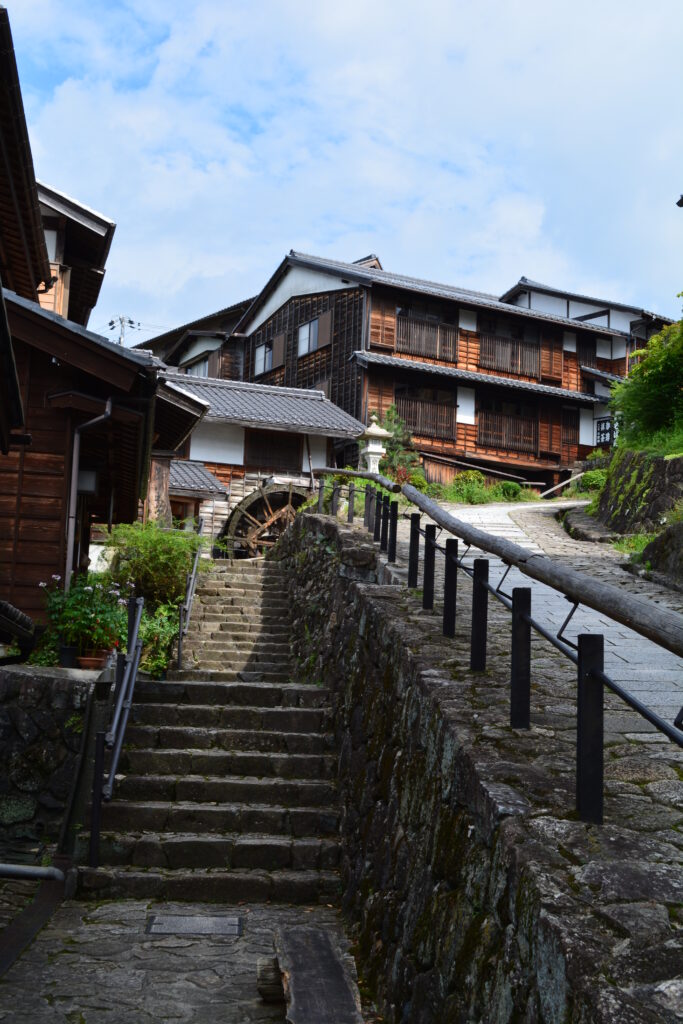
- Magome-juku is one of the many post towns established during the samurai era to facilitate travel, and it is renowned for preserving the authentic atmosphere of that time. Nestled deep in the mountains, its stone-paved streets, marked by steep slopes, stretch for about 700 meters. The rows of old houses lining both sides of the path evoke a precious sense of nostalgia—a glimpse of the original scenery of Japan that even many Japanese have long forgotten.
2.Do the following messages convince you?
If the previous section didn’t capture your interest, fear not! I’ve delved deeper into each theme. If any of these messages intrigue you, please give it a try again!
2.1 Architecture and Craftsmanship
👉Defensive Curves: Why the “Masugata” Streets Were Designed for War
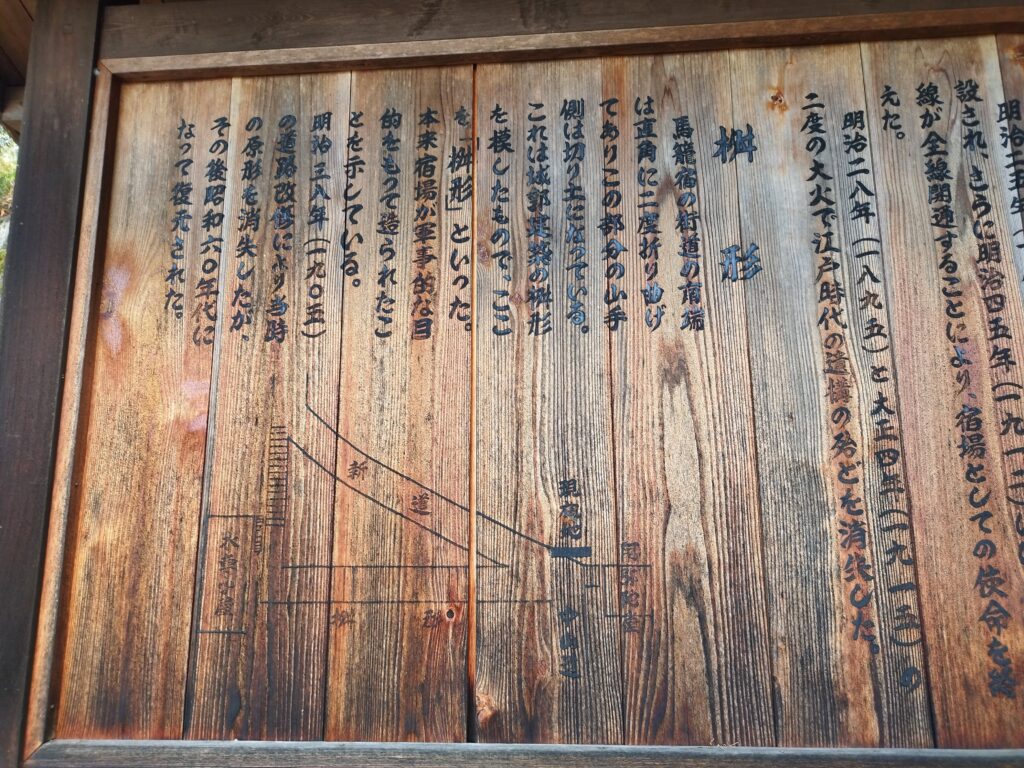
- Upon entering Magome-juku, visitors soon encounter a spot called Masu-gata, or “crank-shaped street,” where the path bends twice at right angles. This design, rooted in castle architecture, was introduced during the samurai era to hinder enemy advances. However, with modernization, such features came to be viewed as obstacles, prompting the construction of a straight road that directly connects the two corners. These dual paths—one of which was once removed and later restored—clearly reflect the winding transition from the samurai era to both modern and nostalgic visions of Japan.
2.2 Fashion
👉Chic Nostalgia: Why the Rustic Waterwheel is Your Best Photo Companion
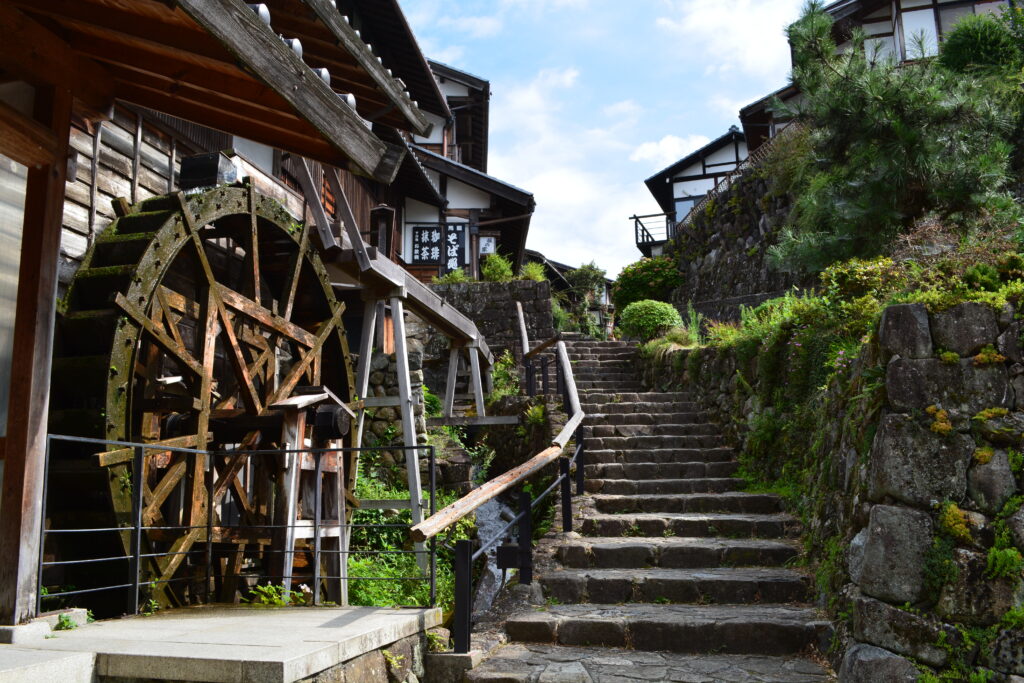
- The large water mill, a symbol of the post town, is a classic photo spot known for its nostalgic charm and scenic beauty. Unlike the ornate Dutch windmills, its rustic, understated wooden design—rooted in traditional Japanese aesthetics—adds a chic, mature touch to your photos, even when you’re dressed in everyday clothes.
2.3 Art
👉The Soul of the Soil: Meeting Tōson Shimazaki, Japan’s Nathaniel Hawthorne
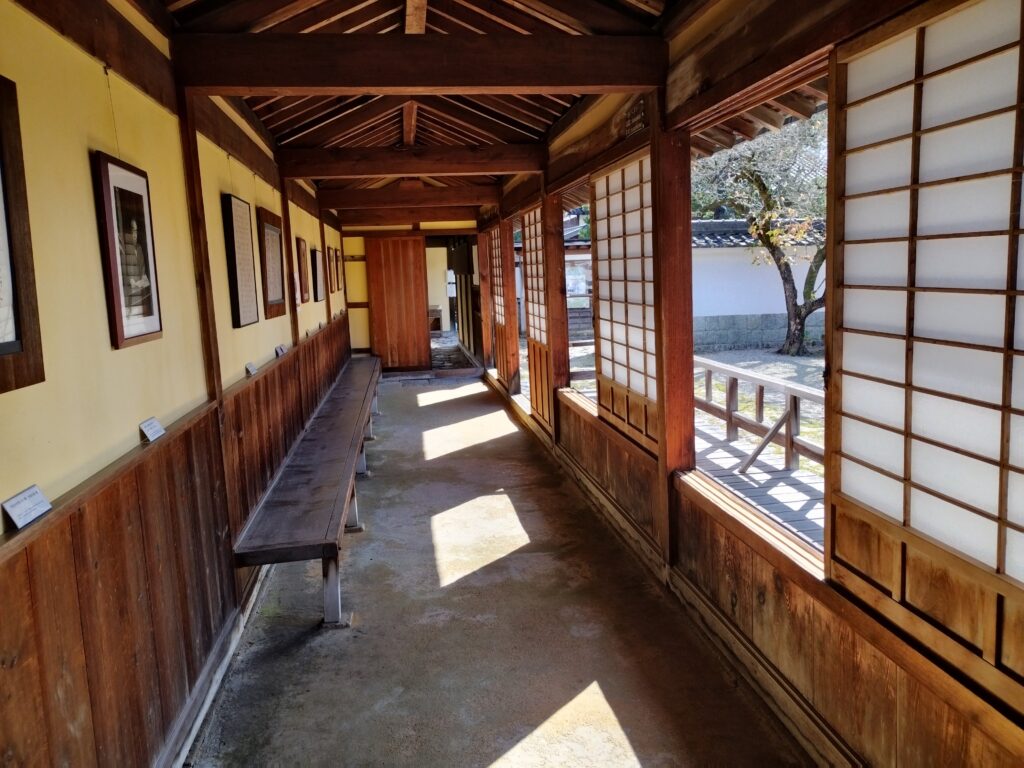
- Magome-juku is known as the birthplace of the renowned writer Shimazaki Tōson, who could be seen as Japan’s Hawthorne. Many of the characters in his novels were modeled on people from this region. A visit to the Tōson Memorial Museum may give you the sense that Japan, too, had a writer who deeply explored universal human emotions and a profound longing for his hometown—much like Nathaniel Hawthorne did in the West.
2.4 Food
👉 Chestnut Treasure Chest: A Paradise for Every “Kuri” Lover
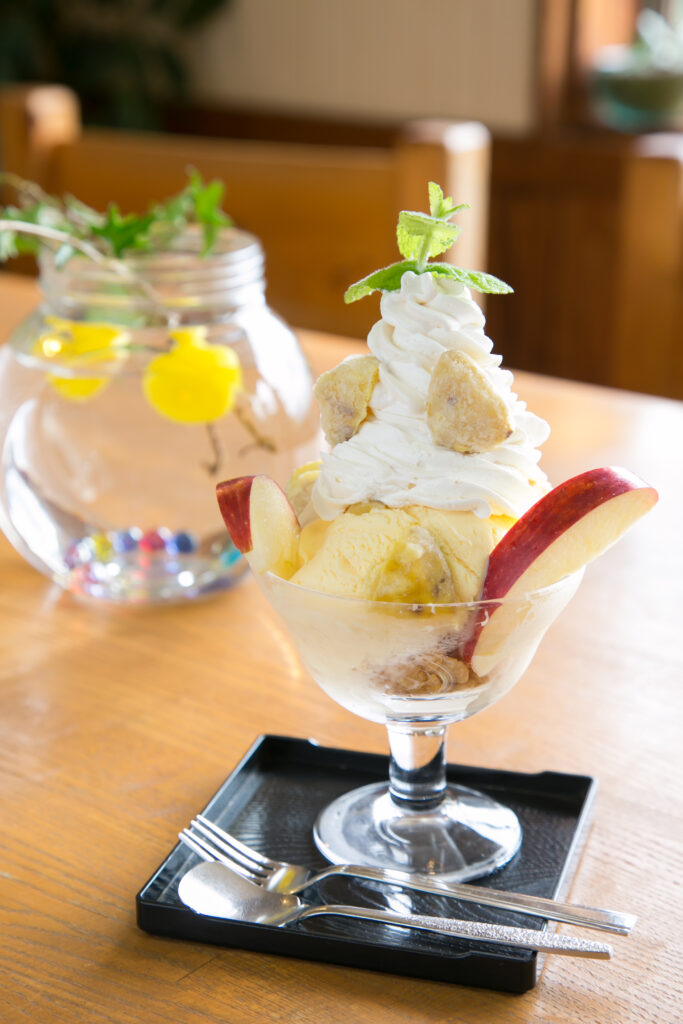
- Magome-juku is a must-visit for anyone who loves Japanese chestnuts, or kuri. Kuri kinton is a traditional confection made by blending steamed chestnuts with sugar. Kuri okowa is a local specialty of glutinous rice mixed with sweetened or steamed chestnuts. Kuri zenzai is a warm, sweet red bean soup featuring candied chestnuts or chestnut-and-red-bean paste (kuri kinton). Beyond these, the town offers an array of chestnut delights, including chestnut ice cream, yokan jelly, buns, and pound cake. The entire town feels like a treasure chest overflowing with all things chestnut.
2.5 The Japanese
👉Samurai SNS: Discovering the “High Bulletin Board” of the 17th Century
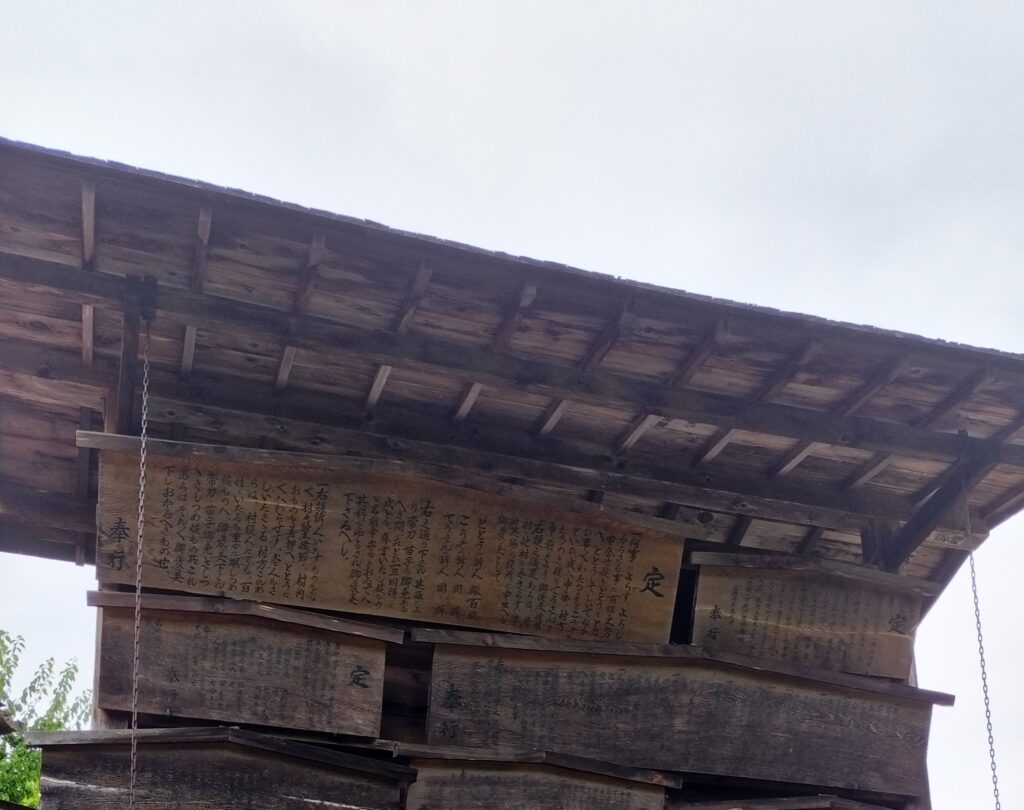
- As in many other post towns, Magome-juku also features a kosatsuba—an official bulletin board from the samurai period—near the town’s gazebo. Much like today’s websites or social media platforms, it served as a key tool for informing the public of shogunate policies, such as bans on Christianity and moral directives. Though written in classical Japanese and difficult to understand without specialized knowledge, the bulletin offers a glimpse into how Japan was governed in those days and how information was communicated to ordinary people. Simply standing before it, you may feel as though you’ve stepped into a scene from a period film.
Thank you & Afterwards
🔶Thank you so much for reading to the end! If you have any comments or requests, please feel free to reach out to us at the email address provided in the 📧Assistance & Services📞 section.🔶Gold🔶v.5b.5b.5a/S2