
🍵 峰 🍵
日本伝統文化ウオッチャー&ガイド
日本伝統文化ウオッチャー&ガイド
ようこそ茶道体験の世界へ!
商談中のVIPゲストから、車窓から見えた『茶道体験』に後で行きたいと言われる時ってありますよね!今回はわずかな移動時間のうちに、的を射たご案内の準備ができるように、メインのプロセスからそれぞれに掘り下げた細かいステップまで分かり易くご紹介します。ピンポイントでチェックできるようにメニューボタンも配置しましたので必要に合わせてご利用ください。今回は私、峰(Mine)が最後までご案内します。
💡 本シリーズのポイント
- 専門用語は使わずに: 初めて体験するゲストの心に「すんなり伝わる」分かりやすさを最優先しました。
- 略式作法にぎゅっと凝縮: 体験現場でそのまますぐに使えるステップだけを集めています。
- 嬉しい音声サンプル付き: 各章の終わりに、ネイティブによるお手本音声を置いています。
🎯 シリーズ全10ステップ(チェックしたい項目をタップ!)
0. 茶道の背景知識 1. 茶室に入る 2. 席に着く 3. 掛け軸・生け花(本記事) 4. お菓子を頂く 5. お点前を見る 6. お茶を頂く(薄茶) 7. お茶を頂く(濃茶) 8. 茶碗を拝見する 9. 退室する
👥 各ステップの説明と英語音声については、まずは日本語でしっかり流れをイメージできるように、「日本語 > 英語」の順になっていますので、どうぞ安心して読み進めてみてくださいね。
Step 3 掛け軸や生け花の説明を聞く!(Observing the Tokonoma)

峰
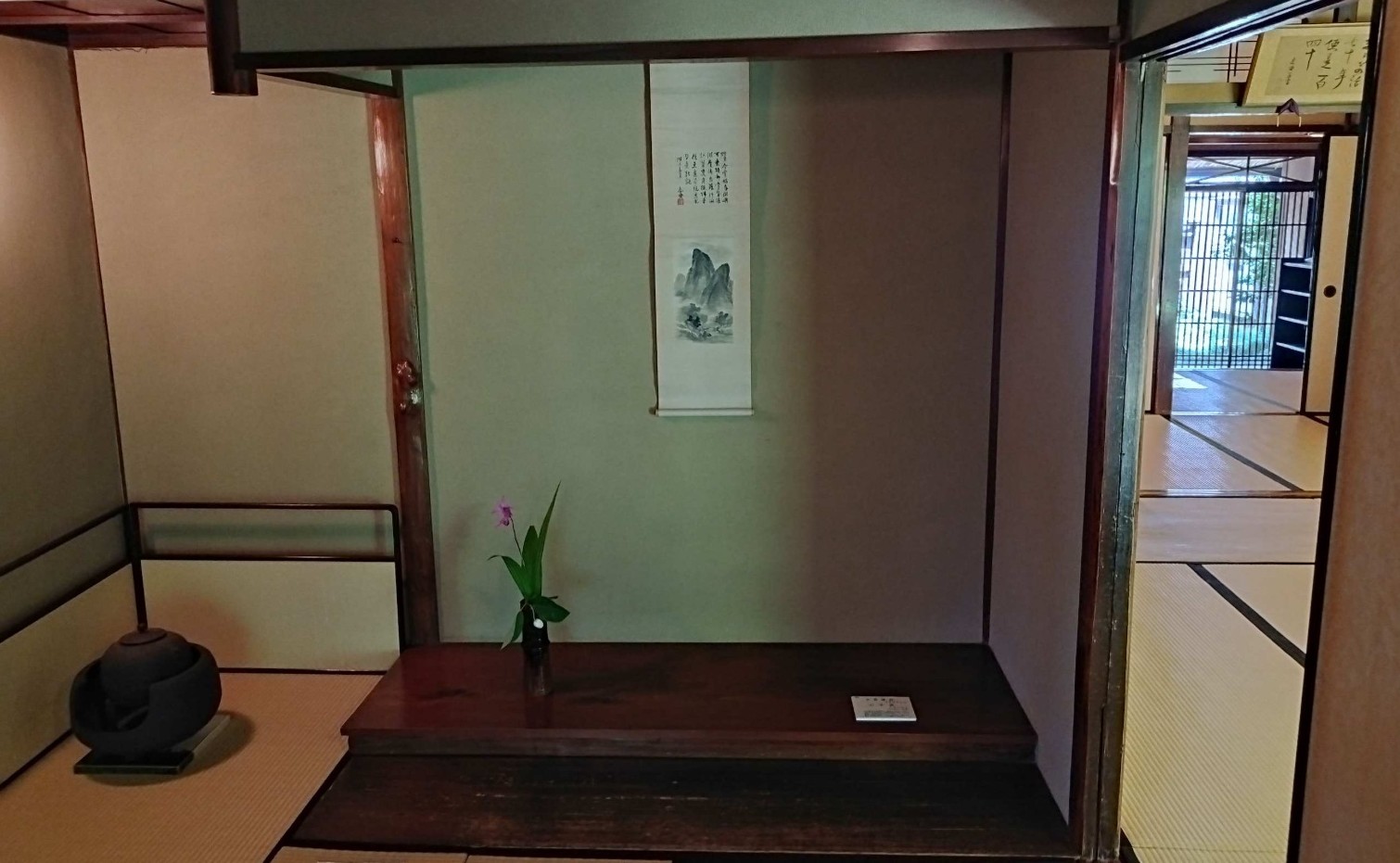
床の間は茶会のテーマを映す鏡!ホストが込めた季節のメッセージを一緒に読み解きましょう。
本プロセスをステップ毎に列記します。掛け軸の種類や、四季折々の茶花(ちゃばな)の名前も現場ですぐ引けるようにまとめました。
案内時のポイント:
「茶道のお花(茶花)は華やかに飾るのではなく、野に咲いているままの自然な姿を大切にするんですよ」と一言添えると、西洋のフラワーアレンジメントとの違いが伝わってゲストに大変喜ばれます。
「茶道のお花(茶花)は華やかに飾るのではなく、野に咲いているままの自然な姿を大切にするんですよ」と一言添えると、西洋のフラワーアレンジメントとの違いが伝わってゲストに大変喜ばれます。
🎯 お急ぎの方は下記からピンポイントで即チェックできます!
《日本語》
3-1 掛け軸や生け花の説明を聞くフロー
- ホストが掛け軸と生け花に注目を促す (The host directs attention to the hanging scroll and flower arrangement):
- ホストは、茶室の床の間に飾られた掛け軸と生け花について、客に注目を促します。「床の間の掛け軸は~」「本日のお花は~」といった言葉で始まります。
- 掛け軸の説明 (Explanation of the hanging scroll):
- 掛け軸に書かれた文字(禅語、和歌など)の意味や、描かれた絵の主題、作者、季節との関連性などが説明されます。
- その日の茶会のテーマや、ホストの思いが込められている場合もあります。
- 生け花の説明 (Explanation of the flower arrangement – Ikebana):
- 生けられている花の種類、その季節における意味合い、花材の組み合わせ、流派、ホストが生けた意図などが説明されます。
- 茶花は、自然の姿を尊重し、素朴で侘びた趣が特徴であることが伝えられます。
- 質問をする時間 (Time for questions):
- ホストの説明後、掛け軸や生け花について質問をする時間が設けられることがあります。
- 静かに鑑賞する (Quietly appreciate):
- 説明を聞いた後、各自で掛け軸と生け花を静かに鑑賞します。
3-1a. Flow When Listening to the Explanation of the Hanging Scroll and Flower Arrangement
Observing the Tokonoma (Alcove) in the Tea Room
- Introducing the Hanging Scroll and Flower Arrangement
- The host begins by drawing guests’ attention to the alcove, offering gentle remarks such as, “The hanging scroll in the alcove is…” or “Today’s flowers are…”
- Explanation of the Hanging Scroll
- The host may explain the meaning behind the inscription—whether it’s a Zen phrase, waka poetry, or another artistic expression.
- They may also discuss the subject of the artwork, the artist, and its connection to the season.
- The theme of the tea gathering and the host’s intentions might also be shared.
- Explanation of the Flower Arrangement (Ikebana / Chabana)
- If an ikebana arrangement is present, details such as the types of flowers used, their seasonal relevance, the combination of materials, and the school of ikebana may be explained.
- When chabana (tea flowers) are featured, their simplicity and wabi-sabi aesthetics, which emphasize natural beauty, are highlighted.
- Time for Questions
- After the explanations, guests may have the opportunity to ask questions about the scroll or flower arrangement.
- Quiet Appreciation
- Following the discussion, guests are encouraged to observe and quietly reflect on the scroll and flower arrangement, appreciating their presence in the tea room.
3-2 補足表現(必要に合わせて)
フローに入らない表現例です。
3-2-1 掛け軸の説明の表現例
- 著名な作者によるもの: 一般的に有名な詩人、書家、画家、歴史的な重要人物の筆による書や絵が使われます。
- 禅語・仏語: 禅の教えや悟りの境地を示す言葉が書かれ、精神性を高める役割を持ちます。
- 和歌・漢詩: 四季の情景や人生の機微を詠んだ詩歌が、茶席の雰囲気を演出します。
- 山水画: 自然の雄大さや静けさを描いた水墨画などが、茶室空間に奥行き感を与えます。
- 花鳥画: 四季折々の花や鳥の姿を描いたものが、季節感を高めます。
- 墨跡: 禅僧などが書いた、筆の勢いや精神性を伝える書も使われます。
- 一行物: 短い言葉や句を力強く書いたもので、深い意味合いを持つことがあります。
3-2-1a. Types of Hanging Scrolls Used in the Tea Ceremony
- Works by Famous Authors – Calligraphy or paintings by renowned poets, calligraphers, painters, or historical figures are often selected for their cultural and artistic significance.
- Zen or Buddhist Sayings – These inscriptions express Zen teachings and enlightenment, fostering a contemplative and spiritual atmosphere.
- Waka and Chinese Poetry – Poems depicting seasonal scenes and the subtleties of life help set the mood for the tea ceremony.
- Landscape Paintings – Ink-wash paintings illustrating the grandeur and serenity of nature add depth and tranquility to the tea room.
- Kachō-ga (Flower and Bird Paintings) – Artistic depictions of seasonal flowers and birds enhance the tea room’s connection to nature and the changing seasons.
- Sumi-e Calligraphy – Works by Zen monks and other artists convey both energy and spirituality through expressive brushstrokes.
- One-Line Sayings – Short yet profound words or phrases, written in a bold and powerful style, invite reflection and deeper meaning.
3-2-2 生け花の花の四季&花の表現例
- 春 (Spring):
- 桜 (Sakura):cherry blossom / cherry tree
- 梅 (Ume)
- 芍薬 (Shakuyaku)
- 椿 (Tsubaki)
- 木瓜 (Boke)
- 連翹 (Rengyō)
- 菜の花 (Nanohana)
- 夏 (Summer):
- 紫陽花 (Ajisai)
- 撫子 (Nadeshiko)
- 桔梗 (Kikyō)
- 百合 (Yuri)
- 菖蒲 (Ayame/Shobu/Kakitsubata)
- 鉄線 (Tessen)
- 朝顔 (Asagao)
- 秋 (Autumn):
- 萩 (Hagi)
- 薄 (Susuki)
- 吾亦紅 (Waremokou)
- 竜胆 (Rindou)
- 紅葉した葉 (Momiji)
- 菊 (Kiku)
- 女郎花 (Ominaeshi)
- 冬 (Winter):
- 侘助椿 (Wabisuke Tsubaki)
- 水仙 (Suisen)
- 蝋梅 (Roubai)
- 南天 (Nanten – 実や葉)
- 松 (Matsu – 葉や枝)
- 千両・万両 (Senryou/Manryou – 実)
- 寒木瓜 (Kanboke)
📘 Glossary / 用語集
- 🖼 Hanging Scroll (Kakejiku) / 掛け軸(かけじく)
- Hanging Scroll (Kakejiku)☛掛け軸– 茶室の主題を示す書や絵。茶会の精神性を象徴する。
- Zen Phrases / Buddhist Sayings☛禅語・仏語– 悟り・静寂・心の在り方を示す言葉。
- Waka & Chinese Poetry☛和歌・漢詩– 四季や人生の情緒を詠んだ詩歌。
- Landscape Painting (Sansui-ga)☛山水画– 自然の雄大さや静けさを描く水墨画。
- Flower-and-Bird Painting (Kachō-ga)☛花鳥画– 季節の花や鳥を描いた絵。季節感を演出。
- Sumi-e Calligraphy☛墨跡(ぼくせき)– 禅僧などが書いた力強い筆跡。精神性を伝える。
- One-Line Scroll (Ichigyōmono)☛ 一行物 – 短い言葉を力強く書いた掛け軸。深い意味を持つ。
- Artist & Seasonal Relevance☛作者・季節との関連 – 掛け軸の背景や季節性を説明する際に用いられる視点。
- 🌸 Flower Arrangement (Ikebana / Chabana) / 生け花・茶花
- Ikebana☛生け花 – 花材の組み合わせや流派の美意識を反映した花の芸術。
- Chabana (Tea Flowers)☛茶花(ちゃばな)– 茶道で用いられる花。自然の姿を尊重し、素朴で侘びた趣が特徴。
- Seasonal Meaning☛季節の意味合い – 花材が持つ季節性や象徴性。
- Host’s Intention☛ ホストの意図 – 花の選択や配置に込められた思い。
- 🙋♀️ Interaction & Appreciation / 質問と鑑賞
- Time for Questions☛質問の時間 – 掛け軸や生け花についてホストに質問できる時間。
- Quiet Appreciation☛静かに鑑賞する– 説明後、床の間の美を静かに味わう時間。

🍵 峰(Mine)|日本伝統文化ウオッチャー&ガイド
茶道体験の英語案内ポイントはいかがでしたでしょうか?
他のステップ(茶室への入り方から退室まで)や背景知識へ移動する際は、冒頭のメニューボタンをご活用くださいませ!