
🍵 峰 🍵
日本伝統文化ウオッチャー&ガイド
日本伝統文化ウオッチャー&ガイド
ようこそ茶道体験の世界へ!
商談中のVIPゲストから、車窓から見えた『茶道体験』に後で行きたいと言われる時ってありますよね!今回はわずかな移動時間のうちに、的を射たご案内の準備ができるように、メインのプロセスからそれぞれに掘り下げた細かいステップまで分かり易くご紹介します。ピンポイントでチェックできるようにメニューボタンも配置しましたので必要に合わせてご利用ください。今回は私、峰(Mine)が最後までご案内します。
💡 本シリーズのポイント
- 専門用語は使わずに: 初めて体験するゲストの心に「すんなり伝わる」分かりやすさを最優先しました。
- 略式作法にぎゅっと凝縮: 体験現場でそのまますぐに使えるステップだけを集めています。
- 嬉しい音声サンプル付き: 各章の終わりに、ネイティブによるお手本音声を置いています。
🎯 シリーズ全10ステップ(チェックしたい項目をタップ!)
0. 茶道の背景知識
1. 茶室に入る
2. 席に着く
3. 掛け軸・生け花
4. お菓子を頂く
5. お点前を見る
6. お茶を頂く(薄茶)
7. お茶を頂く(濃茶)
8. 茶碗を拝見する(本記事)
9. 退室する
👥 各ステップの説明と英語音声については、まずは日本語でしっかり流れをイメージできるように、「日本語 > 英語」の順になっていますので、どうぞ安心して読み進めてみてくださいね。
Step 8 茶碗を拝見する!(Appreciating the Tea Bowl)

峰
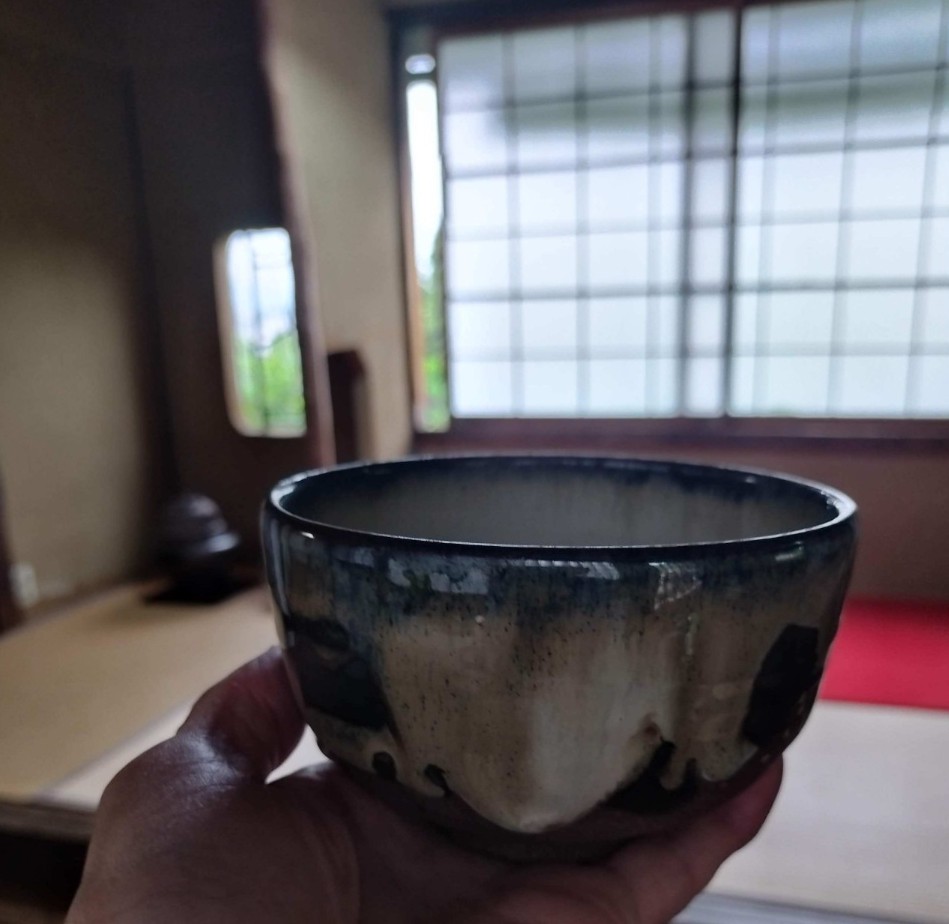
茶碗は単なる器ではなく、亭主が季節やゲストに合わせて選び抜いた「一期一会」の芸術品です!
本プロセスの主なステップを列記します。鑑賞の順序から、代表的な楽茶碗・大樋焼の説明表現までまとめました。
案内時のポイント:
「茶碗を拝見する際は、万が一落としても割れないよう、畳(またはテーブル)のすぐ近くの低い位置で両手で持つのが大切なマナーです」と一言添えておくと、貴重な茶碗でも安心して鑑賞していただけます。
「茶碗を拝見する際は、万が一落としても割れないよう、畳(またはテーブル)のすぐ近くの低い位置で両手で持つのが大切なマナーです」と一言添えておくと、貴重な茶碗でも安心して鑑賞していただけます。
🎯 お急ぎの方は下記からピンポイントで即チェックできます!
《日本語》
8-1 茶碗を拝見するプロセス
- ホストから拝見の勧めがある (The host suggests appreciating the tea bowl):
- ホストから「よろしければ、お茶碗を拝見ください」といった言葉があります。
- 「頂戴いたします」と挨拶する (Say “Chōdai itashimasu”):
- ホストに感謝の気持ちを込めて「頂戴いたします」と心の中で、または声に出して挨拶します。
- 茶碗を受け取る (Receive the tea bowl):
- 両手を添えて、丁寧に茶碗を受け取ります。
- 茶碗を正面に向ける (Turn the tea bowl to face you):
- 受け取った茶碗を、まず正面に向け、全体をじっくりと眺めます。
- 茶碗を回して様々な角度から鑑賞する (Turn the tea bowl to appreciate it from various angles):
- 茶碗を手に持ち、少しずつ回しながら、形、色、模様、貫入(かんにゅう – 釉薬のひび割れ)、高台(こうだい – 底の部分)などを様々な角度から鑑賞します。
- 指の腹でそっと触れて、手触りを感じることもあります。
- 作者や窯元について思いを馳せる (Reflect on the maker or kiln):
- 可能であれば、茶碗の作者や作られた窯元について思いを馳せ、その背景にある歴史や文化を感じます。
- ホストへの質問 (Asking questions to the host – optional):
- 拝見する中で気づいた点や、作者、意匠などについて質問があれば、このタイミングでホストに尋ねることができます。
- 拝見を終える (Finish appreciating the tea bowl):
- じっくりと鑑賞したら、茶碗を元の正面に戻します。
- 茶碗を置く、または返す (Place down or return the tea bowl):
- 薄茶の場合は、元の位置または少し手前に丁寧に置きます。
- 濃茶の場合は、最後の客が拝見した後、ホストに両手で丁寧に返します。
- お礼を述べる (Express thanks):
- 拝見を終えた後、ホストに「素晴らしいお茶碗でございました」など、感謝の気持ちを伝えます。
8-1a. Flow When Appreciating the Tea Bowl
- Invitation from the Host
- The host may say something like, “If you don’t mind, please take a moment to examine the tea bowl.”
- Expressing Gratitude
- Before handling the tea bowl, express appreciation by saying, “Chōdai itashimasu,” either aloud or silently in your mind.
- Receiving the Tea Bowl
- Accept the tea bowl politely, using both hands—the right hand supporting the rim and the left hand cradling the base.
- Turning the Tea Bowl to Face You
- Rotate the tea bowl so the design faces you, allowing for a moment of appreciation.
- Examining the Tea Bowl
- Hold the tea bowl with care and turn it gently to observe its shape, color, patterns, kan’nyū (cracks in the glaze), and kōdai (the foot of the bowl) from various angles.
- You may also feel the texture by lightly touching it with the pad of your finger, further appreciating the craftsmanship.
- Reflect on the Maker or Kiln
- If possible, take a moment to consider the tea bowl’s maker or the kiln where it was crafted, appreciating the history and cultural significance behind it.
- Optional: Asking the Host Questions
- You may ask the host any questions you have regarding the tea bowl’s origin, design, or craftsmanship, or share any observations from your examination.
- Completing the Appreciation
- After fully admiring the tea bowl, return it to its original position with care.
- Placing or Returning the Tea Bowl
- For light tea (usucha), gently place the tea bowl back in its original position or slightly forward.
- For thick tea (koicha), after the final guest has examined it, the tea bowl should be respectfully returned to the host with both hands.
- Expressing Gratitude
- Upon completion, express appreciation to the host by saying, “This is a wonderful tea bowl.”
8-2 補足表現(必要に合わせて)
フローに入らない表現例です。
- 拝見は任意であること: これは必ずしも全員が行うものではなく、ホストの勧めがあった場合に行われます。
- 感謝の気持ち: 茶碗は亭主が心を込めて選んだ大切な道具であるため、感謝の気持ちを持って拝見します。
- 見るポイント: 拝見する際は茶碗の形、色、模様、手触りなどを確認してください。
- 静かに鑑賞する: 他の参加者の迷惑にならないよう、静かに鑑賞してください。
- 質問のタイミング: 質問は拝見後に行うようにします。
- 茶碗への敬意: 丁寧に扱い、落としたりしないように注意をしてください。
- 作者や背景への想像力: 茶碗を通して、作者や作られた時代、背景にある文化などを想像してみる楽しみ方もあります。
- 拝見の意味: 茶碗の拝見は、単に物を見るだけでなく、亭主の心遣いや日本の美意識を感じる大切な時間です。じっくりと茶碗を鑑賞してその魅力を堪能してください。
8-2a. Etiquette for Viewing the Tea Bowl
- Optional Viewing – Observing the tea bowl is not mandatory; it is typically done at the host’s suggestion.
- Appreciation – The tea bowl is a carefully chosen utensil, selected with thought and intention by the host. It should be viewed with a sense of gratitude.
- What to Observe – Pay attention to the bowl’s shape, color, pattern, and texture, appreciating its craftsmanship and artistic elements.
- Quiet Reflection – View the bowl silently and mindfully, ensuring you do not disturb the atmosphere or other participants.
- Timing of Questions – If you have any inquiries about the tea bowl, wait until after the viewing to ask.
- Handle with Care
- The tea bowl is a significant and delicate object. Hold it attentively, ensuring it is not dropped or mishandled.
- Imagining the Creator and History
- Tea bowls carry the artistry and craftsmanship of their makers. Consider the time period, cultural background, and creative intent behind their design.
- Respecting the Meaning of “Seeing”
- Observing a tea bowl is more than simply looking at an object; it is a moment to feel the host’s care and appreciate the Japanese sense of beauty. Take time to admire its charm and reflect on its significance.
8-3 茶碗の種類に関する表現例
- 楽茶碗 (Raku ware) について
- 手で形作られる、温かみのある素朴な風合いの茶碗です。
- 一つとして同じ形がない、手作りの風合いに魅力があります。
- 数百年の歴史を持つ、特に茶道でよく使われる茶碗の一つです。
- 黒楽や赤楽などの特徴的な色合いがあります。
- 大樋焼 (Ōhi ware) について
- 楽茶碗から派生して発展した金沢の代表的な陶器です。
- 飴色(キャラメル色)の釉薬が特徴です。
- 独特の少し歪んだような形をしているものもあります。
- 実際の説明例
- 今日お使いいただいている茶碗は、楽茶碗という最高級品のものです。
- こちらは金沢の伝統的な焼き物である大樋焼で、茶道では欠かせない茶碗です。
- 楽茶碗は、手捏ねで作られるため、一つとして同じ形がないのが特徴です。
- 大樋焼は、飴色の釉薬と独特の造形が特徴です。
8-3a. Types of Tea Bowls & Sample Descriptions
1. About Raku Tea Bowls (Raku Ware)
- Handmade Craftsmanship – Raku tea bowls are meticulously crafted by hand, featuring a warm and rustic texture that embodies simplicity and elegance.
- Uniqueness – Each bowl carries its own distinct character, as no two pieces are identical, adding to their charm.
- Significance in the Tea Ceremony – Raku ware is among the most commonly used tea bowls, valued for its deep connection to the tea tradition and its centuries-old history.
- Characteristic Shades – Raku tea bowls come in iconic variations, such as Kuro-Raku (black Raku) and Aka-Raku (red Raku), each reflecting unique artistic and aesthetic qualities.
2. About Ōhi Ware
- Regional Significance – Ōhi ware is a distinguished pottery style originating from Kanazawa, Japan, evolving from the tradition of Raku tea bowls.
- Distinctive Glaze – It is characterized by its signature caramel-colored glaze, which gives it a warm and earthy aesthetic.
- Unique Forms – Some pieces feature slightly irregular or distorted shapes, adding individuality and artistic charm to each creation.
3. About Today’s Tea Bowl
- The tea bowl being used today is a top-quality Raku tea bowl, known for its handcrafted uniqueness.
- It is a piece of Ōhi ware, a traditional pottery style from Kanazawa, essential in the tea ceremony.
- Raku tea bowls are individually shaped by hand, ensuring that no two are exactly alike, adding to their charm.
- Ōhi ware is distinguished by its candy-colored glaze and characteristic shape, which reflects both artistry and tradition.
📘 Glossary / 用語集
- 🏯 Invitation & Receiving / 拝見の始まりと受け取り
- Host’s Invitation☛拝見の勧め – 「よろしければ、お茶碗を拝見ください」など、ホストが鑑賞を促す言葉。
- “Chōdai itashimasu”☛「頂戴いたします」– 茶碗を手に取る前に、心の中または声に出して感謝を伝える挨拶。
- Receiving the Tea Bowl☛茶碗を受け取る – 両手を添えて丁寧に受け取る。右手で縁、左手で底を支える。
- 👀 Viewing the Bowl / 茶碗を鑑賞する
- Facing the Bowl☛正面に向ける– まず茶碗の正面を自分に向け、全体を静かに眺める。
- Turning the Bowl☛茶碗を回す – 少しずつ回しながら、形・色・模様を多角的に鑑賞する。
- Kan’nyū(貫入)☛釉薬のひび割れ – 釉薬に入る細かなひび模様。茶碗の味わいを深める要素。
- Kōdai(高台)☛茶碗の底 – 茶碗の足の部分。作り手の個性がよく表れる。
- Feeling the Texture☛ 手触りを感じる – 指の腹でそっと触れ、質感や温かみを味わう。
- 🧑🏭 Reflecting on the Maker / 作者・窯元への思い
- Maker / Potter☛ 作者 – 茶碗を作った陶芸家の技と精神を想像する。
- Kiln (Kamamoto)☛ 窯元 – 茶碗が生まれた土地や窯の歴史・文化を感じる。
- Cultural Reflection☛背景への想像 – 茶碗に込められた時代性や美意識を思い描く。
- 🙋♂️ Questions & Completion / 質問と拝見の終わり
- Asking Questions☛ 質問 – 作者・意匠・技法など、気づいた点をホストに尋ねてもよい。
- Returning the Bowl’s Front☛ 正面を戻す – 鑑賞を終えたら、茶碗の正面を元の位置に戻す。
- Placing or Returning the Bowl ☛ 茶碗を置く/返す – 薄茶:元の位置または少し前に置く。濃茶:最後の客がホストへ両手で返す。
- Expressing Thanks☛ お礼 – 「素晴らしいお茶碗でございました」など、感謝を伝える。
- 📝 Supplementary Notes / 補足表現
- Optional Viewing☛任意の拝見 – ホストの勧めがあった場合に行う。必須ではない。
- Quiet Appreciation☛ 静かに鑑賞 – 他の客の迷惑にならないよう、静かに拝見する。
- What to Observe☛ 見るポイント – 形、色、模様、手触り、貫入、高台など。
- Handle with Care☛丁寧に扱う – 茶碗は大切な道具。落とさないよう慎重に。
- Meaning of Viewing☛拝見の意味 – 物を見るだけでなく、亭主の心遣いと日本の美意識を味わう時間。
- 🍵 Types of Tea Bowls / 茶碗の種類
- Raku Ware☛楽茶碗 – 手捏ねで作られる温かみのある茶碗。一つとして同じ形がない手作りの魅力と数百年の歴史を持ち、黒楽・赤楽などの特徴的な色合いがある。
- Ōhi Ware☛大樋焼 – 金沢を代表する陶器。楽茶碗の流れを汲み、飴色(キャラメル色)の釉薬と少し歪んだ造形が個性と味わいを生む。
- 💬 Example Descriptions / 実際の説明例
- 「今日お使いいただいている茶碗は、楽茶碗という最高級品です。」
- 「こちらは金沢の伝統的な焼き物、大樋焼でございます。」
- 「楽茶碗は手捏ねで作られるため、一つとして同じ形がありません。」
- 「大樋焼は飴色の釉薬と独特の造形が特徴です。」

🍵 峰(Mine)|日本伝統文化ウオッチャー&ガイド
茶道体験の英語案内ポイントはいかがでしたでしょうか?
他のステップ(茶室への入り方から退室まで)や背景知識へ移動する際は、冒頭のメニューボタンをご活用くださいませ!