剣道/kendo体験の英語説明|通訳ガイドも使う簡単例文【どうする日本文化体験シリーズ】

日本文化体験ガイド集
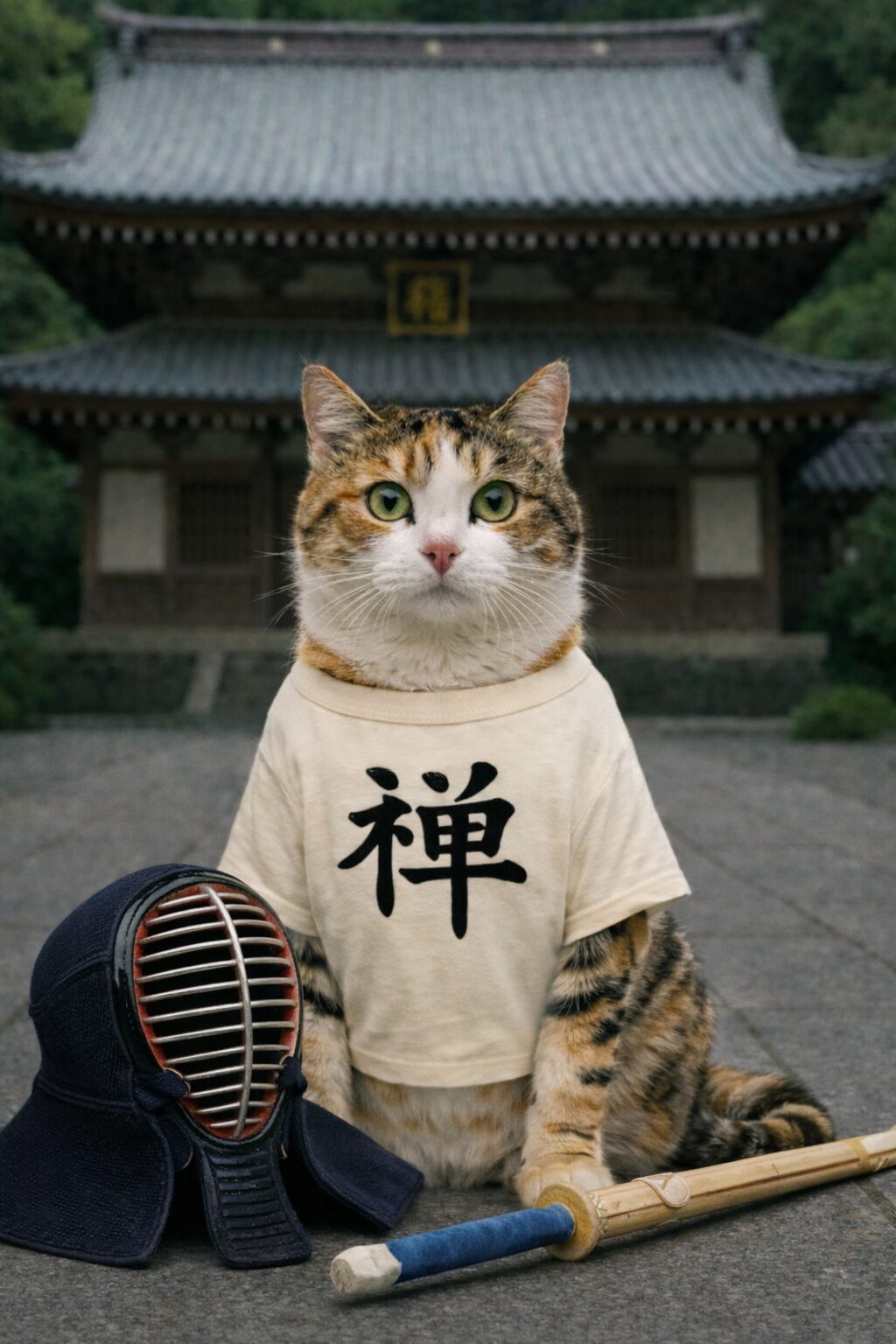
Created with AI

「訪日中の大切なお客様と移動中のタクシー内。突然、『剣道を体験してみたいんだけど、どうかな?』と言われたら、あなたならどう答えますか?」

アイコン

⚔️Kotetsu:ブログ侍ガイド🗻
今回は、海外ゲストを剣道体験教室へご案内する際に、緊張をほぐし、安全に、そして文化的な深みを感じてもらうための英語表現をカテゴリー別にご紹介します。 インバウンド向けの剣道体験は、単なるスポーツ体験ではなく「武道(Budo)」の精神性を伝える絶好の機会です。単なる実技の通訳だけでなく、歴史や「人間形成の道」という背景を添えることで、ゲストの体験は一生の思い出に残る深いものへと変わります。👥英語音声は米国話者です。

0: 剣道をもっと深く知るために(背景知識)

⚔️体験の前に、ゲストに「おっ、詳しいね!」と思われるような豆知識を共有しましょう。

0-1. 剣道の歴史:刀から竹刀へ(History: From Katana to Shinai)

剣道は、侍の戦場での技術(剣術)が、平和な時代の精神修養へと進化したものです。

  • Origin in the Samurai Era: Kendo evolved from Kenjutsu, the sword techniques practiced by Samurai on and off the battlefield. For centuries, it was a matter of life and death. (剣道は「剣術」から進化したもので、侍の戦場内外での技術です。何世紀もの間、それは生死を分かつ技術でした。)
  • Transition to Spiritual Discipline: During the peaceful Edo period, the focus shifted from defeating opponents to ”polishing one’s mind and spirit”.(平和な江戸時代、目的は敵を倒すことから「己の心身を磨くこと」へと変化しました。)

0-2. 日本文化としての剣道(Kendo as Japanese Culture)

  • Reiho (Etiquette): Kendo begins and ends with a bow. This reflects the Japanese ethos of showing respect to one’s opponent.(剣道は礼に始まり礼に終わります。相手を敬う日本人の価値観の表れです。)
  • Zanshin (Lingering Awareness): Even after a strike, you must maintain focus. This alertness is the beauty of Kendo. (打った後も油断せず、集中を維持する「残心」。この緊張感こそが剣道の美学です。)

0-3. 他の武道(柔道・空手)との関わり(Relation to Other Budo)

🗻ゲストからよく聞かれる「他の武道との違い」を整理しました。

武道 (Budo) 焦点 (Focus) 特徴 (Characteristics)
Kendo (剣道) Sword & Distance Focuses on using the sword and mastering the interval (Ma-ai).
Judo (柔道) Grappling & Balance Focuses on using an opponent’s strength against them.
Karate (空手) Striking & Hardness Focuses on powerful strikes with hands and feet.

1. 挨拶と心構え(Greetings & Mindset)

⚔️剣道は「礼に始まり礼に終わる」という文化を伝えるのがポイントです。

  • Kendo begins and ends with a bow. (剣道は礼に始まり、礼に終わります。)
  • Please take off your shoes and hats before entering the Dojo. (道場に入る前に、靴と帽子を脱いでください。)
  • Let’s sit in “Seiza” style. It is a formal way of sitting to calm your mind. (正座をしましょう。心を落ち着かせるための正式な座り方です。)
  • “Mokuso” means meditation. Close your eyes and focus on your breathing. (「黙想」はメディテーションです。目を閉じ、呼吸に集中してください。)

2. 用具の説明(Equipment & Gear)

🛡️ 用具に対する心構え(Mindset for Equipment)を押さえておきます。

  • “Shinai and Bogu (armor) are not just tools. In Kendo, they are considered sacred and are an extension of your own body. Please treat them with great respect and care.”(竹刀や防具は、単なる道具ではありません。剣道においてこれらは神聖なもので自分の分身です。敬意を持って、大切に扱ってください。)

💡 体験者にこの精神をより深く伝えるための、いくつかの英語表現のバリエーションです。

1.「自分の分身」であることを強調する場合

  • “Think of your Shinai as an extension of your soul, not just a wooden stick.” (竹刀をただの木の棒と思わず、自分の魂の延長(分身)だと考えてください。)
    • 👆Extension of your soul/body という表現は、武道の精神性を説明する際によく使われる非常に美しいフレーズです。

2. 「神聖さ」を強調する場合

  • “These are sacred items in Japanese Budo. Please do not treat them carelessly.” (これらは日本の武道における神聖な品々です。不注意に(雑に)扱わないでください。)
    • 👆Sacred(神聖な)という言葉を使うことで、床に直置きしたり、またいだりしてはいけないという「タブー」の背景を理解してもらいやすくなります。

3. 「敬意」を促す具体的な指示

  • “Show respect to your equipment just as you do to your opponent.” (相手に対するのと同じように、用具にも敬意を示しましょう。)
    • 👆剣道の「礼に始まり礼に終わる」という考え方が用具にも適用されることを伝えるのに適しています。

⚔️用具の違いを英語で補足するとスムーズに進みます。

  • This is a “Shinai,” a bamboo sword used for practice. (これは「竹刀」です。練習で使う竹の剣です。)
  • The armor is called Bogu. It consists of a helmet (Men), gloves (Kote), a body protector (Do), and a waist protector (Tare).(防具は「面」「小手」「胴」「垂」で構成されています。)
  • Please hold the Shinai with both hands, left hand at the bottom. (竹刀は両手で持ち、左手を一番下に添えてください。)

3. 基本動作と掛け声(Basic Moves & Kiai)

🗻動きを指示する際は、短く簡潔な命令形が伝わりやすいです。

  • Step forward with your right foot. (右足から一歩前へ出てください。)
  • Raise your sword above your head into the ready position. (剣を頭の上に振り上げてください。)
  • Strike the target and shout “MEN!” loudly. (打突部位を打ちながら、大きな声で「メン!」と叫んでください。)
  • “Kiai” is the spirit shout. It helps you focus your energy. (「気合」は魂の叫びです。エネルギーを集中させる助けになります。)

4. 指導中のアドバイス(Tips & Guidance)

⚔️初心者が陥りやすいポイントをフォローする表現です。

  • Don’t use too much strength in your shoulders. Relax. (肩に力を入れすぎないで。リラックスしてください。)
  • Keep your back straight and look your opponent in the eyes. (背筋を伸ばし、相手の目を見てください。)
  • The power comes from your left hand and your core, not just your arms. (力は腕だけでなく、左手と体幹から生み出します。)
  • Good job! / Nice strike! (いいですね! / ナイス打ちです!)

5. 終了時の挨拶(Closing)

🗻感謝と敬意を伝えて締めくくります。

  • Thank you for your hard work. “Otsukaresama-deshita.” (お疲れ様でした。)
  • How did it feel to strike with your full spirit? (全力で打ってみて、どんな気分でしたか?)
  • I hope you enjoyed experiencing the Samurai spirit.(侍の精神を楽しんでいただけたなら幸いです。)

💡 インバウンド対応のコツ 👆 ➊擬音語を活用する: “Swing it down like a Whoosh!”(シュッと振り下ろして!)など、音で伝えると動きのイメージが共有しやすくなります。 ➋安全第一: “Safety first. Please do not swing the Shinai outside the designated area.”(安全第一です。指定場所以外で竹刀を振り回さないでください)という注意喚起は最初に行いましょう。 Kotetsu

“Swing it down like a Whoosh!”
“Safety first. Please do not swing the Shinai outside the designated area.”
Appendix【1】🥋 実践:先生の指示通訳ステップ集(具体的指示編)

🗻このセクションでは、実際の体験の流れに沿って、先生の号令(日本語)をどのように英語で補足し、具体的な動きを指示すべきかをまとめています。

1. 整列・礼法(Line-up & Etiquette)

  • 「あちらに整列してください」
    • “Please line up over there.”
  • 「姿勢をまっすぐに(背筋を伸ばして)」
    • “Stand straight / Keep your back straight.”
  • 「正面に礼」 →「礼」
    • “Bow to the front. ‘Rei.’”
  • 「正座してください」
    • “Please sit in Seiza style (kneeling position).”
  • 「黙想を始めます。目を閉じて、呼吸に集中してください」
    • “We will begin Mokuso. Close your eyes and focus on your breathing.”
  • 「黙想やめ。目を開けてください」
    • “Mokuso yame (Mokuso finish). Open your eyes.”
  • 「先生に礼」
    • “Bow to the instructor. ‘Sensei ni rei.’”

2. 立ち上がり・構え(Standing & Kamae)

  • 「ゆっくり立ち上がってください」
    • “Stand up slowly.”
  • 「竹刀を両手で持ってください」
    • “Hold your Shinai with both hands.”
  • 「左手を下(柄の端)、右手を上に添えてください」
    • “Left hand at the bottom (pinky finger on the edge), right hand on top.”
  • 「中段の構えを取ってください。竹刀の先を相手の喉に向けます」
    • “Take Chudan-no-kamae. Point the tip toward your partner’s throat.”

3. 足さばき(Footwork)

  • 「右足から一歩前へ出てください」
    • “Step forward with your right foot.”
  • 「左足から一歩下がってください」
    • “Step back with your left foot.”
  • 「足はまっすぐに。足を交差させないでください」
    • “Keep your feet straight. Don’t cross your legs.”
  • 「体重は常に中心に置いてください」
    • “Keep your weight centered at all times.”
  • 「上体は動かさず(揺らさず)、足だけを動かしてください」
    • “Keep your upper body still and move only your feet.”
  • 「床の上を滑らせるように動きます」
    • “Slide your feet along the floor.”

4. 打突の準備(Preparation for Striking)

  • 「竹刀を頭の上に大きく振りかぶってください」
    • “Raise your Shinai high above your head.”
  • 「肩の力を抜いてリラックスしてください」
    • “Relax your shoulders.”
  • 「視線はまっすぐ前(相手の目)を見てください」
    • “Look straight ahead into your partner’s eyes.”
  • 「竹刀は自分の体の中心線に沿って、真っ直ぐ振り下ろしてください」
    • “Move your Shinai along the centerline of your body and strike straight down.”

5. 打突(Striking)

  • 「真っ直ぐ振り下ろして、お腹の底から『メン!』と叫んでください」
    • “Strike straight down and shout ‘MEN!’ from your core.”
  • 「もう一度。構えて… メン!」
    • “Again. Ready… MEN!”
  • 「もっと大きな声で!気合を出してください」
    • “Bigger voice! Use your Kiai (spirit)!”
  • 「打った後も動きを止めず、相手を通り過ぎて。残心を保ってください」
    • “Follow through and move past your opponent. Keep your focus and Zanshin (awareness).”
  • 「元の位置(型)に戻って、もう一度構えてください」
    • “Return to your position and get back into your stance.
    • 👆剣道で「型(構え)」を指す最も一般的な言葉は Stance です。

6. 終了の礼(Closing Etiquette)

  • 「元の列に戻ってください」
    • “Return to your original line.”
  • 「もう一度、正座してください」
    • “Please sit in Seiza again.”
  • 「黙想」目を閉じて、頭の中を空っぽ(クリア)にしてください。
    • “Mokuso.” (Close your eyes and clear your mind.)
  • 「黙想やめ」
    • “Mokuso yame. (Stop Mokuso)”
  • 「正面に礼」 →「礼」
    • “Bow to the front. ‘Rei.’”
  • 「ありがとうございました。お疲れ様でした」
    • “Thank you very much. Otsukaresama deshita.”

Appendix【2】おすすめの剣道体験教室

アイコン

👥Kotetsu
日本各地で本格的な体験ができるスポットをご紹介します。ご自身の旅程に合わせて選んでみてください。(👆サービス内容は変更される場合があります。最新情報は各公式サイトでご確認ください。)

  • SAMURAI TRIP(サムライ・トリップ)
    • エリア: 東京、大阪、京都、沖縄など全国展開
    • 特徴: 講師は有段者。英語での「武士道レクチャー」が非常に充実しています。
外国人観光客向け剣道体験ツアー【SAMURAI TRIP】
インバウンド・訪日外国人対応、本格剣道体験「SAMURAI TRIP」|皆様はどれくらい「剣道」を知っていますか?剣道は初心者でも実際に戦える、数少ない武道です!日本伝統のリアルな「サムライ体験」を、ぜひ体感してください。|武道ツーリズム推奨事業|東京・横浜・大阪・京都・福岡・沖縄
  • 一般社団法人 彩士館(Saishikan)
    • エリア: 全国組織
    • 特徴: 武道文化の振興を目的とした組織。技術だけでなく精神性を重んじる「本物」を体験したい方に。
彩士館
剣道コミュニティ
  • Samurai Training Experience KENDO in Osaka(侍会館)
    • エリア: 大阪
    • 特徴: TripAdvisor上位の人気店。エンタメ要素もあり、写真撮影サービスも充実!
Samurai Training Experience KENDO in Osaka
Step into the world of the Samurai and discover their enduring spirit through our authentic Kendo training experience in Osaka. This is your exclusive chance to...

🛡️ 安全に体験を楽しむために

⚔️剣道は安全に配慮された武道ですが、万が一の怪我やトラブルに備えて、スポーツ活動をカバーする「旅行保険」への加入をお勧めします。 安心して日本文化を楽しむための準備はこちらから確認できます。

SafetyWing – Insurance for remote workers

Appendix【3】習得チェック用:英語連続音声

⚔️今回の例文表現の習得度チェック用に英語音声の全文連続版を2タイプ(通常速度版と85%低速版=同時通訳目安速度)ご用意しましたので、電車の移動中など、空いた時間にご利用ください。

本文中例文

通常速度版
85%低速版

実践例文

通常速度版
85%低速版

御礼🔶後書き

Kotetsu ⚔️ 今回も最後までお読みいただき、ありがとうございます。本ブログに関するご意見やご要望がございましたら、下記メニューまでお気軽にお声がけください。

📧Assistance & Services📞🔶Gold🔶

author avatar
rakujitsumoyu@gmail.com
タイトルとURLをコピーしました