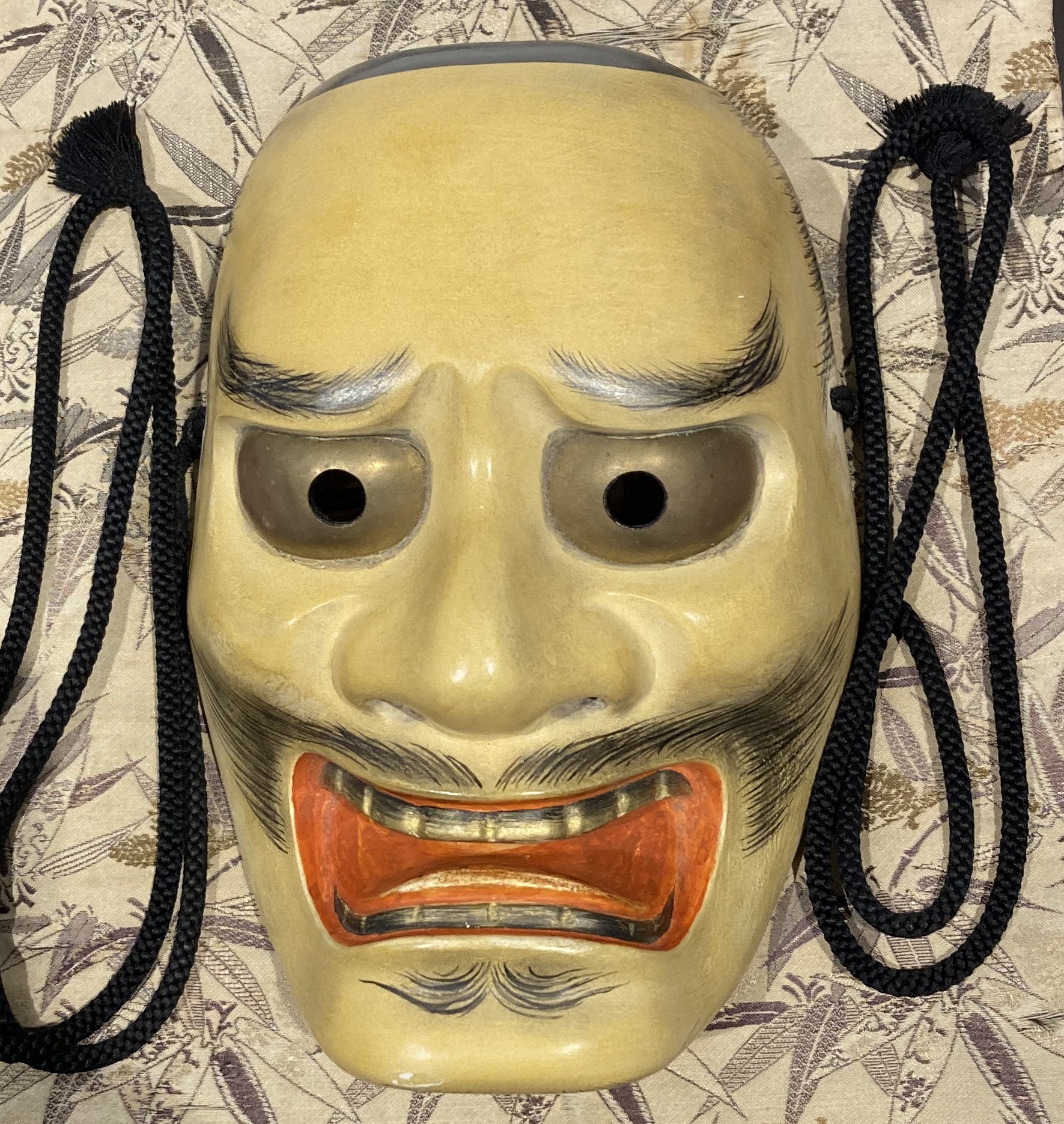
伝統芸能や時代劇をゲストと一緒に観ているとき、役者の微妙な表情や動きについて「今、彼はどういう気持ちなの?」と聞かれて、言葉に詰まったことはありませんか?

日本の舞台芸術ウオッチャー&ガイド
「こんにちは!源氏です!🎭」
言葉に出てこない時、焦って “He feels… bad” などと濁していませんか?動作(アクション)は見れば分かります。ガイドが補足すべきは、その裏にある「心の機微」です。
感情のバリエーションを持っておけば、沈黙することなく、ゲストを物語の世界へ深く引き込むことができますよ!
そこで今回は、伝統芸能や映画の主要なシーンで頻出する感情を5つのカテゴリーで体系化しました。
👉 幕間や上映中にサッと確認!1分で使える感情英語
⏱️ お急ぎの方は気になる感情表現へ10秒チェック!
【一目でわかる】感情・シチュエーション別チャート
| カテゴリー | 主軸表現(名詞・概念) | 動詞形・動詞的表現 |
|---|---|---|
| 【1】葛藤・迷い | Conflict(葛藤) | Struggle / Torn |
| Hesitation / Reluctance(躊躇・ためらい) | Hesitate / Waver | |
| Anguish / Agony(苦悩) | Suffer from / Be in agony | |
| Mental Turmoil(煩悶) | Be tormented / Wrestle with | |
| 【2】執着・怨念 | Resentment / Grudge(恨み・怨念) | Resent / Bear a grudge |
| Obsession(執着) | Be obsessed with / Haunt | |
| Indignation(憤り) | Be indignant / Seethe with anger | |
| 【3】忠義・誓い | Loyalty / Devotion(忠義・献身) | Devote / Pledge |
| Vow / Pledge(誓い・約束) | Vow / Swear an oath | |
| Resignation / Resolve(覚悟する) | Resign oneself to / Prepare for the worst | |
| Devotion / Loyalty(忠義を尽くす) | Show loyalty / Be devoted to | |
| Indebtedness / Gratitude(恩義に感じる) | Feel indebted / Owe a debt of gratitude | |
| 【4】情愛・慈しみ | Compassion(慈しみ・情け) | Feel compassion |
| Pity(慈しみ・哀れむ) | Pity / Sympathize | |
| Affection / Yearning(情愛・慕う気持ち) | Cherish / Long for | |
| Cherish / Affection(慈しむ) | Cherish / Nurture with love | |
| Yearning / Longing(恋い慕う) | Yearn for / Long for / Adore | |
| Lingering Affection(未練がある) | Have lingering affection / Cannot let go of | |
| 【5】衝撃・絶望 | Betrayal(裏切られたと感じる) | Betray / Feel deceived |
| Despair(絶望) | Lose hope / Despair of | |
| Astonishment(呆然とする) | Be flabbergasted / Be stunned | |
| 【6】無念・嘆き | Lament / Mourn(嘆く) | Lament / Mourn |
| Bitter Regret(無念に思う) | Regret bitterly / Die with lingering regret | |
| 【7】恐怖・戦慄 | Dread / Fear(慄く) | Shudder / Tremble with fear |
| Terrified / Panic(恐れおののく) | Be terrified / Be struck with fear |
👉 迷ったらまずこれ:
“He is in a deep emotional conflict.”(彼は深い感情の葛藤の中にいます)
【1】葛藤・迷い(Internal Conflict & Hesitation)
義理と人情の間で揺れ動く、日本文化特有の「板挟み」を説明する軸です。
■ Conflict(葛藤)
- 動詞:Struggle / Torn
- 例文:
- “The protagonist is struggling with an inner conflict.”(主人公は内面の葛藤と戦っています。)
- “He is torn between duty and love.” (彼は義理と人情の間で引き裂かれています。)
■ Hesitation / Reluctance(躊躇・ためらい)
- 動詞:Hesitate / Waver
- 例文:
- “He hesitates for a moment before drawing his sword.” (刀を抜く前に、彼は一瞬 ためらいます。)
- “He wavers for a moment before drawing his sword.” (刀を抜く前に、彼は一瞬心が揺らぎます(躊躇します)。)
👉 ガイドのヒント:hesitate と waver の違い
- hesitate = 行動を起こすことをためらう(手が止まる)
- waver = 心・決意が揺らぐ(気持ちが揺れる)
■ Anguish / Agony(苦悩)
- 動詞:Suffer from / Be in agony
- 例文:
- “He is in anguish over the loss of his comrades.”(彼は仲間を失ったことに苦悩しています。)
- “He is suffering from a deep sense of guilt.” (彼は深い罪悪感に苦しんでいます。)
■ Mental Turmoil(煩悶)
- 動詞:Be tormented / Wrestle with
- 例文:
- “The character is tormented by a secret he cannot reveal.”(その登場人物は、明かせない秘密に煩悶しています。/もだえ苦しんでいます。)
- “He is wrestling with his own thoughts.” (彼は自身の考えと格闘しています。)
💡 ガイドのヒント:Tormented vs Wrestling
- Be tormented: 「(苦しみによって)責めさいなまれている」という受動的で痛々しいニュアンスが強まります。
- Wrestle with: 「(答えを出そうと)必死にもがいている」という、より能動的な心の動きを伝えたい時に効果的です。
タクシーでの移動中や観劇直前に、30秒で本質を伝える即答フレーズ集
能(特に代表的な夢幻能)の物語は、実はとてもシンプルな構造をしています。
基本は「不条理な死や未練によって苦しむ魂(tormented soul)が、旅の僧の祈りによって成仏し、心の平安(calm / salvation)を得るストーリー」です。状況に合わせて使い分けてみてください!
(多くの能の物語は、未練ゆえに迷い苦しむ魂が、僧の祈りによって安らぎと救済を得るという流れをたどります。)
(基本的には、苦しむ魂が僧の祈りによって平和(安らぎ)を得るストーリーです。)
(苦悩から静寂への旅の物語です。もだえ苦しむ霊が救われ、安らぎを見出す過程を描いています。)
【2】執着・怨念(Resentment & Grudge)
能や歌舞伎の「復讐」や「霊」の感情を説明する時に使います。
■ Resentment / Grudge(恨み・怨念)
- 動詞:Resent / Bear a grudge
- 例文:
- “She deeply resents the man who betrayed her.” (彼女は自分を裏切った男を深く恨んでいます。)
- “She bears a long‑standing grudge against the man who betrayed her.” (彼女は自分を裏切った男に、長く根深い 恨み を抱えています。)
💡 ガイドのヒント:resent と bear a grudge の違い
- resent:裏切りや不当な扱いに対して、心の中で強い怒り・不満を感じる(瞬間的な感情)
- bear a grudge:その怒りを長く持ち続ける「恨み」に変えた状態(継続する怨念)
■ Obsession(執着)
- 動詞:Be obsessed with / Haunt
- 例文:
- “He is obsessed with revenge.”(彼は復讐に取り憑かれています。)
- “The memory haunts him.” (その記憶が彼を苦しめ続けています。/つきまとっています。)
■ Indignation(憤り)
- 動詞:Be indignant / Seethe with anger
- 例文:
- “The samurai is indignant at the injustice shown to his people.”(侍はその民への不当な扱いに憤っています。)
- “He is seething with silent anger.” (彼は静かな怒りで煮えくり返っています。/憤慨しています。)
💡 ガイドのヒント:Indignant vs Seethe
- Be indignant: 正義感に基づいた「許せない」という公憤や、誇りを傷つけられた時の「憤慨」を指すのに最適です。
- Seethe with: 言葉に出せないほどの、内面で沸き立つような激しい怒りを表現したい時に効果的です。
【3】忠義・誓い(Loyalty & Vow)
侍映画や忠臣蔵など、日本的な「誠実さ」を伝える言葉です。
■ Loyalty / Devotion(忠義・献身)
- 動詞:Devote / Pledge
- 例文:
- “He has devoted his entire life to his lord.” (彼は一生を主君に捧げてきました。)
- “He pledges lifelong service to his lord.” (彼は主君に 生涯の奉公を誓っています。)
■ Vow / Pledge(誓い・約束)
- 動詞:Vow / Swear an oath / Pledge
- 例文:
- “The two warriors vow to stand by each other as brothers.” (二人の武士は、兄弟として互いを支え合うことを 誓っています。)
- “The two warriors swear an oath of brotherhood.” (二人の武士は義兄弟の誓いを立てました。)
- “He pledges unwavering loyalty to his lord.” (彼は主君に揺るぎない忠義を 誓っています。)
💡 ガイドのヒント:Devote / Pledge / Vow / Swear の語感の違い
- Devote = 時間・人生・労力を「捧げる」 (長期的な献身・奉公。静かで継続的な忠義)
- Pledge = 公的・公式に「誓う」 (主君・組織への忠誠を宣言するニュアンス)
- Vow = 個人の強い意志を込めて「固く誓う」 (精神的・内面的な誓い。神仏や義理に近い)
- Swear (an oath) = 儀式的・形式的に「誓約する」 (兄弟の誓い・契り・公式な場での誓い)
■ Resignation / Resolve(覚悟する)
- 動詞:Resign oneself to / Prepare for the worst
- 例文:
- “The heroine is resigned to her fate.”(ヒロインは自らの運命に覚悟を決めています。/諦念を抱いています)。
- “He has prepared himself for the ultimate sacrifice.” (彼は究極の自己犠牲への心の準備ができています。)
💡 ガイドのヒント
Resign oneself to:避けられない運命を受け入れる「静かな覚悟」
Prepare for the worst:困難に備える「能動的な覚悟」
■ Devotion / Loyalty(忠義を尽くす)
- 動詞:Show loyalty / Be devoted to
- 例文:
- “He shows unwavering loyalty by protecting the castle to the end.” (彼は最後まで城を守り抜き、忠義を尽くしています。)
- “He is devoted to his lord, guarding the castle until the very end.” (彼は主君に 忠義を尽くし、最後の瞬間まで城を守り続けています。)
■ Indebtedness / Gratitude(恩義に感じる)
- 動詞:Feel indebted / Owe a debt of gratitude
- 例文: “He feels deeply indebted to the master who saved his life.”(彼は命の恩人である師匠に恩義を感じています。)
- “He owes a debt that he can only pay with his life.” (彼は命でしか返せない恩を負っています。)
【4】情愛・慈しみ(Affection & Compassion)
親子愛や、敵への情けなど、温かい感情を指す時に。
■ Compassion(慈しみ・情け)
- 動詞:Feel compassion
- 例文: “The lady feels deep compassion for the orphan.” (その女性は孤児に深い慈しみを感じています。)
■ Pity(慈しみ・哀れむ)
- 動詞:Pity / Sympathize
- 例文:
- “The general pities the young warrior.” (将軍はその若武者を不憫に思っています。/情けをかけています。)
- “The general sympathizes with the young warrior’s hardship.” (将軍はその若武者の 苦境に心を寄せています。)
■ Affection / Yearning(情愛・慕う気持ち)
- 動詞:Cherish / Long for
- “She cherishes the memory of her husband who is far away.” (彼女は遠く離れた夫との 思い出を大切に胸に抱いています。)
- 例文: “She longs for her husband who is far away.” (彼女は遠くにいる夫を切なく想っています。/切望しています。)
■ Cherish / Affection(慈しむ)
- 動詞:Cherish / Nurture with love
- 例文:
- “The elderly couple cherishes the child as if she were their own.” (老夫婦はその子を我が子のように慈しんでいます。)
- “The elderly couple nurtures the child with love as if she were their own.” (老夫婦はその子を 我が子のように愛情を注いで育んでいます。)
■ Yearning / Longing(恋い慕う)
- 動詞:Yearn for / Long for / Adore
- 例文:
- “She has yearned for him since their first meeting at the shrine.” (神社の前で初めて出会ったあの日から、彼女は彼を 恋い慕い続けています。)
- “She has longed for him since their first meeting at the shrine.” (神社の前で初めて出会ったあの日から、彼女は彼を恋い慕っています。)
- “She adores him and has treasured that first meeting at the shrine ever since.” (彼女は彼を 深く慕い、神社での最初の出会いをずっと大切にしてきました。)
■ Lingering Affection(未練がある)
- 動詞:Have lingering affection / Cannot let go of
- 例文:
- “Despite the breakup, he still has lingering affection for her.”(別れた後も、彼は彼女に未練があります。)
- “She cannot let go of her past love.” (彼女は過去の恋を断ち切ることができません。)
【5】衝撃・絶望(Despair & Shock)
裏切りを知った時や、全てを失った瞬間の強い感情です。
■ Betrayal(裏切られたと感じる)
- 動詞:Betray / Feel deceived
- 例文:
- “His own brother has betrayed him, leaving him in deep sorrow.” (実の兄に 裏切られ、彼は深い悲しみに沈んでいます。)
- “He feels deeply deceived by his own brother.” (彼は実の兄に深く裏切られた(騙された)と感じています。)
■ Despair(絶望)
- 動詞:Lose hope / Despair of
- 例文:
- “He has lost all hope and is ready to die.” (彼はすべての希望を失い(絶望し)、死ぬ覚悟ができています。)
- “He despairs of his fate and feels ready to die.” (彼は自らの運命に 深く絶望し、死ぬ覚悟ができています。)
■ Astonishment(呆然とする)
- 動詞:Be flabbergasted / Be stunned
- 例文:
- “The audience was flabbergasted by the unexpected plot twist.”(観客は予想外の展開に呆然としました。)
- “He stands stunned as the truth is revealed.” (真実が明らかになり、彼は呆然と立ち尽くしています。)
【6】無念・嘆き(Lament & Bitter Regret)
成し遂げられなかった無念さや、深い喪失感を表現する軸です。
■ Lament / Mourn(嘆く)
- 動詞:Lament / Mourn
- 例文:
- “The mother laments the death of her son in this moving scene.”(この感動的な場面で、母親は息子の死を嘆き悲しんでいます。)
- “He is mourning the loss of his homeland.” (彼は祖国を失ったことを悼んでいます。)
■ Bitter Regret(無念に思う)
- 動詞:Regret bitterly / Die with lingering regret
- 例文:
- “He regrets bitterly that he couldn’t fulfill his mission.”(彼は任務を果たせなかったことをひどく無念に思っています。)
- “The warrior died with lingering regret.” (その武士は無念を抱いたまま息を引き取りました。)
💡 ガイドのヒント:Lament vs Regret bitterly
- Lament: 悲しみを声に出したり、泣いたりする「外に現れる嘆き」に使います。
- Regret bitterly: 「やり残したことがある」「こんなはずではなかった」という、内面の強い悔しさ(無念)を強調したい時に最適です。
【7】恐怖・戦慄(Fear & Dread)
人ならざるものへの恐怖や、圧倒的な力に直面した時の反応を説明する軸です。
■ Dread / Fear(慄く)
- 動詞:Shudder / Tremble with fear
- 例文:
- “The villagers shudder at the mere mention of the demon’s name.” (村人たちはその鬼の名を聞くだけで慄いています(ゾッとしています)。)
- “The young page is trembling with fear before the cruel lord.” (若小姓は残酷な主君の前で恐怖に震えています。)
■ Terrified / Panic(恐れおののく)
- 動詞:Be terrified / Be struck with fear
- 例文:
- “He is terrified by the ghostly apparition in the dark.” (彼は暗闇に現れた亡霊にひどく怯えています。)
- “He is struck with fear by the ghostly apparition in the dark.” (彼は暗闇に現れた亡霊に 恐怖が走り、身がすくんでいます。)
💡 ガイドのヒント:Shudder vs Tremble
- Shudder: ゾッとして体が「一瞬ビクッとする」ような、生理的な嫌悪感や一過性の恐怖。
- Tremble: 恐怖や極度の緊張で、手足や声が「ブルブルと震え続ける」ような持続的な震え。
🎭 Genji:日本人がよくやるミス
❌ 何でも “He is sad” 意味は通じるが → 物語の重みが伝わらない ✔ 動詞を使い分けるだけで臨場感UP!
- 後悔しているなら → He regrets…
- 耐え忍んでいるなら → He endures… / He bears…
- 決意しているなら → He is determined to…
まとめ
「今、どんな動き(動詞)をしているか」を添えるだけで、ゲストの没入感は劇的に変わります。
👉 最強の一言: “He is struggling with his destiny.” (彼は運命に抗っています / 葛藤しています)
“Struggle” は、困難な状況に立ち向かう日本映画のヒーローにぴったりの万能動詞です。
【補足・あわせて読みたい】能楽(Noh)の具体的スポット&解説記事
今回ご紹介した「葛藤」や「救済」などの感情フレーズが実際に活きる、能楽の背景知識や体験型美術館の解説記事はこちらからご覧いただけます!
能楽の歴史・狂言との対比、現代のオッペンハイマー(新作能)まで、ゲストの知的好奇心を刺激する全般解説。
金沢で実際に能面や着物を試着体験できる美術館の魅力を、建築・アート・ファッション等の5大関心別に紹介。

🏯 今回も最後までお読みいただき、ありがとうございました!
現場での英語案内や解説のコツについて、ご意見・ご要望がございましたら、下記よりお気軽にお声がけください!