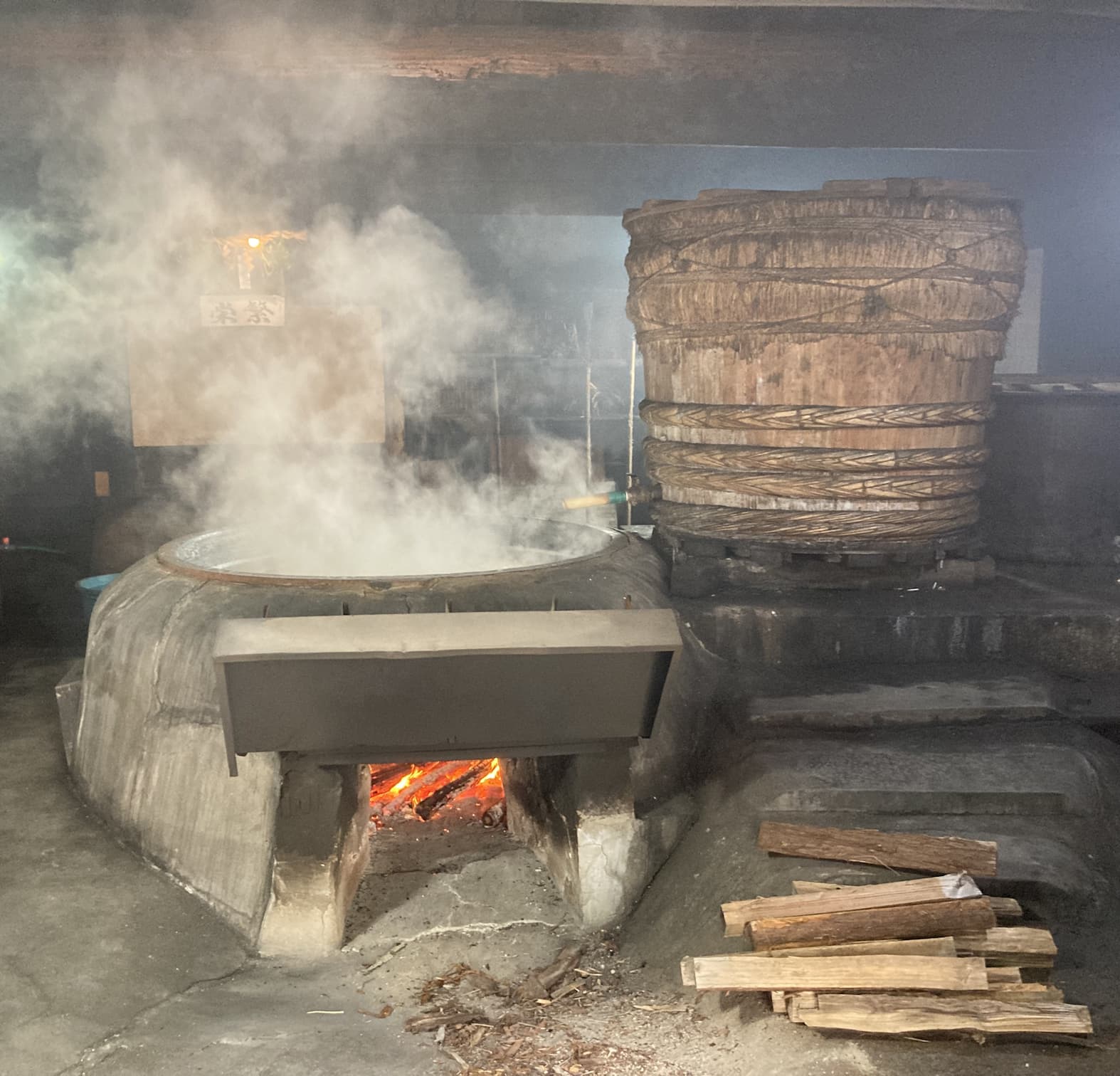
商談相手とハイヤーで移動中…
「ネットで見たあの珠洲の塩って一体何?なぜあんなに高いの?」と突然聞かれたら、あなたならどう答えますか?

ユイ(Yui) 🗻
「こんにちは!里山と伝統技術の案内人、ユイです🗻 珠洲の『揚浜式製塩』って、ただの調味料の枠を超えた、ものすごいドラマが詰湯っているんですよ。」
「『ビーチなのに水着NG?』『500年前のサムライと同じ方法?』なんてキーワードを少し添えるだけで、海外からのゲストの目が輝き出すんです。今回は、インバウンドの知的好奇心を刺激して、商談相手も行きたくなる『能登の塩の語り方』をインバウンドの5つの視点で分かりやすく紐解いていきますね!」
ゲストの関心に合わせて30秒でネタを仕込む!
【一言で腑に落ちる】王道&視覚アプローチ
【インバウンド五大関心別】さらに一歩踏み込む(フォロー)
1. この一言で腑に落ちる?
このパートのいずれかの文章のワンフレーズでご納得いただけたらラッキーですね。もしだめなようでしたら、次のパートもお試しください。いつも通り、日本語で言えないことは英語でも言えませんので、日本語>英語順でご紹介します。
1.1 塩の見方が180度変わるドラマ?
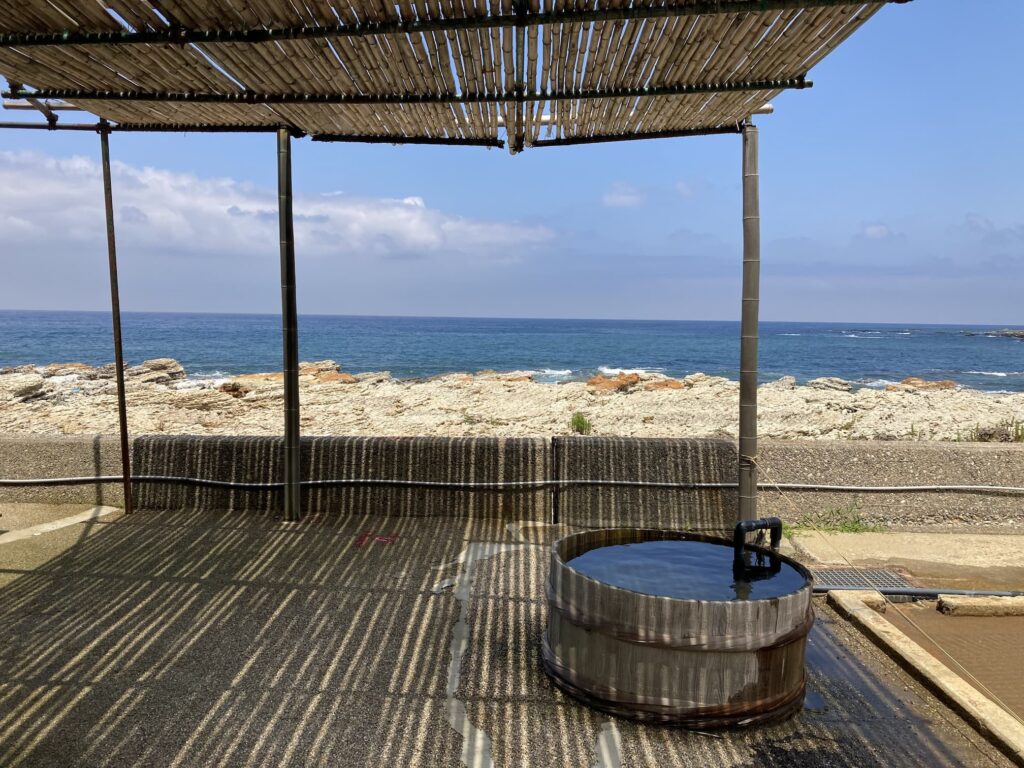
See the Sea Through Salt Makers’ Eyes.
塩なんてどれも同じ——そう思っているなら、能登半島の最果てでその考えが覆ります。 ここには、塩という日常の素材の見方を一変させる物語が隠れています。 製法を見て、ひとつまみ味わえば、塩がただの調味料ではないことがすぐにわかるはず。 目の前の海を眺めながら、先人たちの結晶を味わってみませんか。
1.1 Is All Salt the Same? Think Again!
If you believe salt is just salt, the far edge of the Noto Peninsula will prove you wrong. Here, a hidden story completely changes how you see this everyday ingredient. Watch the process, taste a single pinch, and you’ll know it’s far more than seasoning. With the ocean right before you, you’ll taste the result of generations of hard work.
1.2 機械も使わず500年続くサムライ時代の製法?
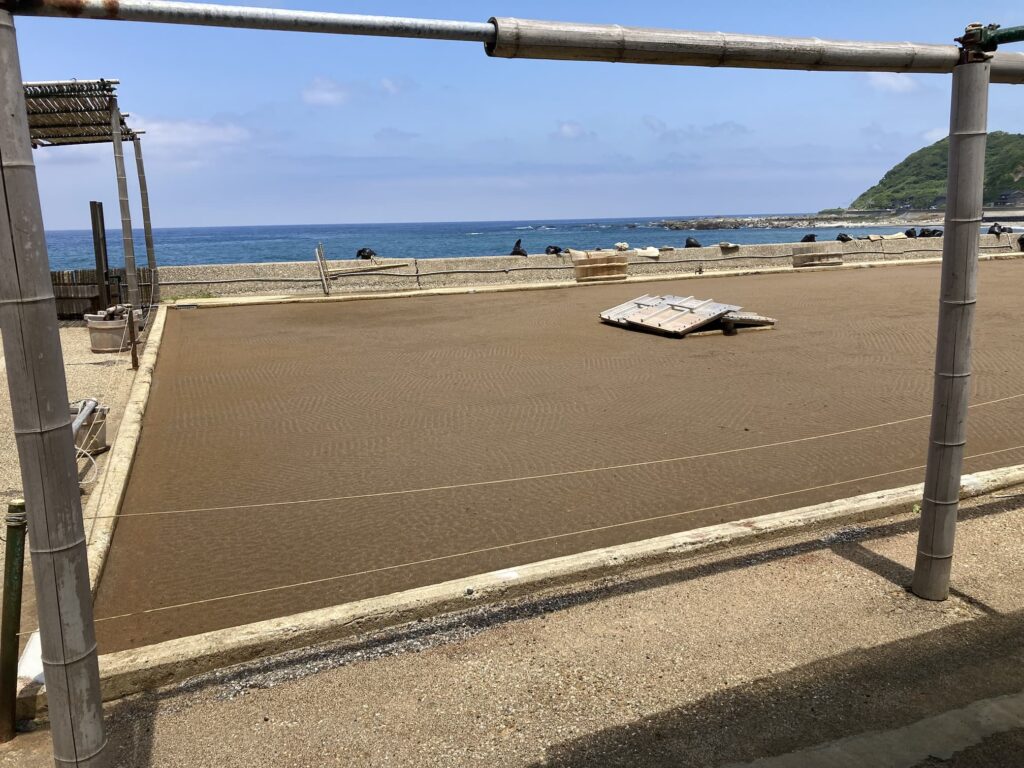
残念ながら当日は前日の雨の影響で体験は中止でした。約500年、ずっとこんな感じなのですね。
能登・珠洲には、500年前のサムライ時代と同じ方法で、今も機械を使わずに塩を作る塩田があります。なぜこんな“非効率”なやり方が、ここだけで生き残ったのか——気になりませんか?訪れれば、過酷な自然に向き合いながら、一滴の海水を宝物に変えてきた執念と知恵の物語が見えてきます。
1.2 A 500-Year Samurai Method—Still Used Today
In Suzu, you’ll find a salt field that still works exactly as it did 500 years ago—no machines, no modern tech. Why did such an “inefficient” method survive only here? Visit, and you’ll see how sheer determination and practical wisdom turned a single drop of seawater into something precious.
2. 次のフォローでご納得?
残念ながら前パートで外した場合のフォローセリフ、いつも通りインバウンド視点を踏まえ関心別に置いてみました。様々な英語表現を織り込むため全体的にかなり長くなっていますが、お気に入りのフレーズあれば現場でも試してみる、そんな軽いノリでご利用ください。
2.1 建築/匠(たくみ)系:
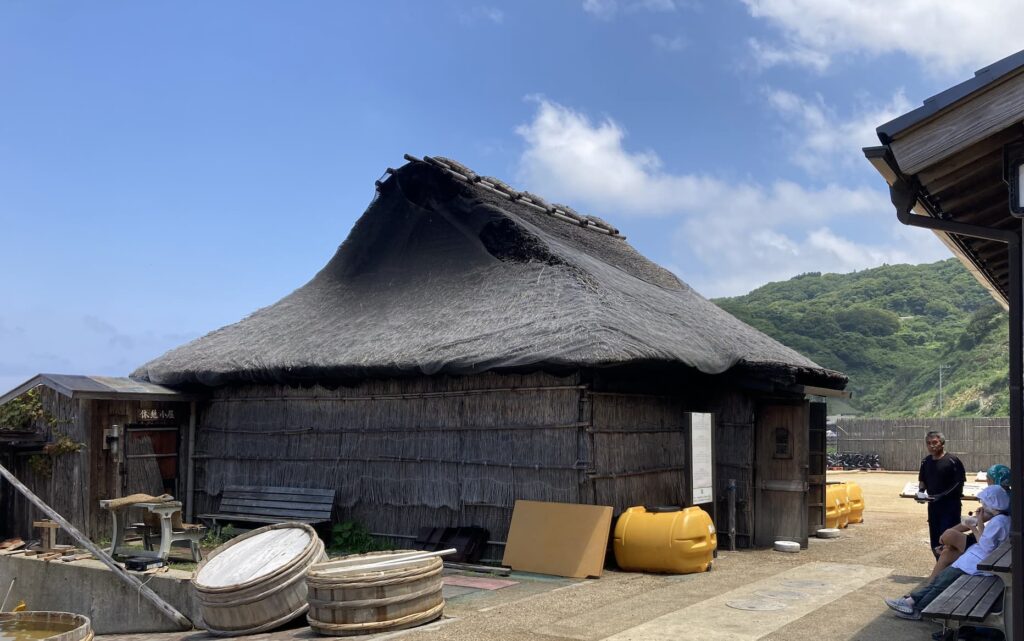
Don’t be fooled by the appearence‼
👉海浜の詫び寂びの建築?
釜屋は、日本各地の名だたる茶室にも匹敵する建築かもしれません。茶室が知らない人にはただの小屋に見えるように、釜屋も外観は質素です。しかし中では、巨大な平釜で海水が一昼夜かけて炊かれています。立ちこめる蒸気、薪の音と香り——その空間に一歩入れば、茶室と同じように建物の本当の意味が感じられるはずです。
A Seaside Space of Wabi-Sabi Craftsmanship
The Kamaya deserves as much attention as Japan’s famous tea houses. Like a tea room, it may look like a simple hut—but inside, seawater is boiled for nearly 24 hours in a massive flat kettle. Step into the steam-filled space, hear the crackling firewood, smell the smoke, and you’ll understand why it was built this way—just as a guest would in a tea ceremony.
2.2 ファッション・ライフスタイル系:
👉究極のソールティファッションを楽しむ?
製塩の工程には、海水を砂浜にまく作業があり、体験はとても人気です。 でも、ビーチだからといって水着だけで参加できるわけではありません。 リネンのシャツ、長袖ラッシュガード、ショートパンツ——ここで受け継がれてきた“安全着”を重ねます。 それを身につければ、現代の“ソルティ”なイライラも吹き飛んで、タフな海の男になれるかもしれません。
The Ultimate “Salty” Workwear
One part of the process involves spreading seawater across the beach, and the hands-on experience is very popular. But don’t expect swimwear to be enough. You’ll layer a linen shirt, a long-sleeved rash guard, and shorts—traditional “safety wear” refined over centuries. Put it on, and you might shake off your modern-day “saltiness” and feel like a true salty dog of the sea.
2.3 アート系
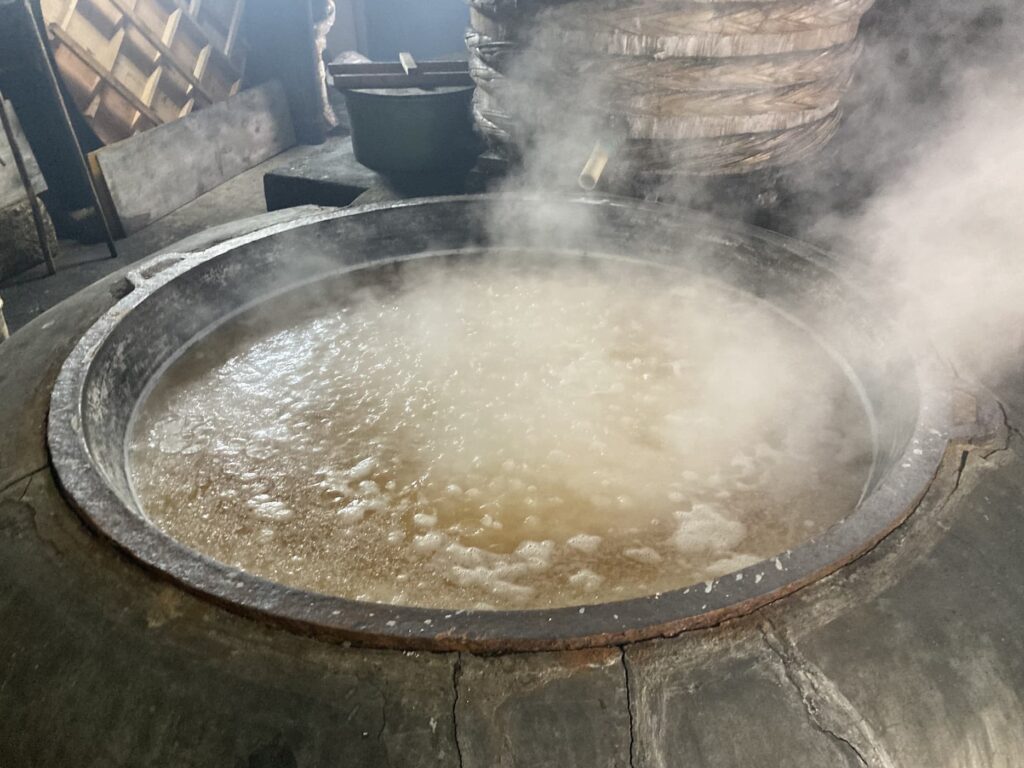
Before Salt Is Born
👉湯気と炎が織りなす24時間のライブパフォーマンス?
ここでの塩づくりは、まるでサムライ時代のライブパフォーマンスです。 砂浜で海水をまき、濃縮していく工程も見どころですが、真のハイライトは釜屋。 白い蒸気、赤く燃える薪、20時間以上釜を見守る職人の姿——その空間はまさに五感を揺さぶるアートです。 最後には、汗の結晶そのものがすくい上げられる瞬間を目の当たりにできるかもしれません。
Steam and Fire: A 24-Hour Live Performance
Watching salt-making here feels like witnessing a Samurai-era performance. First comes the spraying and concentrating of seawater on the sand. Then the highlight: the Kamaya, a full sensory art space of white steam, red flames, and an artisan standing watch for over 20 hours. By the end, visitors might see the salt lifted from the kettle—the crystallized result of relentless labor.
2.4 フード系
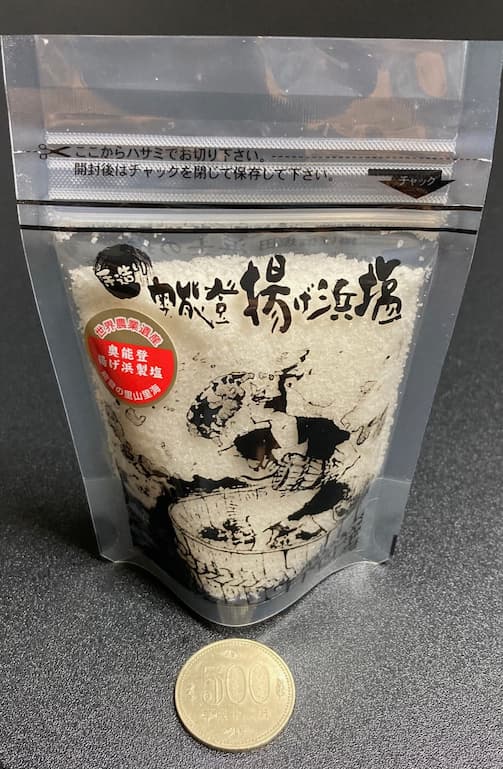
One Coin. World-Class Salt.
👉世界最高峰の塩のお土産?
この塩は、精製塩と違って海水のミネラルがそのまま結晶化しているため、口に入れた瞬間にまろやかな甘みと旨味が広がります。素材の味を最大限に引き出す塩として、日本の高級料亭はもちろん、世界の美食家からも高く評価されています。 でも、ここではワンコインで一袋買えるので、友人へのお土産にもぴったりです。
A World-Class Salt—For the Price of a Single Coin
Unlike refined salt, this salt crystallizes every mineral in the seawater, giving it a mellow sweetness and deep umami. Chefs in Japan’s top ryotei and the global gastronomy world praise it as a premier seasoning. And you don’t need a luxury restaurant to enjoy it—buy a small pack here for one coin, and your friends might rave about it too.
2.5 日本人系
👉塩で日本人独自の精神性が見れる?
人類の歴史で塩はあまりに重要で、各地に「塩の道」が作られました。 しかし日本には岩塩がなく、先人たちは厳しい海から塩を作るしかありませんでした。 現代では多くが大量生産の方式に変わりましたが、ここでは今も古い製法を守り続けています。 その姿勢には、柔道や茶道に通じる“道”の精神が宿っています。 ここはまさに、日本人の精神性を体現する「塩の道」なのです。
Salt and the Japanese Spirit
Salt was so essential in human history that entire trade routes were built for it. Japan, with no rock salt, had to draw salt from the harsh sea. Modern methods allow cheap mass production, yet this place continues the old way. That commitment reflects the same spirit found in Judo and Chado—the Way. This salt field is a living “Salt Road,” embodying a uniquely Japanese mindset.
御礼🔶後書き

日本人の暮らし&
歴史ガイド
👆 今回も最後までお読みいただき、ありがとうございます。
本ブログに関するご意見やご要望がございましたら、下記より、お気軽にお声がけくださいね。