訪日したばかりの重要顧客とお寺の前を通り過ぎようとするとき、「これはお寺?」と突然聞かれたら?

Sakura:日本の歴史ウォッチャー&インバウンド会話ガイド
こんにちは、サクラです🌸 今日は、仏教や禅(Zen)に興味を持つ海外ゲストから「Is this a temple?(これはお寺?)」と聞かれた時に、その場でサッと返せる“雑談の切り口”をご紹介します。欧米からのゲストの中には、「Zen」や「Buddha」という単語を事前に学び、日本の寺院建築を間近で見るのをとても楽しみにされている方が大勢います。そんな時に「お寺の見分け方(神社との違い)」を、歩きながらでも短く・わかりやすく・相手の視点に寄り添う説明ができると、ガイドや接待での信頼がグッと深まります。 観光ガイド、接客、ビジネス接待… “今すぐ英語が必要!”という現場の皆さんに向けて、今日も使える雑談ネタを凝縮してお届けします🌸
目的に合わせて読みたい方は下記からお好みで。
【A】 お寺の見分け方(外見・目に見えるもの)
「これはお寺?」という海外ゲストの質問に対して、パッと見てすぐ伝えられるお寺ならではの建築や景観のポイントをご紹介します。今回も日>英順でピックアップしてご活用ください。🌸
1. 山門(重厚な大きな門)がある
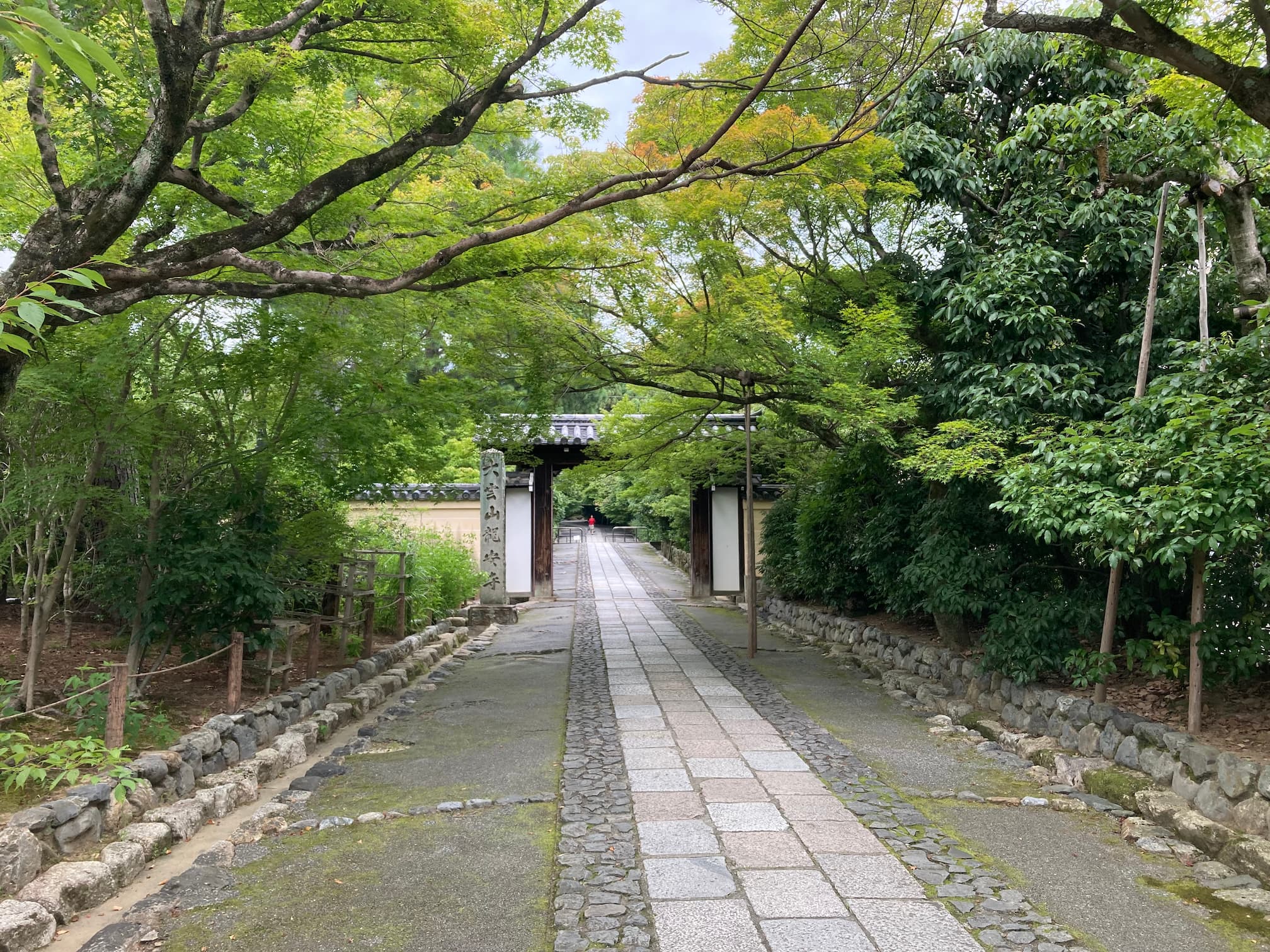
お寺の一番わかりやすい外見上の特徴は、入口に立つ大きな屋根付きの「山門( Sanmon )」です。神社のシンプルな鳥居とは異なり、重厚な木造の建築物になっています。
The most recognizable feature of a temple is the grand main gate called “Sanmon.” Unlike the simple torii gate of a shrine, it is a large, elaborate wooden gate with a roof.
山門(Sanmon)に関する便利フレーズ
A temple entrance is marked by a large roofed main gate. (お寺の入口は大きな屋根付きの主門で示されます。)
Unlike shrines, temples do not have a Torii gate at the entrance. (神社と異なり、お寺の入口には鳥居がありません。)
You often see fierce guardian statues, called Nio, inside the gate. (門の中には仁王と呼ばれる険しい顔をした守護像が立っていることが多いです。)
These statues protect the temple from evil spirits. (これらの像はお寺を悪霊から守る役割を果たしています。)
2. お香(線香)の煙がある
境内にお香(線香)の香りが漂い、煙を体に寄せて清めている人々がいれば、そこはほぼ確実にお寺です。
If you smell incense and see people drawing the smoke toward their bodies, it is almost certainly a Buddhist temple.
🎑 お香(Incense)に関する便利フレーズ
Incense smoke is used to purify your mind and body before praying. (お香の煙は祈る前に心身を清めるために使われます。)
Visitors guide the smoke toward their bodies for healing and good health. (参拝者は健康や平癒を願って体に煙を寄せます。)
You rarely see burning incense burners at Shinto shrines. (神道のお香焚き(香炉)を神社で見かけることは滅多にありません。)
3. 仏像(Buddha Statues)が見える
お寺の本堂や境内には、目に見える姿をした仏像(大仏、観音菩薩、地蔵菩薩など)が安置されています。
Inside the main hall or around the grounds, you will see Buddha statues in human-like form, such as Kannon or Jizo.
🗿 仏像に関する便利フレーズ
Temples display visible statues representing Buddha and enlightened beings. (お寺にはブッダや悟りを開いた存在を表す目に見える像が飾られています。)
In contrast, Shinto shrines do not usually show statues of their deities. (対照的に、神社では通常、神様の像を表に展示しません。)
You can often see stone statues of Jizo wearing red bibs in temple grounds. (お寺の境内では、赤いよだれかけを着けた石の地蔵菩薩像をよく目にします。)
4. 鐘楼(大鐘)がある
お寺には「鐘楼( Shorou )」と呼ばれる大きな吊り下げ式の鐘(梵鐘)があり、深みのある音色で周囲に祈りの時間を知らせます。
Temples feature a heavy suspended bronze bell in a bell tower, which creates a deep, resonant sound.
🔔 鐘楼(Temple Bell)に関する便利フレーズ
The large bronze bell is struck with a wooden beam from the outside. (大きな青銅製の鐘は外側から木製の丸太で突かれます。)
The deep sound is believed to calm worldly thoughts and bring peace. (深く響く音が煩悩を払い、心に平和をもたらすとされています。)
5. 瓦屋根や三重塔・五重塔がある
重厚な「瓦屋根」や「三重塔・五重塔(Pagoda)」は、アジア大陸から仏教とともに伝わった寺院建築の大きな目印です。
Heavy tile roofs and multi-storied pagodas are iconic signs of Buddhist architecture introduced from mainland Asia.
🏰 建築様式に関する便利フレーズ
A pagoda is a multi-tiered tower used to store sacred Buddhist relics. (パゴダ=塔は、聖なる仏舎利を納めるための多層の塔です。)
Temple roofs are usually tiled, whereas shrine roofs often feature natural bark or thatched designs. (お寺の屋根は通常瓦葺きですが、神社の屋根は檜皮葺や茅葺きなどの自然素材が多いです。)
Temples lack the roof ornaments like Chigi and Katsuogi found at shrines. (お寺の屋根には、神社で見られる千木や鰹木のような装飾はありません。)
6. 要約説明:Simplified Explanation
一言でサッと伝えるなら、「鳥居がなく、大きな門、仏像、お香の煙があればお寺」です。
In short, if it lacks a Torii gate and you see features like a big main gate, Buddha statues, and incense smoke, it’s a Buddhist temple.
【B】 仏様・作法の違い(目に見えないもの)
外観だけでなく、信仰の対象や参拝マナーの違いまでスマートに補足できると、ゲストの好奇心と思索がさらに深まります。🌸
1. 仏様は「教えと救い」の象徴(目に見える存在)
神道の神様は目に見えず自然そのものに宿るとされますが、仏教の「仏様」は悟りを開いた歴史上の人物(ブッダ)や、人々を救う尊い存在として姿形で表現されています。
While Shinto deities are invisible forces of nature, Buddhist figures represent enlightened beings and teachers whose forms are visibly depicted to help people understand their teachings.
🕊️ 仏様と教えに関する便利フレーズ
Buddhism began with the teachings of the historical Buddha, but temples also honor various compassionate figures such as Kannon and Jizo. (仏教は歴史上の仏陀の教えから始まりましたが、寺院では観音や地蔵など、さまざまな慈悲深い存在も祀られています。)
Statues represent wisdom, compassion, and enlightenment. (仏像は知恵、慈悲、そして悟りを象徴しています。)
People pray to express gratitude and seek inner peace. (人々は感謝を表し、心の平穏を求めて祈りを捧げます。)
Unlike Shinto gods of nature, Buddha was a human teacher who attained enlightenment. (自然神である神道の神々と異なり、ブッダは悟りを開いた人間であり指導者でした。)
2. 静かな参拝作法(手を叩かない・合掌)
神社では「二拍手」で手を鳴らしますが、お寺では手を叩きません。胸の前で静かに手を合わせ(合掌)、一礼して祈ります。
At a temple, you do not clap your hands. Instead, you put your hands together silently in front of your chest (Gassho) and bow quietly.
🙌 参拝作法に関する便利フレーズ
Do not clap your hands at a temple. (お寺では手を叩きません。)
Simply place your hands together in front of your chest and bow softly. (胸の前で静かに手を合わせ、軽くお辞儀をします。)
Putting your palms together is called Gassho, symbolizing respect and unity. (両の手のひらを合わせる動作は合掌と呼ばれ、敬意と一体感を象徴します。)
Shrines often include clapping, whereas temples focus on quiet, silent prayer.(神社ではしばしば拍手をしますが、お寺では静寂の中で祈ります。)
Remember: Clap at shrines, remain silent at temples. (「神社では叩く、お寺では静かに」と覚えておくと便利です。)
3. お焼香とお線香の風習
お寺ではお線香を立てたり、香炭に抹香をくべる(お焼香)ことで、敬意を表し、香りで精神的な雰囲気を醸し出します。
At temples, offering incense or burning scented powder serves as a way show respect and create a spiritual atmosphere through scent.
🎑 奉納と供養に関する便利フレーズ
Lighting an incense stick is a gift of fragrance to the Buddha. (お線香に火を灯すことは、仏様への香りの贈り物です。)
The rising smoke is believed to carry prayers to the spiritual realm. (立ち上る煙が祈りを仏の世界へと届けるものと信じられています。)
Gently wave your hand to extinguish the flame—never blow it out. (お線香の火は息で吹き消さず、手で軽く仰いで消します。)
【C】 紛らわしい点(神社との共通点)
海外ゲストが混同しやすい「どちらの敷地にも存在する共通アイテム」を補足してあげると、一転してすっきり理解してもらえます。🌸
1. 手水舎(Chozuya)がある
神聖な場所に入る前に手や口を清める「手水舎」は、神社だけでなく多くのお寺にも存在します。
Water pavilions (Chozuya) used for purifying your hands and mouth are found at both temples and shrines.
💧 手水舎に関する便利フレーズ
Both shrines and temples feature water basins for purification. (神社もお寺も身を清めるための手水舎を備えています。)
The purification ritual before entering is essentially the same. (参拝前に清める作法は基本的にはどちらも同じです。)
2. 石灯籠(Stone Lanterns)がある
石灯籠は、神社や寺院の小道や境内沿いに並んでいることがよくあります。
Stone lanterns (Toro) often line the pathways and grounds of both shrines and temples.
🎎 灯籠に関する便利フレーズ
Stone lanterns called Toro line the pathways of both shrines and temples. (灯籠と呼ばれる石の灯りは、神社とお寺の両方の参道に並んでいます。)
They were originally brought to Japan along with Buddhism to light the way during night rituals. (元々は仏教とともに伝来し、夜間の儀式で足元を照らすためのものでした。)
3. お賽銭箱(Offertory Box)がある
神社もお寺も、参拝者が象徴的な供え物として硬貨を投じるお賽銭箱が設置されています。
Both shrines and temples have offertory boxes where visitors drop coins as a symbolic offering.
お賽銭に関する便利フレーズ
Tossing a coin into the wooden box is customary at both locations. (木箱にコインを投げ入れる慣習はどちらでも共通です。)
The coin represents a small gift of gratitude before praying. (コインは祈りの前に捧げる小さな感謝の印です。)
4. おみくじ(Fortune Slips)がある
運勢を占う紙片「おみくじ」も、神社・お寺双方の授与所で購入することができます。
Paper fortune slips called Omikuji are available at both shrines and temples.
おみくじに関する便利フレーズ
You can get fortune slips at temples just like at shrines. (神社と同じようにお寺でもおみくじを引くことができます。)
If you get a bad fortune, you can tie it to a designated rack to leave the bad luck behind. (もし凶が出たら、指定の場所に結び付けて悪運を置いていくことができます。)
5. 御朱印(Goshuin)がある
参拝の証として授与される朱印と毛筆の「御朱印」は、元々はお寺で写経を納めた証(納経印)として始まった文化です。
Sacred calligraphy stamps (Goshuin) are available at both shrines and temples, originating from Buddhist temples as proof of copying scriptures.
御朱印に関する便利フレーズ
Goshuin stamps originated at Buddhist temples as proof of offering copied scriptures.. (御朱印はお寺で写経を納めた証として始まりました。)
Today, travelers collect these handwritten seals at both shrines and temples. (今日では、旅行者が神社とお寺の両方で手書きの印を集めて楽しんでいます。)
【D】 🕯️ 世界の祈りと供養・瞑想文化(共感を高めるネタ)
お寺の解説をする際、世界の宗教や文化で見られる「瞑想」や「追悼・供養」の風習と比較してあげると、「日本だけじゃないんだ!」と深い深い共感が生まれます。
🧘♂️ 禅(Zen)とマインドフルネス(世界の瞑想文化)
Zen meditation focuses on breathing and inner peace, and shares similarities with mindfulness practices around the world. (禅の座禅は息を整えて心の平穏を目指すもので、世界中のマインドフルネスの実践とよく似ています。)
Many people visit temples not just to pray, but to quiet their minds. (多くの人々はお参りだけでなく、心を落ち着かせるために寺院を訪れます。)
🕯️ 灯火とキャンドル(世界共通の祈りの光)
Lighting a candle at a church and offering a candle at a temple both express a wish for peace or remembrance.
(教会でキャンドルを灯すことも、お寺でローソクを捧げることも、どちらも平和への祈りや献灯を表しています。)
Light is a universal symbol of hope and guidance across many cultures. (光は多くの文化において希望と導きの普遍的なシンボルです。)
🍃 ご先祖様への祈り(追悼・供養の文化)
Buddhist temples play an important role in honoring ancestors and remembering loved ones.
(仏教寺院はご先祖様を敬い、亡くなった大切な人を想う大切な場所です。)
Remembering ancestors is a concept shared by many cultures around the world, like All Saints’ Day or Day of the Dead. (万聖節や死者の日のように、先祖を偲ぶ感覚は世界中の文化で共有されています。)
🏛️ 静寂と内省の空間(修道院・聖堂との共通点)
The quiet atmosphere of a temple hall offers a reflective space similar to quiet chapels or monasteries in the West. (本堂の静かな雰囲気は、西洋の静かな礼拝堂や修道院のような、静寂に包まれた内省のための空間を提供しています。)
Just like sacred sites around the world, Buddhist temples offer a peaceful place for reflection and gratitude. (世界中の聖地と同じように、日本の寺院も内省と感謝のための静かな安らぎの場となっています。)
🔄 あわせて読みたい!「神社視点」からの解説記事
今回は「お寺」の視点から神社との違いをご紹介しましたが、海外ゲストからは「Is this a shrine?(これは神社?)」と聞かれる機会もとても多くあります。あわせてチェックしておくと、現場での対応力がさらに高まりますよ🌸

👆 今回も最後までお読みいただき、ありがとうございます。 本ブログに関するご意見やご要望がございましたら、下記より、お気軽にお声がけください!